REVIEW · HOI AN
Hoi An Vegan Food Tour
Book on GetYourGuide →Operated by Momo Travel Limited Company · Bookable on GetYourGuide
Hoi An tastes different when you follow the lantern light. This 3-hour vegan food walk turns alley wandering into real kitchen stories and tastings.
I love the mix of home-kitchen visits and proper local stops, from the oldest bakery to 300-year-old houses. I also like the guide team—people like Kun and Khieu (Q) bring the food and Hoi An history together with humor and personal details.
One thing to plan for: there’s no hotel pickup, and the route covers about 1.5 km on foot in a short time window.
In This Review
- Key highlights worth circling
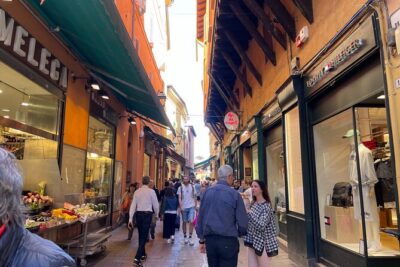
- Start at Hoi An Post Office, then follow lantern alleys to food
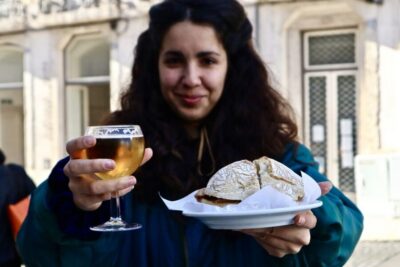
- The old bakery stop: banh my around the clock
- Homes and tradition: fruits, cakes, and dried jams in local neighborhoods
- White Roses at a 300-year-old house: a Hoi An classic with a backstory
- Vegan Hoi An comfort food: Cao Lau noodles and fried wonton
- Bánh xèo and signature sweets: where the tour gets fun fast
- The jam and spice tasting that most tours skip
- A guidebook you’ll actually use after you leave
- Price, value, and what $27 really buys you
- Who should book this vegan Hoi An food walk
- Practical tips so you enjoy every stop (and not just the loud ones)
- Should you book it or skip it?
- FAQ
- Where is the meeting point for the Hoi An Vegan Food Tour?
- How long is the tour?
- How much is the tour?
- How far do you walk during the tour?
- What’s included in the price?
- Is the tour wheelchair accessible?
- Can the tour handle dietary needs like gluten-free?
- FAQ
- Can I get a refund if my plans change?
- Is there hotel pickup or drop-off?
- What food items are part of the tastings?
- Is it a small group?
- Is there an English guide?
- Are extra drinks or food included?
Key highlights worth circling
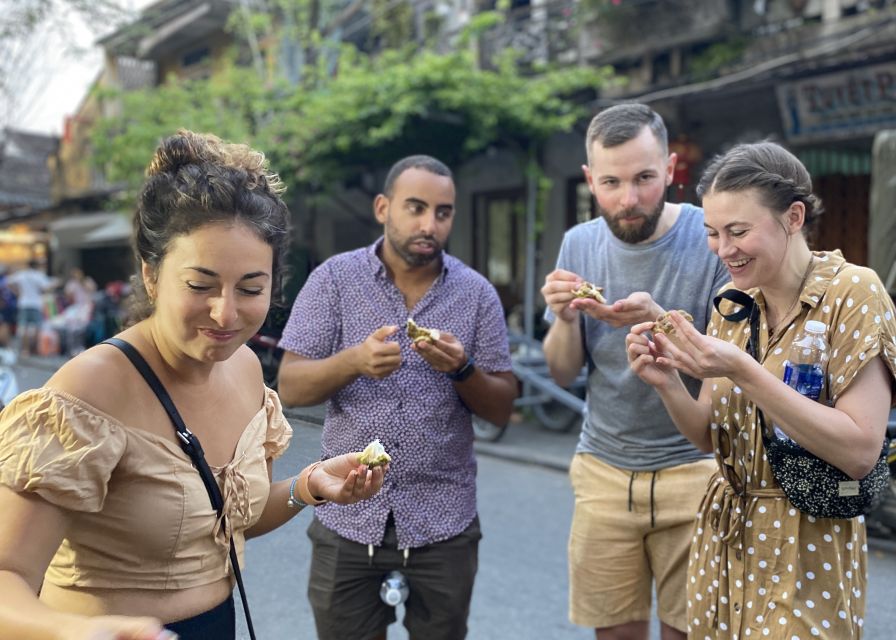
- Oldest bakery banh my, made on a local schedule: you’ll see how sandwiches get made the way locals do.
- Family-run tastings in neighborhood homes: fruit, cakes, and dried jams come with the story behind them.
- White Roses at a 300-year-old house: a Hoi An classic with extra context.
- Hoi An vegan classics in proper local spots: Cao Lau noodles, fried wonton, bánh xèo, and more.
- A guide-led route that stays social: small group (max 10) and a lot of chances to ask questions.
- All food and drink included: you can sample widely without adding a pile of extra purchases.
Start at Hoi An Post Office, then follow lantern alleys to food
Your tour meets in front of the Hoi An Post Office, which is a handy anchor point in this walkable old town. From there, the route is designed for an easy flow: you’re out for about 3 hours, and the total walking distance is about 1.5 km.
The best part of this setup is that it lets you focus on food rather than logistics. You’ll be hopping between places that feel part of everyday life—backstreets, family operations, and small eateries you’d likely miss if you only followed main lanes.
This is also a small group experience, limited to 10 participants, with an English-speaking guide. That matters because you’re not just sampling; you’re getting explanations that help the dishes make sense in the local setting.
You can also read our reviews of more food & drink experiences in Hoi An

The old bakery stop: banh my around the clock
The tour starts with a visit to Hoi An’s oldest bakery, where you’ll see locals making bánh mì pretty much around the clock. That’s more than a cool photo moment. It gives you a feel for how central bread and sandwiches are in daily Vietnamese life.
Why I like this stop for you: it sets the baseline. Even if you’ve had bánh mì before, it’s usually the big-city version. Here, you’re seeing the process tied to a long-running local business, and that makes the later vegan bánh mì tastings easier to understand and appreciate.
You’ll get context on ingredients and timing—how something that can seem simple actually depends on technique, routine, and consistency. Expect the tour to slow down just enough so you can look, smell, and ask questions, not just eat and rush.
Homes and tradition: fruits, cakes, and dried jams in local neighborhoods
After the bakery, the tour shifts into home-kitchen territory. You’ll step into the homes of local vendors who’ve been selling food for generations, and that’s where the whole experience earns its keep.
This part isn’t a “show-and-tell” only. You’ll taste a spread of items like fruits, cakes, and dried jams, with the vendor explaining what you’re eating and why it matters in their routine. These are the kinds of flavors that don’t usually show up on standard restaurant menus in tourist zones.
If you care about how food culture actually works, this is where you’ll feel it. You can watch the hospitality style, understand portion habits, and learn how flavors are built using local sources. One review detail that fits this perfectly: guides check in about questions and even allergies, and they’ll adjust fruit choices when it helps you enjoy the tastes better.
White Roses at a 300-year-old house: a Hoi An classic with a backstory
One of the standout stops is White Roses at a 300-year-old house. This is the kind of place where the building itself shapes the meal—quiet rooms, old wood, and the sense that food is part of heritage, not just product.
The tour handles this stop well. You’re not only eating a dish; you’re learning the meaning behind it as the guide connects it to Hoi An’s cultural mix. That’s a big deal in a vegan tour, because you want to know how these dishes are adapted, not just that they exist.
In practical terms, plan to slow down here. White Roses can be delicate, and you’ll enjoy the experience more if you give yourself time to taste carefully instead of chasing the next bite.
Vegan Hoi An comfort food: Cao Lau noodles and fried wonton
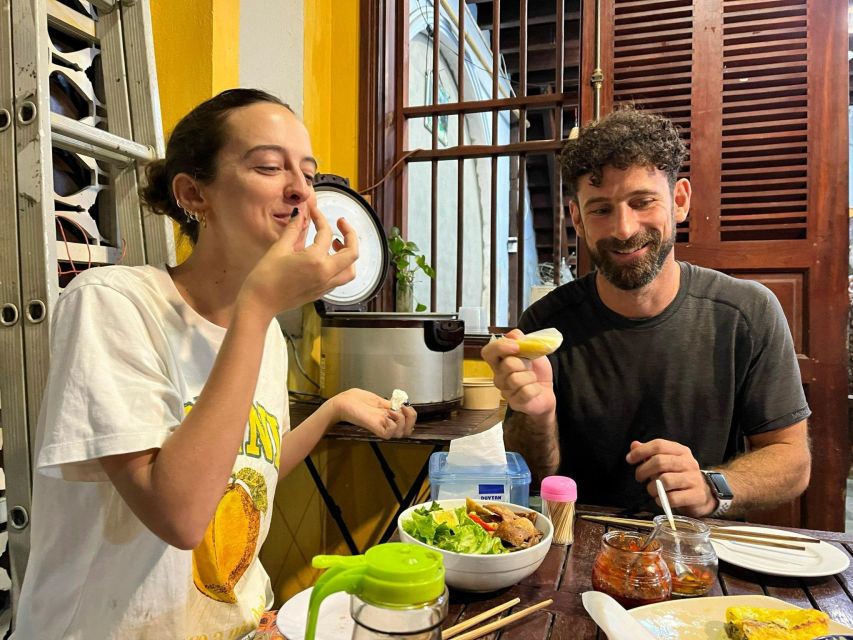
Next comes the heart of the savory lineup. You’ll savor Cao Lau noodles at a must-visit vegan restaurant stop. Cao Lau is one of those dishes people associate with Hoi An, and getting it in a vegan version shows how local food identity can travel beyond its usual ingredients.
You’ll also try fried wonton, which gives you that satisfying crunch that many people miss when switching to plant-based eating. The guide’s role here matters: you’ll learn what makes the vegan version work, including how flavors are built to feel complete.
The value of these stops is that they cover different taste targets in a short span. You get noodles for comfort, fried bites for texture, and pancakes later for a totally different feel. It keeps the tour from turning into one long snack line.
A few more Hoi An tours and experiences worth a look



Bánh xèo and signature sweets: where the tour gets fun fast
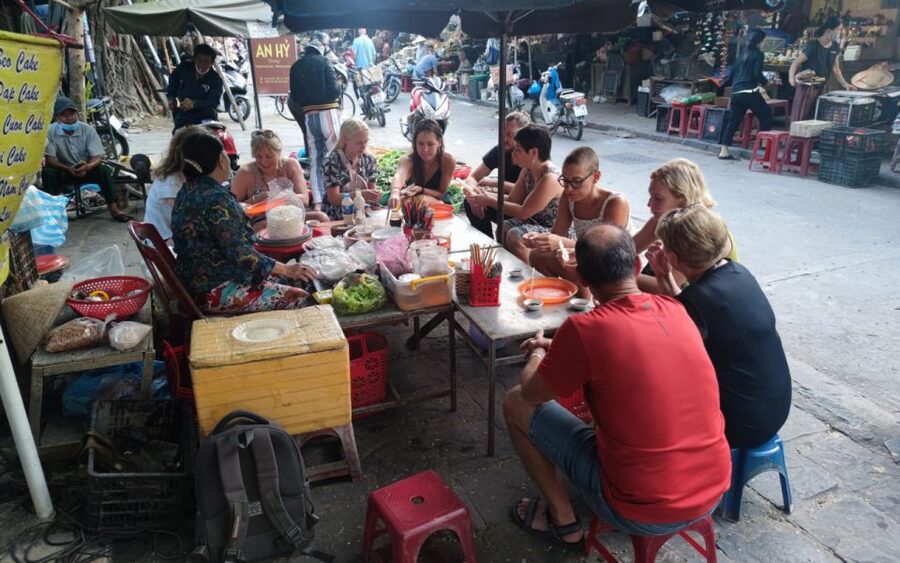
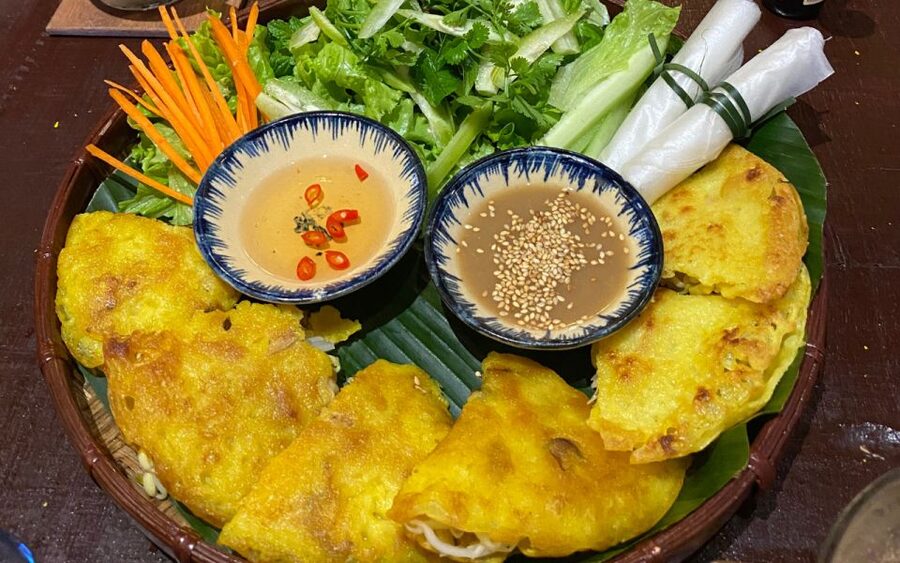
Bánh xèo is on the list, and it’s the kind of dish that’s hard to replicate at home without the right setup. This stop helps you understand why it’s so loved in Vietnam—crisp edges, fragrant fillings, and a sauce balance that makes every bite feel intentional.
Then the tour starts stacking sweet wins. You’ll sample mango cake, smack rice cake, and coconut candy. Coconut candy is especially fun because it’s portable and memorable—you can taste how simple ingredients become something addictive.
You also get black sesame soup, described as a local secret believed to promote longevity. Even if you don’t treat that as medical advice, it’s a great cultural touch. It’s also a smart tour choice: it rounds out the meal so you don’t end the night feeling like you only ate one flavor type.
The jam and spice tasting that most tours skip
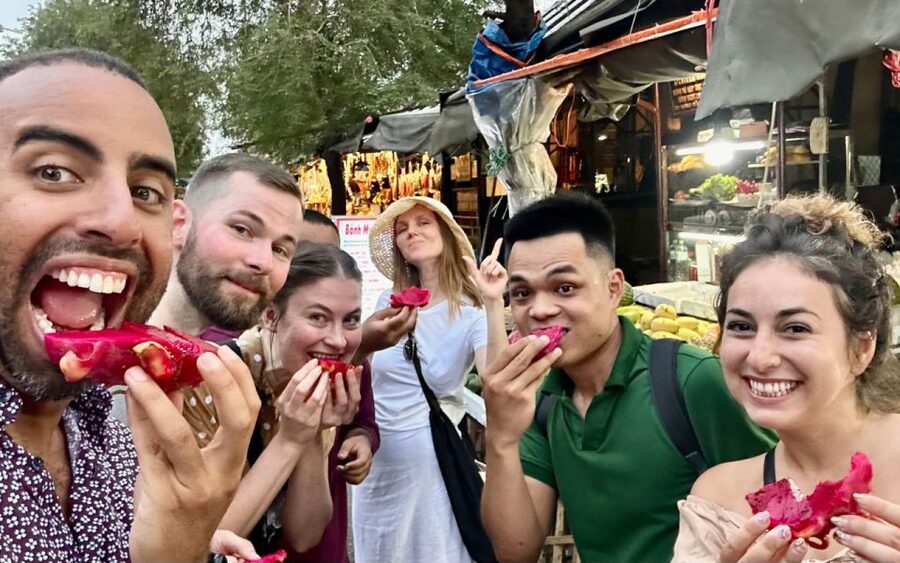
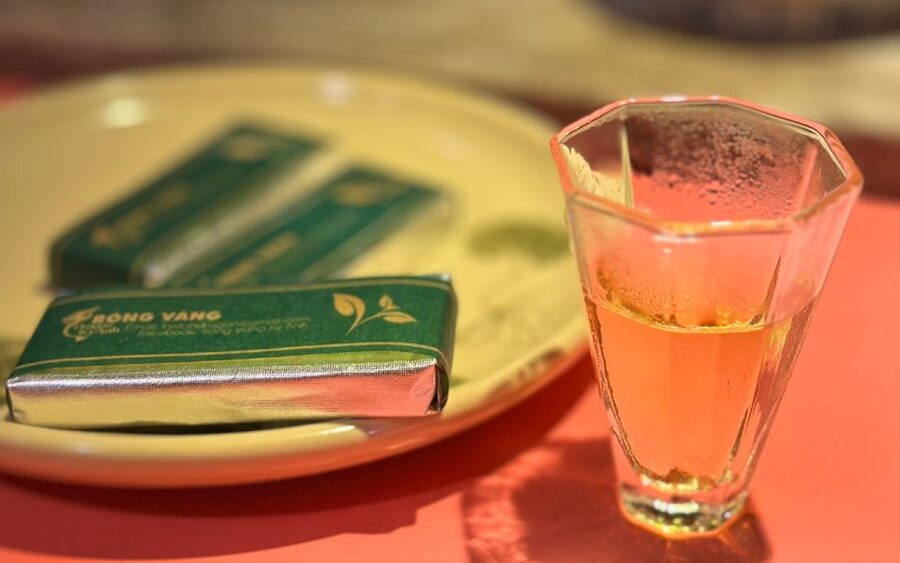
A big advantage here is the inclusion of tumeric and ginger jam and dried ginger and turmeric jams. These aren’t “cute snacks.” They’re a real glimpse into how Vietnamese cooks use root flavors and spice notes to build character.
Why this matters for you: if you’re the kind of traveler who wants to recreate flavors later, jam stops like this are useful. You can pay attention to sweetness level, spice intensity, and texture—then hunt for similar ingredients when you’re back home.
This is also where the guide’s personality shines. Guides like Q have a way of making questions feel normal, not like a test. You’ll hear little side stories that help you connect the ingredient to everyday life in Hoi An.
A guidebook you’ll actually use after you leave
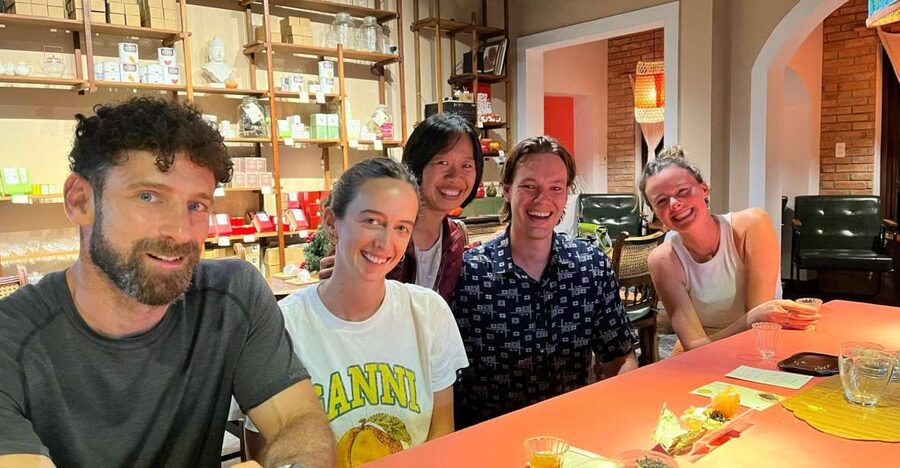
At the end, you receive a guidebook filled with recommendations for more vegan home-kitchens and activities in Hoi An. That turns a 3-hour tour from a one-and-done meal into a starting point for the rest of your stay.
You can use it to map out what to try next, especially if you want to keep eating beyond the tour’s scheduled stops. For vegans and meat-eaters alike, that’s where the value multiplies: the tour becomes research, not just dinner.
And since the route is small-group and guided, you’re more likely to notice what to look for later—vendor setups, ingredient cues, and the type of places that are actually welcoming to plant-based meals.
Price, value, and what $27 really buys you
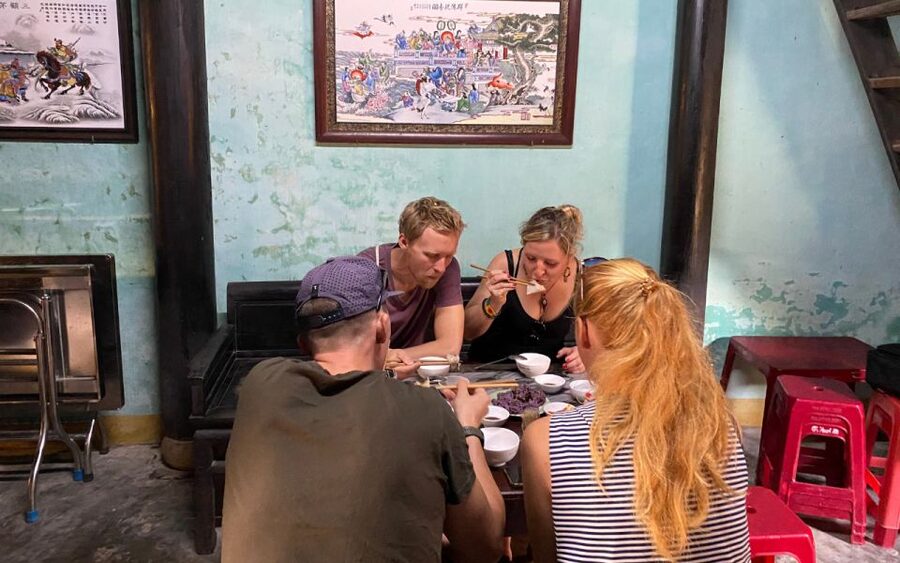
At $27 per person for 3 hours, the deal works best if you treat it like an organized food education session, not just a tasting menu.
Here’s what you get for that price:
- All food and drink included
- A full set of stops (bakery, home kitchens, and local eateries)
- An English-speaking guide
- A manageable walking distance with a small group size
Most importantly, multiple reviews point to the same outcome: you finish feeling full, not snack-light. When you’re paying a set fee and the tour handles all food, you avoid the awkward problem of trying to estimate how much you’ll spend on extra bites during a half-day.
The only price caution I’d flag: if you’re a super-fast eater or you expect a huge sit-down restaurant portion, you might wish the tour lasted longer. But for its time length and included tastings, it’s good value.
Who should book this vegan Hoi An food walk
Book this if you want:
- A vegan meal plan that’s still rooted in Vietnamese flavors
- A walk that includes home-kitchen visits, not just restaurants
- A guide who connects dishes to the local way of life (like the storytelling style from Kun, Nguyen, Vy, Huyen, and Q)
It’s also a nice fit if you eat meat but want to try vegan versions of Hoi An favorites like Cao Lau and bánh xèo. The tour is designed so everyone can enjoy the experience together.
Diet and allergy note: the guides will ask about dietary needs, including support for gluten-free due to celiac disease. If you have strict requirements, tell your guide clearly at the start so they can steer you to the right foods.
Practical tips so you enjoy every stop (and not just the loud ones)
A few simple things will make this smoother:
- Arrive at the meeting point in front of the Hoi An Post Office with a little buffer so you can start calmly.
- Wear comfortable shoes. The route is only 1.5 km, but it’s a stop-and-taste pace.
- Come ready with questions. The guides seem to love explaining processes and stories, and you’ll get more out of tastings when you ask how something is made.
Also, pace yourself. With multiple items—bánh mì, Cao Lau noodles, White Roses, fried wonton, bánh xèo, smoothie, mango cake, smack rice cake, jam, coconut candy, and black sesame soup—you’ll want to leave room for the later sweets and the soup.
Should you book it or skip it?
I’d book this tour if your goal is to eat vegan food in a way that feels local and explained—not just “plant-based on a menu.” The combination of home kitchens, iconic Hoi An classics, and a small-group guide experience makes it a strong first step for anyone serious about vegan Vietnamese flavors.
Skip it only if you want a long, restaurant-style meal with lots of downtime, or if you strongly prefer hotel pickup and lots of extra time at each stop. With its 3-hour structure, this is meant to move through the city while you taste and learn.
If you’re in Hoi An for just a day or two and want to get your bearings fast in vegan food, this tour is one of the most efficient ways to do it.
FAQ
Where is the meeting point for the Hoi An Vegan Food Tour?
You meet in front of the Hoi An Post Office.
How long is the tour?
The tour lasts about 3 hours.
How much is the tour?
It costs $27 per person.
How far do you walk during the tour?
The tour covers an estimated 1.5 km (about 0.9 miles).
What’s included in the price?
All food and drink are included, along with an English-speaking guide.
Is the tour wheelchair accessible?
Yes, it is listed as wheelchair accessible.
Can the tour handle dietary needs like gluten-free?
The guides ask about dietary requirements and will ensure everyone can enjoy the home-kitchen experiences, including gluten-free needs for celiac disease.
FAQ
Can I get a refund if my plans change?
Free cancellation is available up to 24 hours in advance for a full refund.
Is there hotel pickup or drop-off?
No, hotel pickup and drop-off are not included.
What food items are part of the tastings?
You’ll taste items such as banh my, Cao Lau noodles, White Roses, fried wonton, bánh xèo, mango cake, smack rice cake, turmeric and ginger jam, and coconut candy.
Is it a small group?
Yes. The group is limited to 10 participants.
Is there an English guide?
Yes, the tour has a live English-speaking guide.
Are extra drinks or food included?
Extra food and drinks beyond what’s planned are not included.