REVIEW · HONG KONG
Hong Kong: Private Food Tour with 10 Tastings
Book on GetYourGuide →Operated by Withlocals · Bookable on GetYourGuide
Food in Hong Kong moves fast, and so should you. This 3-hour private food tour is built around 10 tastings, with classic hits like dim sum and pineapple bun served in the local way.
I especially like that the menu is adapted for vegetarians, so you’re not stuck eating around the food. I also like the city-walk side: you get real Hong Kong street scenes, not just a restaurant parade.
One thing to weigh: there’s no pickup or drop-off, and with a short, timed tour, being late to the meeting point can quickly turn “easy stroll” into “why are we still waiting?”
In This Review
- Key Things I’d Pay Attention To
- Why This Hong Kong Food Tour Works in a Short 3 Hours
- Starting Point at Sai Ying Pun: Easy to Find, Easy to Miss
- The Food Plan: What 10 Tastings Feels Like (and How to Get More Out of It)
- Classic Dim Sum and Pineapple Bun: The Two Stops You’ll Remember
- Dim sum: small plates, big style
- Pineapple bun: sweet, crisp, and weirdly comforting
- Central Escalator: Why This City Shortcut Is Worth a Stop
- Dried Food Street and Slab Stone Street: Food Shopping as Culture
- Dried Food Street: the smell of long-term flavor
- Slab Stone Street: the feel of an older trade area
- Private Tour Reality Check: Small Group Pacing and Guide Interaction
- English Guide, Real Conversations, and What to Ask
- Price and Value: Is $170 Worth It?
- The Biggest Caution: Reliability and Communication
- Who This Tour Is Best For (and Who Should Pass)
- Should You Book It?
- FAQ
- What’s the duration of the Hong Kong Private Food Tour with 10 Tastings?
- How many people are in the group?
- Where do I meet the guide?
- Is there a vegetarian option?
- Are pickup and drop-off included?
- Is the tour in English?
Key Things I’d Pay Attention To
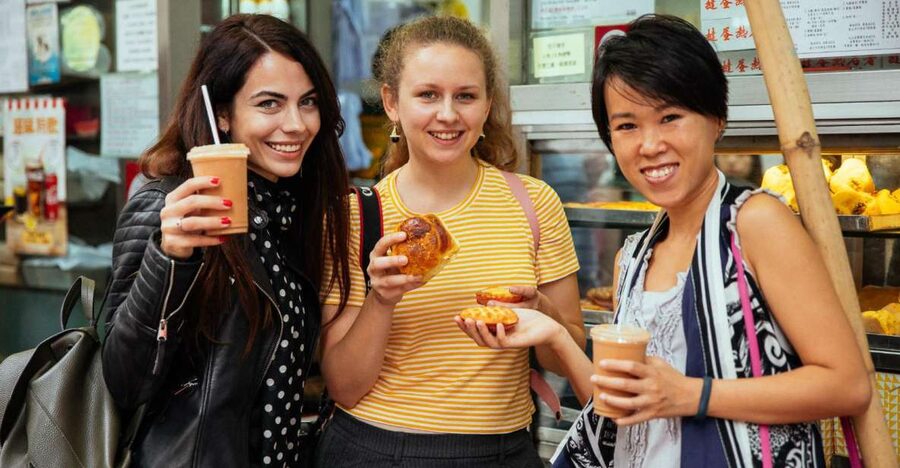
- 10 tastings in 3 hours means the pacing is tight, so come hungry and expect quick stops
- Dim sum + pineapple bun are treated as classics, with local-style ordering and presentation
- Central Escalator, Dried Food Street, Slab Stone Street add context beyond the plate
- Small group up to 8 keeps it personal, and you can actually ask questions
- Vegetarian option is real, not an afterthought, as long as you say so at the start
Why This Hong Kong Food Tour Works in a Short 3 Hours
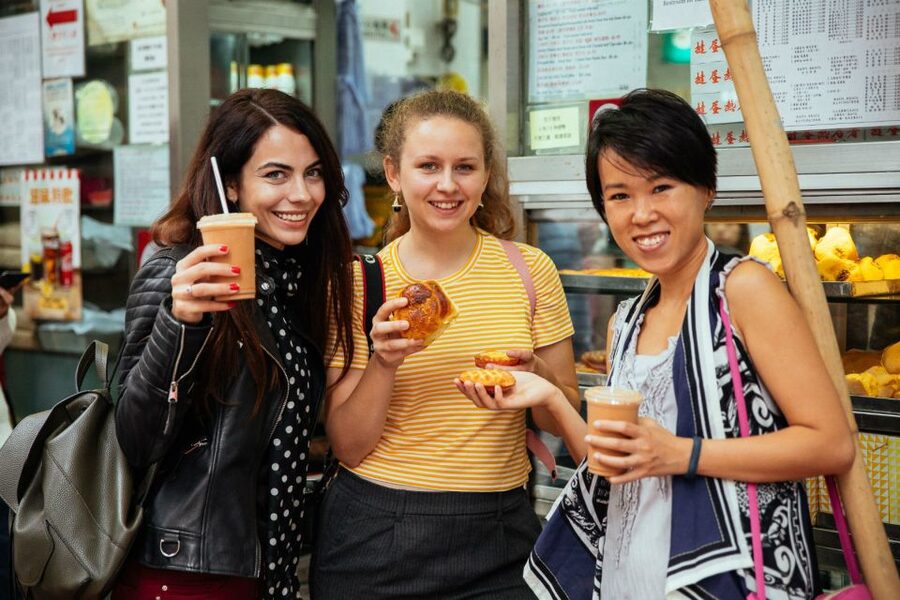
Hong Kong is one of those cities where food is inseparable from the street. That’s exactly why this format clicks: you’re walking through neighborhoods while you’re eating, so the culture doesn’t live in a museum—it’s happening under your feet.
The big selling point for me is simple: 10 food and drink tastings in about 3 hours. You get variety without turning the day into a full food crawl. And because it’s a small group capped at 8, the guide can keep the flow moving without turning it into a cattle-line situation.
There’s also a practical upside: this is ideal if you only have a slice of time. A lot of food tours promise “local flavor” but stall out on long transfers or waiting. Here, the structure is built around short, frequent bites—so you feel like you’re accomplishing something.
You can also read our reviews of more food & drink experiences in Hong Kong
Starting Point at Sai Ying Pun: Easy to Find, Easy to Miss
You meet at the entrance of Eco Tree Sheung Wan, in front of MTR Sai Ying Pun Station exit A2. On paper, that’s convenient—this is transit territory, and you can reach it quickly.
But timing matters. A short food tour lives or dies by the first 15 minutes. If you show up late, you don’t just miss a briefing—you can lose the first tastings and end up playing catch-up while you’re already hungry.
My practical tip: arrive a little early, even if it feels like overkill. Comfortable shoes too. You’ll be on your feet, and Hong Kong sidewalks and stairs can be a workout if you’re not wearing the right footwear.
The Food Plan: What 10 Tastings Feels Like (and How to Get More Out of It)
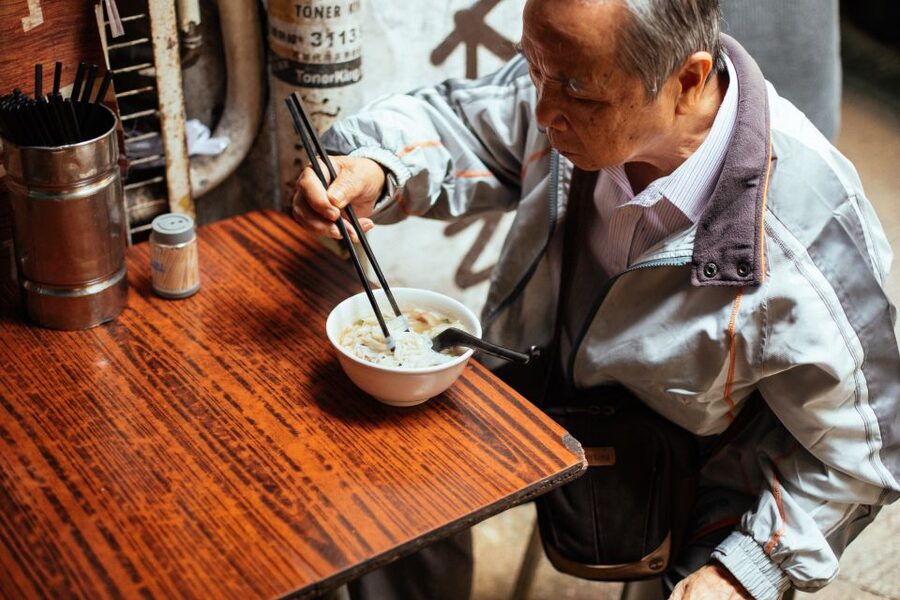
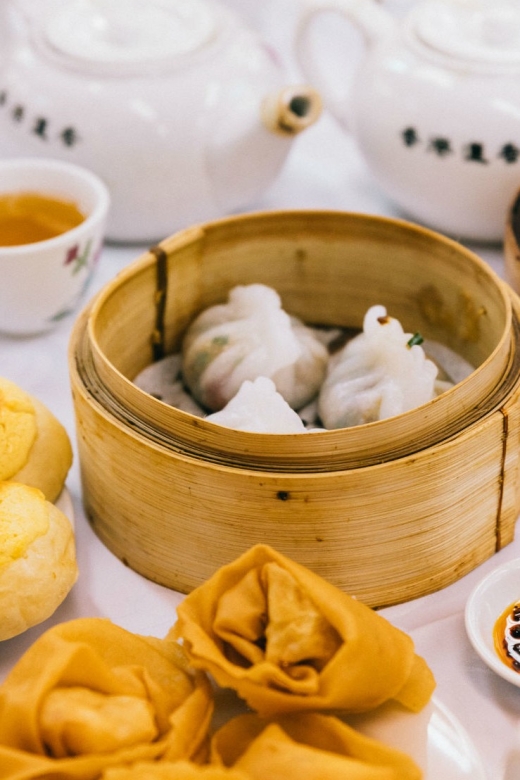
This tour is built around classic Hong Kong bites—savory to sweet—with local drinks mixed in. The headline foods are dim sum and pineapple bun, treated like you should understand them through the neighborhood versions, not just the tourist version.
Here’s what that means for you as a diner:
- You won’t spend all your time on one cuisine style. The goal is range.
- You’ll get the rhythm of how Hong Kong food ordering works: small items, shared tables, quick service, and you move on while the next craving is still fresh.
- Sweet shows up too, so you’re not stuck in the salty zone after your first two stops.
A real-life caution based on what I’ve seen go wrong on short food tours: if the dim sum stop doesn’t land the way you expected—like ordering gets scaled back or bites get stretched—your whole experience can tilt from fun to frustrating fast. If something feels off early, speak up promptly. It’s much easier to fix the next tasting than to rescue an hour-long food gap.
Classic Dim Sum and Pineapple Bun: The Two Stops You’ll Remember
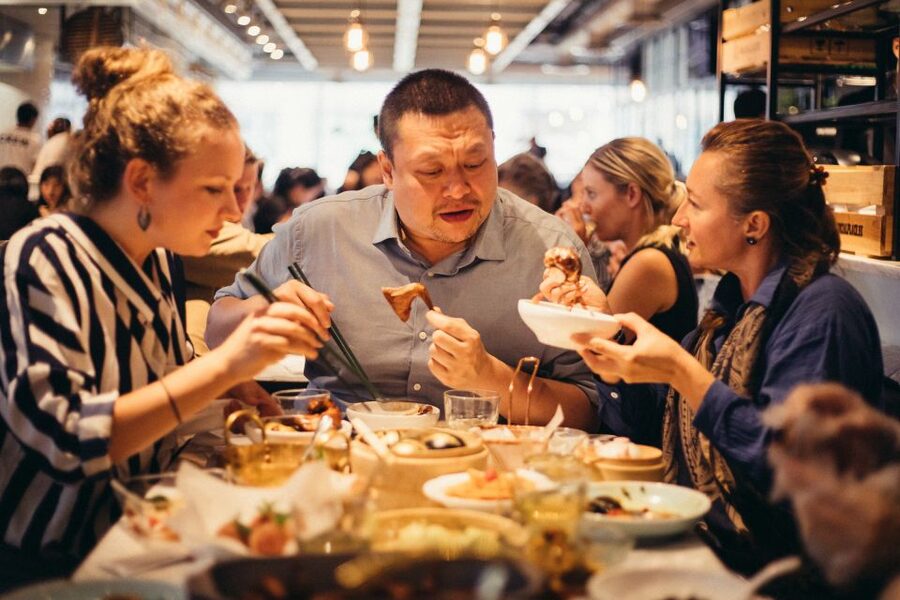
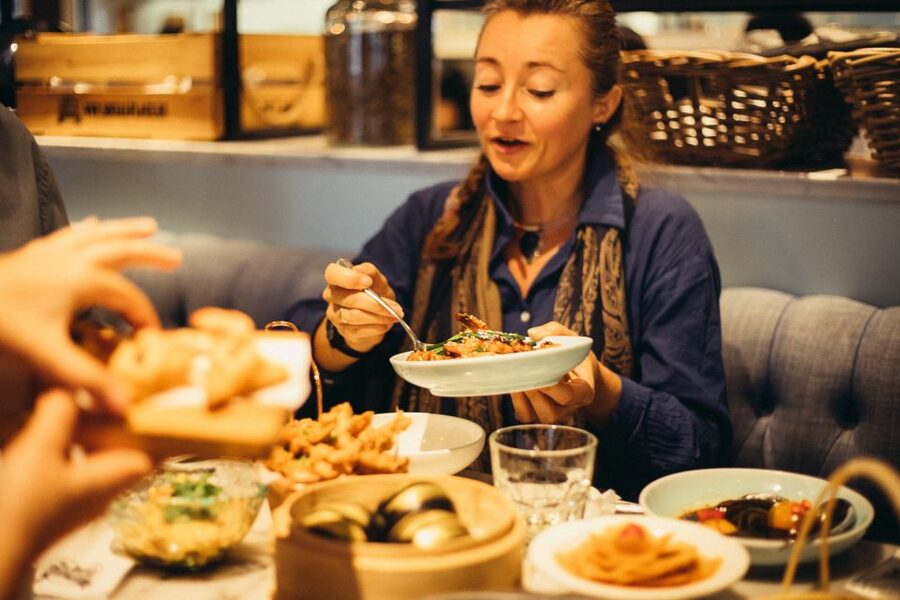
If you only eat the headline items, you’d still get value here—because dim sum and pineapple bun are exactly the kind of foods that tell you what Hong Kong does well.
Dim sum: small plates, big style
Dim sum in Hong Kong isn’t just about taste. It’s also about pace—how the table fills, how items arrive, and how you balance a mix of steamed, fried, and sauced bites. On a tasting tour, the key is variety, so you can learn what you actually like without committing to one dish for a whole meal.
Pineapple bun: sweet, crisp, and weirdly comforting
Pineapple bun gets its name from a topping pattern, but what you’re really tasting is the contrast: crisp outside, soft inside, often with a bit of sweetness that feels right with tea or local drinks. It’s a great reset after savory bites.
If you’re vegetarian, the tour offers vegetarian alternatives and adjusts the “menu” if you tell the guide at the start. That’s important. You want your tour to adapt before ordering starts—not after you’ve already watched your group get the classic plates.
Central Escalator: Why This City Shortcut Is Worth a Stop
One of the cultural stops is the Central Escalator. This isn’t just a dramatic photo moment. It’s a real piece of how Hong Kong moves people through steep, dense terrain.
What you’ll get from this kind of stop on a food tour:
- A quick explanation of why this area developed the way it did
- Context for the street life you’re about to eat in
- A change of pace between bites, so you can catch your breath and reset your appetite
Also, you’ll be walking. The escalator stop helps break up the physical rhythm, which matters when your tour is timed and you’re still working through 10 tastings.
Dried Food Street and Slab Stone Street: Food Shopping as Culture
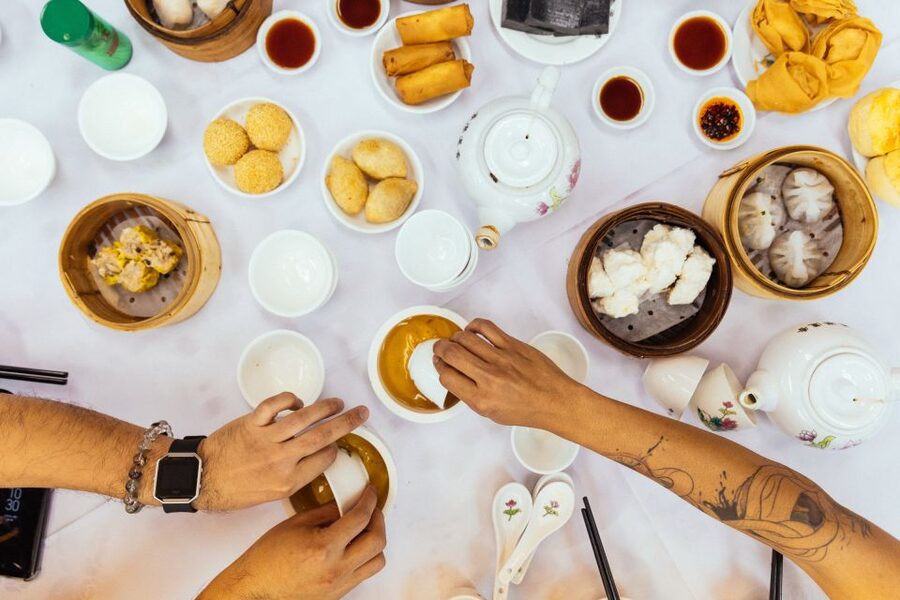
Two named stops you’ll visit are Dried Food Street and Slab Stone Street. Even if you’re not shopping, these places help you understand how Hong Kong treats ingredients as part of everyday life.
Dried Food Street: the smell of long-term flavor
Dried goods are a huge part of Hong Kong home cooking. When you walk these corridors, you’re seeing a food system built around preservation—meat, seafood, and herbs that carry concentrated flavor. On a tasting tour, this adds meaning to what you’re eating: it’s not random street snacks; it’s a culture of stocking and using.
Slab Stone Street: the feel of an older trade area
Slab Stone Street gives you a different texture: a street-level sense of commerce and neighborhood routine. It’s the kind of place that makes you feel how food is handled right where people live, not staged for tourists.
The best part is the guide’s commentary. You should come expecting cultural relevance alongside tasting notes. That’s the difference between a food walk and a history-by-way-of-snacks stroll.
Private Tour Reality Check: Small Group Pacing and Guide Interaction
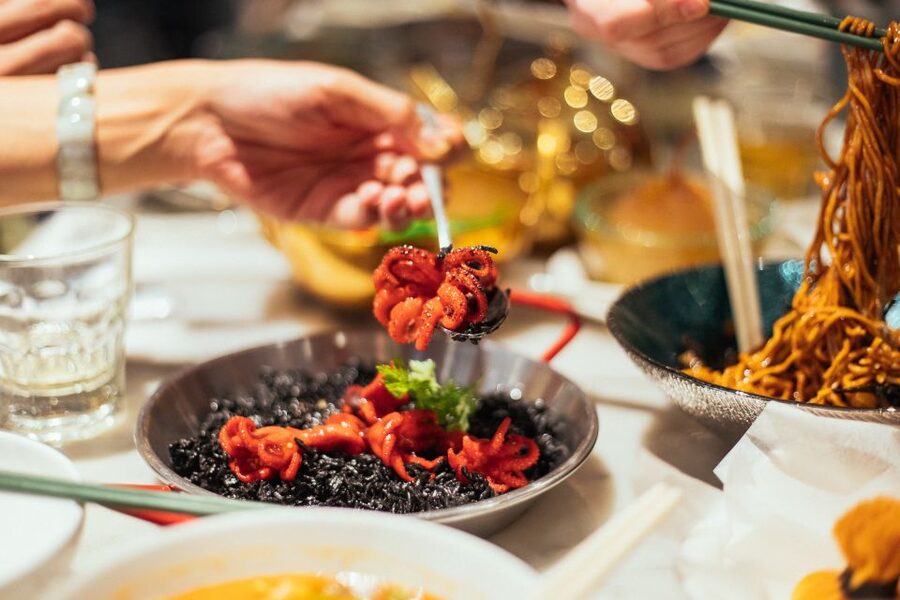
This is described as a private food tour, but it’s also small group limited to 8. That’s good news for you. You’re not stuck in a crowd, and you can ask questions without shouting.
Still, pacing is everything in a 3-hour window. If the first restaurant stop drags, the tour compresses later tastings. And if you hit a slow moment before you’ve eaten, you’ll feel it.
What I like about the setup: the guide chooses classic items that locals love and adjusts for food preferences (including vegetarian). What you should watch for: clarity and speed early on. If you’re the type who needs the plan to feel organized, arrive on time, ask how the tastings are being handled, and stay vocal if you feel hungry or left behind.
English Guide, Real Conversations, and What to Ask
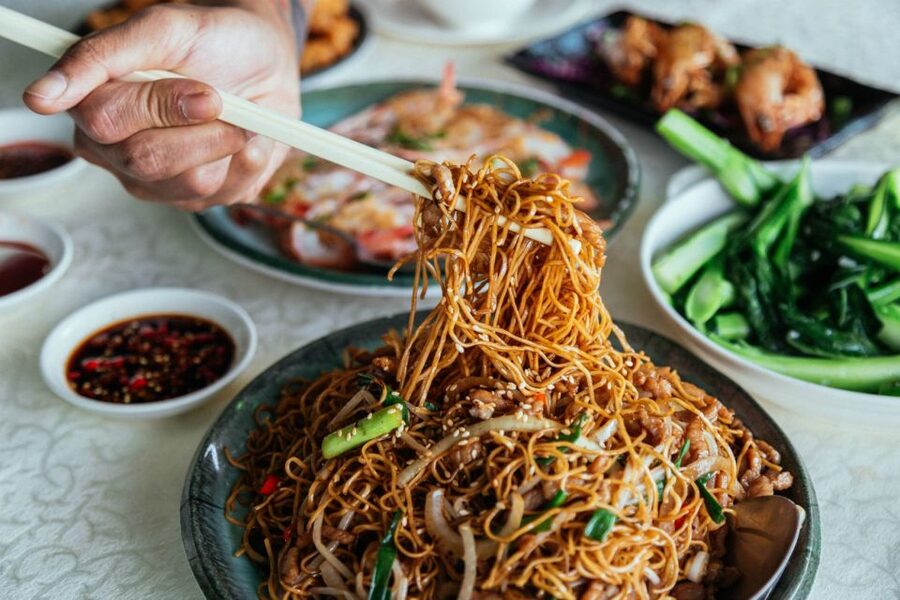
The guide is English-speaking, and part of the point is that you learn while you eat. For a tour like this, the best questions are simple:
- Which dishes are truly everyday favorites?
- How do locals pair these bites with tea or local drinks?
- What should I order next time if I return on my own?
If you’re vegetarian, say it at the beginning. The tour states the menu will be adapted, but it only works if the guide knows your needs early.
Price and Value: Is $170 Worth It?
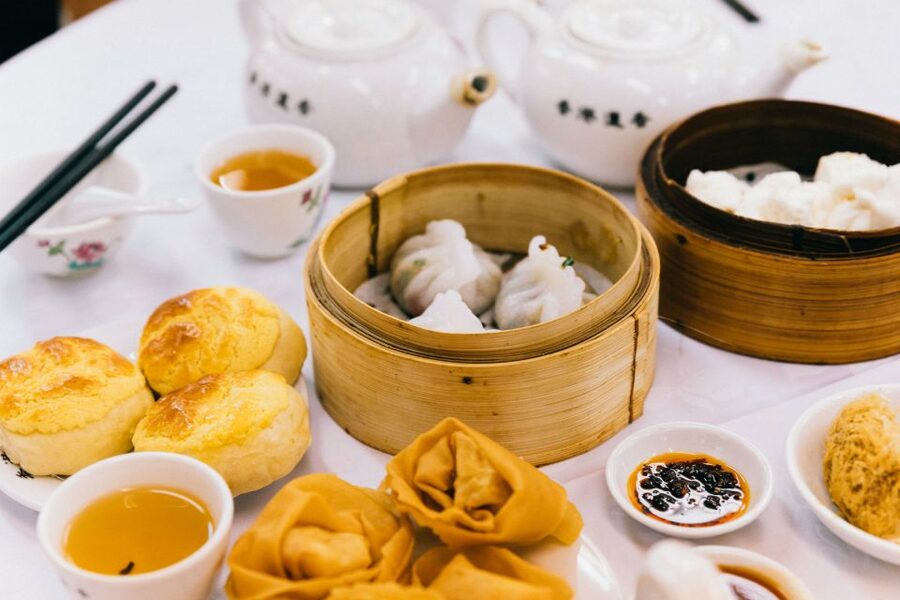
At $170 per person for 3 hours, you’re paying for three things: a local guide, 10 tastings, and the neighborhood routing that connects food with city highlights.
If you do the quick math, that’s about $17 per tasting on average. That doesn’t mean every single bite costs exactly $17, but it helps you judge whether the tour is fair. In a city like Hong Kong, food prices vary a lot by venue and style. Here, you’re paying for access to the right places and the right flow, not just a list of dishes.
So is it worth it? It tends to be a good deal if:
- you want both food and street context
- you don’t want to plan an itinerary yourself
- you like the idea of sampling several classics in one go
It might be less worth it if you already know the exact neighborhoods you want and you’re happy doing snack-hunting solo. But for a compact, guided “greatest hits” approach, the pricing can make sense.
The Biggest Caution: Reliability and Communication
A food tour lives on timing. And timing is the one thing nobody controls perfectly: transit delays, restaurant crowding, confusion at a meeting point.
There have been reports of a no-show and of early confusion with long stretches before tastings started. I’m not saying this is the norm. I am saying you should protect your trip:
- Be early at the meeting point by MTR Sai Ying Pun exit A2.
- If you have messaging available, confirm the start details the day of.
- If the tour seems off-track at the beginning, speak up right away so the guide can correct course fast.
On the flip side, there are also clear signs that when it goes right, it’s genuinely fun—easy walking, good conversation, and food that matches your tastes.
Who This Tour Is Best For (and Who Should Pass)
This tour is a strong pick if you:
- want dim sum and pineapple bun in a local setting
- enjoy learning while you walk—like seeing Central Escalator and market streets
- prefer a small group over a large bus-style group
- need vegetarian options handled from the start
You might want to choose something else if:
- you hate waiting around before you’ve eaten (since a short tour means early delays hurt)
- you dislike tours where food portions can feel uneven if ordering isn’t handled properly
- you’re very sensitive to the tone of commentary and you want everything to be strictly neutral—if that matters to you, set expectations early with the guide
Should You Book It?
If your goal is a tasty, efficient Hong Kong overview—classic bites plus the street vibe that created them—I’d book this style of tour. 10 tastings in 3 hours plus stops like Central Escalator, Dried Food Street, and Slab Stone Street is a smart combo for food-first travelers.
Just go in with two practical habits: arrive early at Eco Tree Sheung Wan / MTR Sai Ying Pun exit A2, and if anything feels delayed or unclear, address it immediately. Do that, and this can be a memorable evening of Hong Kong food culture rather than a rushed checklist.
FAQ
What’s the duration of the Hong Kong Private Food Tour with 10 Tastings?
It lasts 3 hours.
How many people are in the group?
The group is limited to 8 participants.
Where do I meet the guide?
Meet at the entrance of Eco Tree Sheung Wan, in front of MTR Sai Ying Pun Station exit A2.
Is there a vegetarian option?
Yes. Tell your local guide at the beginning, and the “menu” will be adapted with vegetarian alternatives.
Are pickup and drop-off included?
No. There’s no pickup and drop-off service.
Is the tour in English?
Yes, the live tour guide is English.