REVIEW · CASABLANCA
Casablanca: Food Tour with Tastings in Quartier Habous
Book on GetYourGuide →Operated by Always Ready Tours · Bookable on GetYourGuide
Eat your way through Casablanca’s old streets. This Quartier Habous food tour pairs real Moroccan eating with a guided walk through one of the city’s most photo-friendly neighborhoods. I like how it’s built for flavor first, not just sightseeing.
I especially like the way the tastings move from snack to sit-down moments, including classics like pastilla, briouats, and msemen, plus tea that feels like part of the show. The pacing also gives you time to browse small shops without turning the whole outing into a race.
One possible drawback: the tour can feel guide-dependent. If your guide runs fast or doesn’t stay close during stop-offs, you’ll want to stay aware of the meeting rhythm so nobody gets lost in the market lanes.
In This Review
- Key highlights worth your attention
- Quartier Habous: where your food tour makes sense
- The 210-minute flow: what a 3.5-hour food day is really like
- Habbous tastings and tea: briouats, msemen, and pastilla
- Your first tasting moment
- Street-food classics you should look forward to
- Coffee and a quick “learn how it works” stop
- Shopping without losing the plot
- Souk and Central Marketplace: where your guide earns their fee
- Break time that’s actually useful
- Street food at the right moment
- Free time for shopping (don’t skip it)
- The mosque/lighthouse and fish-market curveballs (sometimes)
- Guides you might meet: El-Medhi and Sanaa-style touring
- Price and value: is $54 a fair deal for this?
- Practical stuff that makes or breaks the day
- Who should book this tour (and who should skip it)
- Should you book it? My straight answer
- FAQ
- How long is the Casablanca Quartier Habous food tour?
- Where does the tour start and end?
- What’s included in the ticket price?
- What languages are the guides available in?
- What should I bring to the tour?
- Is the tour suitable for wheelchair users or food allergies?
Key highlights worth your attention
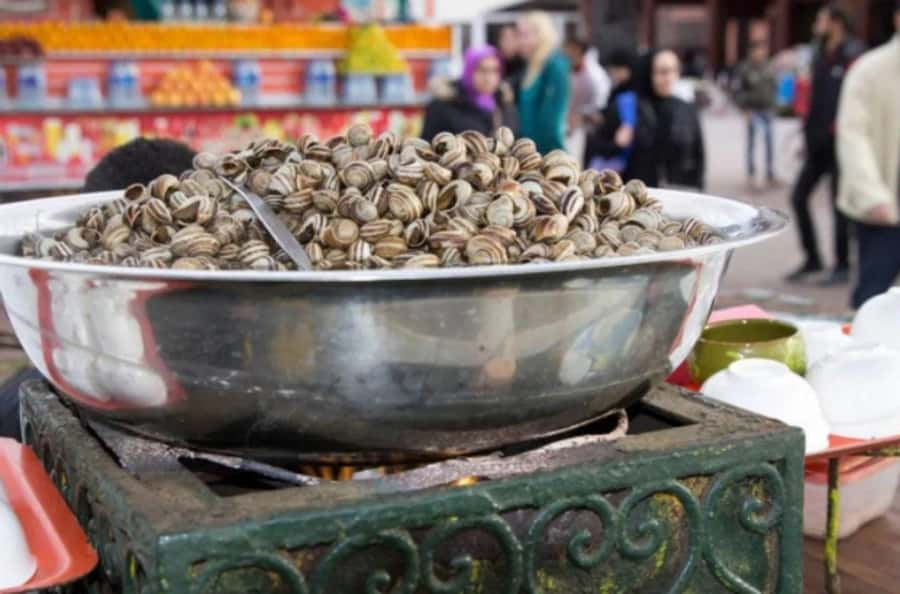
- Quartier Habous walking route: photo stops plus a guided stroll that helps you read what you’re seeing.
- Tea + street-food format: you’ll taste your way through both quick bites and more relaxed moments.
- Market time, not just a cafeteria run: you get real browsing and free time for shopping at the souk/market.
- Classic Moroccan hits: expect standout regional staples like briouats, msemen, and pastilla.
- Guide experience can change everything: some guides like El-Medhi and Sanaa are praised for keeping things organized and easy.
- Good walking basics: comfortable shoes and water matter here, since you’re moving through neighborhoods and marketplaces.
Quartier Habous: where your food tour makes sense
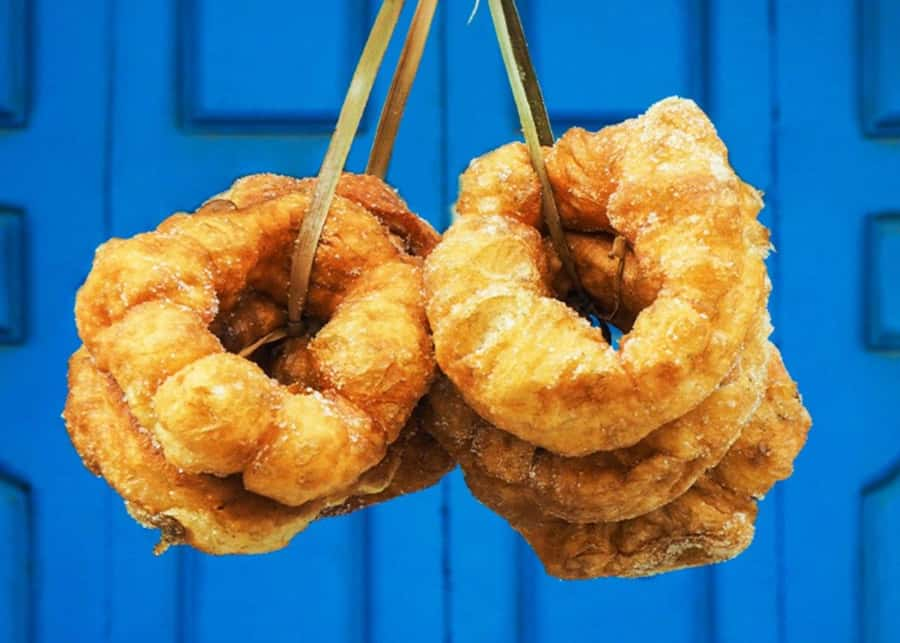
Casablanca can feel big and modern fast. This tour puts you in Quartier Habous, where the streets are designed for wandering and the food culture is front and center. The architecture is part of the experience, but it’s the street-level vibe that keeps pulling you forward: small aromas, lots of activity, and plenty of places that look like they belong on a postcard.
What I like most is that this isn’t only about eating. The guide is there to connect flavors to context—why certain foods show up where they do, how people actually use tea breaks as a social pause, and how the neighborhood’s layout shapes your day. That makes the tastings feel more meaningful than a checklist.
You can also read our reviews of more food & drink experiences in Casablanca


The 210-minute flow: what a 3.5-hour food day is really like
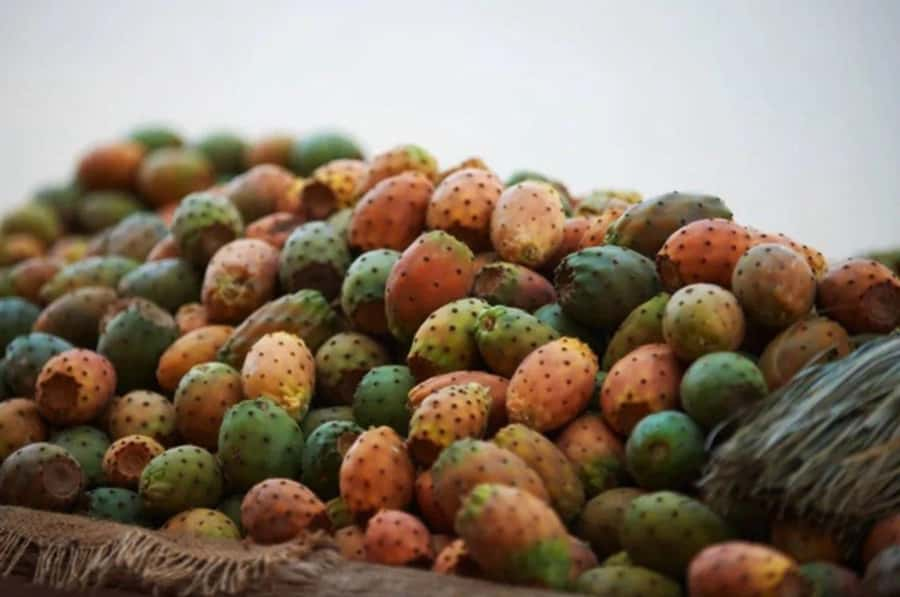
This runs for about 210 minutes, so think “slow lunch with stops,” not “full-day crawl.” You’ll be picked up in Casablanca and taken into the neighborhood on a route that includes walking plus short ride/pass-by segments.
The rhythm typically goes like this:
- you start with an easy orientation and a first tasting moment,
- you move through food stops clustered around Quartier Habous,
- you then shift into market/souk areas where you can sample street food and shop,
- and you finish back toward your accommodation.
That matters because Moroccan food can be heavy. A tight schedule would feel exhausting. Here, the time is long enough to let you actually enjoy things—especially if you take small pauses and don’t force-feed yourself.
Also, the tour is live-guided in English, French, Italian, and Arabic, which is a big deal in places where menus and signage can be hard to decode quickly. If you can read a few words of Arabic during your day, you’ll still get the benefit even if you’re starting from zero.
Habbous tastings and tea: briouats, msemen, and pastilla
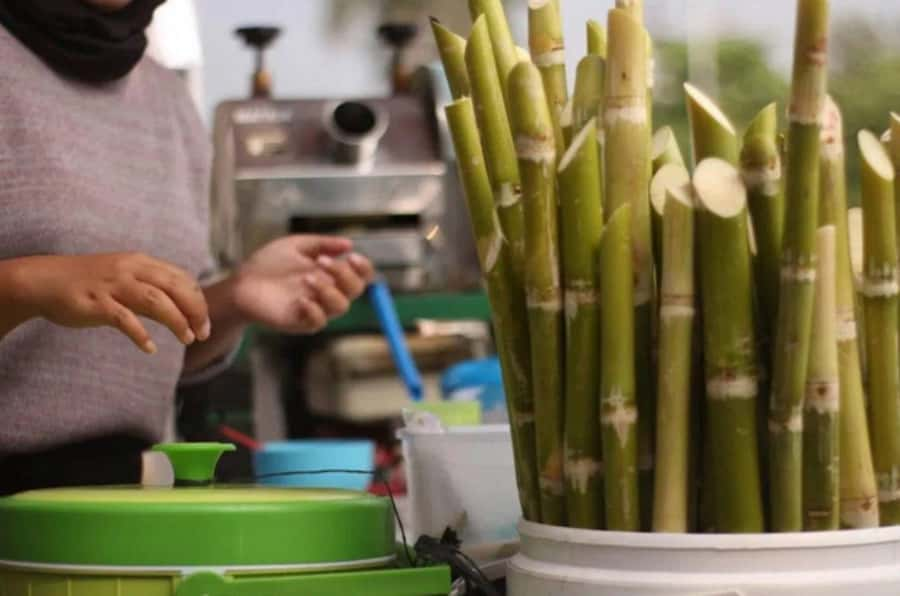
The core of this experience is the food in Quartier Habous, and it’s set up to hit several Moroccan favorites in one outing.
Your first tasting moment
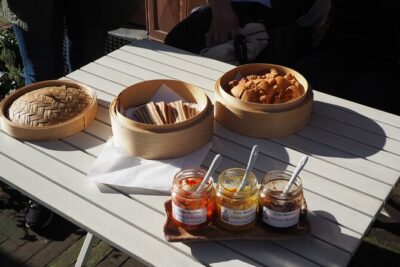
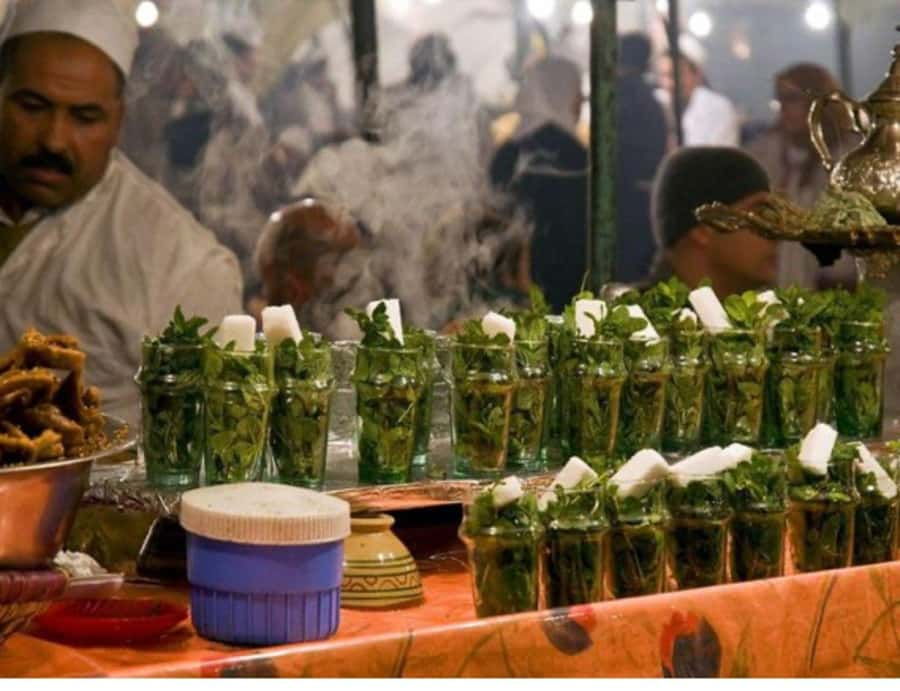
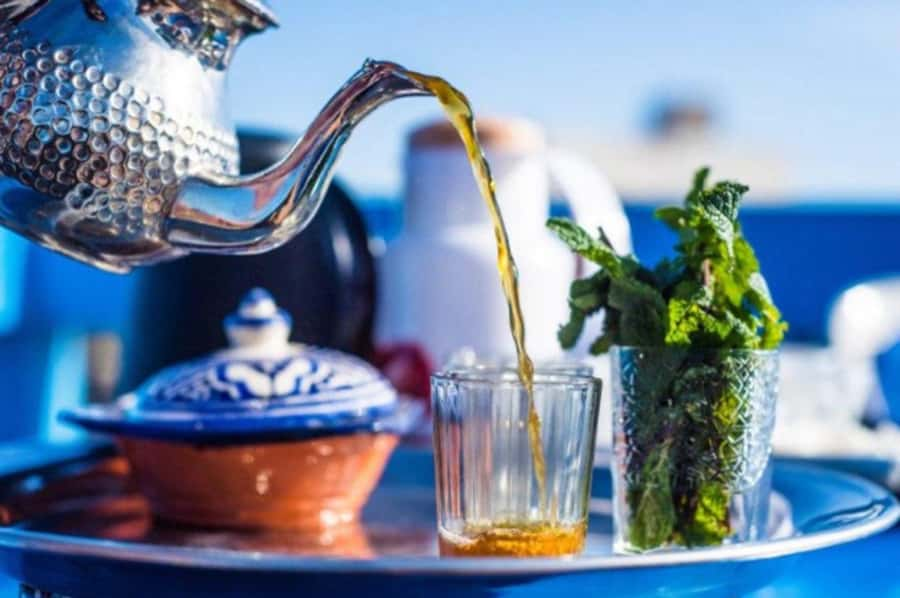
You’ll spend time in Quartier Habous with a mix of photo stops, guided walking, and tea. The tea isn’t just a drink here—it’s a cultural checkpoint. In practice, it slows things down in a good way: you get a breath, you taste, and you reset before the next set of flavors arrives.
Street-food classics you should look forward to
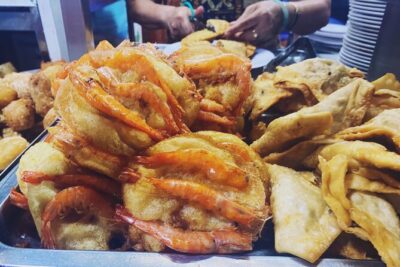
Expect several iconic bites, including:
- Briouats: crispy pastries you’ll typically eat while they’re hot.
- Msemen: a softer, griddled flatbread that tastes great with tea.
- Pastilla: the famous sweet-and-savory style dish that often feels like Morocco in one plate.
A food tour like this is useful because you’re trying items you might not order correctly as a tourist. The guide’s role is bigger than translation; it’s also about helping you know what to eat first, what to pair with tea, and how not to miss the best texture moments.
A few more Casablanca tours and experiences worth a look
Coffee and a quick “learn how it works” stop
The tour includes additional drink tastings such as coffee, plus elements labeled as a class. Even if it’s brief, this kind of stop helps you understand how the place operates and what makes the food worth repeating at home.
Shopping without losing the plot
You’ll also have shopping time during the route. That’s not random; it’s planned while you’re already in the right neighborhood for small goods. If you want oils, spices, or giftable items, this is when you’ll have a better shot at finding quality than doing it later when you’re tired.
Souk and Central Marketplace: where your guide earns their fee
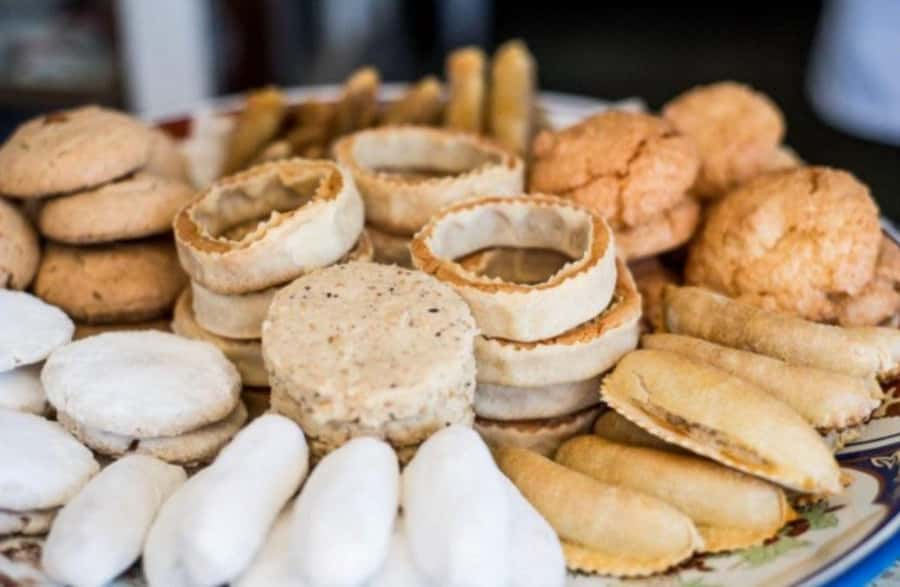
After Quartier Habous, you shift into market areas, including a souk in the old city and a central marketplace. This is where the tour becomes more than tasting—it becomes navigation.
Markets can be confusing even when everything looks straightforward. You’ll see stacks of goods, a lot of side alleys, and prices that may or may not match what you’re expecting. A good guide keeps you moving with purpose: where to look, where to stop, and when to just keep walking.
Break time that’s actually useful
You’ll get break time during these market segments. That matters because even if you’re not shopping, your feet are going to start asking questions. The breaks also help you avoid the common problem on food tours: sampling too much too quickly, then arriving at the last stop too full to enjoy it.
Street food at the right moment
There’s another street-food segment in the central market area. Think of it as your chance to taste one more thing that feels specific to the market itself, not just a repeat of the opening snacks.
Free time for shopping (don’t skip it)
The tour includes free time for shopping and sightseeing around the central marketplace. If you like buying small things directly from sellers, this is where you can slow down and make choices while someone else handles the logistics.
Tip from experience-based logic: decide early whether you want to shop for consumables (spices, tea) or souvenirs (small crafts). Once you know your category, you’ll spend less time in circles.
The mosque/lighthouse and fish-market curveballs (sometimes)
Not every version of the route will feel exactly the same, and some guided paths have included extra sights like a mosque and a lighthouse, plus stops such as a fish market for oysters. That’s not guaranteed for every departure, but it does explain why people come away feeling like they saw more than just food counters.
If you care about the broader Casablanca view, ask your guide what’s on the day’s route early on. A quick question like what’s next helps you set expectations before you get in too deep.
Guides you might meet: El-Medhi and Sanaa-style touring
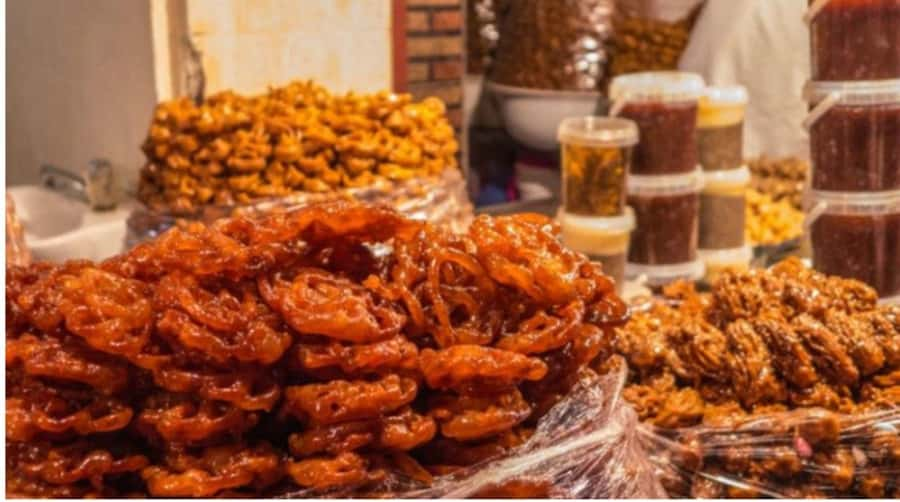
Guide quality shows up in small things: staying close at the places where you’re eating, knowing the order of stops, and making you feel comfortable walking in crowded areas.
Some guests describe El-Medhi / El Mehdi as a strong match for people who want to wander the Medina with confidence. The same names come up with praise for arranging food tasting and shopping smoothly, and for being good at handling personal preferences—like stopping for non-food shopping items in addition to the food stops.
Others highlight Sanaa as entertaining, with excellent English, and helpful for people who want to understand what they’re tasting and where they’re tasting it. That even shows up as language growth in the feedback—Arabic words picked up during the day, not crammed before it.
How to use this: if your guide name is El-Medhi or Sanaa (or similar), lean in. Ask them what you should try, what to do if a shop is too crowded, and what you should photograph before you move on.
Price and value: is $54 a fair deal for this?
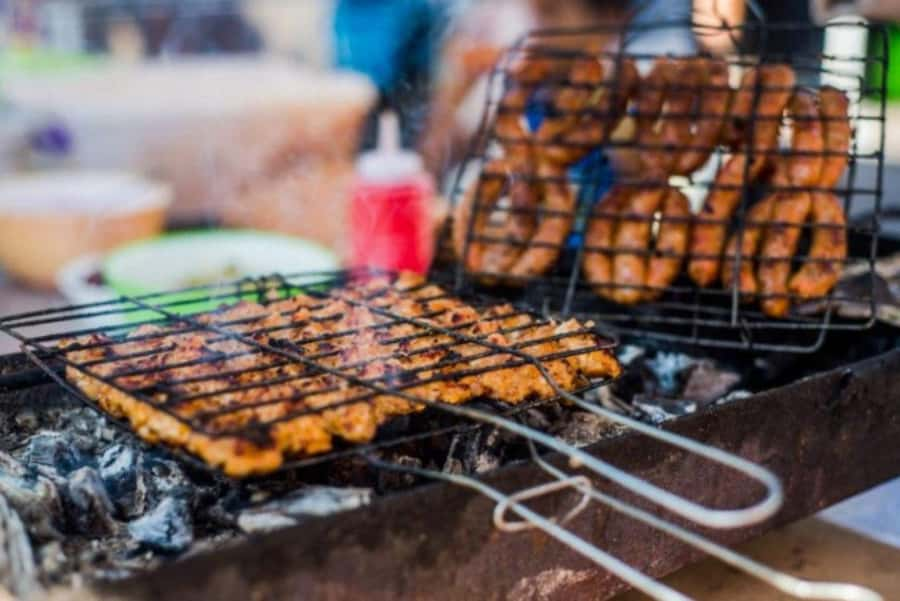
At $54 per person for about 210 minutes, this is positioned as a mid-priced walking food experience. The value comes from three things that you don’t always get on cheaper tours:
- Local food tastings are included, not just a few token bites.
- You’re paying for a guided Quartier Habous walkthrough plus market navigation.
- You get culture and architecture insight while you eat, which helps the tastings stick in your memory.
The price feels most fair if you’re hungry and you enjoy small guided stops. If you prefer to eat only one or two items and do the rest on your own, you might decide you’d rather build a cheaper “snack plan” independently.
One more thought: you should bring a few extra dirhams if you want to shop. Tastings are covered, but the market experience is also about what you choose to buy.
Practical stuff that makes or breaks the day
This tour is built around walking. You’ll want the basics ready before pickup.
Bring:
- comfortable shoes
- water (you’ll thank yourself)
- sun hat
- camera
- biodegradable sunscreen
- insect repellent
Also, note the rules:
- no smoking
- no pets
Weather can vary, so plan for heat and sun, and keep your layers sensible. If you forget sunscreen, you’ll feel it later.
Diet and health constraints matter here too:
- It’s not suitable for people with food allergies.
- Wheelchair users aren’t suited for the route.
If you’re on the edge with allergies, don’t assume you can “just skip” items. Ask directly what can be avoided before you book.
Who should book this tour (and who should skip it)
This is a strong pick if you:
- want a guided route through Quartier Habous and market areas,
- enjoy tastings like briouats, msemen, and pastilla,
- like learning what you’re eating while you’re walking,
- and want a setup that reduces guesswork.
Skip it if:
- you need wheelchair accessibility,
- you have food allergies (this one isn’t designed for that),
- you’re expecting a totally sit-down, restaurant-only meal experience.
If you’re traveling with kids, some guests describe the guide as accommodating family needs and personalities. Still, keep in mind you’ll be walking through crowded lanes, so pack snacks for the “hangry moment” that could happen between tastings.
Should you book it? My straight answer
Book it if you want an organized way to taste Moroccan classics in a neighborhood setting—with tea, street snacks, and market time—without having to plan each stop yourself. The format also makes it easier to try things you might avoid because the name is unfamiliar or the menu is hard to read.
Think twice if your biggest priority is slow, guaranteed seating with lots of downtime. A few less-positive experiences point to pacing and guide presence varying on the day. If you prefer a very controlled schedule, ask your guide how the stops work and where you’ll be meeting after any shop breaks.
If you’re flexible, bring good shoes, and stay alert during market moments, this can be one of those Casablanca experiences that feels less like a tour and more like learning how people actually eat.
FAQ
How long is the Casablanca Quartier Habous food tour?
It lasts about 210 minutes.
Where does the tour start and end?
Pickup and return happen in Casablanca, with the tour bringing you back to your hotel area.
What’s included in the ticket price?
The tour includes local food tastings, a guided tour of Quartier Habous and nearby residential areas, and insight into Moroccan culture and architecture.
What languages are the guides available in?
The live tour guide is available in English, French, Italian, and Arabic.
What should I bring to the tour?
You should bring comfortable shoes, a sun hat, a camera, water, biodegradable sunscreen, and insect repellent.
Is the tour suitable for wheelchair users or food allergies?
No. It is not suitable for wheelchair users, and it’s also not suitable for people with food allergies.