REVIEW · HONG KONG
Hong Kong: Street Food Tour with Locals – Dim Sum and Wonton
Book on GetYourGuide →Operated by Hong Kong Free Tours · Bookable on GetYourGuide
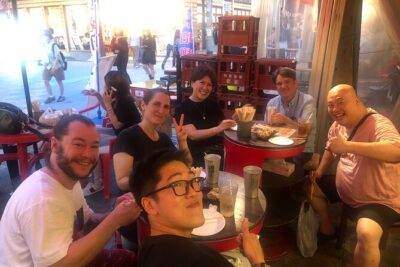
Dim sum has a backstory in every bite. In Sheung Wan, you eat 10+ local tastings while a local English guide connects today’s snacks to Hong Kong’s past, from opium-era trade to a labor hub and then a financial center.
I love that this is built around real neighborhood stops, the kind locals keep returning to for comfort food. You’ll also get the good kind of fun history, like the tea myth lesson about how silk-stocking milk tea is strained, and not made using actual stockings.
One drawback to plan around: this tour is not designed for dietary restrictions. It is not suitable for vegetarians, and halal food will not be provided.
In This Review
- What’s special here
- Street Food in Sheung Wan: Why This Tour Feels Like Real Hong Kong
- Quick Reality Check: The Pace, the Price, and What You’ll Actually Get
- Meeting Point at Sheung Wan MTR Exit E2: Simple, But Don’t Miss It
- Wing Lok Street: The Dried Seafood Alley That Explains Luxury Food
- Sheung Wan Cultural Square: How the Food Story Connects to Hong Kong’s Past
- From Local Kitchens to Noodle and Dumpling Stops: Dim Sum and Wontons in the Real Way
- Sun Yuen Restaurant: A Short Stop That Keeps the Route Honest
- Herbal Tea and Milk Tea Myths: Silk-Stocking Straining and Five Flowers
- Queen’s Road Central: More Bites, More Savory Meets Sweet
- Finish at Central Market: The Last Taste and the Local-Only Feeling
- Is It Worth $51 for 3 Hours? The Value Math That Matters
- Who This Tour Fits Best (And Who Should Skip It)
- Should You Book This Street Food Dim Sum and Wonton Tour
- FAQ
- How long is the Hong Kong street food tour?
- What is the price per person?
- Where do I meet the group?
- What food can I expect to try?
- Is this tour suitable for vegetarians or dietary restrictions?
- Is halal food provided?
- Do I need to pay right away?
- What happens if weather is bad or I need to cancel?
What’s special here
- 10+ tastings in 3 hours: snacks, savory bites, and sweets without the usual tourist shopping stop
- Sheung Wan, Hong Kong Island: an old-town food route that’s tied to trade and labor history
- Luxury dried seafood facts: shark fin, bird’s nest, and rare cordyceps show up in the story
- Dim sum + wontons focus: you learn what goes into har gow and shrimp-stuffed wontons
- Tea that teaches: cloth-straining stories, plus herbal tea like Five Flowers and 24 Flavors
- English-speaking local guides: praised for lively pacing and clear cultural notes
Street Food in Sheung Wan: Why This Tour Feels Like Real Hong Kong
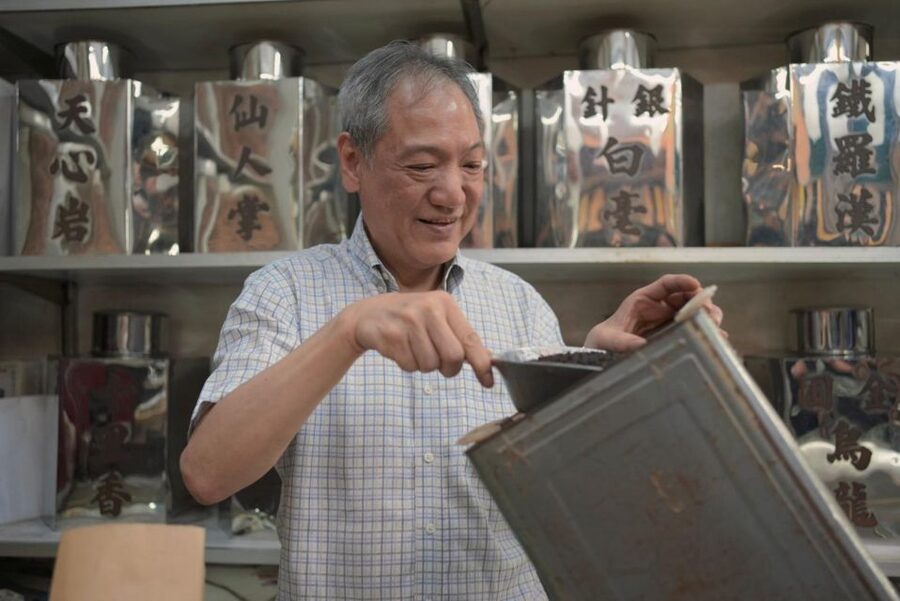
Hong Kong food can be flashy, but it’s also deeply practical. This street food tour leans into the everyday side of the city: quick bites, tea breaks, and market-level ingredients you’d rarely notice if you only went to big, famous restaurants.
What makes it more interesting is how the guide links flavor to context. You’re not just eating dim sum and wonton noodles. You’re also walking through Sheung Wan, the old-town quarter where trade routes shaped the city’s identity. The guide threads the story together as you go—opium trade, labor export, and the later rise into a global financial hub—so the food feels connected to place, not just a list of dishes.
And you’ll feel the structure in the way the tastings land. The route is paced for walking, with frequent short stops and a final finish at a local market area, so you don’t end up waiting around hungry.
Quick Reality Check: The Pace, the Price, and What You’ll Actually Get
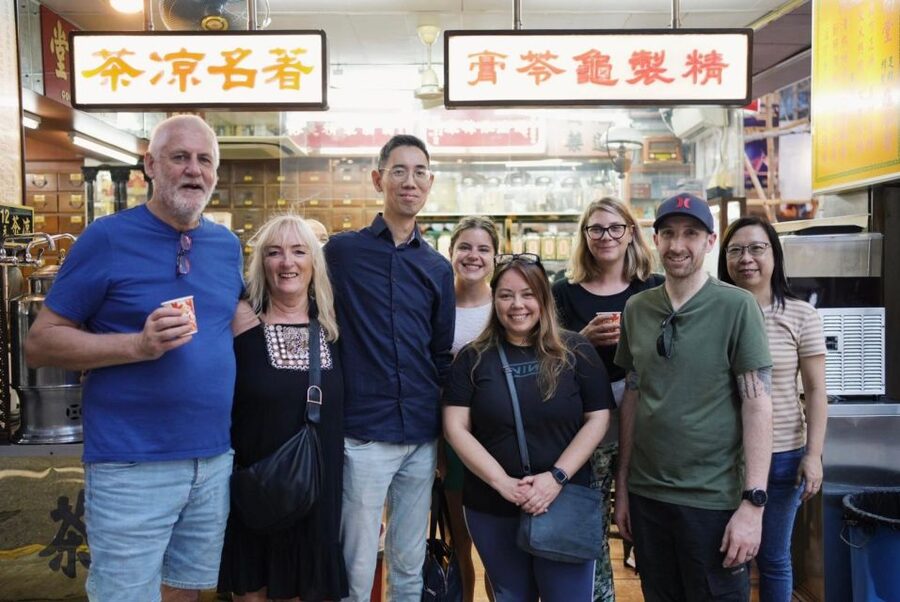
The tour runs about 3 hours with a moderate amount of walking. That matters in Hong Kong, where the best food is often down side streets and across busy pedestrian zones.
The price is $51 per person, and the main value isn’t just the fact that it’s a deal. It’s the packing efficiency: you’re getting 10+ authentic bites (including dim sum, BBQ pork, egg tarts, and local snacks) plus tea. If you tried to assemble the same mix on your own—small servings, multiple stops, and guided explanations—you’d burn time and likely spend more than the tour cost.
Also note: the final tasting menu can change based on availability. That’s normal for neighborhood food tours. The tradeoff is that you’re more likely to eat what’s actually working that day.
Meeting Point at Sheung Wan MTR Exit E2: Simple, But Don’t Miss It
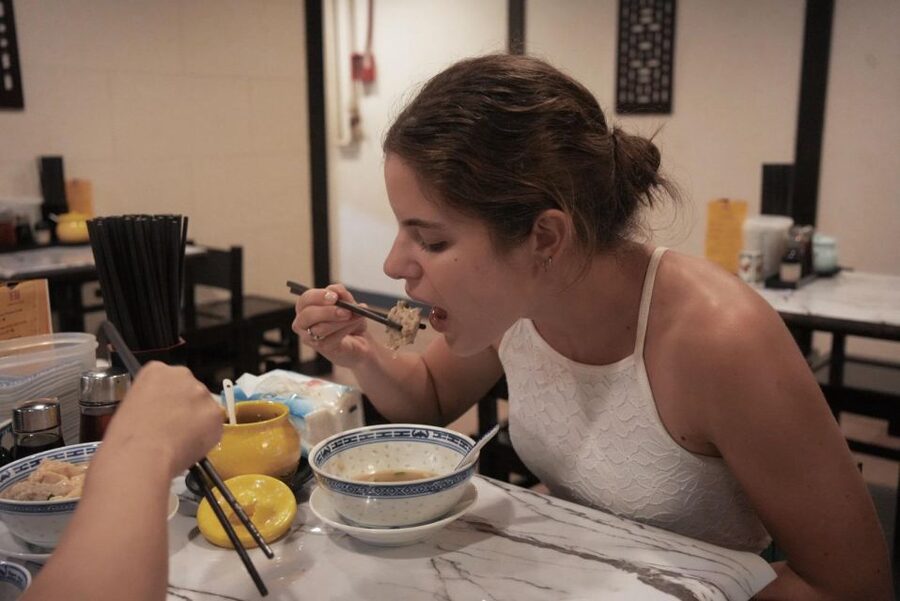
You start near Sheung Wan MTR Station, specifically Exit E2. The key practical tip is that you should look for the correct exit while you’re on the platform level, because once you go into the concourse for exits A–D, it can be harder to reach exit E.
I recommend arriving a few minutes early. Hong Kong stations move fast, and you’ll want time to check you’re walking toward the right side of Sheung Wan before the group forms.
What to bring is simple: comfortable shoes. You’ll be on your feet, and you’ll want your energy for tasting, not sore feet.
Wing Lok Street: The Dried Seafood Alley That Explains Luxury Food
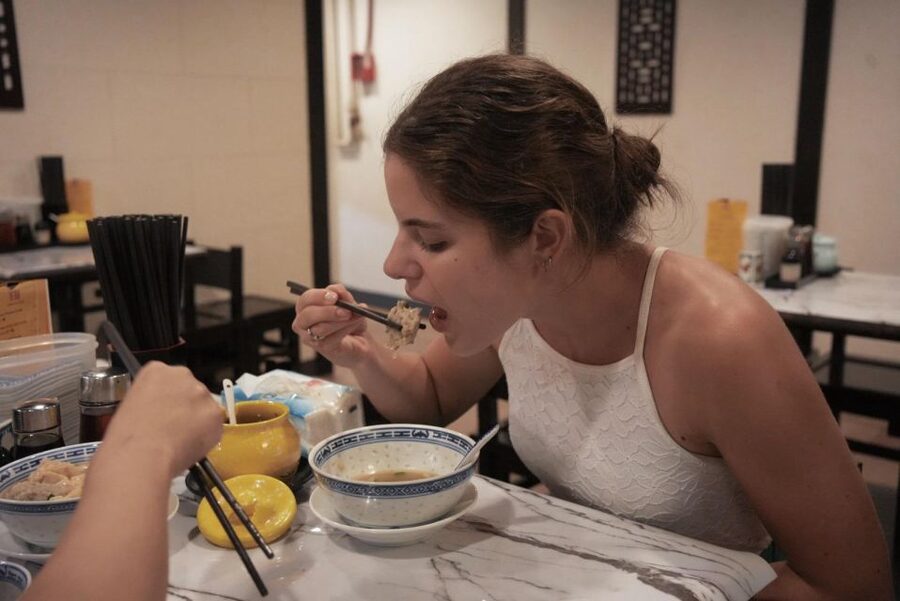
Your route begins in the old-town orbit and quickly lands you at Wing Lok Street, one of those streets where the front windows look like a different world from the street-food stalls outside.
Here, the guide focuses on Chinese luxury dried seafood—including shark fin, bird’s nest, and rare cordyceps—and explains why these ingredients sit at the intersection of trade, wealth, and cultural tradition. The point is not to shock you. It’s to help you understand how the same city that loves everyday dim sum also builds markets for rare, expensive goods.
You’ll also get a sense of scale. The tour references cordyceps prices at around HKD$200,000 per catty, which is a wild number until the guide breaks down how small amounts, rarity, and long-distance trade create that price tag. It’s the kind of fact that makes the rest of the food stops click.
Time here is about 40 minutes, which is enough to walk, look, learn, and still keep the day moving.
Sheung Wan Cultural Square: How the Food Story Connects to Hong Kong’s Past
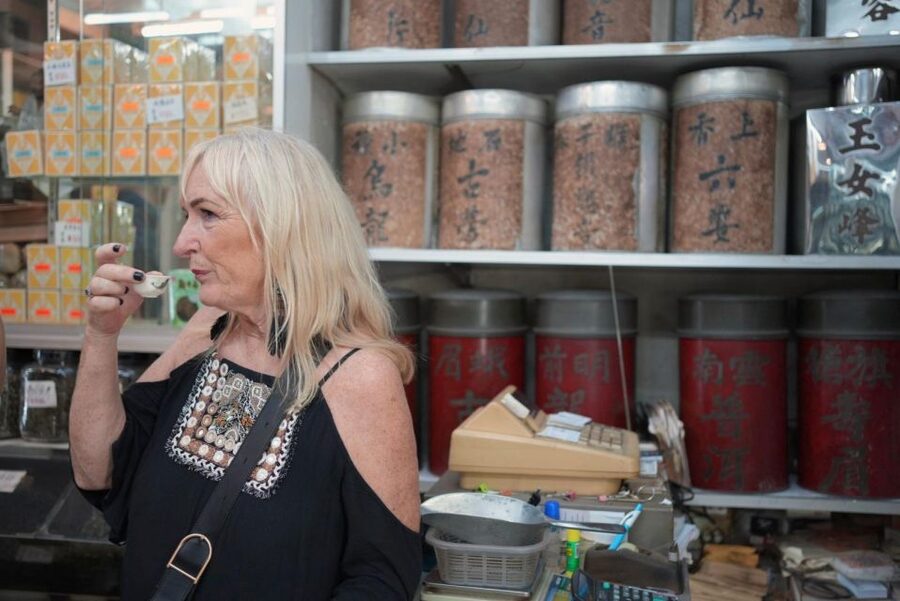
Next comes Sheung Wan Cultural Square, a short stop built for orientation. This is where you get the broad framing: Hong Kong’s early trade connections, the labor shifts over time, and how those pressures shaped what people ate and how the city organized daily life.
Think of it as your mental map. When you later taste things like dim sum snacks or tea, you’ll understand why the guide talks about “everyday staples” becoming part of daily culture, not just high-end entertainment.
This part is also a good reset. The tastings are frequent, but the route still needs a beat where you can catch your breath, look around, and absorb what you’re about to taste next.
From Local Kitchens to Noodle and Dumpling Stops: Dim Sum and Wontons in the Real Way
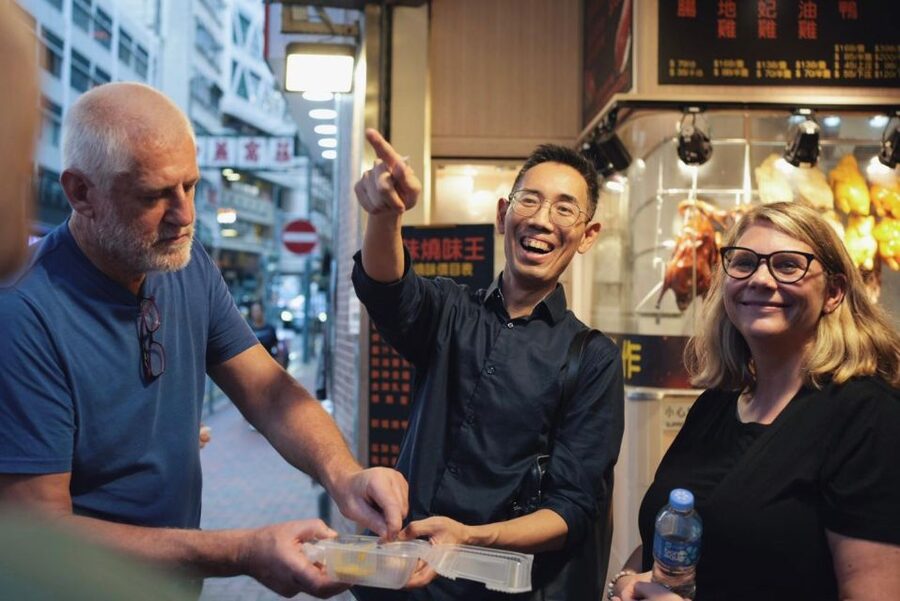
The core promise is dim sum and wonton eating, and the tour doesn’t treat them like generic categories. You get guided context on what you’re seeing and eating, including the folding and shaping traditions behind the food.
You’ll pass through spots that feel like family kitchens, not tourist traps. The guide points you toward the kinds of places where locals go when they want comfort, speed, and consistency.
Here’s what the tour highlights in this section:
- Har gow style dim sum: the guide explains how the dumpling skin supports the filling and cooking method
- Shrimp-stuffed wontons: you learn about the artisan craft behind wrapping and cooking
- Broth-based noodles: the stop includes a flavor foundation like flounder fish broth, which helps you taste the difference between seasoned street comfort and deeper, slower flavors
One fun detail you might hear from guides who share stories on these routes: how har gow wrappers can be made with sweet potato. It’s the kind of small ingredient swap that changes texture, and it’s exactly the sort of thing you’d miss if you only ordered without explanation.
If you care about the mechanics of cooking—folding, steaming, straining—this is the section that satisfies that curiosity without turning the experience into a lecture.
Sun Yuen Restaurant: A Short Stop That Keeps the Route Honest
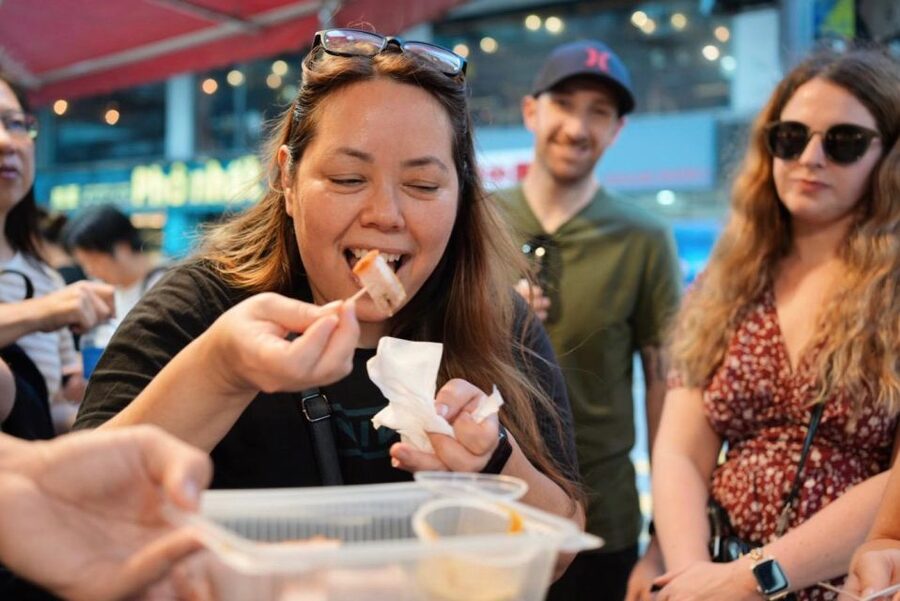
You’ll also spend time at Sun Yuen Restaurant for a 15-minute food tasting. This stop matters because it breaks up the street-level eating with something a bit more “restaurant ready,” so you experience Hong Kong’s spectrum: from hawker-style snacks to kitchen-driven bites.
I like this structure because it keeps your palate from getting stuck. After dried seafood alley visuals and cultural context, you need food that lands right away. A short sit-down tasting helps you reset without slowing the tour down.
And since the tour is focused on multiple tastings, this kind of stop is less about a single big meal and more about making sure the full Hong Kong street-food picture stays consistent.
Herbal Tea and Milk Tea Myths: Silk-Stocking Straining and Five Flowers
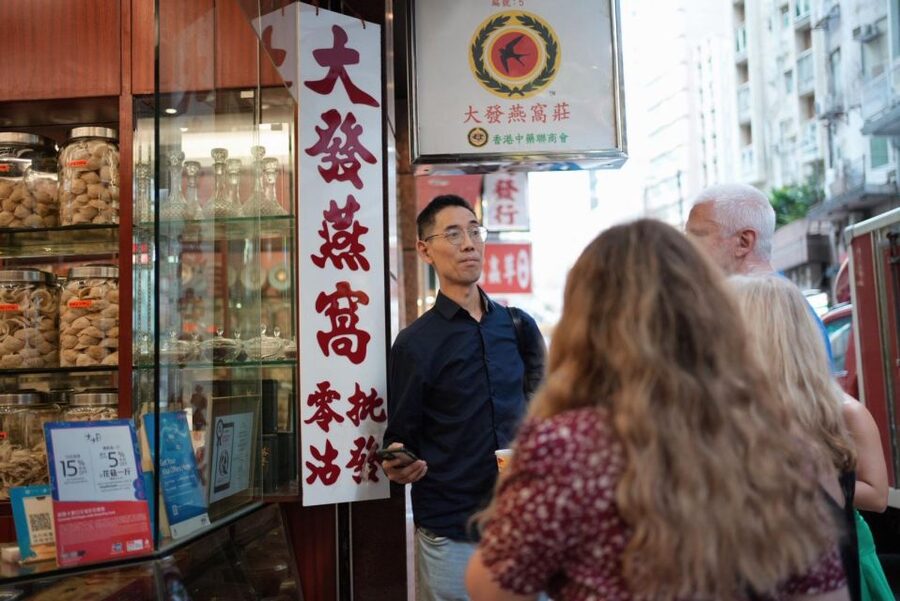
One of the most memorable parts of this tour is the tea-focused stop, about 20 minutes long.
This is where the guide tackles the question you didn’t know you wanted answered: is silk-stocking tea really strained through stockings? The lesson is practical and funny at the same time. The answer is basically no. It’s about how the tea is strained through cloth methods, and the myth around stockings comes from how people describe the process.
You’ll also get to try herbal teas with strong, old-school flavor profiles. The tour references options like:
- Five Flowers tea
- 24 Flavors tea, including a bitter style that tastes like it means business
Then there’s the broader tea culture behind Hong Kong’s comfort-food habits—how tea turns a quick bite into an actual break. It’s one of the reasons dining here feels different from, say, ordering fast food and disappearing.
If you like drinks as much as food, this section is a big part of the value.
Queen’s Road Central: More Bites, More Savory Meets Sweet
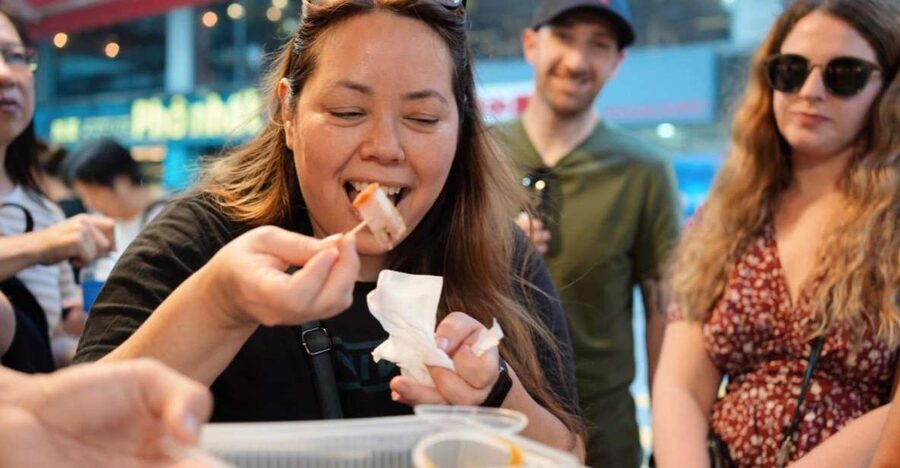
As you head toward Queen’s Road Central, the tour shifts into its longer tasting stretch—about 50 minutes for food tasting.
This is typically where the tour leans harder into the classic Hong Kong hits: BBQ pork-style meats, dim sum favorites you already started noticing, and also dessert items such as egg tarts. The exact mix can vary, but the tour clearly aims for that Hong Kong balance: savory first, then sweet to close out the story.
You’ll also hear about dining customs while you’re eating. That’s important because Hong Kong street-food meals aren’t only about taste. They also have rhythm—how you order, how quickly you’re expected to eat, and how tea and small dishes fit into the flow.
This part is also a good reminder to pace yourself. If you arrived hungry, you’ll likely stay hungry for a while, but by the end, you can easily end up too full for a big dinner after.
Finish at Central Market: The Last Taste and the Local-Only Feeling
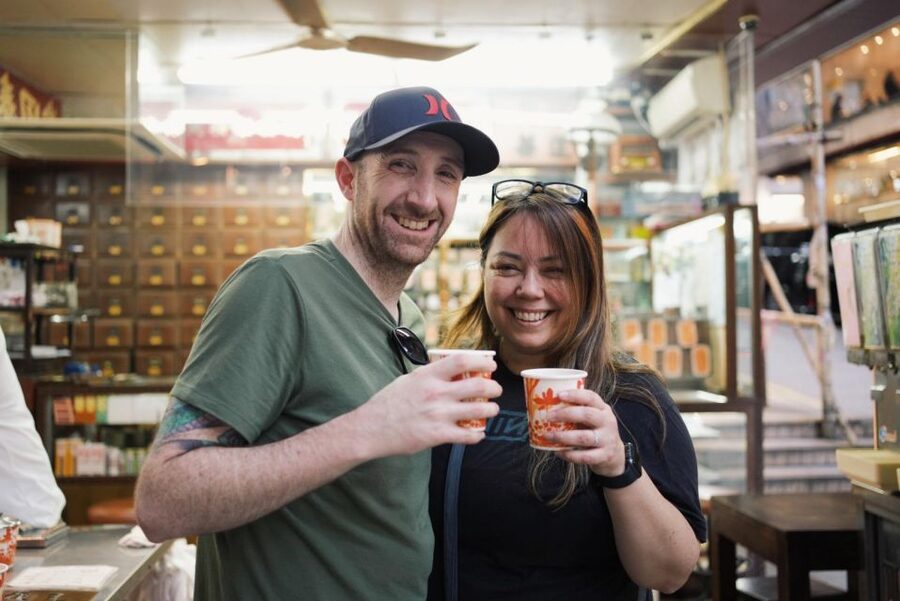
The tour wraps up at Central Market. That’s a smart finish. You end near an area where local food energy still feels close to daily life, not just a staged finale.
This is also when the last tastings tend to land. The tour includes sweet options like egg tarts and other local snacks during the route overall, and the Central Market finish helps make sure you don’t just finish on one final stop that leaves you with empty curiosity.
By this point, your mental checklist should look like this:
- You’ve tried enough dim sum and wonton-style bites to understand the differences
- You’ve seen how dried luxury ingredients sit beside everyday street culture
- You’ve tasted tea with real explanation behind it
- You’ve learned how locals think about snacking, not just eating a meal
Is It Worth $51 for 3 Hours? The Value Math That Matters
A tour like this is worth it when you’re buying time, access, and context all at once.
Here, you get:
- A set time window (3 hours) so you’re not wandering and guessing
- Multiple tastings (10+ bites) so the cost is distributed across many servings
- A guide with lived cultural framing, including street-level dining customs and the history connections that make the food meaningful
If you’re the type who likes to order a lot and snack your way through a neighborhood, this price makes sense fast. The same approach on your own might still work, but it’s slower and less guided.
If you’re looking for a sit-down fine-dining experience, this won’t be that. But if you want to eat like you understand the city, this hits the right target.
Who This Tour Fits Best (And Who Should Skip It)
I’d say this tour is best for you if:
- You want dim sum and wontons as the center of your Hong Kong food plan
- You like learning while you eat, especially with tea and street-history connections
- You enjoy walking routes in older neighborhoods like Sheung Wan
I would skip it if:
- You need dietary accommodations. The tour states it cannot accommodate dietary restrictions.
- You’re vegetarian. It’s not suitable for vegetarians.
- You’re looking for halal options. Halal food will not be provided.
One more practical note: because you’re tasting multiple items, you’ll likely want to keep your schedule open afterward. Many guests end up very full.
Should You Book This Street Food Dim Sum and Wonton Tour
Book it if you want a food-first afternoon that also teaches you how Hong Kong became the city it is. This tour is strong on classics—dim sum, wonton-style snacks, BBQ pork, egg tarts—then adds the extra flavor of dried seafood trade stories and tea myths.
Skip it if you’re a strict eater with dietary limits, or if you want only vegetarian-friendly food. This one is built for non-restricted eating, with halal not included.
If you do book, wear comfortable shoes, arrive hungry, and ask your guide to explain the why behind what you’re tasting. That’s where the tour stops being just eating and turns into understanding the neighborhood.
FAQ
How long is the Hong Kong street food tour?
The tour lasts 3 hours.
What is the price per person?
It costs $51 per person.
Where do I meet the group?
Meet at Sheung Wan MTR Station Exit E2.
What food can I expect to try?
You’ll have street food tastings focused on dim sum and wontons, plus BBQ pork, egg tarts, local snacks, and Chinese teas including herbal tea.
Is this tour suitable for vegetarians or dietary restrictions?
No. The tour cannot accommodate dietary restrictions and is not suitable for vegetarians.
Is halal food provided?
Halal food will not be provided.
Do I need to pay right away?
You can reserve now and pay later, so you can book your spot and pay nothing today.
What happens if weather is bad or I need to cancel?
If the tour is canceled due to poor weather, you can choose an alternative date or get a full refund. You can also cancel up to 24 hours in advance for a full refund.