REVIEW · VERONA
From Verona: Valpolicella and Amarone Wine Tasting Tour
Book on GetYourGuide →Operated by Ways Tours | B Corp company · Bookable on GetYourGuide
Amarone gets real when you see the cellar. From Verona, this 4-hour Valpolicella wine tour is built around Ripasso-to-Amarone tasting and a small-group van ride that keeps things relaxed. I love the way you get the cellar story and then taste what that story creates, and I love that you visit two different wineries instead of doing one long stop. The one drawback to plan for: it is not suitable for wheelchair users, and children under 14 can’t join.
You’ll meet your guide in the city center at Via Teatro Ristori, 7 (in front of the Ristori Theatre), climb into an air-conditioned minivan, and spend the afternoon in the Valpolicella valley with an English-speaking guide. Expect a structured half-day: two guided cellar visits plus two tastings, with photo stops in gardens and vineyards along the way.
In This Review
- Key highlights you’ll feel during the day
- Valpolicella in 4 hours: how the pacing really works
- From Verona’s Ristori Theatre to the Valpolicella valley
- Stop 1: the first winery cellar, Ripasso-style education, and tasting table time
- Amarone explained: the production lesson that changes how you taste
- Stop 2: a second winery visit with a different feel and another tasting table
- What you actually taste: Ripasso, Amarone, and pairing-style nibbles
- Why the two-winery structure is better value than a quick one
- Guides, owners, and what to expect from the people side
- Weather proofing: why this works in any season
- Who should book this Verona wine tour (and who should skip it)
- Before you go: quick tips that make the tasting-table smoother
- Should you book the Valpolicella and Amarone tour from Verona?
- FAQ
- How long is the Valpolicella and Amarone wine tasting tour from Verona?
- How many wineries are visited, and how many tastings are included?
- Where do I meet the guide in Verona?
- What is the group size?
- Is there a minimum drinking age?
- Is the tour suitable for people who use wheelchairs?
Key highlights you’ll feel during the day
- Two winery visits, two tastings: you get more variety than the usual quick pour-and-stand.
- Ripasso and Amarone focus: the tastings are tied directly to how the wines are made.
- Amarone production explained in plain language: you learn the process and the logic behind it.
- A small group up to 8 people: easier questions, less waiting around.
- Air-conditioned transportation from Verona: a comfortable rhythm for a 4-hour schedule.
- All-year-round friendly: short and structured, with cellars and tastings at the center.
Valpolicella in 4 hours: how the pacing really works
This is a half-day that’s designed for momentum without rushing you. You’ll leave Verona on a comfortable minivan ride, spend the bulk of the time at the first winery, then move to the second winery, and return to the original meeting point.
The timing is split so the day stays digestible: the first wine experience runs about 1.5 hours, then you get a second tasting period around 75 minutes. Between stops, you’re on the road long enough to feel like you escaped the city, but not long enough to turn the tour into a bus trip.
That matters for value. Wine tours that burn most of the time on driving often leave you with one rushed tasting. Here, the schedule keeps the tasting-table time as the main event.
You can also read our reviews of more food & drink experiences in Verona


From Verona’s Ristori Theatre to the Valpolicella valley
Your starting point is simple and specific: meet your guide in front of the Ristori Theatre entrance at Via Teatro Ristori, 7. The guide holds a yellow sign with TOUR written on it. That’s the kind of detail that saves time and stress, especially when you’re trying to arrive without guessing.
Once you’re in, you’re in an air-conditioned minivan. The tour is private transportation, with a group coordinator on board. Small-group size (limited to 8 participants) also changes the feel. You can actually ask questions, and you’re less likely to get swallowed by a loud group.
If you’re deciding what to wear, I’d go practical: comfy shoes for vineyard-adjacent areas and layers. Cellars tend to be cool, and the weather outside can swing during spring and autumn.
Stop 1: the first winery cellar, Ripasso-style education, and tasting table time
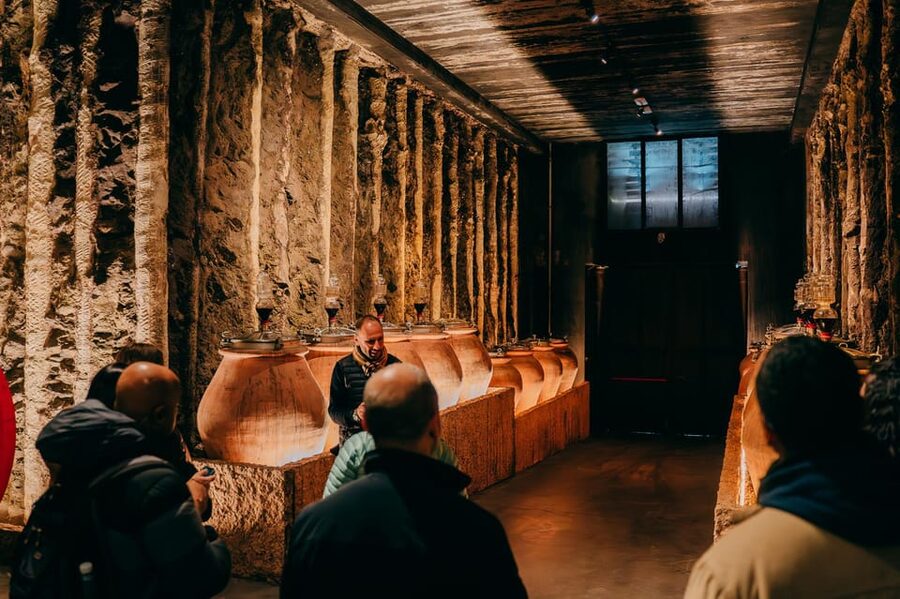
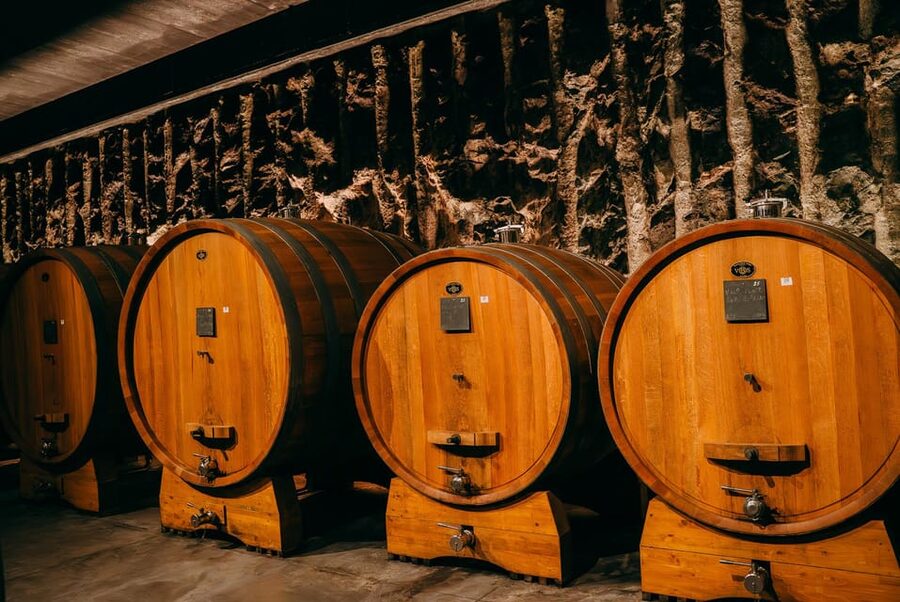
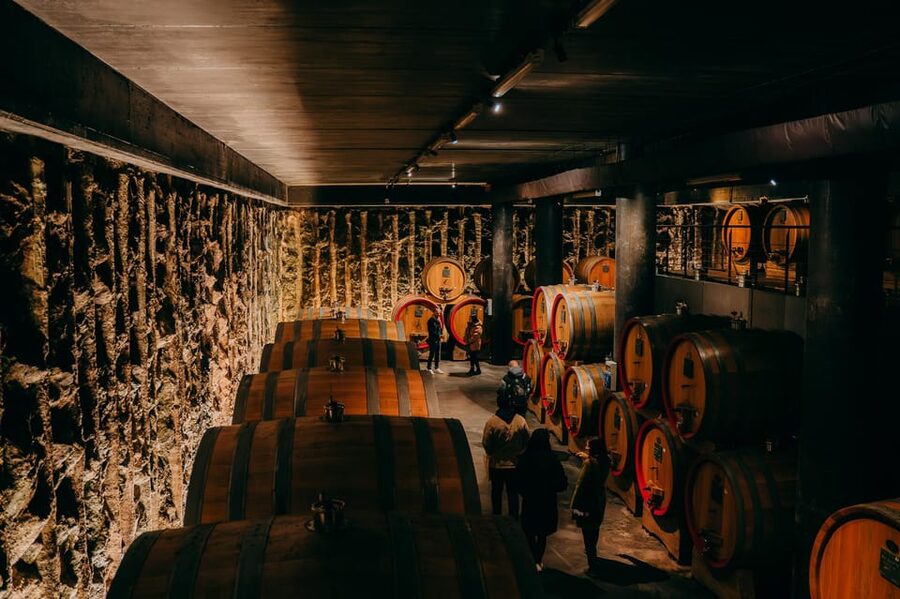
The first winery is where the tour sets the tone. You arrive at a beautiful winery in the heart of Valpolicella, step into the cellar, and get a guided explanation of production—how the wine is made and how it’s kept.
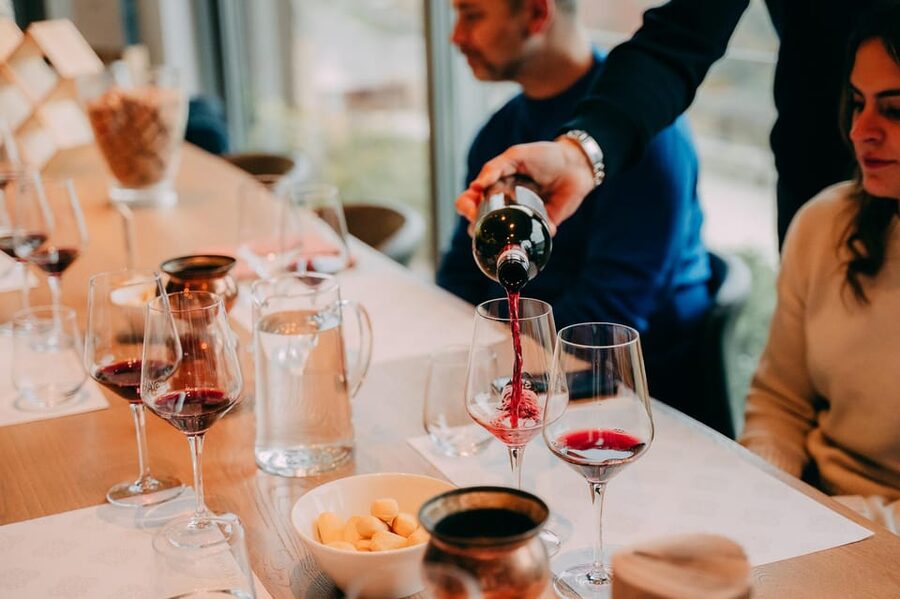
Then you sit down for a tasting with chosen wines that include Ripasso, and you get introduced to Amarone as the bigger story of the day. The format is not just sipping: it’s tied to technique, with an emphasis on what makes Valpolicella-style wines tick.
The tour also includes time for photos in gardens and vineyards. That’s a smart add-on. After you’ve been in the cellar explaining how things work, you get to see the setting where grapes grow and the winery environment does its job.
What could feel like a drawback at Stop 1? It’s the longest tasting segment (about 1.5 hours). If you tend to lose focus during formal tastings, plan to ask your guide what to watch for in each pour so you stay engaged.
Amarone explained: the production lesson that changes how you taste
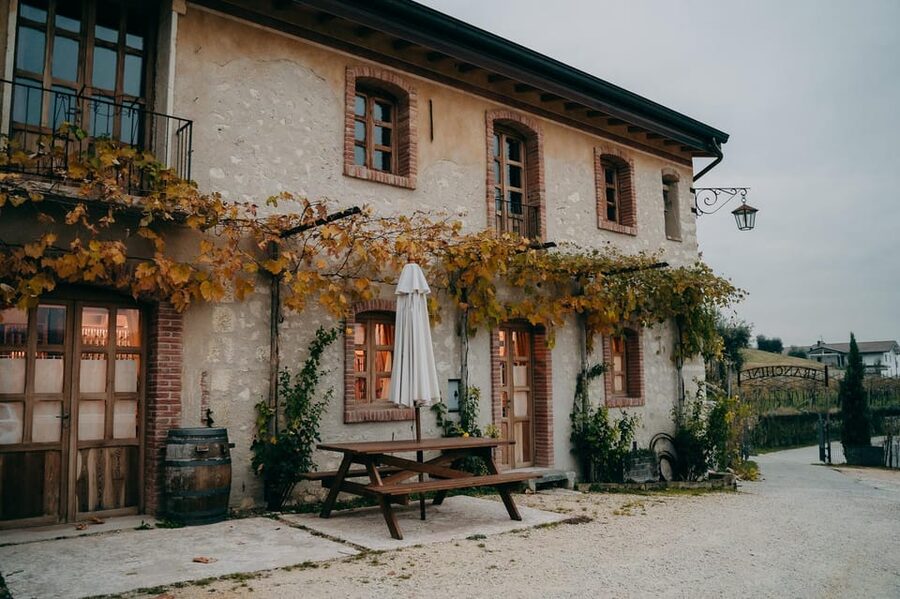
This is the heart of the experience. The tour explicitly focuses on how Amarone is made, including the secrets and techniques behind the process. Even if you’re a first-timer, you’ll get enough structure to understand what you’re tasting, instead of only enjoying it.
What makes this valuable is the cause-and-effect. Amarone is often talked about as a style that tastes powerful, but the winemaking steps explain where that power comes from. When you connect process to flavor, you start tasting with your brain on.
And you’re not just hearing it in theory. The cellar visit gives context, and the tasting table gives the immediate payoff.
Stop 2: a second winery visit with a different feel and another tasting table
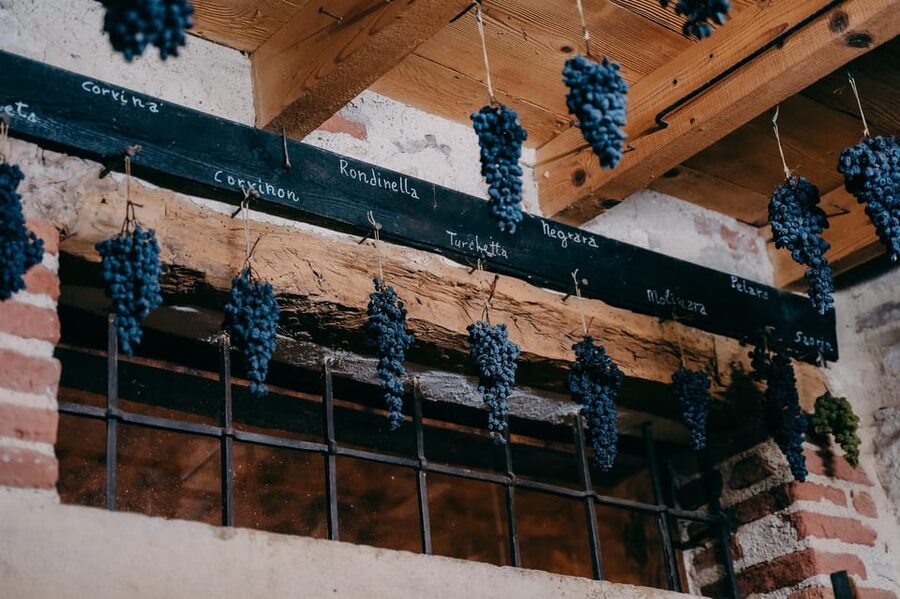
After Stop 1, you head back into the minivan for the shorter drive to the second winery. The schedule gives you a short road buffer (around 15 minutes), then you settle into the second cellar visit and tasting.
This second stop is where the tour tends to surprise people—in a good way. In the group feedback, there’s a clear theme: you get to see more than one type of operation, often with a contrast between larger production capabilities and smaller, family-run approaches.
That contrast helps you understand Valpolicella as a living region, not just a brand name. Big and small wineries can make different choices in how they craft and manage wine, and you taste those choices rather than just hearing about them.
The second tasting segment runs about 75 minutes. You’ll still have guided explanations, and you’ll still sit around the table long enough to compare notes.
You can also read our reviews of more wine tours in Verona
What you actually taste: Ripasso, Amarone, and pairing-style nibbles
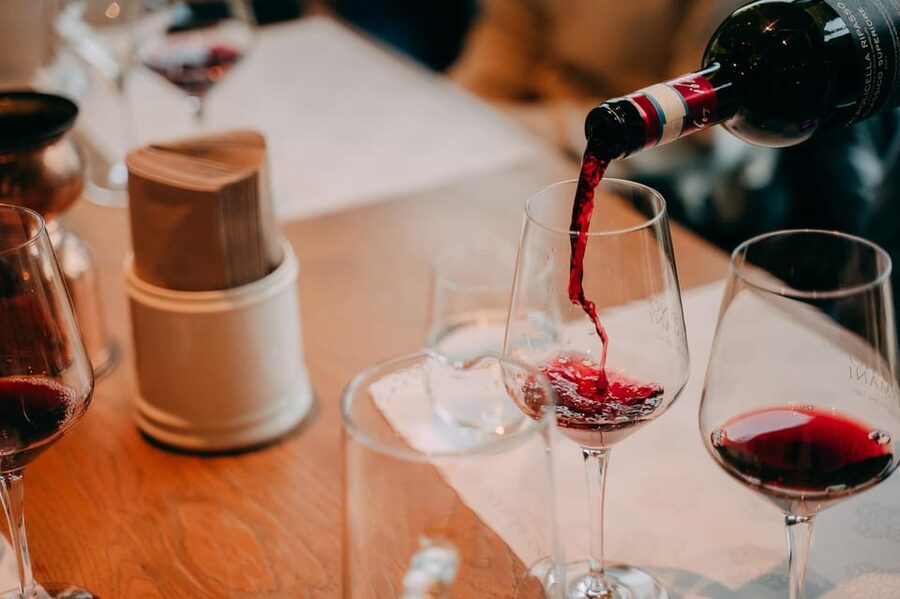
You should expect tastings that include Ripasso and Amarone. The tour description says the tastings feature selected wines including Amarone, and the experience is built to teach you how Amarone is produced.
Food is also part of the real-world experience. While the core inclusion is tastings and winery visits, the tasting-table atmosphere often includes small pairings such as finger foods, local cured meats (including homemade salami in some tastings), and cheese and meat platters. Some sessions also include an olive oil tasting element.
I’d treat this as a bonus you’ll likely enjoy rather than a strict menu promise. But the overall pattern is clear: tastings aren’t meant to be empty-body sips.
Why the two-winery structure is better value than a quick one
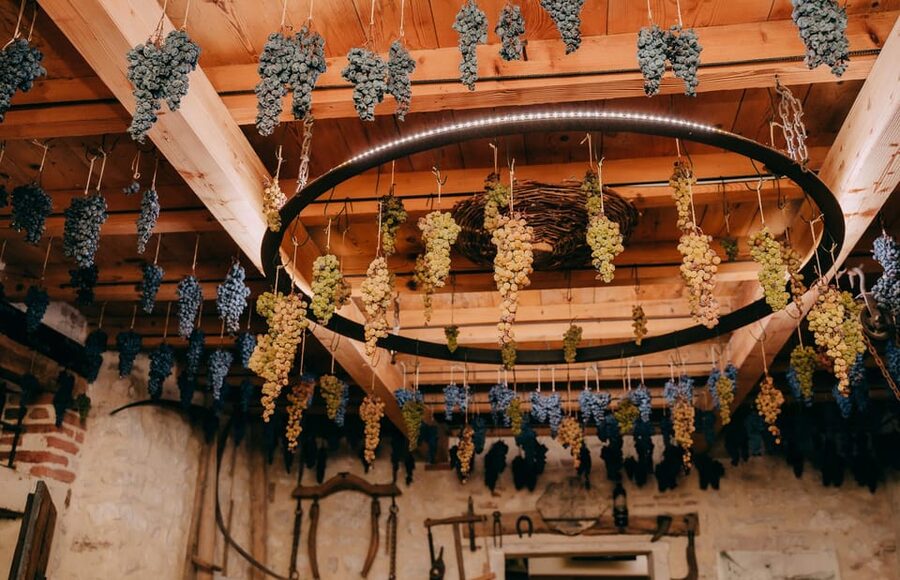
At $112.15 per person for a 4-hour Verona to Valpolicella wine tour, you’re paying for four things at once: transportation, guide time, two winery visits, and two tastings. That’s the math that makes this feel like a good deal—especially because you don’t spend the whole afternoon in one place.
Two winery visits means:
- you hear more than one house style and production approach
- you get more comparison time during tastings
- you leave with a better sense of where Amarone and Ripasso fit in the broader Valpolicella picture
Also, the tour is small: limited to 8 participants. For many people, that turns a “fun tasting” into a more personal education. You’re not constantly waiting for a turn to ask something.
Guides, owners, and what to expect from the people side
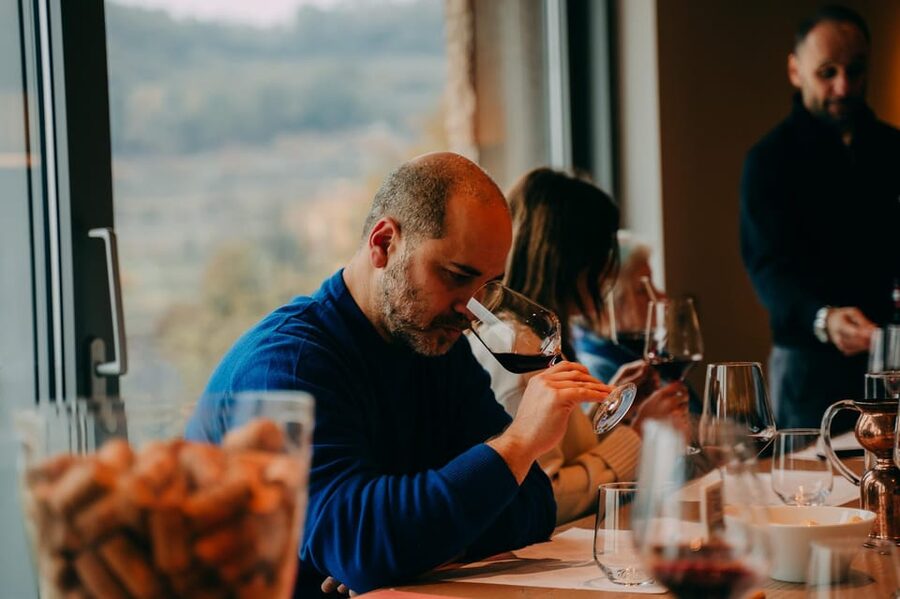
A big part of why this tour scores so high is the human factor. In many experiences, the guide drives the explanation and brings it to life with entertainment and clarity. Guides named Stefano, Sara, Alexandra, Francesca, and others show up in the feedback, and they’re described as friendly, funny, and fluent in English.
Another common theme: you may meet the winery hosts or owners during the visit, and they can explain their signature wines with personal context. One example from the feedback talks about owners translating and guiding the experience, which is exactly what you want when you’re tasting something with a maker behind it.
So if you’re the type who likes to ask, this is a tour that leaves room for it.
Weather proofing: why this works in any season
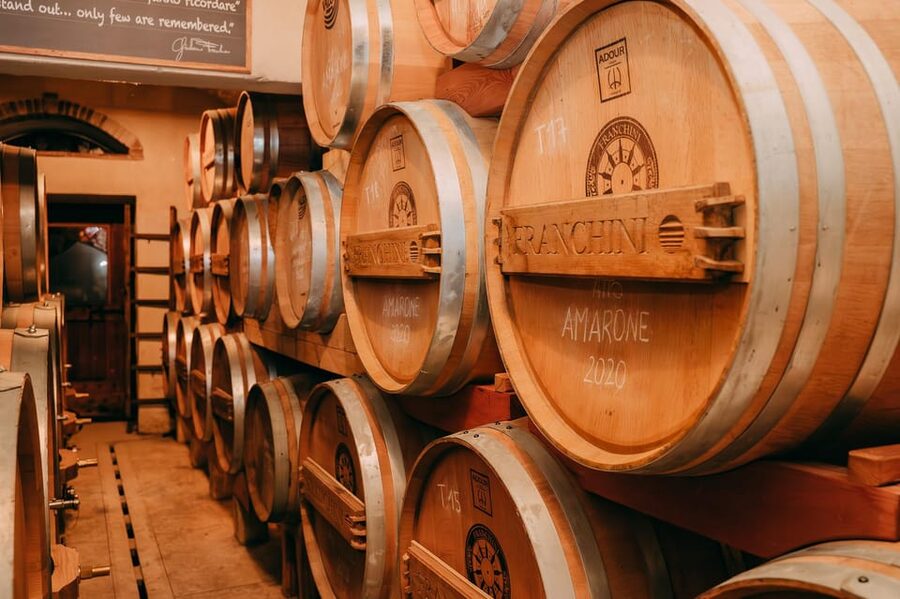
The tour is described as ideal all year round, and the structure supports that. Since most of your time is spent in cellars and at tasting tables—with transport between wineries—you’re not stuck outdoors for the entire afternoon.
That said, plan for both temperature and comfort. Cellars can be cool, and you’ll likely spend some time in vineyards and gardens for photos. Bring layers and shoes you trust.
Who should book this Verona wine tour (and who should skip it)
You’ll probably love this tour if:
- you want a focused Valpolicella experience without committing to a full day
- you care about learning how Amarone is made, not just drinking it
- you like contrast—big vs. smaller wineries and different production styles
- you want a small group (max 8) and an English guide
You should probably skip it if:
- you’re a wheelchair user or need easy-access surfaces. The tour notes parts may not be easily accessible for reduced mobility.
- you’re traveling with kids under 14. The tour is not suitable for children under 14.
- you’re bringing pets or oversize luggage. Pets aren’t allowed, and oversize luggage isn’t allowed.
- you need hotel pickup. This tour starts at a specific meeting point in Verona.
Before you go: quick tips that make the tasting-table smoother
A few small moves can help you enjoy the afternoon more:
- Eat beforehand. Tastings with pairings are part of the experience, but wine tours feel better when you’re not starting empty.
- Bring a light layer. Cellars and tasting rooms can be cooler than the street.
- Plan to pace yourself. You’ll have tastings at two wineries in about 4 hours.
- If you have food intolerances or allergies, inform the provider in advance so the pairing part doesn’t become a problem.
Also note the basics: the minimum drinking age is 18. If you’re under 18, you’ll need an adult present, and the tour isn’t open to children under 14.
Should you book the Valpolicella and Amarone tour from Verona?
If you’re doing wine in the Verona area and you want a real look at Valpolicella—especially Amarone production—this is one of the more sensible half-day options. Two winery visits plus two tastings, in a small group, keeps the afternoon from feeling like a drive-by.
The decision comes down to one practical factor: accessibility. If you’re able to handle cellar steps and winery terrain, it’s a strong pick. If not, you’ll want to look for a different tour format.
My take: book this if you want a structured wine education with enough time to taste and compare, and if you like the idea of learning how the style is made while you’re still in the mood to taste it.
FAQ
How long is the Valpolicella and Amarone wine tasting tour from Verona?
It lasts about 4 hours.
How many wineries are visited, and how many tastings are included?
You visit 2 wineries and enjoy 2 wine tastings.
Where do I meet the guide in Verona?
Meet your guide in front of the Ristori Theatre entrance at Via Teatro Ristori, 7. The guide will be holding a yellow sign with TOUR written on it.
What is the group size?
The tour is limited to 8 participants.
Is there a minimum drinking age?
Yes. The minimum drinking age is 18 years old.
Is the tour suitable for people who use wheelchairs?
No. The tour is not suitable for wheelchair users, and some parts may not be easily accessible for people with reduced mobility.
![[1 Group Only] Osaka Street Food Tour for Family - Meeting point in Naniwa Ward: start close to the action](https://b2.foodtourer.com/wp-content/uploads/1-group-only-osaka-street-food-tour-for-family-400x267.jpg)