REVIEW · JAIPUR
Jaipur Food Walk l Eat Just Like Locals
Book on GetYourGuide →Operated by Ultimate Urban Adventures Pvt. Ltd. · Bookable on GetYourGuide
Jaipur street food has a rhythm. This 2-hour guided food walk sends you through old-market lanes with a guide who keeps the pace smart and the stops worth it.
I love how the tour pairs authentic vegetarian dishes with quick, practical cultural context as you walk.
What really wins for me is the food mix: you’ll get served classic north Indian favorites like kadi samosa, mirchi vada, paneer chilla, plus cooling drinks and sweets. And yes, you end with home-made dessert.
One drawback to plan for: you’ll do plenty of walking. This isn’t a great fit for wheelchair users, and it’s not suitable for people over 95.
In This Review
- Key highlights you’ll feel on the ground
- Jaipur Food Walk and what makes it click
- Where you meet at Raj Mandir cinema (and why that matters)
- The old-market walk: your snack route through Chaura Rasta
- Savory tasting hits: kadi samosa, mirchi vada, paneer chilla, and friends
- Cooling drinks and sweet-savory favorites: lassi, rabdi, and chai moments
- The dessert finale: home-made sweets like gajar ka halwa
- Guides make or break a street-food walk (Lucky, Harshit, Lakshay)
- Price and value: what $17 really buys you
- Logistics that matter: walking time, group size, and what to bring
- Who should book this food walk in Jaipur
- Should you book this Jaipur Food Walk?
- FAQ
- What is the duration of the Jaipur Food Walk?
- How much does the Jaipur Food Walk cost?
- Where does the tour start?
- Is the tour vegetarian or vegan-friendly?
- What food is included?
- What languages is the guide available in?
- What should I bring?
- What is not included in the price?
- Are there restrictions on who can join?
Key highlights you’ll feel on the ground
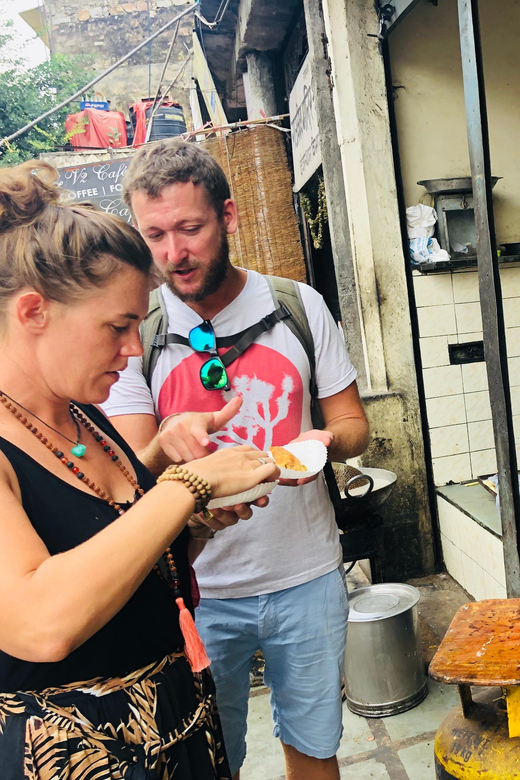
- Unlimited food over a 2 to 2.5 hour walk, so you’re not rationing tastings
- Old markets as your “map,” with stops built around where locals actually eat
- Vegetarian/vegan-friendly choices that don’t feel like an afterthought
- Named guide experience: guides like Lucky, Harshit, and Lakshay are repeatedly praised for keeping things fun and moving safely
- A dessert finale with home-made sweets, including items like gajar ka halwa and seasonal rabdi/kesar desserts (when available)
Jaipur Food Walk and what makes it click
Jaipur has a way of turning food into directions. One lane points to the next stop, and the next snack explains why the city eats the way it does. This walk leans into that idea: not a museum tour, not a lecture, just a guided stroll with serious sampling.
I like this format because it’s easy to follow. You’re with a live guide (English or Hindi), you get food tasting at multiple spots, and the “lesson” is built into the eating—what the dish is, how it’s made, and when people usually have it. That’s how you actually understand street food culture without needing a cooking degree.
Also, you don’t have to worry about finding your own rhythm. The tour is small-group based, and it comes with hand sanitizer and napkins. That small practical touch matters in crowded markets.
The other big win: vegetarian food here is not limited or apologetic. It’s playful, spicy, creamy, fried, steamed—whatever fits the day’s mood. You’ll taste a spread that feels like a greatest-hits album of north Indian vegetarian street eats.
You can also read our reviews of more walking tours in Jaipur
Where you meet at Raj Mandir cinema (and why that matters)
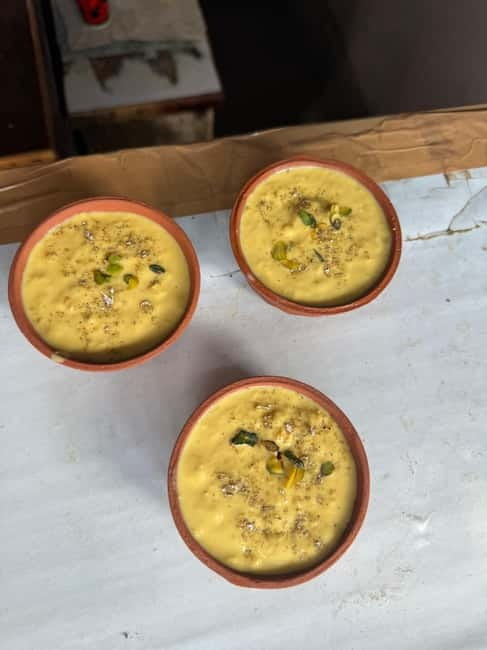
You start at the car parking lot at Raj Mandir cinema. The guide will find you as you reach the parking lot, so you’re not left roaming in circles with your phone at 1% battery.
This is a smart meeting point. Raj Mandir is a recognizable landmark in Jaipur, and it puts you close enough to begin walking into the older market areas without a long transfer. The tour doesn’t include hotel pickup and drop-off, so having a clear meetup point saves you time and stress.
Plan for this as an “active evening” style plan:
- Bring comfortable shoes you can walk in for a solid stretch.
- If you’re going in daytime, bring a hat and sunscreen.
- You’ll be moving through lanes where the crowd density can change fast, so staying flexible helps.
One more note: no pets and no baby strollers are allowed, and smoking indoors isn’t permitted. If that affects your group, plan accordingly.
The old-market walk: your snack route through Chaura Rasta
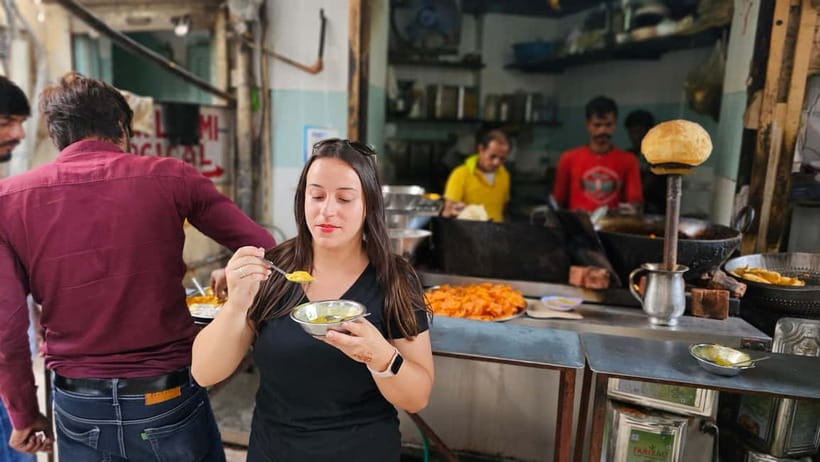
The core of the experience is the guided wandering through Jaipur’s old markets. This is where you get the most “local life” feel. Instead of choosing a restaurant and hoping for the best, you’re sampling from the street-food ecosystem—where flavors are shaped by convenience, repeat customers, and generations of practice.
The tour’s pace is designed to let you taste without feeling like you’re sprinting. You’ll walk, stop, eat, and keep moving. It also means you’ll see how the city works on a normal day: shoppers, stalls, and small food counters operating like living parts of the neighborhood.
Expect the guide to point out details beyond the menu. From what you’ll hear on the walk, Jaipur’s street-food culture connects to everyday habits—when snacks are popular, how families and markets function, and why certain dishes show up together (like spicy-and-fried next to creamy cooling drinks).
The tour ends with two drop-off locations, including Chaura Rasta. That’s useful because Chaura Rasta is a practical area to continue your evening shopping or to catch your next plan without needing to backtrack.
Savory tasting hits: kadi samosa, mirchi vada, paneer chilla, and friends
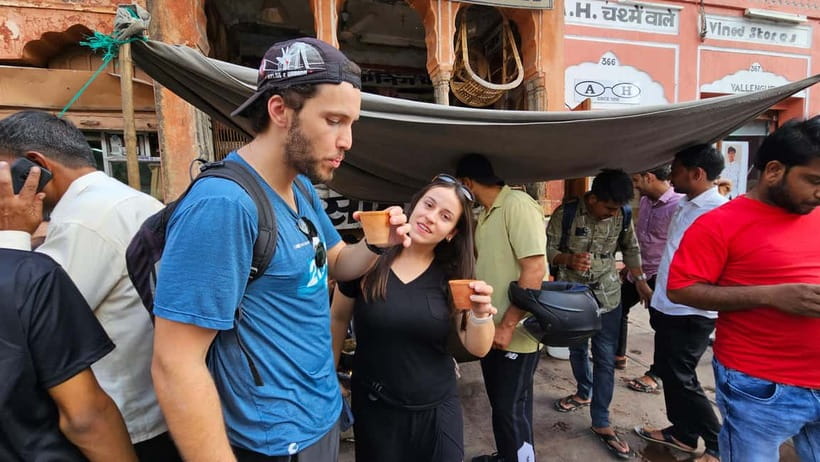
This is a vegetarian-focused tour, so the savory section isn’t “meat-free substitutions.” It’s its own world. You’ll get introduced to north Indian street snacks that range from tangy and spiced to crispy and filling.
Here are the standout savory items you can expect during tastings:
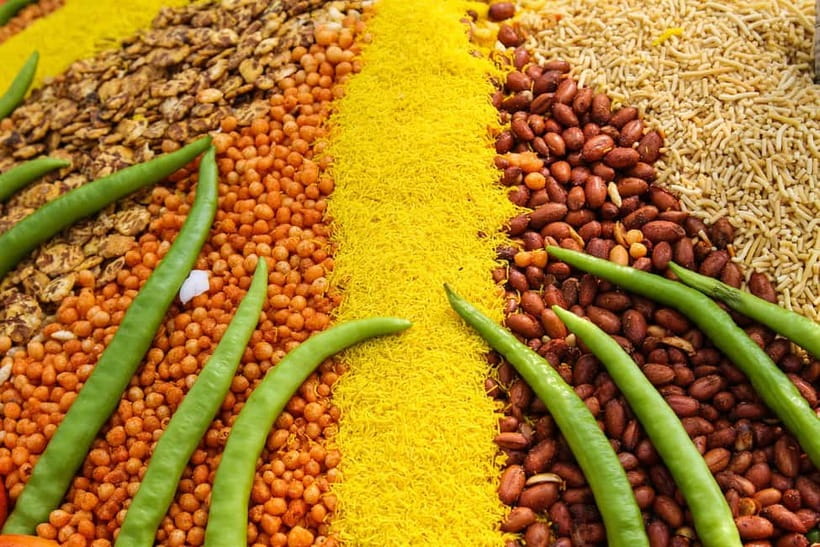
- Kadi samosa: a layered comfort combo—fried samosa with a tangy, spiced kadi-style sauce. It’s the kind of dish that explains why Jaipur likes contrast: crunch plus warmth plus spice.
- Mirchi vada: typically centered around stuffed chili flavor and a crispy coating. If you like heat with structure (not just burn), this is a strong pick.
- Paneer chilla: a savory, often griddle-based option made with paneer. It’s a nice shift from deep-fried textures and gives you a creamy, filling break.
- Chola tikka and tikka chola with desi ghee: chickpea-based street-style comfort. The “desi ghee” mention is important for flavor—ghee adds richness that makes the spices feel smoother.
- Aloo tiki: a potato-based street snack that often balances spice, crisp edges, and soft filling. It’s the kind of snack locals keep coming back to because it’s both satisfying and portable.
You’ll also see variety beyond these headline items. The walk description includes more local snacks you may get depending on what’s available that day. That flexibility is good on a street-food tour—stalls change, and the best vendors aren’t always the same every evening.
A practical tip: pace yourself through the fried items. It’s easy to keep eating because everything smells so good. But with “unlimited food” included, you’ll enjoy the experience more if you leave room for the drinks and sweets later.
Cooling drinks and sweet-savory favorites: lassi, rabdi, and chai moments
Jaipur street food has a built-in logic: spice needs cooling, and fried snacks need something to soften the edge. That’s why this walk naturally includes dairy-based favorites and warm drinks.
What you can expect in the drink/sweet-savory lane includes:
- Lassi: cool, creamy, and usually lightly spiced or flavored. It’s the reset button between bites.
- Rabdi (including kesar rabdi): thick, milk-based sweetness with cardamom and saffron notes when kesar is involved. It’s richer than many desserts, so take your time with it.
- Melting butter: you’ll hear this described as a local sweet/spread-like treat on some stops. If you see it on the menu during your walk, it’s worth tasting slowly rather than rushing.
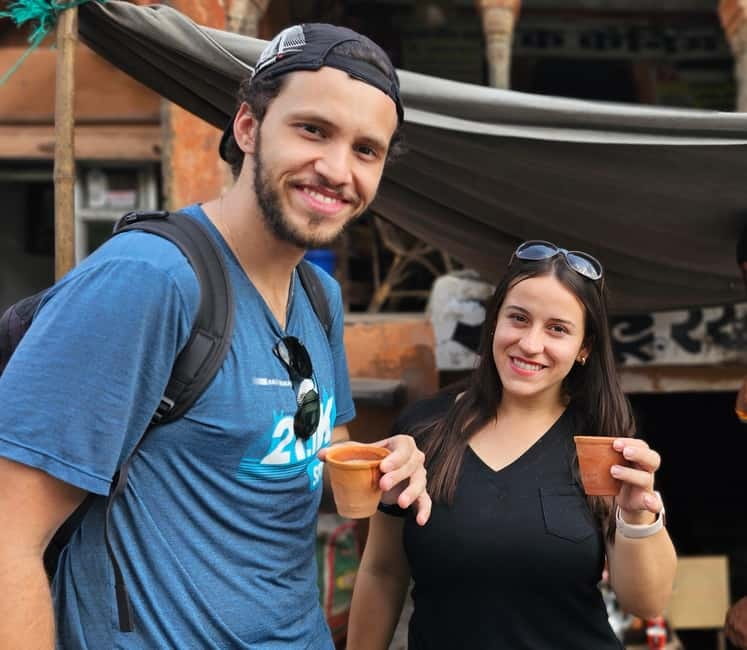
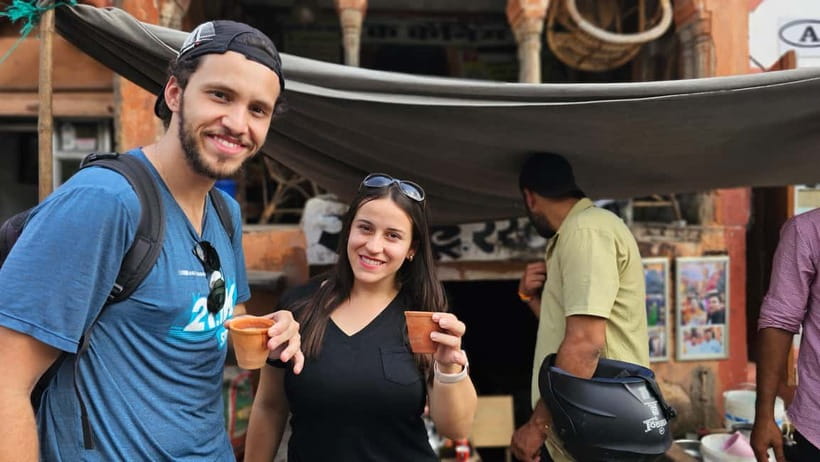
- Chai: tea shows up because it’s how Indian street food cultures talk to each other—spice, snack, conversation, repeat.
One review standout angle you can use when choosing how to eat: people specifically named lassi and rabdi as favorites, and they pointed out desserts as the surprise winners too. That’s a sign the sweet portion isn’t just a formality—it’s a real part of the show.
If you’re sensitive to dairy sweetness, you’ll still be able to manage. The guide can help you pace tastings, and you’ll get napkins and sanitizer to keep things comfortable.
You can also read our reviews of more food & drink experiences in Jaipur



The dessert finale: home-made sweets like gajar ka halwa
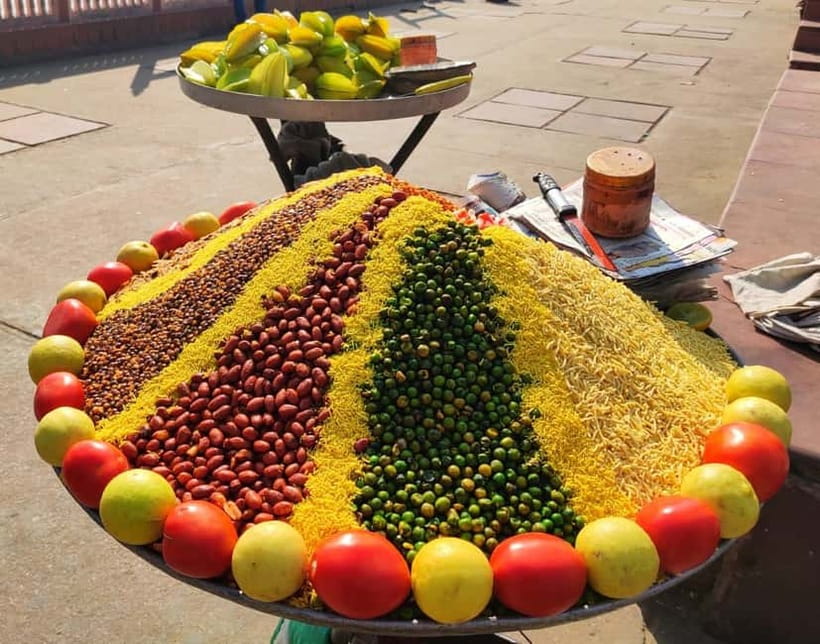
The last part is where the tour turns from snack circuit to dessert story. You finish with amazing home-made dessert, and you might see items like gajar ka halwa, a seasonal carrot-based dessert made with milk, sugar, ghee, and cardamom.
Why this matters: desserts in India often carry the same logic as savory snacks—warming spices, dairy richness, and comfort textures. If you’ve been eating crispy and spicy food for 2 hours, halwa and rabdi-style sweets feel like a satisfying landing.
This is also where the tour’s “value” becomes obvious. You’re paying for a guided snack route, and the dessert isn’t an afterthought. It’s part of the planned tasting, and that makes the experience feel complete.
My practical advice: save your most decisive taste moments for the end. Start curious, don’t overcommit on every bite, then let the dessert close the deal.
Guides make or break a street-food walk (Lucky, Harshit, Lakshay)
This tour’s best energy comes from the guides. Names you’ll hear associated with top experiences include Lucky, Harshit, and Lakshay—and the praise patterns are consistent.
Here’s what that usually translates to in real terms:
- Keeping you safe in traffic while walking between stalls. One guide-led experience highlighted that the guide actively helped cross roads as a group, which is exactly what you want in market areas.
- Good conversation plus useful food explanations. Guides described as funny and engaging also shared history and food details, so it doesn’t feel like you’re being rushed through tastings.
- Adaptation when you want something specific. One named guide helped someone add jalebi when it wasn’t originally on the itinerary. That’s a sign the guide is paying attention, not just reciting a script.
- Answering questions on the spot. When the guide can explain what you’re eating, you remember more than just flavors.
You’ll also have a live guide in either English or Hindi, which helps if you want clarification while you’re mid-snack.
Price and value: what $17 really buys you
At about $17 per person for 2 to 2.5 hours, this is priced like a guided experience, not like a standard meal. Street snacks in Jaipur can be inexpensive, but the tour adds three things that your money is paying for:
- Guided selection: multiple stops across old markets so you taste a variety instead of ordering the same thing twice.
- A structured pace: you’re not guessing where to go next or how much to eat.
- Unlimited food plus dessert: that pushes the value well beyond a “few samples.”
In other words, you’re not paying just for food. You’re paying for a snack route that saves you time, keeps you moving, and gets you to places you likely wouldn’t choose on your own.
If your travel style is food-first and you like learning while walking, this tends to be a great match. If you only want one small tasting and prefer sitting still, you may find the “walk” part a little more active than you’d like.
Logistics that matter: walking time, group size, and what to bring
This is a small group tour, and that’s not a minor detail. In tight market lanes, smaller groups mean easier maneuvering, less crowding at food counters, and faster group regrouping.
Duration is listed as 2 to 2.5 hours, which is long enough to feel like you did something real but short enough to still fit into a day full of Jaipur sightseeing.
What to bring is straightforward:
- Comfortable shoes
- Hat and sunscreen for daytime sun
- Your camera if you want photos of markets and food counters
What’s not allowed:
- Pets
- Baby strollers
- Smoking indoors
And if you’re thinking accessibility: the tour isn’t suitable for wheelchair users, and it isn’t for people over 95.
Who should book this food walk in Jaipur
This tour is ideal if you:
- Love vegetarian street food and want a concentrated variety in a short time
- Want a guide to help you navigate old market areas confidently
- Enjoy learning how dishes fit into local routines—snack timing, pairing logic, and everyday traditions
- Want a fun evening plan that doesn’t require choosing restaurants
It’s less ideal if you:
- Don’t want to walk much
- Need full mobility support
- Prefer dining at one sit-down place rather than tasting multiple small portions
If you’re the kind of person who brings an appetite and a camera, you’ll likely have a great time.
Should you book this Jaipur Food Walk?
I’d book it if you want an efficient, guide-led route through Jaipur’s vegetarian street-food culture, with unlimited tastings and a real home-made dessert finish. The strong guide reputation—people praising Lucky, Harshit, and Lakshay for friendliness, humor, safety awareness, and food explanations—is exactly what you want on a market walk.
Skip it if you hate walking, need wheelchair-friendly access, or you’re very heat-averse and going in daytime without shade support. Otherwise, for $17 and a couple of hours, it’s one of the easier ways to eat your way across Jaipur without second-guessing every turn.
FAQ
What is the duration of the Jaipur Food Walk?
The tour runs for about 2 to 2.5 hours.
How much does the Jaipur Food Walk cost?
It costs $17 per person.
Where does the tour start?
Meet your local guide at the car parking lot at Raj Mandir cinema. The guide will find you as you reach the parking lot.
Is the tour vegetarian or vegan-friendly?
Yes. The tour is vegetarian/vegan friendly, with vegetarian and vegan options included.
What food is included?
Food tasting is included at multiple locations, and the tour includes a home-made dessert. Unlimited food is included.
What languages is the guide available in?
The live tour guide speaks English and Hindi.
What should I bring?
Bring comfortable shoes. For daytime tours, sunscreen and a hat are recommended. A camera can also be helpful.
What is not included in the price?
Hotel pickup and drop-off are not included.
Are there restrictions on who can join?
The tour is not suitable for wheelchair users and is not suitable for people over 95. Pets, baby strollers, and smoking indoors are not allowed.