REVIEW · KIGALI
Kigali: Guided Art, History, and Food Tour with Moto Ride
Book on GetYourGuide →Operated by MUREKEZI ALINE · Bookable on GetYourGuide
Kigali hits you right at the start. This short 3-hour plan mixes the serious weight of the Kigali Genocide Memorial with art at the Niyo Art Center, plus food stops and quick photo time at the city’s famous Kigali sign. You move around by walking and moto, so you get a real feel for how the city flows.
I especially love that the tour gives you context, not just stops on a checklist—starting at the memorial and then shifting to art and everyday Kigali life. I also like the food-and-market pacing, where you taste local street food at Biryogo and end at Kimironko Local Market while the city energy is still high.
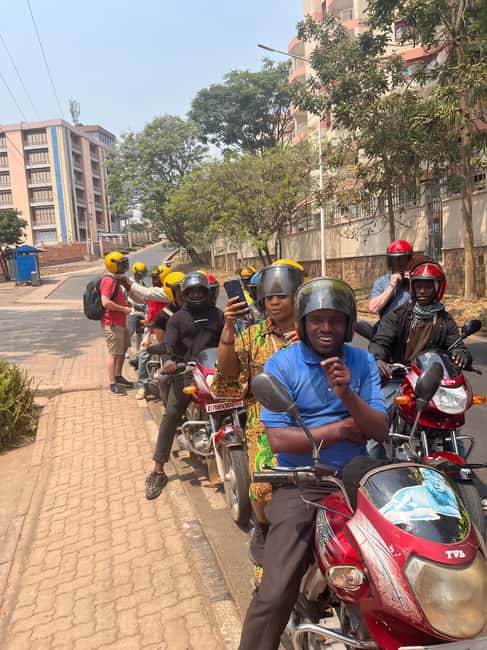
One consideration: the moto parts aren’t included in the price, so you’ll need cash for the drivers. If you’re not comfortable on a bike, you’ll want to ask your guide how to adjust the route.
In This Review
- Key highlights you’ll actually feel
- Price and what you’re really paying for ($25 in 3 hours)
- Meeting Aline at the Kigali Genocide Memorial: start with the right orientation
- Kigali Genocide Memorial: how to handle 1.5 hours with respect
- Niyo Art Center: Rwanda and Africa through artwork you can actually talk about
- Biryogo Car Free Food Street by moto: the fun part with real practical tips
- Kigali sign photo stop: a quick win for your first-day photos
- Kimironko Local Market: end with the everyday stuff that sticks
- Who this tour suits (and who should skip it)
- What to bring so the 3 hours feel easy
- Should you book this Kigali art, history, and food tour?
- FAQ
- How long is the Kigali tour?
- Where does the tour start?
- What’s included in the price?
- Are moto rides included?
- Is an audio guide available at the memorial?
- What languages is the guide available in?
- What should I bring?
- Are meals and drinks included?
- Is smoking allowed?
- Is the tour suitable for everyone?
Key highlights you’ll actually feel
- Aline (MUREKEZI ALINE) as your guide: easy communication in English, French, Swahili, or Kinyarwanda, plus strong on-the-ground help.
- Kigali Genocide Memorial first: you start with meaning, then the rest of the day makes more sense.
- Niyo Art Center art with stories: you’re not just looking at pieces—you’re learning what they represent.
- Biryogo Car Free Food Street tastings: you get to try local bites without turning it into a full food crawl.
- Kigali sign photo stop: quick, iconic, and easy to do right.
- Kimironko Local Market finish: a final hit of local commerce and everyday life.
Price and what you’re really paying for ($25 in 3 hours)
At $25 per person, this tour is built for value. You’re not paying for a private driver all day—you’re paying for a guided circuit that packs three different Kigali worlds into one morning or afternoon: remembrance, creativity, and daily food/market life.
The biggest “value move” is the mix. Many city tours in busy places either go purely historical or purely scenic. Here, you get the full emotional arc: the memorial sets the tone, the art center shows how people express identity and experience, and the food/market stops let you see how Kigali lives day to day. It’s a sharper first introduction than a longer, more scattered sightseeing day.
One more practical note: some parts are included, but purchases aren’t automatically covered. You’ll do street food tasting as part of the tour, but meals and drinks beyond that are not guaranteed unless clearly specified. And since moto transport isn’t included, you should plan your spending around that extra cash need.
You can also read our reviews of more food & drink experiences in Kigali
Meeting Aline at the Kigali Genocide Memorial: start with the right orientation
Your tour begins at the Kigali Genocide Memorial, at the main entrance. Look for the clearly designated check-in room, and find your guide by the uniform with the tourwithaline logo.
This matters more than it sounds. The memorial is a “place where you show up prepared” kind of site. If you start late or confused, you waste the most important part of the day—mental focus. Since the meeting spot is straightforward and your guide is easy to spot, you can get settled fast and begin with the right mindset.
The tour also runs with multilingual guidance. Your guide can work in English, French, Swahili, or Kinyarwanda, which is a big comfort if you’re tired after travel or want questions answered without language friction. Bring your contact details so the guide can reach you if needed—there’s a reason this is mentioned at the gate.
Kigali Genocide Memorial: how to handle 1.5 hours with respect
You spend about 1.5 hours at the Kigali Genocide Memorial, and that timing is realistic for a meaningful visit. You’re not rushing through photos. You’re meant to take in the message, reflect, and understand the historical weight of the place.
A few things I’d keep in mind when you go:
- Be respectful. This is not a casual sightseeing stop.
- Give yourself time to absorb what you’re seeing before you start asking lots of questions.
- If you want extra context, there’s an optional audio guide at the memorial (audio isn’t included, but it’s available if you choose it).
If you’re someone who likes to understand before you look, start your visit with the bigger ideas first—what happened, why it mattered, and how Kigali remembers now. Then details will land better. If you’re the opposite type (you like to jump right into visuals), still plan to slow down. The memorial is designed for emotional clarity, not speed.
Also, keep your camera ready—but don’t treat it like a photo studio. I recommend following the flow of the site and only shooting when it feels appropriate.
Niyo Art Center: Rwanda and Africa through artwork you can actually talk about
Next you head to the Niyo Art Center, with about 1 hour for art viewing. This is one of the most interesting parts of the route because it shifts you from history-as-record to history-as-expression.
The art center highlights work by Rwandan and African artists, and your guide helps connect what you see to cultural meaning and local stories. That’s the difference between seeing art as decoration versus seeing it as communication.
Here’s what to do to get the most out of your hour:
- Don’t try to see everything at once. Pick 2–4 pieces that catch you and spend real time with them.
- Ask your guide what themes keep showing up across different works (identity, memory, daily life, resilience—those kinds of ideas).
- If you like souvenirs, there’s often practical shopping after you understand what you’re buying.
One nice bonus from experience in the area: people often pair the art center visit with a stop at the on-site cafe for a drink. Drinks and meals aren’t automatically included in the tour price, but if you want a break after walking, this is a convenient place to do it.
Biryogo Car Free Food Street by moto: the fun part with real practical tips
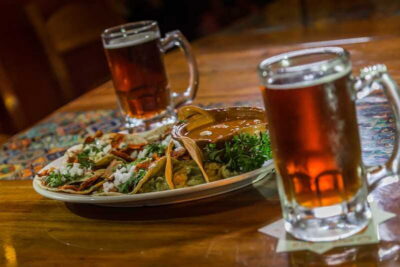
After the art, you’ll hop on a moto and head over to Biryogo Car Free Food Street. The tour builds in time for street food tasting, plus refreshing drinks.
This is where your tour turns from “learning” to “tasting.” And honestly, it’s one of the best ways to understand a city quickly: food is where culture shows up with zero editing.
A few important practical tips:
- Bring cash for moto drivers. Moto transport isn’t included.
- Wear comfortable shoes. The walking around food streets can be short but stop-and-go.
- Keep water handy. Kigali sun can be strong even when the walk looks brief.
- If you’re picky about food, tell your guide upfront. Your guide can help you navigate choices so you don’t get stuck eating something you don’t enjoy.
Also, the “car-free” setup makes this area feel calmer than typical street traffic zones, so it’s easier to enjoy food stalls without constant noise and weaving. Take your time with tasting—this isn’t a one-bite-and-run situation.
Kigali sign photo stop: a quick win for your first-day photos
At about 30 minutes, you’ll get a photo stop at the iconic Kigali sign in the city center. This is short on purpose: it gives you a clean, recognizable shot without turning the tour into hours of photo-line waiting.
Do it smart:
- Pick your angle quickly, then look around. Even if the sign is the star, the area around it helps you orient to the city.
- If you’ve been on camera at the memorial, consider taking a breather first. Then go for the sign shot while you’re mentally lighter.
You’ll also do some strolling between stops, so this is a good time to slow down and take in city life at street level.
Kimironko Local Market: end with the everyday stuff that sticks
Your tour finishes at Kimironko Local Market, where you’ll spend around 30 minutes exploring. This is the “last mile” of the tour, and it’s where Kigali feels most alive in an everyday way—goods, crafts, movement, and vendor energy.
Markets are loud and busy, so the value of having a guide here is simple: you’re not just walking through chaos. You can ask questions, understand what you’re seeing, and focus on what you actually want.
If shopping is part of your plan:
- Ask your guide how pricing works and what to expect.
- If you want help with bargaining, your guide can assist, especially if you’re unfamiliar with local norms.
Even if you don’t buy anything, give yourself permission to browse. Looking closely is part of the experience here—textures, colors, and everyday products tell stories too.
Who this tour suits (and who should skip it)
This tour is best for:
- First-time visitors who want a strong orientation to Kigali in 3 hours without building a complex itinerary.
- People who care about meaningful history and want the memorial to be the foundation, not an afterthought.
- Food lovers who prefer structured tastings over guessing what to order alone.
- Art fans who like stories behind what they’re seeing.
Skip or reconsider if:
- You need accessibility support. The tour isn’t suitable for wheelchair users.
- You’re traveling with children under 5.
- You’re pregnant. This is listed as not suitable, and since moto is part of the route, it’s not the right match.
Also, if you hate the idea of riding a moto, you should ask about alternatives before you commit. Some people do skip the moto portion, but your comfort and safety come first.
What to bring so the 3 hours feel easy
Bring a small kit that matches the walking + sun + food flow:
- Comfortable shoes
- Camera
- Sunscreen
- Water
- Cash (for moto drivers, and for anything you choose to buy)
And quick behavior reminders:
- No smoking during the tour.
- At the Genocide Memorial, be respectful and follow site guidance.
If you do this, the tour feels smooth instead of rushed. And you’ll spend more time enjoying, less time worrying.
Should you book this Kigali art, history, and food tour?
I’d book it if you want a first introduction to Kigali that doesn’t flatten the city into one mood. The structure makes sense: you start with remembrance, then shift to art and personal meaning, then end with street food and the market—so you leave with both understanding and appetite.
It’s especially worth it if you like having a guide who can answer questions in real time and help you move between very different parts of town without getting lost in logistics. If you’re comfortable with moto—or at least willing to pay extra cash for it—this tour is a great deal for $25.
If you absolutely can’t do moto rides or you need accessibility accommodations, it may not be the right fit. In that case, I’d look for a different guided option with safer transport choices and fully accessible stops.
FAQ
How long is the Kigali tour?
It lasts 3 hours.
Where does the tour start?
The meeting point is at the Kigali Genocide Memorial, at the main entrance. Look for the check-in room and your guide’s uniform with the tourwithaline logo.
What’s included in the price?
You get a guided Kigali tour, a visit to the Kigali Genocide Memorial, art viewing at Niyo Art Center, street food tasting at Biryogo Car Free Food Street, a photo opportunity at the Kigali city center sign, and exploration of Kimironko Local Market.
Are moto rides included?
No. Moto transport is not included, and you should bring cash for moto drivers.
Is an audio guide available at the memorial?
Yes, an audio guide at the Genocide Memorial is optional, but it’s not included.
What languages is the guide available in?
The live guide can work in English, French, Swahili, and Kinyarwanda.
What should I bring?
Bring comfortable shoes, a camera, sunscreen, water, and cash.
Are meals and drinks included?
Meals and drinks are not included unless specified. Street food tasting is included, but anything beyond that may cost extra.
Is smoking allowed?
No, smoking is not allowed.
Is the tour suitable for everyone?
It’s not suitable for children under 5, pregnant women, or wheelchair users.