REVIEW · LIMA
Lima: Ultimate Peruvian Food Tour
Book on GetYourGuide →Operated by Exquisito Peru – Food Tours · Bookable on GetYourGuide
Four hours of Lima food magic starts in Barranco. You’ll walk through one of the city’s most fun neighborhoods and watch ceviche and pisco sour being made before you taste. I also like that the food comes in a steady rhythm, so you’re always eating something new.
I really value the way the English-speaking guide ties each stop to Peruvian food culture, not just what’s on the plate. Guides such as Marcos, Valeria, Aura, and David are mentioned again and again for keeping the stories clear and the pace lively—plus you get a workshop focused on fair trade and locally produced chocolate.
One heads-up: vegetarian and vegan options are limited in Peru, and this tour is not a great match if you need a balanced protein-heavy vegetarian menu. You should know there won’t be tofu or lentils, and eggs aren’t widely used in preparations.
In This Review
- Key things that make this tour worth your time
- Barranco’s food-walk format: why it works so well
- Meeting at Mirador Saénz Peña and getting your bearings fast
- Barranco tastings: the “keep eating” rhythm
- Stop 1: Barranco District food tasting (about 35 minutes)
- Stop 2: local bakery tasting (about 30 minutes)
- Stop 3: local restaurant tasting (about 45 minutes)
- Stop 4: photo stop and sightseeing (about 10 minutes)
- Stop 5: local restaurant tasting (about 35 minutes)
- Ceviche and lomo saltado prep plus pisco sour magic
- Fair trade chocolate workshop: a sweet stop with a purpose
- Bridge of Sighs and the Barranco walk that makes it feel like Lima
- Ending with a local bar and café tasting
- What’s included in the $105 price (and whether it’s fair)
- Pace, portion size, and how hungry you should be
- Dietary needs: what you can count on
- Who should book this tour (and who should skip it)
- Should you book Lima: Ultimate Peruvian Food Tour?
- FAQ
- How long is the Lima food tour?
- Where do I meet the guide?
- Is the tour in English?
- How big is the group?
- What’s included in the price?
- What’s included when it comes to food and drinks?
- Are there vegetarian or vegan options?
- Can the tour handle food allergies?
- Is pickup and drop-off included, and is it accessible?
Key things that make this tour worth your time
- Small group cap (10 people) means you get time to ask questions while you’re eating
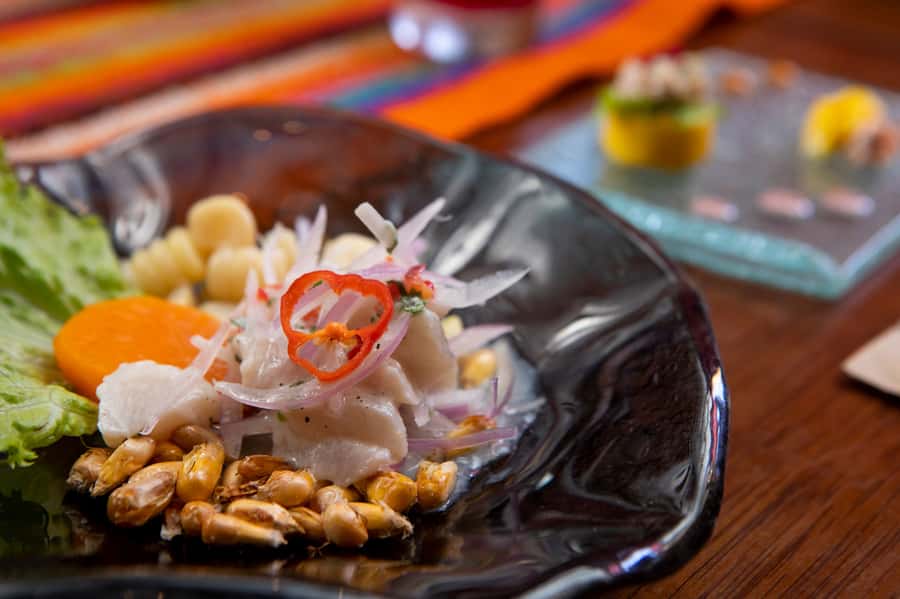
- Ceviche, lomo saltado, and pisco sour demonstrations so you see the process, not just the result
- Fair trade, locally produced chocolate workshop with a hands-on learning angle
- Barranco walking route with photo stops including the Bridge of Sighs
- Multiple tasting stops over 4 hours so lunch doesn’t end up feeling like one heavy meal
Barranco’s food-walk format: why it works so well
Lima can feel huge when it’s your first day. This tour is a smart fix. In about four hours, you cover a walkable chunk of Barranco and eat across several small places, instead of doing one restaurant and calling it a night.
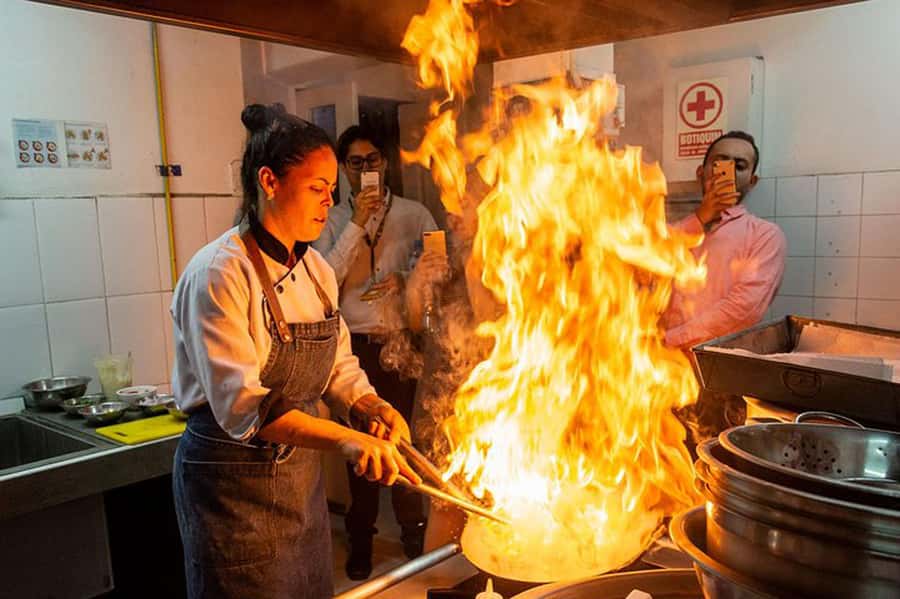
You’ll get classic Peruvian flavors served in multiple styles: savory dishes, drinks, and sweet bites. And because you’re watching chefs prepare key items—like ceviche and pisco sour—you understand the logic behind the food. It’s not just eating. It’s watching how the taste gets built.
One more reason I like this format: it’s paced for appetite. The schedule keeps you moving, but not sprinting. There are enough short walks between tastings that you get a break, then jump right back into the next dish.
You can also read our reviews of more food & drink experiences in Lima
Meeting at Mirador Saénz Peña and getting your bearings fast
You start at Mirador Saénz Peña, not far from Casa República. The guide meets you there in a red lanyard, and from the first minutes you get a sense of what this neighborhood is about.
After a short walk—about 10 minutes—you arrive in the Barranco District. That early move matters. It helps you shift into a local rhythm right away, instead of spending the first hour stuck in the wrong area or waiting around.
Also, if you tend to get hungry fast, don’t plan a huge breakfast beforehand. This tour is designed to fill you up by the end.
Barranco tastings: the “keep eating” rhythm
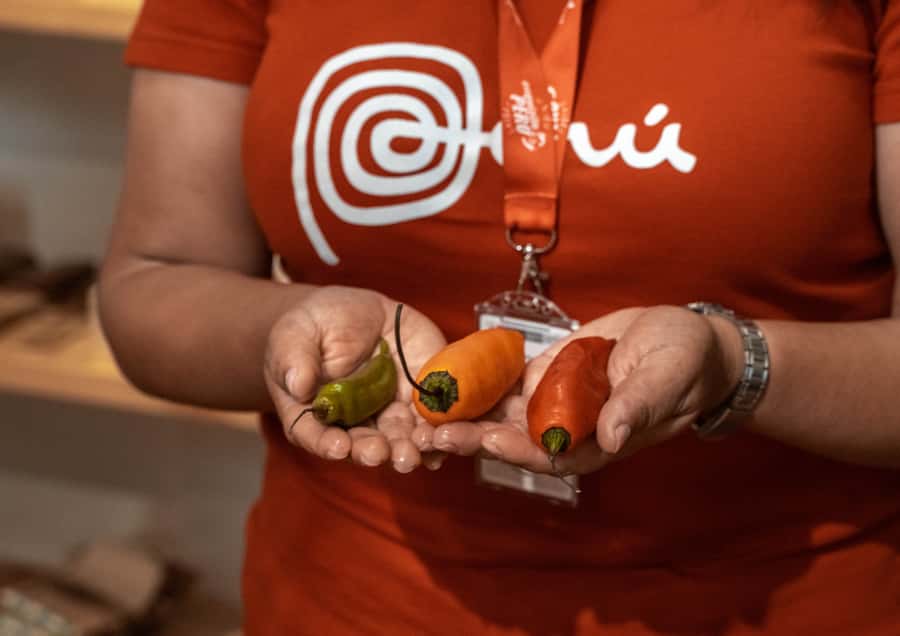
The heart of the experience is a chain of tasting stops, mostly in Barranco, with small walks between them. Here’s how the flow typically feels, step by step.
Stop 1: Barranco District food tasting (about 35 minutes)
You settle into the first tasting location and start with Peru’s emblematic flavors. This is where the tour shows its main trick: you’re not limited to one theme. You can expect a mix of dishes and drinks that sets the pattern for the rest of the evening.
What I like here is that the tasting time is long enough to actually taste, ask, and adjust your palate—not just “one bite and go.”
Stop 2: local bakery tasting (about 30 minutes)
Next comes a bakery stop. In Lima, bakeries can be their own form of local culture, and here it fits the tour’s goal: you get Peru’s flavors beyond the usual seafood-and-stew stereotype.
If you’re the type who likes sweet-and-savory variety, this is a good moment to slow down and notice textures and flavors. It’s also a helpful reset point before the main restaurant tastings.
Stop 3: local restaurant tasting (about 45 minutes)
Then you move to a restaurant stop with more time. This is where you typically get the tour’s most famous classics in proper portions—plus explanations from the guide about why these dishes matter in Peru.
This is also one of the best places to ask questions about ingredients and regional preferences, because you’re not rushing out after a single course. You’ll likely feel like you’re eating a mini meal, not just sampling.
Stop 4: photo stop and sightseeing (about 10 minutes)
Between tastings, you get a breather and a few photo moments. The tour includes a photo stop in Barranco and sightseeing time along the route.
This is practical, not just scenic. You’re walking through a neighborhood with a distinct vibe, so the pauses help you connect what you’re eating with where you are.
Stop 5: local restaurant tasting (about 35 minutes)
Another restaurant stop follows, so the tour doesn’t become repetitive. This second restaurant segment keeps the menu moving and gives you more chances to compare flavors side by side.
I also like that this section keeps you full without turning the whole tour into a single long lunch. By the time you reach the later stops, you’ll feel satisfied rather than stuffed.
Ceviche and lomo saltado prep plus pisco sour magic
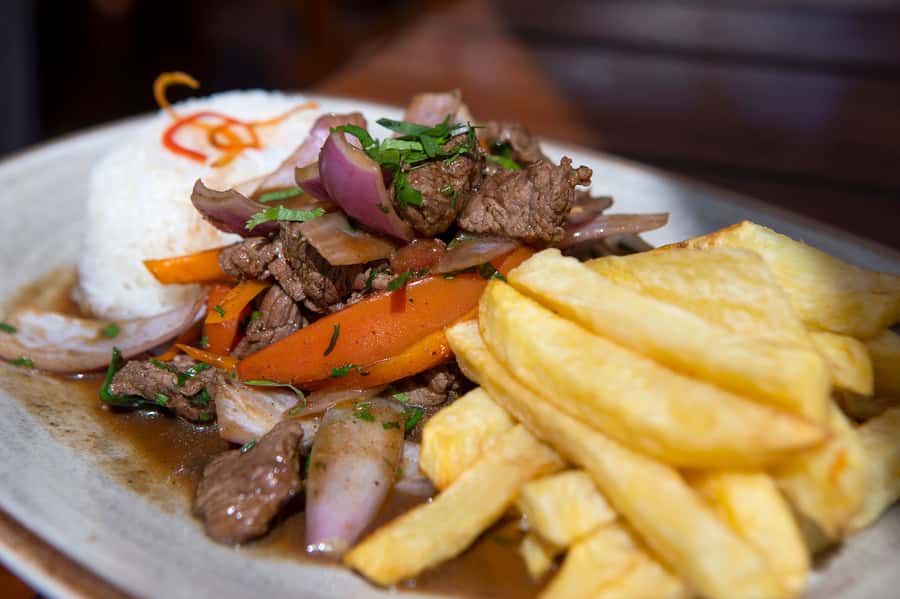
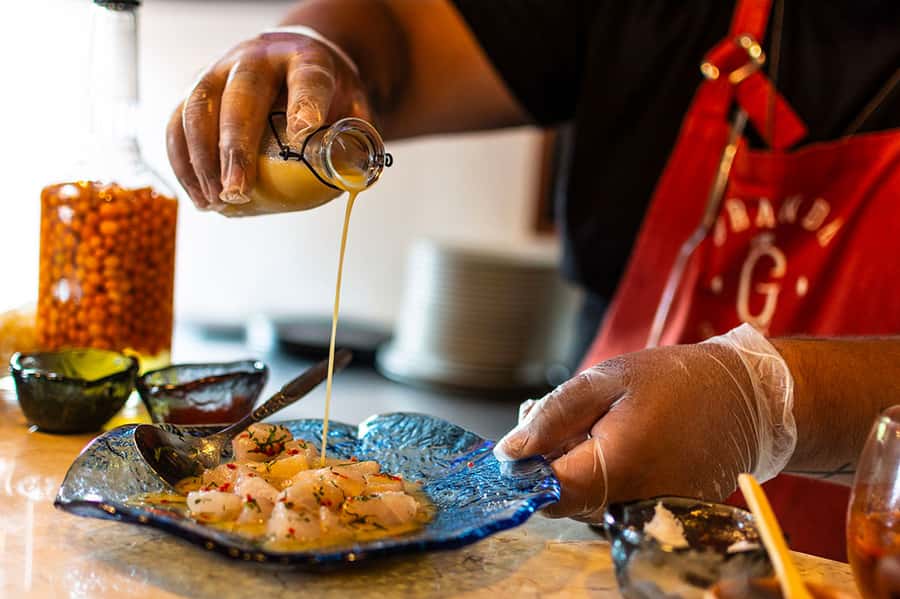
The big draw of the tour is that you don’t just order these items. You see the preparation—including ceviche and lomo saltado—along with a pisco sour component.
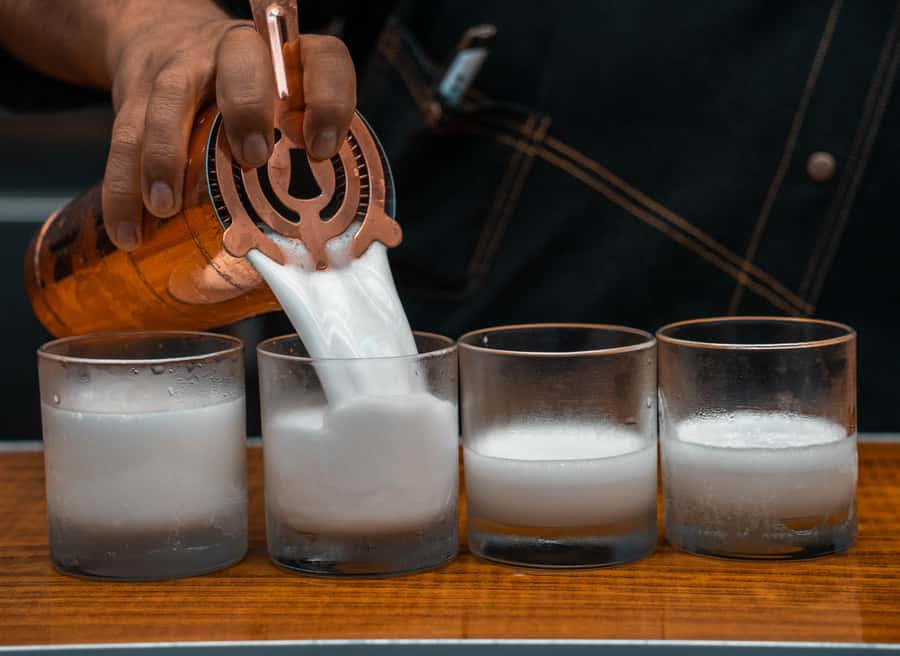
Watching ceviche come together matters because you get to see the timing and balance that makes it work. And seeing pisco sour preparation helps you understand why the cocktail is more than a tourist souvenir. It’s part drink, part ritual, and part expression of local taste.
Here’s the practical upside for you: when you’ve watched the process once, ordering it later in Lima becomes easier. You know what to expect, what to ask about, and how to compare one bar’s version to another.
Fair trade chocolate workshop: a sweet stop with a purpose
In addition to savory dishes and cocktails, you’ll do a workshop about fair trade and locally produced chocolate. This is one of the most thoughtful parts of the tour because it teaches you how to look at chocolate like a product with a story.
You’ll taste and learn in a way that’s more meaningful than buying a souvenir bar and moving on. If you’re into coffee, chocolate, or ethical sourcing, you’ll probably enjoy this segment the most.
And because it happens after multiple savory stops, it also works as a palate reset. Sweet, then back to drinks and final bites—your taste buds get a clean turn.
Bridge of Sighs and the Barranco walk that makes it feel like Lima
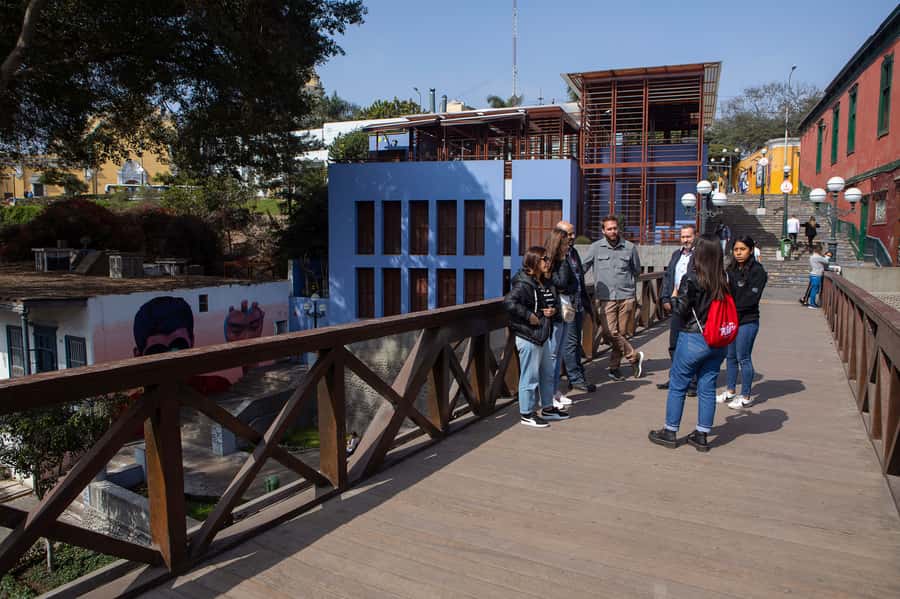
One of the tour’s sightseeing moments is the Bridge of Sighs in Barranco, with another photo stop and sightseeing time.
Why I think this is worth the time: Barranco isn’t just a backdrop. It’s a neighborhood where food and culture show up together—street life, small shops, and the kind of places that survive on local loyalty. This tour uses the walking route to help you feel that connection.
Even if you’re not the biggest photography person, you’ll still appreciate the way the walking segments break up the tastings. The experience feels like a night out, not a food exam.
Ending with a local bar and café tasting
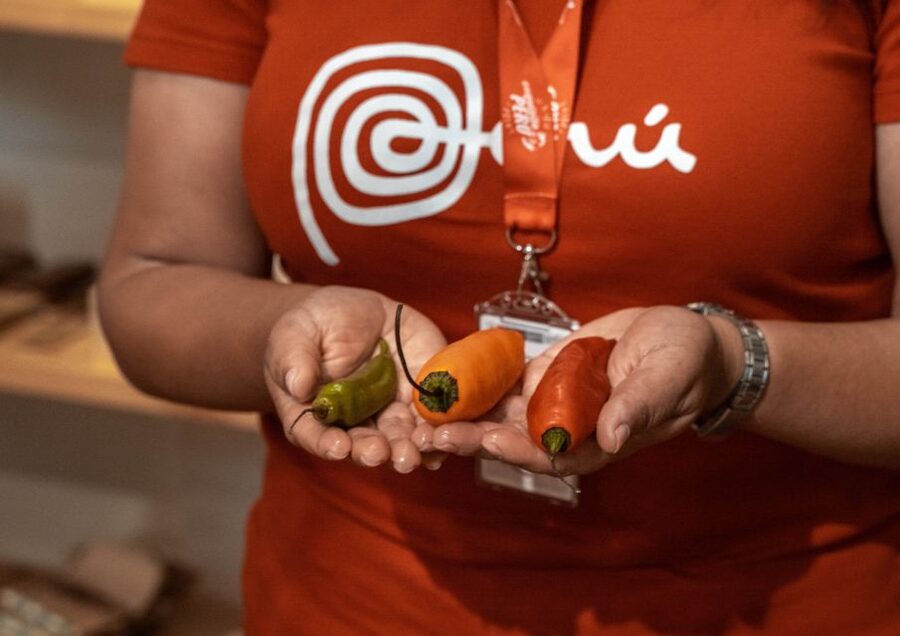
As the tour continues, you finish with more drink and snack time: a local bar tasting (about 35 minutes) followed by a local café tasting (about 15 minutes).
This is where you start feeling the total effect of the experience—full stomach, warm energy, and the small buzz that comes from pisco sour. It’s also the part where you can reflect on what you loved most, because you’ve already tasted enough to make choices.
The tour ends at Parque Municipal. That matters for planning: you’re not stuck at some random backstreet. It’s a recognizable endpoint where you can figure out your next move.
What’s included in the $105 price (and whether it’s fair)
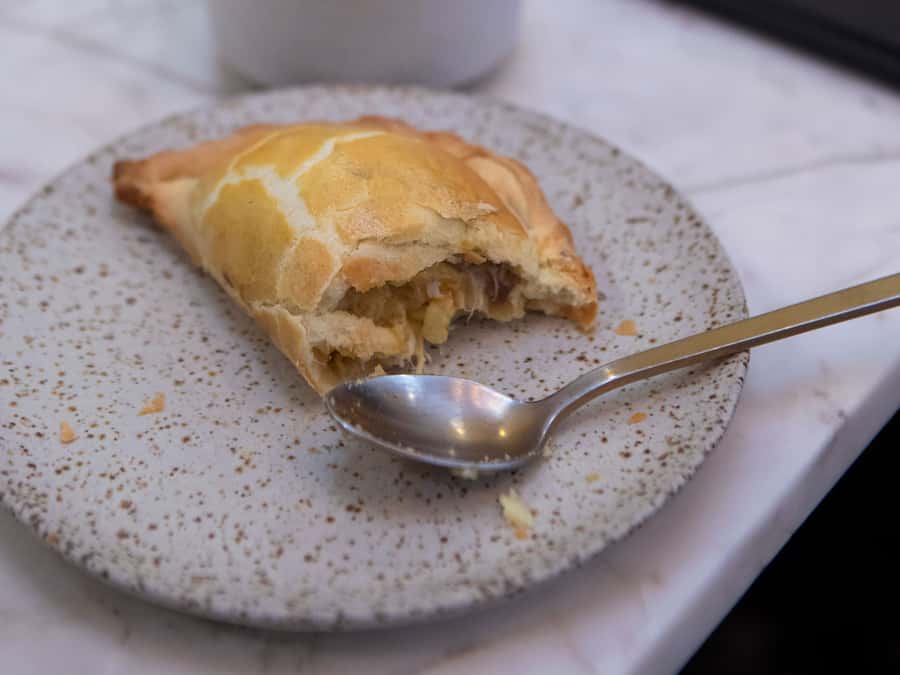
The price is $105 per person for 4 hours with a small group (up to 10). Included are lunch, coffee and soft drinks, and pisco, plus a local guide.
Is it good value? In my view, it’s fair if you want:
- Multiple tastings across several spots, not one meal
- Cooking demonstrations for key Peruvian items
- A cultural component through food history and a Barranco neighborhood walk
- A guided structure that saves you planning time
If you only want one dish—like ceviche—and you’re the kind of solo eater who happily walks into a place and picks a menu, you might find cheaper options. But for most people, the “many stops + demos + guide context” combo is exactly what you’re paying for here.
One thing to budget for: local 18% sales tax is not included, so your final amount may be a bit higher.
Pace, portion size, and how hungry you should be
The schedule is built so you leave full. Food tasting segments include long enough windows—35 to 45 minutes in key spots—that you’re not just nibbling. You’ll likely feel satisfied in a very normal, human way.
Practical advice: don’t arrive starving in a way that ruins your enjoyment. You should be hungry enough to taste sharply, but not so empty that every stop feels like damage control.
And because you’re drinking pisco sour during the tour, plan to keep your day flexible after. This isn’t a “quick snack and walk home” situation.
Dietary needs: what you can count on
This tour can adapt if you advise dietary restrictions at booking. That’s important. If you have allergies or a firm dietary need, don’t wait until the day-of.
But here’s the constraint you should plan around: vegetarian and vegan options are limited. The tour info also notes there won’t be tofu or lentils, and eggs are not widely used in preparations. So if your vegetarian diet depends on balanced protein options, you may be disappointed.
Also, if you have a severe nuts allergy, the tour advises you not to book. Cross contamination can happen with foods included on the route.
Who should book this tour (and who should skip it)
I think this tour is a great fit if you:
- Want an organized way to taste multiple iconic foods in one evening
- Prefer walking tours with context, not just restaurant hopping
- Enjoy cooking demonstrations and learning while you eat
- Want to see Barranco without over-planning
I’d skip it (or seriously reconsider) if you:
- Need a robust vegetarian or vegan menu with protein-heavy options
- Have severe nuts allergies
- Have mobility limitations, since the tour is not suitable for wheelchair users or people with mobility impairments
Should you book Lima: Ultimate Peruvian Food Tour?
If you’re visiting Lima and want one high-impact experience that combines classic flavors, a walk through Barranco, and a chocolate-focused learning stop, I’d book it. The structure—tastings spread across multiple places, with demos you can watch—makes it easier to enjoy than a DIY plan.
My deciding factor for you: if your diet is flexible and you’re ready for a full four-hour food run, this tour matches what most people actually want from Peru. If your diet is strict vegetarian/vegan with protein expectations, you should treat it as a risky choice.
FAQ
How long is the Lima food tour?
It lasts 4 hours.
Where do I meet the guide?
Meet at Mirador Saénz Peña, not too far from Casa República hotel. The guide will be wearing a red lanyard.
Is the tour in English?
Yes. The tour is guided in English only.
How big is the group?
It’s a small group, limited to 10 participants.
What’s included in the price?
Included are lunch, coffee and soft drinks, and pisco, plus a local guide.
What’s included when it comes to food and drinks?
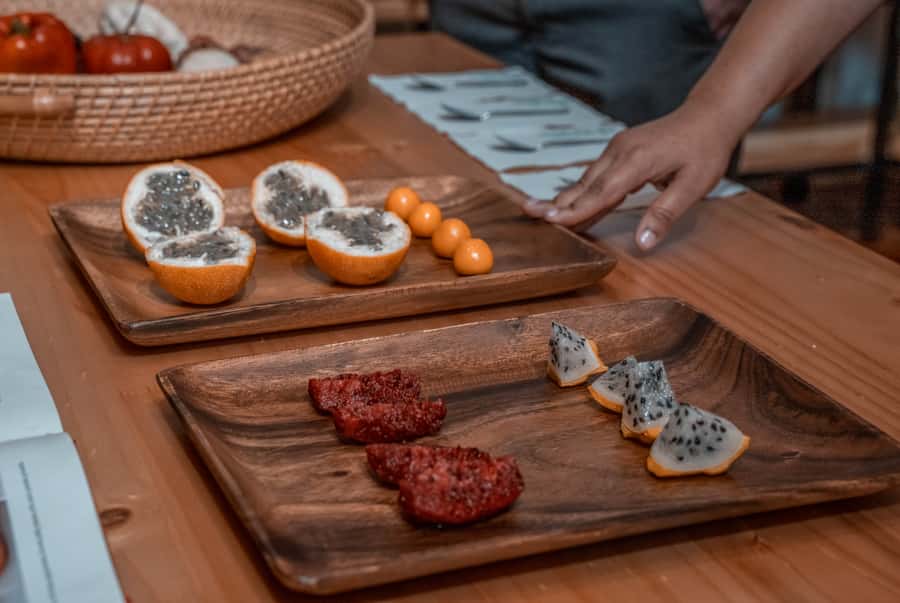
You’ll taste emblematic Peruvian dishes and drinks, including ceviche, lomo saltado, and pisco sour, along with other fruits and drinks. You’ll also have a workshop about fair trade and locally produced chocolate.
Are there vegetarian or vegan options?
Vegetarian and vegan options are limited. The tour info also says there won’t be tofu nor lentils, and eggs are not widely used in preparations.
Can the tour handle food allergies?
You should advise dietary restrictions at booking (vegetarian, vegan, gluten, allergies, etc.). For severe nuts allergy, the tour says you should not book due to possible cross contamination.
Is pickup and drop-off included, and is it accessible?
Hotel pickup and drop-off are not included. The tour is not suitable for wheelchair users or people with mobility impairments. Local 18% sales tax is also not included.