REVIEW · BEIRUT
Lebanon Wine Tasting Tour From Beirut
Book on Viator →Operated by Zingy Ride · Bookable on Viator
Lebanon’s Bekaa Valley tastes like a history lesson. This Beirut wine tasting tour strings together three wineries with included tastings of red, rosé, and white, plus pickup that keeps the day straightforward from door to door. What I like most is the small-group feel (capped at 15, with personalized service often when the group is around 10), and how the plan mixes different styles of Lebanese wine instead of doing one long repetition. One consideration: it’s an 8-hour schedule, so you’ll be tasting, touring, and moving on—this isn’t a slow “linger all day” kind of outing.
A bonus I appreciate is that the guide part can make or break the day, and in this tour’s orbit you’ll hear from people like Robin, who brought both Lebanon context and humor. I also saw the operator’s backup plan in action through Zingy Ride when a car issue forced a guide swap, and the day still kept its structure.
In This Review
- Key Things I’d Zoom In On
- Beirut to the Bekaa: What This 8-Hour Wine Day Actually Gives You
- Small Group, Real-Time Pickup: Getting From Beirut Without Stress
- Stop 1: Château Heritage and the Touma Story in Kab-elias
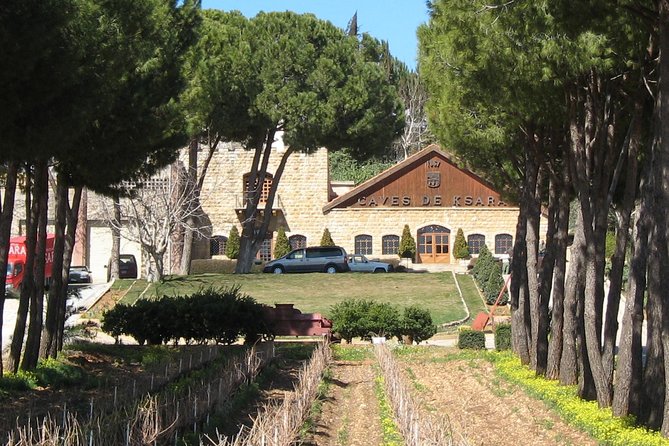
- Stop 2: Château Ksara, Lebanon’s Oldest Winery and the Ksar Name
- Zahle Lunch Break: Where to Refuel Between Tastings
- Stop 3: Château Rayak and Traditional Methods With New Tech
- Price and Logistics: Is $91.03 Worth It?
- How to Get the Most Out of Your Tastings (Without Overdoing It)
- The Guide Factor: When the Day Feels Personal
- Should You Book This Beirut Wine Tasting Tour From Zingy Ride?
- FAQ
- What is the price of the Lebanon Wine Tasting Tour from Beirut?
- How long is the tour?
- What time does the tour start?
- Is pickup offered from Beirut?
- Which wineries and stops are included?
- What is the cancellation policy?
Key Things I’d Zoom In On
- Three wineries, not one: you get tastings across multiple styles, including rosé and white as well as red
- Hotel pickup makes it easy: you’re not wrestling transit to the Bekaa at the start of a long day
- Small-group pacing: usually around 10 for personalized service, with a cap of 15
- Bekaa backstory built into each stop: Phoenician grape theories, Jesuit winemaking roots, and family tradition
- Château Rayak gets extra time: about 2 hours, which helps you slow down near the end
- A real lunch stop in Zahle: plan for food breaks between tastings
Beirut to the Bekaa: What This 8-Hour Wine Day Actually Gives You
This is a classic “full day, no fuss” setup: you start at 9:00 am in Beirut, ride out in a climate-controlled vehicle, and come back the same day. The focus stays tight on the Bekaa Valley wine circuit—three wineries plus a lunch stop in Zahle—so you spend your time tasting and learning rather than figuring out routes.
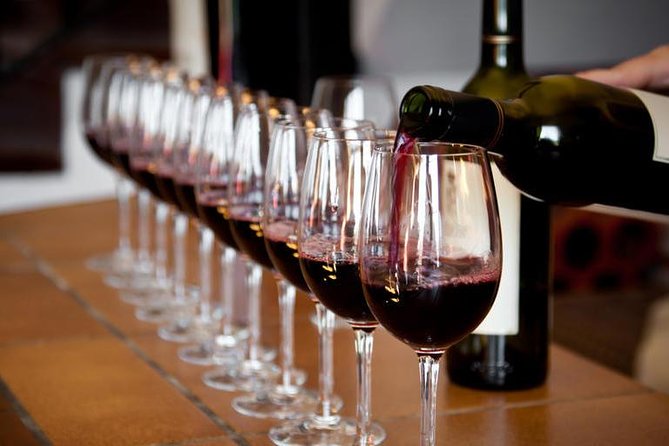
What makes it interesting is that the day doesn’t treat wine like a single-theme souvenir mission. You get tastings of red, rosé, and white, and the stops lean on different eras and approaches to winemaking. One minute you’re hearing origin stories of Middle Eastern wine culture, and the next you’re in a modern production facility explaining how grapes become wine today.
It’s also a good match if you’re trying to do Lebanon in a way that feels grounded. The Bekaa Valley has reputation, but this tour gives you a guided path through that reputation—so you can leave with names to remember and flavors to match them to.
Small Group, Real-Time Pickup: Getting From Beirut Without Stress
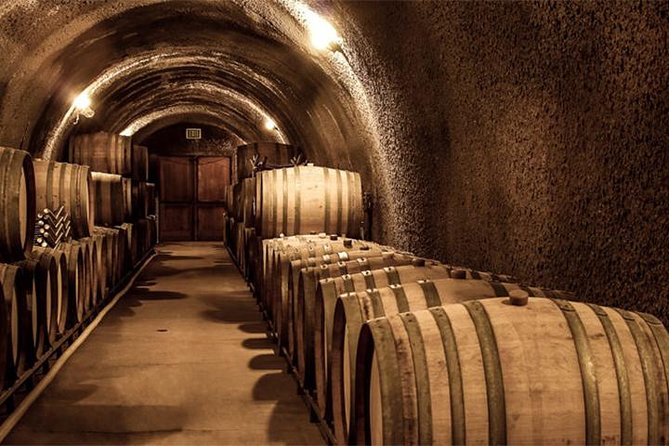
The tour is built around convenience. You’ll get pickup and drop-off at your hotel, and the transportation is described as climate-controlled, which matters when you’re out for hours. That’s the difference between enjoying a wine day and arriving already annoyed.
Group size is kept intentionally small. The tour highlights limited groups (up to 10 for personalized service), and the overall maximum is 15 travelers, which helps keep questions from turning into a shouting match. If you’re the type who likes asking what’s actually in the glass—grapes, aging style, why the rosé tastes the way it does—you’ll likely get more attention than on big-bus tours.
Also: you’ll receive a mobile ticket, which is a small thing, but it cuts down on the “where do I show up” hassle. Your time is already booked in a tight 8-hour window, so reducing friction is part of the value.
One practical thing to keep in mind: the day is structured. That’s good for most people, but it means you shouldn’t expect unlimited time in any single cellar. Plan to enjoy the momentum—then, if a winery really grabs you, you can always return later on your own.
Stop 1: Château Heritage and the Touma Story in Kab-elias
Your first stop is Chateau Heritage, about a one-hour visit with admission included. This is the kind of opening winery that tries to set context fast—wine history, Middle Eastern roots, and how deeply wine culture runs through the region.
The story they share points to early wine-making connections in the Middle East and ties it into familiar names and landmarks like Noah, Naboth, St. Paul, and the Roman Temple at Baalbeck. They also bring up a theory that Phoenicians may have distributed grape varieties as far as Europe, and those varieties could be ancestors to some grapes used later. It’s the sort of background you either love or you skim—either way, it sets the tone.
Then the tour connects history to Lebanon’s more modern identity through family tradition. In 1888, the Touma family established one of the early wineries and distilleries in Lebanon in Kab-elias in the Bekaa Valley, producing wine and Arak Touma, described as a national Lebanese drink.
Why this first stop matters: you’re easing into the taste of Lebanese wine with a big picture of where the culture came from. The tastings here are part of the overall day’s lineup of red, rosé, and white, so it’s a helpful start if you’re still figuring out what you personally prefer.
Possible drawback: because the day starts with a history-heavy introduction, you may feel like it’s warming up before the flavors really stick. If you’re the type who just wants to taste right away, lean into the tasting notes and treat the history as the “why” behind what you’re sampling.
Stop 2: Château Ksara, Lebanon’s Oldest Winery and the Ksar Name
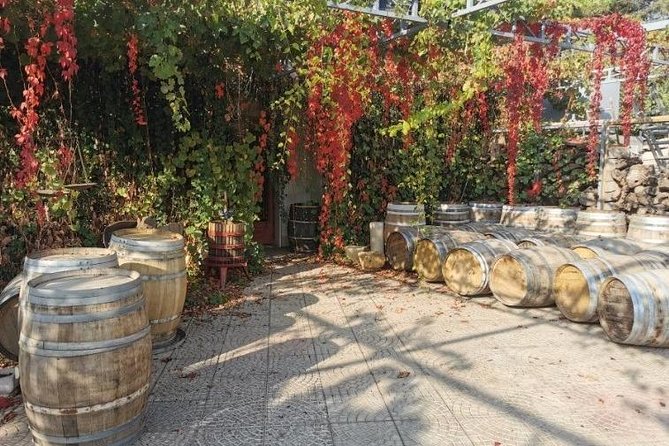
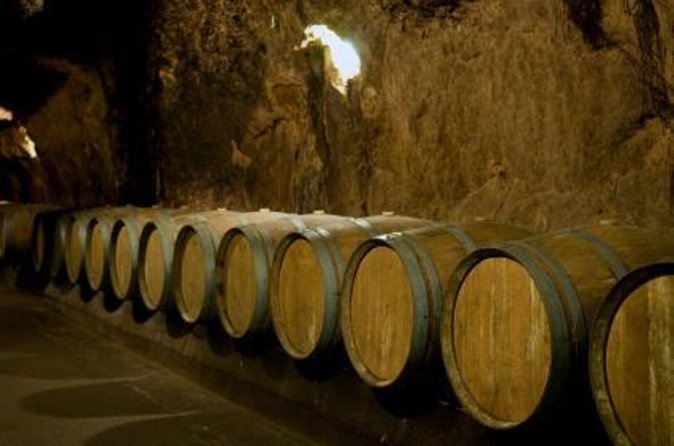
Next up is Chateau Ksara, another one-hour visit with admission included. This is the stop that gives you a strong sense of continuity. Ksara is presented as Lebanon’s oldest winery, rooted in 1857 when Jesuit fathers inherited and farmed about a 25-hectare plot to produce Lebanon’s first non-sweet red wine.
That matters because it places Lebanese wine development inside a timeline you can actually picture: land cultivated, red wine production shaped over time, and a winery identity that grew with the country’s own changes.
The name is also part of the lesson. Chateau Ksara derives from ksar, described as a fortress during the Crusades. So even if the grounds feel more like a working winery than a medieval stronghold, the word itself carries the message that this place has had different roles over centuries.
What you’ll likely notice here is variety. The winery makes multiple styles, including red, sweet, dry white, rosé, and even Arak. That lineup helps you compare styles across the day, especially if your taste preferences aren’t locked in yet.
Why you should pay attention at Ksara: this stop sits right in the middle of the tour. By the time you arrive, you’ve already tasted once, so you can start recognizing patterns—does a winery’s approach lean more toward freshness, sweetness, or structure? This is where you can start connecting the “history talk” to what’s in the glass.
Small caution: with only an hour, you won’t get a slow wander through everything. Go with curiosity, but don’t expect a long deep explanation of every single wine label.
Zahle Lunch Break: Where to Refuel Between Tastings
Between the second and third winery stops, you’ll have a lunch stop in Zahle for about one hour. The timing is helpful: it prevents the day from becoming four straight hours of tasting without a break.
What to expect at lunch itself isn’t spelled out beyond the fact that it’s at a local restaurant. So I’d treat it as a chance to eat something that won’t fight your wine palate—simple, filling food is your friend. Also, Zahle is a place you’ll want to appreciate more for being a real town than for being a theme park.
Why this stop is part of the value: wine days are more enjoyable when you’re not running on empty. It’s also a good moment to reset with water and a low-stress pace before the final winery visit, which gets more time.
Stop 3: Château Rayak and Traditional Methods With New Tech
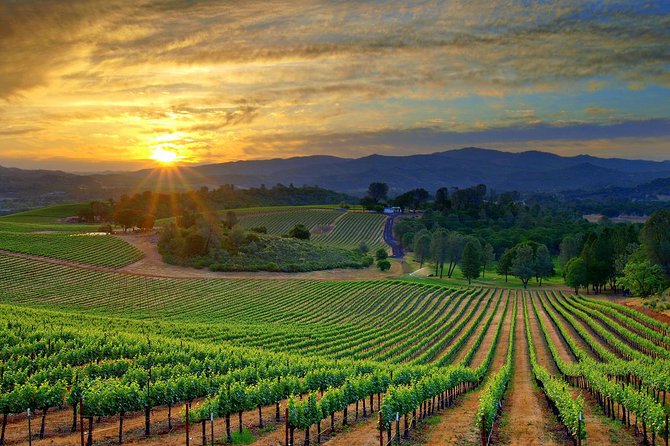
Your last winery stop is Chateau Rayak, and this one gets about two hours, with admission included. That longer time block is a big deal. It gives you space for questions, slower tasting, and a clearer sense of how winemaking works end-to-end.
The tour frames Rayak as a family operation balancing traditional methods with state-of-the-art technology. It’s a neat contrast, because it explains why the wines can taste both familiar and modern—traditional methods often shape the character, while modern tech can help with consistency and control.
Rayak is described as producing a variety of wines from Bekaa Valley grapes. Even without a label list, that concept is useful: you’re tasting wines built on a regional source, and the family approach is the differentiator.
Why the final stop tends to land well: by this point, you’ve already sampled multiple styles earlier. Many people find that last stops feel more satisfying because you can now compare what you liked first versus what you enjoy at the end. Also, a two-hour slot is enough time for the guide to bring things together without rushing.
One planning tip: pace yourself earlier in the day so you can actually enjoy the end. When the last stop is longer, it’s also where you’ll want your senses working well.
Price and Logistics: Is $91.03 Worth It?
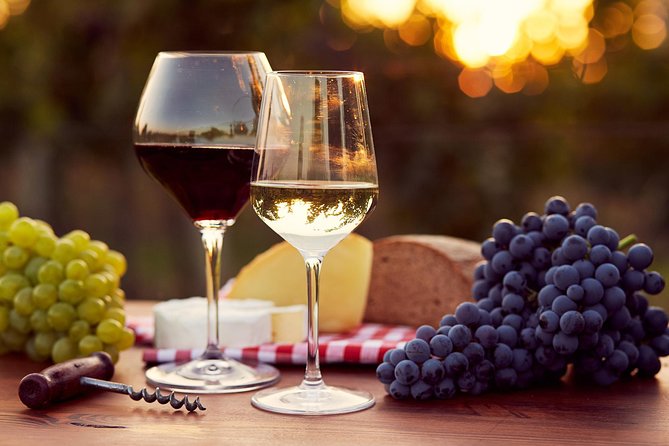
The price is $91.03 per person, and the tour is typically booked about 11 days in advance. For Beirut-based wine touring, the value comes from what’s included: you’re getting round-trip transport in a climate-controlled vehicle, admission tickets included for the winery stops, and tastings that cover red, rosé, and white.
If you break it down, you’re paying for:
- three winery visits with included admissions
- tastings across multiple wine types
- a full-day driver plan that saves you from arranging transport out to the Bekaa
- a small-group experience that’s built to stay manageable
That’s why the price tends to make sense for most wine-curious visitors. You aren’t just paying for scenic countryside. You’re paying to be guided through a structured tasting day with known stops and included entry.
Where the price can feel less attractive: if you arrive expecting an all-day, extra-deep seminar where someone continuously lectures without breaks. This is structured. The tastings and winery visits are the heart of the experience, and the “how much history” you get depends on the guide and pacing. (One unhappy experience I saw described expectations not matching reality, including a more transport-heavy feel than guided wine talk—so if history depth is your top priority, focus on that when you confirm your day.)
How to Get the Most Out of Your Tastings (Without Overdoing It)
You’ll taste multiple wines across the day, and that means your best strategy is simple: go for small sips, not big chugs. If you’re trying to remember what you liked, take mental notes instead of relying on memory after the third pour. Even noting just two categories—sweetness level and how dry it feels—can help you compare wines later.
Also, consider your order of attention:
- Listen first to what the guide says about the style you’re about to taste.
- Taste second and check whether the flavor matches the explanation.
- Ask one or two focused questions rather than many broad ones. With small groups, focused questions tend to get better answers.
If you’re traveling solo or as a couple, small-group tours can feel close to private. There’s even an example of a tiny group (just two people) that made the day feel more tailored, and that’s exactly the kind of situation where you’ll get more from the guide conversation.
Finally, hydrate like you mean it. A full day out of Beirut plus tastings is a lot on the body. Water at the right moments will keep you enjoying, not just enduring.
The Guide Factor: When the Day Feels Personal
The tour’s success often comes down to the guide. In the best-case versions, you get a blend of winemaking basics and Lebanon context that helps you taste with understanding. I’ve heard from guides like Robin, who paired wine explanations with Lebanon history and even humor, which makes the car ride and winery transitions feel less like waiting and more like part of the story.
There’s also evidence the operator tries to keep things working if something goes wrong. One scenario involved a car issue and another guide stepping in, and the tone stayed positive. That’s reassuring if you’re worried about how “smooth” a day will be.
The balanced takeaway: this is a guided tour, so you should be open to the fact that guide style can shift the feel of the day. The route and tastings are set; the personality and depth of storytelling can vary.
And one more real-world note: the experience is listed as non-refundable, and it can’t be changed once booked. So if your plans are flexible, lock this in only when you’re confident you can make it.
Should You Book This Beirut Wine Tasting Tour From Zingy Ride?
I think this tour is a strong pick if you want a structured, first-timer-friendly introduction to Bekaa Valley wine without building your own day from scratch. The combination of three wineries, included tastings across red, rosé, and white, and hotel pickup is exactly the kind of practical value that makes a full day feel worth it.
You should consider booking if:
- you like wine but also want context, not just a tasting flight
- you prefer small-group pacing
- you’d rather do one planned day in the Bekaa than try to coordinate transport independently
I’d think twice if:
- you need a very slow pace or a lot of free time at each winery
- you’re primarily looking for extremely deep, continuous lectures all day
- you’re unsure about attendance, since it’s non-refundable
If you’re arriving in Beirut and want one day that feels both social and well organized, this is the kind of tour that can turn a wine interest into real preferences—one sip at a time.
FAQ
What is the price of the Lebanon Wine Tasting Tour from Beirut?
The tour costs $91.03 per person.
How long is the tour?
The duration is about 8 hours.
What time does the tour start?
The tour starts at 9:00 am.
Is pickup offered from Beirut?
Yes, pickup and drop-off at your hotel are offered.
Which wineries and stops are included?
The tour visits Chateau Heritage, Chateau Ksara, and Chateau Rayak, with a lunch stop in Zahle between the wineries.
What is the cancellation policy?
This experience is non-refundable and cannot be changed for any reason.