REVIEW · MIAMI
Little Havana Street Food Tour with Enthusiastic Guide
Book on Viator →Operated by Food Tours World LLC · Bookable on Viator
Little Havana runs on flavor and stories, and this tour bottles both. I like the small group size (max 12) that keeps things friendly and lets your guide actually talk, and I love that the food is enough for a full lunch/dinner, not just a few nibbles. One thing to consider: the route leans heavily around the main Little Havana streets, so if you’re chasing the most obscure food-only alley stops, you might wish for even more off-the-grid bites.
I’ve seen how the energy depends on the guide, and names like Danny and Farouk come up in the best runs, with lots of back-and-forth and local context. The structure also helps you move at a comfortable pace, with only a short walk for the day and plenty of stand-and-sip moments.
In This Review
- Key Points That Make This Tour Worth Your Time
- Getting Started at Tumbao: The Pace and Group Size That Keep It Fun
- $69 Value: Mojito, Coffee, and Cuban Street Food That Adds Up to a Full Meal
- RC Gallery Miami: Cuban Art Community and Family-Made Souvenirs
- The Havana Shirt Store and Big Papa: Guayabera History in Plain Terms
- Casa del Tabaco: Watching Cuban Rollers Work Like It’s a Craft, Not a Show
- Tower Theater (1926): Art Deco Architecture for a Quick Reset
- Domino Park: A Cultural Meeting Point, Not Just a Game
- Bay of Pigs Monument: The Harder Lesson Behind the Food
- Rooster Alley and Little Havana: Street Art With Meaning
- Calle Ocho Walk: How Your Guide Explains the Neighborhood Like a Friend
- What You’ll Eat: The Tastings That Actually Make You Full
- Dietary Needs and Drink Choices: What’s Possible and What Isn’t
- My Booking Advice: Who This Tour Fits Best
- Should You Book the Little Havana Street Food Tour?
Key Points That Make This Tour Worth Your Time
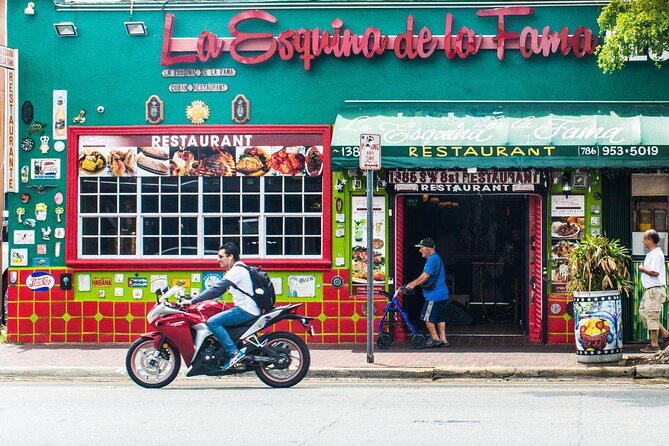
- A full meal’s worth of tastings split across multiple family-run spots, so you won’t need to hunt food right after.
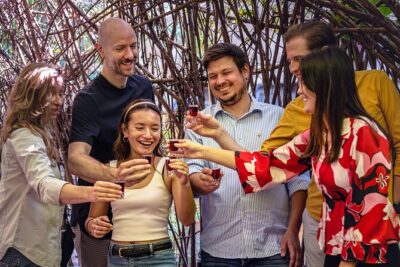
- Alcohol is included, starting with a mojito, plus sugarcane or mango juice and Cuban coffee.
- Cigar factory stop is the real deal, with roller demonstrations at a store that produces the cigars sold there.
- You get culture, not just food, from guayabera history to Domino Park and the Bay of Pigs monument.
- Photo-friendly stops at art, theater, and street-art alleys where you’ll have time to look and shoot.
Getting Started at Tumbao: The Pace and Group Size That Keep It Fun
The tour meets at Tumbao, 1652 SW 8th St, and ends at Churromania, 1417 SW 8th St. That end point matters because you’re only about two blocks from where you started, so you’re not stuck on the far side of town when you’re done.
One reason I think this works for most people is the pace. The walk is under a mile total, and the tour is designed for all ages and fitness levels. That shows up in how they build in short breaks: you’re tasting, watching, learning, and moving on without long stretches where you feel like you’re just trying to survive the sidewalks.
Also, the cap of 12 travelers is a sweet spot. You’ll get group momentum without the chaos that can happen on big tours. If you’re the type who likes asking questions—about what you’re eating, or about Cuban life in Miami—this size makes it easier to get answers.
You can also read our reviews of more food & drink experiences in Miami

$69 Value: Mojito, Coffee, and Cuban Street Food That Adds Up to a Full Meal
Let’s talk money plainly. At $69 per person, you’re paying for a guided loop where a lot of the cost is baked in—food, drinks, and a cigar factory visit—rather than just “someone telling you where to eat.”
Here’s what’s included, and why it’s valuable:
- Mojito at the start: the tour kicks off with one of Little Havana’s classic drinks, so you’re in the mood before the first bite.
- Cuban coffee or colada: you get a local-style coffee (or tea), served at a popular neighborhood window stop.
- Multiple savory tastings that together equal a full-size lunch/dinner in portions.
- Dessert to finish: churros are part of the plan, so you don’t leave thinking dessert is a separate errand.
- Alcoholic beverages are included, plus soda/pop in the form of sugarcane or mango juice depending on what’s available.
If you’re used to paying for street-food portions one by one, this package starts to look like a deal. You’re not only sampling variety—you’re sampling it in an order that makes sense, with coffee and sweet stuff timed so your stomach doesn’t feel like it’s doing backflips.
RC Gallery Miami: Cuban Art Community and Family-Made Souvenirs
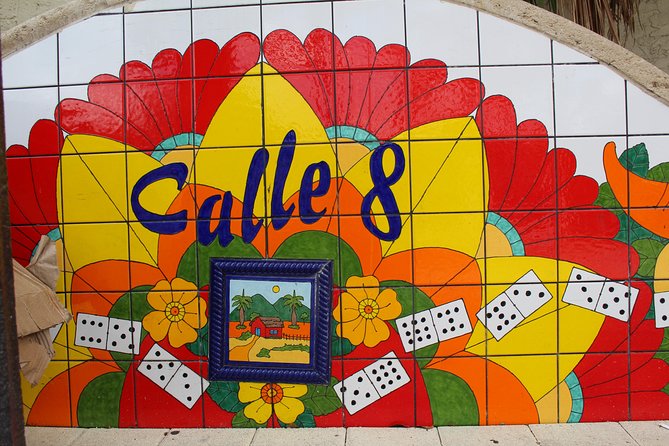
The first stop after food begins at RC Gallery Miami. This is where your guide pivots from eating to understanding. You’ll meet a Cuban-born, Miami-based artist connected to the local creative community, and you’ll learn how art can become a bridge—how artists make their way to the USA and build new lives while keeping Cuban roots.
The gallery is also described as family-made: the items sold there are made by family members. That’s a detail I love because it changes the feel of a “shop stop.” Instead of browsing souvenirs like you’re killing time, you’re seeing something made by the people you’re meeting.
Practical tip: if you’re the kind of traveler who likes to pick up gifts without hunting for authenticity later, this is a helpful early stop. Buying later is harder once you’re tired. Here, you’re still fresh.
The Havana Shirt Store and Big Papa: Guayabera History in Plain Terms
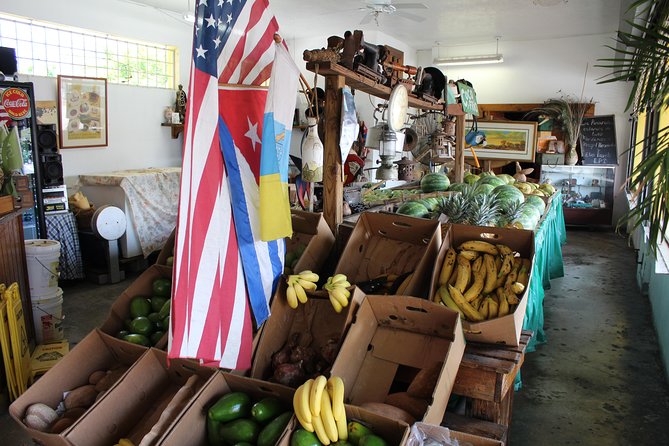
Next you head to The Havana Shirt Store, where you meet Big Papa. The guayabera story is one of the most recognizable Cuban-style threads, but what makes this stop worth your attention is the presentation—how it started in Cuba and how it became iconic in the community.
This also isn’t a dry lecture. The setup is described as fun and story-driven, and Big Papa is positioned as one of the well-known guayabera vendors in the area. The value here is that you’ll understand what you’re looking at before you decide if you like the style enough to buy.
If you’re thinking, I just want to eat, don’t skip this stop. It helps the tour feel like Little Havana is more than a food row. It’s clothing, music, art, and history—showing up in everyday objects.
Casa del Tabaco: Watching Cuban Rollers Work Like It’s a Craft, Not a Show
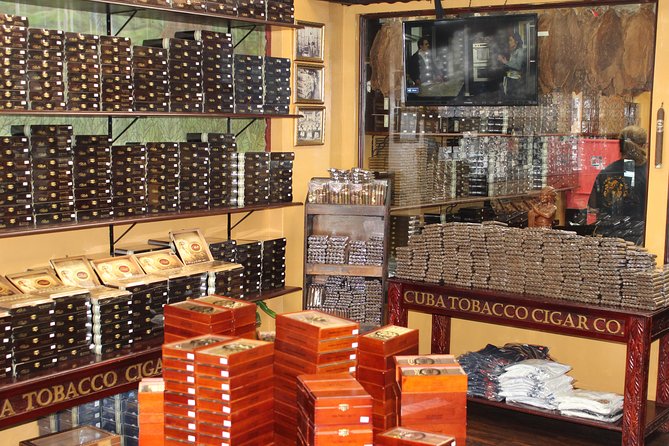
Casa del Tabaco is one of the tour’s signature moments: a local, family-owned cigar factory where you can watch Cuban rollers make cigars. The tour highlights that it’s the only lady-owned cigar factory in Little Havana, and that it’s the only place in the area where the cigars sold are produced on-site.
This matters because it gives you a more believable experience. You’re not just passing a storefront window. You’re seeing the process tied to the product.
What you should expect here:
- A chance to take pictures and video while the rollers make different varieties.
- A history lesson about how tobacco developed into what it is today.
- Time to learn how to choose cigars, and possibly buy gifts.
Also, the stop is connected to popular culture—described as being featured in movies and music videos by artists like Pitbull. Even if you don’t care about celebrity tie-ins, it’s still a good sign the factory is well-known and has figured out how to host visitors.
A few more Miami tours and experiences worth a look





Tower Theater (1926): Art Deco Architecture for a Quick Reset
After cigars, you get a breather at Tower Theater, an Art Deco landmark built in 1926. The tour frames it as an architectural achievement from its early days and a lasting historical point in the neighborhood.
This stop is short, but it’s useful. It breaks the eating-and-tasting cycle and gives your eyes something different to process. When a tour has multiple sensory stops, architecture can actually make the whole experience feel less rushed.
If you like photographing textures—brickwork, signage, sky lines—this is a solid quick stop.
Domino Park: A Cultural Meeting Point, Not Just a Game
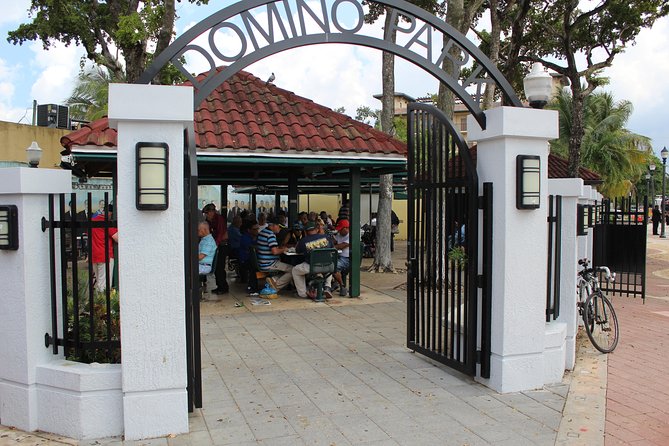
Domino Park is the next stop, with your guide explaining the history and cultural significance of the space to the Cuban-American community. You’ll learn about the Domino game itself, and the tour includes a game played by local community elders.
This is where the tour goes from “things to see” to “how people live.” Domino Park is about social time, not competition. That’s the difference that makes it feel authentic rather than like an entertainment prop.
Practical thought: bring a curious attitude. You don’t have to be great at dominoes. The point is understanding why the ritual exists and what it signals in daily community life.
Bay of Pigs Monument: The Harder Lesson Behind the Food
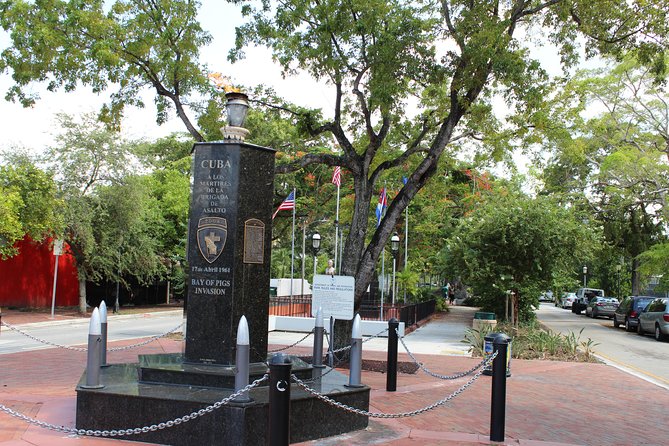
Then comes the Bay of Pigs Monument. The tour shares the story of the people who fought in 1961 to try to liberate Cuba from an oppressive government, and it notes that you may get the chance to meet and greet veterans on the street.
This part is emotionally heavier than the rest, and that’s important. Little Havana’s street food is fun, but it also sits inside a story of migration, politics, and survival. If you only want light and fluffy, this stop may feel like a mood shift. If you want the whole picture, it’s one of the most meaningful stops on the loop.
In my view, this is also what keeps the tour from feeling like a simple food walk. They use the landmarks to translate history into human stakes.
Rooster Alley and Little Havana: Street Art With Meaning
Towards the end, you head to the Rooster Alley area to learn why roosters matter in Cuban and Latino culture. The neighborhood has roosters created by local artists, and the alley is described as sponsored through a local entrepreneur who donated a backyard and alley space to over 25 artists to beautify the area.
That detail is the difference between “cool street art” and “street art with a reason.” You’re not just looking at decoration—you’re seeing community effort and identity made visible.
From there, the tour includes time labeled for Little Havana itself, then a walk up Calle Ocho to cover more neighborhood rhythms. Expect a lot of street-level storytelling here—daily habits, community mix, and the feel of 8th Street as the place where people come to be seen and to connect.
Calle Ocho Walk: How Your Guide Explains the Neighborhood Like a Friend
Calle Ocho (8th Street) is the big takeaway street. Your guide walks you up and down to explain the Cuban community and the other communities living in the neighborhood. The idea is that you don’t just pass by storefronts—you understand what you’re seeing.
This is where the experience can really match what you want:
- If you like history and context, the guide’s stories give you mental bookmarks.
- If you like photo time, the street art, signs, and architecture offer plenty of shots.
- If you like low-pressure walking, this part is paced like an easy neighborhood stroll.
And based on what’s consistently praised in strong tour runs, guides like Danny and Farouk keep this portion conversational rather than robotic.
What You’ll Eat: The Tastings That Actually Make You Full
Food is the headline here, and the plan includes specific bites that cover a lot of the Cuban street-food range.
You can expect tastings such as:
- Salpicon de Mariscos: a seafood tasting in a tapas-size portion, meant to introduce Cuban-style seafood flavors.
- Cuban Sandwich: described as a local Miami version, served in a family-owned restaurant.
- Guava and cheese pastry: from a Cuban immigrant family bakery.
- Empanada with beef: a whole-in-the-wall stop known for being local-only.
- Churros dessert: the sweet finish.
There’s also the start of the tour with a strong drink—mojito—and then coffee later, plus sugarcane or mango juice depending on the day.
Here’s the key: the tour states that the equivalent of a full-size lunch/dinner is included across five local food-tasting spots. That’s how you get the main benefit—by the end, you’re satisfied, not merely curious.
One more practical note: you’ll also get soda/pop, and that helps keep the tastings from feeling like they’re all on the heavy side.
Dietary Needs and Drink Choices: What’s Possible and What Isn’t
If you have dietary constraints, this tour can still work, but you should know the limits before you book.
Vegetarian/dairy-free diets can be accommodated. On the other hand, the operator isn’t able to accommodate celiac disease or provide a gluten-free menu. If gluten is a serious need for you, plan around that now rather than hoping for substitutions.
Drink-wise, the tour includes mojito and also offers sugarcane or mango juice (depending on availability) plus Cuban coffee. Alcohol is part of the package, so if you’re avoiding alcohol, you may want to message ahead, since the standard plan includes it.
My Booking Advice: Who This Tour Fits Best
This is a smart choice if you want a tight, guided way to experience Little Havana without spending hours figuring out where to go. It’s especially good for people who:
- Want a small group and a guide who can answer questions.
- Prefer a shorter walk (under a mile total) but still want a lot of stops.
- Like when food and history show up together, not separately.
- Appreciate practical “I learned this, now I can use it” info—like choosing cigars or understanding the guayabera story.
You might reconsider if you’re chasing very remote, obscure food-only spots, because several stops are tied to the core Little Havana streets and the overall route is designed for easy follow-through.
Should You Book the Little Havana Street Food Tour?
If you’re spending a day in Miami and you want a fast route that combines street food, drinks, and real neighborhood context, I’d book this. The value is in the total package: a full meal’s worth of tastings, alcoholic beverages included, and a cigar factory stop where you can actually see production.
Just check your dietary needs early, especially if gluten is a dealbreaker. If that’s not an issue, this tour is a strong way to leave Little Havana feeling full in both your stomach and your head.