REVIEW · MANAUS
Manaus: Food Tour
Book on GetYourGuide →Operated by Amazon Amazing Tours · Bookable on GetYourGuide
Amazon flavors start at a city market. A 3-hour Manaus food tour turns the Adolpho Lisboa Municipal Market into a hands-on lesson in what locals actually snack on. I especially love the moment you try tapioca with cupuaçu juice from a family stall, because the taste is instantly different from anything you’ll find at home.
The other standout for me is the fruit sequence: you’ll sample chestnut fruit and then finish with guaraná, the energizing drink made from the guaraná fruit (often mixed with other flavors like peanuts). One drawback to keep in mind: in at least one past booking, the guide’s English was described as hard to follow and the route felt like it didn’t cover everything some people expected—so if you’re picky about what you see, go in with clear expectations focused on the market experience.
In This Review
- Key things to know before you go
- Adolpho Lisboa Market: the heart of the whole tasting
- The tasting lineup: cupuaçu, chestnut, açaí, and guaraná
- Tapioca with cupuaçu juice (a sweet start you’ll remember)
- Chestnut fruit taste (and how to think about it)
- Açaí and guaraná (two Amazon drinks with very different personalities)
- Your walking route: how the market tour actually feels
- Family stalls and local ordering: why “authentic” matters here
- Guide quality can make or break the experience
- Price and value: is $60 worth 3 hours?
- Weather, shoes, and the real-world comfort check
- Food safety and dietary notes you should actually plan for
- Who should book this tour (and who might feel it’s not for them)
- Should you book the Manaus Food Tour at Adolpho Lisboa?
- FAQ
- How long is the Manaus Food Tour?
- What food and drinks are included in the tastings?
- Where does the tour take place?
- Is hotel pickup and drop-off included?
- How big is the group?
- What languages is the guide?
- What should I bring to the tour?
- Can I request gluten-free or vegetarian options?
- Is the tour wheelchair accessible?
- Is it safe to book if I have a nut allergy?
Key things to know before you go
- Small group (up to 10): you’ll move at a food-focused pace, not a crowded one.
- Adolpho Lisboa Municipal Market as the core: the tastings are built around what’s happening inside the Mercado Municipal Adolpho Lisboa.
- Amazon fruit tastings on purpose: cupuaçu, chestnut, açaí, and guaraná are the headline flavors.
- Family-restaurant style food: you’re not only sampling snacks; you’re eating the kinds of things people order locally.
- Guide support in English and Portuguese: you’ll get bilingual interpretation, with real-world variation in clarity from one booking to another.
Adolpho Lisboa Market: the heart of the whole tasting
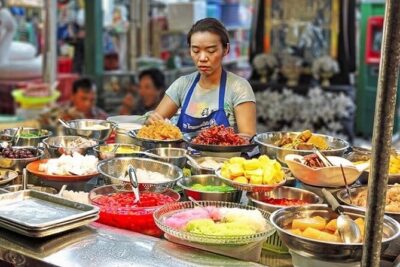
If you want the quickest path to understanding Manaus food culture, start at the market. This tour is built around the Mercado Municipal Adolpho Lisboa—not a quick drive-by, not a photo stop, but a guided walk where you actually taste what the stalls and nearby eateries serve day to day.
What makes this market-focused approach work is that it keeps your attention where it should be: on food choices. Markets are where people compare flavors, buy ingredients, and snack between errands. Even if you don’t know any Portuguese, you’ll catch the rhythms fast—what looks like it’s being ordered repeatedly, what’s being prepared fresh, and which fruits are popular enough to show up again and again.
You also get a guided explanation while you’re there. That matters because Amazon fruits can be unfamiliar. You’re not just eating something “random.” You’ll be guided through what the fruit is, how it’s used, and what people pair it with. That turns a tasting into a real “aha” moment, because you understand why that sweet, tart, or earthy flavor makes sense in local meals and drinks.
The tasting lineup: cupuaçu, chestnut, açaí, and guaraná

This is a food tour, but it doesn’t feel like it’s throwing food at you. The tastings follow a logical flow from snack-style bites to drinks and fruit flavors.
Tapioca with cupuaçu juice (a sweet start you’ll remember)
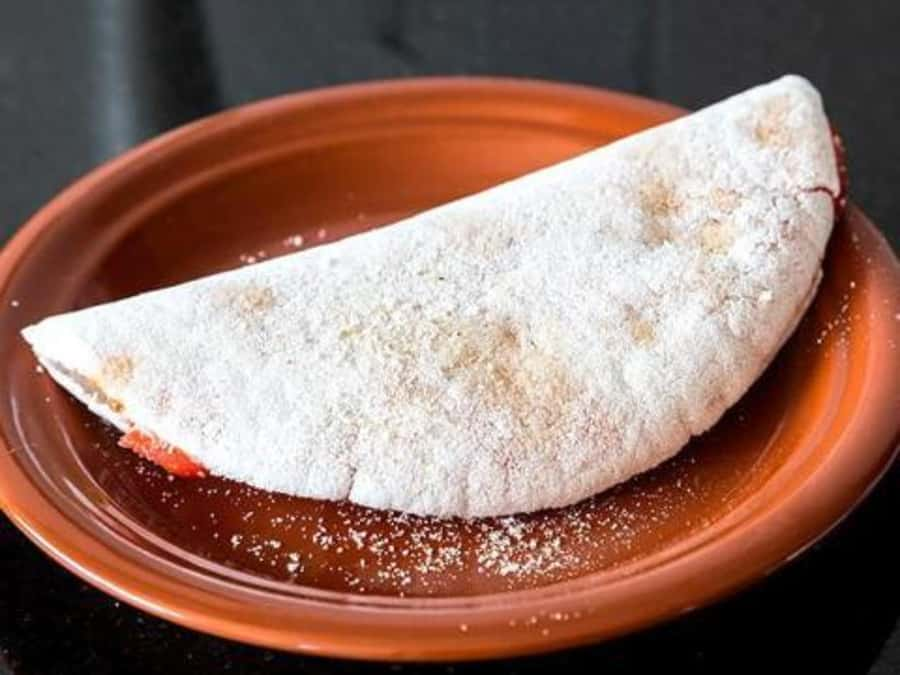
One specific highlight is tapioca with cupuaçu juice served at a family restaurant-style stop. That pairing is smart: tapioca is familiar to some visitors, but cupuaçu is very much an Amazon identity. Together, you get a texture contrast—tapioca’s chewy, stretchy bite—and a juice flavor that can feel more perfumed and tangy than you expect.
This is the kind of start that sets the tone. After one good taste, you’ll be more open to the other fruits, because you’ve already learned that the flavors are meant to be enjoyed right away, not studied like a science project.
Chestnut fruit taste (and how to think about it)
Next comes chestnut fruit tasting during the walk through the market premises. You’ll likely notice that chestnut fruit isn’t the “brown, roasted” chestnut story people carry from other countries. Here, it’s treated as a fruit worth seeking out at the market, which is exactly what you want from a tour like this: you learn the local version of a familiar-sounding name.
The practical value for you: once you taste it, you’ll know what to order again later—either as a snack or as part of a regional fruit mix—without guessing.
Açaí and guaraná (two Amazon drinks with very different personalities)
The included stops include an açaí tasting and a guaraná tasting. Açaí is often served cold and blended, and it’s one of those flavors that quickly becomes a reference point for “Amazon taste” for many visitors.
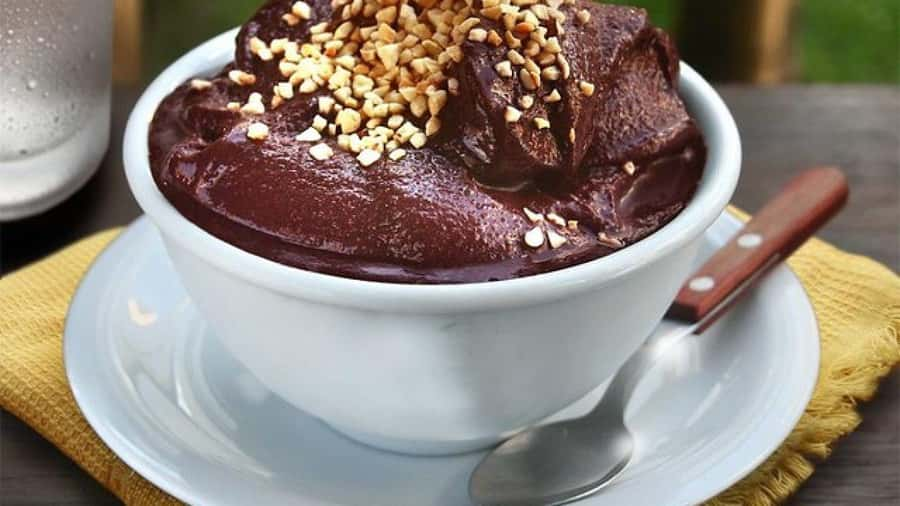
Guaraná is the other big finish. You’ll learn that it’s made from the guaraná fruit, and it’s known as an energizing stimulant. In this tour, you get to taste it, and the flavor may also include combinations—like guaraná blended with peanuts—so you can experience how locals build complexity into what could otherwise be a single-note drink.
If you’re the type who likes to understand what you’re drinking, guaraná is a great choice. It’s not just sweet; it has that distinctive fruit character, and the “energizing” reputation makes sense when you realize locals treat it as a daily go-to ingredient rather than a novelty.
Your walking route: how the market tour actually feels
This experience is about a guided walk, so what you feel matters as much as what you eat. Expect a steady pace through market areas where snacks and produce show up side by side.
The walk-through part is useful for two reasons. First, you’ll get a guided sense of what’s inside the market premises beyond the tastings—so you’re not leaving having only tried a few items without understanding the layout. Second, you’ll learn a little about regional fruits and other local delicacies along the way, which helps you navigate on your own afterward.
Also, the tour is designed for a small group limited to 10 participants. That’s a big deal in places like markets. Too many people and you end up stuck behind shoulders, losing your chance to talk to vendors or ask questions. With a smaller group, you’re more likely to hear explanations clearly and keep your place with the guide.
Family stalls and local ordering: why “authentic” matters here
There’s a difference between eating “traditional food” and eating food in a way locals actually eat it. In this tour, one of the best signs is the family restaurant-style stop for the tapioca and cupuaçu juice.
That kind of stop matters because it usually means:
- you try a dish that’s been chosen by locals (not just plated for tourists),
- you see the kind of portion and style people expect,
- and you get a flavor you can replicate later.
You’re also tasting fruits in the market context. Amazon fruits aren’t just “ingredients.” They’re snacks, juices, and drinks that fit into daily habits. When you try them inside the market setting, it’s easier to understand how the flavors become routine.
If you’re hoping for a tour that helps you build confidence—like you’ll feel comfortable ordering similar items afterward—this kind of stop is exactly what does the job.
Guide quality can make or break the experience
A food tour lives or dies on the guide, especially in a market where the sensory noise is high and the Portuguese you hear isn’t always the easiest for visitors.
You’ll get a bilingual local guide (English and Portuguese). And in some bookings, guides were praised for being very competent with English and for explaining foods and fruits clearly. Names that came up include Josi and Felix—both were described as able to explain well and make the experience feel easy to follow.
Still, one past booking criticized a guide’s English comprehension and understanding. That doesn’t mean every tour is like that, but it does mean you should treat language as part of the planning. If you have specific dietary questions, or if you want tight details on what you’re tasting, be ready to ask during the walk.
Price and value: is $60 worth 3 hours?
At $60 per person for about 3 hours, you’re paying for three things:
1) a guided walk through the Mercado Municipal Adolpho Lisboa,
2) a set of included tastings (including açaí and guaraná), and
3) the convenience of hotel pickup and drop-off.
In a place like Manaus, the value often comes from access and guidance. Markets can be chaotic if you don’t know where to go, and local foods can be harder to order correctly if you’re guessing. A good guide saves you time and helps you taste a focused selection rather than wandering randomly.
Could you do it on your own? Sure—you could visit the market and try fruits. But the tour’s advantage is structure: you’ll taste the specific lineup (cupuaçu, chestnut fruit, açaí, guaraná), and you’ll get help understanding what you’re eating while you’re still there.
That said, if you’re expecting the tour to include every kind of market area (like a major fish-focused sweep), manage expectations. The experience is clearly centered on the Adolpho Lisboa municipal market premises and its regional food story.
Weather, shoes, and the real-world comfort check
This tour runs rain or shine, so plan like a local and dress for wet conditions if needed. Comfortable shoes are non-negotiable—market floors and walkways can be uneven, and you’ll be on your feet for the full 3 hours.
The tour also includes hotel pickup and drop-off, with the driver holding a sign showing the last name. That part is convenient, because you don’t have to figure out local transport for a short, planned window.
One real-world note: in one booking, the transportation was described as a small personal car for four adults, and the person felt the car size was uncomfortable. You can’t assume that will happen, but if you’re traveling with anyone who’s sensitive to cramped spaces, it’s worth asking the operator how pickup works for your group size.
Food safety and dietary notes you should actually plan for
You can request gluten-free and vegetarian options if you give prior notice. If that matters to you, message ahead so the guide can adjust the selection during the tasting run.
Two other considerations are worth taking seriously:
- Nut allergies: the tour is listed as not suitable for people with nut allergies.
- Mobility: the information includes both wheelchair accessibility and a note that it’s not suitable for people with mobility impairments. That contradiction is a real planning issue. If mobility is a concern for you, confirm with the operator before booking so you don’t end up with a mismatch between access expectations and what the market walk requires.
Who should book this tour (and who might feel it’s not for them)
This tour is a great fit if you want:
- a guided way to taste Amazon regional fruits in Manaus,
- a focused experience at the Adolpho Lisboa Municipal Market rather than a scattered, long day,
- and the chance to try both snack foods and drinks like açaí and guaraná.
You’ll especially enjoy it if you like learning while you eat. Even if you only catch pieces of the explanation, the structure of the tastings makes the learning automatic—you’ll connect names to flavors fast.
It might feel less ideal if you:
- have strict dietary needs beyond gluten-free/vegetarian requests,
- need accommodations related to mobility (confirm first),
- or expect a broader, multi-market sweep that covers everything in one go.
Should you book the Manaus Food Tour at Adolpho Lisboa?
If you like market food and you want a short, concentrated introduction to Manaus flavors, I’d book it. The price is reasonable for a guided 3-hour experience that includes açaí and guaraná, plus fruit tastings like chestnut and the standout tapioca with cupuaçu juice.
My main caution is expectation setting: this is anchored at the Adolpho Lisboa municipal market, and outcomes depend on guide clarity. If you’re choosing between tours, pick this one when you want a guided food-and-fruit story rather than a wide-ranging market “greatest hits” tour.
If you do book, come ready to ask questions, wear good shoes, and treat tastings as your main event—not just a taste here and there.
FAQ
How long is the Manaus Food Tour?
The tour lasts 3 hours.
What food and drinks are included in the tastings?
The included tastings include typical manauaras dishes, plus açaí and guaraná. The experience also includes chances to taste regional fruits like cupuaçu and chestnut during the market walk.
Where does the tour take place?
The tour focuses on a guided walk through the premises of the Mercado Municipal Adolpho Lisboa in Manaus.
Is hotel pickup and drop-off included?
Yes. Pickup and drop-off are included. You wait in your hotel lobby 10 minutes before the scheduled pickup time, and the driver will have a sign with your last name.
How big is the group?
The group is small, limited to 10 participants.
What languages is the guide?
The live guide offers English and Portuguese.
What should I bring to the tour?
Bring a passport or ID card and wear comfortable shoes.
Can I request gluten-free or vegetarian options?
Yes, gluten-free and vegetarian options can be requested if you notify in advance.
Is the tour wheelchair accessible?
The details provided say wheelchair accessible, but they also list the tour as not suitable for people with mobility impairments. If mobility is a concern, confirm the fit with the operator before booking.
Is it safe to book if I have a nut allergy?
No. The tour is listed as not suitable for people with nut allergies.