REVIEW · MEDELLIN
Medellín: Street Food Tour with Local Tastings
Book on GetYourGuide →Operated by Nexperience · Bookable on GetYourGuide
Food walks beat museum days in Medellín. This Street Food Tour turns a 150-minute stroll into a guided crash course on Colombian eating, with nine different local bites and stories behind each one. I also like how the food pace keeps you hungry but not wiped out, so you can enjoy everything without feeling like you ran a marathon. One thing to consider: it’s still a street walk, so comfortable shoes matter, and it’s not set up for mobility impairments.
You’ll meet at Parque de El Poblado in front of the San José church, and yes, the easiest way to spot the group is the Orange Umbrellas. Tours are led by a live guide in English or Spanish, with a qualified guide staying with you the whole time and adding context as you eat.
What makes this tour especially useful is that it’s built to get you past tourist-only ordering. You’ll get tastings in parts of Medellín where locals actually eat, plus Colombian coffee along the way—so you leave with both full hands and better instincts for what to seek out next.
In This Review
- Key things I’d mark on your Medellín map
- Where the Tour Starts: Parque de El Poblado and the Orange Umbrellas
- The 150-Minute Street Food Route: How the Timing Feels
- El Poblado Tastings: Empanadas, Arepas, Tamales, and Plantain
- How the guide makes it click
- Manila Stops: A Second Set of Flavors Beyond the Obvious
- What You Learn at Each Bite (Without Turning It Into School)
- Coffee on the Route: A Small Break That Changes the Mood
- Price and Value: Why $58 Makes Sense for Nine Tastings
- Comfort, Pace, and Who Should Book
- Tips to Make Your Tour Go Smoothly
- Where You Finish: Ending Near Viajero Hostel
- Should You Book This Street Food Tour in Medellín?
- FAQ
- How long is the Medellín Street Food Tour?
- How many street foods are included?
- Where do I meet the guide?
- Where does the tour finish?
- What languages are available for the live guide?
- Is pickup and drop-off included?
- What does the tour include besides food?
- Is this tour suitable for mobility impairments?
Key things I’d mark on your Medellín map
- Nine street-food tastings: enough variety to taste the classics, not just snack on one item.
- A guide who connects food to context: you’re learning while you’re eating, not after.
- El Poblado + Manila route: you’re not stuck in one single bubble.
- Local vendors, not tourist counters: you’ll see how everyday eating works.
- Coffee included in the vibe: a Colombian coffee break keeps the energy up.
Where the Tour Starts: Parque de El Poblado and the Orange Umbrellas
If you’ve ever struggled to find a meeting point in a busy square, this is simple. You start at Parque de El Poblado, right in front of the San José church. Look for the Orange Umbrellas—that’s the visual cue that saves time and stress.
This matters more than it sounds. Street food tours work best when you arrive calm. You want time to get your bearings, grab water if you need it, and settle in before the first tasting hits.
Also, plan on being there a few minutes early. With a food-focused route, the guide will want to keep the timing tight so you don’t end up waiting between stops.
You can also read our reviews of more food & drink experiences in Medellin


The 150-Minute Street Food Route: How the Timing Feels
The tour runs about 150 minutes total, and the structure is straightforward: a long guided tasting portion in El Poblado, then another tasting segment in Manila, finishing at Viajero Hostel Medellín.
You’ll walk between spots, but the goal is balance. The tour is designed so you stay reasonably hungry without turning it into an exhausting slog. One review noted the amount of walking felt “just enough,” which is exactly what you want on a food tour.
What I think you should watch for: street food can be filling fast. Even if you’re hungry, nine tastings add up. If you have a sensitive stomach, go slow on the fattier or more saucy items, and sip water between bites.
El Poblado Tastings: Empanadas, Arepas, Tamales, and Plantain
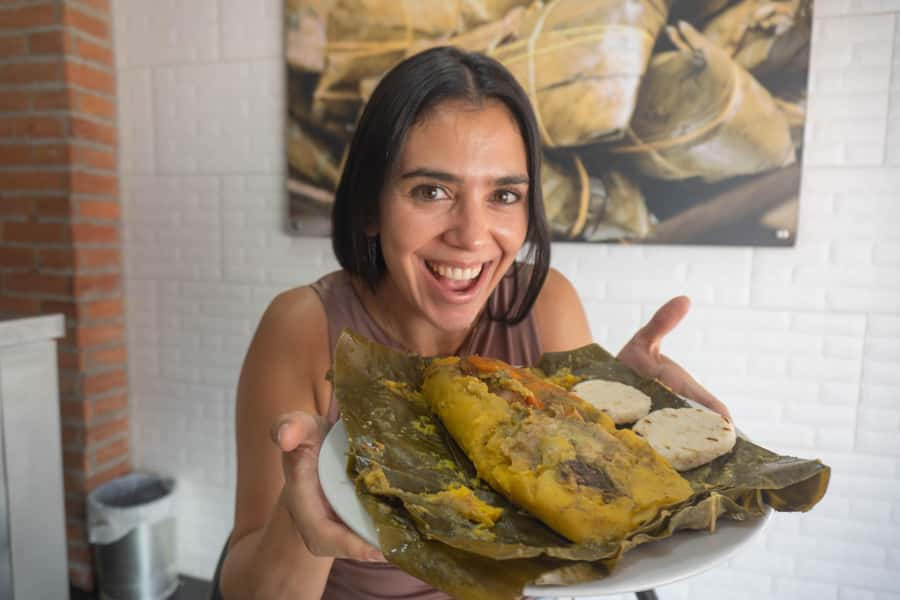
The biggest tasting block happens in El Poblado, and that’s a smart choice. This is an area many visitors use as a base, but this tour doesn’t treat it like a sightseeing-only zone. Instead, it uses El Poblado as the starting platform for the foods you’ll see across Colombia.
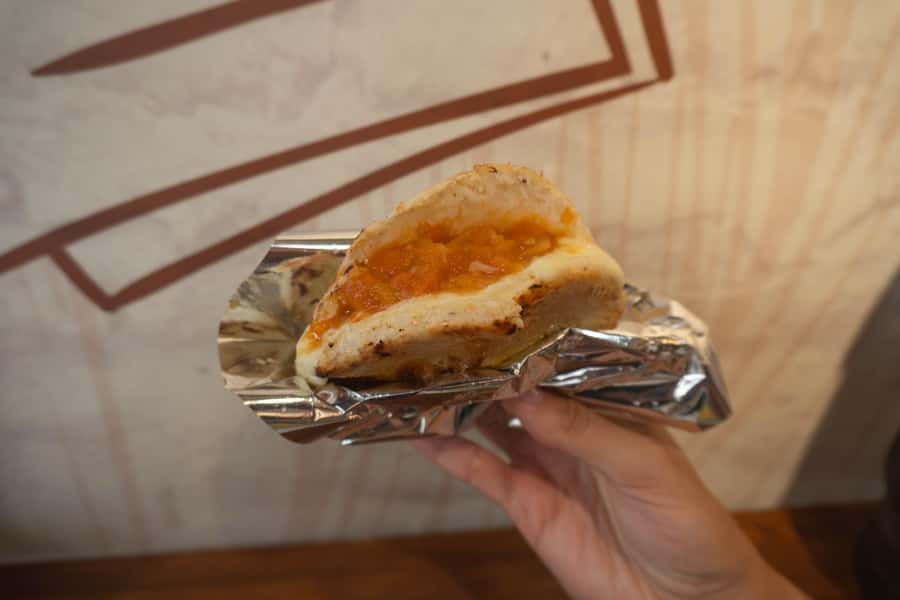
You can expect core Colombian favorites such as empanadas, arepas, and tamales. These aren’t just “sample foods.” They’re different food ideas—handheld, griddled, steamed—so you understand how Colombian cuisine changes by method, not just by ingredient.
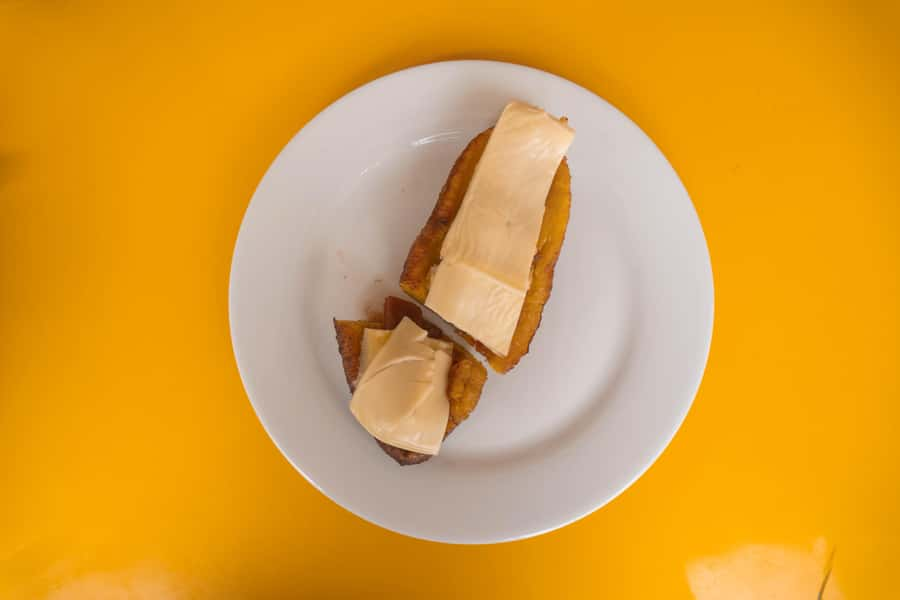
One standout theme here is plantain. The tour specifically calls out its versatility, and that’s a big deal. Plantain shows up in different textures and flavors depending on how it’s prepared. If you’ve only had plantain fried once, this is the chance to taste how varied it can be.
How the guide makes it click
This is where the tour feels more valuable than a simple food crawl. The guide pairs each tasting with quick history about the food and the places you visit. That keeps you from zoning out with your phone and makes each bite feel like part of a story.
Guides like Maria are praised for being especially knowledgeable, and that’s consistent with what this format needs: someone who can explain why the dish exists and how people actually eat it.
Manila Stops: A Second Set of Flavors Beyond the Obvious
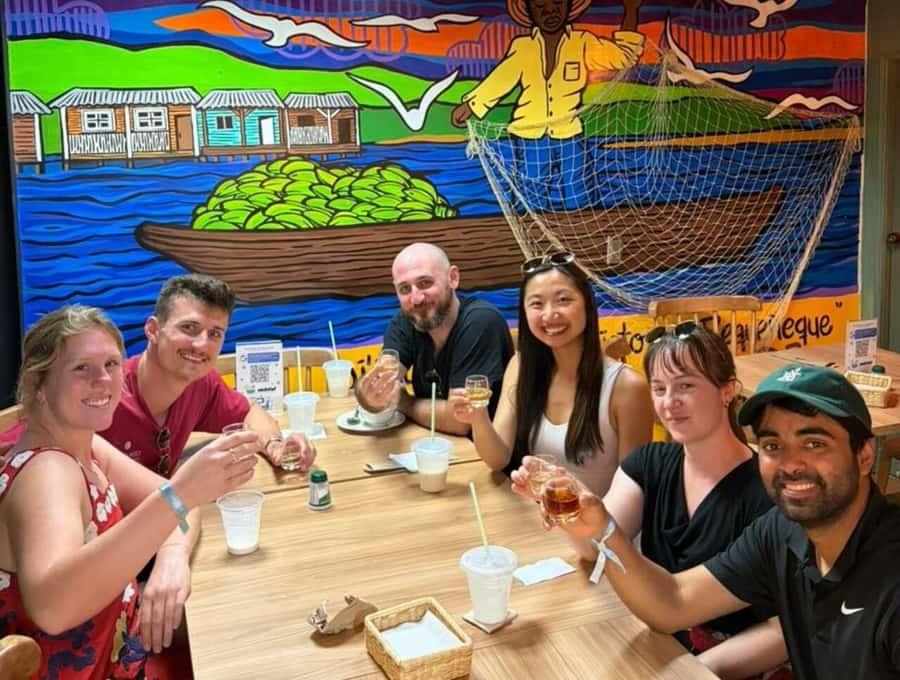
After the El Poblado segment, you head into the Manila tasting portion. The purpose isn’t to repeat the same flavors. It’s to show another slice of Medellín eating habits so the tour feels like a route, not a loop.
You’ll still be in guided mode, still tasting, still getting context—so you keep building the bigger picture of Colombian street food. If El Poblado gives you the core “classic Colombia” feel, Manila adds more variety in how those flavors show up in everyday life.
One practical tip: keep your attention on the order and the timing. When you’re tasting multiple items, the sequence helps you compare. If you snack too much too early, you lose the contrast of later stops.
What You Learn at Each Bite (Without Turning It Into School)
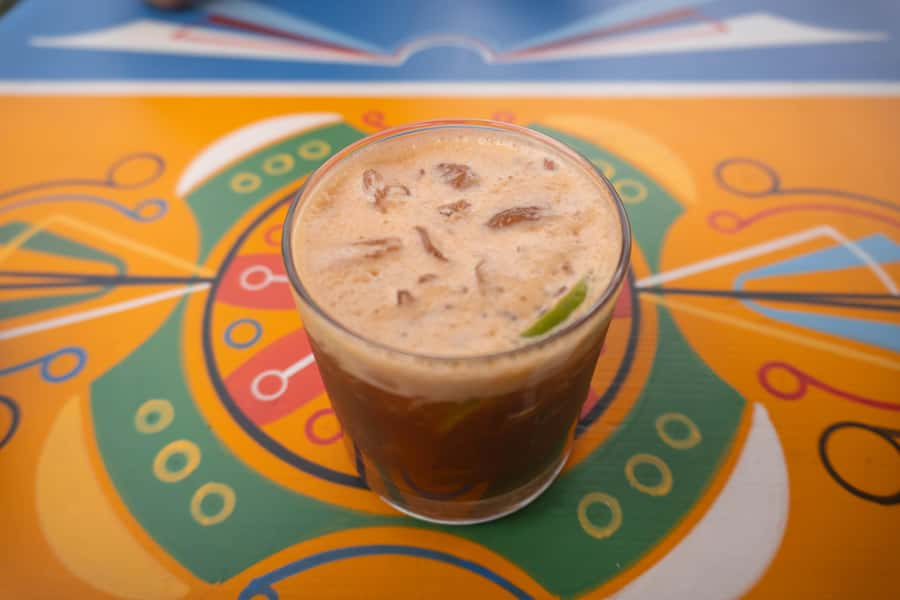
Food tours go two ways. Some are just a parade of bites. Others turn into lectures where you start forgetting what you ate.
This one aims for the middle. You’re getting history about each dish and the places you stop at, and it’s tied to what you’re seeing right now. That makes the learning feel useful, not academic.
This matters for you because street food only “clicks” when you understand patterns. Once you know what’s common, what’s seasonal, and how locals think about comfort foods, ordering on your own gets easier fast.
A lot of the highest praise centers on guide personality and teaching style—especially guides like Maria, who are described as knowledgeable and passionate about Colombian culture. Another guide, Camila, is also credited with strong information and a great tour experience. If you care about learning while you eat, that’s exactly the kind of energy that makes a difference.
Coffee on the Route: A Small Break That Changes the Mood
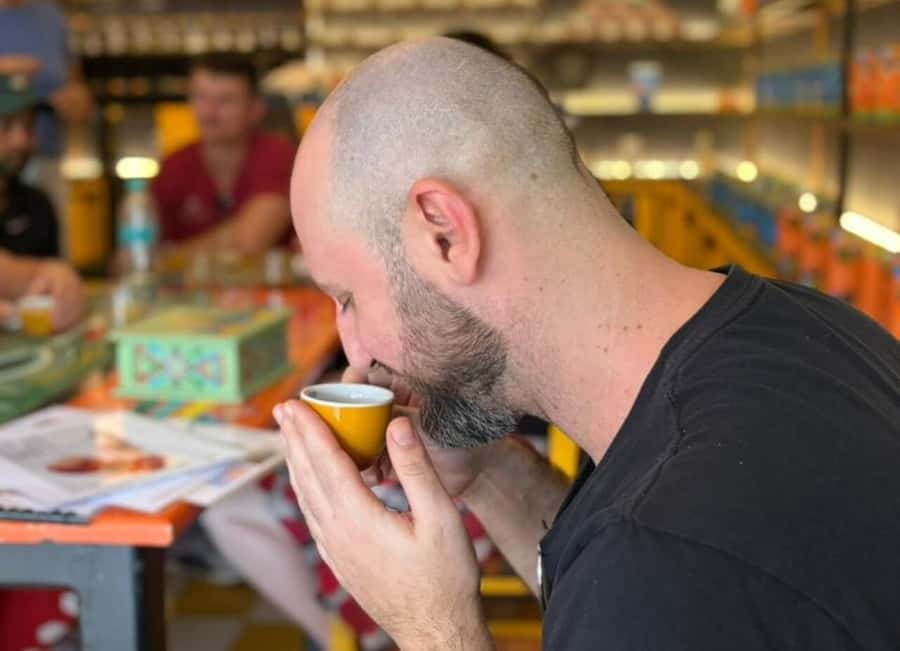
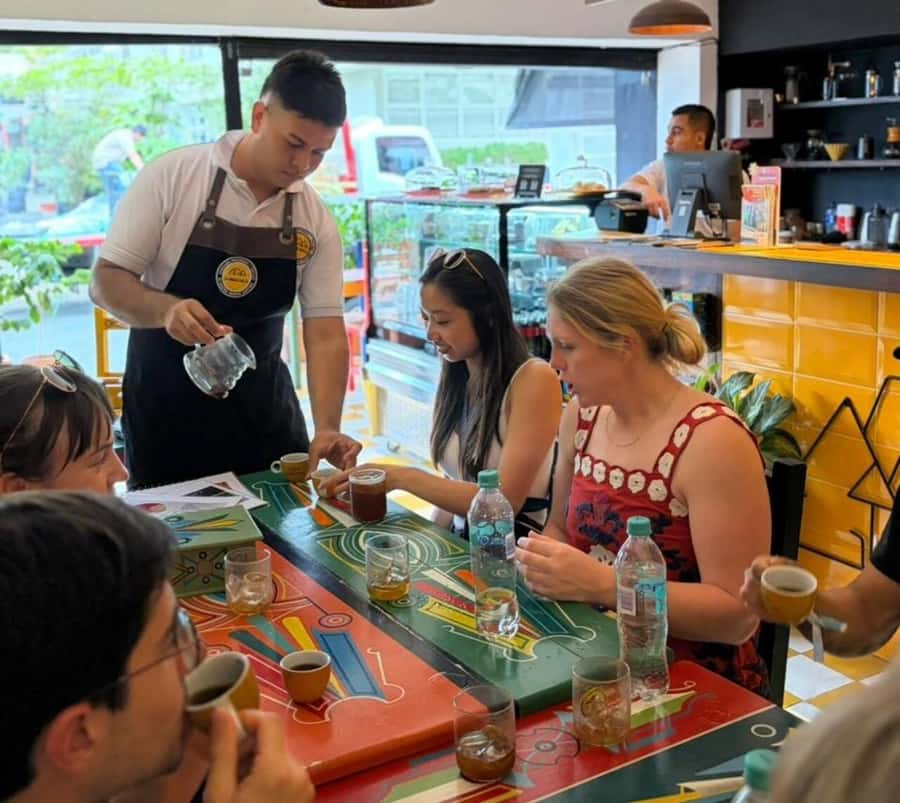
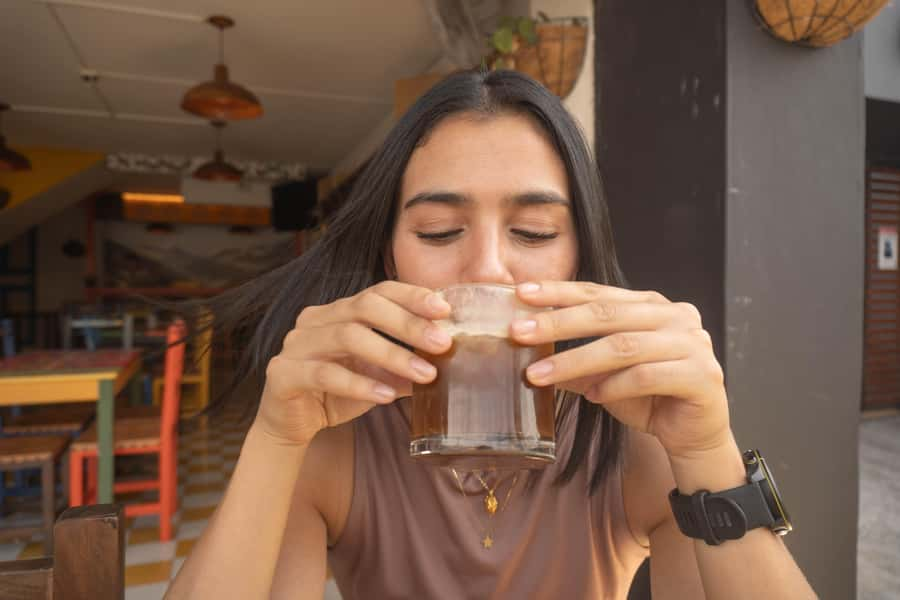
The tour description highlights Colombian coffee as part of the experience, and that’s a smart move. Street food can be salty, fried, or heavy. Coffee gives you a different flavor baseline and keeps the pace feeling pleasant instead of sluggish.
I’d treat the coffee break as a reset. Take a second to slow down, taste the difference between items, and plan your “next bite” mindset. On food tours, you’ll remember the contrasts more than the single plate.
If you don’t drink coffee, you can still use the moment to recover, hydrate, and regroup. (Just double-check what’s offered if you have dietary limits.)
Price and Value: Why $58 Makes Sense for Nine Tastings
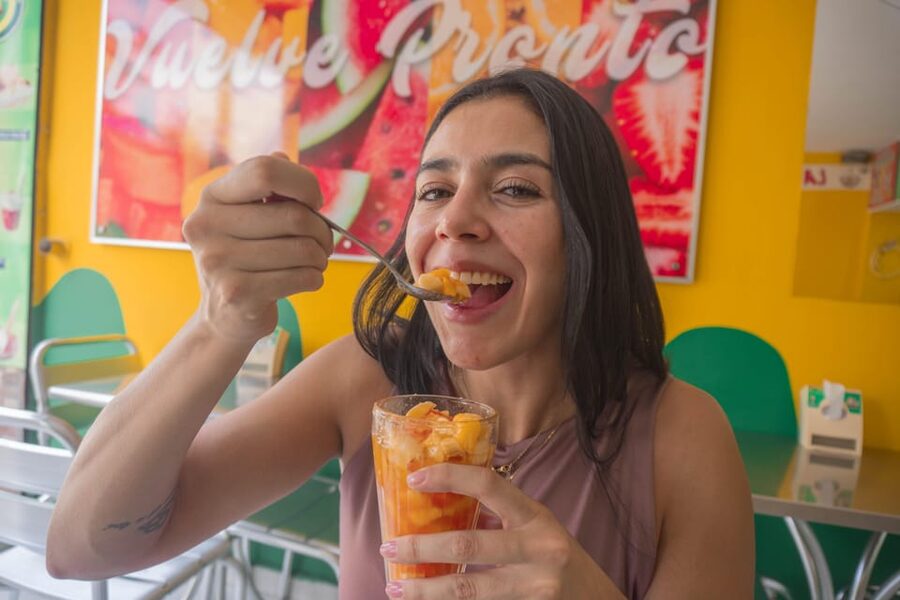
Let’s talk money honestly. At $58 per person for about 150 minutes, you’re paying for three things:
- Nine different types of street food
- A qualified guide who stays with you throughout
- Context and history tied to food and the specific stops
If you tried to replicate this yourself, you’d likely spend a lot more time figuring out where to go and what to order. You also risk ending up at the wrong spots—the ones that look easy but don’t taste like locals’ favorites.
In other words, you’re buying convenience plus confidence. You’re not just paying for food. You’re paying for guidance that helps you get more variety, avoid guessing, and turn a snack mission into a real cultural experience.
Comfort, Pace, and Who Should Book
This is a street food tour, so you’ll be on foot. It’s not the kind of activity where you can expect frequent long sit-down breaks. That’s why the tour is not suitable for people with mobility impairments.
For everyone else, the main comfort rule is simple: wear shoes you can walk in for 1.5 hours, and bring an appetite that’s bigger than your willpower. Nine tastings are meant to be eaten—not sampled in tiny bites.
Who it suits best:
- First-timers in Medellín who want a fast way to understand local food
- People who like history when it’s connected to real places
- Anyone who prefers practical eating advice over scrolling for restaurant lists
- Travelers who want to eat well without planning each stop
If you hate walking, or you want a sit-and-stare tour, this probably won’t match your style.
Tips to Make Your Tour Go Smoothly
You’ll get the best experience when you show up ready for the food, not just the photos.
- Come hungry, but don’t overdo it before the tour starts. If you arrive stuffed, you’ll miss the joy of tasting variety.
- Go at your own pace with each bite. You can slow down if something is richer than expected.
- Ask your guide questions as you go. The tour is built for discussion, and guides like Maria and Camila are noted for being informative.
- Use the tour as a scouting mission. A nice bonus from the better guides is sharing what else to eat across Colombia after the tour, not just within Medellín.
Small move, big payoff: treat it like training wheels for eating in Colombia. After this, you’ll know what to look for when you’re on your own.
Where You Finish: Ending Near Viajero Hostel
You finish at Viajero Hostel Medellín. That’s useful because it gives you a clear landing point for the rest of your evening—especially if you’re staying nearby or you want an easy return route.
Finishing at a hostel area also signals the tour’s practical mindset. It’s not set up to strand you somewhere inconvenient. The end point matters when you’re hungry, your feet are tired, and you still want to enjoy Medellín afterward.
Should You Book This Street Food Tour in Medellín?
Book it if you want a high-variety food experience in a short time with a real guide doing the explaining. This tour is strongest when you care about more than just taste—you want to understand why the food is what it is and where it fits in local life.
I’d skip it only if walking for about 150 minutes is a problem for you, or if you prefer purely restaurant-style meals over street-level tastings. For most visitors, though, it’s a solid value: nine tastings, guided context, and the comfort of knowing you’re eating where locals actually go.
If you want a Medellín afternoon that feels like culture instead of sightseeing homework, this is an easy yes.
FAQ
How long is the Medellín Street Food Tour?
The tour lasts 150 minutes.
How many street foods are included?
You’ll try nine (9) different types of local street food.
Where do I meet the guide?
Meet at Parque de El Poblado, in front of the San José church, and look for the Orange Umbrellas.
Where does the tour finish?
The tour finishes at Viajero Hostel Medellín.
What languages are available for the live guide?
The live tour guide is available in English and Spanish.
Is pickup and drop-off included?
No. Pick-up & Drop-off are not included.
What does the tour include besides food?
It includes the guide throughout the tour and history about each food and place you stop at.
Is this tour suitable for mobility impairments?
No. It is not suitable for people with mobility impairments.