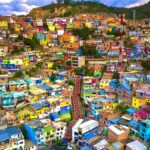
REVIEW · MEDELLIN
Street Food Tour in Medellín with Tastings
Book on Viator →Operated by NEXPERIENCE · Bookable on Viator
Your stomach has a plan in Medellín. I love how this street-food tastings walk stacks serious variety into about 2.5 hours, and the coffee stop actually teaches you what you’re tasting. The only real downside to plan for: you will eat a lot, and not every single item will be your favorite.
You start in El Poblado around Parroquia San José del Poblado at 1:30 pm, then the walk moves through classic streets like Calle 10 and Calle Cartagena before shifting into the Manila neighborhood. The group stays small (max 10), and the tour ends at Viajero Hostel Medellín & Rooftop Bar.
In This Review
- Key takeaways
- Why this afternoon food walk works in Medellín
- Price and timing: what $55.39 gets you
- Where you meet and how the route is set up
- Stop 1: Parque El Poblado and the warm-up snack logic
- Stop 2: El Poblado streets, including Calle 10 and Calle Cartagena
- Stop 3: Manila neighborhood—coffee shops and an easy shift in mood
- The coffee moment: what to look for at Café La Manchuria
- What you’ll likely eat (and why it feels like more than snacks)
- Pacing and walking: a friendly route, but don’t plan on light appetite
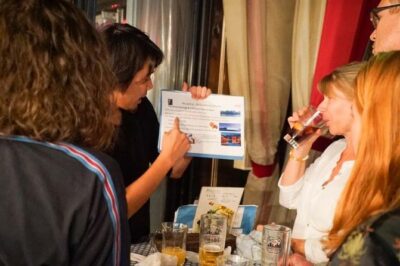
- Learning beyond food: how guides connect plates to Medellín
- Value check: is $55.39 fair for the amount you eat?
- Possible drawbacks to plan for
- Who this Medellín street-food tour suits best
- Should you book this Street Food Tour in Medellín?
- FAQ
- How long is the street food tour in Medellín?
- What time does the tour start?
- Where do I meet the tour, and where does it end?
- What neighborhoods does the tour cover?
- How large is the group?
- Is the tour near public transportation?
- What if the weather is bad?
Key takeaways
- Small group (max 10) keeps the pace friendly and questions easy.
- Calle 10 and Calle Cartagena connect food to the way El Poblado actually lives.
- Manila brings the coffee-shop side of Medellín food culture.
- Café La Manchuria is a standout coffee lesson moment, not just a caffeine break.
- Big tastings mean this can function like lunch and dinner if you plan ahead.
Why this afternoon food walk works in Medellín
Medellín is full of places to eat, but figuring out what’s worth your time can be tough when you’re only here a few days. This tour is smart because it focuses on everyday foods you might otherwise miss. It’s not only about tasting; it also helps you understand why certain dishes show up on tables in Antioquia and what coffee and fruit drinks mean locally.
The best part for me is the balance of “try it now” plus “here’s what it is and why it matters.” Guides like Maria and Camila are repeatedly described as the highlight, and their approach isn’t just reciting menu facts. They turn a plate into context—what people eat, when they eat it, and how it connects to place.
One note to keep your expectations realistic: it’s a lot of food. If you show up hungry but you’re also picky, you might find one or two items you’d rather skip next time. That doesn’t ruin the tour, but it does mean you should pace yourself.
You can also read our reviews of more food & drink experiences in Medellin
Price and timing: what $55.39 gets you
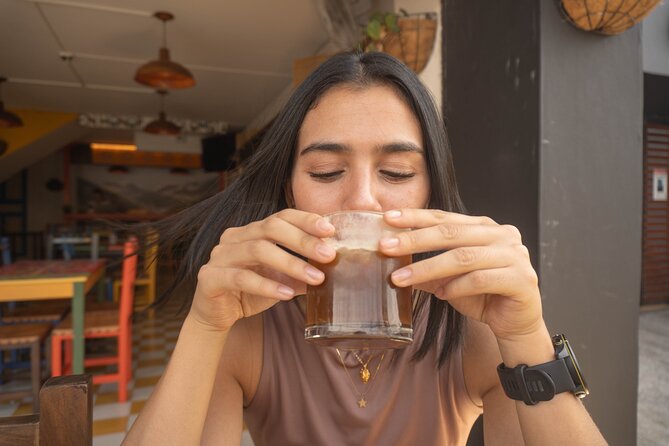
At $55.39 per person for about 2 hours 30 minutes, this is priced like an organized, guided food experience—not just a casual meet-and-eat. You’re paying for three things: tight neighborhood coverage, access to multiple tasting stops, and a guide who can explain what you’re eating.
The time choice matters too. Starting at 1:30 pm is ideal if you want a late lunch/early dinner swap. You’ll still have evening free without scrambling for dinner plans, and it’s a great option for your first full day in town.
Small group size (max 10) also affects the value. You’re more likely to get answers while walking and during tastings, instead of being lost in a big crowd. That’s a real quality-of-life upgrade in a city where getting from one neighborhood spot to another can eat into your energy.
Where you meet and how the route is set up
You meet at Parroquia San José del Poblado (Cra. 43A #9-30, El Poblado). The tour ends at Viajero Hostel Medellín & Rooftop Bar (Cl 11A #43D -11, El Poblado).
That start-to-finish setup makes an important promise: you begin in a central, easy-to-navigate area and you finish back in a place where you can keep moving around on foot or with local transport. The tour is described as near public transportation, which helps if you’re arriving from the airport or hopping between neighborhoods.
It also means you don’t have to think too hard about logistics while your brain is already busy figuring out what’s on your next plate. For most people, that’s the difference between a smooth afternoon and one full of tiny stress.
Stop 1: Parque El Poblado and the warm-up snack logic
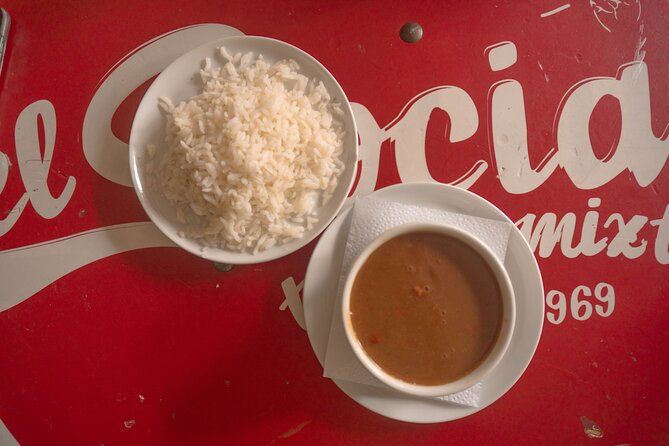
The first stop is around Parque El Poblado. The walking begins with a few food spots in the area, and this “warm-up” stage is more useful than it looks.
Why it helps:
- You get oriented fast in El Poblado.
- You’re already eating familiar street foods before the route gets longer.
- The guide can set expectations for portion sizes and pacing.
Even though the park itself notes free admission, the real value is how the tour uses this point as a launching pad. You get bearings, then you go into the streets people recognize when they picture Medellín’s dining scene.
Stop 2: El Poblado streets, including Calle 10 and Calle Cartagena
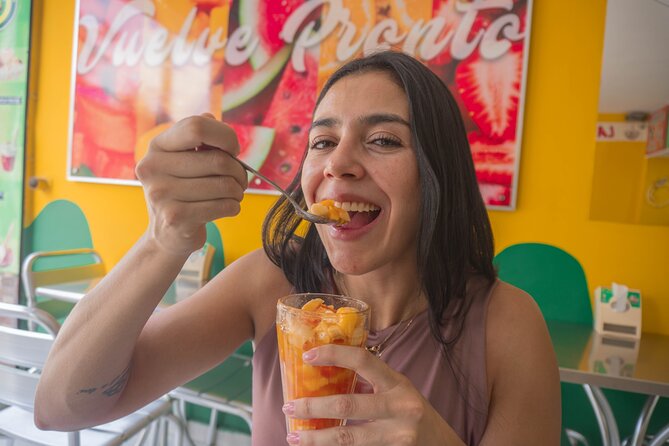
Most of the food stops are in El Poblado, along major lanes like Calle 10 and Calle Cartagena. This is where the tour’s “street food” promise becomes practical: you’re not only eating in the back of a market or at a single restaurant. You’re sampling the kind of items people grab during a normal day out.
The advantage of covering these well-known streets is that you’ll understand what’s around you afterward. After the walk, you can point to parts of El Poblado and say: I know why people go here to eat and drink.
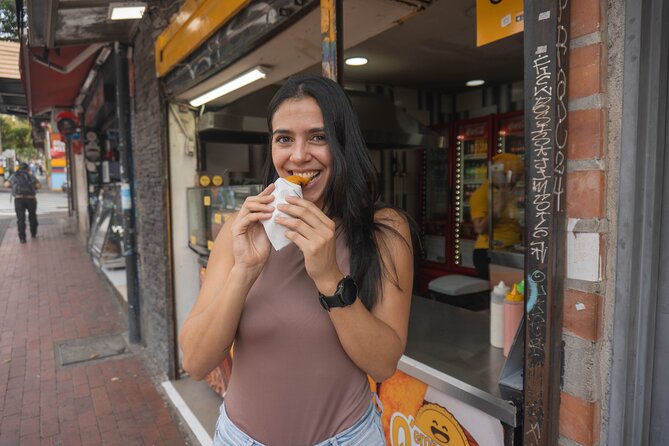
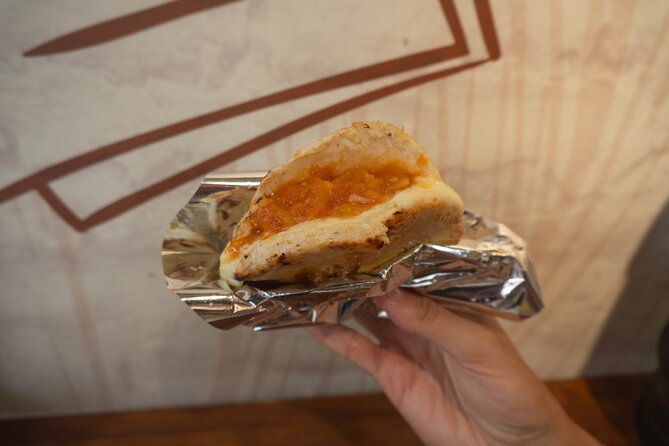
This portion also tends to match a common goal for visitors: getting a first taste of Colombian comfort foods without having to decode menus in Spanish. You’ll likely try staples like arepas and empanadas, plus regional plates that show up often in Antioquia.
Stop 3: Manila neighborhood—coffee shops and an easy shift in mood
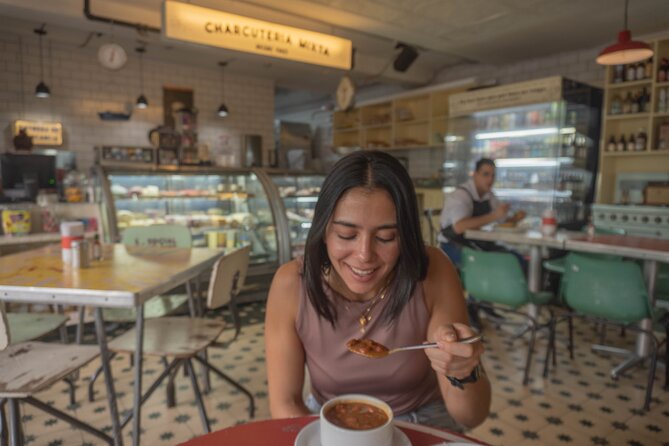
After El Poblado, the tour moves into Manila. This part of the route matters because Medellín food culture shifts by neighborhood, and the tour wants you to notice that.
Manila is described as a neighborhood with plenty of restaurants and nice coffee shops, and that’s exactly the kind of change that keeps an afternoon tour from turning into the same experience three times in a row.
This is also where the tour starts to feel like a full cultural afternoon, not just snack sampling. The atmosphere becomes more café-led, and the guide’s stories tend to connect food to everyday life rather than only explaining ingredients.
The coffee moment: what to look for at Café La Manchuria
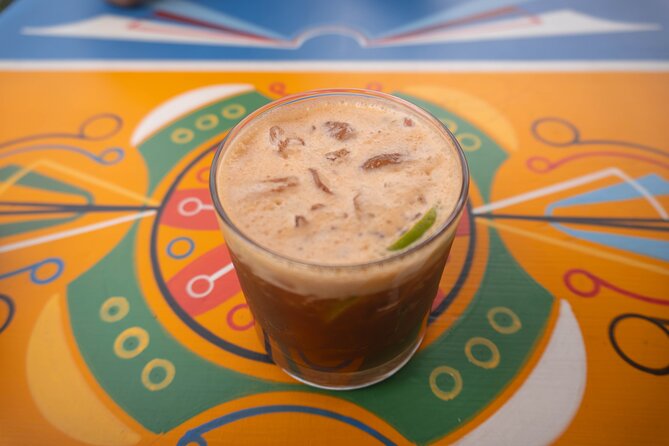
One of the most mentioned highlights is the coffee portion at Café La Manchuria. People don’t describe it as a random stop for a drink. They describe it as a lesson—coffee trade and how coffee fits into the Colombian story.
If coffee is even a little on your radar, this is the point of the tour where you’ll get the most value out of listening. Pay attention to how the guide explains what makes coffee special beyond taste: the trade story, the work behind it, and why coffee is part of local identity.
You’ll also get to try drinks that show up in Medellín street life. Limonada con café is specifically called out as delicious, and it’s the kind of combo you might not order on your own until you’ve seen how local flavors are paired.
What you’ll likely eat (and why it feels like more than snacks)
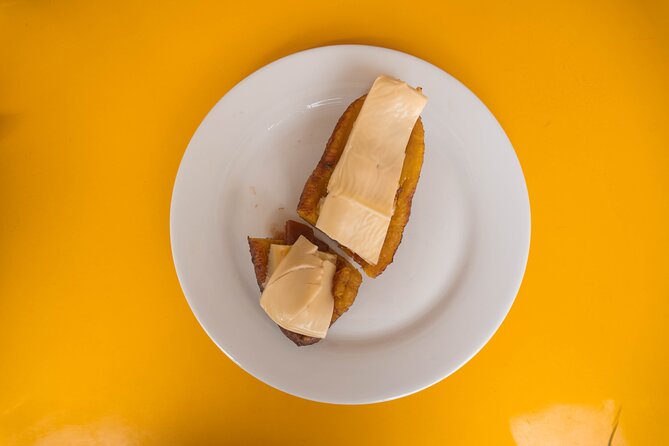
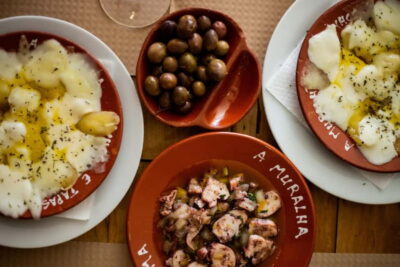
The tour is built around a sequence of tastings: savory bites, sweet options, and drinks. Expect enough food that you’ll feel like you’ve covered your meals for the day. Multiple accounts describe it as leaving you very full and satisfied, which makes sense given the number of stops.
You can also expect some “this would be hard to order alone” moments. The tour adds guidance for picking things that are common locally, plus options that feel a bit more adventurous when you don’t know what you’re looking at.
One thing to understand upfront: it’s not guaranteed that you’ll love every single dish. One participant mentioned disliking a specific arepa, and another felt there were too many places. That doesn’t mean the tour is bad—it just means street-food variety includes some hits and misses, like any well-run sampling day.
Pacing and walking: a friendly route, but don’t plan on light appetite
This tour runs for about 2 hours 30 minutes and includes walking between stops. The walking is described as manageable for many people, not a hardcore trek. Still, you should wear comfortable shoes. Even on a relaxed route, you’ll be on your feet for most of the afternoon.
As for eating: you should treat this like lunch and dinner rolled together. The best advice you’ll get before you go is to have a light breakfast and pace yourself. If you show up after a heavy morning meal, you might struggle through the later tastings—not because they aren’t good, but because your stomach will be.
If you’re the type who gets overwhelmed by too many choices, consider setting a simple goal: try everything once, then decide what you’d happily return for later.
Learning beyond food: how guides connect plates to Medellín
A big reason this tour earns a 4.9 rating is the explanation style. Guides like Maria and Camila are repeatedly praised for sharing history and context, not just describing flavors.
What that looks like on the street:
- Each stop feels linked to region and culture, not random ordering.
- Walking between spots becomes part of the story, so you’re not just eating in silence.
- You come away with practical restaurant ideas for afterward, because the guide points out flavors and places you can look for again.
If you enjoy understanding why a dish exists—why it’s eaten, when it’s eaten, and how locals talk about it—this is your kind of tour. If you only want bites and zero talking, you might still enjoy the food, but you won’t get the full payoff.
Value check: is $55.39 fair for the amount you eat?
For a guided street-food experience, the value is strong because you get multiple tastings and at least one big coffee-focused learning stop. One common theme in the feedback is that the portions are plentiful and that the tour covers a lot of food categories: savory, sweet, drinks, and regional staples.
You’re also not stuck with one fixed restaurant experience. You’re seeing neighborhoods on foot and tasting a spread across different places. That variety is part of what makes street food tourism worth it in the first place: you learn what Medellín’s food scene tastes like across a normal afternoon.
If you want a “minimal planning, maximum satisfaction” activity, this is a solid pick. If you hate walking or you’re determined to keep your budget tight without tasting a lot, you might prefer a smaller sampling plan. But for most people, this is money well spent.
Possible drawbacks to plan for
No tour is perfect. Here are the realistic considerations based on what’s been shared:
- Portion size can be intense. The biggest recurring theme is that it’s a lot of food. Come hungry, but not stuffed from breakfast.
- Not every item will be your favorite. Since it’s street-food variety, you may not love one dish even if the rest are great.
- Pace depends on the day. One account described a late start and a guide who wasn’t at their best. That’s not the norm you should expect, but it’s a good reminder that humans run tours, not machines.
If you keep those in mind, you’ll go in with the right attitude: treat it as a guided tasting day, not a guarantee that every single stop will hit your personal taste.
Who this Medellín street-food tour suits best
This tour fits best if:
- You want a first-day welcome to food culture in Medellín.
- You like learning as you eat, especially around coffee and Antioquia flavors.
- You want a small-group experience where questions are easy.
- You’re traveling solo, with family, or with friends and you want one planned afternoon that covers meals.
It may be less ideal if:
- You have a very limited diet and need strict control over what you eat (the tour data doesn’t list specific dietary accommodations).
- You prefer short tasting experiences with fewer stops and lighter pacing.
Should you book this Street Food Tour in Medellín?
I think you should book it if you’re looking for a guided way to eat your way through El Poblado and Manila—without guessing what’s worth ordering. The combination of street tastings plus a structured coffee stop at Café La Manchuria is a strong reason to choose this over a random food hunt.
If you book, go in with one simple strategy: eat lightly earlier, wear comfortable shoes, and be ready to try more than you expected. That’s how you turn a full stomach into an afternoon that actually makes Medellín feel understandable.
FAQ
How long is the street food tour in Medellín?
The tour lasts about 2 hours 30 minutes.
What time does the tour start?
The start time is 1:30 pm.
Where do I meet the tour, and where does it end?
You meet at Parroquia San José del Poblado (Cra. 43A #9-30, El Poblado, Medellín). The tour ends at Viajero Hostel Medellín & Rooftop Bar (Cl 11A #43D -11, El Poblado, Medellín).
What neighborhoods does the tour cover?
It covers parts of El Poblado (including stops around Parque El Poblado, Calle 10, and Calle Cartagena) and then moves into Manila.
How large is the group?
The tour has a maximum of 10 travelers.
Is the tour near public transportation?
Yes, it is described as near public transportation.
What if the weather is bad?
This experience requires good weather. If it’s canceled due to poor weather, you’ll be offered a different date or a full refund.