REVIEW · NEW YORK CITY
Mom and Pop Food Tour in Chinatown and Little Italy
Book on Viator →Operated by Cult2Culture Tours · Bookable on Viator
Two neighborhoods, one tasty walk. This Mom and Pop Food Tour helps you connect Chinatown and Little Italy with real food stops and street-level stories, not just photos. You’ll also pick up fun context as you move through places tied to New York lore and even movie references, which makes the whole walk more fun than a typical snack run.
What I like most is the small group size (max 12), so you can actually ask questions and keep up with the guide. I also like that the guide, Tom, focuses on the people behind the shops, not just the food, with history-and-humor style commentary along the route. If there’s one drawback to plan for, it’s that this is a walking experience for about 2 hours, so comfortable shoes matter.
You can choose lunchtime or dinnertime, which is a nice way to match the tour to your schedule (and your hunger). The tour runs in English, uses a mobile ticket, and finishes near Ferrara Bakery on Grand Street, so it’s easy to keep exploring after you eat.
In This Review
- Key things to know before you go
- Getting oriented: Baxter Street meet-up to Ferrara finish
- Columbus Park and Five Points: the street-scene opener you didn’t know you needed
- Little Italy stroll: Italian music, quaint shops, and a big cannoli moment
- Chinatown walking moments: Doyers Street and the painted-street vibe
- What makes it a true mom-and-pop food tour (not a buffet with a guide)
- Typical tastings you can expect across the route
- Price and value: does $95 make sense for a 2-hour walk?
- Timing matters: lunchtime vs dinnertime choice
- Tom’s guide style: history, humor, true crime, and music surprises
- Practical tips: how to make the most of your 2-hour walk
- Should you book the Mom and Pop Food Tour in Chinatown and Little Italy?
- FAQ
- How long is the Mom and Pop Food Tour?
- How much does the tour cost?
- Where does the tour start?
- Where does the tour end?
- What’s the maximum group size?
- What language is the tour offered in?
- Do I need a printed ticket?
- Is the tour near public transportation?
- What is the cancellation policy?
Key things to know before you go
- Max 12 people means a more intimate pace and more time for questions
- Meeting at 123 Baxter St and ending at Ferrara Bakery on Grand St makes the route easy to follow
- Columbus Park + Five Points context gives the neighborhoods a story you’ll actually remember
- Doyers Street with painted walls is a standout streetscape moment on the Chinatown side
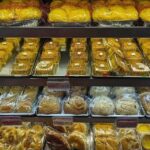
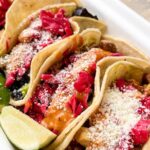
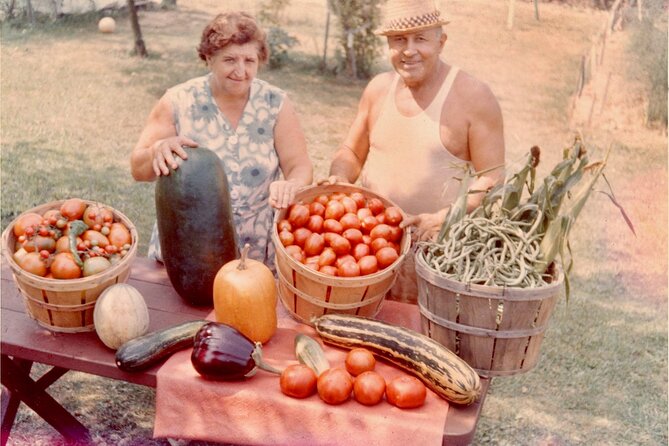
- Family-run tastings can include dumplings, pizza, Italian specialties, cannoli, and cookies
- Tom’s mix of food, history, and pop-culture surprises keeps the mood light
Getting oriented: Baxter Street meet-up to Ferrara finish
This tour is built around a simple rhythm: meet in Little Italy area, walk through Chinatown-side streets, then finish in a spot that’s easy to recognize and use as your landing point.
You start at 123 Baxter St, New York, NY 10013, and you end at Ferrara Bakery & Cafe, 195 Grand St. The finish point is only about two blocks from the start, which matters because you’re not trapped in a long “go everywhere, no return” route. After the tour, you can keep wandering without having to fight the subway logistics right away.
The whole experience runs about 2 hours, and the tour is offered in English. It also uses a mobile ticket, so make sure your phone has enough battery to check in without stress. The tour is near public transportation, which is handy for a neighborhood route where you might otherwise lose time crossing between stops.
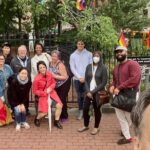
Because the group is capped at 12, the guide can keep the pace comfortable and explain what you’re seeing instead of rushing everyone forward.
You can also read our reviews of more food & drink experiences in New York City

Columbus Park and Five Points: the street-scene opener you didn’t know you needed
Right away, you’ll pass through Columbus Park, located in the area historically tied to the old Five Points neighborhood—famously shown in Martin Scorsese’s Gangs of New York. Even if you’re not a movie person, that framing helps you understand why these streets feel layered: different waves of immigrants, different businesses, different eras, all packed into a small grid.
This isn’t just sightseeing for its own sake. The goal is to give you a mental map of the neighborhoods before the food starts. When you later walk through Little Italy and Chinatown streets, the stories make the place feel more specific—like you’re walking through the same streets businesses have served for generations.
It’s also a quick setup stop—only around 5 minutes—so you don’t lose momentum before the tastings begin.
Little Italy stroll: Italian music, quaint shops, and a big cannoli moment
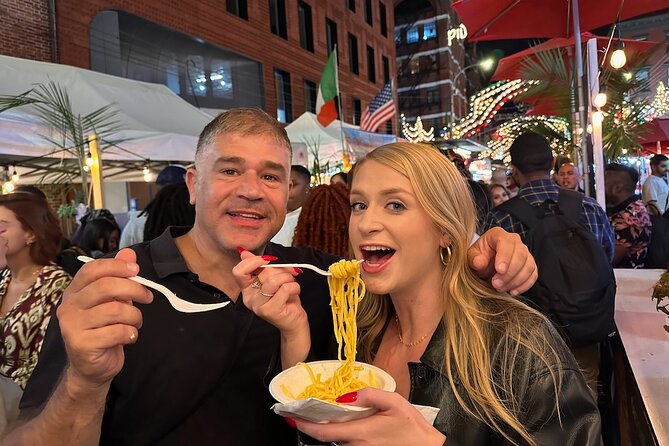
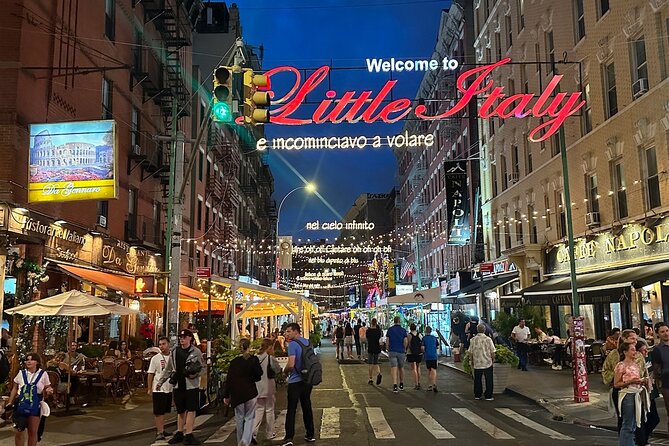
Next, you’ll move through the historic streets of Little Italy. One of the best parts here is how sensory the neighborhood feels on foot: you’ll hear Italian music spilling out from restaurant doors and you’ll spot the kind of quaint shops that make you stop even when you’re trying to keep moving.
There’s also a novelty cannoli sight that’s hard to miss. It’s the kind of playful detail that turns the walk from “look at buildings” into “watch how the neighborhood sells its identity.” That matters because food culture isn’t only about what’s on the menu—it’s also how people present their traditions on the street.
In a good food tour, you’re not just tasting. You’re learning what to look for when you step into a shop on your own afterward: how families organize their counters, what “casual” Italian specialty stores tend to offer, and which places feel like they’ve served the neighborhood for decades.
If you want a calmer, more story-forward introduction to Little Italy, this stop does that job fast.
Chinatown walking moments: Doyers Street and the painted-street vibe
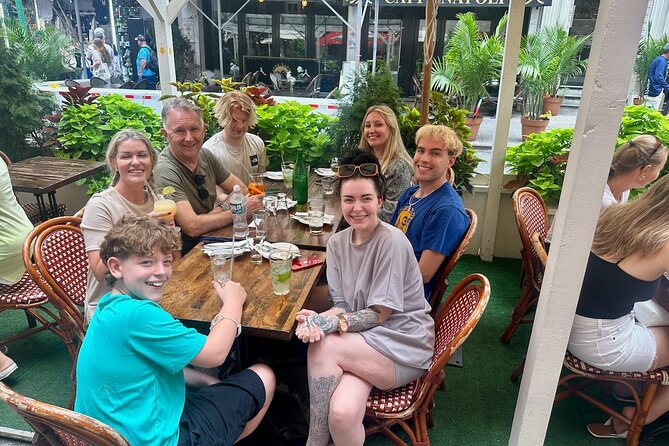
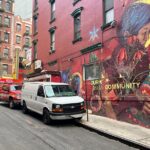
On the Chinatown side, the tour focuses on historic Doyers Street. This lane is known for a colorfully painted look, and it’s the kind of street you immediately get why people photograph. But on this tour, the point isn’t just the visuals—it’s how Doyers Street functions as a place where food, shops, and everyday life overlap.
You’ll also notice the street feels “alive” in a practical way: it’s dotted with shops and places to eat, so you’ll see why this neighborhood can feed you all day without you hunting for a destination.
A Chinatown walk can be overwhelming if you’re only staring at signs. Here, you’re guided through what to pay attention to, so you leave with a stronger sense of how to navigate the neighborhood beyond the main streets.
If you love the feeling of discovering spots you might not find solo, the Doyers Street stop is a strong anchor point.
What makes it a true mom-and-pop food tour (not a buffet with a guide)
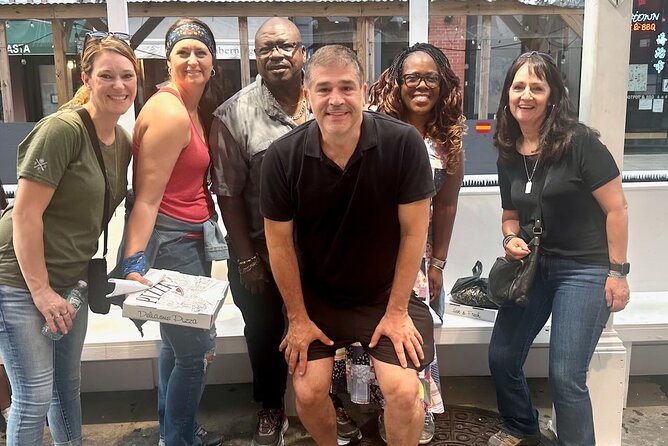
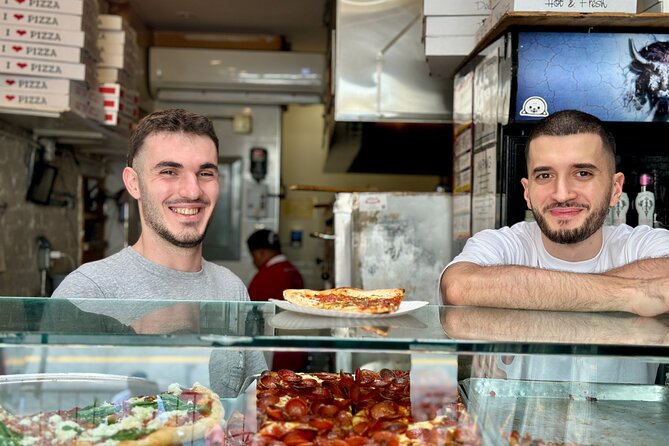
This is the kind of food tour where the guide’s relationships with shop owners matter. Tom’s approach centers on the people behind the business, not just the menu items, and that changes how the tasting feels.
At each food stop, the tour adds owner stories and even personal touches like photos showing ancestors connected to the area. That’s what turns a bite-sized sample into something you remember. It’s the difference between eating and understanding why a shop still matters.
Another practical detail: Tom has a way of coordinating with stores so you don’t spend your tour time waiting in long lines. One of the most useful perks of a guide with real ties is that you can sometimes sidestep the most frustrating parts of popular food shopping. That keeps your time for walking and tasting instead of burning it on queue-time.
And because the group stays small—12 max—you’re more likely to get that personal attention that big, generic tours struggle to deliver.
A few more New York City tours and experiences worth a look



Typical tastings you can expect across the route
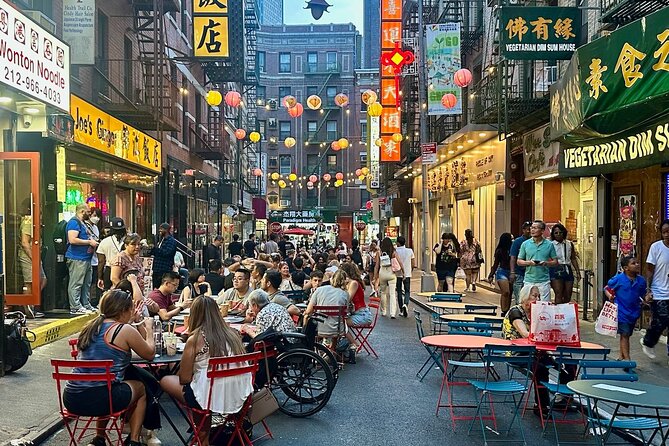
Food tours vary, but this one is consistently framed around family-owned eateries you might not bump into on your own. The tour also mixes styles, so you’re not stuck in one cuisine bubble.
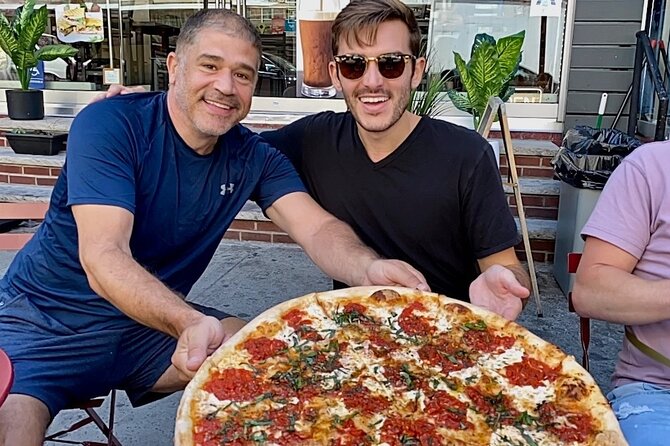
From the food examples tied to the experience, you can expect tastings that may include:
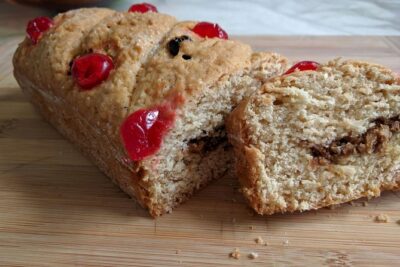
- Thai tea and sponge cake
- Dumplings from a shop known for them
- An Italian specialty stop with things like cheese and salami
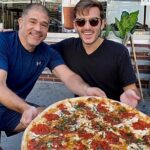
- Pizza
- A finish-style sweet such as cannoli and a pine nut cookie
Even if the exact lineup shifts with the day, the pattern is clear: you’ll get multiple stops and multiple flavors, not one or two items stretched across the whole tour. That’s a big part of the value.
Also, because you choose lunchtime or dinnertime, you can better match the tour to how heavy you want your snacks to feel. If you’re planning a night out, lunch tour can leave you room for a real dinner. If you’re starting your evening, a dinnertime tour can feel like your first hit of the night.
Price and value: does $95 make sense for a 2-hour walk?
Let’s talk money straight. At $95 per person for about 2 hours, you’re paying for three things at once:
- Access to multiple family-run shops in a concentrated walk
- Guide labor to connect food with neighborhood context
- Convenience, especially with small-group pacing and store coordination
If you try to DIY this route, you’ll spend time deciding where to eat, how to line up, and which places feel authentically local. Even if you find good food, you might still miss the “why this shop matters” layer unless you do a lot of pre-research.
Where the price feels most justified is when you want a guided route that makes you feel like you’re learning the neighborhoods while eating. The max-12 setup is also part of the cost logic: you get a more personal pace than you would on a larger group tour.
One practical tip: come hungry, but not so hungry that you need a full sit-down dinner afterward. This style works best as a smart way to sample and orient yourself.
Timing matters: lunchtime vs dinnertime choice
The tour is offered in lunchtime and dinnertime options. That choice can affect the vibe more than you might expect.
Lunch tends to work well if you want a built-in food plan while you’re still fresh for sightseeing. Dinnertime is ideal if you want your exploration to lead directly into your evening food rhythm—especially in neighborhoods where you’ll be surrounded by restaurant choices the moment you finish.
Since the tour ends near Ferrara on Grand Street, your timing choice also affects what you feel like doing next. If you finish in the late afternoon, you might keep walking and snack on the way. If you finish closer to evening, you’ll be ready to transition into a sit-down meal or dessert.
Tom’s guide style: history, humor, true crime, and music surprises
A big reason this tour gets strong word-of-mouth is the guide’s delivery. Tom’s style blends:
- Street-level local knowledge
- History facts tied to what you’re seeing
- Humor that keeps the walk light
- Pop-culture energy, including mobster movie references
- A “food + fun facts” mindset that makes the group pay attention
There’s also a clear theme of meeting people where they are. If you’re into crime stories, you may find the tour hits that sweet spot with true crime conversation. If you’re into music, there are music-related surprises and playful moments that keep things from feeling like a lecture.
In fact, Tom has shared a reading suggestion tied to turn-of-the-century crime fiction: The Alienist by Caleb Carr. If you like the genre, it can add a fun extra layer after the tour, letting you connect the neighborhoods with the kind of stories that grew out of them.
Practical tips: how to make the most of your 2-hour walk
This is a walking tour, so plan like it’s a two-hour stroll with stops, not a long bus ride with a few quick stops. You’ll enjoy it more if you:
- Wear comfortable shoes from the start
- Bring a phone with battery for the mobile ticket
- Arrive a few minutes early so you don’t start rushing at check-in
- Have a light snack beforehand if you know you get hungry fast (the tour is made for tastings, not necessarily a full meal)
The tour also states service animals are allowed, and most people can participate. If you have a mobility concern, it’s still worth considering that you’re moving through streets for the full two hours.
Because it’s near public transportation, you can keep your day flexible and jump off for other sights nearby without planning your whole itinerary around one transit connection.
Should you book the Mom and Pop Food Tour in Chinatown and Little Italy?
I’d book this tour if you want a guided walk that does two things well: it helps you find real family-run food and it gives you enough street context to make the neighborhoods feel personal, not random.
This is also a smart pick if you travel with mixed interests—food lovers plus people who like history, pop culture, or true crime vibes. The small group size helps, too. If you dislike big crowds and you want a guide who can actually talk with you, the 12-person cap is a big plus.
Skip it (or compare another option) if you’re not into walking for about 2 hours or if your plan is to land on a neighborhood and immediately sit down for one big meal. This tour is at its best when you’re happy to sample, ask questions, and let the guide steer you to places you’d otherwise overlook.
If your goal is to leave Chinatown and Little Italy feeling like you understand how they tick—while also leaving with a satisfied stomach—this is a strong bet.
FAQ
How long is the Mom and Pop Food Tour?
It runs for about 2 hours.
How much does the tour cost?
The price is $95.00 per person.
Where does the tour start?
The meeting point is 123 Baxter St, New York, NY 10013.
Where does the tour end?
It ends at Ferrara Bakery & Cafe, 195 Grand St, New York, NY 10013, about two blocks from the start.
What’s the maximum group size?
The tour caps at a maximum of 12 travelers.
What language is the tour offered in?
The tour is offered in English.
Do I need a printed ticket?
No. It uses a mobile ticket.
Is the tour near public transportation?
Yes, it is described as being near public transportation.
What is the cancellation policy?
You can cancel for a full refund up to 24 hours in advance. If you cancel within 24 hours of the start time, the amount paid is not refunded.