REVIEW · MUSCAT
Muscat: Omani Food Tour with Shuwa & Halwa
Book on GetYourGuide →Operated by Hisham Tours · Bookable on GetYourGuide
Shuwa pulls you in fast. In Muscat, this small-group food walk strings together Shuwa and Halwa with coffee, plus East African snacks, spiced tea, and rose-water coffee. It’s the kind of meal route that turns unfamiliar dishes into names you’ll remember.
I really like the way Shuwa is explained in plain terms and the way Halwa ends the night on a sweet, fragrant note. The one catch: the tour is not suitable for people with food allergies.
In This Review
- Key things to know before you go
- Muscat’s Shuwa-and-Halwa tour: a 150-minute food intro worth $77
- Underground Shuwa and Qabuli rice: what 40 days of waiting tastes like
- Halwa with coffee: saffron, nuts, ghee, and that sweet cardamom bite
- Zanzibar-style snacks in Oman: samosas, mandazi, kachori, katlisi
- Omani bread tasting flight: sweet-salty combos you can actually pick
- Spiced tea and rose-water coffee on the move: karak style flavors
- Mishkak grilled finale with tamarind-like sauce
- Vegetarian needs and the one real limitation: food allergies
- How the small-group format keeps Muscat meals stress-free
- Should you book the Muscat Omani Food Tour with Shuwa and Halwa?
- FAQ
- How long is the Muscat Omani Food Tour with Shuwa & Halwa?
- What does the $77 per person price include?
- What foods will I try during the tour?
- Is pickup included, and where do I meet if my hotel is outside the pickup area?
- Is the tour suitable for vegetarians?
- Is this tour suitable if I have food allergies?
- Are alcohol or smoking allowed during the tour?
Key things to know before you go
- Underground Shuwa timing: cooked underground for 8 to 24 hours, wrapped in banana leaves and spices, then fermented 40+ days
- Halwa with coffee: saffron, nuts, honey, ghee, cardamom, and secret ingredients
- Zanzibar snacks in Oman: samosas, mandazi, kachori, and katlisi show East African influence
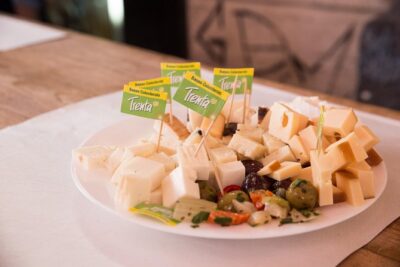
- Omani bread tasting flight: cheese, honey, date juice, eggs, potatoes, or thyme
- Spiced tea and rose-water coffee: ginger, saffron, cardamom, cinnamon, milk, plus rose-water coffee
- Mishkak finale: grilled meat/chicken/squid with a tamarind-like sauce; fish or salad option for vegetarians
Muscat’s Shuwa-and-Halwa tour: a 150-minute food intro worth $77
If you’re in Muscat for a short time, a focused food tour is a smart way to get your bearings fast. This one runs 150 minutes and keeps things compact with a maximum of 6 people, so you’re not shouting over other groups while you try to taste things.
The price is $77 per person, and the value is mostly in what you actually get. You’re not just sampling one dish. You’ll rotate through a lineup of classic Omani items—Shuwa, Halwa, Mishkak, spiced tea, bread tastings—plus lighter East African bites that help explain how Oman’s food culture connects beyond its borders.
One more practical win: you get hotel pickup and drop-off. That matters in Muscat, where a “quick grab dinner” plan can turn into a time-waster. With a guide leading the pace, you can focus on eating, asking questions, and learning what each dish is built from.
Underground Shuwa and Qabuli rice: what 40 days of waiting tastes like
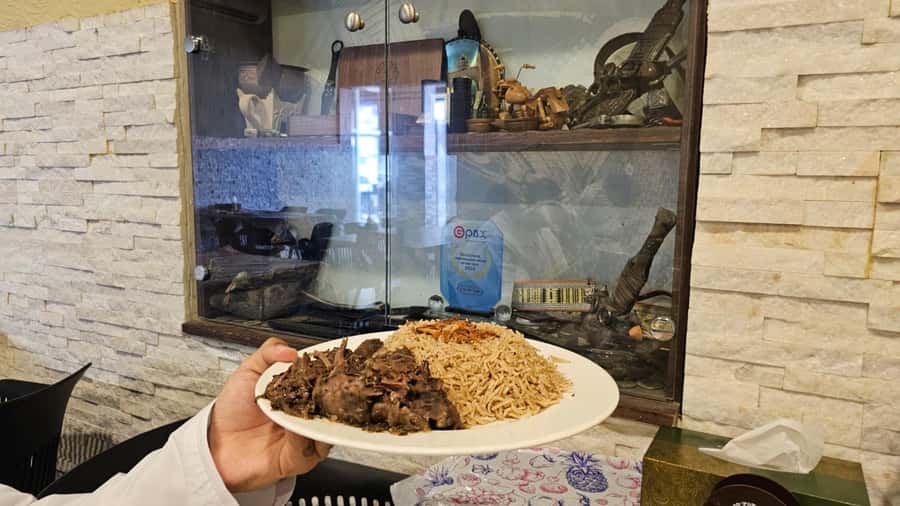
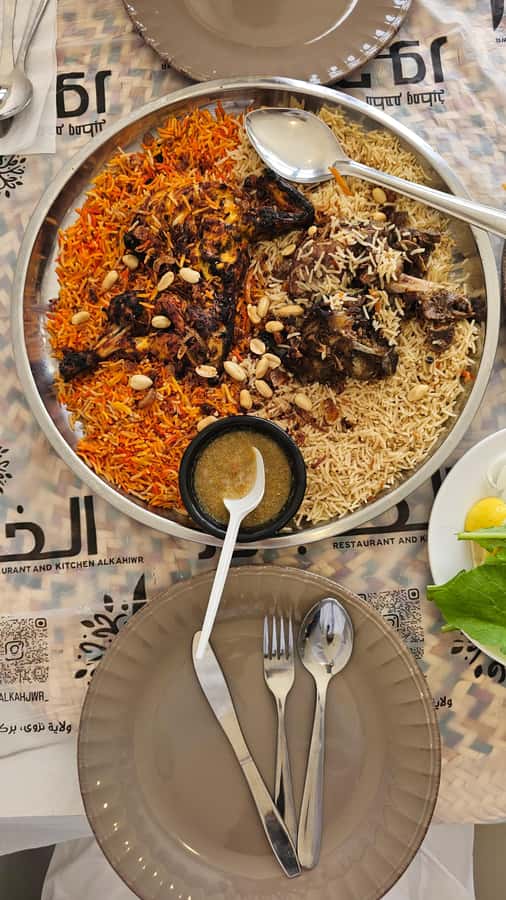
Shuwa is the headline here, and it’s not subtle. This dish is made with meat or chicken that’s buried underground for anywhere from 8 to 24 hours, wrapped in banana leaves with spices, then left to ferment for over 40 days. That long timeline is the whole point: Shuwa is designed to become tender and deeply flavored in a way you can’t rush.
When Shuwa lands on your plate, it’s typically served with Qabuli rice, cooked with meat and spice notes. Expect something fragrant and savory, not a light snack. Think comfort food with a process behind it.
Here’s the tip I’d give you: don’t treat Shuwa like a “one-bite curiosity.” It’s meant to be eaten slowly enough that you notice how the flavor changes as the meat breaks down and the rice absorbs the seasoning. This is one of those dishes where the story matters because it explains the intensity.
Also, timing matters. Since the Shuwa is already prepared and served as part of your tour stops, you’ll likely taste the end result rather than watch the cooking process—but your guide should still make the steps clear enough that you understand why it takes so long.
Halwa with coffee: saffron, nuts, ghee, and that sweet cardamom bite
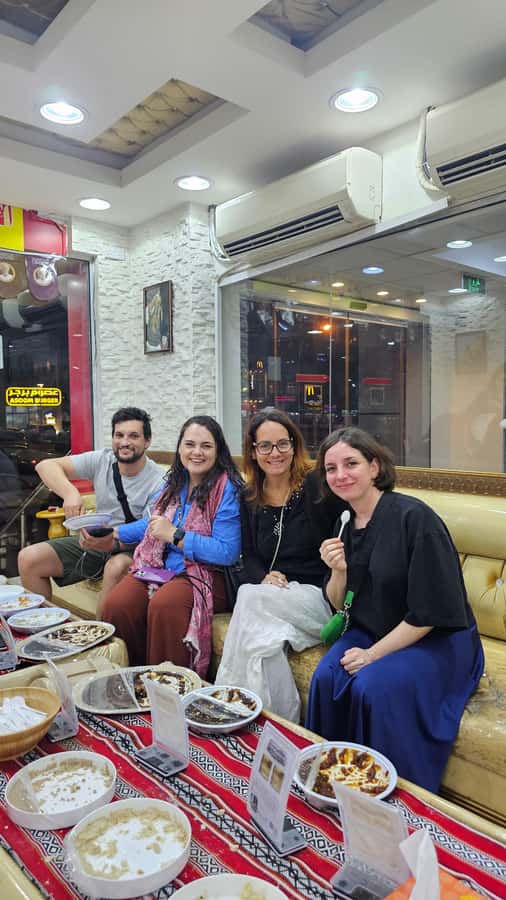
After the main savory course, the tour shifts gears with Omani Halwa. This is the kind of sweet that feels traditional without being overly delicate. Halwa here is made with nuts and saffron, and it’s built from a mix that includes honey, ghee, cardamom, and some secret ingredients.
The Halwa comes with coffee, which is a classic pairing in many parts of the region. The bitterness from coffee helps keep the sweetness from feeling heavy, especially after Shuwa and rice.
What I like about this stop is that it gives you contrast. You move from fermented, spice-forward Shuwa into a dessert that tastes warm, aromatic, and nutty—almost like a spice-laced pudding with a sticky, satisfying texture. It’s also a good moment to reset your palate before the lighter snacks and breads.
If you’re someone who thinks sweets aren’t your thing, this is still worth trying. The key flavor cues—saffron, cardamom, ghee, and nuts—are distinct enough that you’ll know what you’re tasting even if you don’t normally order dessert.
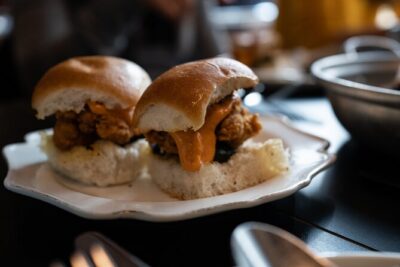
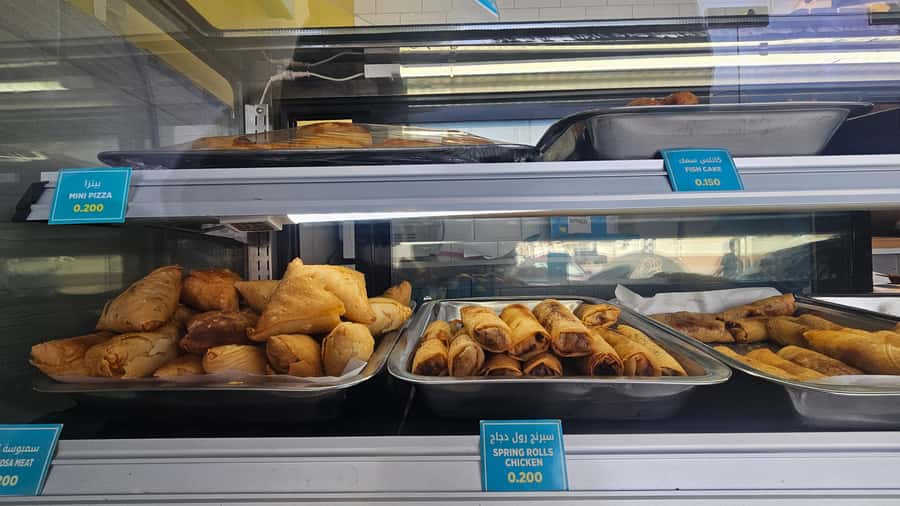
Zanzibar-style snacks in Oman: samosas, mandazi, kachori, katlisi
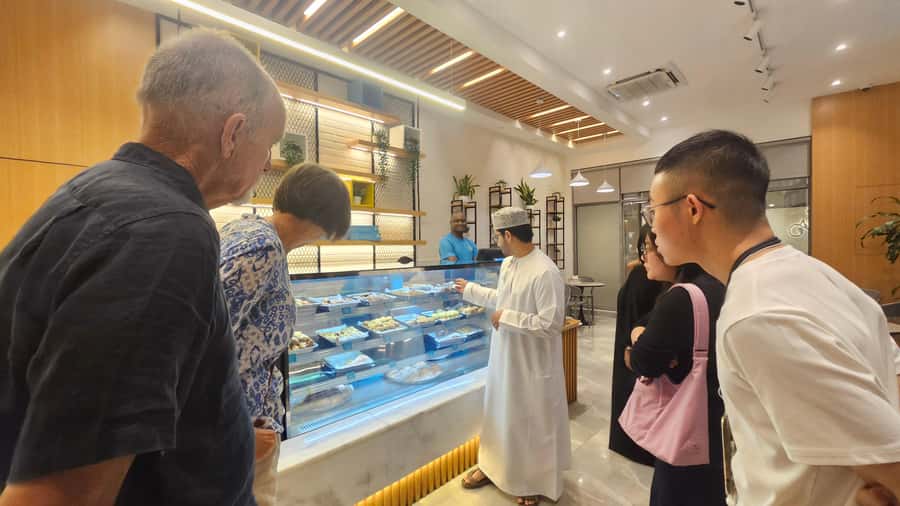
One of the most interesting parts of Oman’s food scene is how it shares flavors with nearby coasts and trade routes. This tour leans into that through light meals influenced by East Africa, especially Zanzibar.
You’ll try snacks such as:
- samosas
- mandazi
- kachori
- katlisi
These are the kind of foods that work well on a tour because they’re easy to eat in between bigger dishes. You can focus on spices, fillings, and textures rather than committing to one massive plate.
A practical thought: because these are “snack size” items, they’re also a good way to check what you like without over-ordering. If you love fried doughy bites like mandazi, you’ll know to look for similar flavors later when you’re browsing Muscat on your own.
And if you’re curious about culture, this is where the guide can connect food to everyday life—how families share snacks, what gets served at gatherings, and why these items feel familiar even when they weren’t originally born in Oman.
Omani bread tasting flight: sweet-salty combos you can actually pick
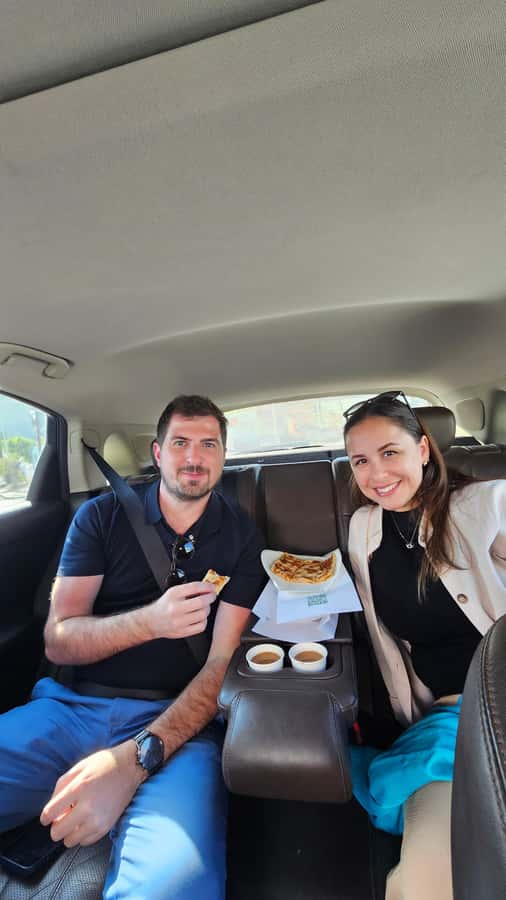
After the fried and saucy snacks, the tour moves into Omani bread slices with multiple flavor options. This isn’t just bread with toppings; it’s more like a guided tasting flight where you can compare sweet and savory profiles.
You may get bread with combinations like:
- cheese
- honey
- date juice
- eggs
- potatoes
- thyme
This stop is useful because it shows how Omani food balances comfort and variety. One bite can be soft and creamy (cheese), the next could lean earthy and herbal (thyme), and then you’re back to something sweet (honey or date juice).
For me, bread tastings are also the easiest part to enjoy without overthinking. You don’t need to know what you’re eating first—you can simply taste, react, and ask what ingredients bring each flavor to life.
If you’re the kind of eater who loves small comparisons, this stop will feel satisfying. You get to sample several directions of the cuisine without waiting for a full meal course.
Spiced tea and rose-water coffee on the move: karak style flavors
Muscat is a tea-and-coffee kind of place, and this tour makes sure you get both. You’ll sip ginger tea and coffee with rose water, plus tea built with spices like ginger, saffron, cardamom, cinnamon, and milk.
Tea here isn’t just hydration. It’s part of the pacing. Between heavier dishes, a warm spiced drink gives your mouth a reset and keeps the flavors from blending into one big blur.
One detail I’d pay attention to: asking for notes on the spice mix. If your guide explains which spices are doing what—cardamom for floral warmth, cinnamon for mild heat, saffron for that unmistakable aroma—you’ll taste more than you would otherwise.
Also, if your evening includes car ordering of karak tea, that’s a fun way to see how “street” tea culture fits into daily life. It’s casual, quick, and very Oman.
Mishkak grilled finale with tamarind-like sauce
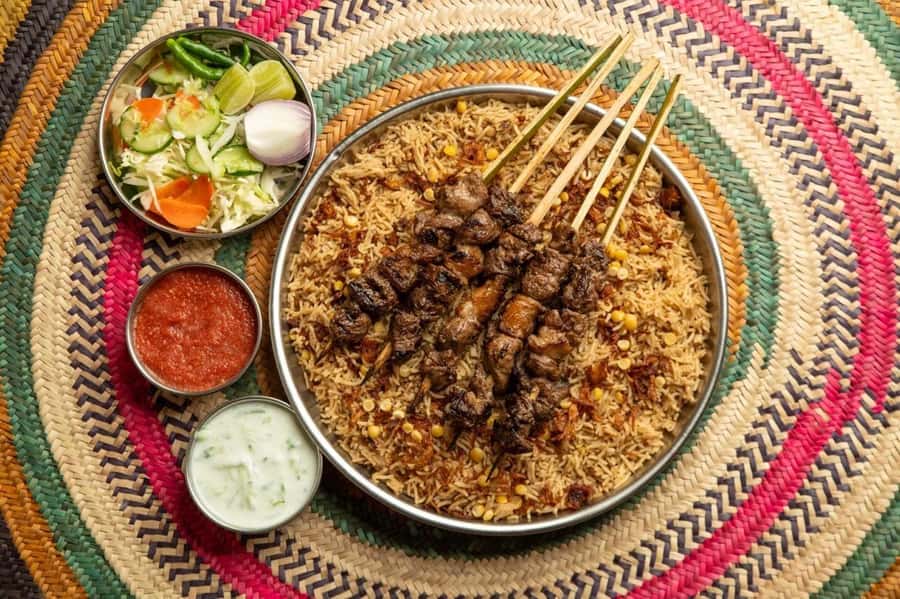
The last savory stop is mashkak (mishkak), which is grilled meat, chicken, or squid. The dish comes with a tamarind-like sauce and traditional Omani spices.
This is a great ending because it brings back the grill smoke and spices you’ve been hearing about all night. After sweets, breads, and snacks, mishkak feels like the final gear—something hot, savory, and directly flavored.
If you’re worried the tour might get too repetitive, this is where it breaks the pattern. You’re no longer eating slow-cooked or syrupy food. You’re eating grilled pieces with a tangy sauce that cuts through fat and makes you want another bite.
For vegetarians, you shouldn’t expect exactly the same thing as the meat version, but the tour can swap the main protein by using fish or salad instead of meat or chicken.
Vegetarian needs and the one real limitation: food allergies
If you’re vegetarian, the good news is that the tour offers a swap: meat or chicken can be replaced with fish or salad. That means you can still take part in the structure of the tour even if your diet avoids some proteins.
What I would clarify before booking is what you mean by vegetarian. The plan includes a fish option, so if you avoid fish too, you’ll want to ask what alternative choices are available. The provided information confirms vegetarian replacement, but it doesn’t spell out a full list of purely meat-free and fish-free substitutes.
Now the hard line: this tour is not suitable for people with food allergies. With a route that includes multiple dishes and ingredients, the safer choice is to pick a different type of experience where you can guarantee ingredient control.
How the small-group format keeps Muscat meals stress-free
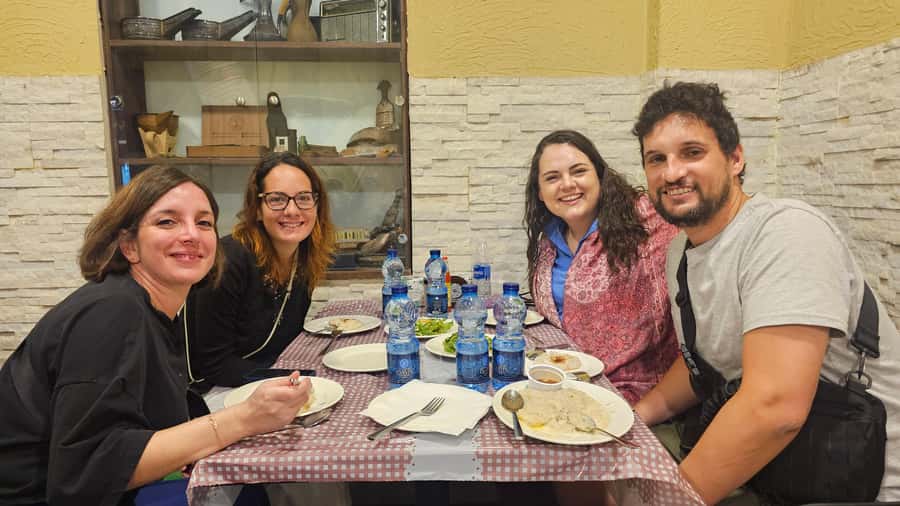
A group size of up to 6 people changes the whole vibe. You get time to ask questions, you can slow down without feeling rushed, and the guide can explain the dishes in a way that actually lands.
In practice, guides like Hisham and Yousef (and sometimes others such as Amin, Hanieh, or a trainee like Temur) are known for making the evening feel personal and relaxed. People often appreciate when the guide shares short video explanations or personal family stories tied to how food is prepared. That extra context turns tasting into learning.
There’s also a route bonus: on some evenings, you might get a short mosque stop en route or a quick walk-around visit. It’s not the core of the food, but it adds another layer of Oman beyond eating, especially if you’re trying to understand local daily life.
Logistics are straightforward:
- you’ll be picked up from your hotel lobby when your hotel is in the pickup area
- if your hotel is outside the pickup area, the meeting point is Royal Opera House
- smoking is not allowed, and no alcoholic drinks are allowed in the vehicle
- the tour is live and in English
If you’re someone who hates transportation friction, this is the kind of night that keeps you focused on food instead of getting lost in logistics.
Should you book the Muscat Omani Food Tour with Shuwa and Halwa?
Book it if you want a high-impact introduction to Omani flavors in one evening. The combination of Shuwa, Halwa, bread tastings, East African snacks, spiced tea, and a grilled mishkak finale is a strong “first Muscat night” plan, especially if you’re curious about how Oman’s coastal connections shape what’s eaten.
Skip it if you have food allergies or if you need an ultra-controlled menu. Also, if you don’t like heavy, spice-forward food, come with a strategy for pacing—this tour is built to feed you, not to offer tiny bites.
One last nudge: show up hungry. With a tour like this, the best results come from letting the evening unfold dish by dish, not from trying to hold back.
FAQ
How long is the Muscat Omani Food Tour with Shuwa & Halwa?
The tour lasts 150 minutes, and starting times can vary based on availability.
What does the $77 per person price include?
It includes hotel pickup and drop-off, Shuwa meal, Halwa with coffee, light meals from East Africa, Omani bread with various flavours, tea with spices, and Mishkak.
What foods will I try during the tour?
You can expect Omani Shuwa with Qabuli rice, Omani Halwa with coffee, Zanzibar snacks (like samosas and mandazi), flavoured Omani bread, spiced tea, and Mishkak. Ginger tea and coffee with rose water are also part of the experience.
Is pickup included, and where do I meet if my hotel is outside the pickup area?
Pickup is included from your hotel lobby when you’re in the pickup area. If your hotel is outside the pickup area or not listed, you should meet at Royal Opera House and arrive on your own.
Is the tour suitable for vegetarians?
The tour notes that you can replace meat or chicken with fish or salad if you are vegetarian.
Is this tour suitable if I have food allergies?
No. The tour is not suitable for people with food allergies.
Are alcohol or smoking allowed during the tour?
Alcoholic drinks are not allowed in the vehicle, and smoking is not allowed.