REVIEW · BANGKOK
No Diet Club – Local food tour in Bangkok with many tastings
Book on GetYourGuide →Operated by NO DIET CLUB · Bookable on GetYourGuide
Bangkok street food is the best kind of sightseeing. This No Diet Club tour strings together Chinatown, Little India, and temple-area bites into one easy 3-hour walk with plenty of tasting stops.
What I like most is the sheer amount of food you get for the money, and the way the guide keeps it fun while pointing out what you should actually notice while you eat. The one thing to think through is that, even though vegetarians are welcomed, Thai menus often lean on meat, so some tastings may be skipped or swapped depending on your preference.
In This Review
- Key points I’d pack for this tour
- A street-food walk that feels like a plan, not a gamble
- Meeting at Sam Yot: start point that keeps things smooth
- Chinatown tastings: sauces, crunch, and the logic of street orders
- Little India stop: spices you can actually track while you walk
- Temple-area plates: how the classic favorites fit in
- The guide factor: Laura and Estelle style street-food storytelling
- Mango sticky rice: the sweet ending you’ll actually crave
- Price and value: $34 for a 3-hour all-food plan
- Vegetarians are welcomed, but Thai food leans meat
- Pace and group size: easier conversations, better bites
- Who should book No Diet Club in Bangkok
- Should you book this tour or skip it?
- FAQ
- FAQ
- Where is the tour meeting point?
- What time does the tour start?
- How long is the tour?
- What’s included in the price?
- How big is the group?
- Is the tour guide in English?
- Is there a refund or flexible payment option?
Key points I’d pack for this tour
- Sam Yot metro meeting point makes it feel simple to start, even if Bangkok is new to you.
- All food is included, so you are not doing the math mid-walk or hunting for your next meal.
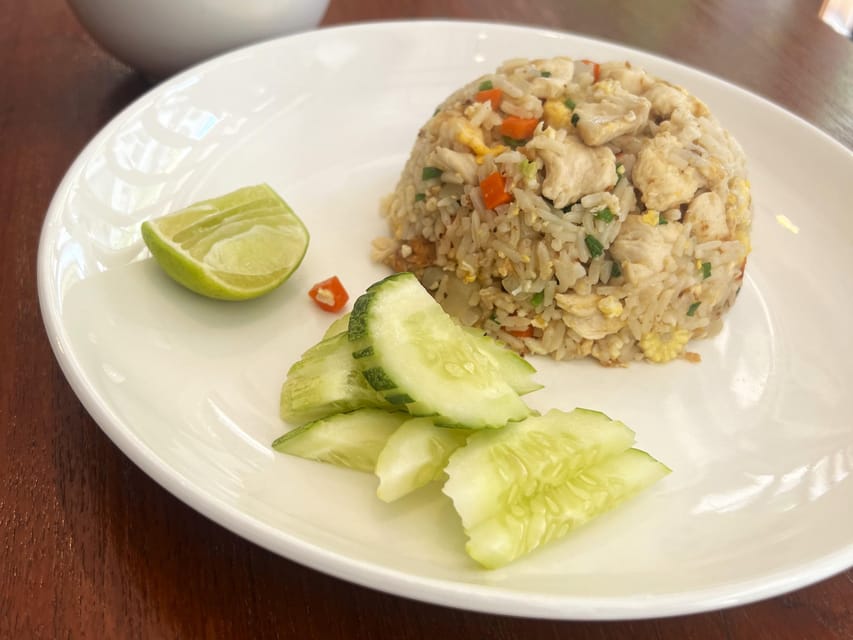
- You’ll sample recognizable favorites like Pad Thai, fried rice, Phat Kaphrao, and mango sticky rice.
- The route moves through Chinatown, Little India, and temple areas, so the flavors change as the streets do.
- It’s a small group (up to 10), which keeps the vibe social instead of chaotic.
- The English-speaking guide adds historical context plus jokes, including shout-outs in reviews for guides like Laura and Estelle.
A street-food walk that feels like a plan, not a gamble
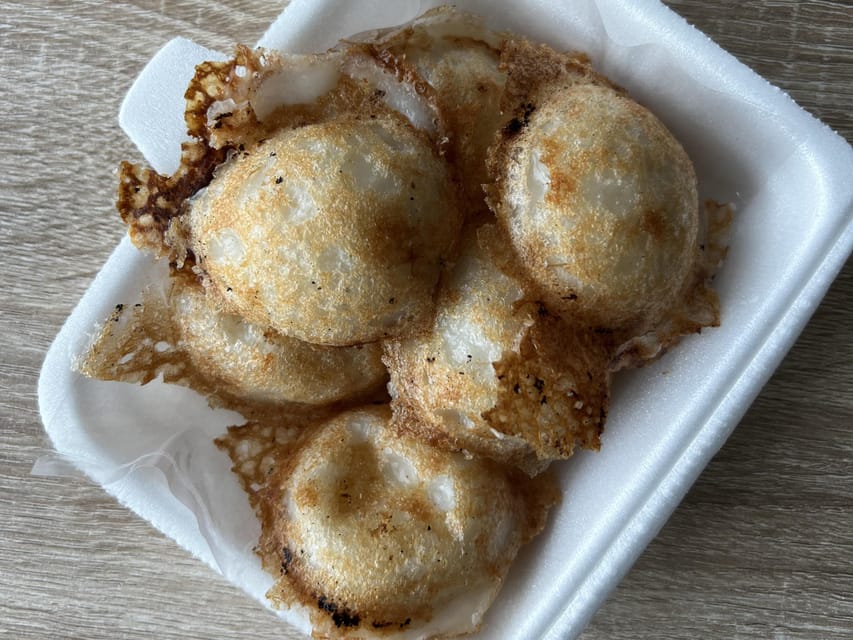
Bangkok can be a little loud and overwhelming at first. This tour helps you get your bearings fast because it’s built around short segments, clear stops, and a guide who knows where to stand and what to order.
I also like how the tour treats street food as more than just eating. You are not only tasting sauces, chili heat, crispy frying, and sticky rice textures; you are learning how to read the choices in front of you. That makes your next meal in Bangkok more confident, not more random.
You can also read our reviews of more food & drink experiences in Bangkok
Meeting at Sam Yot: start point that keeps things smooth
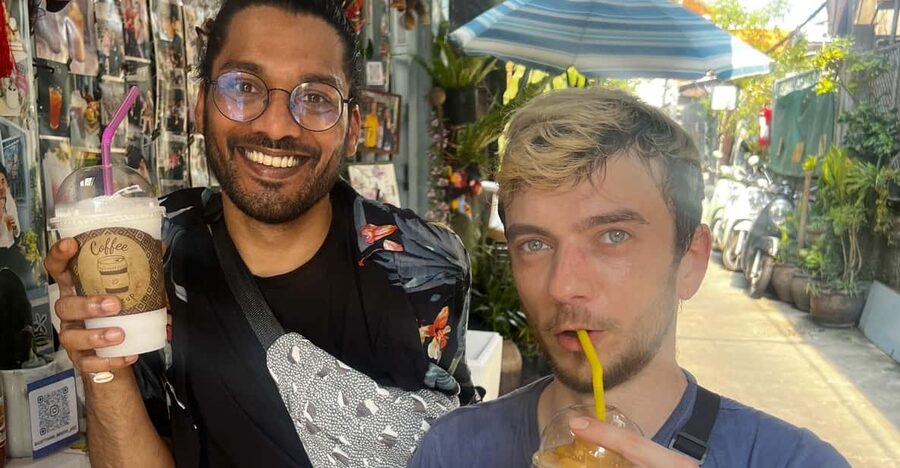
You meet at the Sam Yot metro station, and the tour ends back at that same point. That round-trip setup matters because you can spend the first 10 minutes just getting oriented, instead of spending your energy navigating.
The tour runs for about 3 hours, so you get enough time to move through multiple neighborhoods without feeling like the whole day is tied up. For first-timers, that sweet spot is huge: you can still fit in other sights afterward.
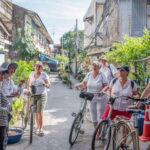
Since it’s a walk around the city, you should expect to be on your feet and moving between areas. The benefit is you get the real street-food geography: where people actually line up, where smoke hangs over food stalls, and where smells guide you from one stop to the next.
Chinatown tastings: sauces, crunch, and the logic of street orders
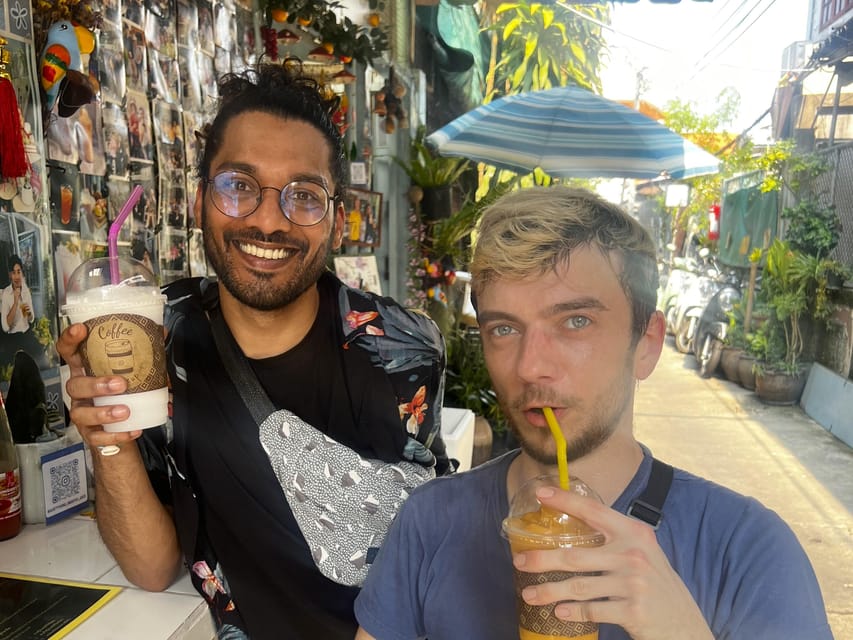
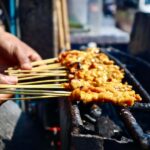
Your route includes Chinatown, and this is where street food often does its best work: bold flavors, fast turnover, and dishes built for maximum satisfaction. The tour’s pitch is that you’ll try popular items you’ve heard about, along with lesser-known dishes locals go for.
In Chinatown-style eating, what you want to pay attention to is balance. You’ll run into plates with sauce, chili, and that mix of crisp edges plus soft cores you get from crispy frying. You’ll also see how sticky rice and saucy dishes can travel together on the same food journey.
Even if you’ve eaten Thai before, this part helps you reset expectations. Thai street food is rarely subtle, and the fun is learning how each vendor’s style shows up in the texture, not just the flavor.
Little India stop: spices you can actually track while you walk
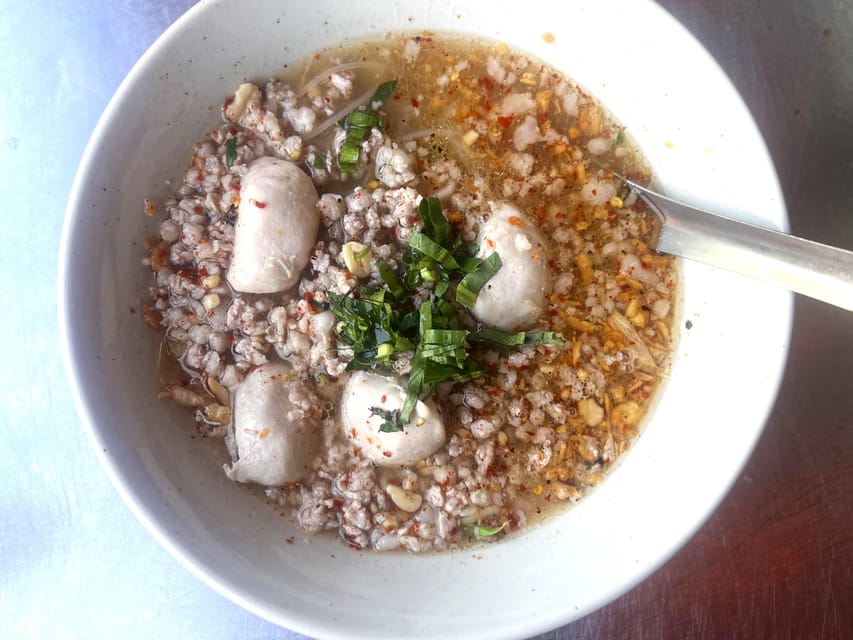
The tour continues through Little India, and the big value here is contrast. Bangkok neighborhoods do not taste the same, and you can feel it when you move from one area to another.
This part of the walk is a lesson in noticing spices and how heat behaves in different dishes. You’ll be tasting foods shaped by different cooking traditions, and that makes the overall tour more interesting than a repeat loop of the same two dishes at different stalls.
The practical win is that you are not just chasing the most famous names. You get to see how street vendors think about seasoning and when they choose chili, sauce, or aromatic spices to carry the meal.
Temple-area plates: how the classic favorites fit in
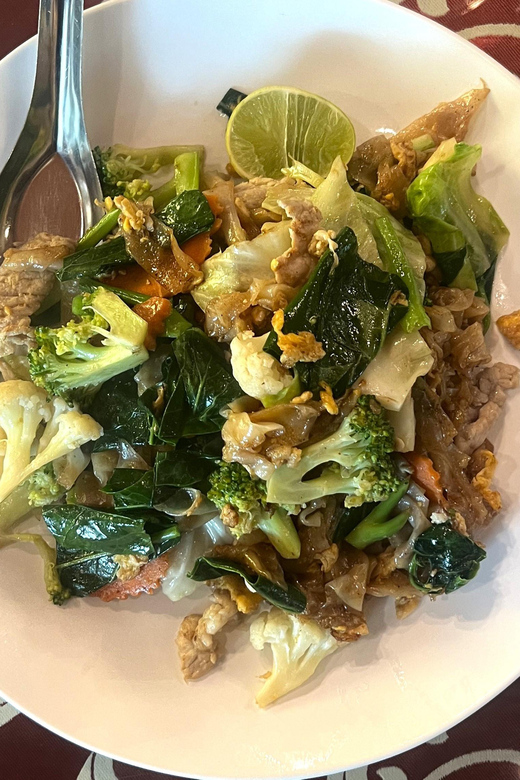
The route also takes you toward the temples area, where the food scene often feels both everyday and slightly special. This segment is where you’ll connect the dots between familiar Thai dishes and the way they show up on street tables.
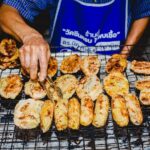
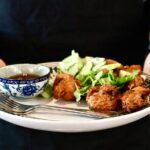
You’ll taste some of the classics that many people come to Bangkok for, including Pad Thai and fried rice. You’ll also try Phat Kaphrao, a dish you’ll likely recognize by its strong flavor profile and satisfying stir-fry approach. And because Thai street food often saves the best sweet moment for the end, you get a mango sticky rice finish as well.
What I like about placing these staples inside a walking route is context. When you taste Pad Thai or fried rice in a local street-food setting, you understand why these dishes became famous in the first place. It’s not just a menu checkbox; it’s what the city keeps ordering.
A few more Bangkok tours and experiences worth a look


The guide factor: Laura and Estelle style street-food storytelling
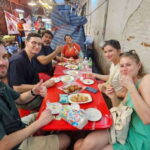
The tour is led by a live guide in English, and the human element is a big part of why this works. Reviews highlight guides like Laura and Estelle, and the consistent theme is that they bring warmth and humor without turning the meal into a lecture.
You also get historical hindsight, which is useful because street food in Bangkok is not random. The guide can explain what you’re seeing, why certain dishes are common, and what makes one stall different from the next. The result is that your tastings feel connected instead of scattered.
And yes, there’s humor too. The tour mentions jokes that are great or bad, and that kind of looseness matters when you are eating in public and sharing space with strangers. It helps you relax, ask questions, and enjoy the walk.
Mango sticky rice: the sweet ending you’ll actually crave
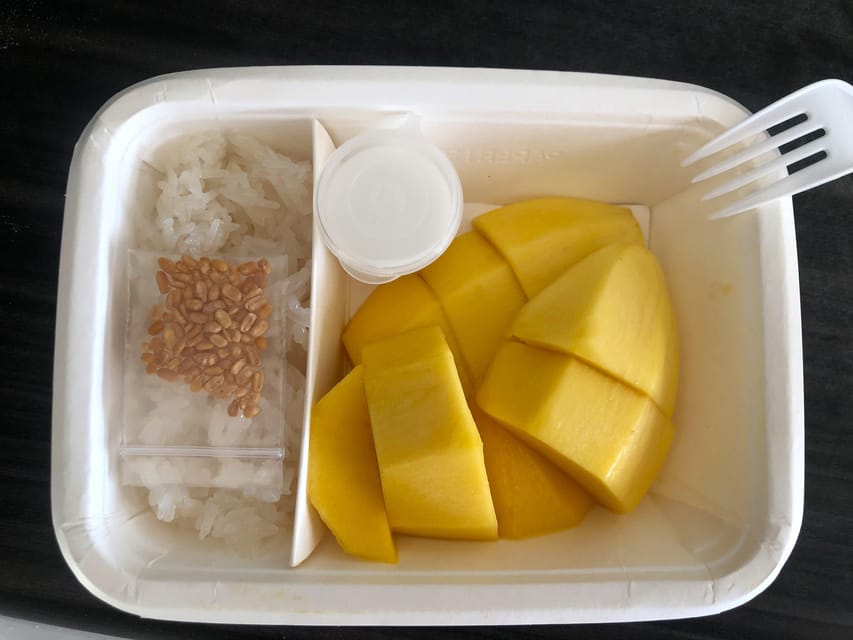
A tour can have great food and still miss the finish. This one doesn’t, because you end with mango sticky rice, which is exactly the kind of dessert that caps a street-food run.
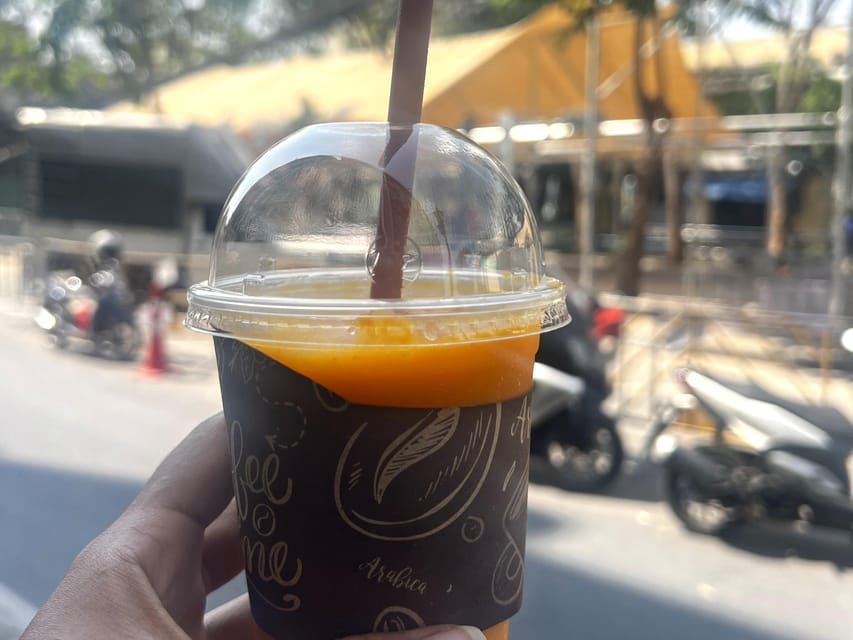
Sticky rice desserts are all about texture and balance. When mango shows up in that sweet-salty street-food context, it feels like a reward rather than an afterthought. You’ll leave with a clearer idea of what Bangkok desserts taste like at street level, not just in restaurants.
If you worry about getting too full, don’t. The whole point here is many tastings, spread across multiple stops. You’re learning the range of flavors as you go, and the mango sticky rice is the payoff.
Price and value: $34 for a 3-hour all-food plan
At $34 per person for about 3 hours, the best way to judge value is simple: you’re not paying just for walking or storytelling. You’re paying for all the food you eat during the tour.
That matters because street-food meals can add up fast when you start buying one thing, then another thing, and then realizing you still want dessert. Here, you know you’ll be tasting a lineup that includes Pad Thai, fried rice, Phat Kaphrao, and mango sticky rice plus other local dishes along the route.
The small group also improves value. With a limit of 10 participants, you spend less time waiting and more time eating. In a city like Bangkok, that difference feels real.
Vegetarians are welcomed, but Thai food leans meat
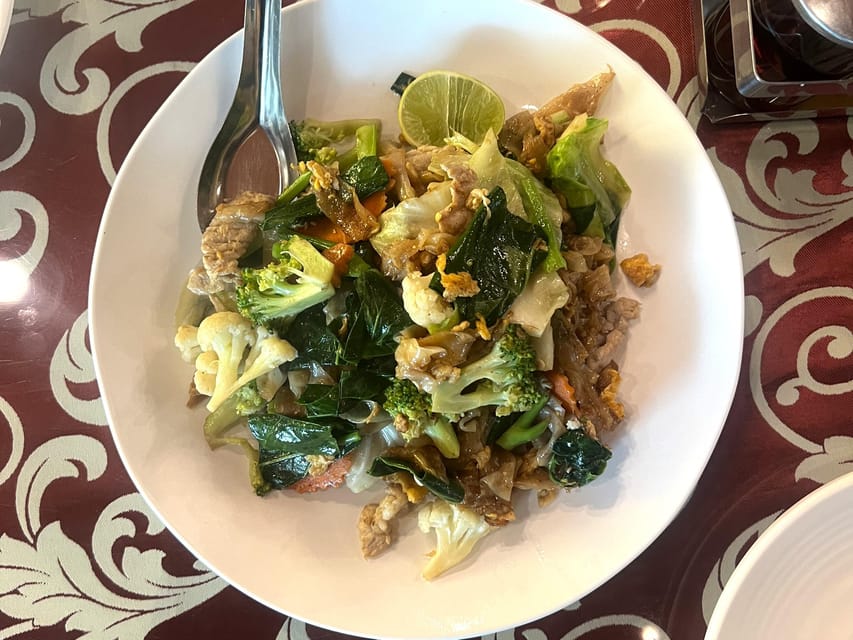
This tour explicitly welcomes vegetarians, but it also tells you the obvious truth: Thai cooking often uses meat. Depending on your preference, some spots might be skipped or exchanged.
So don’t assume every tasting will automatically be vegetarian. If you are strict, you’ll want to communicate that clearly to the guide. If you are flexible (for example, you avoid meat but can handle certain ingredients), tell them where your line is so they can guide you toward the best alternatives.
The upside is that the tour is designed to adapt. The guide is there to help you keep moving through the neighborhoods while still giving you a satisfying food experience.
Pace and group size: easier conversations, better bites
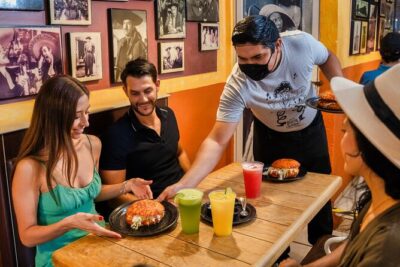
The tour is capped at 10 participants, which keeps the vibe friendly. You’ll meet new foodie friends from all over the world, and the group size makes it easier to actually talk without shouting over the street.
The pace is built for eating. You get stops across different areas, but it stays within a 3-hour window, so you’re not stuck for hours in one neighborhood. You also return to the meeting point, which helps you plan your next move.
For me, that group size is the practical difference between a tour that feels like a parade and one that feels like a shared meal with a guide who can keep you on track.
Who should book No Diet Club in Bangkok
Book this if you are:
- New to Bangkok and want a clear route through Chinatown, Little India, and temple areas.
- Interested in classic Thai staples like Pad Thai, plus other local favorites you might not order on your own.
- Traveling with limited time and want all food included in a 3-hour block.
- The type who likes friendly group energy and doesn’t mind laughing while you eat.
You might hesitate if:
- You need a fully vegetarian menu with no exceptions. The tour says accommodations happen, but it also warns you that some tastings could be skipped or exchanged.
Should you book this tour or skip it?
If you want a smart introduction to Bangkok street food that’s built for variety, this is a strong pick. All food included, a route that changes neighborhoods (not just restaurants), and a small group add up to a value-focused way to eat your way around the city.
One more reason to say yes: the guide adds context. When you taste multiple dishes like Pad Thai, fried rice, Phat Kaphrao, and mango sticky rice inside a guided walk, you leave with ideas you can use on your own afterward.
FAQ
FAQ
Where is the tour meeting point?
You start at the Sam Yot metro station.
What time does the tour start?
This experience has 3-hour timing slots, so you’ll need to check availability to see the specific starting times.
How long is the tour?
The duration is 3 hours.
What’s included in the price?
All the food is included.
How big is the group?
The group is small, limited to 10 participants.
Is the tour guide in English?
Yes, the tour has a live tour guide in English.
Is there a refund or flexible payment option?
You can cancel up to 24 hours in advance for a full refund, and you can reserve now and pay later.
If you’d like, tell me your travel dates and whether you eat vegetarian or strictly vegetarian, and I’ll help you decide if this is the right match for your Bangkok plan.