REVIEW · PARIS
Paris: Guided Champagne & Food Tour in St-Germain-des-Pres
Book on GetYourGuide →Operated by My Winedays · Bookable on GetYourGuide
Champagne tastes better with a plan. In Saint-Germain-des-Prés, a local expert threads Champagne-and-food pairing through classic Paris streets and small artisan stops. You’ll finish in a cellar tasting that explains what you’re actually drinking, not just what to toast.
I especially like the way this tour mixes real neighborhood strolling with food you can picture at a French bistro table. The guide I’d look for is often Raphael, who’s known for tying history and gastronomy into the stops while you sample wines. The main drawback to flag: this is a tasting-style experience, so if you’re expecting a big meal early, you may feel it builds more toward the end.
In This Review
- Key things to know before you go
- Saint-Germain-des-Prés: Why this walk feels like real Paris
- Meeting at Les Deux Magots and setting expectations for the 3-hour pace
- Five artisan stops and a tasting board you’ll actually understand
- Cheese stop: where fat meets bubbles
- Bakery stop: bread as the flavor anchor
- Pastry stop: sweet tasting that doesn’t wreck the rest
- Prosciutto bread and macaroon-style moments
- Photo stop and neighborhood sightseeing without the museum fatigue
- Cellar pairing in the final stop: learning Champagne with your mouth, not a textbook
- The star tastings: at least 3 Champagnes plus 6 delicacies
- Quick reality check: it’s tasting portions, not a full dinner
- Price and value: is $163 worth it?
- Who this tour suits (and who should think twice)
- Before you go: small practical tips that help a lot
- Should you book this Champagne & food tour in Saint-Germain?
- FAQ
- How long is the Paris Champagne and food tour in Saint-Germain?
- Where do I meet the guide?
- What’s included in the tasting?
- How many people are in the group?
- What language is the tour guide?
- Is there free cancellation?
- Do I need to bring anything?
Key things to know before you go
- Meet at Les Deux Magots to start the walk in a recognizable Saint-Germain landmark
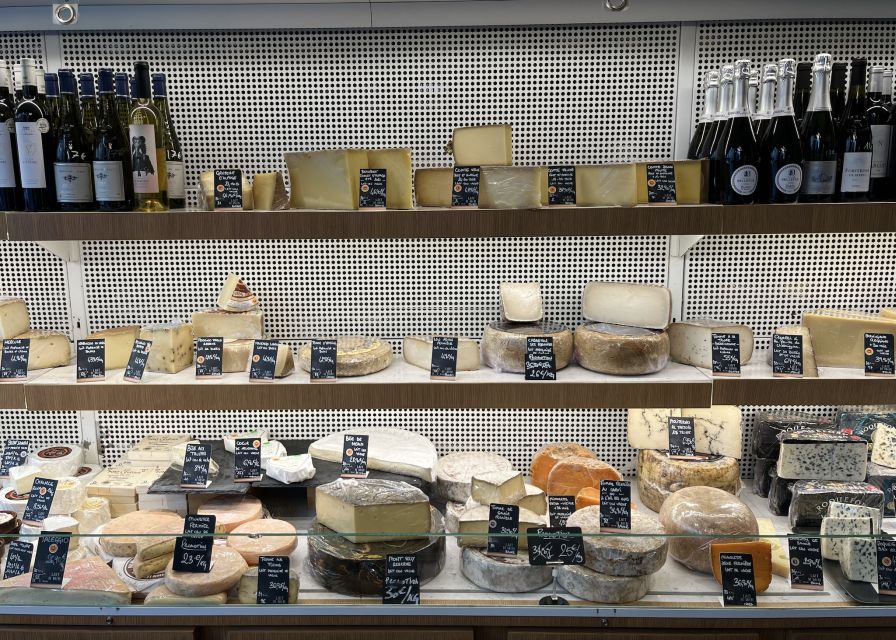
- 6 delicacies paired with Champagne over multiple stops, including cheese, bread, and pastries
- Cellar pairing is the finish where you learn about Champagne while tasting
- Small group (max 10 people) keeps the pace friendly and the questions useful
- At least 3 Champagnes are included, often featuring smaller houses
- Comfortable shoes matter since it’s a 3-hour walking route through tight streets
Saint-Germain-des-Prés: Why this walk feels like real Paris
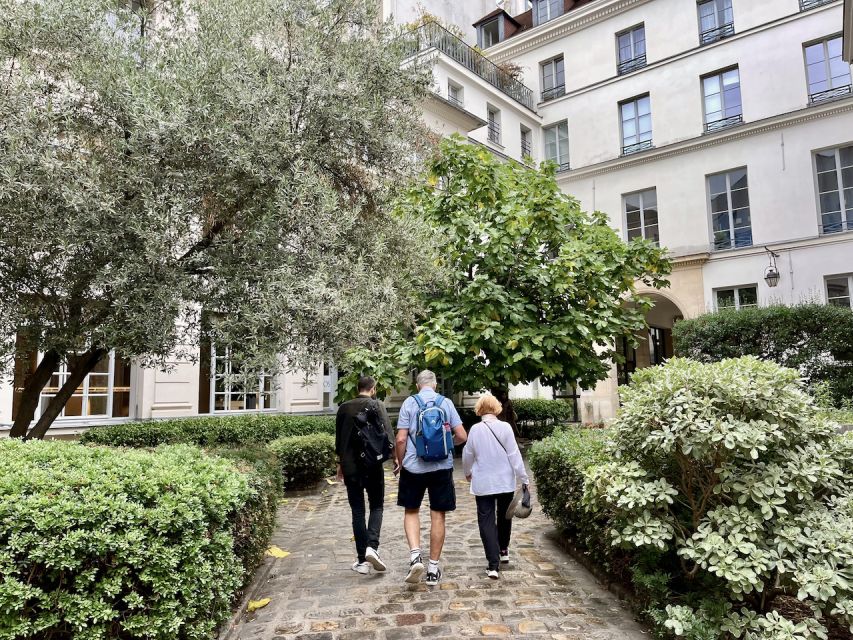
Saint-Germain-des-Prés is the part of Paris where you can still slow down. The streets are narrow enough to make you look up, and the cafés and specialty shops feel like they serve locals, not just visitors. That matters on a Champagne tour, because the best pairing experiences come from context: where the food is made, how it’s sold, and what kind of everyday eating it’s built for.
This tour leans into that “Paris by the senses” approach. You’re not spending all your time indoors. You’ll walk, glance at streets and sights along the way, and then step into shops to pick up the pieces of your tasting board. It’s one of the few ways to drink Champagne in Paris without it feeling like a performance.
If your goal is to understand French “good living” through food, the setting helps. You’re literally moving from artisan counter to artisan counter, which makes the later cellar lessons easier to remember. It’s not just drinking; it’s learning how flavors work together.
You can also read our reviews of more food & drink experiences in Paris
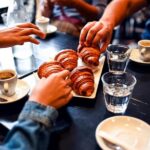
Meeting at Les Deux Magots and setting expectations for the 3-hour pace
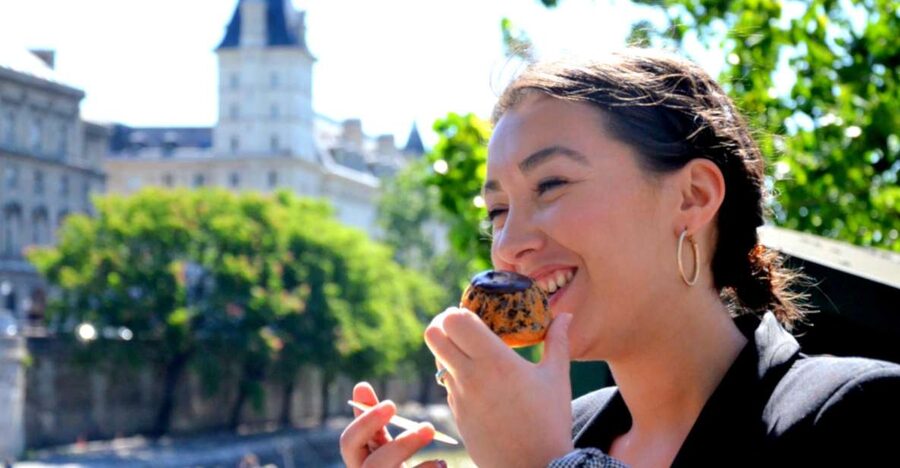
You meet your guide at Les Deux Magots, one of the most recognizable brasseries in the area. That’s smart for two reasons: it’s easy to find, and it anchors you in a classic Paris meeting point instead of a random street corner.
From there, the plan is a 3-hour walking tour with several stops. The pacing is comfortable for a “tasting plus walking” format, but you should still plan on being on your feet. Bring comfortable shoes, because Saint-Germain streets include cobbles and smooth sidewalks that can be a bit slippery if you’re in the wrong footwear.
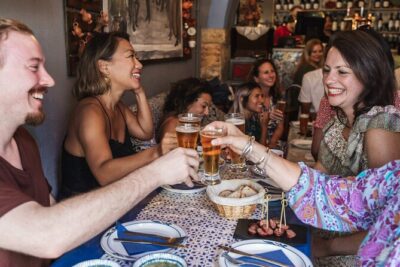
The group size is capped at 10 people, which makes a real difference. With a smaller group, you’re more likely to get a specific answer when you ask questions like what makes one Champagne style different from another, or why certain cheeses work better with certain pours. You’re also less likely to feel rushed at each shop.
Five artisan stops and a tasting board you’ll actually understand
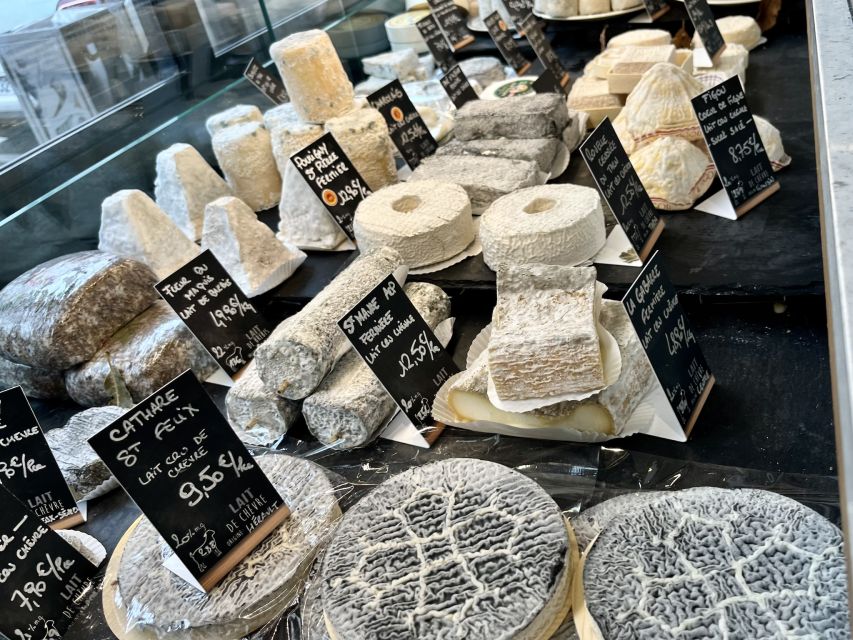
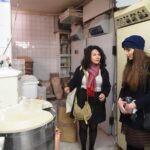
The tour builds a food-and-wine sequence as you go. Your guide arranges stops at local shops to collect the delicacies you’ll pair with Champagne at the end. You’ll also get short explanations as you walk, so you’re not only eating—you’re learning how the tasting is meant to progress.
Cheese stop: where fat meets bubbles
One stop focuses on cheese at a typical cheese dairy. This is one of the most logical choices for Champagne pairings. Cheese brings fat and salt, and Champagne’s acidity cuts through that richness. When you taste more than one Champagne style, cheese becomes your “flavor translator.”
If you’re the kind of traveler who thinks Champagne is only for celebrations, this is where your mind starts changing. Instead of sweet notes standing alone, you begin noticing structure: acidity, body, and how the bubbles reset your palate between bites.
Bakery stop: bread as the flavor anchor
You also visit an authentic bakery for bread. Bread is underrated in tasting tours, but it’s incredibly helpful. Bread cushions strong flavors, keeps salt from taking over, and makes you notice differences in Champagne without the food shouting back.
In practice, this means you’ll get a more balanced sense of each pour. You’re less likely to feel overwhelmed by one dominant flavor and more likely to catch the subtler differences between Champagne styles.
A few more Paris tours and experiences worth a look
Pastry stop: sweet tasting that doesn’t wreck the rest
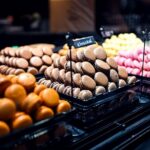
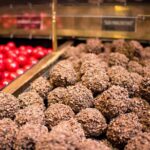
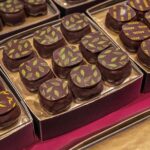
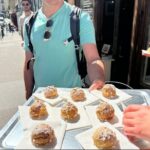
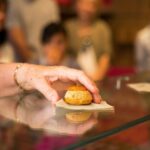
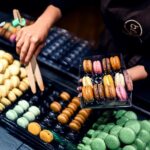
Pastries are part of the plan too, including a stop at Maison Mulot. Sweet bites are tricky with Champagne because you can accidentally push everything toward dessert and lose the wine’s character. The reason this tour works is that the food isn’t random. It’s placed so you can compare styles while your palate stays engaged.
This is also where you might notice how the guide talks through pairing logic. You’ll hear how sweetness, texture, and acidity influence each other. Even if you’re not a wine expert, the approach makes the tasting feel like a lesson you can follow.
Prosciutto bread and macaroon-style moments
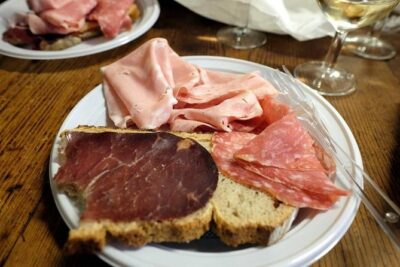
A couple of delicacies you may encounter during the tour include prosciutto bread and macaroon-style pastry options. Again, the value is the pairing thinking: salty, savory bites against the lift of bubbles. It’s a great way to discover that Champagne isn’t just for toasting white-tie events. It works with real food, especially the kind you’d buy off a counter and eat in small amounts while wandering.
Photo stop and neighborhood sightseeing without the museum fatigue
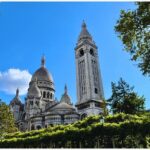
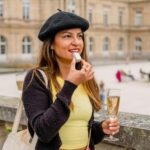
Along the route, there’s also a photo stop and guided sightseeing through the neighborhood streets. You get the sense of place without it turning into a long lecture. It’s a practical way to tie history and culture to what’s in your hands.
Cellar pairing in the final stop: learning Champagne with your mouth, not a textbook
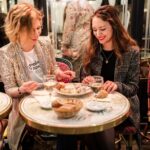
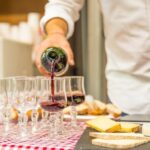
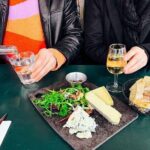
The tour’s last stop is in a local wine cellar. This is where everything you collected starts making sense. You’ll do a food-and-Champagne pairing session and learn about Champagne—how styles differ and what to look for when you taste.
Cellars are perfect for this moment. They create a calmer setting, so you can focus on the wine and the flavors. After walking around Saint-Germain, you get a shift from street motion to stillness, which makes the tasting more memorable.
What I’d watch for in the cellar lesson is how the guide connects the pairing to the actual wine. Champagne can feel like a single category if you only ever buy one brand. But when you’re tasting multiple styles back-to-back with bites, you start understanding the “why.” You’ll notice how different Champagnes interact with salt, fat, and sweetness.
If you’re the type who loves trivia, this is the segment where the guide’s stories can really land. The best guides tie Champagne to French food culture and to the way people have always used wine alongside meals.
The star tastings: at least 3 Champagnes plus 6 delicacies
This tour includes tastings of at least 3 Champagnes, plus multiple delicacies for pairing. On paper, that’s a good deal for the time. In real life, it’s more useful than you might expect, because you’re comparing styles with food rather than drinking a flight in isolation.
A highlight from the experience is the chance to taste Champagnes from smaller houses. Even if you’ve tried mainstream brands before, a smaller producer tasting can change how you hear what Champagne is doing. You may come away thinking about style choices—texture, freshness, and how the bubbles behave with food—rather than only brand name.
The delicacies matter too. The mix of cheese, bread, and pastries gives you a full flavor spectrum: creamy and salty, neutral and supportive, and sweet and delicate. That makes it easier to learn pairing rules you can repeat later when you order at a bar.
Quick reality check: it’s tasting portions, not a full dinner
Most Champagne-and-food tours are not a substitute for dinner. Even though the tasting includes several bites, it’s still portion-sized. Plan to treat it like a food experience that fills in your trip calendar, not a meal replacement.
If you’re hungry right when you start, eat something light beforehand. That way you’ll enjoy the tastings without feeling rushed toward the last stop.
Price and value: is $163 worth it?
At $163 per person for a 3-hour, small-group experience, the value comes from what’s included: multiple Champagne tastings plus several paired delicacies, guided by an English-speaking wine expert, and served at local shops and in a cellar setting.
Here’s how I think about the math. You’re paying for more than the Champagne. You’re paying for:
- multiple tastings rather than a single glass
- specialty food bought across several artisan stops
- a guide who explains the logic behind pairing, not just the flavor names
- a small-group format (max 10), which keeps the experience personal
If you were to buy a comparable “flight” at a wine bar and then separately chase cheese, bread, and pastries in a neighborhood you don’t know well, costs add up quickly. The tour also saves you from guesswork: you don’t have to decide where to go for quality ingredients on your first day in a neighborhood.
One thing to keep in mind: gratuities aren’t included. So if you’re budgeting carefully, add a bit for your guide. That’s not unusual in Paris, but it’s good to remember so the final total doesn’t surprise you.
Who this tour suits (and who should think twice)
This is a great fit if you want to:
- learn how Champagne pairs with real French food
- spend time in Saint-Germain-des-Prés without it turning into a checklist
- get guided explanations in English, with the option for French and Spanish too
- enjoy smaller groups where you can ask questions
It may be less ideal if you want:
- a full meal experience with substantial portions early on
- very specific luxury foods every time (for example, some travelers hope for items like foie gras, and that depends on the tour’s planned tasting lineup)
Also, if you’re very sensitive to timing, pay attention to expectations. This is structured as a walk with shops that build toward the cellar pairing at the end. If you like your dining in one big chunk, it might feel gradual.
That said, the gradual build is often what makes the learning work. You taste, pause, compare, and then finish with a pairing lesson where your palate is already calibrated.
Before you go: small practical tips that help a lot
A few details will make your experience smoother.
- Wear comfortable shoes. You’re walking for the full 3 hours.
- Come with a light appetite. The tastings are meaningful, but it’s not a dinner menu.
- Be ready to ask questions. With a small group, your guide can tailor explanations, especially about Champagne styles and pairing logic.
- Expect a guide-led flow, not a free-for-all. You’ll stop at set shops to collect delicacies, then finish together in the cellar.
If your group size doesn’t meet the minimum requirement, the tour can be canceled and you’ll be offered an alternative or a full refund. That’s worth noting if you’re booking late or traveling around tight dates.
Should you book this Champagne & food tour in Saint-Germain?
If you’re choosing between doing Champagne on your own and doing it with structure, I’d lean toward booking this one—especially if you want to taste multiple styles and learn why they work with food. The neighborhood setting, the small group size, and the fact that the tastings happen alongside specific deli stops make it feel like a real Paris day, not a generic wine excursion.
Book it if you:
- like food shopping energy (cheese, bread, pastries)
- want a cellar pairing lesson with guided context
- appreciate walking tours that teach rather than just point
Consider skipping (or pairing it with a proper meal plan) if you:
- expect a heavy dinner-style lunch early in the route
- want one single Champagne brand experience rather than comparisons
FAQ
How long is the Paris Champagne and food tour in Saint-Germain?
The tour lasts 3 hours.
Where do I meet the guide?
You meet your guide in front of Les Deux Magots.
What’s included in the tasting?
The tour includes tastings of at least 3 Champagnes and several delicacies to pair with your Champagne.
How many people are in the group?
The tour is a small group with a maximum of 10 people.
What language is the tour guide?
The tour is available with an English-speaking wine expert, and guides also operate in French and Spanish.
Is there free cancellation?
Yes. You can cancel up to 24 hours in advance for a full refund.
Do I need to bring anything?
Wear comfortable shoes for walking during the 3-hour tour.