REVIEW · RETHYMNO
Rethymno:Evening tasting tour
Book on GetYourGuide →Operated by Rithyland · Bookable on GetYourGuide
Cobbled alleys taste better at night. This Rethymno evening tasting tour turns the Old Town into a bite-by-bite lesson in Cretan food culture, with stops you’d miss on your own. I love how it balances walking with actual taste moments, so you’re never stuck in one shop too long.
Two things I particularly like: you’ll watch Mr. Giorgos Chatziparaschos produce handmade phyllo crust and kadaifi for phyllo baklava, and you finish with Cretan wine and meze at a traditional taverna in the heart of the Old Town. It’s a small-group setup, so the guide can talk you through what you’re eating.
One consideration: a couple of the shop stops can feel more sales-focused than strictly food-focused. Go in with a plan—browse if you want, skip purchases if you don’t—so the whole experience stays about tasting.
In This Review
- Key highlights you should know
- Why Rethymno’s Old Town at Night Works for Food
- Starting at 4 Martyr’on Square: the “new meets old” vibe
- The tasting stops: sampling Cretan flavors as you walk
- What’s likely to be included in your tastings
- A fair heads-up about retail pressure
- The phyllo baklava workshop with Mr. Giorgos: where the tour earns its price
- Snack in a historic alley: the perfect pause (and a good photo moment)
- Meze taverna and Cretan wine: finishing with the right kind of satisfaction
- Alcohol policy for the whole group
- Why the taverna stop matters
- Price and pacing: is $41 fair for 2 hours?
- Who this tour fits best (and who should skip it)
- Tips to make your evening smoother
- Should you book Rethymno’s Evening Tasting Tour?
- FAQ
- How long is the Rethymno evening tasting tour?
- Where do I meet the guide?
- How big is the group?
- What food and drink is included?
- Is there a vegetarian option?
- What should I bring or wear?
- Is the tour wheelchair accessible?
Key highlights you should know
- Small group (up to 6) means more Q&A and less crowd noise while you taste.
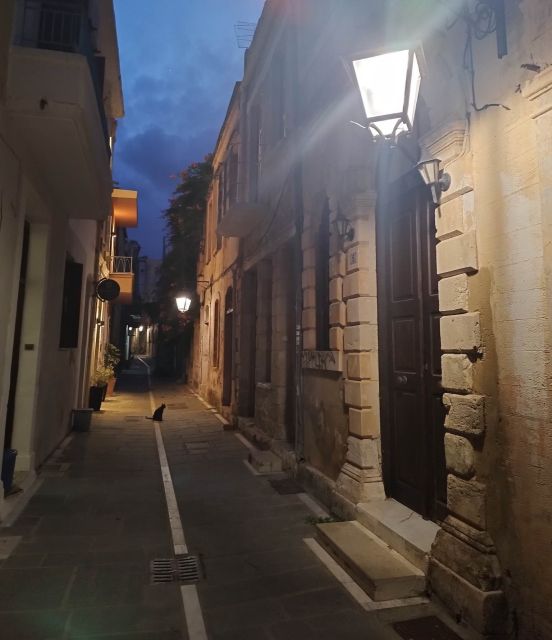
- Old Town night stroll along narrow cobbled paths, right around 4 Martyrs Square.
- Phyllo baklava workshop where handmade phyllo and kadaifi are made traditionally.
- Central alley snack moment in a historic setting that changes the feel of the tour.
- Cretan wine with meze at a traditional taverna, not just a quick drink stop.
- Smart casual dress + comfortable shoes helps you enjoy the walking parts.
Why Rethymno’s Old Town at Night Works for Food
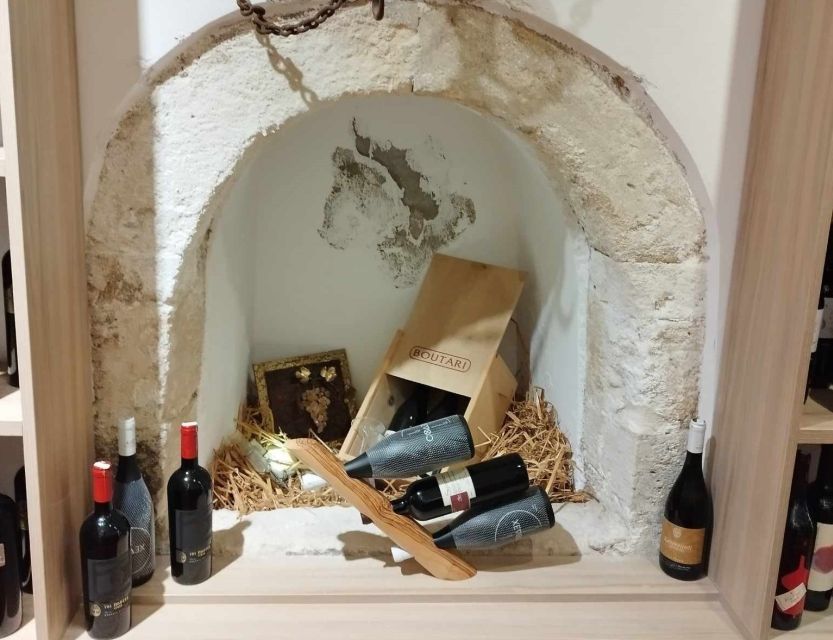
Rethymno’s Old Town has a way of slowing your brain down. At night, the narrow lanes feel calmer, the lighting is softer, and food isn’t just something you fit in between photos. This tour leans into that. You’re walking through historic streets and stopping where the locals buy and prepare food, so the tastings feel connected, not random.
What I like about the timing is simple: you’re not rushing through museums or big monuments. In two hours, you get focused bites—then you end with wine and meze. That structure keeps it satisfying even if you’re not starving at 7-ish.
Also, the guide’s job here isn’t just to hand you samples. You’ll get context as you walk, like how different Cretan foods fit together and why certain items are made the way they are.
You can also read our reviews of more food & drink experiences in Rethymno

Starting at 4 Martyr’on Square: the “new meets old” vibe
You meet at 4 Martyron Square, at Gerakaris 6, with your guide holding a sign for Rithyland. You should be facing the 4 Martyrs church when you look for them, because that square is the kind of landmark you’ll use for orientation the whole walk.
This matters more than it sounds. The square is described as the border between the areas where the new center meets the historical center still connected by the old walls. Translation: in a short time, you’ll bounce between different layers of the town—useful if it’s your first evening in Rethymno.
You’ll then move onto cobbled, narrow lanes. Bring comfortable clothes and shoes you trust on uneven ground. This is not a stroller-friendly surface, and it’s not ideal for anyone with mobility issues.
The tasting stops: sampling Cretan flavors as you walk
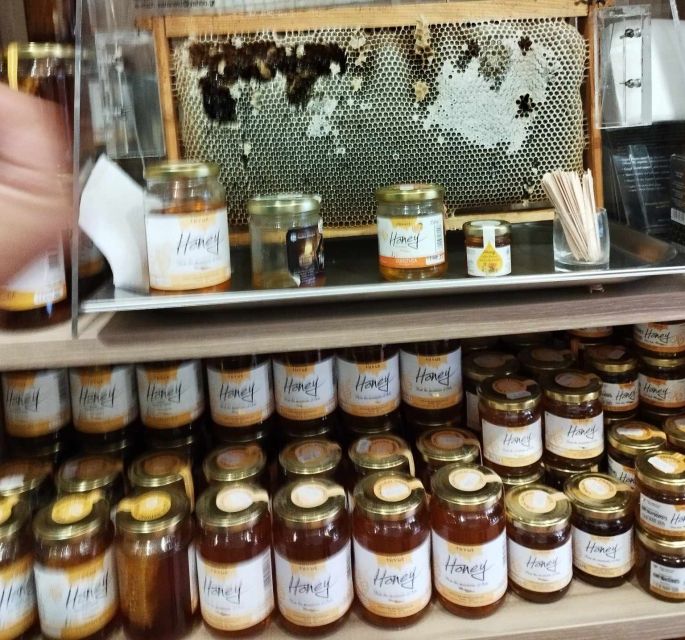
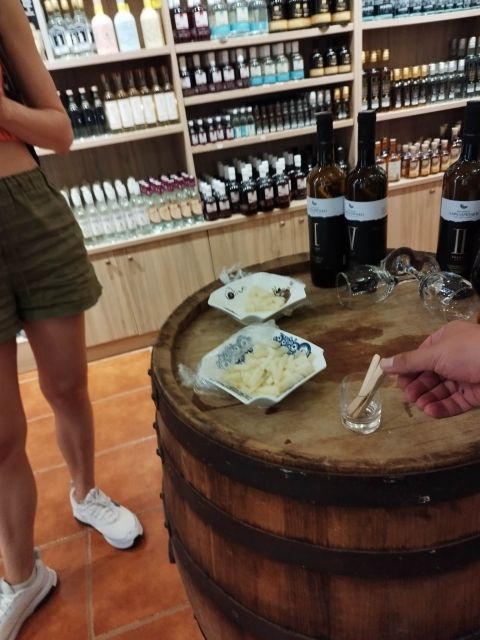
The core of the tour is a slow food walk with multiple tasting moments. You’ll stop at traditional food shops and taste selected samples along the way. One part of the experience is specifically described as enjoying a snack in one of the most central historic alleys—so you’re not just standing at counters. That alley stop gives you a pause point and helps the tour feel like an evening, not a checklist.
What’s likely to be included in your tastings
You can expect “Cretan delicacies” tasting as part of the route, plus:
- A snack stop during the walk
- A viewing and tasting connected to the phyllo baklava workshop
- A finishing meze taverna experience with a drink
The important practical detail: the tour includes tasting, not a full dinner. So if you usually eat a big meal late at night, you may still want to plan a full dinner after—or before—your 2-hour slot.
A fair heads-up about retail pressure
One thing to keep in mind: at least some shop stops can include more selling than eating. That doesn’t mean you’ll be forced to buy anything, but the vibe can shift. If you’re sensitive to sales talk, decide early that you’ll enjoy the food samples and keep purchases optional.
I’d rather see your evening protected by a mindset like: sample, ask a question, move on. It keeps the experience enjoyable.
The phyllo baklava workshop with Mr. Giorgos: where the tour earns its price
This is the main technical highlight, and it’s worth paying attention to. You’ll meet the baklava workshop of Mr. Giorgos Chatziparaschos and watch how handmade phyllo crust and kadaifi are produced in a traditional way.
That’s not just a theater stop. The difference between “baklava exists” and “baklava is made by hand” is huge. When you watch the process, you start noticing what you’re tasting later—the texture and the way the layers behave, and why certain pastries taste different from the factory versions you’ll find elsewhere.
From a value point of view, the workshop is what turns the tour from a simple snack crawl into something more memorable. It’s also a great moment to slow down and take in the craft—especially on a night when you’d otherwise be tempted to rush from restaurant to restaurant.
Snack in a historic alley: the perfect pause (and a good photo moment)
Between tastings and the workshop, you’ll take a break with a snack in a central historic alley. This stop is one of those small details that changes your whole feeling about the evening. You’re not sprinting; you’re sitting in the town’s bones—watching people pass, tasting something locally made, then getting ready for the next segment.
It’s also a good time to reset your expectations about the rest of the tour. If you start thinking of it as a full meal, you might feel surprised later. But if you treat it as an evening food sampling with a craft component, it clicks.
One more practical note: smartphones aren’t allowed. That doesn’t mean you won’t see beautiful streets, but it does mean you should be ready to enjoy the moment without constant filming. It also keeps the workshop and tasting atmosphere calmer.
Meze taverna and Cretan wine: finishing with the right kind of satisfaction
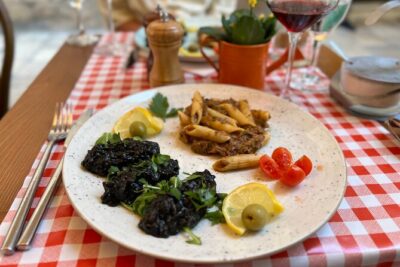
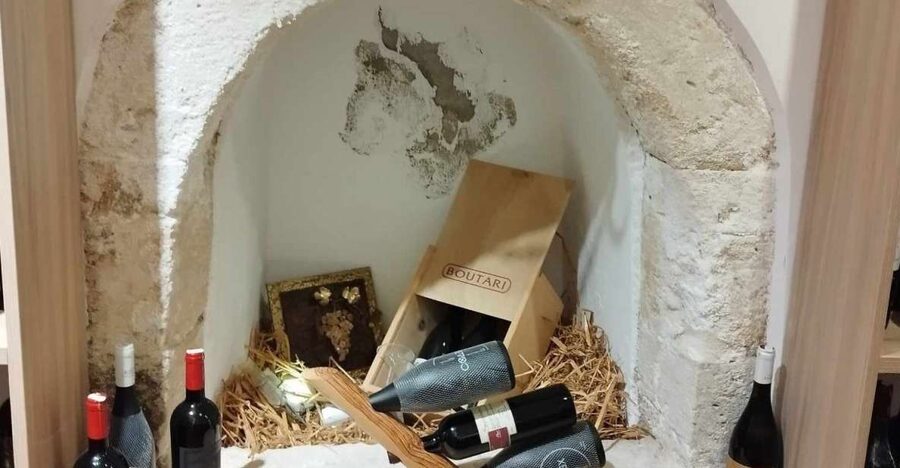
The tour ends by relaxing with Cretan wine and meze at a traditional taverna in the Old Town. This is a smart finish. After snack stops and a pastry workshop, you shift from sweet-and-tea energy into something more balanced and local.
Alcohol policy for the whole group
Alcohol is allowed only for participants age 18 or older. If you’re under 18, you’ll get a non-alcoholic beverage instead, so the ending still feels like part of the shared experience.
You’re also included with one glass of wine or juice. That’s another reason you’ll want to think of this as a guided taste evening, not a full dinner. The meze helps you end on something substantial, though.
Why the taverna stop matters
A meze taverna isn’t just a place to drink. It’s a Cretan social format—small dishes, slow conversation, and lots of variety in a single seating. Even if you don’t know the cuisine well yet, this ending gives you a clearer picture of how Cretans eat when they’re together: share, sample, and linger.
Price and pacing: is $41 fair for 2 hours?
The price is $41 per person for a 2-hour experience, and it’s built around a concentrated mix:
- Walking tour in the Old Town
- Multiple tasting samples of Cretan foods
- A guided visit to a phyllo and kadaifi workshop for handmade production
- A finishing meze taverna with 1 glass of wine or juice
- A small group size (up to 6)
Is it “cheap”? Not really in a bargain sense. But it’s also not only about tasting sweets. You’re paying for a guide, time in a real food workshop, and a structured ending with wine/meze.
Where the value can feel uneven is the number of tasting moments. If you expect a large variety of foods at every single stop, you might wish there were a couple more edible moments along the way. That’s the most common disappointment pattern for short food walks: you’re full of interest, then it ends and you want just a bit more.
If you like food culture and want the craft angle, you’ll likely feel like you got your money’s worth.
Who this tour fits best (and who should skip it)
This tour is suitable for all ages, with the condition that children must be accompanied by an adult. Dietary needs can be handled: a vegetarian option is available on request, and you should let the operator know about allergies.
It’s a great fit if you:
- Want a compact evening plan in Rethymno
- Like seeing how food is made, not just eating it
- Appreciate walking through historic lanes and stopping naturally along the way
It’s not a good fit if you:
- Use a wheelchair or have mobility impairments (the route is on cobblestones and narrow paths)
- Rely on filming everything (smartphones aren’t allowed)
- Hate the feeling of being guided through retail shops (one segment may lean toward selling)
Also, keep expectations realistic: it’s 2 hours, and included food/drink is limited to tastings plus one wine/juice glass. Plan around it.
Tips to make your evening smoother
A few small moves will help you enjoy the tour more:
- Wear smart casual clothing, but prioritize comfort. You’ll walk cobbled lanes.
- Bring your passport or ID card.
- Don’t bring luggage or large bags, and leave pets at home.
- Since smartphones aren’t allowed, charge your batteries anyway and accept that you’ll enjoy the evening with your senses instead.
- If you have dietary needs or allergies, say so at booking so the tastings can match you.
One more tip: the tour runs in English, and the guide can be very lively. If your comprehension is sensitive, it helps to ask quick follow-up questions when something’s unclear.
Should you book Rethymno’s Evening Tasting Tour?
If you want a short, guided food evening that includes a real handmade phyllo baklava workshop plus an ending with meze and wine, this is a strong choice. The small group size and focus on Cretan tastings make it feel more intentional than a generic “walk and snack” tour.
I’d only hesitate if you’re very strict about avoiding any sales-focused stops, or if you expect a long list of large tastings for the full price. For most people—especially those who enjoy food craft and historic lanes at night—it’s the kind of evening that leaves you with flavors you can actually picture later.
FAQ
How long is the Rethymno evening tasting tour?
The tour lasts 2 hours.
Where do I meet the guide?
Meet at 4 Martyron Square, Gerakaris 6. Your guide will be holding a sign that says Rithyland, and you should be facing the 4 Martyron church.
How big is the group?
The group is a small group, limited to 6 participants.
What food and drink is included?
You’ll have a walking tour with tastings of Cretan delicacies, plus 1 glass of wine or juice. Alcoholic beverages are for those 18+, and under 18 participants are provided non-alcoholic beverages.
Is there a vegetarian option?
Yes. A vegetarian option is available on request. If you have allergies, let the operator know at booking.
What should I bring or wear?
Wear smart casual clothing and bring comfortable clothes. You’ll also want passport or ID.
Is the tour wheelchair accessible?
No. The tour is not suitable for wheelchair users or people with mobility impairments.