REVIEW · SANTIAGO CHILE
Santiago: Maipo Valley Wine Tasting Tour with 4 Vineyards
Book on GetYourGuide →Operated by Stampstour · Bookable on GetYourGuide
Maipo wine country is a short trip from Santiago. This tour is interesting because it mixes four wineries in one day with an early start that saves you from Santiago traffic, then finishes back at your hotel around 6:30. I really like the way it starts at a working farm at Campo La Quirinca (with guided time outdoors) and ends at a classic, older producer with a proper cellar-style visit. My other favorite: you get generous tastings along the way, plus Chilean pisco at the first stop. The main drawback to think about is simple: it’s a long day and you’ll stand for parts of the tastings, so plan to pace yourself.
The small group size (up to 15) keeps it friendly, and you can usually get picked up right from central neighborhoods like Providencia, Las Condes, Estación Central, and more. If your guide is upbeat (people mention names like Tephi, Nacho, and Alexia), the day feels like a fun lesson—not a rushed wine errand.
In This Review
- Key highlights you’ll feel right away
- How 10 hours in Maipo Valley actually plays in real life
- Campo La Quirinca: the farm-first start that makes the day memorable
- Santa Ema: premium wines in about an hour
- TerraMater: lunch time (at your cost) plus olive oil shopping
- Undurraga: 130 years of tradition and a longer, fuller tour
- The tastings and the math of value (why $134 can make sense)
- Guides, group energy, and language switching that actually helps
- Who this tour fits best (and who should think twice)
- Practical tips so you enjoy every stop
- Should you book this Maipo Valley day tour?
- FAQ
- How long is the tour?
- What time does pickup happen?
- Where does pickup and drop-off happen in Santiago?
- Is lunch included?
- How many people are in the group?
- Are tastings included?
- What languages is the guide available in?
Key highlights you’ll feel right away
Four winery stops with different vibes
Farm tour at Campo La Quirinca, plus cheese snacks and pisco
Santa Ema tasting of three premium wines in a scenic setting
TerraMater lunch break (restaurant at your own expense) and award-winning olive oil shop time
Undurraga includes a full tour plus four premium wines and a gift glass
Small group with air-conditioned transport and limited driving between stops
How 10 hours in Maipo Valley actually plays in real life
This is a full day out of Santiago—10 hours total—with a departure window around 7:30–8:00 AM. That early start matters. You beat the worst of the morning traffic and get more time in the vineyards before the day gets loud and hot.
You’ll ride in an air-conditioned vehicle, and pickup is designed around real hotel locations in Santiago (Providencia, Las Condes, Estación Central, and other central areas). If you’re outside the standard pickup zone, you’ll meet at the nearest meeting point.
A small group cap (15 people) is also part of the value. With fewer people, the guide can keep everyone moving without turning each stop into a conveyor belt. And if you like asking questions—about grapes, Chilean wine style, or how each winery does things—you’ll likely get more back-and-forth.
The time plan is structured but not frantic: you’ll have a short photo stop at the Maipo River, then about two hours at the first farm stop, followed by three more winery stops with tastings and tours, and finally the drop-off back around 6:00–6:30 PM.
Campo La Quirinca: the farm-first start that makes the day memorable
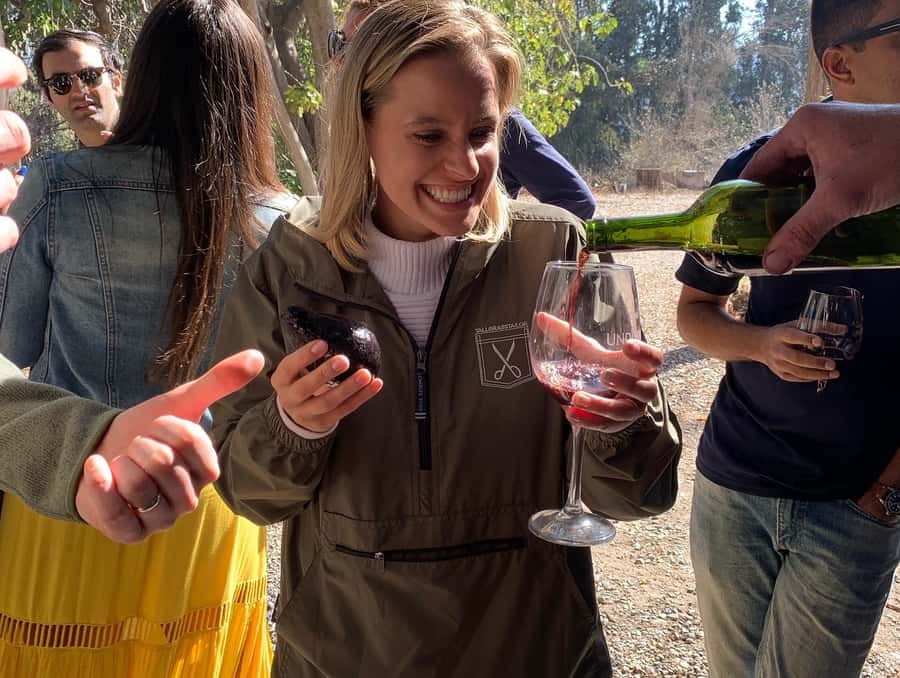
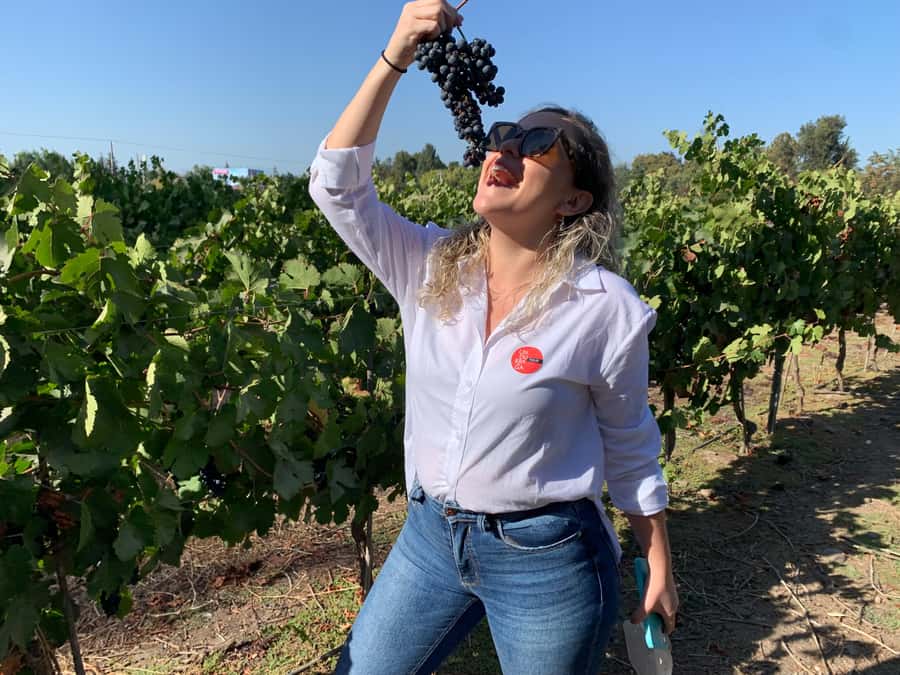
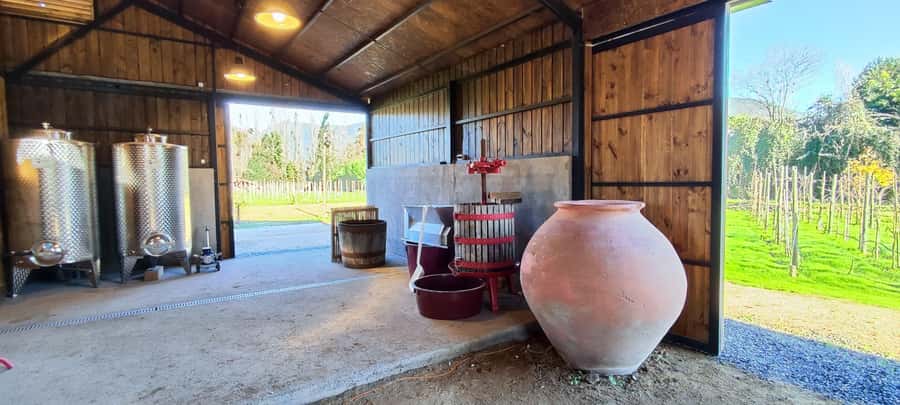
The day begins at Campo La Quirinca, a family-style winery with a hands-on, country approach. This isn’t only about wine. You start with a guided visit through the facilities and gardens, learning about how Chilean wine is produced and how the farm runs day-to-day.
What makes this stop work for most people is that it slows you down in a good way. You walk through the space, you see different agricultural productions, and you get introduced to animal husbandry—alpacas are specifically mentioned, along with various chicken breeds. It’s a nice contrast to the more commercial wineries later in the day.
You’ll also get time for tasting here. The experience includes wine tasting plus snacks, and cheese tasting shows up as part of the local-produce feel. After that farm tour, you move into a salon to relax and enjoy the wines—and this is also where the Chilean pisco tasting happens. If you want a day that feels like Chile beyond a glass of red, this is where it starts.
One practical note: because this is a tour with movement plus tasting, you’ll likely want comfortable shoes. Also, eat a little before you leave your hotel. Even though there are snacks during the farm visit, tastings stack quickly later.
Santa Ema: premium wines in about an hour
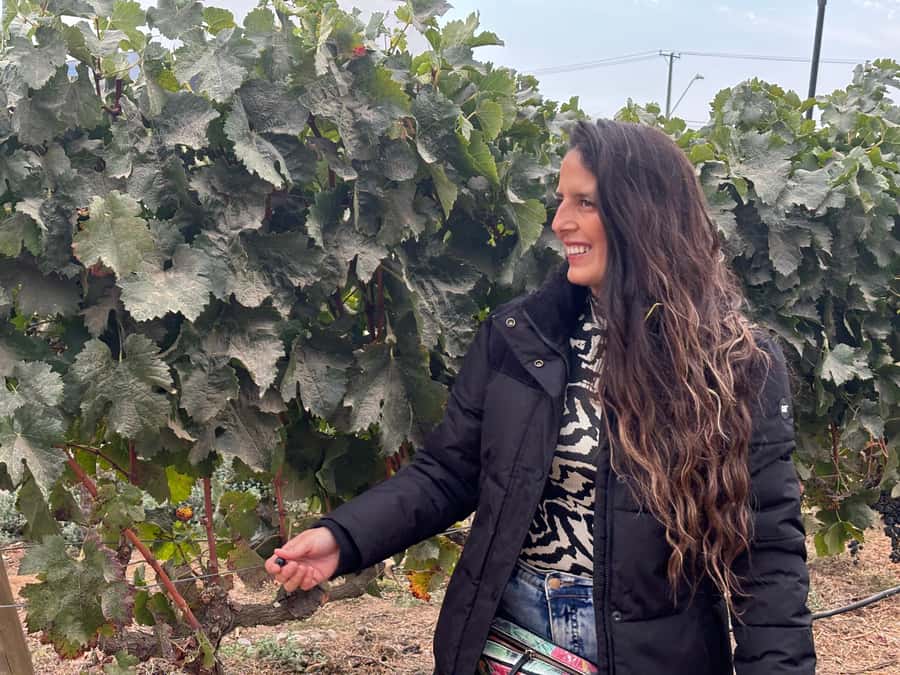
Next up is Viña Santa Ema, a winery stop that’s more polished and tasting-focused. You’ll get a full tasting of three premium wines, including one of their signature wines, and you’ll do it in a beautiful environment.
This stop is built for people who like structure. You’re not spending half the day here. You’re here to taste, learn a bit, and move on. That makes it easier to stay energized for the next two stops.
If you’re a wine nerd, the three-wine format is straightforward. You can pay attention to differences between styles and pick up how Chileans shape balance across varieties. And if you’re more of a casual sipper, it still works because you’re not overwhelmed by too many pours at once.
TerraMater: lunch time (at your cost) plus olive oil shopping
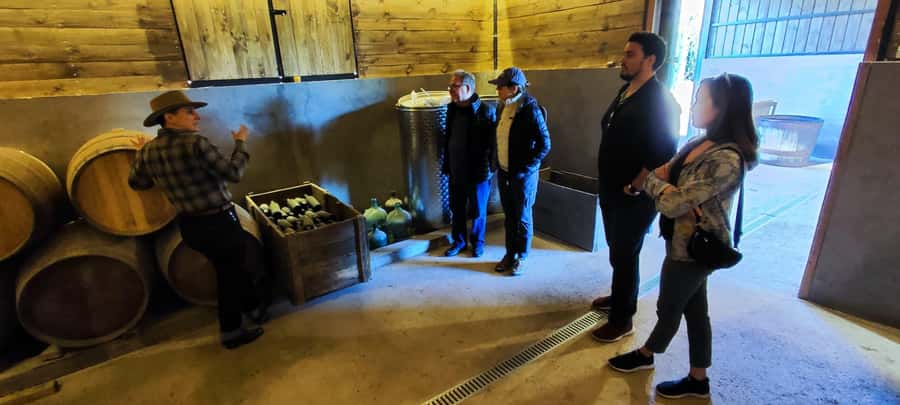
Around midday, you’ll visit Viña TerraMater. This is the stop where you should plan to reset. You’ll get a longer break and the option to have lunch at the winery’s restaurant.
Lunch is at your own expense, but the restaurant option is part of why TerraMater is popular. The venue includes a restaurant called Zinfandel, and it’s positioned as a great lunch time pause during the day.
This winery is also home to olive oil, and the tour notes that it has major awards in Chile and the world. In the shop, you can buy olive oil at cellar pricing, which is the kind of detail that can matter if you like cooking or you want a food souvenir that feels genuinely local.
Practical tip: if you want to buy olive oil or winery products, keep a little cash or a card ready for this stop. The shop time can be the most useful buying window, because you’ll have less time to shop at other stops.
Undurraga: 130 years of tradition and a longer, fuller tour
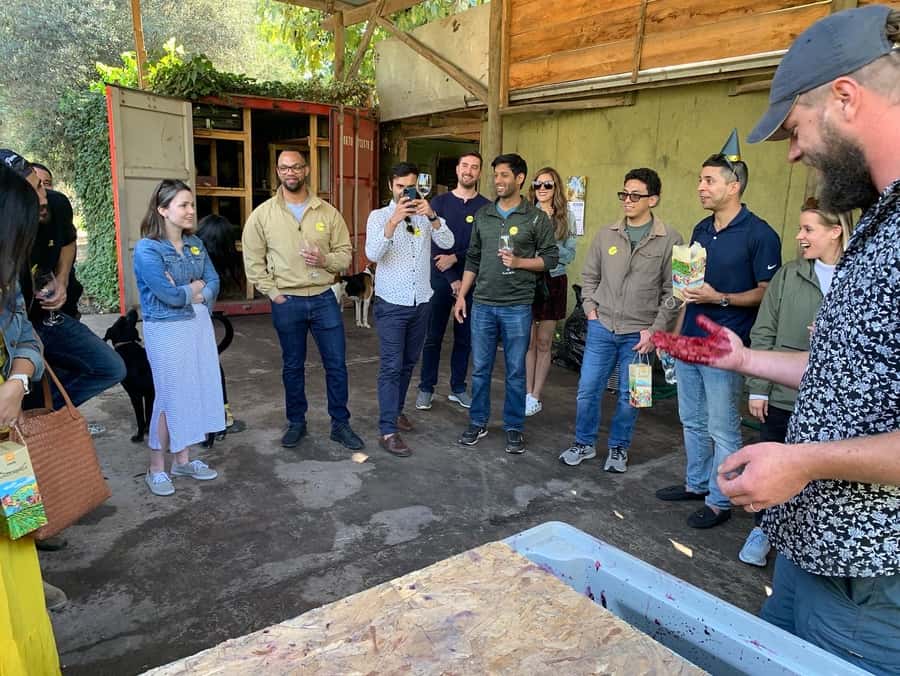
The last winery stop is Viña Undurraga, one of the older and more traditional producers, with 130 years of experience. This is where you get a bigger-vision view of Chilean wine production, so you understand why the wine styles you’re tasting exist.
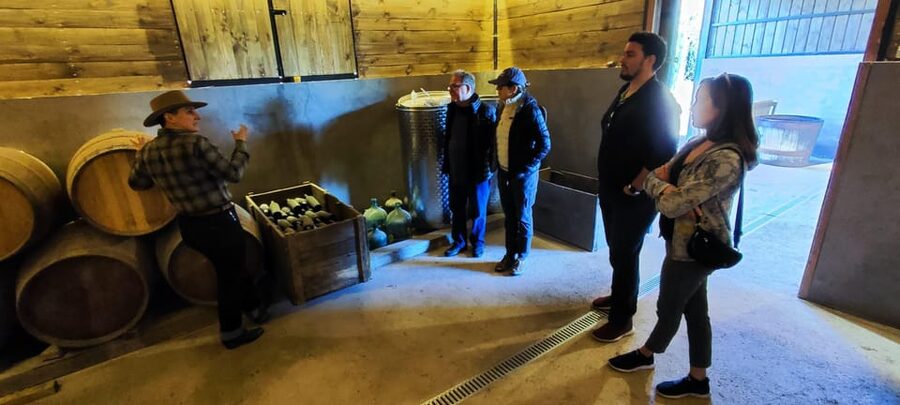
Undurraga includes a more complete walkthrough: you’ll visit gardens and vineyards, and you’ll also go through production areas such as the warehouse and a barrel cellar. There’s even a pre-Columbian exposition included, which adds a cultural layer beyond viticulture.
After the tour, you start tasting four premium wines. You also receive a wine glass as a gift at this stop, which is a nice practical souvenir you’ll actually use later.
One consideration: the final stop can feel more crowded or rushed depending on timing and your specific guide and group flow. You’ll likely get through what’s scheduled, but if you’re the type who likes asking a lot of detailed questions, you may want to focus those questions during earlier, slower parts of the day—especially at La Quirinca and Santa Ema.
Also, seating and comfort matter in Santiago day trips. In some transport setups, the back seats can make it harder to see scenery due to high seatbacks. If you tend to get motion-sick or dislike being blocked from views, try to ask for a seat position that gives you clear sightlines.
The tastings and the math of value (why $134 can make sense)
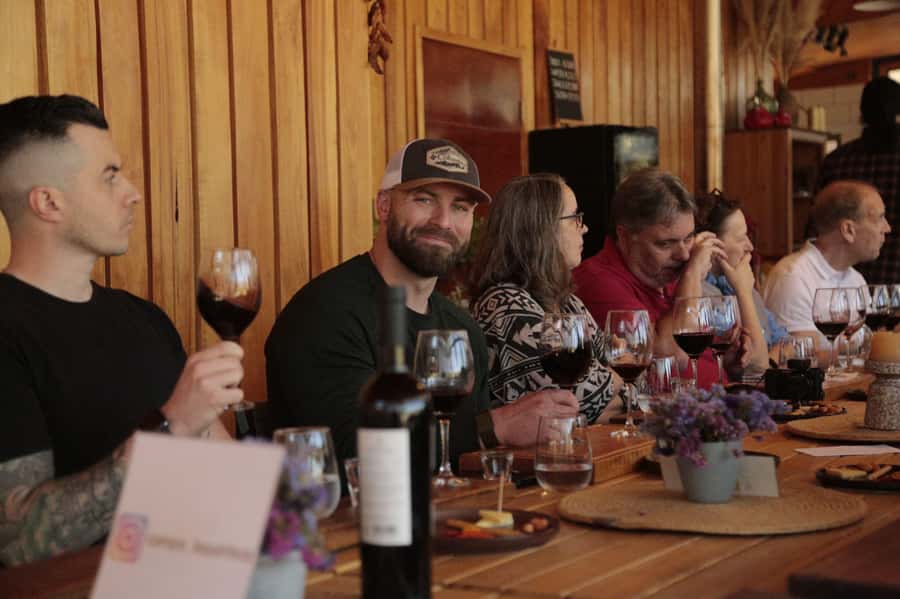
At $134 per person, this tour isn’t the cheapest way to drink wine in Maipo Valley. But when you look at what’s included, it starts to feel fair.
You’re getting:
- Hotel pickup and drop-off
- Air-conditioned transportation
- A professional guide
- Visits to four wineries
- Tours and wine tastings throughout
- Pisco tasting at La Quirinca
- Snacks and local-produce time at the first farm stop
- A winery lunch option where lunch cost is extra (so you’re choosing what you want)
Most importantly, this format reduces driving time between attractions. If you’ve ever tried to do Maipo Valley on your own for four stops, you know how quickly time disappears into navigation, parking, and backtracking. Here, that work is handled for you.
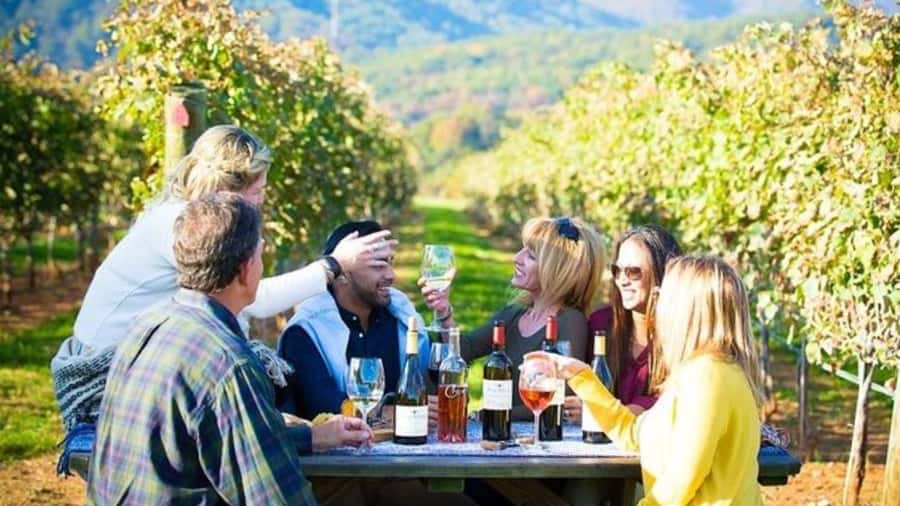
On the wine side, the day adds up. Depending on how each winery runs the tasting flight, you should expect around 10–11 wines total across the four stops. That’s enough variety to understand differences without feeling like you’re only sipping the minimum.
If you buy bottles, the best strategy is to wait until you’ve tasted at least two places. Then you can decide what you actually want to take home. This matters because many wineries offer buying opportunities at the end of tours, and it’s easy to get caught up in the moment.
Guides, group energy, and language switching that actually helps
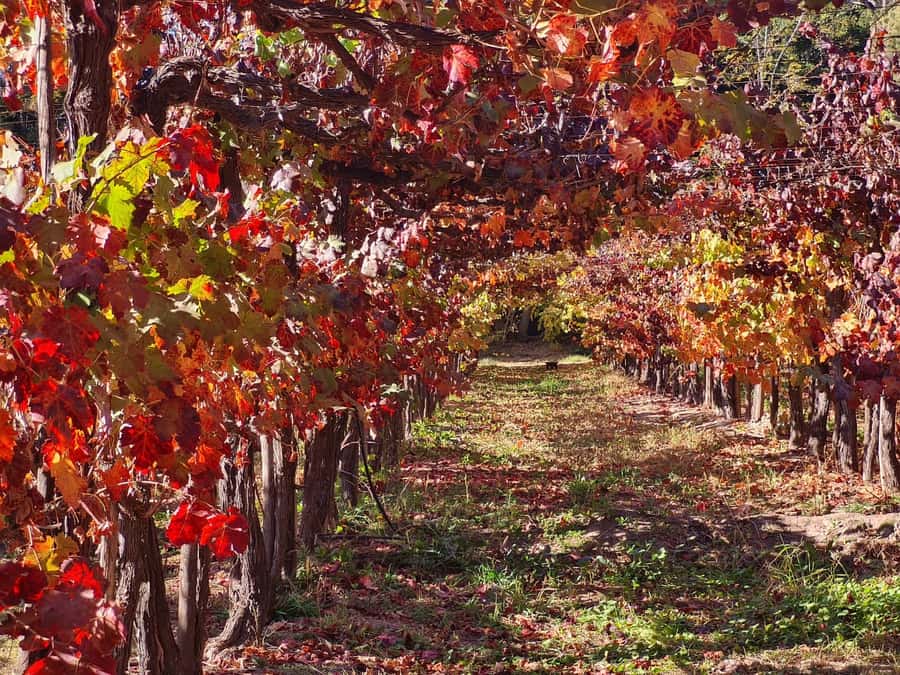
A big part of the experience is how the guide runs the day. This tour offers English and Spanish, and guides often switch between the two during the tour, which keeps the whole group included.
The names people associate with strong guiding here include Nacho, Pablo, Alexia, Tephi, and others. What stands out isn’t just facts about wine—it’s the tone. A good guide keeps you moving, but they also give you space to ask questions and understand what you’re tasting.
You’ll also meet people from multiple countries, and the small-group setting makes it easier to chat without making it a party. If you like friendly conversation but still want to learn, this is a good balance.
Who this tour fits best (and who should think twice)
This tour is a great match if you:
- Want to see the Maipo Valley close to Santiago without organizing transport on your own
- Like structured tastings with tours at each stop
- Want both boutique-farm style and classic large-producer winery experiences in one day
- Prefer a small group instead of a huge bus crowd
It might be less ideal if you:
- Hate long days with standing during tastings
- Are very sensitive to pace and prefer to linger silently in vineyards
- Expect every stop to feel equally relaxed—some parts of the day run tighter than others
If your goal is to do wine tasting but you also want a calmer, slower schedule, you might consider a shorter tour later in the day planning. But if you want one strong day that hits multiple winery styles, this is built for that.
Practical tips so you enjoy every stop
- Eat before you leave: there are snacks and tasting moments, but tastings stack quickly once you’re out of the city.
- Wear comfortable shoes: the farm and winery walk portions involve moving around.
- Bring a light layer: mornings can feel cooler, and winery buildings vary.
- Plan to buy thoughtfully: taste first, then decide. Olive oil and wine make the most sense as souvenirs from the shop time windows.
- If you care about views on the road, sit where you can see out easily. High seatbacks can block scenery on some vehicles.
Should you book this Maipo Valley day tour?
If you have one full day in Santiago and you want a smart, efficient wine outing, I think this tour is a strong choice. Four winery stops with transport, guide support, tastings, pisco, and a classic winery cellar-style experience is a lot to fit into a single day—especially when you don’t have to manage logistics.
I’d book it if you want variety: farm life at La Quirinca, a premium-tasting format at Santa Ema, an olive oil lunch break at TerraMater, and a traditional 130-year producer at Undurraga. The only reason to hesitate is the long day and that the final stop can feel more rushed depending on timing—so go in ready to pace yourself.
FAQ
How long is the tour?
The tour duration is 10 hours.
What time does pickup happen?
Pickup typically starts between 7:30 AM and 8:00 AM.
Where does pickup and drop-off happen in Santiago?
Pickup and drop-off are available for multiple locations, including Santiago downtown areas like Providencia and Las Condes, plus Estación Central. If your hotel is outside the listed areas, the partner provides the nearest meeting point.
Is lunch included?
Lunch at TerraMater is an option during the break, but it’s not included in the price. You pay for lunch yourself.
How many people are in the group?
The group is small, limited to 15 participants.
Are tastings included?
Yes. The tour includes wine tastings at the wineries, plus pisco tasting at Campo La Quirinca.
What languages is the guide available in?
The guide is available in English and Spanish.