REVIEW · SORRENTO
Sorrento: Lemon, Olive Oil and Wine Tasting Tour with Lunch
Book on GetYourGuide →Operated by La Masseria Farm · Bookable on GetYourGuide
Lemons and olives make the best lesson. This Sorrento Peninsula outing is a true 4th-generation family farm visit where you walk the lemon pergolas, tour the old production spots, and finish with a sit-down lunch made from what the farm grows. I especially like how practical it feels, from olive picking to how lemons are cultivated. I also love the finish: homemade lemonade, olive oil tastings, and a meal that stays focused on farm products instead of tourist shortcuts. The only real drawback to plan for is the farm is on a hill, so you’ll handle some steep stretches and cobblestones.
You’ll get a short shuttle ride from Sorrento to a working farm, then a family welcome and a guided walk through olive trees, beehives, and a huge lemon grove. I like that it’s guided in English and that the tone stays friendly and real, not stiff. Guides such as Eugenio and Raffaele have led groups with humor and patience, including helping guests manage the hilly walking pace.
If your travel style is food that comes from a place, not just a menu, this hits hard. Over about 4 hours, you’ll move from orchards to tastings to lunch, with wine and limoncello in the mix. Just wear comfortable shoes and don’t treat it like a casual stroll only.
In This Review
- Key Things to Know Before You Go
- Getting to La Masseria Farm: meeting point and the 4-hour rhythm
- Walking the olive grove: where extra-virgin oil starts
- Lemons, pergolas, and the orchard walk you’ll keep thinking about
- Beehives and the farm logic behind sustainable growing
- The ancient wine cellar and oil mill stop: old methods, real flavors
- Tasting lineup: lemonade, olive oils, cheeses, wine, and limoncello
- The homemade lunch: seasonal courses and lemon dessert with limoncello
- Price and value for a 4-hour farm-to-table day
- Practical tips: shoes, pace, and how to shop smart
- Should You Book La Masseria Farm in Sorrento?
- FAQ
- How long is the tour?
- Where does the tour start and end?
- Is transportation included?
- What food and drinks are included?
- Is the tour walking-heavy, and what should I wear?
- Is this tour wheelchair accessible?
- Is there luggage storage?
Key Things to Know Before You Go
- Family-run farm experience on the Sorrento Peninsula with a multi-generational team hosting you
- Olive oil production basics in an old grove, including how fruit is picked and handled
- A lemon-focused walk through hundreds of lemon trees, plus an explanation of pergolas
- Tastings that actually match the meal, with homemade lemonade, olive oils, honey, cheeses, wine, and limoncello
- A real farm lunch built around seasonal ingredients from the farm (often reported as filling and memorable)
- Plan for hills and uneven ground; comfortable shoes matter
Getting to La Masseria Farm: meeting point and the 4-hour rhythm
The day starts at a clear pickup spot: Bus Parking, opposite the Grand Hotel Europa Palace in Sorrento. You’ll take a shuttle ride from there to the farm on the Sorrento Peninsula, and then you’ll head back to the same meeting point when it’s over.
Because the whole experience is about 4 hours, it runs on a tight but relaxed rhythm. You’re not driving all day or losing half your time in transfers. Instead, the timing is designed so you get plenty of orchard time, then tastings, then lunch while everyone’s still hungry and not fading on energy.
One small practical note from real-world experience: bus parking can be confusing when you arrive. Keep an eye out for your group and any sign or staff member helping with boarding. If you’re unsure, ask on the spot rather than waiting.
You can also read our reviews of more food & drink experiences in Sorrento
Walking the olive grove: where extra-virgin oil starts
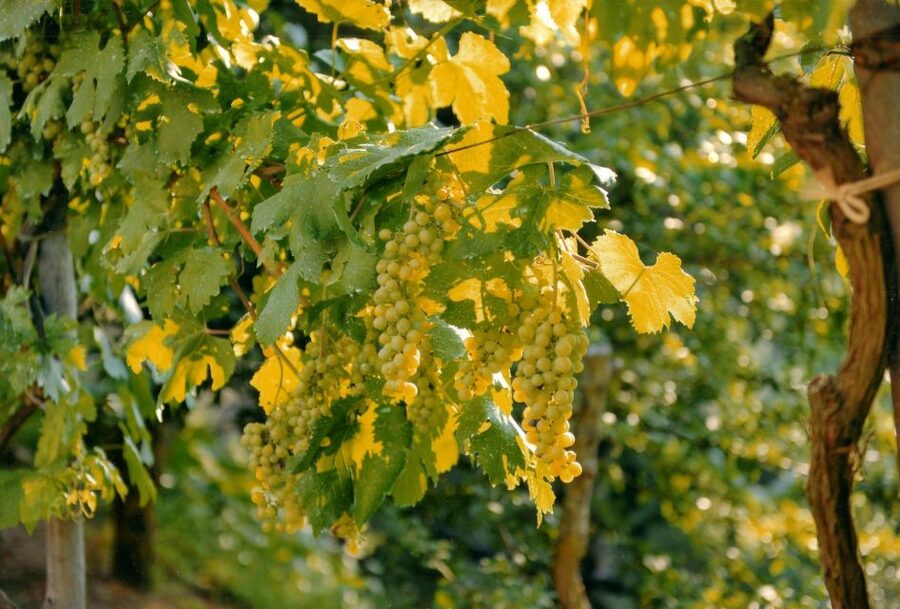
The olive part is more than a photo stop. After the family welcome, you’ll walk through an older olive grove where you learn how their farm produces extra-virgin olive oil. The focus is on process and care: how fruit trees are maintained, how picking is done, and what goes into turning olives into oil.
I like this because it answers the question most people don’t ask until later: how does olive oil actually happen here? You’re shown how traditional picking techniques fit into modern farm planning, and you get a sense of why consistency matters in oil.
You’ll also get to see production spaces tied to oil and the old-style methods used on the farm. That matters because it’s easy to say olive oil is local. It’s more interesting when you can point to the actual machinery or workshop context behind it.
If you’re the type who buys olive oil at home, this is the moment it clicks. You start paying attention to differences and names you’ll see later in the tasting.
Lemons, pergolas, and the orchard walk you’ll keep thinking about
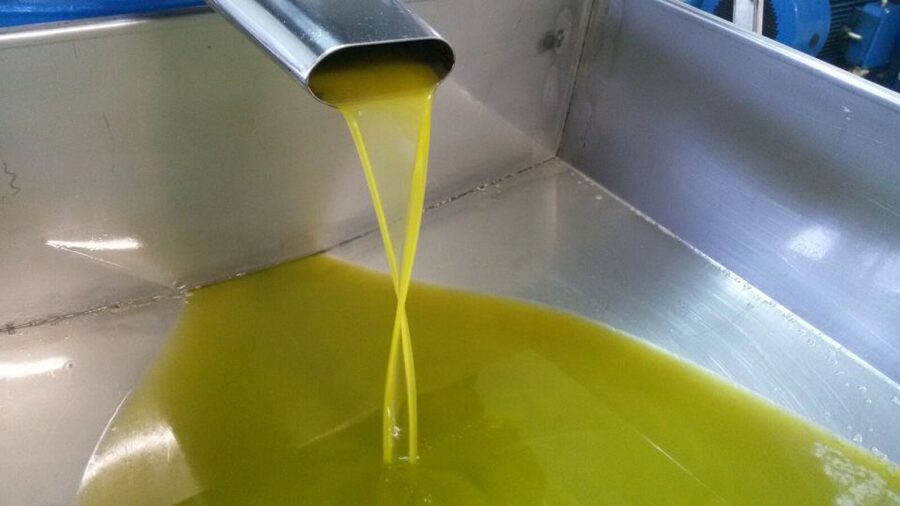
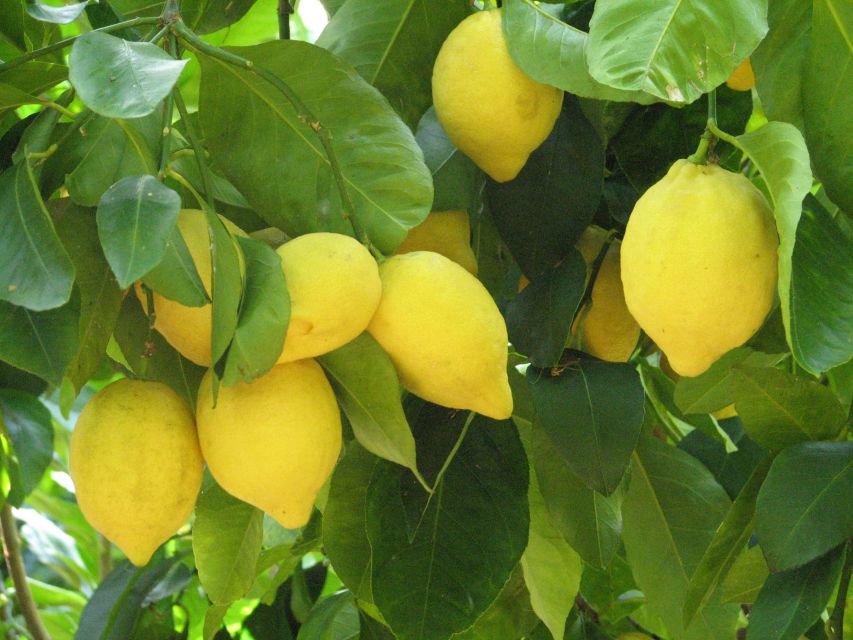
Then comes the main event: the lemon grove. You’ll wander among 800 lemon trees, and the guide explains how the lemons are picked and how the famous pergolas are built and used.
Pergolas are a real Sorrento thing, and I like that you learn why they’re made the way they are rather than just hearing a cultural fact. It’s practical farming design. You’ll understand how the trees are supported and managed, and how that ties back to the lemon flavor people associate with this peninsula.
Along the walk, you may also see or pass by friendly animals that are part of the farm’s sustainable approach. The guide keeps it calm and family-friendly; the beehives are part of that same safety-first mindset too.
You’ll finish the walking portion with views toward the wild chestnut forest. It’s not a long detour, but it adds variety so the day doesn’t feel like one repeated orchard scene. And it gives you a mental map of the farm’s setting, not just the fruit.
Mobility check: if hills and cobbles aren’t your thing, slow down early. One of the best pieces of advice I can give is to treat the walk like a slow hike, not a sprint between photo moments. The farm is worth it, but it rewards patience.
Beehives and the farm logic behind sustainable growing
The tour includes a stop at the beehives, and you’ll learn why bees matter in organic farming. The key detail here is reassurance: you won’t be left dealing with stings or getting too close in a risky way.
This part is surprisingly useful even if you’re not into farming. Bees connect the dots between plants, pollination, and healthier ecosystems. When you see the grove and then hear how bees fit into the cycle, it makes the “farm-to-table” idea feel less like a slogan and more like a working system.
This is also where the day’s overall theme becomes clear: the farm tries to make smart use of what it has—plants, animals, seasonal produce, and the traditional methods stored in older cellar and production spaces.
Even if you don’t remember every technical term, you’ll leave with a clearer sense of why the family keeps doing things the way they do. And that’s the point.
The ancient wine cellar and oil mill stop: old methods, real flavors
After the orchard walk, you shift to the storage-and-production side of the farm: the ancient family wine cellar, plus traditional processing connected to wine and oil.
In the cellar, you learn that red wine is still made using an old wine press. You also hear how meats are cured, which brings another layer to the farm’s use of time and temperature. This is one of those details that makes the farm feel complete, not just agricultural.
The wine cellar stop also sets you up for what comes next: tastings. It would be easy for a farm tour to skip from walking to food with no connective tissue. Here, you get the context first, so the tasting feels earned, not random.
And because you’re tasting their products afterward, you’ll notice that the cellar visit isn’t just a story. It’s part of understanding how their flavors show up at the table.
You can also read our reviews of more wine tours in Sorrento

Tasting lineup: lemonade, olive oils, cheeses, wine, and limoncello
The tasting portion is where you sample what you just learned about. You’ll try homemade lemonade and citrus-based products like marmalades, plus honey and cheeses.
Then it’s olive oil time in a more structured way. You’ll taste olive oils in different specialties, served on homemade bread. It’s a practical way to understand that olive oil isn’t a single flavor. It can vary based on the oil’s characteristics and how it’s meant to be used.
Wine comes next, followed by limoncello later with the dessert. The tasting table is also where many people start thinking about buying. The farm store at the end is known for selling olive oil, limoncello, and related items, and you can usually take home something that actually connects to the tour you just did.
One more reason I like the tasting here: it doesn’t overwhelm you with too many distractions. The lineup matches the farm’s core products, so it stays focused.
The homemade lunch: seasonal courses and lemon dessert with limoncello
Lunch is the part that seals the deal. The meal is described as homemade and built from the farm’s own seasonal products. You’ll start with a traditional course made using what’s in season, then continue with a lemon dessert.
A standout is the lemon dessert served with a frosty glass of limoncello, and you’ll even learn the family recipe for the dessert. That’s the kind of small, specific ending that makes a food experience feel memorable.
I also appreciate that the meal isn’t treated like an afterthought. Several guests report that the lunch is unexpectedly excellent and filling, to the point that the return ride back to Sorrento feels like a well-earned recovery nap.
Dietary notes worth knowing: if you have gluten-free needs, you should plan to tell the operator in advance. There are reports of gluten-free versions being prepared, and other guests with vegetarian preferences and allergies being accommodated too. Still, the smartest move is to flag your needs when booking so they can plan properly.
Price and value for a 4-hour farm-to-table day
At $115.71 per person for about 4 hours, this tour isn’t the cheapest thing in Sorrento. But it often feels like good value because you’re paying for three costly pieces at once: guided time on a working farm, transport via shuttle, and a full farm meal with multiple tastings.
The value gets even better when you consider what you’re actually receiving:
- A guided orchard walk centered on olives and lemons
- Production context (olive oil process, wine press, and more)
- A tasting lineup that leads into lunch rather than ending before it
- A homemade lunch, plus lemon dessert and limoncello
It’s also a family-run operation. When you buy olive oil and limoncello on-site at the end, you’re not just buying souvenirs. You’re buying directly from the people who grow and make the products.
If your budget is tight, this might be a stretch. But if you want one authentic food experience in the Sorrento area that doesn’t feel performative, it’s priced like a real day out with real ingredients.
Practical tips: shoes, pace, and how to shop smart
A few details can make your day smoother.
First: wear comfortable shoes. You’re walking on uneven ground, and the route includes hill sections. Even with a friendly group and help from the guide, you’ll feel the terrain if you’re in sandals or slick shoes.
Second: pace yourself. The farm isn’t a flat loop. If you need to slow down, do it early. Guides have helped guests navigate hills and cobblestones with humor and care, so don’t try to “push through” just to keep up.
Third: bring curiosity for the tastings. The olive oil tasting on bread is a great moment to slow down and compare. Ask questions. The guide’s job is to connect what you saw in the grove to what you’re tasting now.
Fourth: plan for shopping time at the end. There’s typically a store area where you can buy farm products. If you’re serious about olive oil, consider buying after you’ve tasted so you know what you like.
Finally: one practical thing to remember is luggage storage isn’t part of the deal. Travel light if you can, or make sure you can comfortably carry what you bring during the day.
Should You Book La Masseria Farm in Sorrento?
I think you should book this tour if you want a real farm-to-table experience in the Sorrento area that focuses on olives, lemons, wine, and olive oil production—not just a tasting room and a bus stop.
It’s especially a strong choice for:
- Food lovers who want to understand how ingredients are grown and made
- Travelers who like hands-on learning in a working environment
- People who want a guided day that ends with a proper homemade lunch
Hold off or plan carefully if:
- You need very flat, easy walking (the farm is on a hill and includes uneven ground)
- You’re looking for a short, purely scenic stroll with minimal food structure
If you’re aiming to spend one of your Sorrento days learning the peninsula’s flavors the right way, this one is hard to beat.
FAQ
How long is the tour?
The tour lasts 4 hours.
Where does the tour start and end?
It starts at Bus Parking, opposite the Grand Hotel Europa Palace in Sorrento. It ends back at the same meeting point.
Is transportation included?
Yes. A shuttle service takes you from the meeting point to the farm and back again.
What food and drinks are included?
You’ll enjoy a homemade lunch plus tastings that include homemade lemonade, olive oils, cheeses, honey, wine, and limoncello, along with citrus products like marmalades.
Is the tour walking-heavy, and what should I wear?
You should wear comfortable shoes. The farm visit includes walking among the orchards and on uneven ground.
Is this tour wheelchair accessible?
Yes, the tour is listed as wheelchair accessible.
Is there luggage storage?
No luggage storage is included.