REVIEW · SPLIT
Split: Small Group Food Tour with Private Option
Book on GetYourGuide →Operated by www.splitwalkingtour.com · Bookable on GetYourGuide
Your first Split snack is the Roman setting. This Split food tour takes you through Diocletian’s Palace and medieval streets while you stop for smart, story-led tastings like UNESCO-protected soparnik and marenda salted anchovies. I especially like the pacing (no rushing, just frequent bites) and the guide-led local connections, and I think it’s a strong way to orient yourself fast. One thing to weigh: it’s designed for walking and it’s not suitable for wheelchair users.
I also like that the tour starts at a clear landmark, the Golden Gate, so you’re not wandering with a map while everyone else is already tasting. In the feedback, guides such as Slavko, Antonia, Marta, Jacov/Jakov, and Tanja show up for a reason: they bring energy, local favorites, and seller context in the markets.
If you’re hoping for a big, sit-down meal, you may feel slightly short at the end. It’s built around tastings across markets and a final restaurant stop, so you’ll likely still want dinner later, and you’ll need to bring cash for any optional buys.
In This Review
- Key Highlights You’ll Actually Feel on This Tour
- Why This Tour Starts at Golden Gate Inside Diocletian’s Palace
- The 90-Minute Walk: How the Route Stacks Up
- Green Market Bites: Arancini, Sweet Almonds, and Soparnik
- Prosciutto, Chocolate With a Guinness Record, and Rafiol Cake
- Peškarija Fish Market: Salted Anchovies and Marenda Traditions
- The History and Culture Threads That Make the Tasting Stick
- Price and Value: Is $58 a Fair Deal?
- Who Should Book This (and Who Might Skip It)
- How to Get the Best Experience From Your Tasting Tour
- Should You Book This Split History and Gastro Tour?
- FAQ
- What’s the meeting point for the tour?
- How long is the tour?
- What languages are offered?
- What food stops and tastings are included?
- Do I need cash during the tour?
- Is the tour wheelchair accessible?
Key Highlights You’ll Actually Feel on This Tour
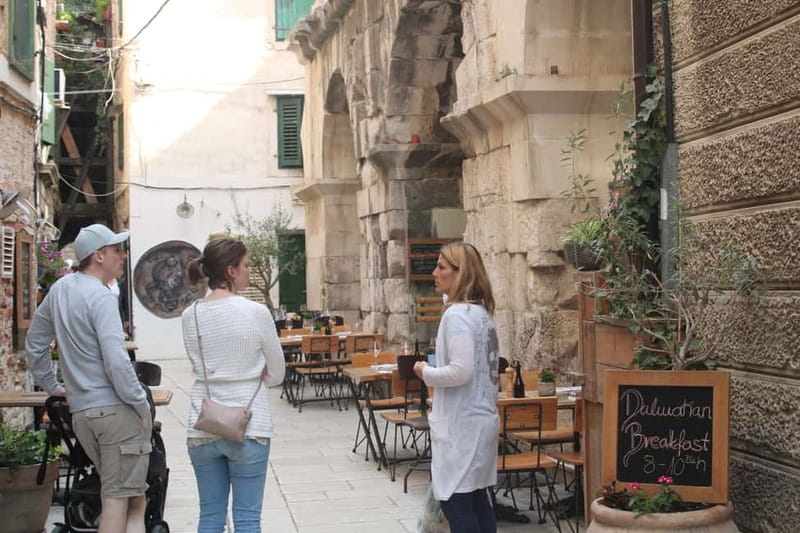
- Diocletian’s Palace setting: you’re tasting in streets that have been around for centuries, not just “meeting points with snacks.”
- Green Market tastings: sweet almonds, arancini, local wine, and soparnik, with UNESCO mentioned for the dish.
- Fish market education at Peškarija: learn the tradition behind salted anchovies and the Dalmatian brunch concept called marenda.
- Chocolate stop with a Guinness record: you’ll visit a chocolate shop famous for the world’s largest chocolate bar.
- Old bakery for rafiol cake: a classic sweet finish that makes the tour feel like a full food arc.
- Small group or private option: easier conversation with your guide in tight market spaces.
Why This Tour Starts at Golden Gate Inside Diocletian’s Palace
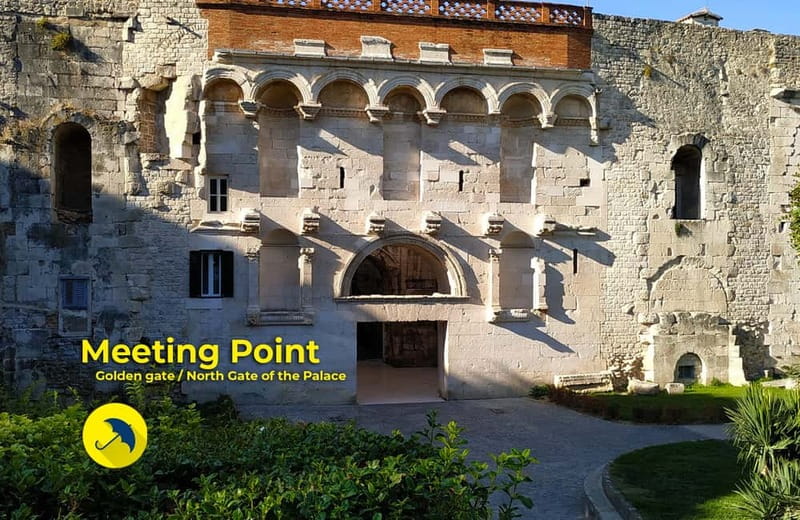
Split can feel like a maze when you first arrive, especially inside Diocletian’s Palace. Starting at the Golden Gate gives you instant orientation. You’re right where the old city “begins,” then you walk inward through passages that date back close to 2,000 years.
That Roman setting matters because the tastings don’t feel random. Your guide stitches food to place: why certain ingredients show up here, how coastal life shaped what people eat, and how the medieval city grew around the palace. Even the route itself is part of the experience. The stops are placed so you keep moving from one food world to the next—market stalls, pastry counters, fish stalls, and then a calmer final meal stop.
This also helps if it’s your first day. I like tours that get you oriented without turning sightseeing into a separate chore. Here, your walking plan doubles as your introduction to Split’s “how it works” rhythm: where locals shop, how markets feel, and how old streets guide you from one taste to the next.
You can also read our reviews of more food & drink experiences in Split

The 90-Minute Walk: How the Route Stacks Up
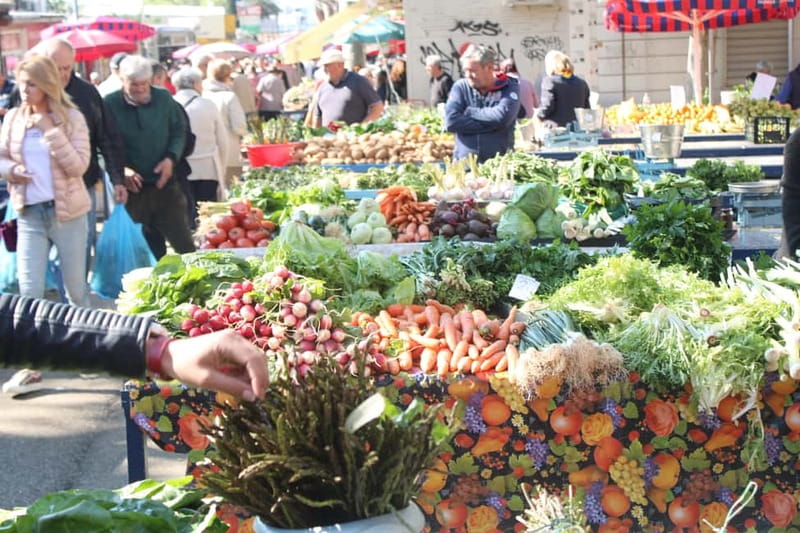
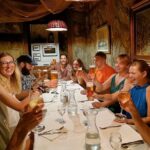
The tour is 90 minutes, and it’s structured around quick, focused tastings. You’ll move from a local café for an initial bite, into the Old Market and Green Market area, then to the Fish Market (Peškarija). After that, the tour adds stops in between—another local bar tasting and a local restaurant tasting—before you return back to the Golden Gate.
That “many short stops” structure is a big part of why it works. Markets can overwhelm you if you go solo. A guided pace lets you sample without getting stuck in decisions for too long: what to try first, how much to buy, and what to look for. You also get the advantage of context in the moment. When you’re standing in front of the food, stories about tradition land faster than they do later.
Group size also matters here. It’s offered as small groups or private, which usually means less standing around and more time for questions. In tight market lanes, that difference shows up quickly.
One practical point: you’ll likely do best with a light stomach and comfortable shoes. This is a walking plan with short “sit-down breaks” built around tastings, not a slow café crawl.
Green Market Bites: Arancini, Sweet Almonds, and Soparnik
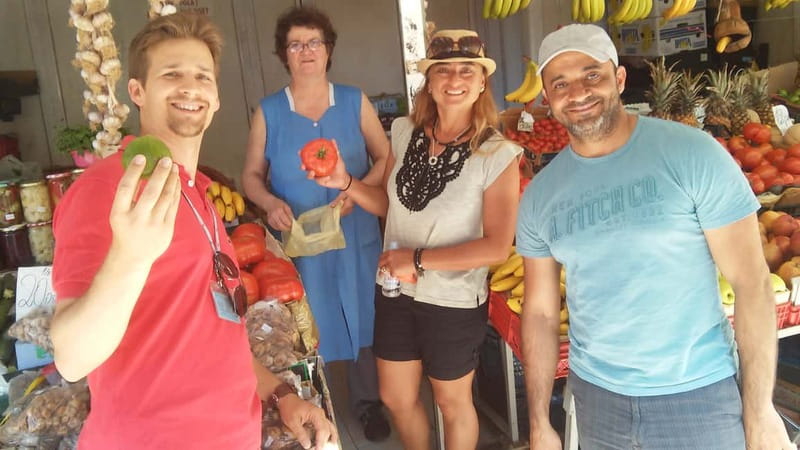
Your tour’s first real “food momentum” comes at the Green Market. The tastings begin with small local favorites meant to wake up your appetite—arancini and almonds in sugar to sweeten your morning.
Then the tour shifts to a classic Dalmatian dish: soparnik. The way the tour frames it—along with the fact that soparnik is protected by UNESCO—helps you understand why it’s more than just something tasty. It’s tied to regional identity and to the older agricultural and kitchen rhythms of Dalmatia.
You’ll also have a glass of local wine with the tastings. That’s a smart pairing for a couple reasons. One, it helps you slow down and focus while you’re eating market-style bites. Two, it connects the flavors in a way you can later recognize when you’re ordering on your own.
Here’s the kind of detail that makes a tour like this feel worth it: instead of you buying random items, you taste a sequence that moves from sweet to savory and back to sweet. That gives you a better map of what Split tends to do well.
Tip: if you like to shop as you go, use the guide’s recommendations as a shortlist. You can always come back later and buy more of what you already tasted.
Prosciutto, Chocolate With a Guinness Record, and Rafiol Cake
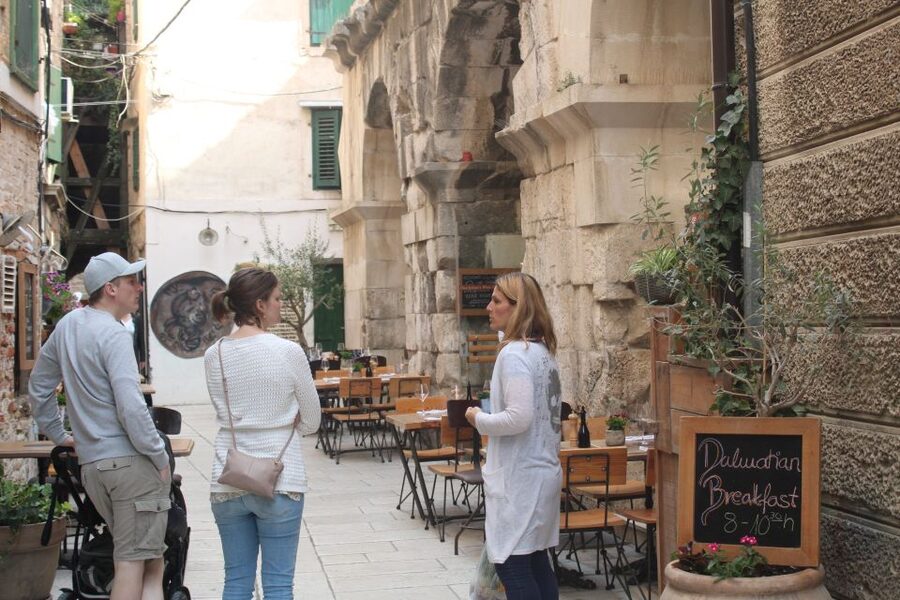
Split has the kind of food culture where sweet and salty sit side by side. This tour reflects that with a neat switch from savory to candy.
After your market tastings, you’ll sample traditionally made prosciutto as you continue walking the old streets. Prosciutto works as a bridge flavor here: it’s familiar enough to appreciate quickly, but the guide’s stories can make it feel specific to this coast, not generic “cured meat.”
Then comes the chocolate stop. You’ll visit a chocolate store famous for the Guinness record for the world’s largest chocolate bar. Even if you’re not a die-hard chocolate person, it’s a memorable anchor point. It also breaks up the salty-heavy part of a market tour with something that feels like a treat rather than a snack.
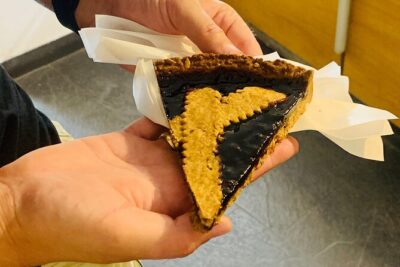
To finish strong, you’ll visit the oldest bakery in Split to try rafiol cake. Again, it’s not random. Rafiol cake gives you a local sweet that tastes tied to old routines, not just modern pastry trends. I like that the tour ends with sweetness because it leaves you with a clear “flavor souvenir” you can think about later when you’re planning where to eat next.
Peškarija Fish Market: Salted Anchovies and Marenda Traditions
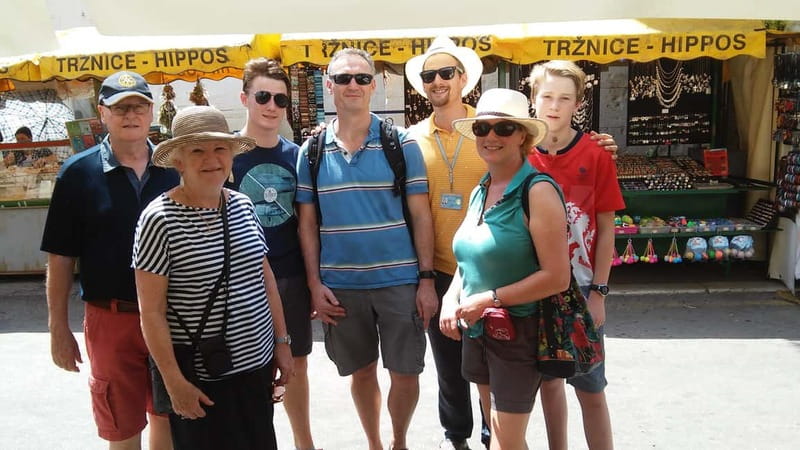
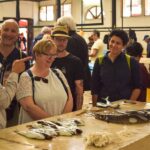
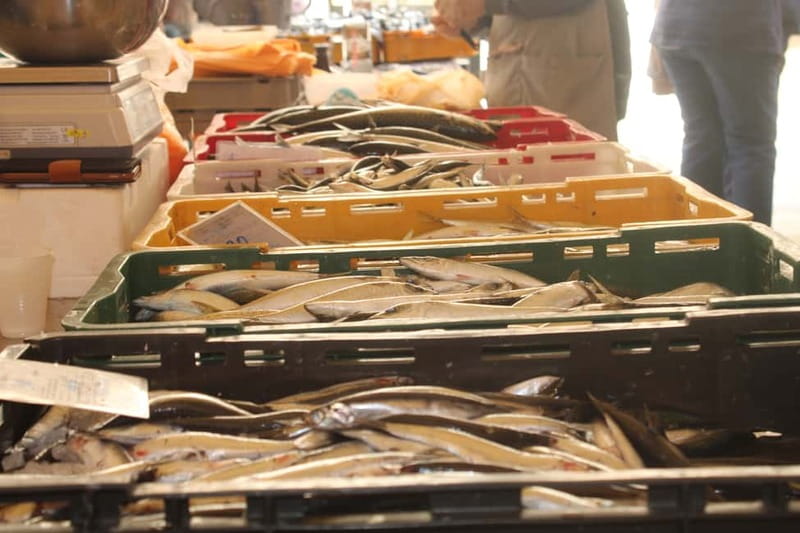
The Fish Market stop is one of the most memorable parts of the route. Peškarija is described as the second oldest fish market in Europe, and it still has original benches that are more than 120 years old. That detail makes the place feel lived-in, not staged.
The tour doesn’t only focus on the seafood itself. It explains how to eat salted anchovies in a traditional way. That includes the idea of marenda, the Dalmatian brunch tradition. So instead of eating a bite and moving on, you learn the cultural reason it fits into the day.
This matters because fish markets can look the same if you don’t know what you’re looking at. With a guide, you understand the logic: how local breakfasts and brunches are built around portable, preserved foods, and how the coast shaped daily eating.
One more reason I like this stop: it teaches you how to order after the tour. Even if you don’t remember every detail, you’ll remember the dish concept and the kind of place you should look for when you want an anchovy-forward meal.
A few more Split tours and experiences worth a look
The History and Culture Threads That Make the Tasting Stick
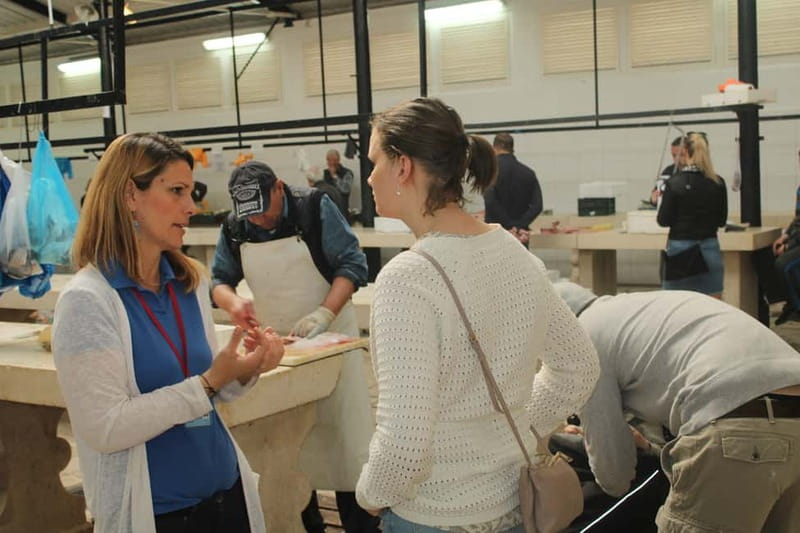
Some food tours stack facts on top of food. This one ties history to what you’re tasting as you walk through Split. You’re moving through almost 2,000 years of built space inside the Diocletian Palace, and then you add medieval Split sightseeing through the same walking flow.
In practical terms, that means you’ll leave with more than a snack list. You’ll know where people shop, what dishes are signature here, and why the local cuisine developed the way it did. Guides like Slavko and Antonia (based on recurring themes in feedback) are praised for connecting food to everyday life in Split, not just reciting dates.
The “hidden gems of Split” promise fits the same idea. Sometimes that means you’ll take short turns down less obvious streets, or you’ll get the kind of local advice you can use immediately: what to look for, what to skip, and where flavors like these show up in restaurants.
If you’re the type who likes to understand a place by watching how people eat, this tour is a good match. If you only want food and you’re not interested in stories at all, you may want a shorter, snack-only option instead.
Price and Value: Is $58 a Fair Deal?
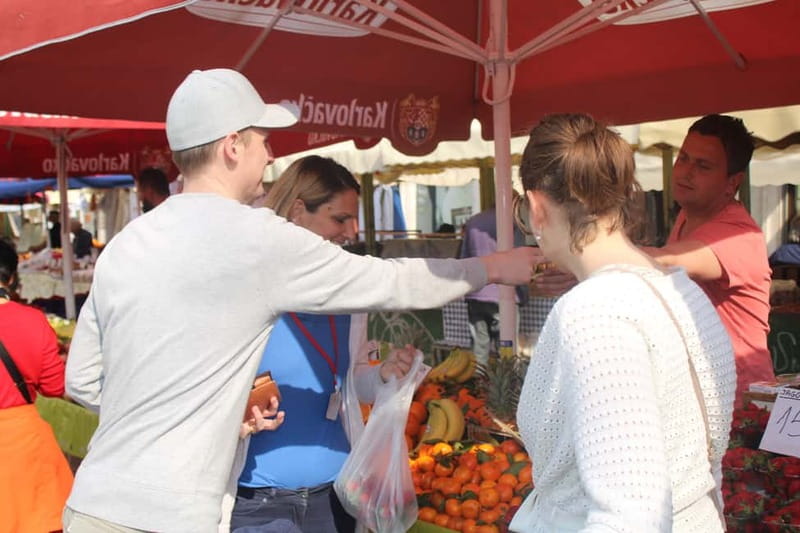
At $58 per person for about 90 minutes, this tour isn’t trying to be a cheap convenience stop. The best argument for the price is what’s included: a licensed English-speaking guide, market visits with tastings at the Green Market, Fish Market (Peškarija), a chocolate store tasting, the oldest bakery tasting, plus additional tastings at a café, bar, and local restaurant.
In other words, you’re paying for more than food. You’re paying for:
- guided pacing in crowded market lanes
- tastings that are spread out (sweet, salty, wine, and local pastry)
- historical and cultural interpretation while you’re actually there
- a route through Split that doubles as sightseeing
Yes, one comment does flag that it can feel a bit expensive, especially compared with similar tours elsewhere. But the overall theme in the feedback is that the amount of food and the quality of guidance can make it feel like you’re leaving satisfied. One person even noted that they didn’t need lunch afterward.
Extra expenses are possible if you choose to buy more at the markets, and the tour asks you to bring cash. If you go in expecting everything to be covered and free, you might be surprised. If you treat optional purchases as a bonus, it feels more balanced.
My practical take: for a first-time Split visit, $58 for a guided food route through Roman-palace streets and two major markets can be good value—especially if you like structure. If you prefer total freedom and you already know what you want to eat, you might get similar value by building your own market crawl.
Who Should Book This (and Who Might Skip It)
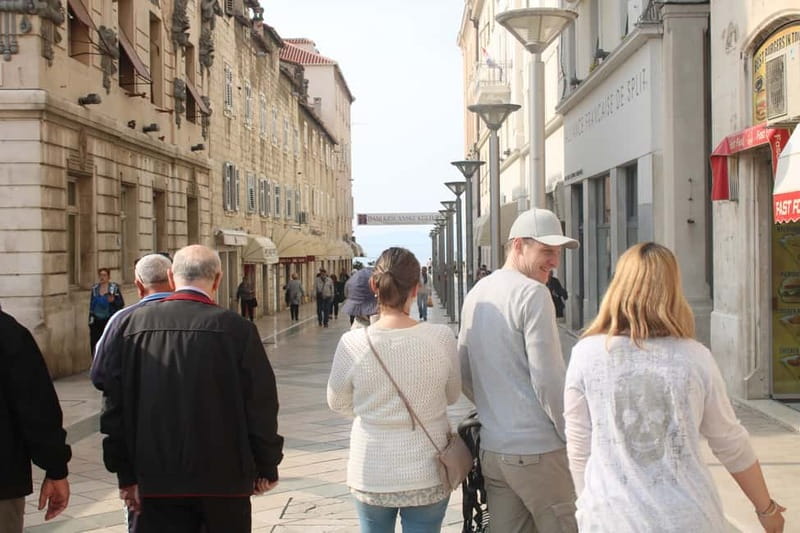
This tour is ideal if you:
- want a guided introduction to Split’s food culture in a short window
- like tasting lots of small bites instead of one big meal
- appreciate history when it’s tied directly to what you’re eating
- don’t want to figure out markets alone
It’s also a solid choice if you’re staying near the Diocletian Palace area. You’re working from a central meeting point at the Golden Gate, which keeps the logistics simple.
It’s not suitable for wheelchair users, based on the tour’s access notes. If you need step-free routing, skip this one and look for a different format.
If you’re traveling with a very strict budget, factor in that you might spend extra cash for items you want to take home or keep eating. And if you don’t enjoy walking at all, a food tour inside old streets may test your patience.
How to Get the Best Experience From Your Tasting Tour
A few small choices can make this tour feel smoother and more “worth it”:
- Bring cash. You may want to buy extra items at the markets, and the tour specifically asks you to bring it.
- Wear shoes you can walk in for the full route. The stops happen across old-city lanes.
- Ask your guide what to buy again. Since the guide’s job is to explain what you’re tasting, use that time to learn what’s most repeatable when you’re shopping solo later.
- Pace yourself with the sweet and savory mix. The tour moves from market bites to chocolate and bakery sweets, so you’ll taste a lot of flavor variety in a short time.
One last strategy: if you’re doing other sightseeing that same day, schedule this earlier. You’ll get market context and local-food intuition that can guide your lunch or dinner choices afterward.
Should You Book This Split History and Gastro Tour?
I’d book this if you want a tight, high-value tasting route that combines Split’s Roman setting with real local food stops: Green Market tastings, the fish market at Peškarija, chocolate with a Guinness connection, and rafiol cake at the oldest bakery. It’s a practical way to start your Split visit with a mix of culture and actual eating, not just looking.
Skip it if walking inside old streets is a problem for you or if you only want one substantial meal rather than a sequence of tastings. Also consider your expectations around price: go in understanding that optional market purchases may cost extra.
If you like structure, good stories tied to what’s on the table, and food variety in a short span, this is the kind of tour that can make your whole trip feel more connected to place.
FAQ
What’s the meeting point for the tour?
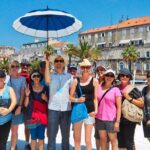
The meeting point is at the Golden Gate (northern entrance of Diocletian’s Palace). Look for a blue umbrella.
How long is the tour?
It lasts 90 minutes.
What languages are offered?
The tour is offered in English with a live licensed tour guide.
What food stops and tastings are included?
The tour includes tastings and visits connected to the Green Market and Fish Market, plus a chocolate store tasting and tastings at an older bakery. It also includes stops at a café, a bar, and a local restaurant.
Do I need cash during the tour?
Yes. You should bring cash, since extra expenses at the markets are optional.
Is the tour wheelchair accessible?
No, it’s not suitable for wheelchair users.