REVIEW · SUZHOU
Suzhou Alleyway Walking Food Tour
Book on Viator →Operated by Lost Plate · Bookable on Viator
Suzhou food has a way of pulling you in. This 3.5-hour alleyway stroll pairs serious local eating with old-school sights you’d miss alone. I really like that you’re fed at multiple sit-down spots (not just a couple of bites), and that the pacing mixes food with Ming-dynasty gardens and religious landmarks.
The other big win is the guidance: an English-speaking guide (Hilary is specifically mentioned as going above and beyond), plus historical context that helps you read what you’re seeing. One consideration: the tour is weather-dependent and involves walking through narrow, sometimes hard-to-find spots, so plan for comfort shoes and a little step-count energy.
You’ll start at Beisita Subway Station at 9:30am, and you’ll finish back where you began. With a max group size of 10, the vibe stays human-sized, and the day’s focus stays on eating well and understanding Suzhou in context.
In This Review
- Key highlights at a glance
- Suzhou alleyway brunch: what you’re paying for
- The 9:30am start at Beisita: why location matters
- Ming Dynasty gardens and waterways: the point of walking with a guide
- Pagodas and monasteries that are tough to find alone
- The food plan: noodles, tofu, soy milk, and the alleyway classics
- Specialty noodles with a story
- Silken tofu from a narrow alley
- Soy milk and classic bites
- Bubble wontons and the coffee-house stop
- How the sit-down structure keeps the tour enjoyable
- Who should book this Suzhou food-and-sight route
- Should you book? My take on the value
- FAQ
- FAQ
- How long does the Suzhou Alleyway Walking Food Tour last?
- How much does the tour cost?
- Where does the tour start and end?
- What foods and drinks are included?
- How many dining and cultural stops are included?
- Is there an English-speaking guide?
- How large is the group?
- Do I get a mobile ticket?
- What happens if the weather is poor?
Key highlights at a glance
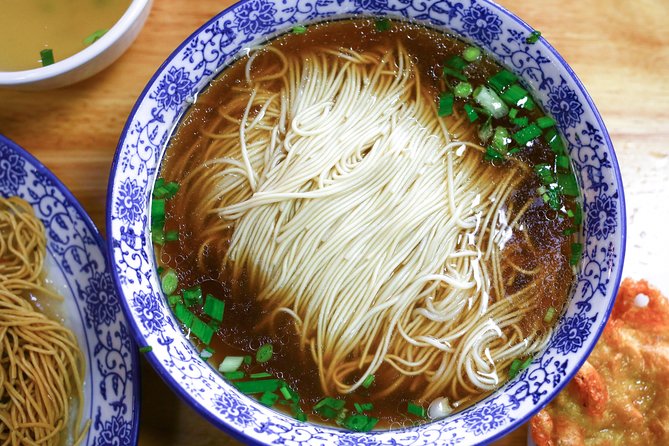
- Huge variety of Suzhou classics like sesame balls, dumplings, wontons, and specialty noodles
- Ming Dynasty gardens and waterways that feel like a maze with a local key
- 800-year-old pagodas plus monasteries/nunneries that are tricky to find without a guide
- Silken homemade tofu served from a narrow alley starting at 5am (early work, big reward)
- Bubble wontons in rich broth at a famous local shop
- Dessert soup with slow-cooked red beans and chewy rice balls to close things out
Suzhou alleyway brunch: what you’re paying for
At $58 per person for about 3 hours 30 minutes, you’re not paying for a single meal. You’re paying for a guided route through parts of Suzhou that are hard to navigate well on your own, plus multiple food stops that are “safe-to-eat” and sit-down when possible.
Food tours are only a value when they do two things well: (1) they make ordering and choosing easier, and (2) they save you time finding the right places. This one does both. You get an English-speaking guide, a plan that strings together gardens, pagodas/monasteries, and religious sites, and enough food that you can treat it like brunch and stop thinking about lunch afterward.
The other value piece is “included” water. With several stops on foot, it matters more than it sounds. Staying hydrated keeps the tour fun, not fussy.
That said, you should know what kind of traveler you are. If you prefer a quiet wander with long photo stops and no food overload, this may feel like a lot. If you like tasting, learning while walking, and keeping momentum, it fits well.
The 9:30am start at Beisita: why location matters
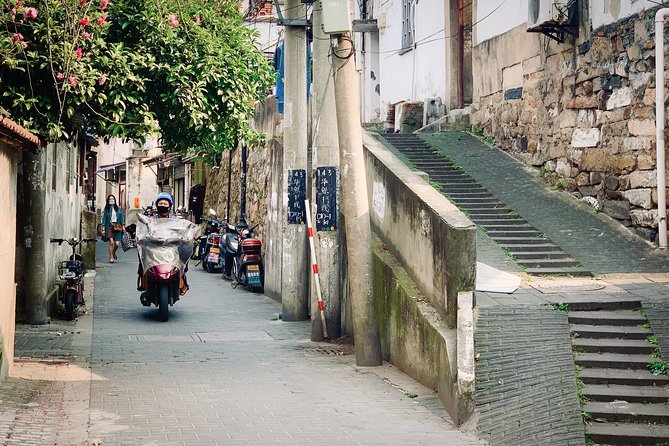
The tour starts near public transportation at Beisita Subway Station (Beisita, Gusu District, Suzhou, 215005) at 9:30am. Ending back at the meeting point means you don’t have to solve the “where do I go next?” problem at the end of a full morning.
This is a practical detail that makes a difference. If you’re traveling with a tight schedule, a fixed start point near a subway line is a lot easier than meeting somewhere deep in the old lanes. You can plan your morning without building in extra buffer time just to get to the first stop.
The tour uses a mobile ticket, which is convenient—especially if you don’t want to hunt for a paper confirmation while you’re moving through stations and alley intersections.
Wear shoes you trust. The route includes secret gardens, waterways, and monasteries that can be tricky to locate. Even if the pace feels manageable, you’ll be stepping through uneven surfaces and narrow walkways typical of old Suzhou.
Ming Dynasty gardens and waterways: the point of walking with a guide
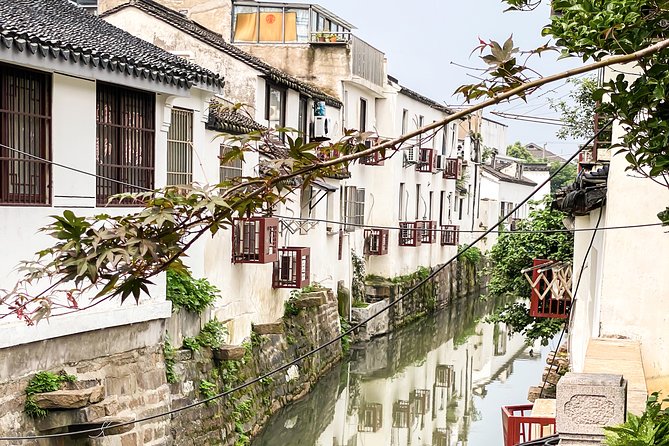
Suzhou has a particular talent: it can hide beauty behind plain walls and small entrances. This tour leans into that. You’ll explore the elaborate maze of secret Ming Dynasty gardens and waterways—spaces that can be easy to miss when you’re reading a map and not a local route.
What I like about this approach is that it reframes the gardens. They’re not just “pretty views.” They’re part of how Suzhou people have historically shaped living space—turning water, stone, paths, and courtyards into a sequence you experience step-by-step.
You also get specific garden elements called out in the tour: a hidden Ming-dynasty garden with Taihu Lake stones. Those stones are famous in Suzhou garden culture, and they’re a big reason the rockwork feels like art rather than landscaping. A guide helps you notice what you’re looking at—why certain stone forms and placements are chosen, and how the garden layout guides your movement.
Even if gardens aren’t your main interest, the guide time adds value. Without that context, you can walk past a space and not realize it was meant to be discovered slowly.
Pagodas and monasteries that are tough to find alone
A huge promise of this tour is that you’ll reach sights that are not simple “show up and see it” stops. That includes 800-year-old pagodas and hidden monasteries/nunneries.
The practical benefit is obvious: you don’t waste time circling for an entrance, translation, or the correct turn in a maze of lanes. The bigger benefit is interpretive. Religious sites change meaning depending on where you stand—what view aligns with an axis, what you notice about structures, and how the site fits into Suzhou’s broader cultural story.
One stop is Suzhou’s only Buddhist nunnery. Another involves a hidden monastery area that’s described as tricky to find by yourself. That’s exactly the kind of thing where a guide turns “maybe we’ll find it” into “we did.”
Also, the tour doesn’t treat these places like quick photo stops. You get historical information along the way, which helps you understand why these spaces mattered, not just how they look from a distance.
The food plan: noodles, tofu, soy milk, and the alleyway classics
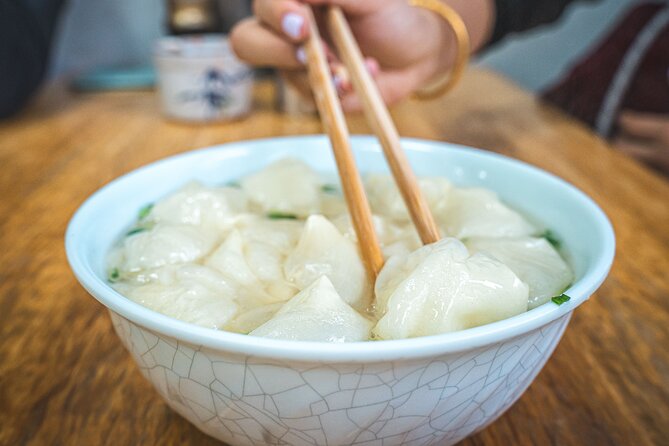
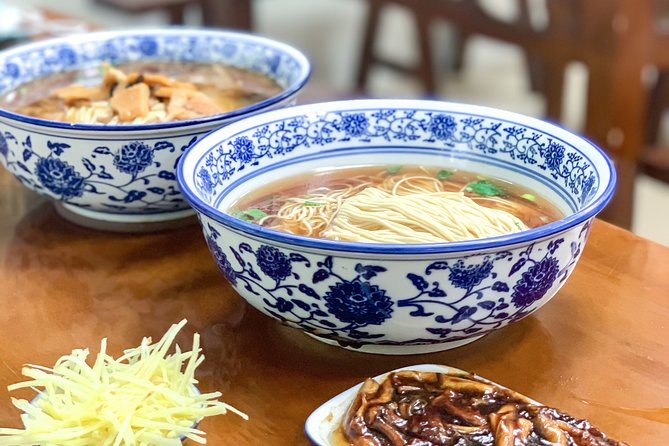
This is, first and foremost, a brunch route built around Suzhou comfort foods. You’ll sample seasonal noodles with over 500 toppings, plus dumplings, wontons, sesame balls, and other neighborhood favorites like soy milk and spring rolls.
Specialty noodles with a story
You’ll get seasonal Suzhou noodles with a huge range of toppings—over 500 options is the figure given. That sounds like “variety for variety’s sake,” but the tour also ties it to why locals enjoy this dish. It’s even connected to opera, which makes the meal feel like part of Suzhou’s daily culture, not just a food museum stop.
In your shoes, that means you’ll taste something familiar-sounding but locally specific. And when a guide points out topping choices and patterns, you learn how locals build a bowl rather than copying a single tourist order.
Silken tofu from a narrow alley
Then comes homemade silken tofu served from a family spot hidden in a narrow alley. The detail that it’s prepared starting at 5am matters. It’s a reminder that this tour isn’t just sampling “a dish”—it’s sampling labor and timing, the kind that’s hard to find without local help.
Silken tofu is delicate by nature, so it’s also a smart choice in a walking tour. You can enjoy it without needing an entire afternoon to recover. It’s also a good contrast to heavier dumpling-and-wonton textures later.
Soy milk and classic bites
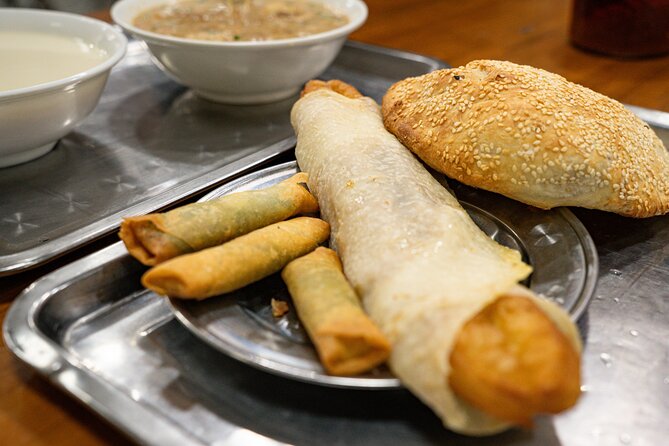
You’ll also try savory soy milk, Suzhou-style spring rolls and donuts, and Tang-dynasty fried sesame balls. That spread gives you a sense of Suzhou’s everyday snacks—things you’d plausibly see while walking around a neighborhood.
The value here is the balance. This tour doesn’t just hit one category (like noodles only). It moves through textures: crisp-fried, silky, and brothy items, plus noodle bowls with lots going on.
Bubble wontons and the coffee-house stop
One of the signature experiences is a visit to a famous bubble wonton joint loved by celebrities and neighbors. You’ll try tiny bubble-like wontons in rich broth—something you likely won’t find the same way elsewhere.
Why this matters: wontons are common across China, but the “bubble” version has a distinct texture and presentation. A guide helps you eat it correctly and appreciate what makes this shop’s style different, instead of treating it as another dumpling.
You’ll also stop at a traditional coffee house as part of the food included. That’s a helpful reset during a morning with multiple sit-down meals. Even if coffee isn’t your default order, having a designated break point keeps the tour from feeling like constant eating without breathing room.
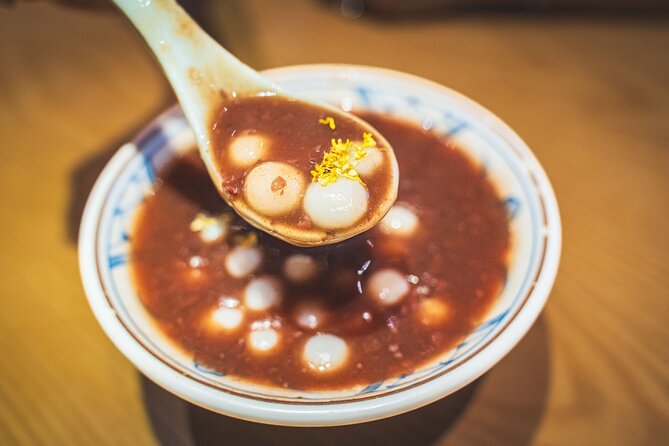
Then the tour ends at a dessert shop popular with today’s crowd. You’ll try a subtly sweet soup with slow-cooked red beans topped with chewy rice balls.
It’s a good finale for a few reasons:
- Red beans are a classic pairing in Suzhou-style dessert culture
- Chewy rice balls echo the tour’s earlier textures (bouncy, not brittle)
- You finish sweet and warm, which feels satisfying after brothy foods
How the sit-down structure keeps the tour enjoyable
The tour includes two cultural stops, four sit-down restaurants, and one traditional coffee house, plus a dessert shop. That’s a lot of food stops, so the layout matters.
“Sit-down” isn’t just comfort. It usually means fewer rushed snack moments, more time to eat properly, and less stress about what’s around the corner. The tour also specifies safe-to-eat restaurants, which is exactly what you want on a walking food day—especially in places where street-level ordering can be intimidating.
With a max group size of 10, you’ll spend less time waiting and more time moving through the route. Small groups also help you actually hear the guide, not just catch bits of information over restaurant noise.
Plan your appetite for a brunch day that turns into a “three courses plus snacks” kind of experience. Bring your thirst with you—water is unlimited—and slow down between stops. When you’re moving through old lanes and tight entrances, it’s not the time to sprint.
Who should book this Suzhou food-and-sight route
I’d recommend this tour if you want Suzhou in full texture: gardens, pagodas, monasteries, and real food in a connected route. It’s especially appealing if you:
- like walking with purpose (not just strolling for views)
- want an English-speaking guide to translate not just words, but context
- enjoy a heavy brunch with multiple tastings
- want to see parts of Suzhou that are hard to locate on your own
It may be less ideal if you:
- dislike walking through narrow lanes and old-site entrances
- need a very flexible schedule with lots of free time
- prefer food you can easily order yourself without guidance
If you’re the kind of traveler who loves learning while eating—yes, the best kind—this fits your style.
Should you book? My take on the value
If $58 feels steep at first glance, look at what you’re actually getting: multiple sit-down meals, a coffee house stop, dessert, unlimited bottled water, and a guided route through gardens and religious landmarks that can be tricky without local help.
For me, the value hinges on one thing: the guide turns complicated navigation into a smooth route. With Suzhou’s maze-like streets and partially hidden sites, that guidance is often the difference between a great day and a frustrating one.
Book this tour if you want your Suzhou day to be structured, delicious, and culturally meaningful without being exhausting. If you prefer to explore freely, you can still enjoy Suzhou on your own—but you’d miss the guided connections between stone gardens, old pagodas, and what ends up on your plate.
FAQ
FAQ
How long does the Suzhou Alleyway Walking Food Tour last?
The tour lasts about 3 hours 30 minutes.
How much does the tour cost?
The price is $58.00 per person.
Where does the tour start and end?
It starts at Beisita Subway Station in Gusu District (Beisita, Suzhou 215005) and ends back at the meeting point.
What foods and drinks are included?
You’ll sample Suzhou noodles, silken tofu, sesame balls, dumplings and wontons, soy milk, spring rolls and donuts, bubble wontons in rich broth, plus dessert soup with red beans and chewy rice balls. Unlimited bottled water is included, and a traditional coffee house stop is part of the tour.
How many dining and cultural stops are included?
The tour includes 2 cultural stops and 4 sit-down restaurants, plus one traditional coffee house and a dessert shop.
Is there an English-speaking guide?
Yes. The tour includes a local English-speaking guide.
How large is the group?
The maximum group size is 10 travelers.
Do I get a mobile ticket?
Yes, the tour includes a mobile ticket.
What happens if the weather is poor?
This experience requires good weather. If it’s canceled due to poor weather, you’ll be offered a different date or a full refund.