REVIEW · ROME
Taste of Rome: Very Small Group Food Tour
Book on Viator →Operated by Sublime Tours · Bookable on Viator
Rome tastes different when you leave the main streets. This is a small-group Rome food tour that swaps the usual highlights for real neighborhoods like Testaccio and Trastevere, with tastings that feel connected to where the food is made and sold.
I especially like two things: the sheer variety (you’re not doing “one bite, one stop” math), and the guide storytelling that ties food to daily Roman life. One watch-out: some stops are more street-and-standing than restaurant-seating, so plan for a bit of walking and pacing.
This tour works because it’s built for attention. With up to eight people, you get the time to ask questions and actually understand what you’re eating. I also like how the experience is structured around seasons and local staples, then ends with artisanal gelato—because yes, Rome makes it worth the calories.
Possible drawback: if you’re the kind of person who wants a fully guided sit-down meal with lots of wine guaranteed every stop, this isn’t that. Portions and drink flow can feel more “sample style” than “banquet.”
In This Review
- Key Highlights at a Glance
- Why a Small-Group Rome Food Tour Beats the Usual Plan
- Morning Route in Testaccio: Breakfast, Markets, Osteria Stops, and Gelato
- Evening Route in Campo de’Fiori and Trastevere: Street Food Meats, Seasonal Plates, and Wine
- What You Can Expect to Taste (and How to Think About Portion Size)
- Guides You’ll Actually Learn From (Nina, Francesca, Gulio, and Adam)
- Wine, Coffee, and Water: How the Drinks Fit the Meal
- Price and Value: What $144.57 Buys You in Real Terms
- Pace, Comfort, and Practical Tips for a Better Tour
- Who This Rome Food Tour Is Perfect For
- Should You Book Taste of Rome? My Decision Guide
- FAQ
- How long is the Taste of Rome food tour?
- How many people are in the group?
- Which parts of Rome does the tour cover?
- Is the tour offered in English?
- Do I get a mobile ticket?
- What’s included in the price?
- Are service animals allowed?
- What’s the cancellation policy?
- What happens if the tour is canceled due to minimum travelers?
- When will I receive confirmation after booking?
Key Highlights at a Glance
- Max 8 participants keeps it intimate and easier to move through neighborhood streets.
- Two neighborhood routes: Testaccio in the morning, or Campo de’Fiori + Trastevere later.
- Food + drinks included: snacks, lunch or dinner, coffee/tea, bottled water, and alcoholic beverages.
- Roman favorites, not just the obvious hits, with items like maritozzi, cannoli, prosciutto, pizza, and local meats.
- Gelato always finishes strong, and it’s part of the pacing, not an afterthought.
- Guide matters: people rave about guides such as Nina, Francesca, Gulio, and Adam for making the walk feel personal.
Why a Small-Group Rome Food Tour Beats the Usual Plan
In Rome, the most honest meals often come from places you’d miss if you only follow the loud, famous streets. This tour is designed around that idea: you get out into neighborhoods where the market, deli, and osteria scene actually happens.
The group size is the big practical advantage. When you’re capped at eight, the guide can slow down without dragging everyone behind. It also means you can hear the explanation and connect it to what’s in front of you, whether it’s a cured-meat counter or a pastry case.
Value-wise, I like that your money isn’t just buying “a few tastes.” The tour includes bottled water, snacks, lunch and/or dinner, coffee and/or tea, and alcoholic beverages. Even if you skip some extras, you’re still getting a lot of food coverage in a single half-day.
You can also read our reviews of more food & drink experiences in Rome


Morning Route in Testaccio: Breakfast, Markets, Osteria Stops, and Gelato
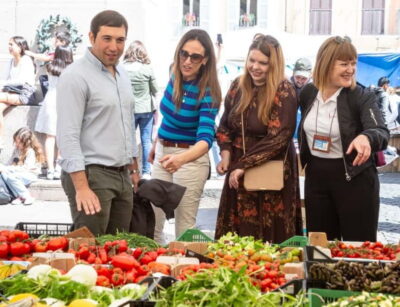
If you book the morning option, you start in Piazza Testaccio, a lively base for a more local Roman morning. The flow is simple: breakfast first, then a walk that turns into a mini map of how Romans shop and snack.
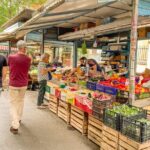
Expect a typical Italian breakfast, then the tour pushes into places that are often quieter than the main tourist corridors. You’ll move through stops like a local farmer’s market, deli-shops, and an osteria vibe where Roman eating isn’t performed for cameras.
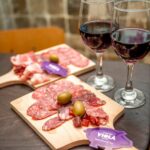
What I like here is the structure. Breakfast isn’t a random opener. It sets you up for the next tastings, which often include things like cured meats, cheeses, and regional flavors. One review highlighted prosciutto plus different sausages and cheeses from a meat shop, paired with wine—exactly the kind of progression that helps you understand the differences rather than just collecting samples.
The finish with top-class artisanal gelato matters more than it sounds. You don’t just end at dessert; you end after you’ve built a baseline of savory flavors. That makes the gelato taste more intentional, like a final chapter, not a sugar crash.
Evening Route in Campo de’Fiori and Trastevere: Street Food Meats, Seasonal Plates, and Wine
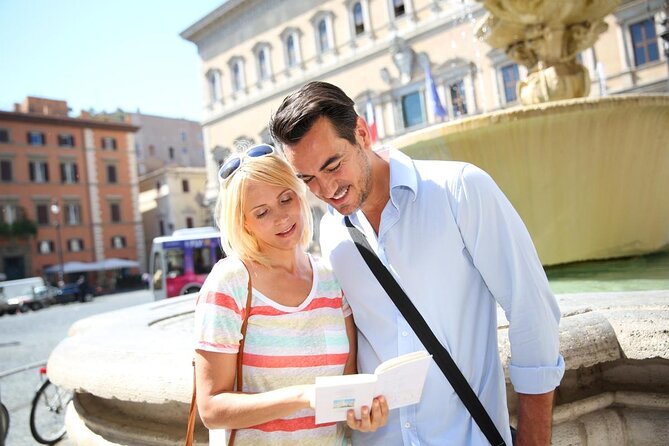
The afternoon/evening tour meets at Piazza Farnese, then heads into the Campo de’Fiori and Trastevere areas. This route leans more “food market + street culture,” with tastings that feel like a Roman evening out.
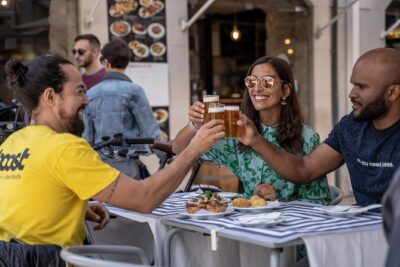
The food focus is meat and street-style classics. You might encounter mentions like coppiete and porchetta (those names come up as part of the local-meat story), plus other seasonal specialties. You also get paired wine varieties, which is a key part of how Romans treat dinner: drink is not a separate activity, it’s part of the meal’s rhythm.
A nice detail: this route is explained as more than just what you eat. You learn how Romans do it—how street food is consumed, where you stand, how portions are built for multiple stops, and how the evening pace works in these neighborhoods.
It ends again with artisanal gelato, which is handy because evening tastings can run dessert-heavy. If you’re the type who wants a sweet finale but hates stopping at random places, this one gives you a plan.
What You Can Expect to Taste (and How to Think About Portion Size)
Here’s the honest way to plan for this tour: you’re eating like a Roman snack-hopper, not like someone sitting down for one big meal and calling it done. Portions tend to be enough to taste and compare, then move on.
From the tasting examples shared in guide-led experiences, you may see a mix like:
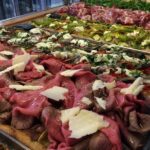
- Prosciutto, sausage varieties, and cheeses
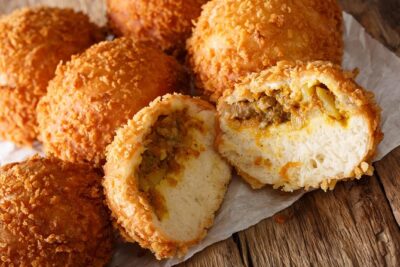
- Maritozzi (sweet bread with cream)
- Cannoli
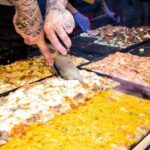
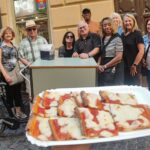
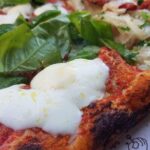
- Roman-style pizza (more than one variety)
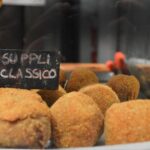
- Suppli and other street snacks
- Slow-cooked pork or other meat specialties
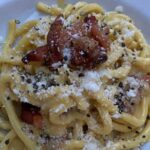
- A sit-down dinner course on some routes, often pasta and meat with wine
This matches the tour’s promise to include snacks plus lunch or dinner, depending on the timing. So even if some stops feel “small,” you’re not only doing bites. You should still leave properly fed.
The one thing to watch: if you go in too full, you’ll feel it later. More than one experience note advises to come hungry and pace yourself so you can enjoy the range. Also, at certain food counters you may end up standing because of the shop setup. That’s not a flaw of the tour so much as how some Roman food places operate.
Guides You’ll Actually Learn From (Nina, Francesca, Gulio, and Adam)
Food tours live or die by the guide. The most positive experiences all point to the same theme: the guide makes the walk feel human and the food feel explainable.
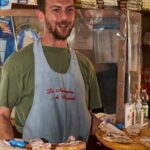
You’ll see guide names come up often, including Nina, Francesca, Gulio, and Adam. The common thread is style: friendly, talkable, and grounded in real neighborhood knowledge. People mention that guides shared food history and explained what you were tasting, not just where to buy it next.
One standout detail in the feedback: a guide re-ordered things to accommodate mobility issues, so you don’t feel forced to “push through” discomfort. That tells me this tour can be adaptable if you communicate your needs early.
Language clarity is the main variable to consider. There’s at least one negative note about a guide being hard to understand in English. That doesn’t mean every English tour has that problem, but it is a reminder to choose a time slot that works for you and bring a flexible attitude. If you’re sensitive to accents or fast explanations, be ready to ask follow-up questions during tastings.
A few more Rome tours and experiences worth a look



Wine, Coffee, and Water: How the Drinks Fit the Meal
Alcoholic beverages are included, along with coffee and/or tea and bottled water. That’s a big deal in Rome where “a drink” often turns into an extra bill. Here, wine is part of the pairing logic: you taste food, then you taste a wine that supports it.
That said, wine flow can vary by group and pacing. Some experiences describe plenty of wine across the tour. Other criticisms claim wine felt limited. My advice: plan for wine as included, but don’t treat the experience like a constant pour from start to finish. The goal is pairing, not turning the whole walk into a wine tasting marathon.
Coffee/tea also helps at the end, especially if you finish with gelato. It’s a practical way to reset your palate after sweets.
Price and Value: What $144.57 Buys You in Real Terms
The price is $144.57 per person for about four hours. On paper, it can sound like a lot—until you count what’s actually included.
You’re getting:
- multiple tasting stops,
- snacks,
- lunch and/or dinner (depending on the route/time),
- coffee and/or tea,
- alcoholic beverages,
- plus bottled water.
You’re also paying for the “small group” structure. That matters when you want a guide to answer questions and when you’re moving through busy markets and deli counters where a large group would slow everyone down.
The best value will come if you enjoy comparing flavors and you’re excited by neighborhood shopping culture. A common complaint is that the tour felt overpriced if the tastings were smaller than expected. That’s not rare in food tours, but it’s a real consideration. If you want one big, full-course meal with lots of seating, you might prefer a traditional restaurant instead.
Pace, Comfort, and Practical Tips for a Better Tour
This kind of tour is physically simple, but it’s not static. You’ll walk between food stops across two neighborhoods. The experience is built around tasting, so you’re moving often, pausing for samples, then moving again.
Do this for a smoother experience:
- Wear comfortable shoes. Even “short” distances add up when you’re tasting and stopping.
- Don’t start with a heavy meal. Several experiences stress that you should come hungry.
- Pace yourself. If you slam sweets early, dinner can feel like too much later.
- Plan for standing in some shops. Roman food counters often mean limited seating, and the tour’s format assumes you can handle that.
If you have mobility needs, the most useful move is to communicate early. One experience notes the guide re-ordered the tour to help someone try everything despite exhaustion and mobility limits. That tells me it’s worth speaking up before you start so the plan can adjust.
Who This Rome Food Tour Is Perfect For
This is a great match if:
- you like food culture more than checklists of landmarks,
- you enjoy neighborhoods like Testaccio, Campo de’Fiori, and Trastevere,
- you want a guide to explain what you’re tasting and why it matters,
- you’re happy with a walking pace and multiple tasting stops.
It might not be the best fit if:
- you strongly prefer a sit-down restaurant format with long meals,
- you want guaranteed lots of seating at every stop,
- you only enjoy very large portions and little variety.
Should You Book Taste of Rome? My Decision Guide
Book it if you’re in Rome for a short time and you want a structured way to eat your way through real neighborhoods in four hours. The included meals and drinks make the price feel more reasonable than many “light bite” tours, and the capped group size is a real quality upgrade.
Skip it (or choose another option) if you know you dislike standing, you need lots of seating, or you’re chasing a single big dinner experience. This tour is about movement and tasting comparisons.
If you do book, go in hungry, wear comfy shoes, and use the small-group size to ask questions. That’s where the experience feels worth it.
FAQ
How long is the Taste of Rome food tour?
It runs for about 4 hours.
How many people are in the group?
The tour is a very small group with a maximum of 8 travelers.
Which parts of Rome does the tour cover?
Morning tours are in the Testaccio area starting at Piazza Testaccio. Afternoon/evening tours cover Campo de’Fiori and Trastevere, starting at Piazza Farnese.
Is the tour offered in English?
Yes, it is offered in English.
Do I get a mobile ticket?
Yes, the tour uses a mobile ticket.
What’s included in the price?
In addition to tastings, it includes snacks, lunch and dinner, coffee and/or tea, alcoholic beverages, and bottled water.
Are service animals allowed?
Yes, service animals are allowed.
What’s the cancellation policy?
You can cancel for a full refund if you cancel at least 24 hours before the experience start time.
What happens if the tour is canceled due to minimum travelers?
If it’s canceled because the minimum isn’t met, you’ll be offered a different date/experience or a full refund.
When will I receive confirmation after booking?
You receive confirmation at booking time unless you book within 12 hours of travel, in which case confirmation comes as soon as possible based on availability.