REVIEW · MONTREAL
The Only Locally Owned Non-Touristy Food Tour by Spade & Palacio
Book on Viator →Operated by Spade & Palacio Tours · Bookable on Viator
One market tour can change how you see a city. This one strings together Jean-Talon Market and nearby neighborhoods with a local guide, then feeds you along the way with food and drinks. I like how the route focuses on real neighborhood life instead of the usual Old Montreal loop, and I also like that it stays practical: you get meaningful tastings and time to walk the market at your own pace with guidance.
Two things I’d highlight: the food variety (including Italian, Salvadorian, and coffee culture) and the small-group size, with a maximum of 10 people. The main drawback to plan for is that it is a walking tour, and it runs in weather that matters—so bring layers and be ready for streets, not a bus ride.
In This Review
- Key things to know before you go
- Market-to-neighborhood route: Montreal beyond the tourist lanes
- Jean-Talon Market: farm-to-table bites plus producer talk
- Little Italy coffee and neighborhood stories in 45 minutes
- Rosemont-La Petite-Patrie: Salvadorian tastings and bean-to-bar chocolate
- Price and portions: how to time your appetite for $73
- What to pack and how to handle the walk (and the weather)
- Should you book Spade & Palacio’s market tour?
- FAQ
- How long is the Spade & Palacio food tour?
- What’s the price per person?
- Where do I meet the guide, and where does the tour end?
- Is the tour walking only, or is there hotel pickup?
- What’s included in the tour price?
- Can I handle dietary restrictions or allergies?
- Is the tour offered in English, and how big are the groups?
- What happens if the weather is bad?
Key things to know before you go
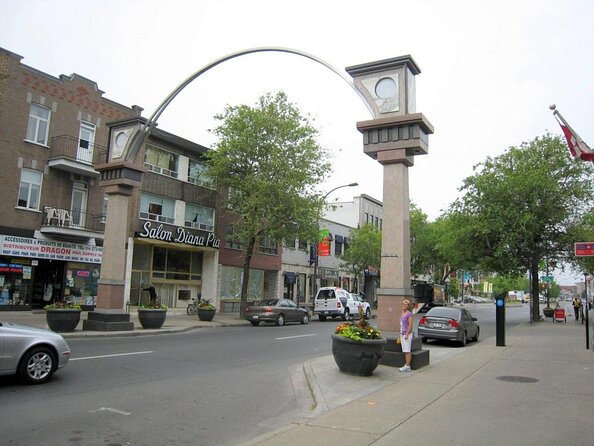
- Market-first start at Jean-Talon with multiple samples and free time to browse
- Max 10 people means the guide can actually keep an eye on the group
- Coffee stops built into the route so you don’t just snack, you fuel
- Three neighborhood flavors: market area, Little Italy, and Rosemont-La Petite-Patrie
- Local guide-led tastings with food and drinks included for one set price
- Vegetarian option and allergy notes handled when you specify them at booking
Market-to-neighborhood route: Montreal beyond the tourist lanes
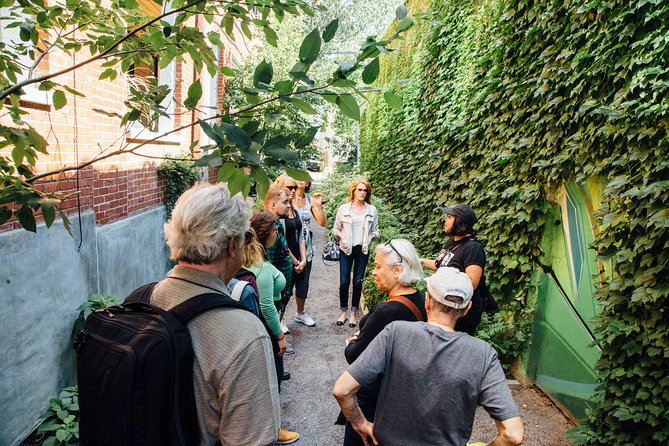
This is a Montreal food tour for people who want to understand the city through what locals buy and eat, not through a list of famous landmarks. You start at Jean-Talon Market, then move through nearby communities tied to migration and regional tastes. The result feels like Montreal in motion: produce counters, small shops, and everyday streets where food culture is part of daily life.
What makes this route feel different is the balance of structure and freedom. You’re guided for the “what to try and why it matters” parts, but you also get a chunk of time in the market to wander on your own. That matters because markets can be loud, visual, and seasonal. Having time to step back, look around, and follow your own curiosity is part of the value.
Another plus: it’s not trying to do everything in one neighborhood. You cover multiple culinary influences—Vietnamese, Italian, and Latino flavors are specifically part of the story—plus coffee and chocolate culture. That mix keeps the tour from feeling like one long food stall loop.
You can also read our reviews of more food & drink experiences in Montreal


Jean-Talon Market: farm-to-table bites plus producer talk
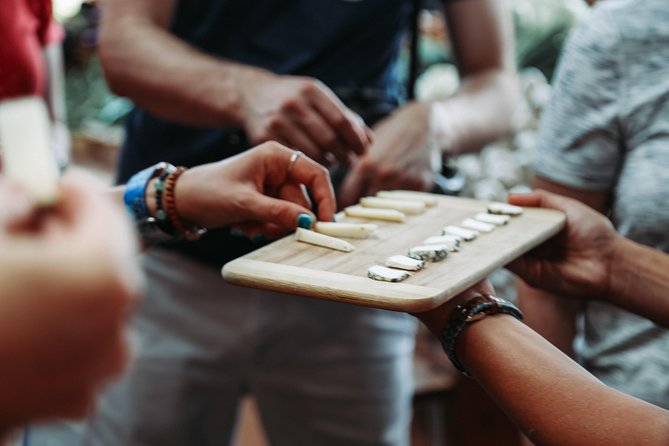
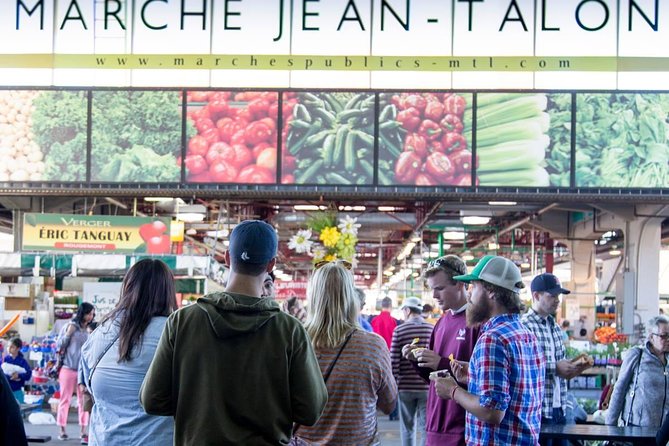
Your tour begins at 531 Rue Bélanger at Jean-Talon Market. Plan for about an hour here, and expect to start tasting early. The tour description is clear that you’ll sample at least three items, and the experience is set up so you can keep trying multiple bites/platters as vendors and specialty shops come into view. In practice, some outings can reach up to around 10 samples depending on what’s available that day.
This is also where the “farm-to-table” idea becomes real, not just a marketing phrase. You’ll get access to vendors and specialty shops where fresh produce and local standards are the point. The guide also helps connect what you’re eating to the market as a whole, so you don’t just check off flavors—you learn how the place works.
You’ll also hear about the people behind the food. The plan includes time to meet producers after the initial tastings. That part is valuable if you like knowing where ingredients come from, and not just what they taste like.
One practical consideration: markets can be a mix of indoor and outdoor areas, and food is the main event, so walking comfort matters. Wear shoes you can handle for a few blocks in a row, and if you plan to buy things after the tour, bring a tote bag so you’re not stuck carrying everything in your hands.
Little Italy coffee and neighborhood stories in 45 minutes
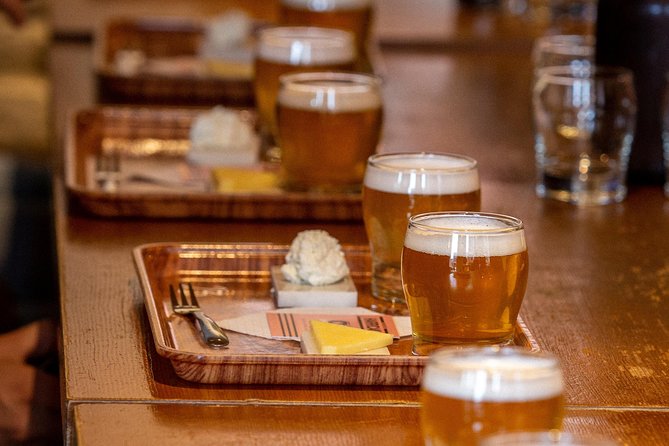
Next you head to Little Italy for about 45 minutes. This stop is built around neighborhood context and a coffee moment, not a heavy food feast. You’ll talk with your guide and sample progressive coffee, which is a nod to modern, third-wave style roasting and brewing rather than just a quick caffeine fix.
Why this stop works: coffee in Montreal is part of the culture, and it links nicely with the food scene. You get a taste experience plus an explanation for how neighborhoods shape what people eat and drink. Even if you’re not a coffee super-fan, you’ll likely leave with a few ideas for what to look for on your own later.
You’ll also get a change of pace. After the market’s density, the neighborhood walk helps you digest the earlier samples, and the guide’s “here’s where locals spend time” style makes it easier to keep exploring on your own afterward.
If there’s a drawback, it’s the time box. Forty-five minutes can feel short if you love browsing cafés, but that’s also why it keeps the tour moving and gets you to the next neighborhood with energy.
Rosemont-La Petite-Patrie: Salvadorian tastings and bean-to-bar chocolate
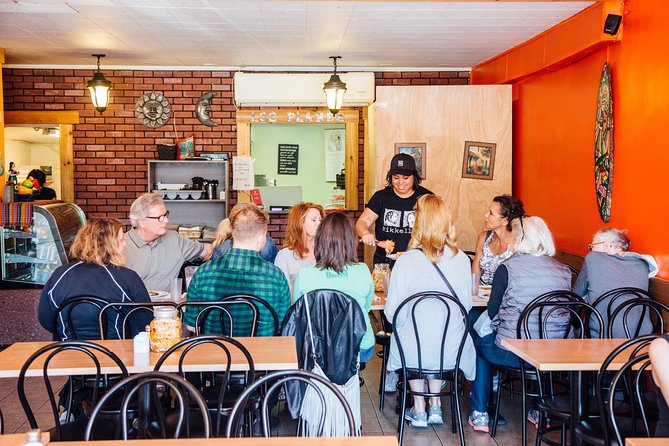
The final stretch is in Rosemont-La Petite-Patrie, roughly an hour of small-street wandering and sit-down tastings. This is where the tour leans into “mom and pop” energy and a more personal, community-driven feel.
You’ll start with a Salvadorian tasting at a local spot, then keep walking through the smaller streets to understand the surrounding communities. Coffee shows up again here, including another third-wave coffee stop at a family location. That repetition is intentional: you’re building a sense of how different shops do similar things (like making coffee) in different ways.
Then comes one of the most memorable set pieces: a stop at a bean-to-bar chocolate factory for a higher-end tasting. If you think chocolate is just something sweet at the end, this part can change your mind. Bean-to-bar is about craft and process, and the tasting is designed to help you notice those details instead of rushing past them.
The tour ends at État de choc on Boul. Saint-Laurent, which makes sense. You finish where the chocolate experience is strongest, so you’re not forced to remember flavors while also tracking down your next stop.
Price and portions: how to time your appetite for $73
At $73 per person for about 3 hours, this tour is priced as a “food + guide + drinks” experience, not a casual walk. You should think of it as a way to sample multiple independent places you might not find on your own.
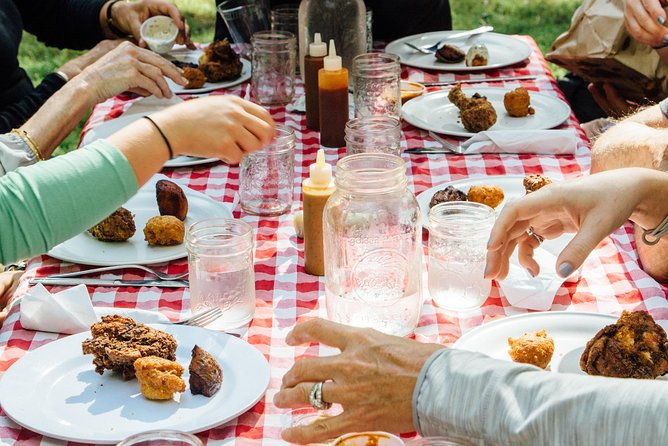
The value angle here is how the food is distributed. You aren’t just eating one big meal. You’re getting multiple bites across market vendors, then additional tastings tied to specific neighborhoods, plus coffee and a chocolate tasting. That’s why many people come hungry and leave full, with enough variety to feel like you ate a meal out of several different parts of the city.
Diet matters too. There’s a vegetarian option available if you request it when booking, and you’re asked to specify any food restrictions or allergies in the special requirements box. That’s important for value, because a food tour that can’t adapt is only worth it if you’re eating like the average person.
Portion note: the tour description says at least three samples, while the experience is often described as having many more bites. If you want the best odds of feeling satisfied, plan to eat lightly beforehand and treat this as your main food time of the day.
A few more Montreal tours and experiences worth a look

What to pack and how to handle the walk (and the weather)
This is a walking tour with neighborhood stops, and the guide keeps the pace workable. From the way the experience is described, it’s not portrayed as extreme walking, but it is enough that you’ll want solid shoes and a water plan. Bathrooms along the route can be mixed, so if that’s important to you, plan ahead rather than waiting until you’re stuck.
Weather is a real factor. The tour requires good weather, and if conditions are poor, you’ll be offered a different date or a full refund. That means you should dress for Montreal’s mood swings even on a “nice day.” Layers help, and a hat or warm outer layer matters if you’re out in cooler months.
One small tip that shows up strongly: bring a bag if you plan to shop at the market afterward. Jean-Talon Market is the kind of place where you can easily pick up a few things for a picnic or a simple dinner, and having a tote makes that effortless.
Finally, be ready for the “talk while you walk” style. You’ll get explanations of what you’re tasting and how neighborhoods got their food voices. If you like asking questions, this is the kind of tour where the guide can steer you toward good answers.
Should you book Spade & Palacio’s market tour?
If you want a Montreal food experience that feels local—market first, neighborhoods next, with coffee and chocolate included—this is a strong pick. It’s also a good choice if you don’t want to bounce around the city in big lines. With a small group (up to 10 people) and a set route anchored by Jean-Talon Market, you get structure without losing the chance to wander.
I’d skip it if you hate walking, you need a fully low-movement schedule, or you’re traveling at a time when you can’t handle potential weather changes. Otherwise, come hungry, wear comfortable shoes, and treat the tastings as your shortcut into Montreal’s current food culture—especially the parts most visitors don’t naturally find.
FAQ
How long is the Spade & Palacio food tour?
It’s about 3 hours (approx.). Jean-Talon Market is about 1 hour, Little Italy is about 45 minutes, and Rosemont-La Petite-Patrie is about 1 hour.
What’s the price per person?
The price is $73.00 per person. Food and drinks are included in that price, and there’s no hotel pickup.
Where do I meet the guide, and where does the tour end?
You start at 531 Rue Bélanger, Montréal, QC H2S 1G5, Canada. The tour ends at État de choc, 6466 Boul. Saint-Laurent, Montréal, QC H2S 3C4, Canada.
Is the tour walking only, or is there hotel pickup?
There’s no hotel pickup or drop-off. It’s a walking tour with neighborhood stops.
What’s included in the tour price?
A local guide plus food and drinks are included.
Can I handle dietary restrictions or allergies?
Yes. Vegetarian is available if you advise at booking. If you have food restrictions or allergies, you must specify them in the Special Requirements box at checkout.
Is the tour offered in English, and how big are the groups?
The tour is offered in English. The group size has a maximum of 10 travelers.
What happens if the weather is bad?
The tour requires good weather. If it’s canceled due to poor weather, you’ll be offered a different date or a full refund.