REVIEW · THESSALONIKI
Thessaloniki Food Tour with a Local Chef
Book on GetYourGuide →Operated by How Greeks Eat · Bookable on GetYourGuide
Thessaloniki tastes better with Tonia. This 3.5-hour walk-and-taste outing turns everyday Greek ingredients into something you can actually use at home—especially honey and olive oil. You’ll get guided sampling, not just random bites.
I also love how the tour mixes learning with real food stops—markets for herbs, spices, olives, and teas, then a farm-to-table charcuterie board and a proper lunch. It’s a smart first-day activity because it gives you names, flavors, and shopping directions for the rest of your trip.
One thing to consider: you’re on your feet for several hours, and transportation to the meeting spot isn’t included. Plan for easy walking, sun protection, and getting yourself to the Grigori Lampraki monument on time.
In This Review
- Key reasons this Thessaloniki food tour wins
- Meeting at Grigori Lampraki: where the tasting day really begins
- First tastings: baked goods, cheeses, cold cuts, and Greek drinks
- The Thessaloniki food market: herbs, spices, and the stuff locals actually buy
- Olives and olive oil: learning to taste, not just to eat
- Honey tasting: multiple flavors, one ingredient story
- Greek teas and rare spices: the flavor toolbox lesson
- Rare balsamic vinegar glazes: small tastes, big uses
- Farm-to-table charcuterie: meats, cheeses, and the lunch setup
- Walking pace, group feel, and what to pack
- Price and value: is $129 worth it?
- Who this tour is best for (and who should choose something else)
- Should you book the Thessaloniki Food Tour with a Local Chef?
- FAQ
- How long is the Thessaloniki food tour?
- Where do we meet for the tour?
- Is the tour guide available in English?
- What tastings are included in the price?
- Is transportation to the meeting point included?
- What should I bring?
- Are pets allowed?
- Can I cancel for a refund?
- Is it possible to pay later?
- Are there any rules about smoking?
Key reasons this Thessaloniki food tour wins
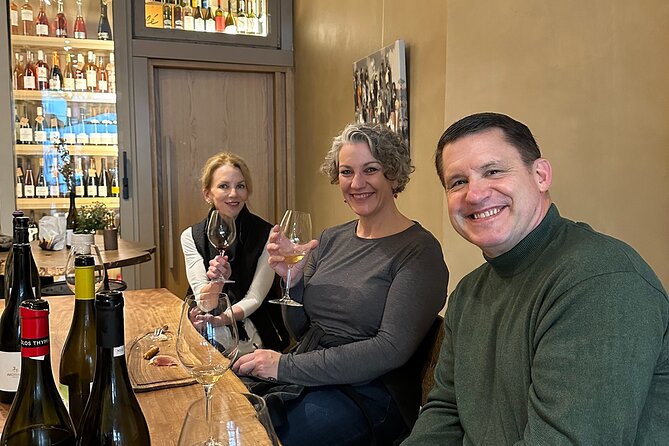
- Honey you can sort by flavor, not just by sweetness
- Olive oil tastings that help you notice differences like a local
- Olives, Greek teas, and rare spices explained in practical terms
- Farm-to-table charcuterie with a mix of meats and cheeses
- Lunch at a restaurant run with real kitchen craft
Meeting at Grigori Lampraki: where the tasting day really begins
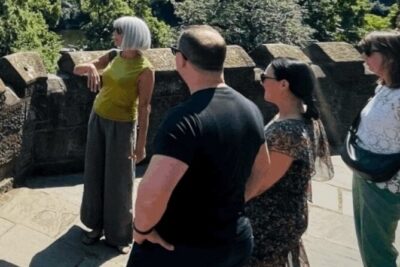
The tour meets at the Grigori Lampraki monument, with the start tied to TSANTES ONLINE. Either way, show up ready to walk—this isn’t a sit-down class. It’s built for pacing: you meet, get oriented, then start sampling while you’re still fresh.
This kind of setup matters. When you start with a guide right at the ground level, you’re not spending your first hours in Thessaloniki guessing what’s good. Instead, you’re learning how to pick flavors, what to ask for, and what to look for in shops you’ll pass later.
Quick tip: set your phone to offline maps before you go. Then you can focus on the streets, not on signals, while you make your way to the meeting point.
You can also read our reviews of more food & drink experiences in Thessaloniki


First tastings: baked goods, cheeses, cold cuts, and Greek drinks
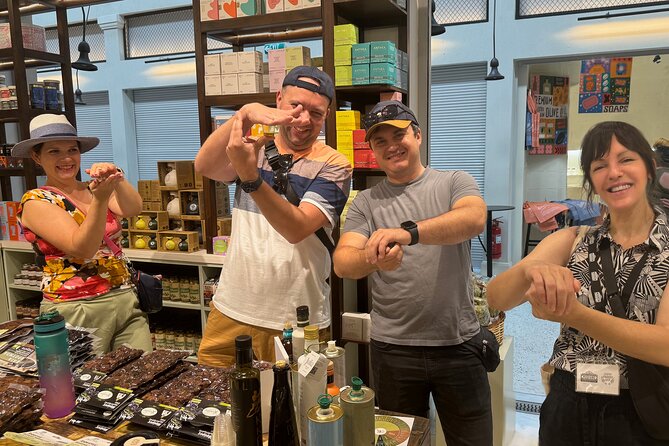
You start with a lineup of baked goods plus cheeses and cold cuts, paired with locally crafted Greek beverages. This isn’t just snacking for fun—it’s a warm-up that helps you understand how Greek meals “build” flavors. Salty, creamy, and tangy notes come first, then you begin meeting the sweeter and aromatic ingredients later.
What I like about starting this way: it gives you context. When you later taste honey varieties and olive oils, your palate already has a baseline for salt, fat, and acidity.
And because the tour is led in English by a live guide, you can ask real questions while the food is in front of you. If you’re the type who likes to know what you’re tasting—not just that it’s good—this pacing helps.
The Thessaloniki food market: herbs, spices, and the stuff locals actually buy
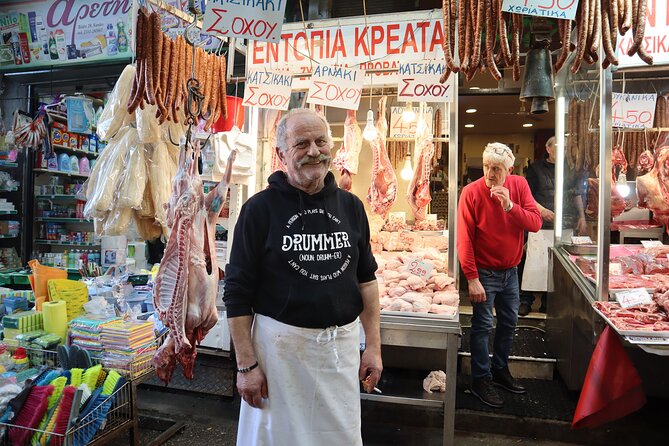
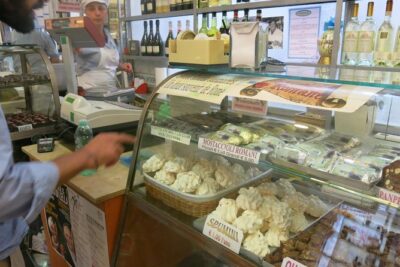
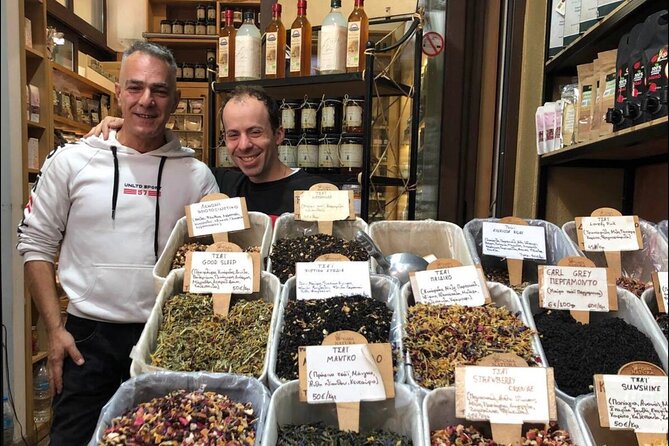
After the opening bites, you move into the historic food market for the heart of the “how Greeks shop” experience. You’ll find local delicacies, plus quaint shops where herbs and spices take center stage.
This is the part that turns a food tour into something useful. You’re not only eating; you’re learning what to look for when you’re standing in front of jars and bags back home. The tour includes rare spices and guidance on how to use them, so you can translate the tasting into real cooking choices.
A practical note: market days can mean some uneven sidewalks and a bit of crowd movement. Bring comfortable shoes and keep water nearby so you can enjoy the pace rather than feel rushed.
Olives and olive oil: learning to taste, not just to eat
Olives are a dedicated stop, with a variety of olives served alongside explanations about the differences. Then you get olive oil tastings, which is where this tour becomes more than a sampler.
Olive oil tasting can sound fancy, but you’ll actually be learning what changes the flavor: fruitiness, bitterness, and the way the oil finishes on your tongue. That’s the kind of knowledge that lets you buy better at a shop later—because you’ll know what to look for beyond a label.
If you like simple meals, this matters even more. In Greece, olive oil isn’t a finishing touch that’s optional—it’s part of the flavor foundation. Once you’ve tasted a few versions side by side, you’ll understand why locals take it seriously.
Honey tasting: multiple flavors, one ingredient story
One of the most praised parts is the introduction to honey and its flavors—and it’s not treated like one flavor fits all. You’ll sample different types, hear how they differ, and learn why each one tastes the way it does.
This is a smart move for beginners. Honey can be boring if you only think of it as sweet. But when you taste varieties next to each other, you start picking up notes—floral, darker, or more complex profiles—depending on the honey type.
And there’s a payoff after the tour. Once you’ve learned what you liked, you can seek out similar flavors while shopping, or use the ones you can find at home for yogurt, cheese plates, or even baked goods you buy later in Thessaloniki.
A few more Thessaloniki tours and experiences worth a look

Greek teas and rare spices: the flavor toolbox lesson
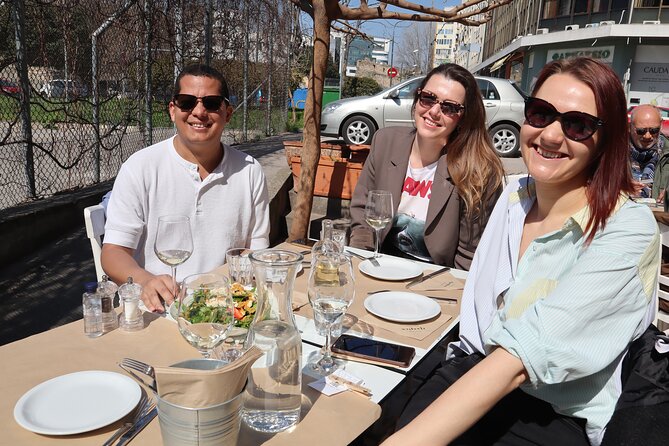
As you keep moving through shops, you’ll taste Greek teas and learn about their benefits. The point isn’t to turn you into a herbal scientist. It’s to show you what locals actually think these drinks do in everyday life.
Then you’ll encounter rare spices—with guidance on how to use them yourself. This is the part you can bring home immediately, because spices are the easiest ingredient to shop for and pack.
A helpful way to think about this stop: Greeks often treat spices like “signals” for the kind of meal you’re making. Once you understand the role each spice plays, you’ll cook with confidence instead of guessing.
Rare balsamic vinegar glazes: small tastes, big uses
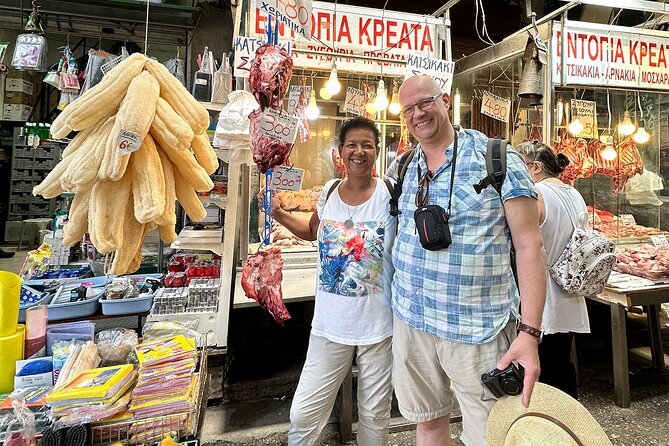
Included in the tasting lineup are rare balsamic vinegar glazes. Even though balsamic isn’t a Greek specialty in the usual tourist mind, glazes like this help you understand how Greeks (and Greek restaurants) balance sweet and sour with salty foods.
Try to taste it with what you’re eating at that moment—because the glaze isn’t just a flavor in the air. It changes the way meats, cheeses, and olive oil flavors land on your palate.
If you’re thinking ahead: this is the kind of product that can become a quick kitchen shortcut for salads, roasted vegetables, and cheese boards once you’re back home.
Farm-to-table charcuterie: meats, cheeses, and the lunch setup
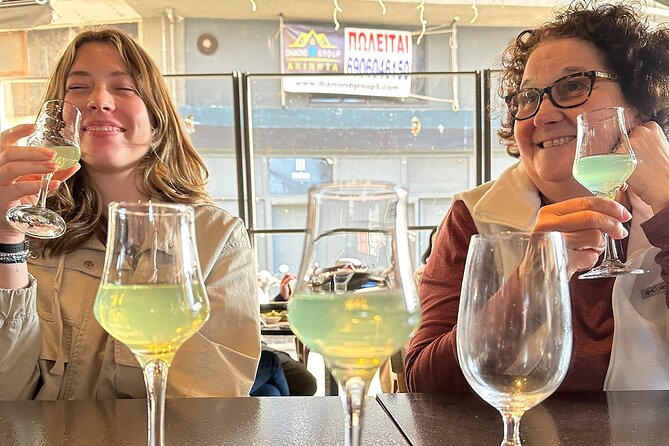
The tour includes a farm-to-table charcuterie board with a variety of meats and cheeses. This is a key moment because it ties together the earlier tastings—salt, fat, and acidity—into one satisfying meal rhythm.
I like that the tour doesn’t treat lunch like an afterthought. The charcuterie sets up what you’ll recognize later: how olive oil pairs with cheese, how honey can work with salt, and how olives bring a briny edge that resets your palate.
Then, you move to the final dining stop at a charming restaurant where you can admire the skills of local kitchen artists. This is where the day stops being purely “sampling” and becomes a real Greek meal experience.
Walking pace, group feel, and what to pack
The tour is listed at 3.5 hours, and it’s designed to move through a compact set of stops rather than a long, exhausting route. In practice, the pace can feel unhurried when there’s lots to taste and questions to ask. So don’t schedule something stressful right after.
What to bring is clearly spelled out:
- Comfortable shoes
- Sun hat
- Camera
- Sunscreen
- Water
Also, consider packing a small snack plan in your head. Even though lunch is included, you’ll be tasting along the way, and everyone eats at a different speed.
Price and value: is $129 worth it?
At $129 per person for about 3.5 hours, you’re paying for three things: local access, guided tasting, and the cost of all those ingredient samples. Food tours can be expensive when they’re mostly just “walk and eat,” but this one is structured around ingredient learning—honey varieties, olive oils, olives, teas, and rare spices—plus lunch.
Here’s how I’d judge value:
- You’re not only eating; you’re getting explainers that help you shop and cook later.
- You’re tasting multiple categories (honey, olives, olive oil, cheeses/meats, teas, spices), so the cost per “learning moment” feels fair.
- You’re leaving with specific recommendations for where to eat and what to look for again, which makes the tour pay off across your trip.
If you’re the kind of traveler who loves food details—what an ingredient tastes like, not just that it tastes good—this price starts to make sense fast.
Who this tour is best for (and who should choose something else)
This tour fits you well if you want a first-day plan for Thessaloniki that makes later meals easier. It’s also a good choice if you enjoy market wandering, tasting comparisons, and learning how to use flavors at home.
It may be less ideal if you hate walking. You’ll cover several stops in one outing, and the market environment can involve some shifting foot traffic.
Diet matters too. The tour notes you should be mindful of allergies or dietary restrictions. People have also reported that the guide helped ensure options were available when restrictions came up, so it’s smart to share your needs ahead of time.
One more practical constraint: pets aren’t allowed and smoking isn’t allowed, so plan accordingly.
Should you book the Thessaloniki Food Tour with a Local Chef?
If you want a Thessaloniki food experience that feels grounded in how locals actually think about ingredients, I’d book it. The mix of honey, olive oil, olives, and rare spices gives you real flavor education, and the pacing keeps it from feeling like a rushed sprint.
I especially recommend it if you:
- want an efficient way to get your bearings with local food
- enjoy markets and shopping for ingredients
- like guides who connect flavors to everyday life
Just go in prepared for walking and bring your essentials—shoes, sun protection, water—and you’ll have a day that’s both delicious and useful.
FAQ
How long is the Thessaloniki food tour?
The tour lasts 3.5 hours.
Where do we meet for the tour?
You’ll meet at the Grigori Lampraki monument.
Is the tour guide available in English?
Yes, the tour includes a live tour guide in English.
What tastings are included in the price?
The tour includes olive oil tastings, an introduction to honey and its flavors, rare balsamic vinegar glazes, farm-to-table charcuterie, a variety of olives, Greek teas and their benefits, and rare spices.
Is transportation to the meeting point included?
No. Transportation to the meeting point isn’t included.
What should I bring?
Bring comfortable shoes, a sun hat, a camera, sunscreen, and water.
Are pets allowed?
No, pets are not allowed.
Can I cancel for a refund?
Yes. Free cancellation is available up to 24 hours in advance for a full refund.
Is it possible to pay later?
Yes. You can reserve now & pay later (pay nothing today).
Are there any rules about smoking?
Yes. Smoking isn’t allowed.