REVIEW · TORREVIEJA
Torrevieja: Local Wine and Food Tasting Tour in La Mata Park
Book on GetYourGuide →Operated by Tours Costa Blanca · Bookable on GetYourGuide
A short lagoon walk, then wine. This Torrevieja food and wine tasting pairs a guided stroll in La Mata Nature Park with a proper sit-down tasting of local olive oils, homemade cheese, tapas, and organic Alicante DO wines. The best part is how the walk sets the stage for what you taste. I also like that your guide explains the park’s lagoons and the area’s wine connections, so it feels more than just a snack stop.
The one thing to think about is the walking time and the heat, especially on the return through the park. One practical note: if you’re sensitive to warm weather, plan for a steady pace and pack water.
In This Review
- Quick hits: what makes this tour work
- La Mata Nature Park: why you sip after the walk
- Your 3-hour flow: from lagoon intro to the tasting tables
- The lagoon views and birdwatching: the best reason to start early
- The vineyard route and the 15th-century stop that adds meaning
- Organic Alicante DO wines: how the pairing portion works
- Olive oil, cheese, and tapas: what to eat and why it matters
- Flamingos and the Pink Lagoon: what happens in hot weather
- Price and value: is $45 worth it here?
- Who should book this Torrevieja tour, and who should skip it
- Booking reality checks: timing, meeting point, and pace
- Should you book the La Mata Wine and Food Tasting Tour?
- FAQ
- What’s the duration of the Torrevieja La Mata wine and food tasting tour?
- How much does the tour cost?
- Where do I meet the guide?
- What languages are offered?
- What’s included in the tasting?
- Is the tour wheelchair accessible?
Quick hits: what makes this tour work
- La Mata Nature Park first: you start with lagoon views and bird spotting before the tasting begins
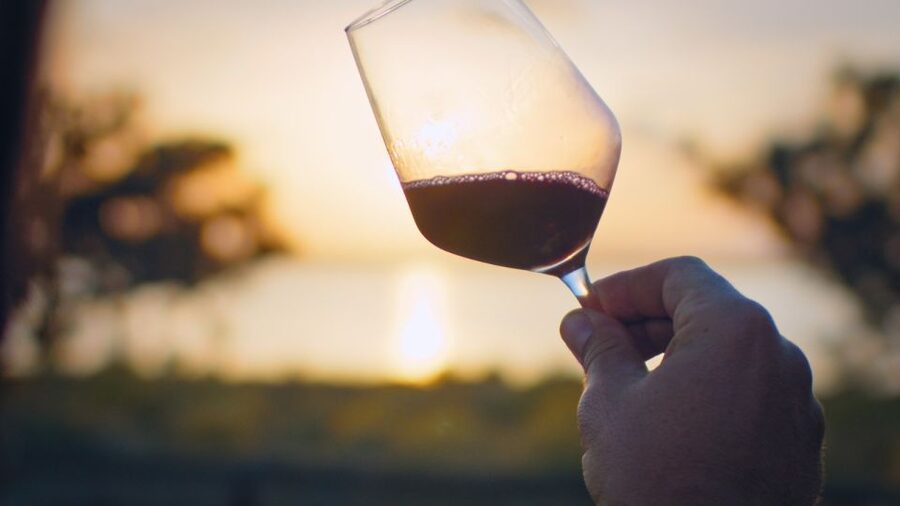
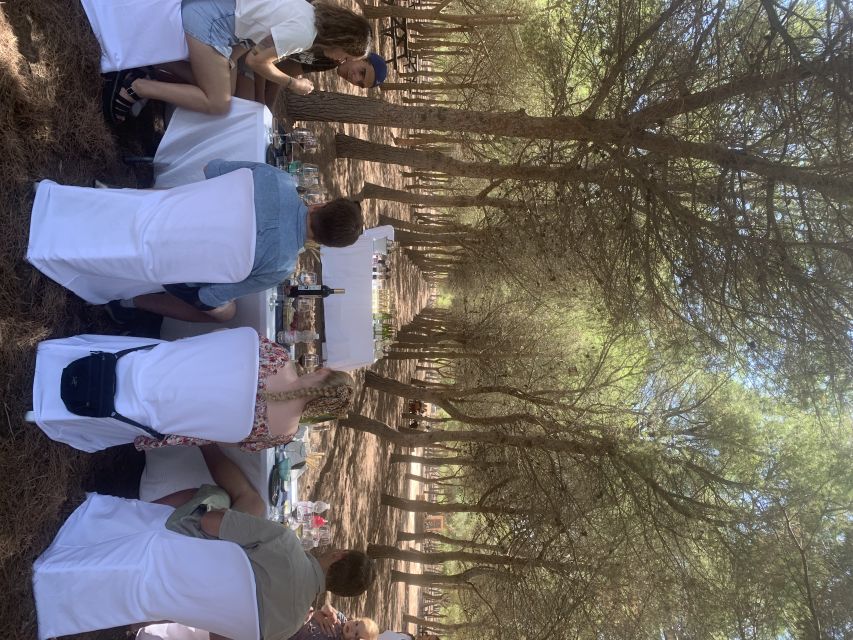
- Sit-down tasting setup: oils, cheeses, tapas, and 3 organic Alicante DO wines arrive at tables in the park
- Pairing focus: the tasting is built around learning how to match wines with olive oil, cheese, and dishes
- History along the route: a stop at a small 15th-century structure adds context
- Birdwatching moments: migratory birds can include flamingos, depending on the season
- Summer switch: when temperatures run high, the format can change to a blind tasting and local products at the Pink Lagoon
La Mata Nature Park: why you sip after the walk
This is the kind of tour that makes sense in a region like Torrevieja, because you don’t just start eating and call it cultural. You begin at the Centro de Interpretación Parque Natural La Mata, then head out on foot through the natural area. The park’s lagoons and the salt-marsh setting are the backdrop for everything that comes next.
I like the order. Seeing the lagoon and hearing how the park works gives your tasting a frame. When you later drink Alicante DO organic wines, you’re not thinking only about flavor; you’re thinking about place. And because your guide also talks about Torrevieja and regional wine ties, the tasting comes with context instead of feeling random.
Still, the experience is built around walking. It’s not a drive-by photo stop. If you expect mostly flat, effortless strolling, you may need to adjust your expectations.
Your 3-hour flow: from lagoon intro to the tasting tables
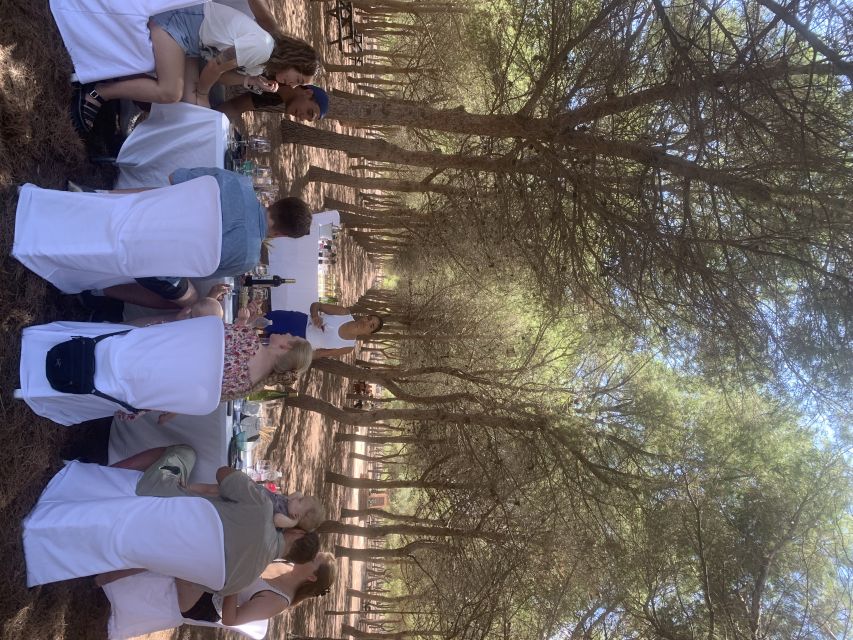
You’ll meet your guide at the entrance of La Mata Nature Park, at the interpretation center, and you’ll spot them holding a visible Tours Costa Blanca sign. From there, the tour starts with a short introduction about the park’s lagoons—exactly the kind of intro that helps you know what to look for when you’re out on the route.
Then you’re walking along a vineyard route within the park. That matters because you’re not just wandering through generic scenery. You’re moving through an area tied to agriculture, and your guide brings in the story of wine production in a wider regional context, including connections between northern Spain and southern France.
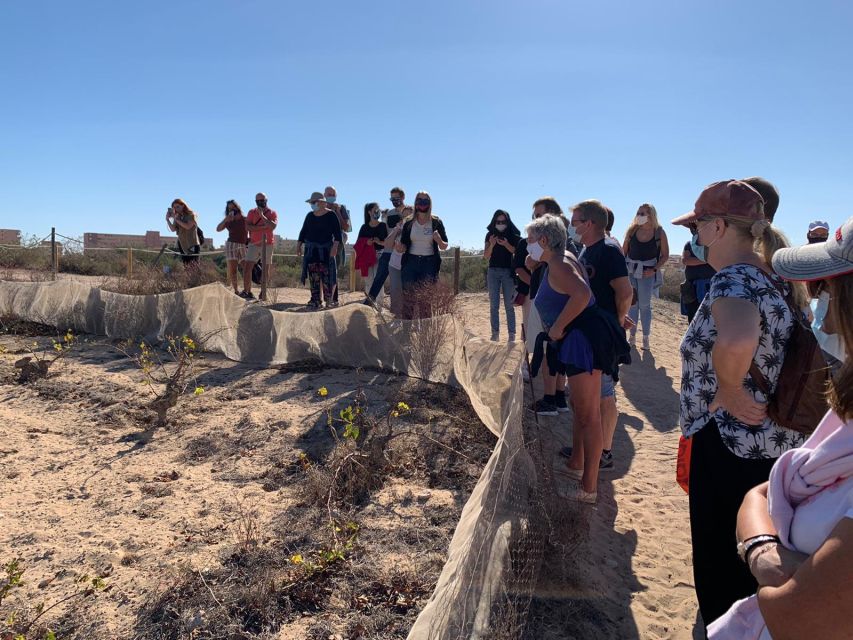
Next comes a change of pace. You’ll stop to look at a small 15th-century structure that hints at how this place mattered historically. Even if you don’t consider yourself a history person, it’s the type of stop that keeps attention focused—short, visual, and tied to the area’s evolution.
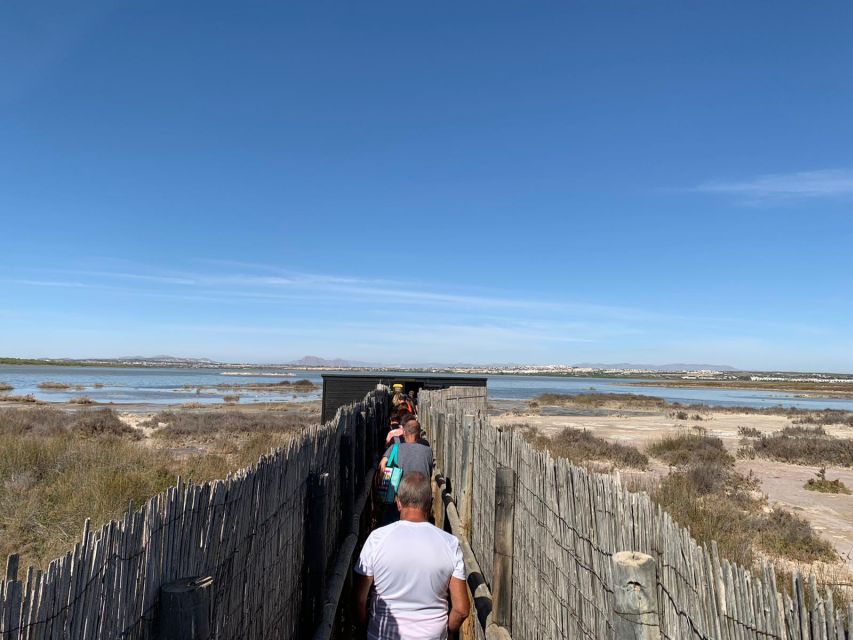
After that, you continue to a picturesque spot for the lagoon views. This is where you have a real chance to spot resident and migratory birds like flamingos, when conditions are right. Then you wrap up the walking portion and head to the tasting tables set up for the food and drink portion of the tour.
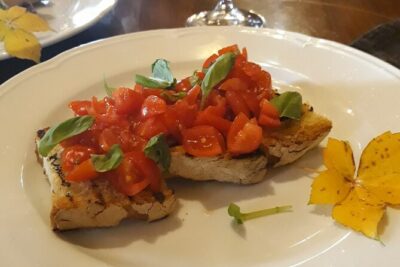
The tasting portion is designed as a guided pairing experience. You’ll sample 3 organic wines from DO Alicante, and you’ll pair them with 2 extra virgin olive oils, 2 homemade goat cheeses, and 2 tapas dishes. It’s not only about drinking; it’s about learning which flavors work together.
The lagoon views and birdwatching: the best reason to start early
The lagoon stop is the moment that makes this tour feel like more than a food outing. In La Mata Nature Park, the lagoon setting is visual and atmospheric—something you notice immediately once you reach the viewpoints. And because the tour is walking-based, you get to experience that setting gradually, not as one quick look.
Birdwatching is part of the payoff. The tour includes time where you can look for resident and migratory birds, including flamingos. You won’t control the birds (nature doesn’t do schedules), but the tour is structured so you’re in the right places long enough to have a genuine chance.
Practical advice: if you want photos, bring a phone you can steady, and wear shoes you’re comfortable walking in. Since this is a short tour, you don’t want to be fussing with footwear or struggling with long stretches.
The vineyard route and the 15th-century stop that adds meaning
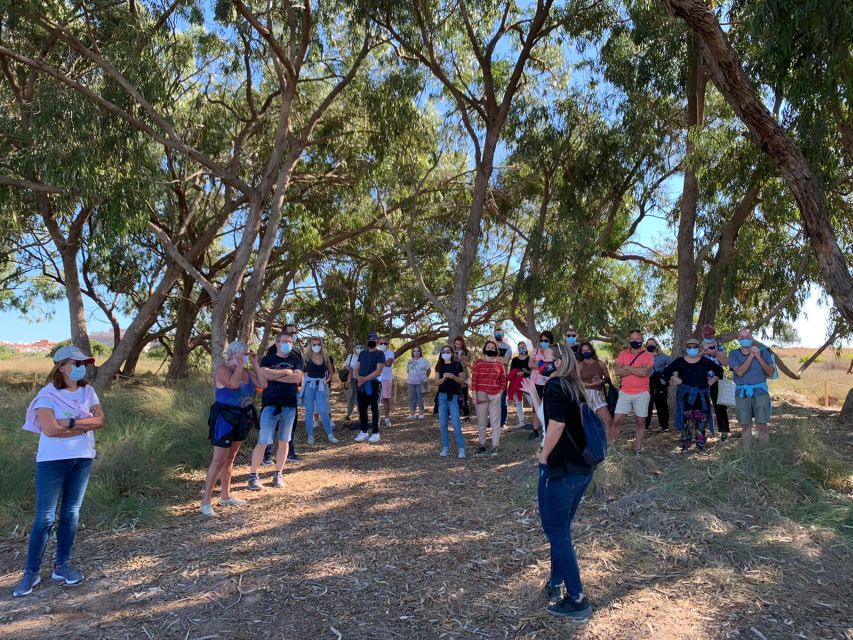
One of the strengths of this tour is that it keeps moving between two themes: nature and human history. The vineyard route makes the agriculture angle clear, and your guide’s explanations tie that agriculture to the region’s wine story.
The small 15th-century structure is a useful interruption. It breaks up the walk and gives you something concrete to look at. Without this kind of stop, many tasting tours become a single loop: walk, drink, eat, done. Here, you get a moment that makes the park feel older than it looks.
If you enjoy travel that connects food to time and place, you’ll appreciate this. If you’re only after the tastings and would happily skip historical stops, you might feel the walking part is doing more than you expected—but the structure is short and purposeful.
Organic Alicante DO wines: how the pairing portion works
Let’s talk about the part most people book for: the drinks and the food pairing.
You’ll taste 3 organic wines from DO Alicante. The key word here is pairing. Your guide doesn’t just pour wine and point at snacks. The tour is set up so you learn how to match wine with flavors from the local products—especially the olive oil and cheese, which are often the trickiest items to pair well.
Alongside the wines, you’ll taste:
- 2 extra virgin olive oils from the area
- 2 homemade goat cheeses (100%)
- 2 tapas dishes
This combo is smart for two reasons. First, olive oil and goat cheese each bring strong character. Olive oil has texture and peppery notes; goat cheese can go tangy and earthy quickly. Second, tapas typically add variety in salt, acidity, and spice, which helps you notice how each wine responds.
In other words, the tasting isn’t just a lineup. It’s a guided set of comparisons—exactly what makes these tastings feel educational instead of repetitive.
One caution from the field: wine quality can be subjective, and not every palate agrees on every pour. If you’re a strict wine purist, go in expecting a curated tasting experience rather than a sommelier-level judging competition.
Olive oil, cheese, and tapas: what to eat and why it matters
This tour’s food isn’t an afterthought. It’s designed to be part of the logic behind the wines.
The olive oils matter because you taste 2 extra virgin oils. That gives you a chance to notice differences in bitterness, aroma, and finish. Even if you’ve never done formal olive oil tasting, you’ll likely find it easier to pick up on the contrasts when you have two oils back-to-back.
The goat cheeses are another anchor. Since you’ll taste 2 homemade goat cheeses (100%), you get more than one flavor direction, so your palate doesn’t get stuck on just one profile. You’ll also start to understand why goat cheese shows up so often in local food pairings: it handles wine structure well and stands up to salty tapas.
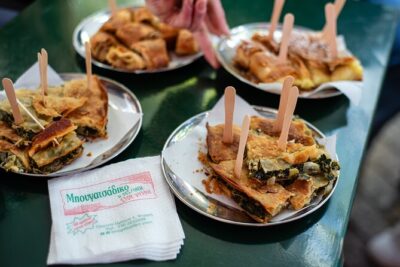
Then you have 2 tapas dishes. Tapas in this format help balance the heavier flavors from cheese and oils with something bite-sized and varied. It makes the whole meal feel like part of one experience, not a series of separate samples.
If you like practical tastings—things you could re-order later in Torrevieja—this setup is a good one to learn from.
Flamingos and the Pink Lagoon: what happens in hot weather
La Mata is known for its lagoon environment, and the tour directly reflects the reality of Mediterranean summer.
The info for the experience includes a summer adjustment: due to high degrees in summer, they can swap the walking-tasting format for a blind wine tasting and a tasting of local products in the Pink Lagoon. That’s not a small change. It changes how you experience the flavors and the setting.
Blind tasting can be fun because it forces your brain to focus on aroma and taste rather than label expectations. Even if you’re not into “game-style” tastings, it’s a practical solution in heat—less time exposed, and more time enjoying the tasting experience at the right moment.
If you’re visiting in summer and hate heat, this is worth paying attention to. It suggests you won’t be left sweating through the whole event no matter what.
Price and value: is $45 worth it here?
At $45 per person for about 3 hours, you’re paying for a guided walk plus a guided tasting with multiple product categories. This isn’t just a glass-and-wander deal.
Here’s the value breakdown:
- You get a guide and a walking tour
- You taste 3 organic wines (DO Alicante)
- You taste 2 extra virgin olive oils
- You taste 2 homemade goat cheeses
- You taste 2 tapas dishes
That combination is what makes the price feel reasonable. Wine alone can cost close to that in many places when you’re not getting a multi-pairing experience. And olive oil plus two cheeses plus tapas usually pushes it beyond what you’d pay for a typical “two drinks and a snack” setup.
The main value risk is expectation. If your priority is heavy hiking or long outdoor time, this tour is timed tightly for a tasting. If your priority is purely tasting, the park walk may feel like it’s taking up too much of your limited time. But for most people—especially food travelers who also like nature—this pricing lines up well with what you receive.
Who should book this Torrevieja tour, and who should skip it
This tour is a good fit if you like:
- Food and wine pairings that teach you how flavors match
- Easy nature time in a specific park setting, not a generic promenade
- A mix of history + scenery rather than only tasting
- Birdwatching, especially if you’re hoping to see flamingos
It may not be ideal if:
- You’re uncomfortable with warm-weather walking or long stretches on foot
- You want a fully wheelchair-smooth route without any uneven ground concerns
- You only want wine and would skip olive oil and cheese pairings
One helpful thing to know before you go: the group may be split for the tour, which can help the pace work better for different people. That’s a small operational detail, but it often makes the experience more pleasant in practice.
Booking reality checks: timing, meeting point, and pace
Your guide meets you at the park entrance at the interpretation center, with the Tours Costa Blanca sign. You’ll want to arrive a bit early so you’re not rushing into the start.
As for pace, one practical note that matters: on hot days, the walk back toward the start can feel longer than you expect. If you’re the kind of traveler who plans for comfort first, bring water and plan to slow down. It’s a short tour, but it still sits inside real outdoor conditions.
Accessibility is listed as wheelchair accessible, but the route may not be fully suitable for everyone’s needs. If wheelchair use is a must for you, it’s smart to ask ahead whether the vineyard route and return paths work for your specific chair and mobility level.
Should you book the La Mata Wine and Food Tasting Tour?
Book it if you want a 3-hour Torrevieja experience that mixes a guided nature walk with an actual pairing tasting: organic Alicante DO wines, olive oil, homemade goat cheese, and tapas. It’s a strong choice for travelers who like their food travel grounded in place—lagoon views, birdwatching chances, and a bit of history along the way.
Skip it if walking in heat is a deal-breaker for you, or if you only care about wine and don’t want the full food pairing lineup.
If you fall somewhere in the middle, you’re exactly the target audience.
FAQ
What’s the duration of the Torrevieja La Mata wine and food tasting tour?
The tour lasts 3 hours.
How much does the tour cost?
The price is $45 per person.
Where do I meet the guide?
Meet at the entrance of Centro de Interpretación Parque Natural La Mata, where the guide will be holding a visible Tours Costa Blanca sign.
What languages are offered?
The live guide offers Spanish and English.
What’s included in the tasting?
You’ll taste 3 organic wines DO Alicante, 2 extra virgin olive oils, 2 local tapas, and 2 homemade goat cheeses (100%).
Is the tour wheelchair accessible?
The tour is listed as wheelchair accessible, but it’s a walking tour in a natural park, so ask the operator if the specific route works for your needs.