REVIEW · MARRAKECH
Marrakech street food tour with a local
Book on Viator →Operated by Taste of Morocco Adventures SARLAU · Bookable on Viator
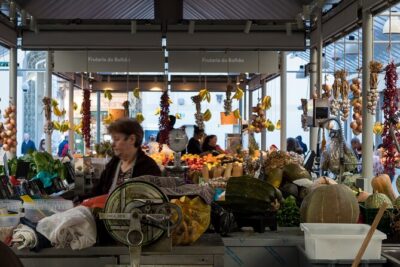
Street food in Marrakech can feel like chaos. This 3-hour walk with a local guide turns that chaos into a tasting route through the medina, with 8 to 9 local dishes (no couscous, no tagine) and all food and drinks included. You’ll also spend time in and around Jemaa el-Fnaa, the main square that sets the rhythm for the whole city.
What I like most is how it pushes beyond the usual “ordering dinner” mindset. You’ll try Berber-style street foods like msemen and sfenj, plus soups, grilled meats, fruit, and hot herbal drinks—so you taste the city, not just its most famous dishes.
One thing to consider: you’re meant to come hungry and pace yourself. With up to nine stops and a small group (max 15), it’s not a casual nibble tour if you get full fast.
In This Review
- Key points at a glance
- What This Marrakech Street Food Tour Actually Is (and isn’t)
- Meeting at Café de France in Jemaa el-Fnaa, Then Into the Medina
- The Food Stops: 8 to 9 Dishes Beyond Tagine and Couscous
- 1) Msemen Amer and sweet-salty starts
- 2) Harira and Chebakia: soup plus a sweet pairing
- 3) Makkla bel Kefta: a Marrakech take on a familiar comfort
- 4) Sfenj: light donuts that don’t feel like a brick
- 5) Lhnidiya (cactus fruit) and a fresh palate reset
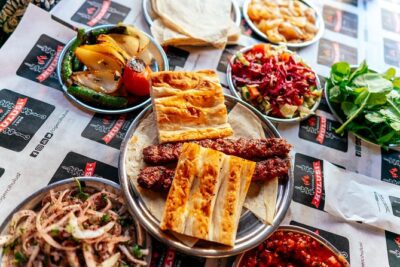
- 6) Chwa: grilled meats like beef, turkey, and liver
- 7) Rass Mbekher: sheep’s head, seasoned with cumin
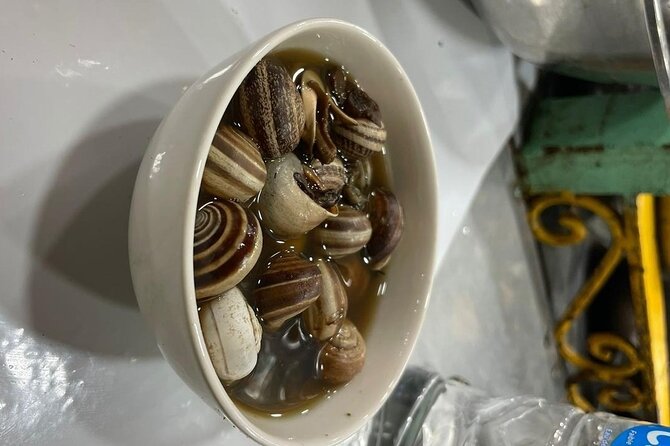
- 8) Snail soup: if it’s on the day, it’s a real taste test
- 9) Panaché smoothie, plus Khoudenjal herbal infusion to close
- How Much Walking You’ll Do (and How to Pace Your Appetite)
- Guides, Group Size, and Why the Questions Matter
- Price and Value: What $40.71 Really Buys You
- What You Should Know Before You Go
- Who This Tour Suits Best
- Should You Book This Marrakech Street Food Tour With a Local?
- FAQ
- Where is the meeting point?
- How long is the Marrakech street food tour?
- How many dishes will I try?
- Is tagine or couscous included?
- What’s included in the price?
- What if I have allergies or dietary restrictions?
Key points at a glance
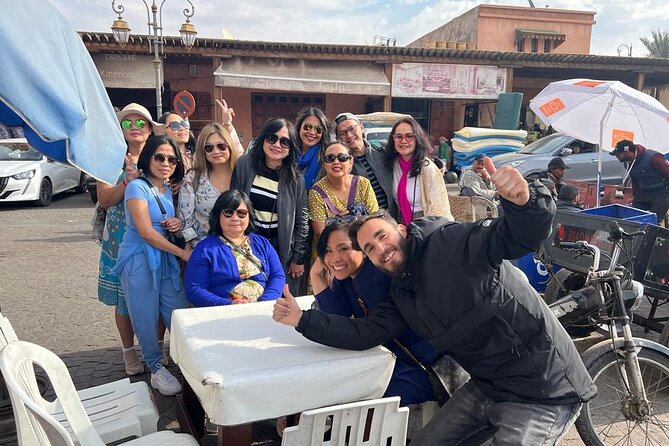
- No tagine, no couscous: the menu is built around street classics you may not look for on your own.
- 8 to 9 tastings across the medina alleys, with options like soup, grilled meats, sweets, fruit, and drinks.
- Jemaa el-Fnaa context: you’ll explore the main square area and then slip into local-only-feeling spots.
- Friendly, people-first guides: named guides in past groups include Mohamed, Ismail, and Lhoussaine.
- Small groups with a max of 15 make it easier to ask questions and adjust to your tastes.
What This Marrakech Street Food Tour Actually Is (and isn’t)
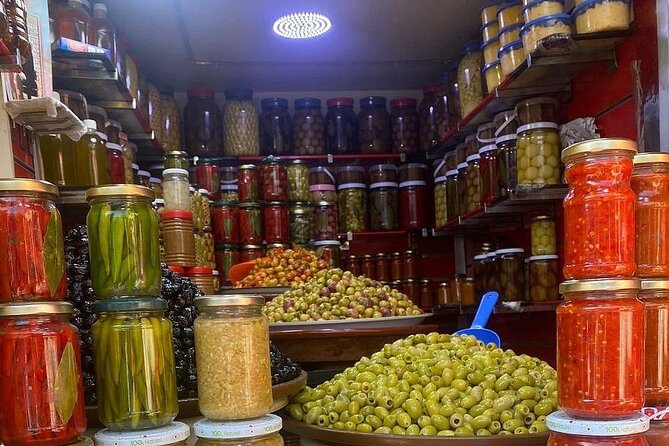
This tour is designed for people who want the medina’s food culture without repeating the same two words you’ll see on every menu. Expect street-style tastings, not a sit-down meal. The whole point is trying dishes you wouldn’t normally pick, including Berber street foods and specialties that show up in markets and neighborhood stalls.
It’s also intentionally structured around variety. You’re not just eating one thing at multiple places. One stop might be pancake-like comfort, another could be soup and sweets, then you move into savory grilled items and richer delicacies. The drinks are part of the experience too, including a hot eucalyptus herbal infusion and a seasonal fruit smoothie.
And yes, the tour includes Jemaa el-Fnaa as part of the energy of the day. It’s not only about food on the move; it’s about understanding how the square feeds the rest of the city’s street life.
You can also read our reviews of more food & drink experiences in Marrakech
Meeting at Café de France in Jemaa el-Fnaa, Then Into the Medina
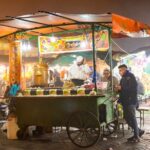
You meet at Café de France in the main square area, with the meeting pin listed near Jemaa el-Fnaa (Znikat Rahba, Marrakech 40000). That’s a smart starting point because it’s a well-known landmark—helpful when you’re trying not to waste your first half hour getting turned around.
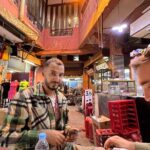
Once you’re together, you’ll walk into the Medina’s alleyways. This is where the “with a local” part really matters. The route is about reaching spots where you’ll feel the rhythm of local eating, not just tourist-friendly stalls. Past participants have said the guides help them navigate the overwhelming parts of the square area, then guide you smoothly on the walk.
Timing-wise, the tour is about 3 hours. That’s long enough to feel like a real food crawl, but not so long you’re surviving on bread and water. You’ll have multiple tasting moments, so plan to stay present. If you’re busy filming every dish, you’ll miss some of the guide’s explanations.
The Food Stops: 8 to 9 Dishes Beyond Tagine and Couscous
The headline promise is simple: NO TAGINE, NO COUSCOUS—just 8 to 9 authentic local dishes. Here’s what that looks like in real eating terms.
1) Msemen Amer and sweet-salty starts
A common early stop is Msemen Amer, a traditional Moroccan pancake often stuffed with fillings. It’s the kind of food that’s great for “turning on your appetite.” It’s filling without being heavy in the way some meals can be. If you’re the type who needs a proper start before you can enjoy the rest, this one helps.
2) Harira and Chebakia: soup plus a sweet pairing
You’ll also see Harira and Chebakia paired together. Harira is the kind of soup that feels comforting and grounding in Morocco’s street-food world. Chebakia adds the sweet side to balance things out, which matters because you’re eating across many stops.
If you tend to get overwhelmed by sweets only, this pairing is a good correction. And if you love sweets, it keeps the tour from becoming one long savory stretch.
A few more Marrakech tours and experiences worth a look



3) Makkla bel Kefta: a Marrakech take on a familiar comfort
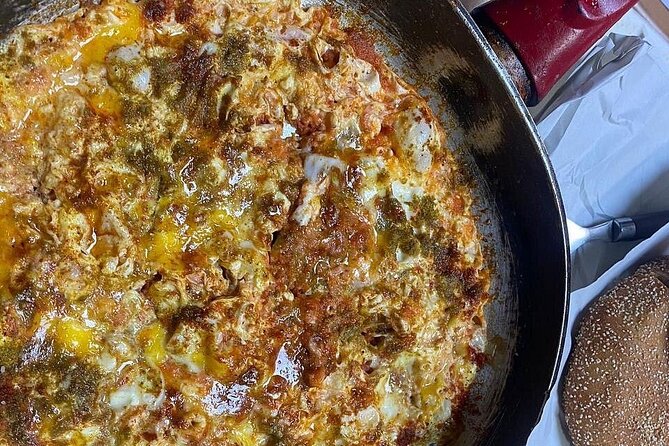
Next up is Makkla bel Kefta, described as a Moroccan twist on Chakchouka. Even if you’ve had shakshuka-style flavors before, this is a Marrakech-forward variation that helps the tour feel local, not copy-paste.
4) Sfenj: light donuts that don’t feel like a brick
Sfenj are light and airy Moroccan donuts. This is one of those street foods that tends to work at almost any point in the route. If your stomach is already full, it might still feel manageable because the texture is lighter than dense fried pastries.
5) Lhnidiya (cactus fruit) and a fresh palate reset
One of the more interesting items is Lhnidiya, described as cactus fruit. It’s refreshing compared to the heavier fried and savory items around it. If you’re the kind of eater who likes contrast, this is a great mid-tour palate reset.
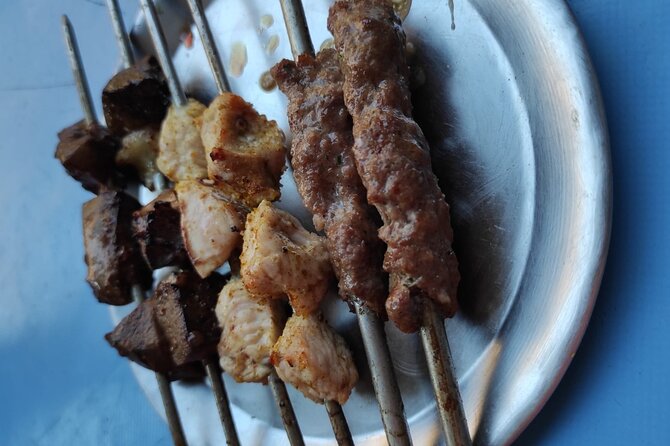
6) Chwa: grilled meats like beef, turkey, and liver
For savory satisfaction, the tour includes Chwa, with grilled meats such as beef, turkey, and liver. This is the part of the tour that feels like Morocco at full flavor volume—smoky, salty, and satisfying.
If you’re picky about texture or strong flavors, just go slow on the first bite and see how you feel. The guide can usually help you figure out what you’re eating, and pacing is half the fun here.
7) Rass Mbekher: sheep’s head, seasoned with cumin
A true specialty on the list is Rass Mbekher, a delicacy of steamed sheep’s head seasoned with cumin. This is not a “maybe I’ll try it” food for everyone. But it is exactly the kind of dish that makes a street food tour different from a generic tasting menu.
If you’re curious about Moroccan spice and traditional preparations, this dish is a standout. If you’re not comfortable with the idea, you can still enjoy the rest of the route—just be honest with the guide about your comfort level.
8) Snail soup: if it’s on the day, it’s a real taste test
The highlights also mention snail soup. That means this may show up as part of the route depending on what’s available and how the tastings are arranged for your group. Either way, it’s a reminder that this isn’t “safe” street food only. It’s Morocco food culture, in more ways than one.
9) Panaché smoothie, plus Khoudenjal herbal infusion to close
You’ll likely finish with drinks that tie the meal together:
- Panaché: a refreshing smoothie made from fresh seasonal fruits.
- Khoudenjal: a hot herbal infusion with eucalyptus, positioned as helpful for clearing your senses and aiding digestion.
That eucalyptus drink is a nice endcap because it shifts your body from “full” to “okay, now I can keep walking.” And it makes sense after fried and grilled foods.
One more thing: the tour description also mentions vegetarian Moroccan soup and Moroccan frozen yogurt. Since the tastings are flexible depending on your preferences, you might see those appear in the sweet or soup phases. The takeaway for you is simple: don’t expect every stop to be identical to someone else’s. Go with the flow, and keep asking what you’re eating.
How Much Walking You’ll Do (and How to Pace Your Appetite)
This is a walking food tour through the medina. You’ll be moving between alleyways and local spots for about 3 hours, sampling at up to nine points. That’s not a lot of distance in a sporty sense, but the medina can wear you down because streets are uneven and the crowd density can change quickly.
The best advice is the one the past groups clearly repeat: pace yourself. You’ll likely get small portions at each stop, but there are many stops. Eat slowly. Take water breaks. Don’t try to “win” by finishing everything at full speed. You’ll enjoy the flavors more if you give your stomach a chance to catch up.
Also: if you know you’re prone to heartburn or get car-sick in busy streets, plan for it. The tour includes hot herbal infusion and lots of fried and grilled items, so your body will feel it.
Guides, Group Size, and Why the Questions Matter
There’s a reason this tour is recommended so often: the guides focus on people, not performance.
This experience runs with a maximum of 15 travelers, which is small enough that you’re not just a body moving through stations. You can ask questions, and you’re more likely to get real answers instead of a scripted spiel. Past guides included Mohamed, Ismail, and Lhoussaine, and their style comes through in descriptions: friendly, casual, and focused on explaining what you’re tasting.
If you love culture through food (not through museum captions), that’s where this tour scores. You’re not only eating; you’re learning why a dish exists and how locals think about it.
Price and Value: What $40.71 Really Buys You
At $40.71 per person, this is a straightforward deal for Marrakech. The value comes from two things:
1) All food and drinks are included
2) You’re trying 8 to 9 dishes in about 3 hours
Street-food tastings in tourist-heavy areas can cost more once you pay for each item separately. Here, you’re paying for the route, the access, and the planning that helps you try a wide selection without playing menu roulette.
It’s also worth noting that this tour is booked about 19 days in advance on average, which suggests it tends to fill up. If you want a specific date, book earlier rather than later.
What You Should Know Before You Go
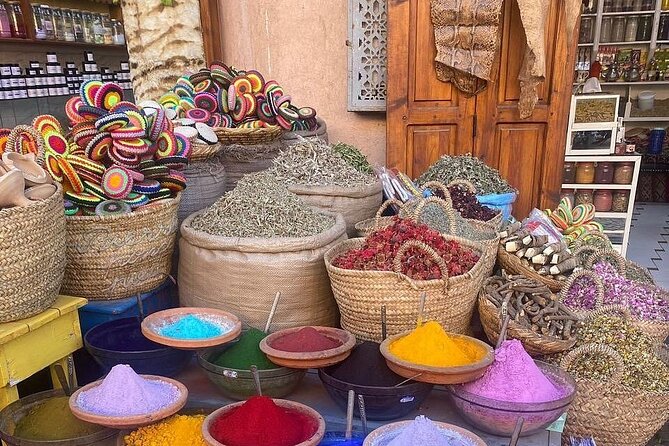
A few practical points that make the day smoother:
- Come hungry. The tour is built on multiple stops, and the portion sizes add up.
- Tell the guide about allergies or dietary restrictions in advance. The tour says they’ll do their best to accommodate with alternative dishes.
- Bring your patience for the medina. The Medina is lively and sometimes overwhelming, even with a guide. Going slow helps.
- Mobile ticket: you’ll have what you need on your phone.
- Near public transportation: helpful if you’re combining this with other plans around Marrakech.
And if you’re someone who dislikes trying new foods, be aware: this tour includes items that go past the usual vegetarian-friendly or chicken-only comfort zone. That doesn’t mean you’ll be forced to eat something you don’t want. It just means you should be ready to taste beyond your routine.
Who This Tour Suits Best
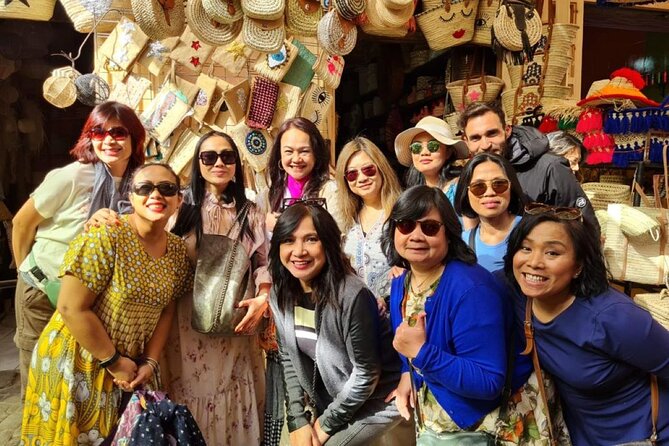
This is a great pick if you want:
- Street food variety without repeating couscous and tagine
- A walk through the Medina with someone who knows where to go
- Real food explanations and the chance to ask questions
- A small-group experience (max 15) so you can actually talk with the guide
It’s also a solid choice for first-timers in Marrakech because it gives you a practical “how the city eats” overview. You’ll come away with names of dishes, a sense of what’s considered normal street fare, and a better understanding of why the square area matters.
If you’re food-shy, have major dietary restrictions beyond what the guide can accommodate, or you hate walking through crowded areas, you might prefer a different style of food experience.
Should You Book This Marrakech Street Food Tour With a Local?
If your goal is to eat your way beyond the most obvious Moroccan dishes, I think this is a smart booking. You get 8 to 9 tastings, all food and drinks included, and a guided route that helps you navigate the Medina without guessing what’s worth trying.
Book it especially if:
- You want Berber street foods and local specialties like msemen, harira, sfenj, grilled meats, and Khoudenjal.
- You’d rather ask questions to a guide than follow a generic itinerary.
- You like small groups and a casual pace with lots of stops.
Skip it or reconsider if:
- You want a sit-down meal with fewer decisions.
- You dislike trying unfamiliar foods, especially items like Rass Mbekher or snail soup if they appear.
FAQ
Where is the meeting point?
Meet at Café de France in the main square area, near Jemaa el-Fnaa (listed with a specific pin in the Znikat Rahba area of Marrakech).
How long is the Marrakech street food tour?
The tour runs for about 3 hours.
How many dishes will I try?
You’ll try 8 to 9 authentic local dishes, with stops along the way (up to nine food tastings).
Is tagine or couscous included?
No. The tour explicitly states no tagine and no couscous. You’ll get other local dishes instead.
What’s included in the price?
All food and drinks are included in the price.
What if I have allergies or dietary restrictions?
Let the provider know in advance. The guide says they’ll do their best to accommodate allergies or dietary restrictions with alternative dishes.