REVIEW · UBUD
Ubud Traditional Night Market Food Tour-All Inclusive
Book on GetYourGuide →Operated by Darsa Tour Indonesia · Bookable on GetYourGuide
Night market hunger, sorted the local way. You’ll love the all-inclusive food and drinks and the way your guide steers you to the best stalls in Gianyar instead of sticking to the usual tourist drag, though there’s one catch: this tour isn’t a fit for vegans, vegetarians, or people who need nut-free options.
This is the kind of Bali meal that feels like culture, not a checklist—starting with traditional Balinese cakes, then moving through the market while you learn about Megibung style dining and what makes the place tick at night. Guides such as Wayan, Amba, Kadek, and Denny lead the evening in English, and they’ll explain what you’re eating as you go.
It’s also a practical night out: English guide, Ubud hotel pickup and drop-off, wheelchair accessibility, and transport that many people rate highly. Just plan around the fact that you can’t bring drinks in the vehicle, and you should expect a walking-heavy market experience in the evening.
In This Review
- Key Takeaways Before You Go
- Gianyar at Night: Why This Tour Feels More Local Than Tourist
- The Bali Food Theme: Megibung and Market-Style Eating
- How the 3-Hour Evening Actually Moves (Ubud Pickup to Drop-Off)
- 1) Pickup in Ubud (and what to expect in the car)
- 2) First bites and the opening cultural context
- 3) Walking the night market: the part you’ll remember
- 4) Favorite local stops after the main market
- 5) Back to Ubud
- What You’ll Taste: Cakes, Market Snacks, and Balinese Classics
- The Guide Factor: Wayan, Amba, Kadek, and How They Improve the Meal
- Value Check: Is $43 Worth It for Food, Drinks, and Entrance Fees?
- Practical Tips That Make the Market Way Easier
- Who Should Book This Ubud Night Market Food Tour (and Who Should Skip)
- Should You Book This Tour?
- FAQ
- Where are pickup and drop-off points?
- How long is the tour?
- What’s included in the price?
- Is the tour suitable for vegetarians or vegans?
- Are there any dietary or health restrictions?
- What language is the tour guide?
- Do I need to bring money?
- What should I wear or bring?
- Is there anything I’m not allowed to bring?
- Is free cancellation available?
Key Takeaways Before You Go
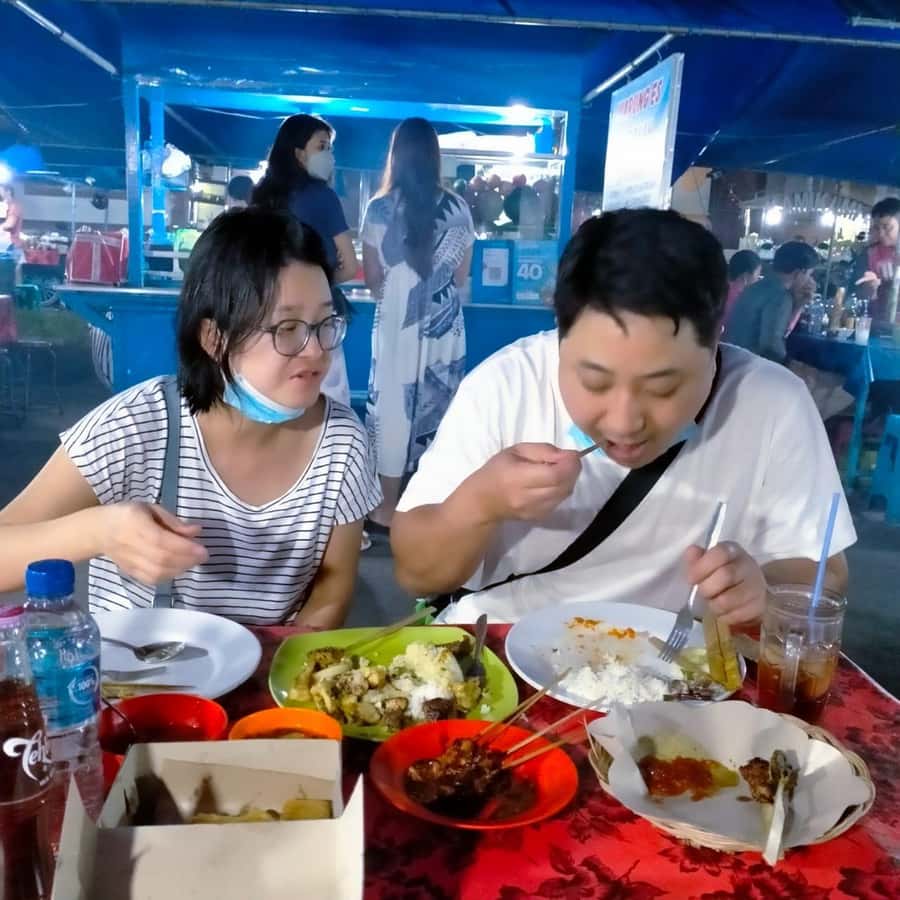
- Gianyar night market, huge and many-vendor: you’ll eat your way through a real local food crowd.
- All food, all drinks, and snacks included: you’re meant to come hungry and leave comfortably full.
- Guides who handle the hard parts: they speak English and help you find good stalls fast.
- Food safety questions get answered: some guides take extra care by checking how food is prepared.
- Small-group possibility: even when numbers are low, the guide still keeps the pace and attention.
- Extra cultural detours can happen: one guide added a stop to a local bonsai tree festival after dinner.
Gianyar at Night: Why This Tour Feels More Local Than Tourist
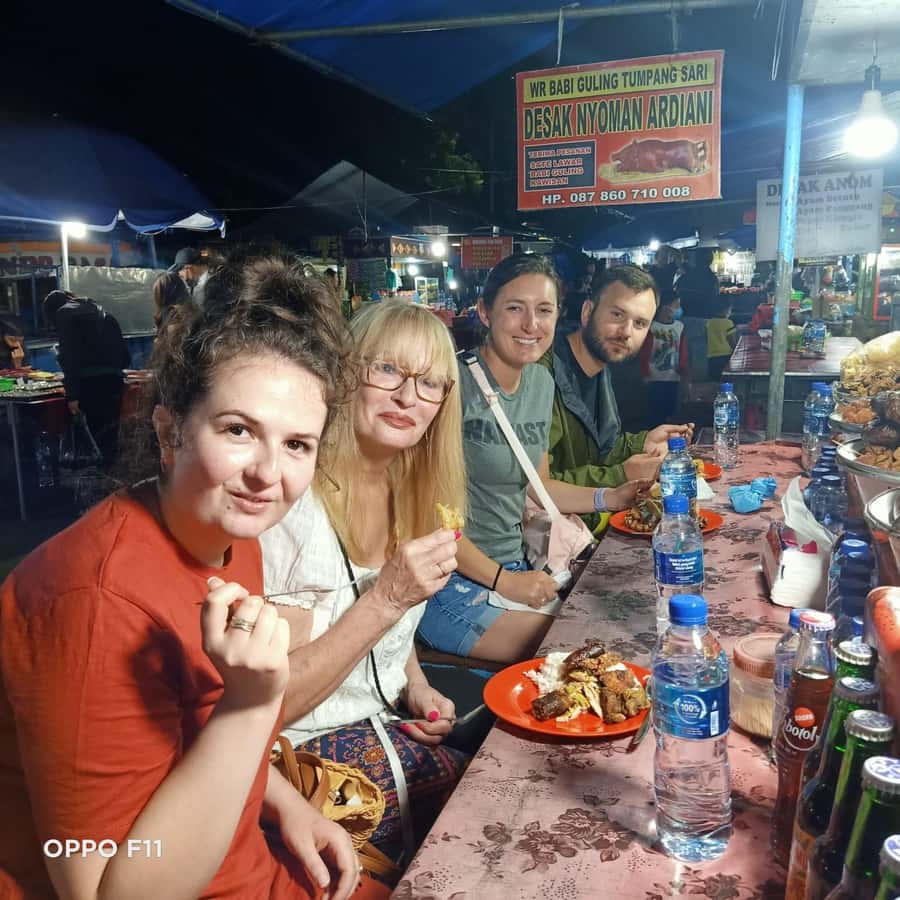
Ubud is great, but its food scene can feel a bit polished. This tour points you toward Gianyar’s night market, where the energy comes from local diners doing what locals do: snack, chat, eat, repeat. The result is simple—your evening feels less like shopping for photos and more like joining the night rhythm.
What I like most is that you’re not just walking beside vendors. You’re learning the food context as you go. That matters, because street food is more than taste. It’s timing, spice, tradition, and how people actually eat together.
You’ll also get a guide-led pace that keeps you from hovering at stalls with no idea what’s worth trying. Even if you love food, it helps when someone can point and explain while you’re standing in a sea of choices.
You can also read our reviews of more food & drink experiences in Ubud

The Bali Food Theme: Megibung and Market-Style Eating
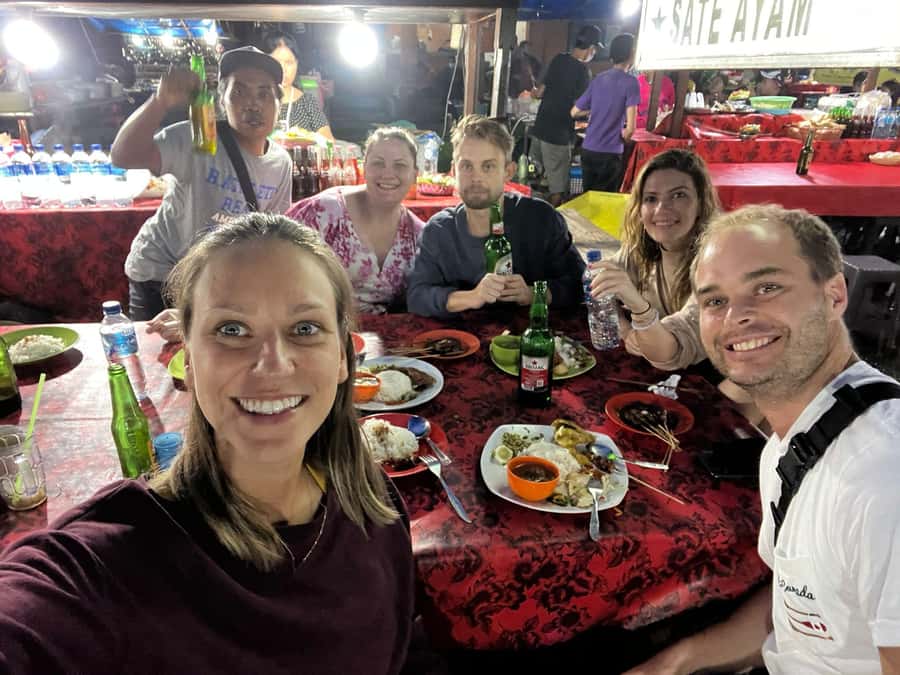
Balinese eating is social. One reason this tour works is the focus on Megibung, a traditional style of shared dining you’ll hear about as part of the experience. You don’t need to memorize details; you just need to pay attention when your guide explains the dishes and why they show up at night.
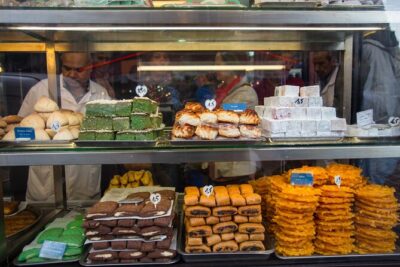
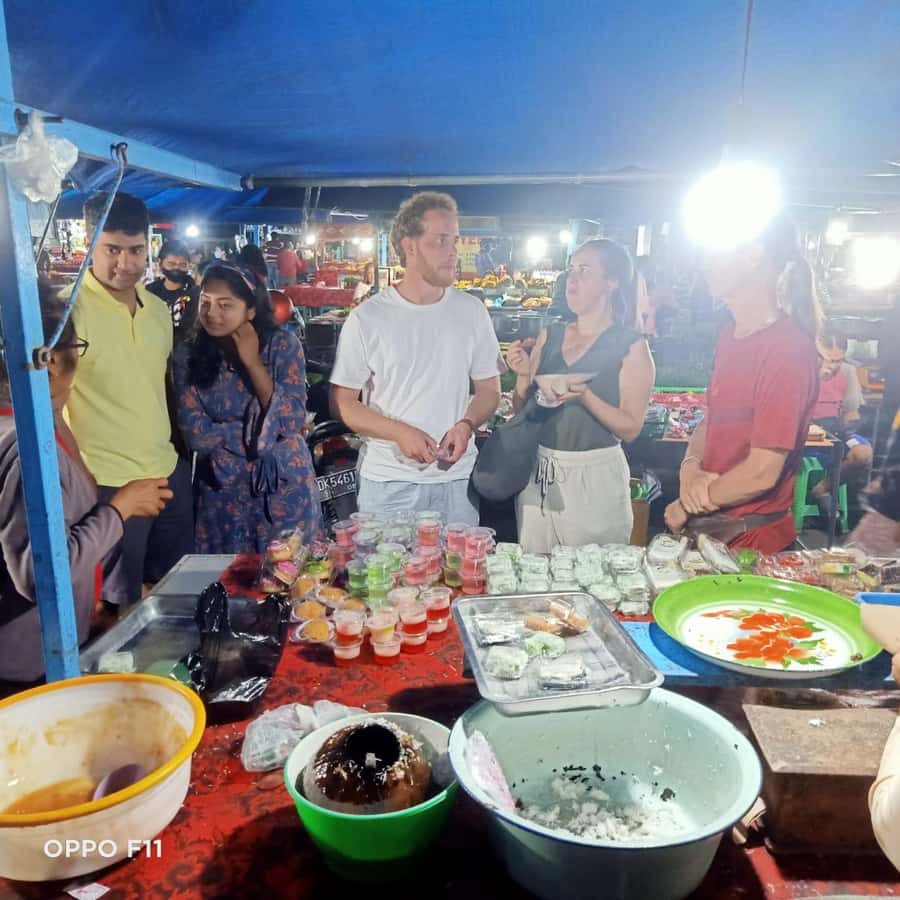
The tour starts with traditional Balinese cakes—small, sweet pieces that set the tone. Then the night becomes a slow march through the market: you’ll try multiple bites instead of committing to one big plate and hoping you guessed right.
And yes, you’ll likely encounter the kind of variety that makes you rethink what “dinner” means. A few reviews mention favorites like satay and gado-gado, and even heartier plates such as ayam betutu and goat skewers (sate kambing). That mix is part of the value: you get to sample across flavors, textures, and heat levels rather than repeating the same comfort food.
How the 3-Hour Evening Actually Moves (Ubud Pickup to Drop-Off)
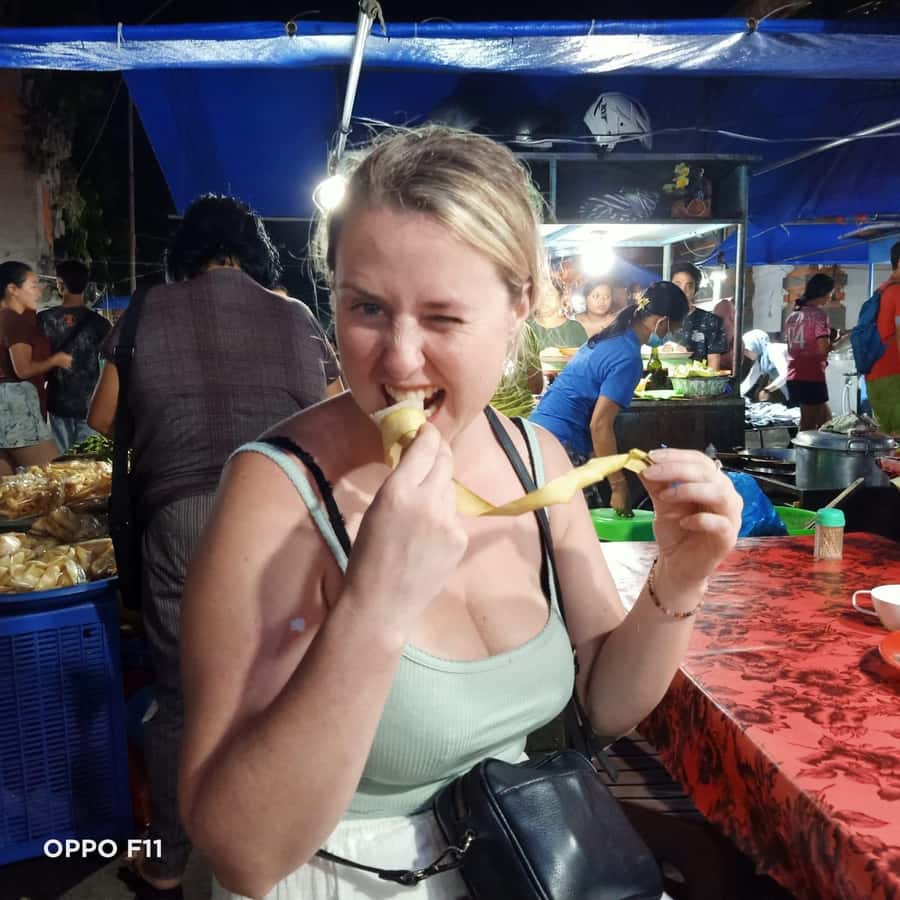
This is a tight evening plan. You’ll spend about 3 hours total, with hotel pickup and drop-off in the Ubud hotel area only. That timing is ideal if you want night market energy without giving up your whole evening.
1) Pickup in Ubud (and what to expect in the car)
Your guide and driver pick you up from your Ubud accommodation area. The tour operator also notes that drinks are not allowed in the vehicle, so you’ll want to plan for water before you leave, then rely on the included drinks once you’re on the ground.
Transport is part of the “make it easy” package. People rate the transport experience highly, which matters in Bali where traffic and drop-offs can turn a short tour into a long one.
2) First bites and the opening cultural context
Before you drift into the market, you’ll begin with traditional Balinese cakes. It’s a smart move. Those first tastes help you get comfortable with flavors and textures so the market choices feel more approachable once you’re surrounded by vendors.
Your guide also sets the cultural groundwork—how the market works, what you’re looking at, and how Balinese food fits into nightly life. Guides like Amba and Wayan are praised for making the explanations clear in English.
3) Walking the night market: the part you’ll remember
Then you’re off into a big, many-vendor market scene at night. Expect a large spread of stalls, different cooking styles, and a constant flow of people eating what looks good that moment.
The real benefit here is that you’re guided to “best timing” and good stalls. The tour aims to show you when the market is most alive, not just when it happens to be open. That’s why it feels like a night out, not a rushed food tour.
One practical point: the guide does the talking with vendors. That reduces awkward moments (and it can speed things up when stalls are busy). More than one guide is described as handling vendor interactions smoothly so you can focus on eating.
4) Favorite local stops after the main market
After the market walk, your guide takes you to some favorite local food spots. That’s where the tour shifts from “try random things” to “try the good versions.” You’ll get a couple more amazing selections, plus snacks and drinks that are part of the all-inclusive plan.
This segment is also where the tour often becomes personal. If your guide has a style—like Denny’s attention to making sure the food is safe for stomachs, or Kadek’s extra cultural add-ons—you’ll feel it here.
5) Back to Ubud
At the end, you’ll return to Ubud for drop-off at your pickup area. Because the whole thing runs about 3 hours, you’ll still have energy for a nightcap or a short walk after.
What You’ll Taste: Cakes, Market Snacks, and Balinese Classics
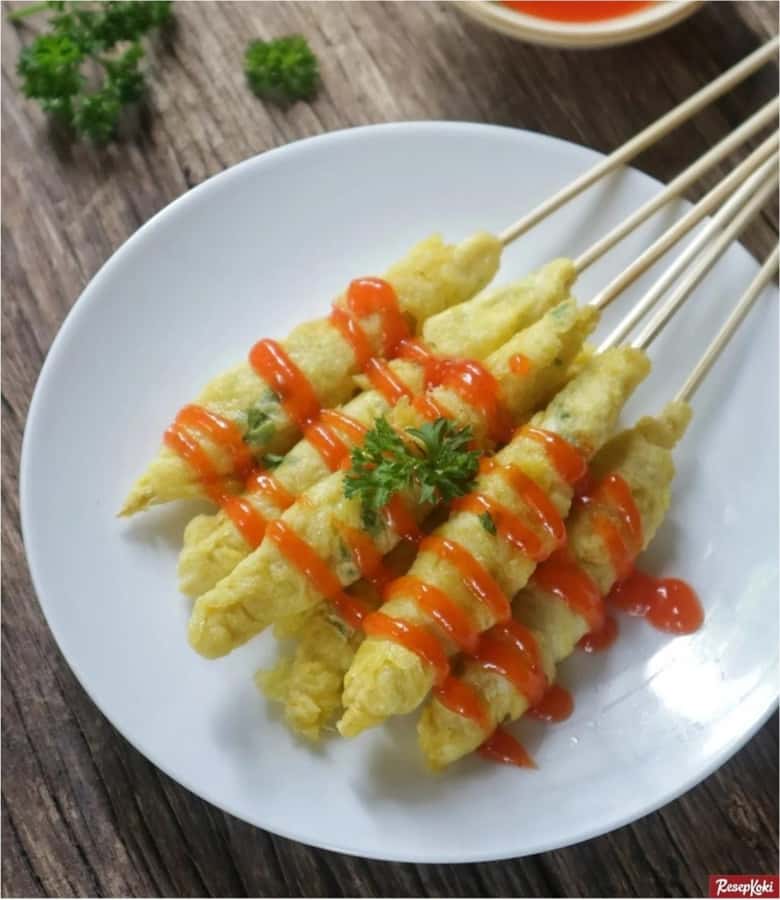
The tour is all about variety. You’re not buying a single meal; you’re sampling the local night table.
Here’s what you can count on from the tour description and what you’ll often encounter from the dishes highlighted by guides in practice:
- Traditional Balinese cakes at the start
- Multiple food selections across the market
- All foods, drinks, and snacks included
- Megibung-style focus as the culture thread
From the examples shared by guides on the ground, you may taste dishes like:
- Gado-gado (a common Bali favorite mentioned by multiple guides)
- Satay (including goat skewers like sate kambing, depending on what’s available)
- Ayam betutu (a richer, spiced chicken dish mentioned by a guide)
Important: the exact lineup can vary by vendor choices and what looks best that night. The consistent part is that you’ll eat a lot, you won’t be left hungry, and the guide will help you pick foods you might not order on your own.
And because it’s all-inclusive, you can take smart risks. You don’t have to translate menus while your stomach is already pleading. The plan is set up so you can sample, compare, and learn.
The Guide Factor: Wayan, Amba, Kadek, and How They Improve the Meal
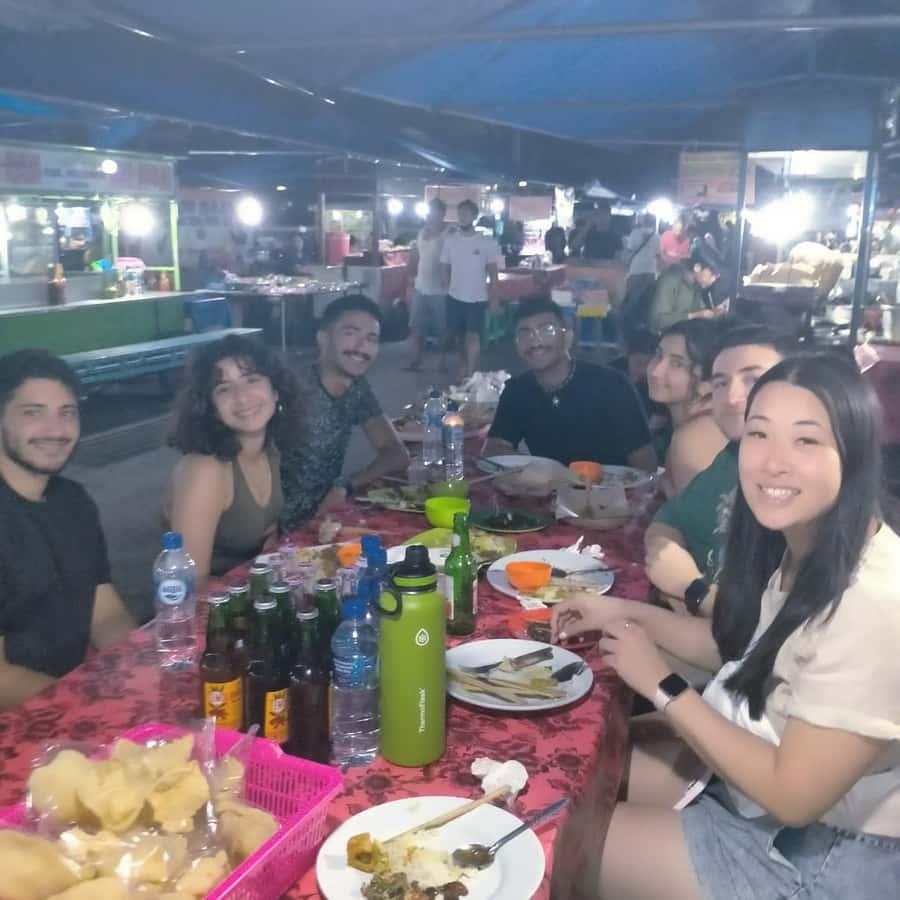
A night market can overwhelm you fast—hundreds of stalls, smells everywhere, and no clear path. This tour solves that with strong guide work.
In the field, English-speaking guides such as Wayan, Amba, Kadek, and Denny are repeatedly praised for:
- Explaining what you’re eating and connecting it to Balinese customs
- Talking with vendors so you get served efficiently
- Keeping you comfortable in a busy environment
- Checking preparation so the food feels safer to eat
One of the nicest touches is that some guides take extra steps when it comes to food safety. That doesn’t mean street food is automatically “dangerous”—it means the guide asks the right questions and pays attention to how dishes are made. If you’re the type who wants to feel confident before you eat, this helps a lot.
Also, the tour often handles the social side. You’re not just standing around eating alone. You’re learning, asking questions, and enjoying the market flow as one group.
Value Check: Is $43 Worth It for Food, Drinks, and Entrance Fees?
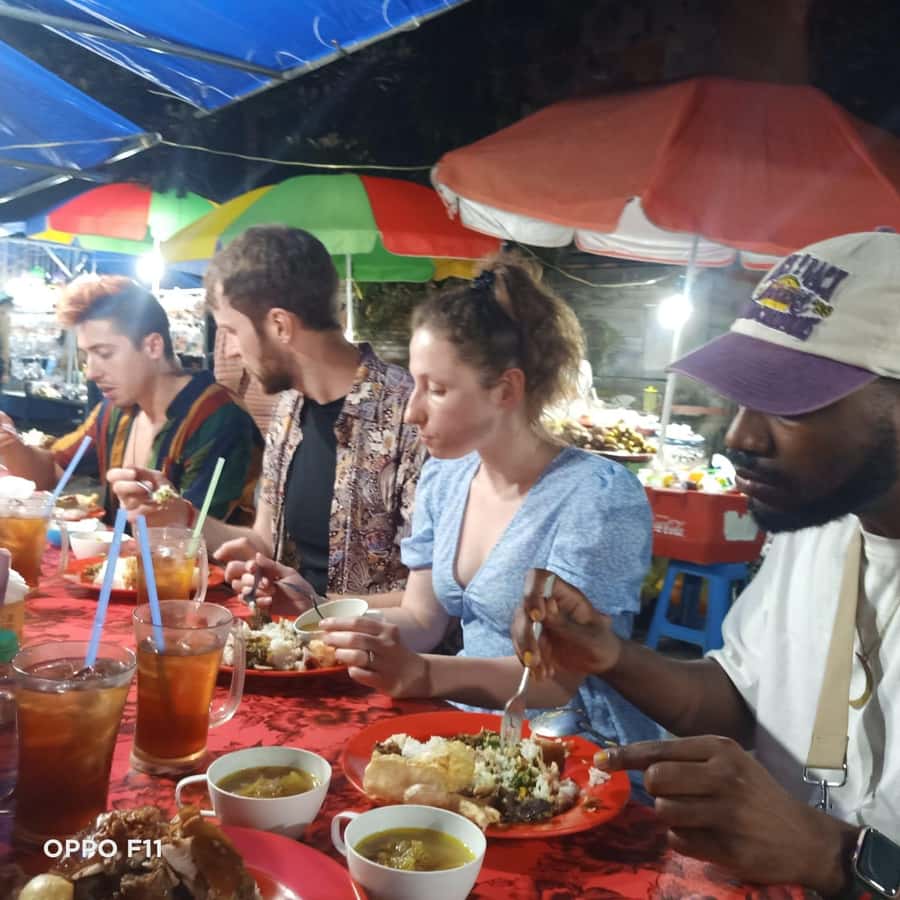
At about $43 per person for a 3-hour night outing, this tour is priced like an affordable meal experience—except you’re eating like it’s multiple meals.
The big value driver is inclusion:
- All foods
- All drinks
- All snacks
- All entrance fees
- Hotel pickup and drop-off in Ubud hotel area only
In practice, that means you’re budgeting for the tour once, then eating without the constant math of what costs extra. Since personal purchases are not included, you might still buy extra items if you want. But the core plan is already covered.
Also, the transport element is part of the price logic. Ubud to Gianyar at night isn’t just a distance problem; it’s a convenience problem. Being picked up and dropped back in Ubud keeps your evening smooth.
If your priority is: eat a lot, learn a bit, and keep things easy, this is strong value. If your priority is: only one quick snack and photos, you might feel like you over-committed. But for most food-focused people, the “come hungry” model fits well.
Practical Tips That Make the Market Way Easier
If you do this tour, your preparation matters more than you’d think.
Wear comfortable shoes. You’ll be walking around a large night market. If your shoes are cute but not comfortable, you’ll pay for it by the end.
Bring a camera if you like food and people-watching at night. Vendors and diners are part of the show.
Bring cash. Even though food and drinks are included, cash can still be useful for small personal purchases that aren’t part of the covered plan.
Two rules to note:
- You should not drink drinks in the vehicle (so plan water before pickup if you need it).
- If you have nut allergies, this may be risky, since nut allergy is listed as not suitable.
Who Should Book This Ubud Night Market Food Tour (and Who Should Skip)
This tour has a clear audience.
You’ll likely love it if you:
- Want a local night market experience beyond Ubud’s main tourist zones
- Like trying several dishes in one evening
- Prefer a guide who handles vendor communication
- Want a culture-and-food combo, not just food alone
You should skip it if you have any of the following:
- Vegan
- Vegetarian
- Nut allergies
- Diabetes
- Altitude sickness
The tour also notes it’s wheelchair accessible, so if mobility is a concern, you can plan around that.
One more fit note: the tour can run with a smaller number of participants. That can actually be a plus because you get a lot of guide attention. If you’re comfortable eating in a lively market setting, that’s the right mindset.
Should You Book This Tour?
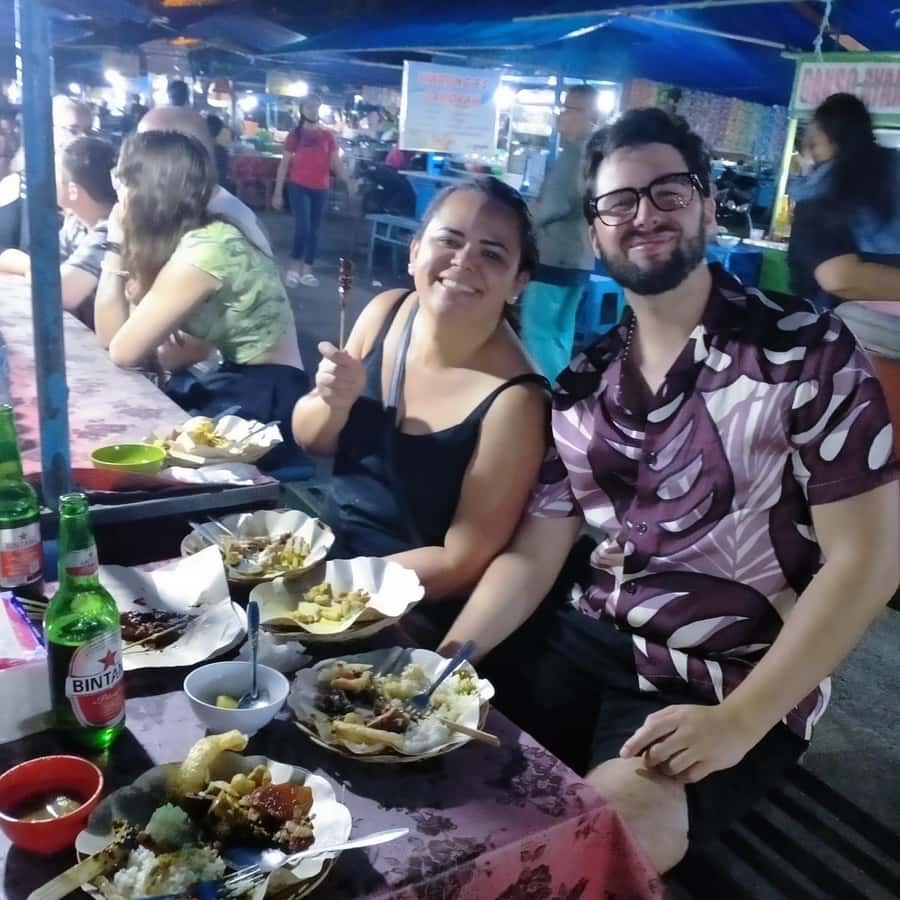
If you want one “food with culture” night in Bali that doesn’t require menu translations or guesswork, I’d say yes. For $43, you’re getting a full evening plan built around all-inclusive food and drinks, a guide who knows how to handle the market flow, and a move beyond the most obvious tourist hangouts.
Book it if:
- You like street food and want to eat more than one dish
- You enjoy learning what you’re eating while you eat it
- You want a short, focused plan that still feels like an evening out
Skip it if:
- You’re vegan/vegetarian, have nut allergies, or your health needs make this style of tasting a bad match
- You dislike walking at night or want a quieter, sit-down restaurant evening only
FAQ
Where are pickup and drop-off points?
Pickup and drop-off are included for hotels in the Ubud hotel area only. The tour starts with pickup in Ubud and returns you back to Ubud.
How long is the tour?
The tour duration is 3 hours.
What’s included in the price?
All foods, all drinks, all snacks, and all entrance fees are included, along with hotel pickup and drop-off in the Ubud hotel area. Personal purchases are not included.
Is the tour suitable for vegetarians or vegans?
No. The tour is not suitable for vegans or vegetarians.
Are there any dietary or health restrictions?
Yes. It is not suitable for people with nut allergies, diabetes, or altitude sickness.
What language is the tour guide?
The live tour guide speaks English.
Do I need to bring money?
You should bring cash. The tour is all-inclusive for foods and drinks, but personal purchases are not included.
What should I wear or bring?
Wear comfortable shoes. Bring a camera if you’d like to take photos.
Is there anything I’m not allowed to bring?
Drinks in the vehicle are not allowed.
Is free cancellation available?
Free cancellation is available up to 24 hours in advance for a full refund.