REVIEW · CAGLIARI
Winery And Oil Mill Tasting Tour
Book on Viator →Operated by CULTURE SARDINIA · Bookable on Viator
Olive oil, wine, and real technique. This 4-hour small-group tour from Cagliari combines a guided look at extra virgin olive oil production with a vineyard-and-wine visit at Audarya, plus hotel pickup in a private vehicle. It’s a smart way to see more than one family-style farm without turning your afternoon into a logistics puzzle.
What I like most is how hands-on the first stop feels: you get a guided tour of a modern mill, then an expert-led olive oil tasting where you learn what separates good oil from just okay oil. I also love the way the experience connects old tools to what’s happening now, so the museum part doesn’t feel like a detour.
The one thing to consider is cost stacking. The tour price covers a lot, but you’ll typically choose whether to add the tasting admissions/experiences on top (stop 1 and stop 2 tastings can carry extra per-person fees), and those extras can add up if you want everything.
In This Review
- Key things that make this tour worth your afternoon
- A Cagliari afternoon that mixes olive oil craft with wine tasting
- Price and value: what you pay, then what you can add
- Pickup and timing: how logistics shape the experience
- Stop 1 at Museo dell’Olio: modern mill, expert tasting, and old lamps
- How the olive oil tasting actually helps you spot quality
- Stop 2 at Audarya: vineyard walk, production from pressing to bottling, then 4 wines
- The guide factor: what makes it feel personal
- Who should book this tour—and who might not
- Should you book the Winery and Oil Mill Tasting Tour?
- FAQ
- What time does the tour start in Cagliari?
- Is pickup included?
- Can you arrange pickup from nearby resorts like Villasimius or Chia?
- How many people are in the group?
- Is the tour offered in English?
- Do I get to choose which tastings to include?
- What happens at Museo dell’Olio?
- What is included or added at Audarya?
- Is cancellation free?
- Should I book if I’m not a wine or olive oil expert?
Key things that make this tour worth your afternoon
- Hotel/port pickup in Cagliari by private vehicle, with door-to-door convenience
- Max 7 people in the group, so questions land and you don’t feel rushed
- Museo dell’Olio includes seeing old oil lamps and tools, not just a modern showroom
- Expert tasting method for olive oil, with guidance on how to recognize quality
- Audarya vineyard + production tour from pressing to bottling and barrel aging
- 4-wine guided tasting paired with local bread, cheese, and cold cuts
A Cagliari afternoon that mixes olive oil craft with wine tasting
Cagliari is the kind of base where you’ll want at least one guided outing that actually teaches you something. This tour is built for that. You spend part of the day working through the flavors and processes behind Sardinia’s staples: olive oil and wine.
The structure is practical. You don’t just sit in a tasting room. You move through the production story first, then taste. That order matters because it makes the flavors make sense instead of just being a lineup of sips.
And because it’s a small group (maximum 7), the guide can keep pace with your questions, especially in English. It also helps if you prefer calm, unhurried conversation over a high-speed bus tour.
You can also read our reviews of more food & drink experiences in Cagliari
Price and value: what you pay, then what you can add
You’ll see a tour price of $180.23 per person for about 4 hours, starting at 2:00 pm. That includes a licensed local guide, small-group format, and transport by private vehicle from Cagliari, plus pickup and drop-off.
Then you run into the add-on reality of farm tastings. The experience is described as one where you can include the tastings you want at your own expense. In the details for each stop, the following per-person tasting costs are listed:
- Stop 1 (Museo dell’Olio): €30 per person for admission and the olive oil + food tasting package
- Stop 2 (Audarya): tasting starts from €27 per person
One note for planning: the included items mention things like an olive oil museum entrance ticket and olive oil tasting, while the stop-specific details also list a €30 per-person admission/tasting cost for stop 1. That can happen when different parts are bundled differently depending on the operator’s setup. My advice is simple: when you confirm your booking, ask what’s already covered versus what you’ll pay on site for each stop’s tastings.
In value terms, here’s how I’d think about it. If you truly care about understanding olive oil quality and you want a guided wine comparison at the end, those extra tasting fees are usually the point of the trip. If you’re only half-interested in tasting, the tour may feel more like a guided production visit than a tasting-and-savor afternoon.
Pickup and timing: how logistics shape the experience
This is designed around convenience. Pickup and drop-off from any place in Cagliari is free, and you’re transported by private vehicle. If you’re staying outside the city (examples listed include Villasimius, Costa Rei, Pula, and Chia), there’s a transport surcharge of €150 at check-in.
Start time is 2:00 pm, and the total time is about 4 hours. That timing is great if you want something after lunch without burning your whole day. It’s also a good slot if you’re arriving in Sardinia late and can’t commit to a full day excursion.
Group size matters here too. With up to 7 people, the schedule stays human. You don’t get stuck waiting for a crowd inside small farm spaces.
A nice bonus from real-world experience: there’s evidence of flexibility if something changes. One guide-led day included an adjustment when the planned olive oil experience wasn’t available, with the group redirected to another local stop. That’s not something you can count on every time, but it’s a good sign that the operator knows how to handle hiccups.
Stop 1 at Museo dell’Olio: modern mill, expert tasting, and old lamps
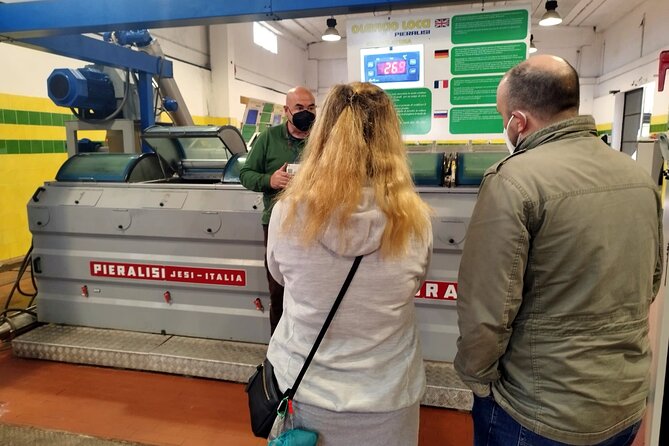
The first stop is Museo dell’Olio, and it’s built to teach you how olive oil becomes a quality product. You’ll start with a guided tour of the modern mill for producing extra virgin olive oil. That’s not just “look around and go.” The guide’s commentary is part of the value, because you learn what the process is trying to protect: flavor, freshness, and quality.
Then you move directly into tasting. You’ll taste three different kinds of olive oil, and an expert helps you learn how to recognize good quality olive oil and even the tasting technique itself.
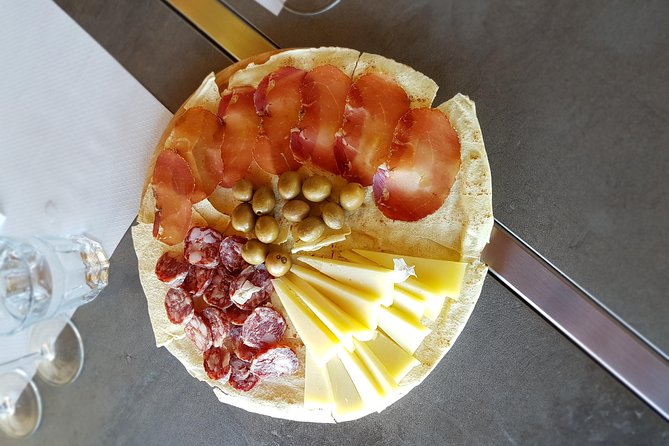
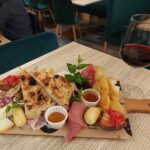
After that, food shows up as a support crew for your taste buds. The experience includes a platter with cured meats, fresh sparkling wine, water, natural olives, and the traditional carasau bread. Carasau is thin and crisp, and it works well here because it doesn’t overpower subtle oil notes. It’s a smart pairing, even if you’re just learning what “good” tastes like.
Finally, there’s the museum of olive oil tradition. This is where you’ll see old tools and a collection of ancient oil lamps—useful context if you want to understand why today’s process matters. You’re basically seeing the “before and after” of the same cultural obsession.
Potential drawback: the stop 1 portion may include an extra per-person fee depending on what your booking includes. Also, olive oil tastings are more informative than flashy—if you’re only after a quick drink-and-snack style visit, you may find this stop more educational than party-like.
How the olive oil tasting actually helps you spot quality
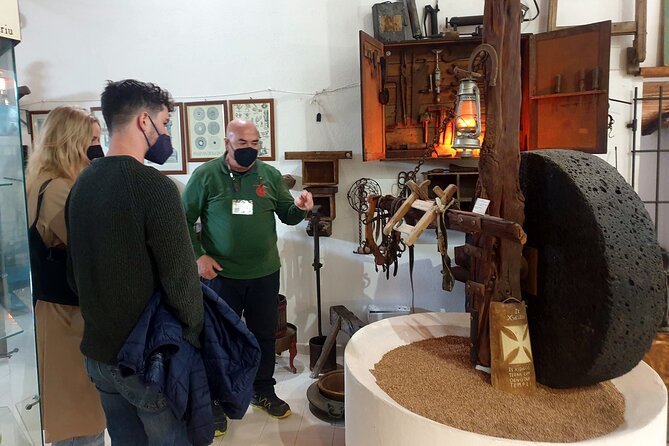
The tasting isn’t just about scoring flavors you like. The goal is to make you able to recognize quality on your own next time you’re shopping.
In practice, that means you’ll get coaching on technique—how to taste so you notice aroma and the way oil feels in your mouth. The guide also helps you understand what you’re looking for when comparing three oils.
Here’s why I think that’s worth your time. Olive oil quality can feel mysterious if you only taste once and decide based on whether it’s tasty. With the expert-led method, you’ll start to connect specific cues (bitterness, peppery finish, aroma) with what producers aim to deliver.
And because you’re tasting in the context of a mill tour, you’re not separating product and process. You see how production choices influence what ends up on your plate.
If you’re buying anything at the end, this stop makes you a better shopper. You’ll know what questions to ask and what characteristics you’re trying to find.
Stop 2 at Audarya: vineyard walk, production from pressing to bottling, then 4 wines
Audarya is your wine chapter, and it takes a similar approach: process first, then tasting.
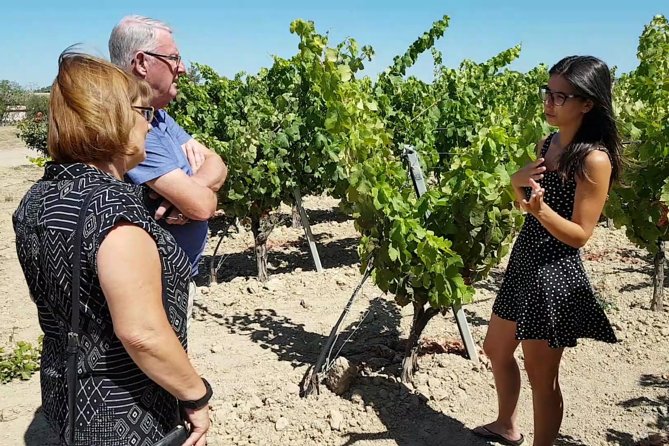
You start with a visit to the estate vineyards. You’ll see different grape varieties and the training system used in the vines. That part matters because it affects how grapes grow and how the vineyard manages sun and airflow. If you usually skip the “vineyard part” on wine tours, this is one of the places where paying attention pays off.
Next comes the production area. You learn about the wine-making process from pressing to bottling, and you also hear about aging in barrel. That’s a key step because it’s where many wines pick up structure and style. Even without getting lost in technical terms, it gives you a mental map of why the final wine tastes the way it does.
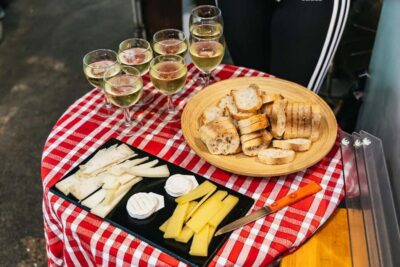
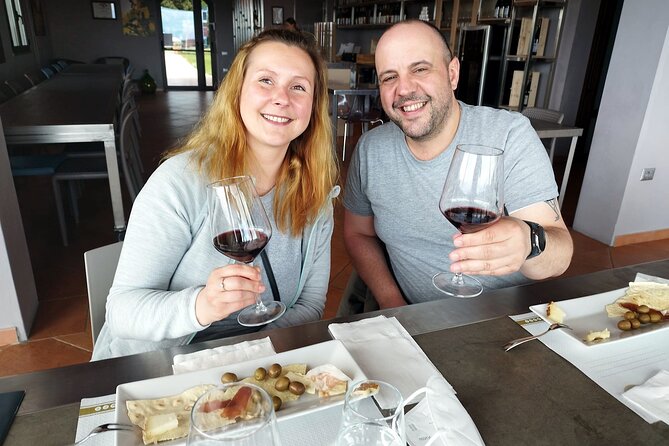
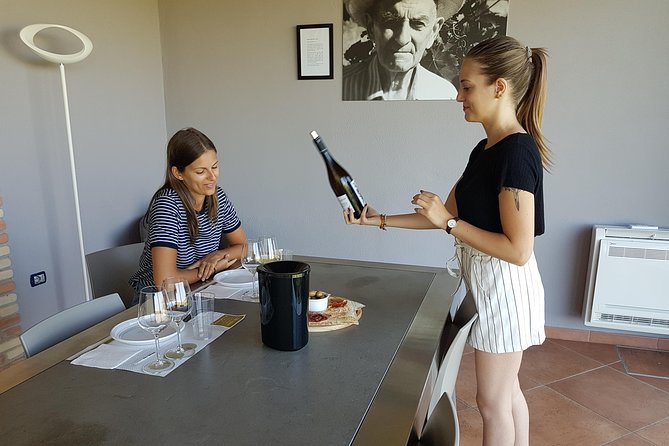
Then the day ends in the tasting room with a guided tasting of four different wines. You’ll get local food pairings: bread, cheese, and cold cuts. The food is there to balance flavors and keep the tasting comfortable, not to drown it out.
Practical note: like stop 1, the wine tasting has a listed add-on cost starting from €27 per person. If you love wine and want the full comparison, plan on it. If you’re not a wine drinker, you may want to confirm what you can skip while still keeping the tour value.
The guide factor: what makes it feel personal
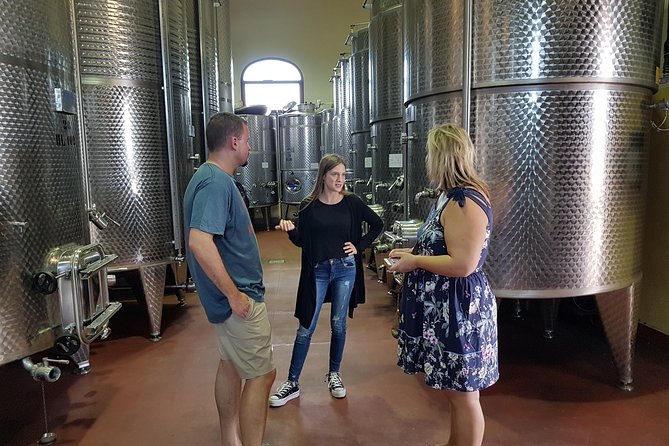
The biggest difference between a good tour and a great one is the human voice behind it. On this outing, that’s a real strength.
The local guide name that comes up often is Alessandro. He’s described as warm, flexible, and comfortable adjusting the plan so you don’t feel stuck if your interests shift. One review specifically called out the way he brought the group back to a restaurant reservation when things ran late, so the tour didn’t derail the rest of the day.
At the wine side, Alicia is mentioned as the wine guide, with her commentary adding meaning to the tasting. When the guide explains what you’re tasting and why, the wines stop being random names and become a comparison you can remember.
Even at the oil mill, the owner-host has strong English skills in at least one account, and the tone is described as passionate and engaging. That kind of delivery turns a production tour into a story you understand, not a lecture you endure.
Who should book this tour—and who might not
This tour is a strong match if you:
- Want an educational farm experience without building it yourself
- Like guided tastings where someone teaches you how to taste, not just what to sip
- Prefer a small group setting that keeps questions in the conversation
- Enjoy olive oil and wine enough to pay for structured tastings
It may be less ideal if you:
- Want a cheaper, mostly sightseeing afternoon where you only pay for transport
- Don’t want any extra per-person tasting costs
- Prefer very short stops with minimal instruction
Also, the experience notes say most travelers can participate. That’s reassuring if you’re traveling with mixed comfort levels, but it’s still a farm-and-walking style outing, so wear shoes you trust.
Should you book the Winery and Oil Mill Tasting Tour?
I’d book it if you want your afternoon in Cagliari to feel like a real taste of Sardinia’s food culture, not just a drive to two stops. The combination works: you learn the olive oil process first at Museo dell’Olio, then you carry that mindset into wine at Audarya.
The tour’s best value is in the guided learning: expert help with olive oil tasting technique, plus a structured 4-wine comparison at the end. If those are your priorities, the tasting add-ons usually feel worth it.
If your budget is tight, don’t assume the base tour price covers every tasting. Check what’s included versus what you’ll pay for the €30 and €27 tasting components. Once you know that math, the decision becomes easy.
FAQ
What time does the tour start in Cagliari?
It starts at 2:00 pm and runs for about 4 hours.
Is pickup included?
Yes. There is pickup and drop-off from/to any place in Cagliari for free.
Can you arrange pickup from nearby resorts like Villasimius or Chia?
Pickup from places in the province such as Villasimius, Costa Rei, Pula, and Chia is possible, but it requires a €150 surcharge for transport paid at check-in.
How many people are in the group?
The tour runs as a small group with a maximum of 7 travelers.
Is the tour offered in English?
Yes, it’s offered in English.
Do I get to choose which tastings to include?
Yes. The experience notes that you can include the tastings you want at your own expense.
What happens at Museo dell’Olio?
You get a guided tour of the modern olive oil mill, then you taste three different olive oils with help learning quality recognition and tasting technique. You’ll also have a food pairing with cured meats, sparkling wine, water, natural olives, and carasau bread, plus a visit to the olive oil tradition museum with old tools and ancient oil lamps.
What is included or added at Audarya?
You visit the vineyard and production area, learning about the wine-making process from pressing to bottling and aging in barrel. Then you can enjoy a guided tasting of 4 wines with local products like bread, cheese, and cold cuts. The tasting starts from €27 per person (not included in the tour price).
Is cancellation free?
Yes. Free cancellation is available if you cancel at least 24 hours before the experience start time for a full refund.
Should I book if I’m not a wine or olive oil expert?
Yes, most travelers can participate. The tour is designed to teach you how to taste and what to look for, with expert guidance during the tastings.