REVIEW · PARIS
Paris: Walking Food Tour with Cheese, Wine and Delicacies
Book on GetYourGuide →Operated by Original Food Tours · Bookable on GetYourGuide
Paris is better when you eat your way through it. This Marais walking food tour mixes cheese and wine tasting with local stories and a smart route through old streets. I love the small-group vibe (limited to 10) and how the tastings feel like a guided shortcut to what people actually order in neighborhood spots. One drawback to plan for: it’s still a walking tour, so if weather is rough, you’ll want your comfortable shoes and a rain plan.
You’ll meet at the green shop, Le Repaire de Bacchus, then head out for about 198 minutes of food stops that add up to a proper meal. Expect 8 to 10 tasting stops, a market wander off the main drag, and one restaurant stop where you’ll sit down and try something a bit more “French-table” than a quick bite. Guides are English-speaking, and names I’ve seen praised include Bartholomeo, Pierre, Louis, Margot, Dorine, Garance, Sasha, Hugo, Eleanor, and Arthur—so you’re likely to get a fun guide with real neighborhood confidence.
In This Review
- Marais Cheese, Wine, and Delicacies: the quick take
- Starting in Le Repaire de Bacchus: where your Marais story begins
- How the 3.3-hour walk is built around 8 to 10 tastings
- The cheese and wine part: how to taste with direction
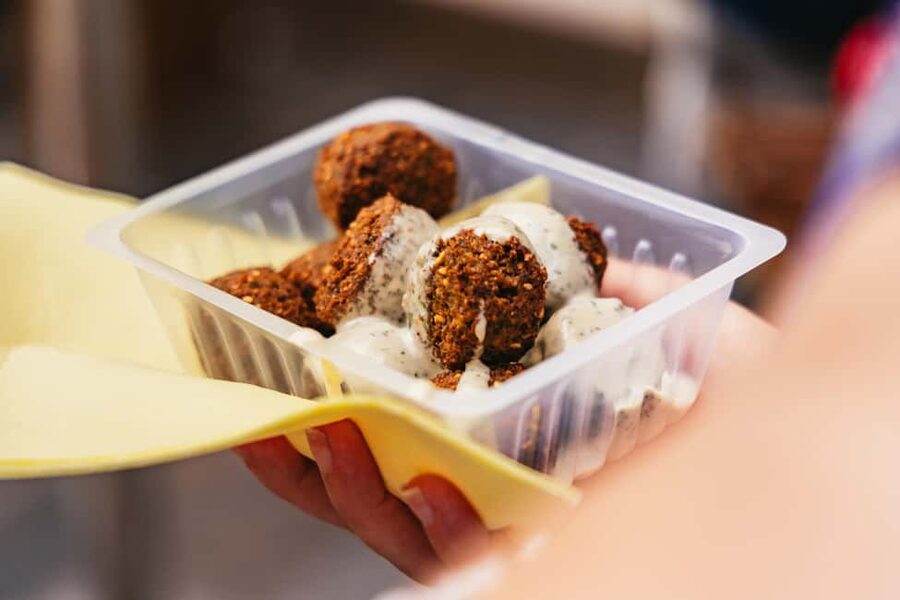
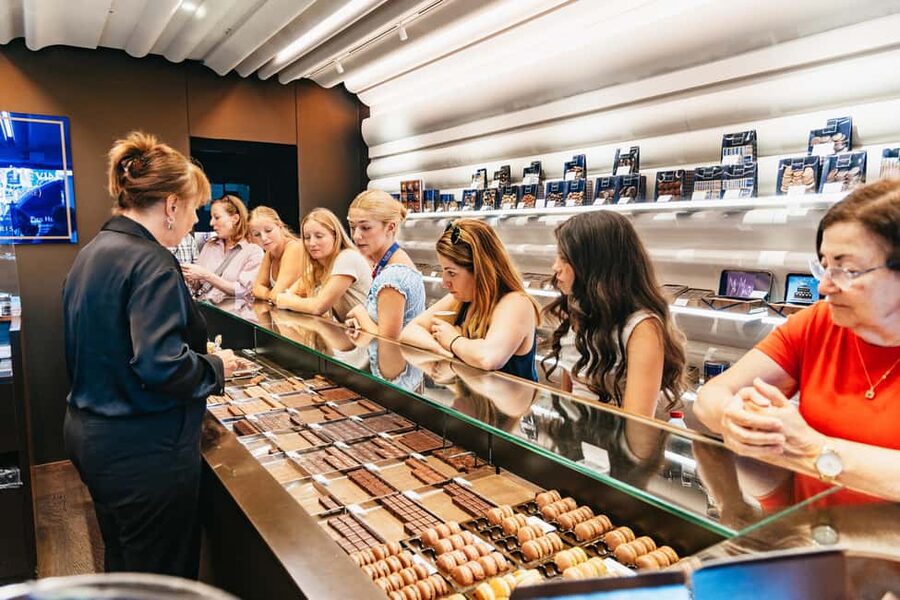
- Charcuterie, cured ham, pastries, and chocolate: what you’ll actually eat
- The Marais market detour: browsing food like locals
- The one restaurant stop: when the tour becomes a sit-down meal
- The sights you’ll pass: architecture, art, and why it won’t feel random
- What to bring: small choices that make the walk better
- Who should book this Marais food tour (and who should think twice)
- Price and value: is $148 fair for what you get?
- Should you book? My take on making the call
- FAQ
- Where does the tour start and end?
- How long is the tour?
- What’s included in the tastings?
- What group size should I expect?
- What language is the guide?
- What should I bring for the walking route?
- Is the tour canceled for bad weather?
Marais Cheese, Wine, and Delicacies: the quick take
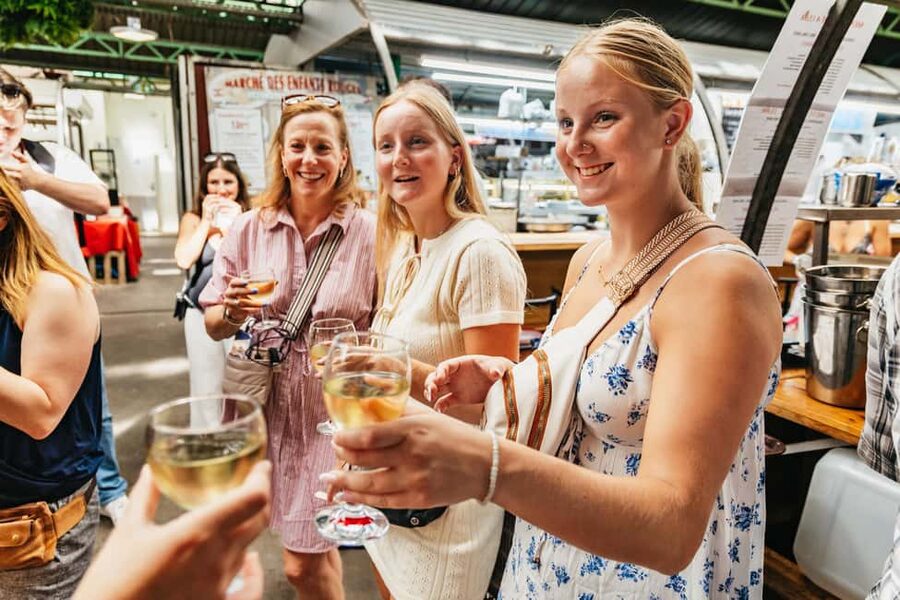
- Small-group pacing (max 10): You get time to ask questions and slow down between tastings instead of getting rushed.
- Classic French flavor lineup: Cheese on crunchy baguette, cured ham/charcuterie, fresh pastries, and chocolates.
- Wine paired on purpose: It’s not just drinking—each stop comes with guidance on what you’re tasting.
- A market detour: You’ll browse fresh products in a traditional market setting tucked into the Marais street pattern.
- A restaurant stop, not just snacks: There’s a sit-down moment as part of the tasting flow.
- Guides who connect food to place: Many praise how they weave neighborhood history and food culture while you walk.
Starting in Le Repaire de Bacchus: where your Marais story begins
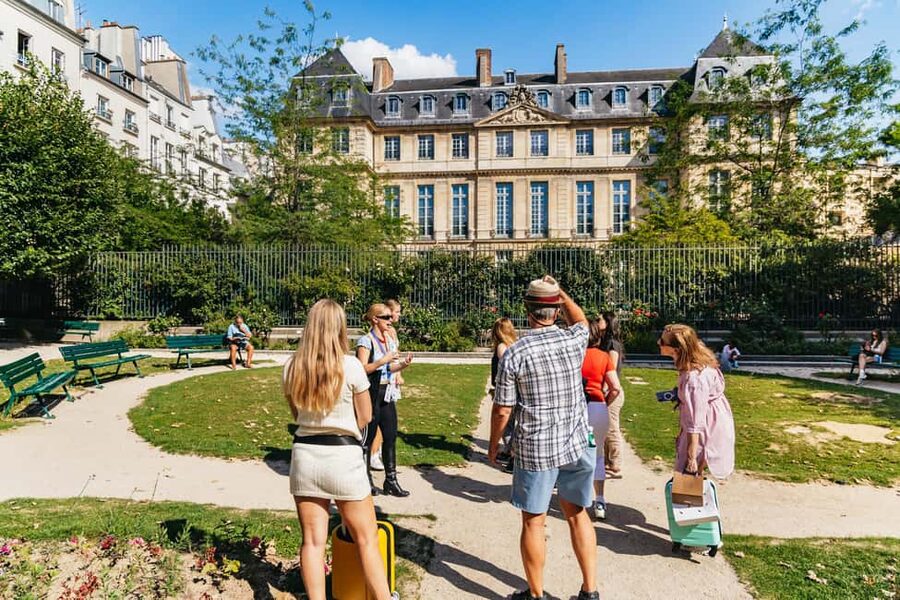
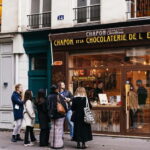
The tour begins at Le Repaire de Bacchus, a green shop that makes the meeting point easy to spot. That matters more than it sounds. In Paris, a lot of tours start with vague street corners. Here, you have a specific storefront, so you can get on the clock fast and focus on what you came for: eating.
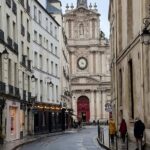
From there, you’ll walk through the Marais, and you’ll notice the layout immediately—tight streets, small storefronts, and quick shifts from cafés to art spaces to high-end boutiques. The point is not to “check sights” like a photo scavenger hunt. It’s to see the real texture of the neighborhood while you’re fueling up. Even the walking feels functional because every few blocks you’ll be moving from one tasting idea to the next.
It’s also worth noting the tour is structured for a compact time window: about 3 hours and 18 minutes. That’s long enough to feel like a full experience, but short enough that you can still plan evening plans afterward—unless you’re an enthusiastic eater (then dinner may be optional).
You can also read our reviews of more walking tours in Paris

How the 3.3-hour walk is built around 8 to 10 tastings
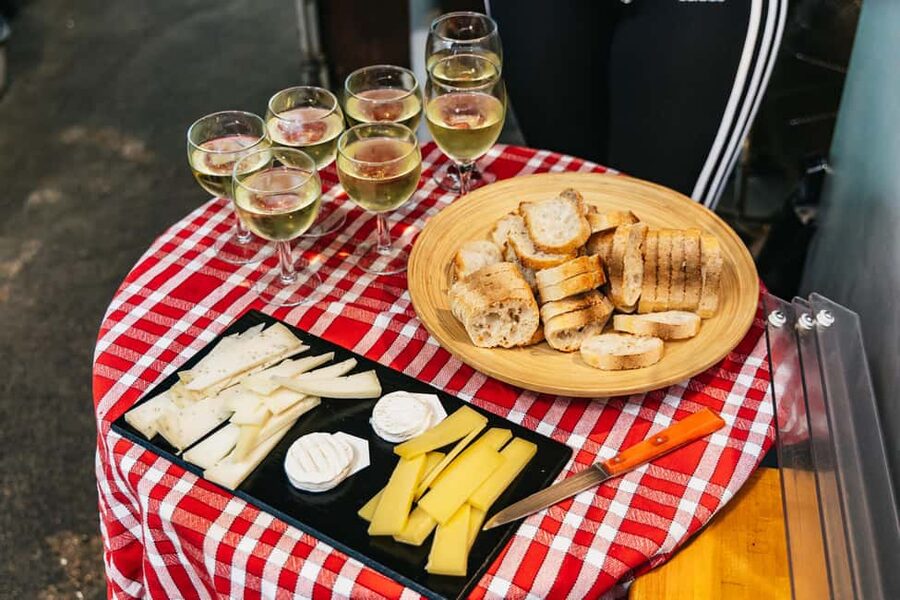
The format is simple: a series of tasting stops—typically 8 to 10—spread across the Marais. You’re looking at a mix of savory and sweet, with French specialties that can vary by season. The goal is variety without turning your day into a food marathon.
Here’s what makes this structure work for you:
- You’re not forced into one long sit-down meal. Instead, you get repeated “reset points,” so each new bite feels like a discovery.
- You get a rhythm: small portions, then a guided moment, then another stop.
- By the end, the tastings typically add up to more than snacks. In many cases, people said they didn’t need dinner right after because they were already comfortably full.
A small-group setting also changes the energy. With a limit of 10 participants, your guide can actually track the pace and keep the group together without that stressful herd feeling. It’s a friendlier way to do a food tour, especially if you’re the kind of person who likes to ask why something tastes the way it does.
The cheese and wine part: how to taste with direction
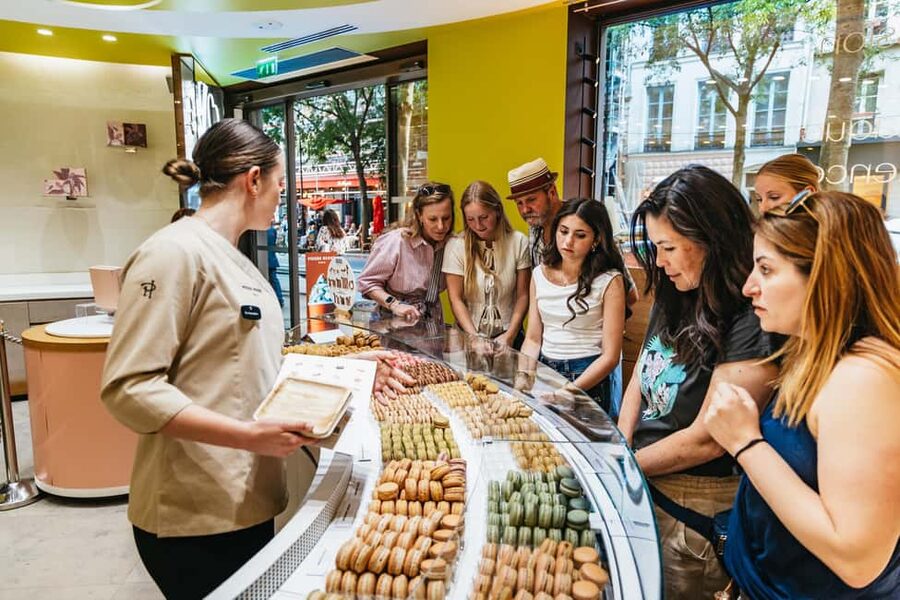
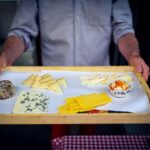
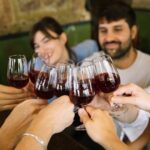
The star of this tour is classic French cheese paired with wine. One of the main tasting moments is fresh French cheeses served on a crunchy baguette, matched with wine. That pairing is a huge deal because it changes the whole taste experience: the baguette brings texture and saltiness, while the wine gives you a frame for the flavor.
What I like about this approach is that it turns cheese from a “buy it later” item into something you can practice tasting with a guide beside you. You’ll learn stories and unique facts about French culinary craft, and those details stick because they’re tied to the bite in front of you—not just a lecture.
You might also see your guide steer you toward questions like:
- Why one cheese cuts through wine better than another
- How charcuterie and cheese balance salt and fat
- What to pay attention to when you smell and bite rather than just chase flavor
And yes, wine is part of the deal. One review noted that the wine tasted at a brasserie could feel more standard than “specialty” wine options, so if you’re a hardcore wine person, keep that in mind. Still, most people seemed genuinely happy with the overall pairing and how it flowed through the tour.
Charcuterie, cured ham, pastries, and chocolate: what you’ll actually eat
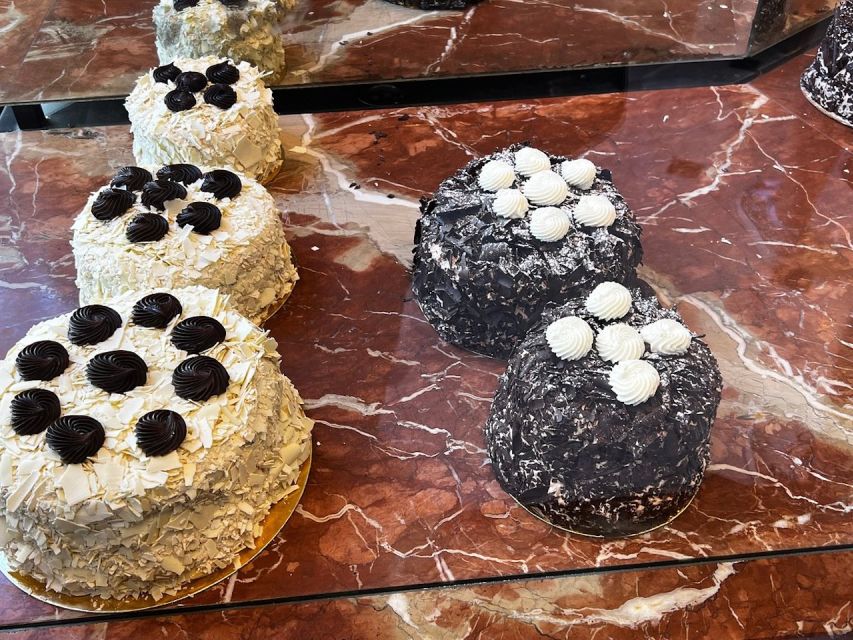
Beyond cheese and wine, the tour builds out a full French tasting lineup:
- Cured hams and charcuterie
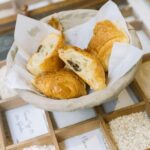
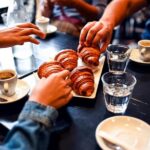
- Generous pastries
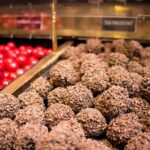
- Chocolates
- Other French specialties depending on the season
This is the part that makes the tour feel like a real sampler of French comfort food and “treat food.” Instead of just one cheese platter and a sweet finish, you’ll be moving through savory bites and desserts across multiple stops. It’s a smart way to try more kinds of flavors in fewer hours.
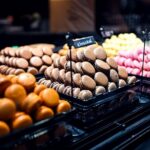
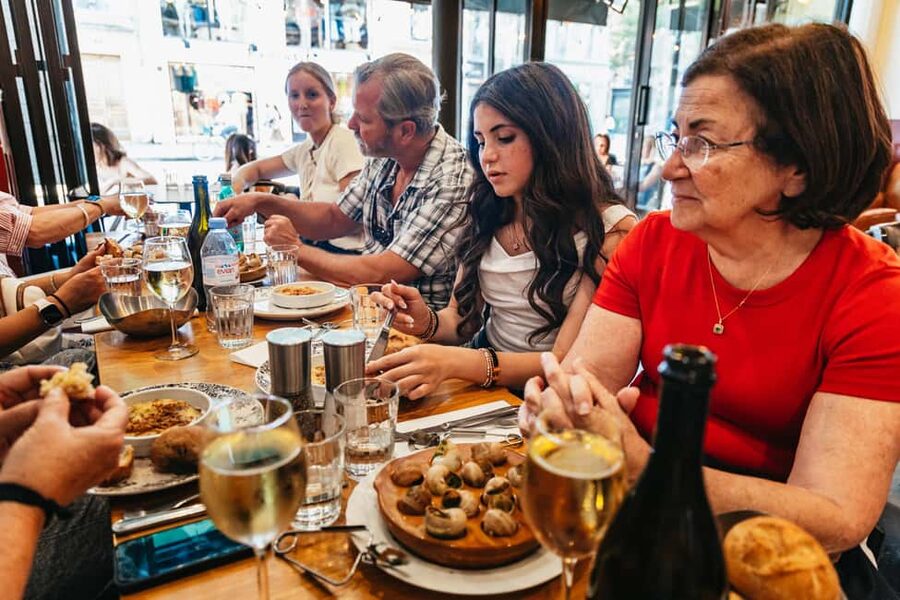
One detail I’d take seriously: you’re likely to taste things you wouldn’t normally order on your own. Some reviews mention a restaurant stop where guests tried dishes like snails alongside a charcuterie platter. If you’re curious, this is one of those moments that turns a tour from “tasting” into “learning French table culture.” If you have strong dietary restrictions, you’ll want to check with the operator ahead of time, since the provided info doesn’t list alternatives.
The Marais market detour: browsing food like locals
A key highlight is going off the beaten path inside the Marais to reach a traditional market atmosphere. This is where the tour shifts from shop windows and cafés to the feel of fresh-product browsing—think narrow, lively streets and stalls with the goods people actually buy.
What you get from this market stop is perspective. Instead of seeing the Marais only as a “pretty neighborhood,” you see how food fits into daily life there. You’ll browse fresh products and other culinary gems, and this part is a good match for the tour’s theme: French food isn’t just fancy—most of it is built on what’s seasonal and what’s local.
If you want a specific example of where guides have taken the group, one review highlighted a stop at Marché des Enfants Rouges with guide Arthur. That’s exactly the kind of market stop that makes the Marais feel lived-in, not just photographed.
You can also read our reviews of more food & drink experiences in Paris
The one restaurant stop: when the tour becomes a sit-down meal
You’ll also have one stop in a restaurant as part of the experience. This is different from the street-corner sampling vibe. A restaurant stop lets you slow down and enjoy a plated or more substantial tasting.
Why this matters for you: it’s the moment where the tour stops being only about walking and starts feeling like a mini meal. Reviews mention a restaurant experience that included snails and charcuterie, which is very on-brand for French “let’s try it together” dining culture.
If you’re the type who enjoys structure—starter energy, main-course-ish tastings, then sweets later—this layout tends to feel satisfying. And because portions are spread out across the day, you’re not stuck with one enormous dish you don’t want.
The sights you’ll pass: architecture, art, and why it won’t feel random
This tour isn’t only about food. While you walk, you’ll pass:
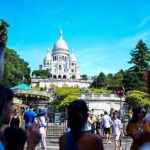
- quaint architecture
- cute cafés
- art galleries
- high-end shops
- narrow streets that lead to more traditional market areas
The way the tour uses these sights is practical. Your guide ties the neighborhood environment to the food you’re eating. That’s why people keep mentioning history and culture along the way, not just tasting facts.
You’ll also likely notice the Marais itself acts like a living classroom. Old buildings, layered storefronts, and changing street corners help you understand why the area feels so tightly connected to food culture. It’s a neighborhood where shopping for ingredients and wandering for treats can happen in the same hour.
What to bring: small choices that make the walk better
A walking tour is only fun if you feel comfortable. Bring:
- comfortable shoes
- warm clothing
- an umbrella
- rain gear
- weather-appropriate layers
This matters because the tour lasts over three hours, and you’ll be outside between stops. Even in pleasant weather, you’ll cover enough ground that foot comfort is non-negotiable.
Also, pace yourself at the tastings. The tour includes savory and sweet, plus wine. You’ll likely end up full. Plan your evening accordingly, and if you’re sensitive to alcohol, sip slowly and drink water between stops.
Who should book this Marais food tour (and who should think twice)
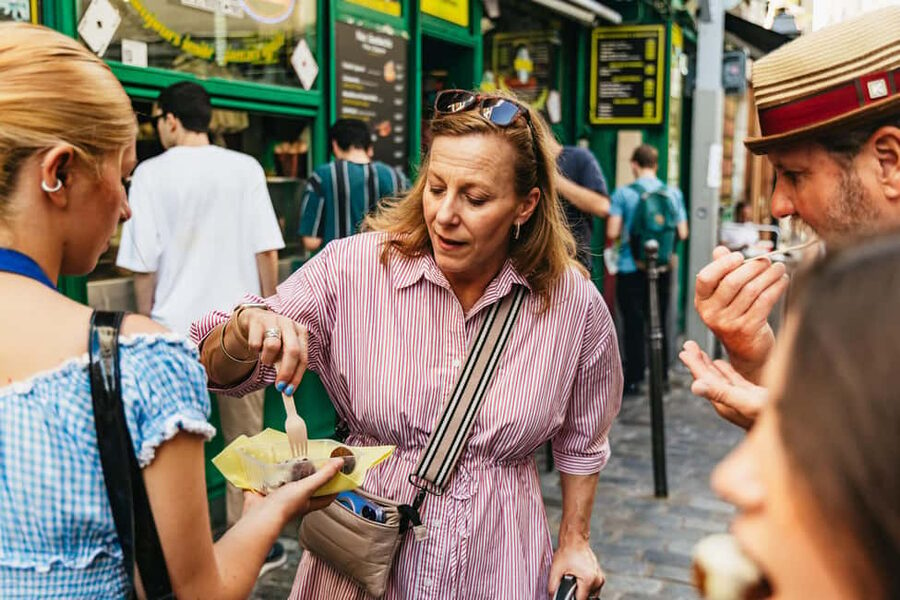
This is a great choice if you want an easy way to do Paris through French flavors and neighborhood context without planning your own route. It’s also a strong fit if you like:
- trying cheese, charcuterie, pastries, and chocolate in a single afternoon
- learning short stories tied to each food stop
- walking with an English-speaking guide in a small group
It’s less ideal if you:
- hate walking in any weather (you’ll be outside for a good chunk of time)
- are very sensitive to trying unfamiliar foods (some restaurant tastings may include items like snails)
- need childcare for very young kids (it’s not suitable for children under 4)
If you’re visiting for only a few days, this tour is a smart “day one or day two” move. You get bearings in the Marais and enough food confidence to know what to seek later on your own.
Price and value: is $148 fair for what you get?
At $148 per person for about 198 minutes, the value comes from the ingredients plus the guidance. You’re not paying just for food—you’re paying for:
- an English live guide
- 8 to 10 tasting stops
- cheese and wine tasting
- chocolates and fresh pastries
- French specialties that may vary by season
- a restaurant stop
If you tried to replicate this on your own, you’d spend time researching places, then figuring out what to order, and you’d still be guessing which combinations make sense. Here, the tour handles the decision-making. The small-group limit also helps: fewer people means your guide can keep explanations tight and the group from spreading too far.
The main “value check” for some people is the wine level. One review felt the wine tested was more regular brasserie wine than a special cellar experience. If you’re picky about wine quality, that’s worth considering. Still, for most people, the overall mix of cheese, charcuterie, pastries, chocolate, stories, and a market stop seems to land as a strong deal for a guided food afternoon.
Should you book? My take on making the call
I’d book this tour if you want a classic Paris food experience in a neighborhood setting you’ll actually want to return to. The combination of cheese and wine, multiple sweet-and-savory tastings, and a market wander makes it more than a checklist. It’s also the kind of experience where a good guide really matters, and the tour has plenty of praise for guides like Margot, Dorine, Sasha, and Arthur for blending food with local context.
If you’re deciding between tours, use this simple test: do you like eating several small bites while walking through the Marais? If yes, this is a very efficient way to learn the neighborhood and leave with strong food memories. If you dislike wine, hate walking, or refuse to try adventurous items, then you may want to choose a tour with a tighter focus or more clearly defined menu options.
FAQ
Where does the tour start and end?
It starts at Le Repaire de Bacchus, a green shop in the Marais. The tour ends back at the same meeting point.
How long is the tour?
The duration is 198 minutes, about 3 hours and 18 minutes. Starting times depend on availability.
What’s included in the tastings?
You’ll get cheese and wine tasting, chocolates, fresh pastries, and French specialties according to the season. There are 8 to 10 food tasting stops plus 1 restaurant stop.
What group size should I expect?
It’s a small group limited to 10 participants.
What language is the guide?
The tour has a live English-speaking guide.
What should I bring for the walking route?
Wear comfortable shoes and bring warm clothing. You should also bring an umbrella and rain gear for weather changes.
Is the tour canceled for bad weather?
The provided info doesn’t say it cancels for specific weather. Since you’ll be outdoors, bring rain gear and dress for the conditions.