REVIEW · GINZA
Adventurous Japanese Food Tour in Tokyo
Book on Viator →Operated by Japan Awaits · Bookable on Viator
Raw horse and fugu in Ginza? I love the fugu tastings with safety talk, and the 10-person max keeps it personal; the downside is it’s not for squeamish eaters or anyone avoiding strong, gamey flavors.
This English-speaking private tour lasts about 2 hours 30 minutes, starting at Ginza Station and ending back at the meeting point. You’ll use a mobile ticket, and you’ll be on your feet enough to need a moderate fitness level.
You’ll weave through the area toward family-run spots that feel lived-in, not staged for day tours. Since some places allow smoking, I recommend packing a facial mask if that stuff bothers you.
In This Review
- Key things I’d plan around before you book
- Why Ginza works for an adventurous food crawl
- What you actually eat: fugu, horse, whale, plus classic staples
- The 2.5-hour pace: how the route feels in real life
- A typical flow you can expect
- Small group size: why 10 people changes everything
- Meeting at Ginza Station: what to know so you don’t stress
- Drinks and comfort: what’s included and what you’ll pay for
- Price and value: does $303.18 make sense?
- Who should book this, and who should skip it
- The bottom line: should you book this Ginza adventure?
- FAQ
- What’s the duration of the tour?
- Where is the meeting point?
- Is this tour private or shared?
- How big is the group?
- What foods are included in the tastings?
- Are drinks included?
- Do I need to be able to walk a lot?
- Is smoking allowed during the tour?
- What if I’m late to the meeting point?
- Is there a cancellation option if plans change?
Key things I’d plan around before you book
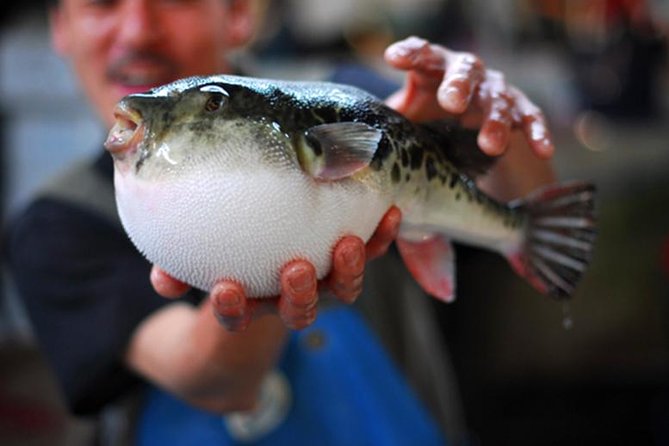
- Fugu + horse + whale tastings: offbeat dishes are the main event, not a side dish.
- Small group, up to 10: more time to ask questions and talk through what you’re eating.
- Guides who explain the why: names like Izumi, Shoji, Asami, Mack, Shun-san, and Gary show up in real experiences, each with their own food-focused style.
- Ginza/Shimbashi routing: the neighborhood can shift, but the vibe stays street-level and local.
- Smoking may happen inside: it’s out of the operator’s control, so you control your comfort.
Why Ginza works for an adventurous food crawl
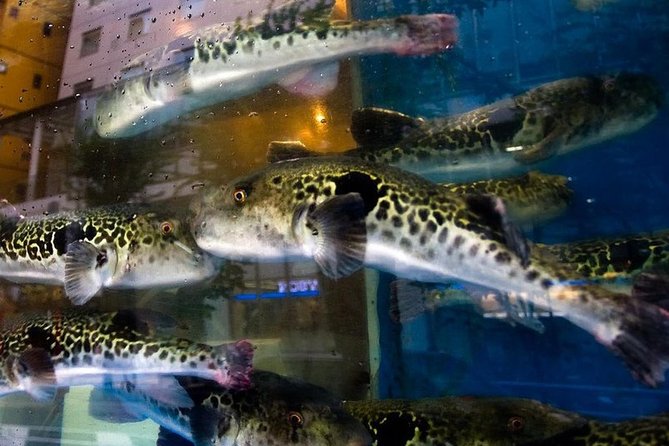
Ginza sounds fancy, and it can be, but on this kind of food tour it becomes something else: a maze of small counters, snack bars, and narrow dining rooms where locals actually eat. The tour keeps you moving through busy streets (in Shimbashi in some cases, or Ginza in others), which matters because the best places in Tokyo don’t always announce themselves from the sidewalk.
What I like about this setup is that it isn’t only about getting food. It’s about learning how people choose and order in Japan. When you’re standing where locals stand, watching the rhythm of the menu, and asking an English-speaking guide what you’re looking at, the whole experience clicks faster. You also get to see a practical side of Ginza: it’s not only department stores and polished streets.
You can also read our reviews of more food & drink experiences in Ginza
What you actually eat: fugu, horse, whale, plus classic staples
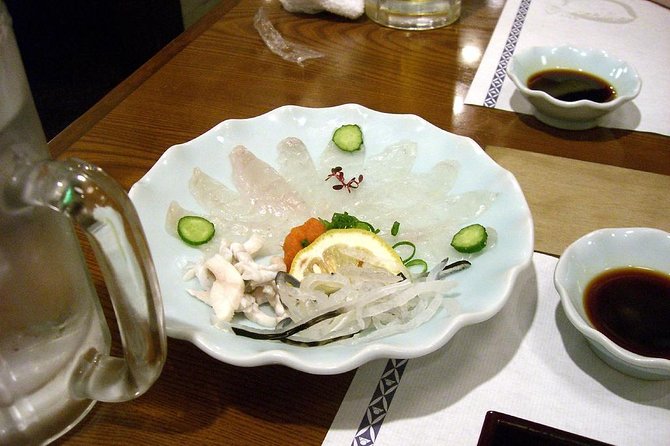
The tour is built around tasting foods that most visitors pass over. The included tastings listed for this experience are blowfish (fugu), chicken meat, horse meat, and whale meat. That alone sets the tone: you’re paying for access to specific dishes, plus the guidance that helps you order confidently and understand what you’re eating.
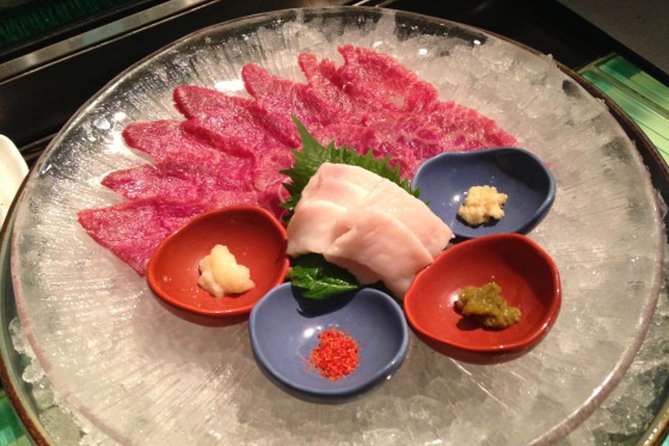
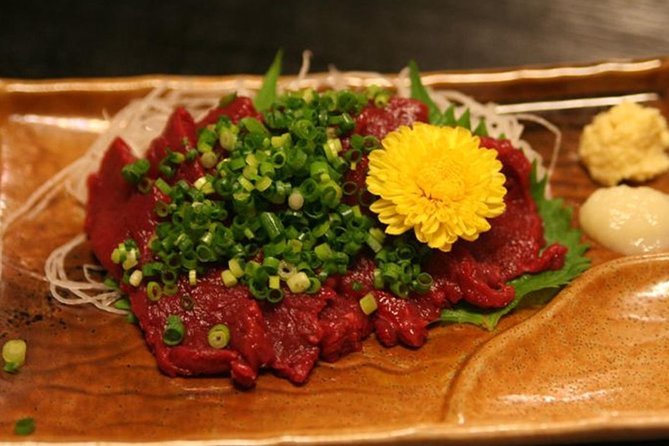
Here’s where it gets real for adventurous eaters. In the experiences people shared, the blowfish shows up in multiple styles—sashimi and also fried. Horse often comes as sashimi, and you may also find other animal-based dishes in the mix, like beef organs or intestines. Some groups even mention an angler fish stop (deep-fried). So even if you come in expecting just fugu and horse, be open to other meat-and-seafood oddities too.
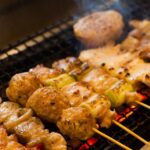
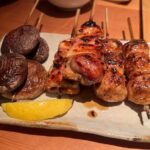
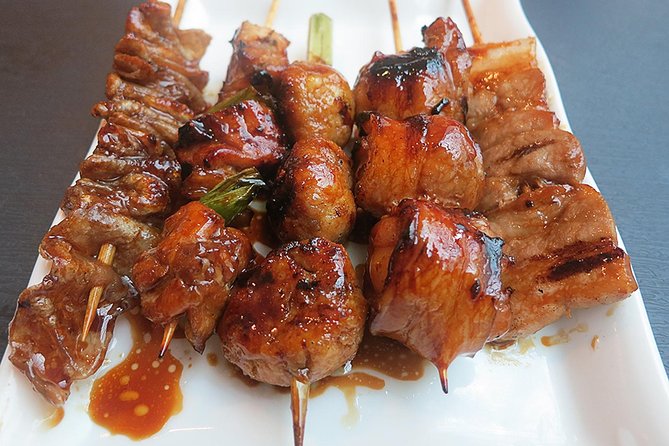
And then there’s the balance. The description also calls out traditional standbys like sushi and yakitori as part of the flow. That matters because the tour isn’t trying to be one long stomach experiment. It tends to mix the daring bites with familiar Japanese flavors so you can reset your palate and keep enjoying the night instead of just enduring it.
Practical note: because these are tasting portions across multiple stops, you’re eating multiple textures and flavors in a short window. If raw or gamey food is your hard no, this is the wrong kind of tour. If you’re curious and you like learning through food, it’s a strong match.
The 2.5-hour pace: how the route feels in real life
The timing is about 2 hours 30 minutes, and it’s designed as a crawl, not a long dinner. In practice, that usually means you’ll hit a few restaurant stops and spend enough time at each to taste, ask questions, and not feel like you’re being rushed between bites.
Still, not every experience feels identical. Some people felt it moved quickly, and at least one person said the meeting spot in a crowded area could be confusing at first. So if you’re someone who likes a slow, wide tour with lots of street wandering, keep expectations realistic: this one is food-forward.
The good part is that you’re not going at it solo. You’re weaving through dense areas with an English-speaking guide who knows where to go and how to keep the evening flowing. And because it ends back at the meeting point, you’re not solving Tokyo logistics at the end of the night.
A typical flow you can expect
The order can vary depending on the day and what’s available, but people described sequences like:
- a seafood-leaning stop
- a dedicated fugu stop
- a horse-focused stop
Think of it as chapters. The fugu and horse tastings are usually the headline acts; the sushi/yakitori and other bites help you round out the meal so you leave with a wider picture of Japanese eating habits.
Small group size: why 10 people changes everything
The tour caps the group at 10 people. That’s not a marketing number; it affects the whole vibe. With a smaller group, you’re easier to manage inside tight Japanese restaurant spaces. You also get more face-time with the guide when it comes to questions about ingredients, preparation, and etiquette.
This is also where the guide personality shows up in a big way. People mentioned guides like Izumi-san being patient with English learners, Asami showing extra effort when one fugu place was full, Shoji making the experience feel like a real outing rather than just a stop-and-go list, and Gary as a genuine foodie expert. Even the more technical guides left an impression—one experience included a fish biologist style explanation, with charts about how pufferfish toxicity can vary by season and species.
That kind of explanation is the difference between tasting something and actually understanding it. When you know what you’re looking at—why it’s prepared a certain way, what the guide is watching for, and how safety is handled—it takes the weirdness out of the fear.
Meeting at Ginza Station: what to know so you don’t stress
Your start point is listed as Ginza Station 4-chōme (4-chōme-1-2 Ginza, Chuo City, Tokyo 104-0061). The end is back at the meeting point, so once you arrive, you’re not trying to re-orient later.
Two details help keep your night smooth:
- The guide will wait up to 30 minutes after the scheduled start time. After that, the tour is considered canceled.
- The area is busy. Even a well-placed landmark can feel like chaos when you’re arriving for the first time.
If you’re even slightly unsure about transit timing, give yourself buffer time. Tokyo trains run well, but getting from the station exit to the exact meeting spot can take longer than you expect.
Also, remember that some places on the route may allow smoking. Bringing a facial mask isn’t dramatic—it’s a practical move.
Drinks and comfort: what’s included and what you’ll pay for
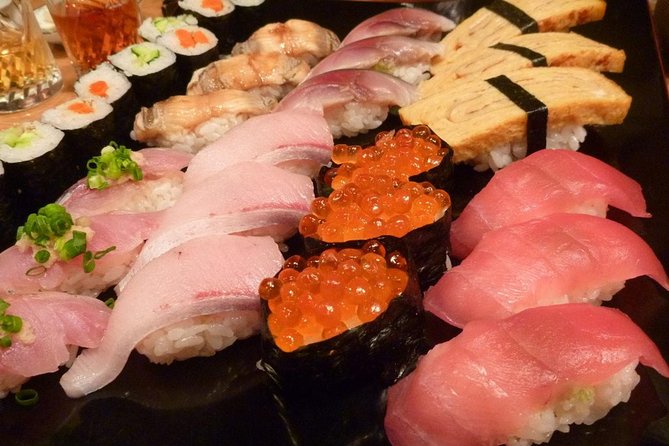
Food tasting and a drink are part of the included experience. The included tasting list covers fugu, chicken meat, horse meat, and whale meat. Alcoholic and non-alcoholic drinks are not included, though they can be purchased during the tour.
In several shared experiences, people described fugu being paired with a sake moment (like tasting fugu in a way that includes the tail presentation). That’s the kind of culinary theater Japan does well, but don’t treat it as guaranteed alcohol. Plan to pay for any drinks you want.
For comfort:
- You’ll be walking in crowded areas, so comfortable shoes matter.
- Some restaurants allow smoking, so consider a facial mask.
- You should have moderate physical fitness since this is a city crawl.
Price and value: does $303.18 make sense?
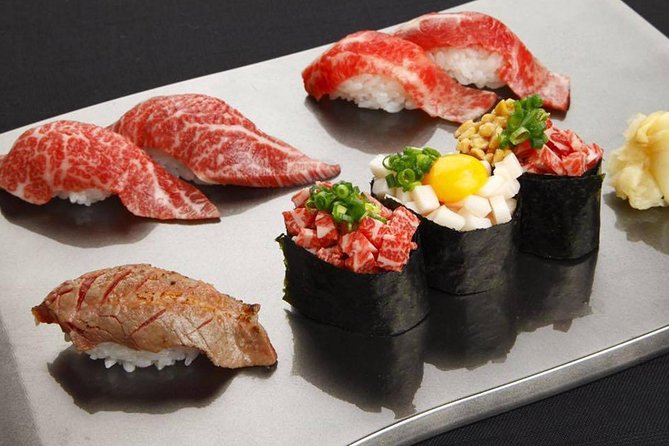
At $303.18 per person, you’re paying for more than food. You’re paying for:
- specific included tastings (fugu, horse, whale, chicken)
- an English-speaking private guide
- small-group access capped at 10
- taxes and handling included
Here’s how I’d judge value. If you just want the safe highlights like ramen, tempura, or standard sushi training-wheel meals, this price will feel steep because the tour’s main pull is the daring menu. But if your goal is to taste foods most people never try—and you want a guide to explain what you’re eating and why—then the cost starts to look more reasonable. You’re buying expertise and access, not only calories.
The reviews also suggest the guides often work hard to make sure you get the tastings. One experience described a guide going to extra lengths to help the group taste fugu when the first place was full. That kind of problem-solving is hard to replicate on your own if you don’t know where to go and how to navigate menus and capacity.
One more pricing angle: the tour is frequently booked in advance (on average, 53 days). That can be a hint that people plan it as a key meal of the trip, not an optional add-on.
Who should book this, and who should skip it
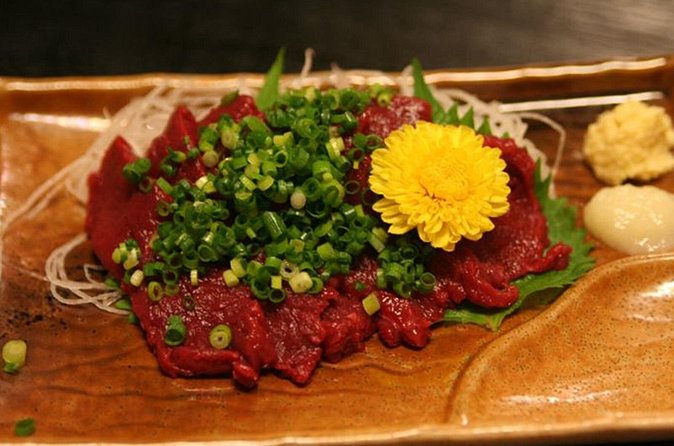
This tour fits best if:
- you’re an adventurous eater
- you’re comfortable with tasting meat beyond chicken and seafood
- you like learning—especially when guides explain things like fugu safety and pufferfish variation by season or species
- you want a private, English-guided outing rather than wandering and hoping
It’s less ideal if:
- you’re squeamish about raw or very strong flavors
- you want a classic-only Tokyo food route
- smoking indoors could ruin your night (you can mitigate with a mask, but you can’t control the environment)
Age-wise, it’s listed for guests 18 years and older. Adults are responsible for dietary requirements of younger guests if any younger guests are in the group, but the clear rule is that the tour is for adults.
The bottom line: should you book this Ginza adventure?
If you want one memorable meal where you step outside the usual Tokyo food box, this is a strong candidate. The biggest win is the pairing of daring tastings with an English-speaking guide who can translate the menu and explain the food logic behind it. The small group cap makes it feel more like a guided evening with friends than a factory-line tasting.
But be honest about your stomach and your comfort level. If fugu, horse sashimi, or whale meat sound like a fun story you’ll tell later, book it. If those dishes sound like stress, skip it and choose a classic Tokyo tasting tour instead.
FAQ
What’s the duration of the tour?
The tour runs for about 2 hours 30 minutes.
Where is the meeting point?
The meeting point is Ginza Station 4-chōme (4-chōme-1-2 Ginza, Chuo City, Tokyo 104-0061, Japan).
Is this tour private or shared?
It’s a private tour/activity, and only your group participates.
How big is the group?
Small group tours are capped at only 10 people.
What foods are included in the tastings?
Included food tastings are blowfish (fugu), chicken meat, horse meat, and whale meat.
Are drinks included?
Food tasting and drink are included as part of the experience, but alcoholic and non-alcoholic drinks are not included and can be purchased during the tour.
Do I need to be able to walk a lot?
You should have a moderate physical fitness level. The tour involves weaving through busy streets in the area.
Is smoking allowed during the tour?
Some establishments in Tokyo allow smoking, and it’s out of the operator’s control. A facial mask is recommended if you want to mitigate smoke.
What if I’m late to the meeting point?
Even though it’s private, the guide will wait up to 30 minutes after the scheduled start time. After that, the tour is considered canceled.
Is there a cancellation option if plans change?
The experience is listed as non-refundable and cannot be changed for any reason.