REVIEW · TIRANA
Albanian Highlights – UNESCO sites ,Nature and Food tour
Book on Viator →Operated by Tirana Day Trips · Bookable on Viator
UNESCO sites plus canyon swim time? Albania delivers. This Albanian Highlights route strings together Tirana, Durres, and the south’s nature parks and seaside drives, so you’re not stuck doing the same kind of sightseeing all day. If you get a guide like Zeni (his name shows up in standout guest feedback), you’ll understand why each place matters, not just where to stand for photos.
I especially like the chance to slow down for people, not just places. Berat’s castle family lunch adds a warm, real-food moment you won’t replace with another viewpoint, and Osum Canyon gives you that rare mix of big scenery and optional water time.
One thing to keep in mind: this trip takes a solid chunk of driving plus walking on uneven ground, and the tour asks for moderate physical fitness. If you’re hoping for a mostly flat, low-effort schedule, this one may feel like it has more “go” than “glide.”
In This Review
- Key things that make this tour worth your time
- How this 6-day Albania route feels in real life
- Tirana’s Scanderbeg Square, Bunk’Art, and the Blok area
- Durres amphitheatre and the Adriatic promenade
- Laguna e Karavastase: pelicans, boat time, and coastal ecology
- Berat UNESCO: castle-town views and Onufri’s icons
- Lunch inside the castle area (this is the human highlight)
- Osum Canyon and Bogove waterfall: big nature with optional water time
- Roshnik village: food and wine dinner in an agro farm setting
- Gjirokaster bazaar and castle town pride
- Blue Eye stop: spring-fed water on the way
- Sarande evening and the Ionian coast vibe
- Butrint National Park: ancient ruins in a natural setting
- Porto Palermo and the Riviera road: panoramic drives matter
- Vlore evening: a softer ending
- Zvernec monastery and Apollonia ruins: wetlands to ancient streets
- Price and meals: what you’re really paying for
- Who should book this tour (and who might want a different pace)
- Should you book Albanian Highlights: UNESCO, Nature and Food?
- FAQ
- How long is the Albania Highlights tour?
- Where does the tour start?
- Is pickup available?
- What UNESCO sites are included?
- Do you visit lagoons or go on a boat?
- Is there time for swimming?
- What kind of fitness level do I need?
- How large is the group?
- Are meals included in the price?
- What’s the cancellation refund timeframe?
Key things that make this tour worth your time
- UNESCO trio in one smooth flow: Berat, Gjirokaster, and Butrint
- Nature stops with real variety: lagoons, canyons, waterfalls, and wetlands monasteries
- Local meals are built in, including dinner on an agro farm and a family lunch inside Berat’s castle area
- Small group size (max 8) means you’re less likely to feel like a seat number
- Optional swim moments show up at Osum Canyon and Bogove waterfall if conditions allow
- Sea-view driving days through the Albanian Riviera and Llogara Pass
How this 6-day Albania route feels in real life
This tour works because it doesn’t treat Albania like a checklist. You start in Tirana and Durres, then gradually shift south into UNESCO towns, then into nature-heavy days. By the last two days, the focus turns to ruins and sea views along the Ionian coast.
You’ll move fast, but the stops are chosen to change your brain rhythm. Some mornings are about architecture and old streets; some afternoons are about water, cliffs, and countryside views. If you like travel that mixes history with fresh air, you’re going to enjoy the pacing.
Also, the group cap of up to 8 travelers matters more than you might think. With smaller groups, you get easier answers from your guide and more flexibility at viewpoints, especially when the schedule leaves room for short walks.
You can also read our reviews of more food & drink experiences in Tirana
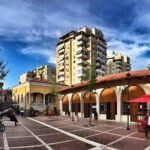
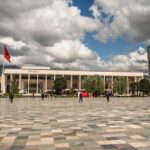
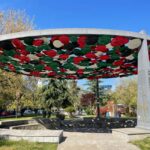
Tirana’s Scanderbeg Square, Bunk’Art, and the Blok area
Tirana is your “set the context” day. You’ll meet your guide in the morning, then walk through the center around Scanderbeg Square and see the architectural mix that shaped modern Albania’s identity. The stop at the old mosque in the central area gives you a useful, grounded look at how different eras coexist in the city.
Then you’ll hit Bunk’Art, an ex-communist bunker turned museum. It’s not just another indoor museum stop because it helps you understand the country’s recent political history in a very physical way—you’re literally looking at a space built for a different kind of world.
The afternoon energy in the Blok area is a nice contrast. This was once where important officials lived; now it’s a hangout district with bars and night clubs. It’s a good place to end your first day because it reminds you Albania isn’t “stuck in the past”—it’s living now, too.
Practical note: this is a walking day. Wear comfortable shoes and expect some uneven pavement in older areas.
Durres amphitheatre and the Adriatic promenade
After Tirana, you transfer to Durres, Albania’s biggest coastal city. The highlight is the amphitheatre, described as the biggest in the Balkans, followed by time at the Archaeological Museum to connect what you see outside with what’s preserved inside.
I like this pair because it teaches you a simple skill: spotting layers. Durres isn’t trying to be a single-era city. You see the Roman scale, then you learn how the region’s older world ties into later periods.
The evening is free, and that’s a gift. You can head to the pedestrian street near the Adriatic and keep things easy after a full day of guided stops. If you’re tired of organized tours, this free time lets you reset without losing momentum.
Laguna e Karavastase: pelicans, boat time, and coastal ecology
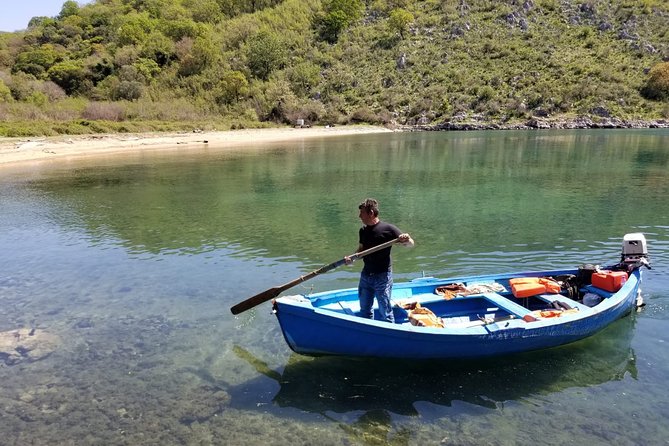
Day 2 starts with Laguna e Karavastase, Albania’s biggest lagoon and a wildlife hotspot. The tour focuses on endemic species and includes a visit to the lagoon information center first, so you’re not just wandering around guessing what matters.
Then you’ll go on a boat trip through the lagoon. This is one of those moments where Albania feels different from typical “old town + museum” travel. You’re out on water, watching birds and learning how this ecosystem works.
If your travel style includes animal-watching but you don’t want a long day of guessing, this stop hits the sweet spot. It’s structured, but still outdoors.
Berat UNESCO: castle-town views and Onufri’s icons
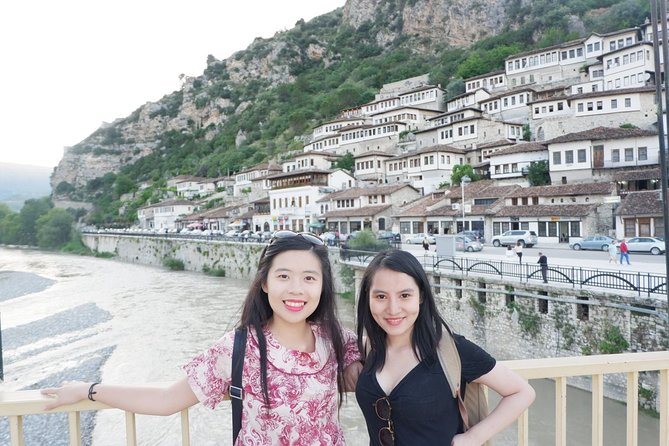
Berat is the UNESCO centerpiece of the trip, and it earns the attention. The town is famous for its architecture, and it’s built around the castle area with layers of streets below. You’ll see the castle and important monuments inside, plus time at the Onufri Museum, which is a church focused on religious art.
What I like here is the tolerance angle. The museum stop is about icons made by Albanian masters and what religious artwork reveals about identity and coexistence.
Lunch inside the castle area (this is the human highlight)
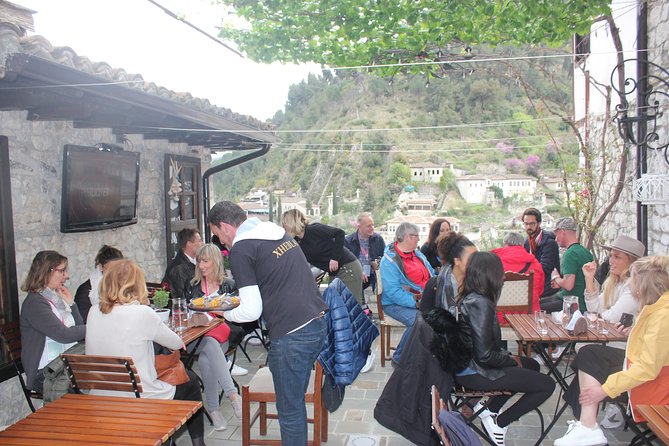
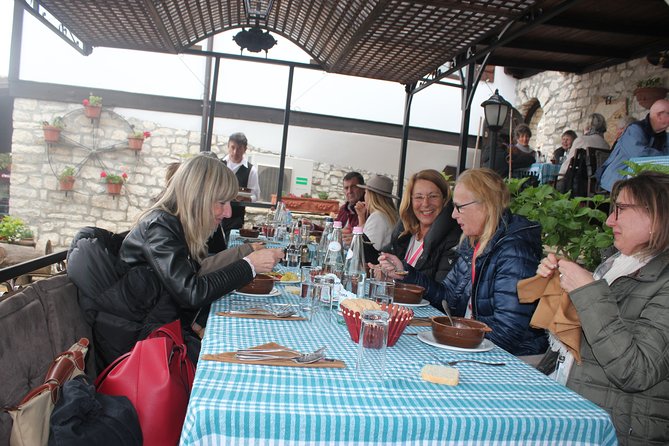
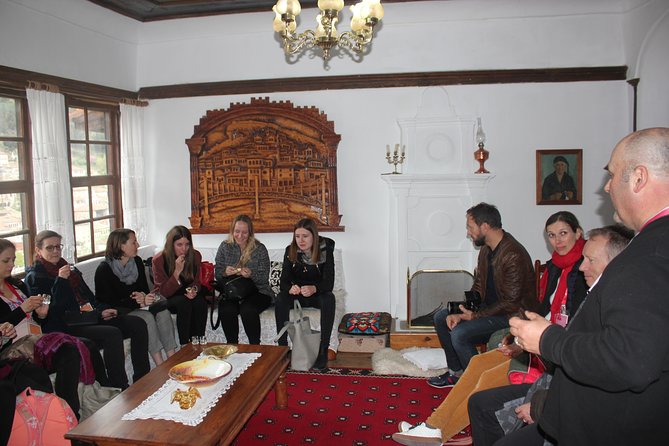
The tour includes lunch in a local family setting who lives inside the castle. This is the kind of experience that changes the tone of a day. Instead of rushing to the next photo, you slow down, taste local food, and hear how life works in a place that many visitors only view from outside.
After that, you get free time to wander the old town areas of Mangalem and Gorica. This is where you can choose your own pace—short strolls for views, or deeper walking if you want to soak in how the neighborhoods stack up around the hills.
Osum Canyon and Bogove waterfall: big nature with optional water time
The tour shifts from castle stones to canyon scenery. You’ll stop in Poliçan first, a small town founded during communist time to produce weapons, including a glance at a weapon factory from a distance. Even if you’re not a history person, it helps you see the country’s past through real geography, not just headlines.
Then comes Osum Canyon (Kanioni i Osumit). It’s described as Albania’s biggest canyon and sometimes compared to Colorado in terms of dramatic canyon shape. You’ll visit viewpoints and walk around, with a short exploration and optional swimming if you want.
That option matters. Some tours show you nature but keep it behind glass. Here, you’re given permission to get closer to the water and cool off.
On the way back to Berat, you’ll stop at Bogove Waterfall, where you walk through the national park area and refresh with cool waters. You’ll also have the choice to swim. If you’re the type who packs for comfort rather than comfortless bravery, bring swimwear and water shoes.
This is also a good day to remember the tour’s moderate fitness requirement. There’s walking on paths and uneven ground, plus the general uphill/downhill vibe of canyon and park visits.
Roshnik village: food and wine dinner in an agro farm setting
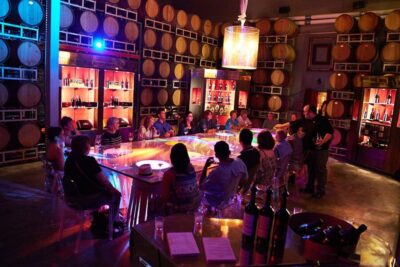
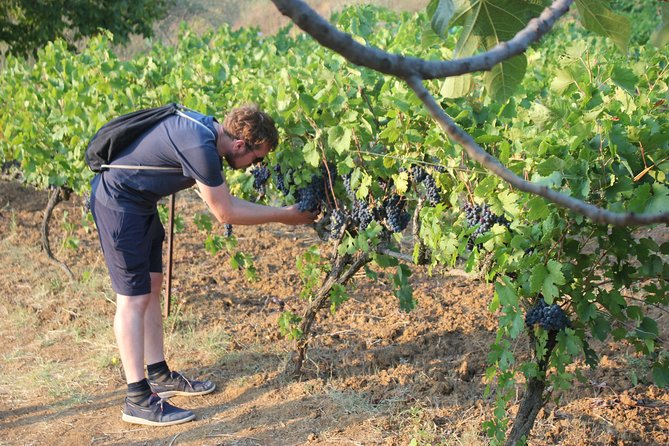
Back near Berat, the tour includes a drive to Roshnik village, about 20 minutes away, known for food and wine. Dinner is served at an agro farm, which is a nice counterpoint to the more formal UNESCO stops.
I like this because it rounds out the trip. You’re seeing ancient ruins and architecture, then you’re eating in a working food landscape. It’s not just “we visited a restaurant”—it’s tied to the rural setting and daily life.
If you’re sensitive to long dinners, arrive hungry and plan to take it slow. Meals like this are where the day’s travel story becomes something you’ll remember beyond photos.
Gjirokaster bazaar and castle town pride
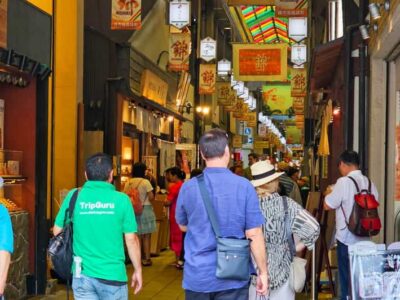
Day 4 is Gjirokaster, another UNESCO town and often described as a pride point for Albania. You’ll explore the bazaar and learn about the architecture and history of the town. The bazaar walk gives you texture: stone alleys, old commercial corners, and that sense of a town built for defense and daily survival.
After time in Gjirokaster, you transfer toward Sarande and check in later, with a planned break built in.
Blue Eye stop: spring-fed water on the way
En route to Sarande, you’ll stop at the Blue Eye, a natural park area famous for its spring. This is a short stop (about 20 minutes), so treat it like a cool-down moment rather than a half-day detour.
It’s a good reminder that Albania isn’t only “dry hills and ruins.” Water features show up at multiple points in the south, and this one gives you another reason to appreciate the region’s natural systems.
Sarande evening and the Ionian coast vibe
After checking into the hotel, the evening is free to explore Sarande’s pedestrian street. You can wander at an easy pace, grab a snack, or just enjoy the seaside energy without being told where to go every ten minutes.
This is also where you’ll notice the tour’s balance: guided sightseeing in the day, breathing room at night.
Butrint National Park: ancient ruins in a natural setting
Day 5 starts with Butrint National Park, one of Albania’s most important archaeological and natural sites. You’ll visit the ancient ruins and get time to slow down for photos and views.
What makes Butrint special in a way that sticks is the combination of ruins and nature. It’s not just stones in the middle of nowhere. It’s a park-like site, so your brain gets a double experience: history and outdoor scenery at the same time.
If you like to walk at a steady pace without rushing, this part is a good fit.
Porto Palermo and the Riviera road: panoramic drives matter
Next, you drive toward the Albanian Riviera. You’ll stop at viewpoints and visit Porto Palermo castle for about 30 minutes. The drive itself is described as one of Albania’s most panoramic routes, with old villages along the way.
Then you’ll go through Llogara Pass at 1,091 meters above sea level. The views are fantastic, and lunch is planned at a restaurant with sea views of the Ionian. That lunch-with-a-view piece turns a transit day into a memory.
Vlore evening: a softer ending
You’ll arrive in Vlore and check into your hotel, then have a free evening along the Ionian coast. This is a “lighten the legs” kind of night after multiple days of walking and shifting terrain.
If you want to keep things simple, just choose one nearby street or promenade and let your day finish on its own terms.
Zvernec monastery and Apollonia ruins: wetlands to ancient streets
Day 6 stays south but changes the feel again. You’ll head to Zvernec on an island in the Narta Lagoon area. This region is known for flamingos and Dalmatian pelicans. You’ll visit the monastery and enjoy the nature around it.
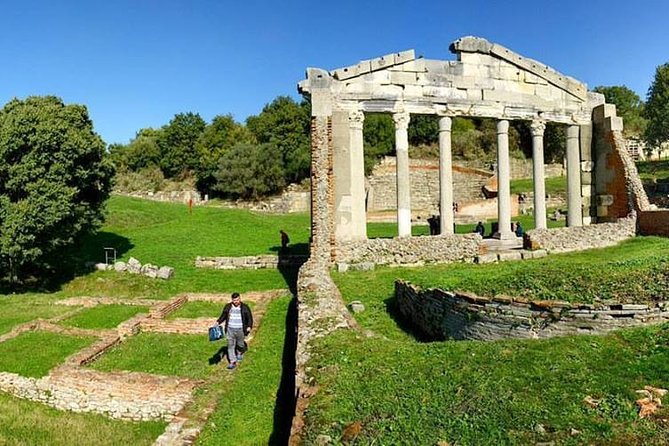
Then you transfer to Apollonia, an ancient town with ruins and a monastery. This stop includes time to see the ruins and learn about Apollonia’s glory and its fall, which helps connect the story of Albania’s ancient world across sites.
Finally, you return to Tirana for drop-off at your hotel or another destination.
If you’re the type who likes “one last big stop,” Apollonia is a strong closer. It ties together the trip’s theme: history that still shapes where people live and what land looks like.
Price and meals: what you’re really paying for
This tour costs $973.82 per person for about 6 days. On paper, that’s not cheap. In practice, value comes from how the tour is bundled.
You’re paying for guided time across major UNESCO sites and major nature stops, plus transport between towns and planned meals like dinner and some breakfasts/lunches (listed as optional on certain days). Drinks are not included, so if you like wine or cocktails, budget for that separately.
The ticket structure also matters. Many stops list admission as free or included, which reduces the “surprise cost” feeling that can happen on self-planned days. You’ll also have a mobile ticket, which tends to make entry smoother.
One more value point: the maximum of 8 travelers. For some people, that alone is worth paying more than a standard large-group tour.
Who should book this tour (and who might want a different pace)
This tour is best for you if you want a single trip that covers UNESCO towns plus serious nature—canyons, lagoons, waterfalls, and sea-view drives—without you having to plan every connection.
I’d also say it fits couples, small groups, and travelers who don’t mind an active schedule. The tour is for people with at least moderate physical fitness, and the route naturally includes walking in old towns and outdoor parks.
If you’re traveling with mobility limitations or you’re hoping for minimal walking, you’ll probably feel the effort. The route is too full of outdoor sites to call it a “mostly sit and see” vacation.
Should you book Albanian Highlights: UNESCO, Nature and Food?
If you want Albania that’s more than one theme—ruins and wildlife, castles and waterfalls, plus real meals—this is a strong choice. The best reason to book is the balance: UNESCO history days are paired with nature days, and the food stops aren’t an afterthought.
I’d book if you can handle moderate walking, and if you’re happy to plan your budget around drinks and personal expenses (meals are partially included, but not beverages). With a small group and frequent guide contact, this tour also tends to feel more personal than many bigger-group options.
One last practical tip: pack for weather changes. This experience requires good weather, and several outdoor stops depend on it. If you’re flexible on timing and you’re ready for a high-contrast week, you’ll likely love how this route makes Albania feel like a complete country instead of a list of sights.
FAQ
How long is the Albania Highlights tour?
It runs for 6 days approximately.
Where does the tour start?
It is based in Tirana, Albania, with meetings held in the morning and transport connecting to other towns.
Is pickup available?
Yes, pickup is offered.
What UNESCO sites are included?
The UNESCO locations covered are Berat, Gjirokaster, and Butrint.
Do you visit lagoons or go on a boat?
Yes. You visit Laguna e Karavastase and take a boat trip through the lagoon.
Is there time for swimming?
The plan includes optional swimming at Osum Canyon and at Bogove Waterfall, depending on what you choose and conditions that day.
What kind of fitness level do I need?
The tour asks for travelers with moderate physical fitness.
How large is the group?
The maximum group size is 8 travelers.
Are meals included in the price?
Dinner is included, and lunch and breakfast are listed as optional items included on certain days. Drinks are not included.
What’s the cancellation refund timeframe?
You can cancel up to 24 hours in advance for a full refund. Within 24 hours, refunds are not available.