Tin Hau has a way of feeding you fast. This 3-hour small-group food tour turns temple names, public parks, and school landmarks into a practical map for eating—starting with Hong Kong staples and ending with local sweets.
I love how the 7+ tastings are built around real ordering habits, not tourist samples. I also like the small-group pace, which makes it easier to ask your guide about what you’re eating (and why it exists). One consideration: you’ll walk a fair bit, and the wet market stop can be a lot for people who dislike meat-buying scenes.
In This Review
- Key points before you go
- Tin Hau Hidden Eats: a shortcut to how Hong Kong eats
- Price and what $107 buys you in real eating value
- The 3-hour rhythm: small group pacing that doesn’t feel like a sprint
- Stop-by-stop in Tin Hau: temples, parks, schools, and a wet market
- Tin Hau area start: the name behind the neighborhood
- Victoria Park: Queen Victoria’s name in the middle of modern Hong Kong
- Lin Fa Kung Street temple: Tai Hang flavor with an actual street-name story
- Queen’s College: the British-era landmark you can’t ignore
- Hong Kong Central Library: why a city like this documents everything
- A local wet market: the meat, the produce, and the real food supply chain
- The tastings: brisket noodles, roast goose, dim sum, fruit, sweets, and tea
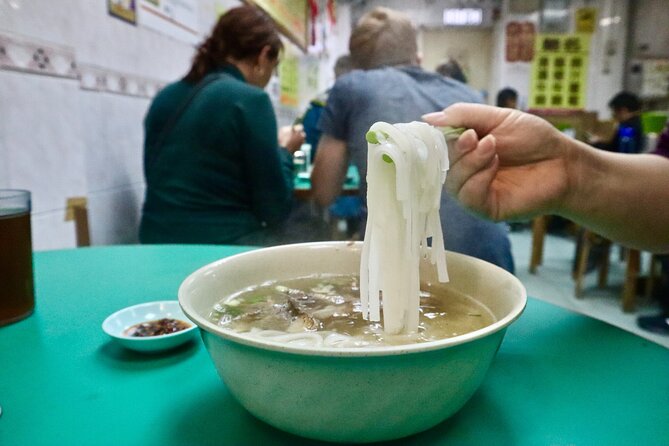
- Beef brisket soup with rice noodles: a comfort start
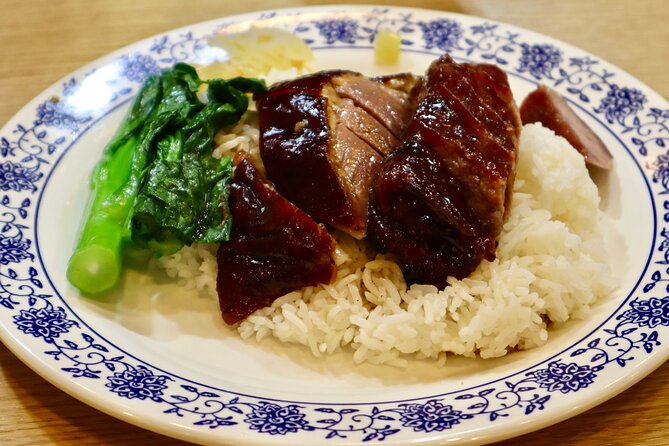
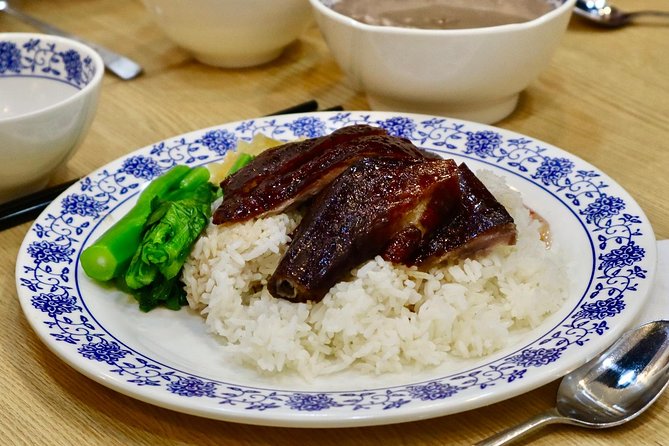
- Roasted goose with rice and plum sauce: salty-sweet Hong Kong classic
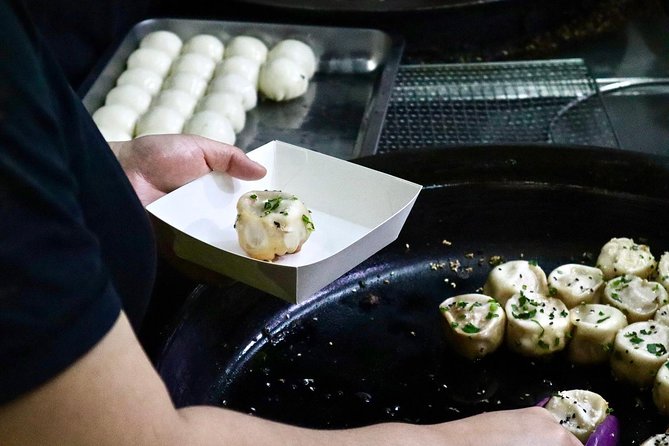
- Fresh baked dim sum: the warm, fragrant middle
- Fresh seasonal fruits and local sweets: a palate reset
- Chinese tea and water: the pacing glue
- The secret dish: your flexible wildcard
- The guide factor: how English explanations make the food easier to repeat
- What to watch for: walking, the wet market, and food comfort level
- Who should book this Tin Hau tour (and who might choose differently)
- Should you book Tin Hau Hidden Eats?
- FAQ
- How long is the Tin Hau Hidden Eats Food Tour?
- What does the tour cost?
- What’s included in the tastings?
- Where do I meet and where does the tour end?
- How many people are in a group?
- Is the tour wheelchair accessible or does it involve walking?
Key points before you go
- 7+ tastings in about 3 hours: You’re not grazing forever—you’re set up for a real meal’s worth of variety.
- Small group (max 12): Easier conversation, less rushing between stops.
- Temple and neighborhood context: You learn why Tin Hau connects to food culture, not just where to eat.
- Chinese tea and water included: You get built-in drink breaks to keep the pacing comfortable.
- Fresh dim sum and roast goose: This tour leans into Cantonese classics, not only desserts.
- Wet market included: It’s part of the food story; it’s also the moment some people feel squeamish.
Tin Hau Hidden Eats: a shortcut to how Hong Kong eats
Tin Hau sits on Hong Kong Island, near Causeway Bay, and it’s the kind of area where food is just… normal. Not staged. Not menu-translation puzzles. Instead, the neighborhood’s layout guides you toward the things locals actually do: buy ingredients, eat quickly, share dishes, and treat sweets like a separate plan.
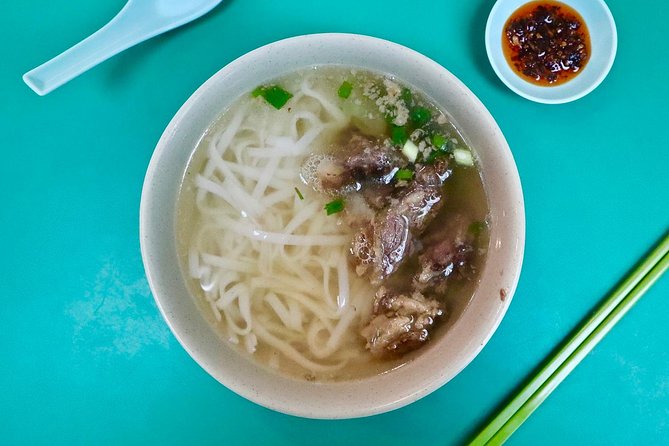
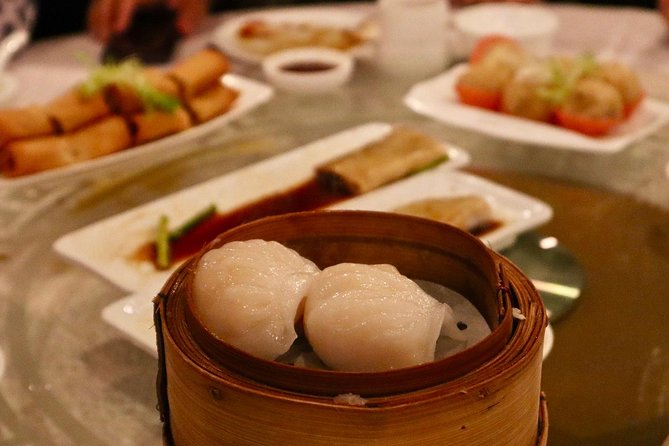
That’s what I like about this tour. It gives you a “starter set” for how Hong Kong dining works, right away. You’ll taste multiple dishes—beef brisket soup with rice noodles, roasted goose with plum sauce, and freshly baked dim sum—plus fruit, local sweets, and a mystery-style secret dish that keeps your brain interested between stops.
And because you’re moving through the Tin Hau / Causeway Bay area on foot, you also get a real sense of distances. You’ll learn where public transit drops you, where landmarks anchor the streets, and how the neighborhood connects to the broader city rhythm.
You can also read our reviews of more food & drink experiences in Hong Kong SAR
Price and what $107 buys you in real eating value
At $107 per person for around three hours, the big question is: do you actually get enough food and meaning to justify a paid tour?
In this case, I think the value comes from the mix:
- Multiple tastings that add up to a meal (not two snacks and a “maybe”)
- Chinese tea and water included, which matters because it turns your breaks into part of the pacing
- A guide who can explain what you’re eating and how to order similar dishes on your own later
You’re also paying for structure. Eating independently in Hong Kong can be great, but it’s also trial-and-error—especially if you don’t speak Cantonese. This tour short-circuits that. You’re guided to the kinds of places you’d probably walk past, plus you’re given context for what to look for next time.
The only real downside on the money side is that hotel pickup isn’t included. If you’re staying far from Causeway Bay, you’ll spend a little time getting to the meeting point. Still, the tour ends back where you started, so you’re not stuck figuring out your way out afterward.
The 3-hour rhythm: small group pacing that doesn’t feel like a sprint
This is a 3-hour food walk with a max of 12 travelers, so the pacing stays human. You’ll have enough time at each stop to eat, ask questions, and reset your bearings before moving again.
Also, you’ll walk. The tour explicitly involves a fair amount of walking, and comfortable shoes are the smart call. If you’re the type who hates standing in lines or weaving through crowded streets, you may feel the time pressure. But the small group size helps. You’re not constantly waiting for people who are lost—or for your guide to repeat the same explanation for ten different languages.
Drink planning is simple: water and Chinese tea are part of the included tastings. One helpful tip that shows up repeatedly in guides’ conversations with guests is to skip a heavy breakfast if you’re taking the morning slot—come with a light stomach, because the tour is designed to fill you.
Stop-by-stop in Tin Hau: temples, parks, schools, and a wet market
This tour doesn’t treat food culture like a separate theme. It treats it like something shaped by place. So expect a walking route that mixes classic landmarks with the places where people buy and eat.
Tin Hau area start: the name behind the neighborhood
You begin at Tin Hau Causeway Bay (near public transportation). From there, the route anchors on the Tin Hau temple connection: this temple is declared a monument, and it gave its name to the MTR station serving it (Island Line) and then the neighboring area of Tin Hau. That matters because it explains why the neighborhood identity is so tied to community rituals—and why food culture feels local, not interchangeable.
A few more Hong Kong SAR tours and experiences worth a look
Victoria Park: Queen Victoria’s name in the middle of modern Hong Kong
Next is a park named after Queen Victoria of the United Kingdom. It’s in Causeway Bay, north of Hong Kong Island, between Causeway Bay and Tin Hau MTR stations. This kind of stop might sound like a break, but it’s useful. It shows you how Hong Kong stacks everyday life next to major transit—and it gives you a breather before the next food stop.
Lin Fa Kung Street temple: Tai Hang flavor with an actual street-name story
You’ll also pass a temple located at the end of Lin Fa Kung Street, named after the temple, in the Tai Hang area in southeastern Causeway Bay. Tai Hang is one of those spots where you can feel older Hong Kong energy. This stop helps explain how “where you eat” often tracks “where you gather.”
Queen’s College: the British-era landmark you can’t ignore
Another stop is Queen’s College, described as the first public secondary school founded in Hong Kong by the British colonial government. The school received its present name in 1894 and is now located in Causeway Bay. Even if you don’t care about school history, it’s still useful. Landmarks like this help you orient yourself on foot, and they remind you that Hong Kong’s food culture formed under multiple eras and influences.
Hong Kong Central Library: why a city like this documents everything
You’ll visit the largest library in Hong Kong. It has collections amounting to one fifth of the Hong Kong Public Libraries System, with 2.3 million items out of 12.1 million total. This stop is surprisingly practical. It reinforces that Hong Kong treats knowledge as part of civic life—not just entertainment. And if you like to learn how places work, it gives your food explanations a wider context.
A local wet market: the meat, the produce, and the real food supply chain
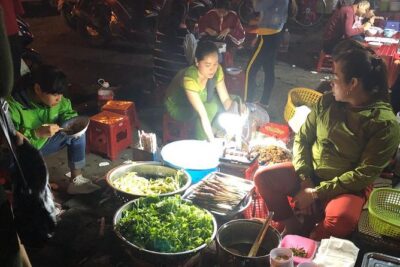
The tour ends with—or includes—a local wet market where you can pick up fresh produce and meat. If you’re a meat eater, you’ll likely enjoy this as the “ingredient reality check.” If you dislike the whole visual process of how meat is purchased, this could feel intense.
In a tour like this, the wet market stop isn’t there for shock value. It’s there to connect the dish to the supply chain. You’ll understand why certain flavors taste the way they do, because you’ll see what fresh goods look like and how the market environment works.
The tastings: brisket noodles, roast goose, dim sum, fruit, sweets, and tea
This is the part you’ll actually remember.
Beef brisket soup with rice noodles: a comfort start
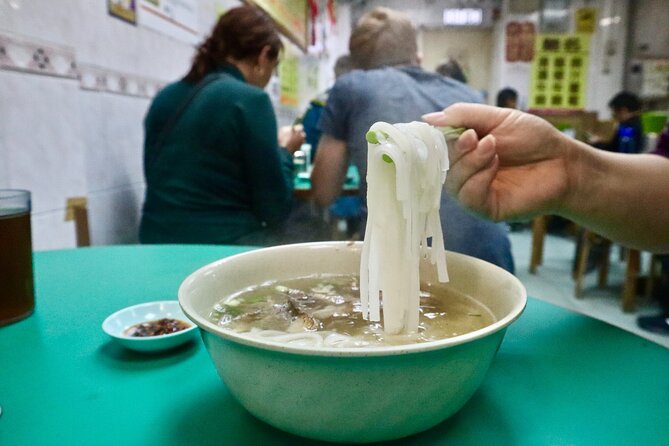
You’ll have beef brisket soup with rice noodles. It’s filling, warming, and a perfect opening dish because it tastes like Hong Kong street comfort food without being fussy. Expect the brisket to be tender and the broth to do the heavy lifting. It’s also a dish you’ll recognize later when you spot similar noodle soup stalls.
Roasted goose with rice and plum sauce: salty-sweet Hong Kong classic
Next is roasted goose with rice and plum sauce. Goose is one of those Cantonese staples that often comes with a specific kind of sweetness from the sauce. The plum sauce also changes the experience—it’s not just savory, it’s sweet-sour in a way that makes you want another bite.
Fresh baked dim sum: the warm, fragrant middle
Fresh baked dim sum is included, and this is a key moment. Dim sum is usually associated with larger restaurants, but the tour framing makes it feel everyday. Plus, dim sum is a great “social” food: you can compare tastes with your group and still keep moving.
Fresh seasonal fruits and local sweets: a palate reset
Then you get fruits and local sweets. This is where you learn not to treat dessert as an afterthought in Hong Kong. The sweets help balance the savory dishes you’ve eaten, and they give your tongue a clean reset before the final stop.
Chinese tea and water: the pacing glue
Chinese tea and water are included. This matters because tea turns the tasting into a slower, steadier experience, instead of you chugging water between heavy bites. It also helps you appreciate flavors without fighting a dry mouth.
The secret dish: your flexible wildcard
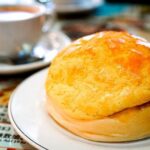
The tour includes a secret dish, meaning you’ll likely get one more standout item that’s chosen based on what’s available and where the route lands. In one example of past routes, people mentioned pineapple bun and milk tea as a highlight, and another guide route included an afternoon-tea style French-toast item. You should expect something fun in that same spirit, even if the exact dish changes.
The guide factor: how English explanations make the food easier to repeat
A huge part of the value here is the guide. You might tour with someone like Sandy, Bessy, Michael, Roger, Katie, or Sonya, since these names show up in guide-led experiences. The common thread is energy plus practical explanations—what you’re eating, how it’s served, and how to spot similar dishes later.
If you’re a first-time Hong Kong visitor, this is a big deal. Without help, it’s easy to miss the “right” place for the dish. With help, you learn what to order and what to look for so you can repeat favorites later on your own.
What to watch for: walking, the wet market, and food comfort level
The tour is built for most people, but I’d plan around three things:
First, walking. Three hours sounds short until you’re moving through neighborhoods and stops. If your feet get sore easily, wear supportive shoes and consider stopping to use the bathroom before you start.
Second, the wet market stop. If the idea of meat and produce being handled in a market setting bothers you, this is your biggest risk point.
Third, food preferences and dietary needs. The tour asks that you contact them in advance for dietary requirements so they can cater as best as possible. Don’t wait until the day of.
Who should book this Tin Hau tour (and who might choose differently)
You’ll probably love this if:
- You want to learn Hong Kong’s food culture through real dishes, not just snack points
- You like a mix of food and neighborhood context (temples, parks, landmark schools)
- You’d rather follow a local plan than keep guessing where to eat
You might skip or consider a different tour if:
- You dislike wet markets and meat-purchasing scenes
- You hate walking and would rather stay seated most of the time
- You’re only interested in one specific type of food (like strictly seafood or strictly sweets)
Should you book Tin Hau Hidden Eats?
If you’re doing Hong Kong Island for the first time, I think this is a smart start. It gives you a fast “food map” for a part of town that feels grounded, not packaged. The combination of 7+ tastings, tea and water, and stop-by-stop neighborhood context makes the price easier to justify because you leave with both full plates and clearer next steps.
If you’re short on time and want your first day (or early afternoon) to count, book it. If your schedule can flex, choose a day with good weather, since the tour is designed for fair weather conditions. And if you like having options, the tour offers free cancellation up to 24 hours in advance, so you can adjust if plans change.
FAQ
How long is the Tin Hau Hidden Eats Food Tour?
The tour lasts about 3 hours.
What does the tour cost?
It costs $107.00 per person.
What’s included in the tastings?
Included items include beef brisket soup & rice noodles, roasted goose with rice & plum sauce, fresh seasonal fruits, local sweets, fresh baked dim sum, a secret dish, Chinese tea, and water.
Where do I meet and where does the tour end?
You start at Tin Hau (Causeway Bay, Hong Kong) and the activity ends back at the meeting point.
How many people are in a group?
This tour has a maximum of 12 travelers.
Is the tour wheelchair accessible or does it involve walking?
The tour involves a fair amount of walking, and comfortable shoes are recommended. The tour data provided does not specify accessibility details.