REVIEW · KYOTO
Kyoto: Nishiki Market and Depachika Food Tour with a Local
Book on GetYourGuide →Operated by TripGuru Japan · Bookable on GetYourGuide
Two hours is all you need here. This short walk strings together Nishiki Market, a depachika food hall in a department store, and a quick shrine stop, so you get both food focus and a moment to slow down. I love that it’s structured enough to keep you from wandering in circles in Japan’s food crowds.
I also like the setup around tastings: you don’t just look. You try specific Kyoto-style bites like yuba sashimi plus a soy milk donut, along with Nishiki gyoza and tempura hamo fish. The trade-off is that it’s still a walk-heavy route, so if you tire easily or have breathing/heart or mobility concerns, you may want to choose a gentler plan.
In This Review
- Key highlights you’ll care about
- Why this Nishiki-and-depachika combo feels efficient
- Starting at Apple Kyoto: getting oriented without stress
- Daimaru Kyoto depachika: where you learn by tasting
- Nishiki Market: how to walk the stalls like a local
- Nishiki-Tenmangu Shrine: the learning-focused reset
- What’s actually included in the tastings
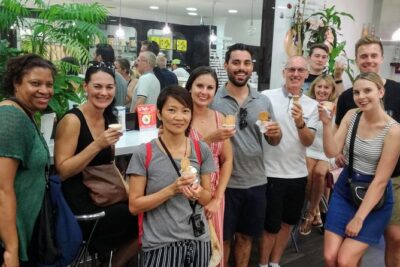
- Your guide and the small-group pace
- Price and value: why $42 can work (or not)
- Where you end up: Kyoto-Kawaramachi Station
- Who should book this tour
- Who should skip it
- Should you book this Nishiki Market and depachika food tour
- FAQ
- How long is the Kyoto Nishiki Market and depachika food tour?
- Where do I meet the guide?
- What food is included in the tastings?
- Do I need cash?
- Are there different start times?
- Is the tour guide English-speaking and is it a small group?
- What is the cancellation policy and is pay later available?
Key highlights you’ll care about
- Nishiki Market plus a depachika in one compact 2-hour loop
- Tastings are built in (yuba sashimi, soy milk donut, Nishiki gyoza, tempura hamo)
- Small group of up to 9 people for real interaction
- A shrine visit included at Nishiki-Tenmangu for a calmer pace
- Ends at Kyoto-Kawaramachi Station so you can keep going easily
- Cash-friendly since extra food and drinks aren’t included
Why this Nishiki-and-depachika combo feels efficient
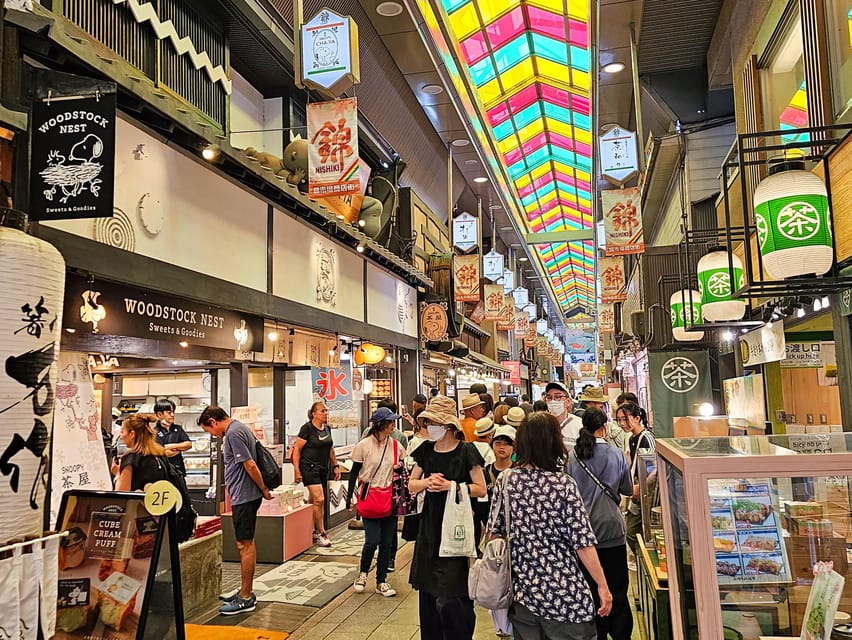
Kyoto is famous for food, but “food shopping” can turn into “standing in line” fast. What I like about this tour format is how it compresses your decision-making time. In two hours, you’re guided through one of the best street markets in town and then into a basement food hall where ordering is simple and choices are tempting.
The key value for me is the mix of experiences. Nishiki Market is about variety and Kyoto ingredients right in front of you—snacks, cookware, seasonal finds, and small-stall culture. Then the depachika side gives you that department-store polish: you can compare items quickly, try a few signature bites, and learn what to buy after the tour ends.
There’s also a pacing reset built in. Instead of only food stops, you also get the Nishiki-Tenmangu Shrine visit, so your day doesn’t turn into nonstop eating. It’s a practical balance for a short time window.
You can also read our reviews of more food & drink experiences in Kyoto
Starting at Apple Kyoto: getting oriented without stress
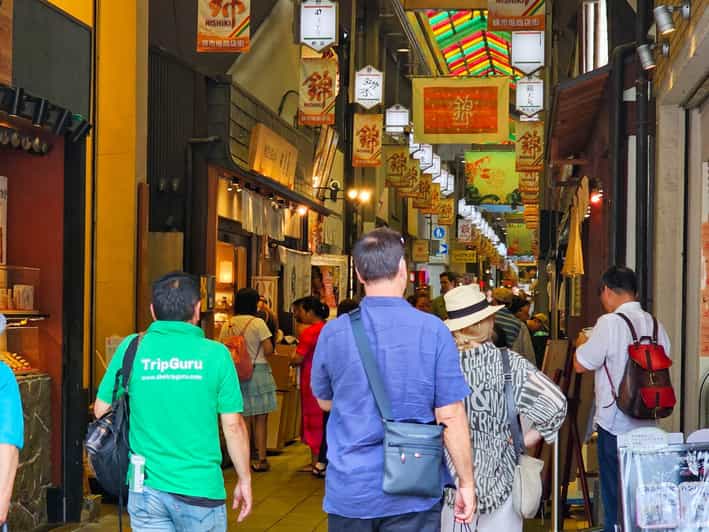
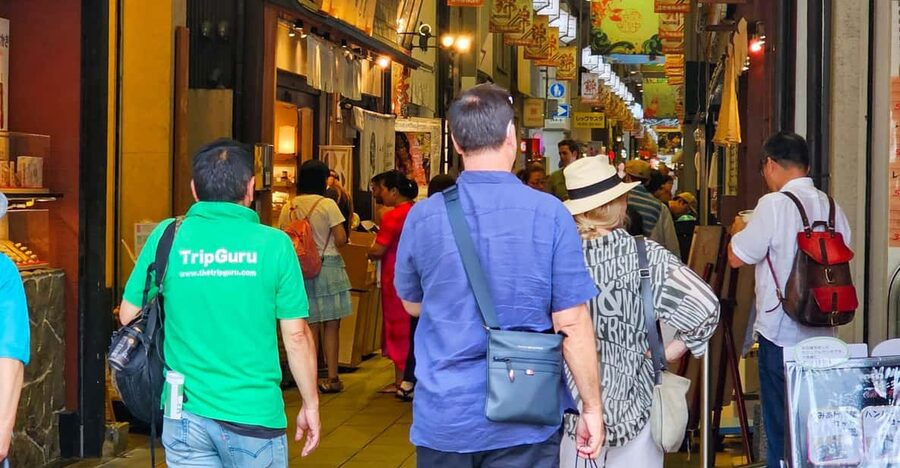
The meeting point is Apple Kyoto, and your guide will be waiting in a TripGuru shirt or holding a sign. You’ll want to arrive at least 10 minutes early because the guide won’t wait more than 10 minutes before moving on.
Why this matters: Nishiki-area streets can be confusing for first-timers, and morning traffic can be slower than navigation apps predict. If you show up late, you risk missing the first food stops, and that’s the whole point of this tight 2-hour plan.
Also bring comfortable shoes. This isn’t a “sit and sample” tour. You’ll be on your feet through market corridors, counters, and a short walking link to the shrine.
Daimaru Kyoto depachika: where you learn by tasting
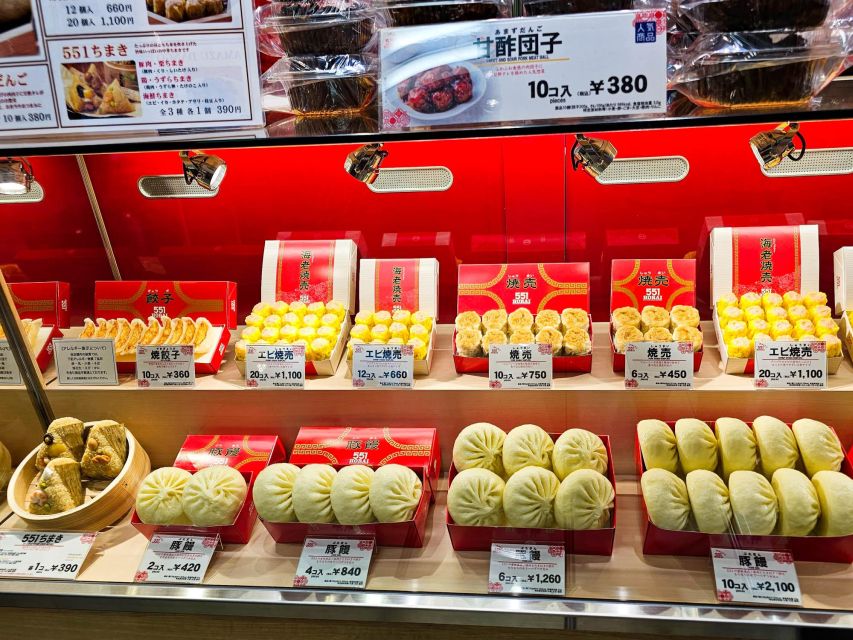
Your tour starts with the Daimaru Kyoto food market stop, scheduled for about 1.5 hours. This is the depachika style people talk about in Japan: a basement-level underground food hall inside a department store. The atmosphere is a mix of quick decisions and snack browsing—like a one-stop lesson in what locals actually reach for.
What you’ll do here is simple: sample items and get pointers on what the flavors are supposed to taste like and why they’re popular in Kyoto. The tastings included are specific, not random samples, which makes it easier to repeat the experience later on your own.
Included tastings at this stage include:
- Yuba sashimi (tofu skin) and soy milk donut
- Nishiki gyoza
- Uoriki tempura hamo fish
A quick practical note: depachika food halls often have strong smells and warm displays. If you’re sensitive to fragrance, you might notice the area more than the outside market streets.
Nishiki Market: how to walk the stalls like a local
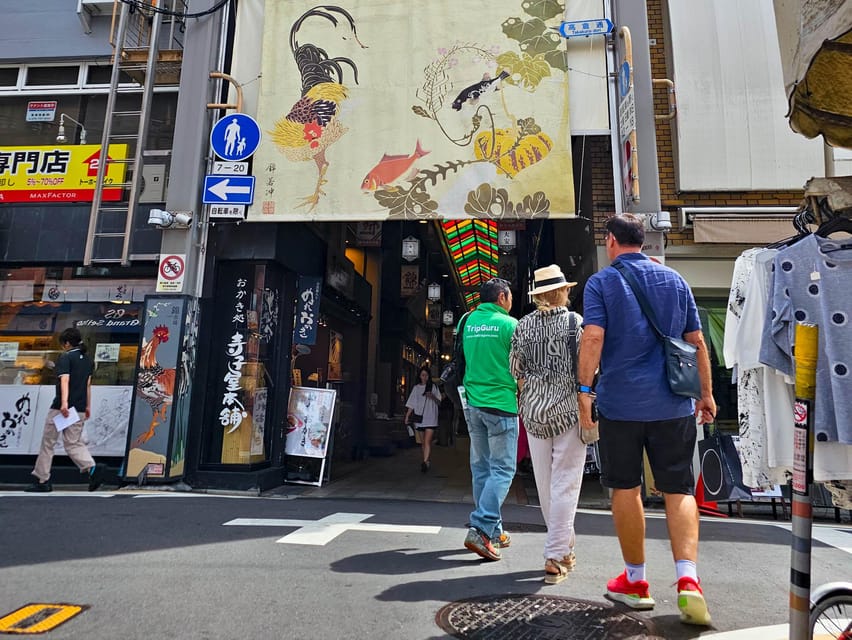
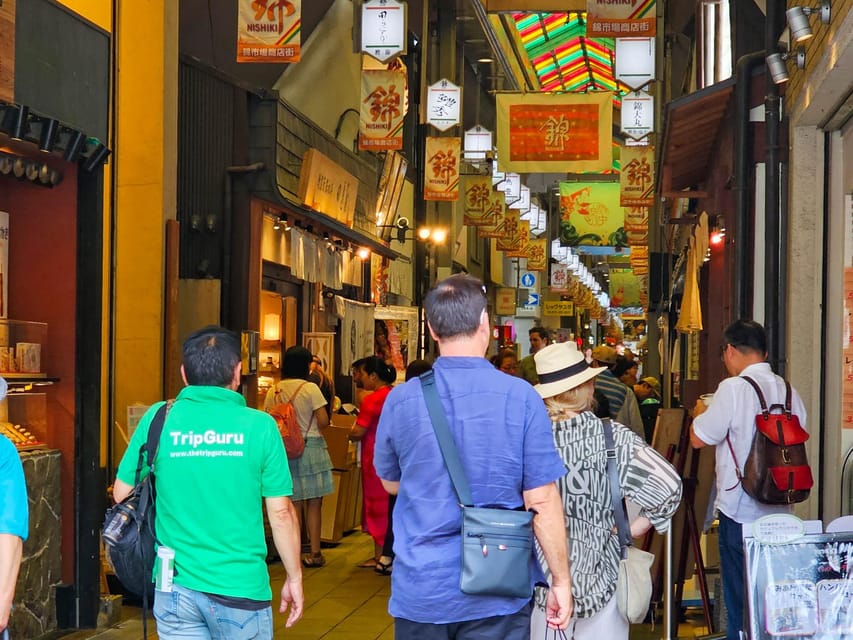
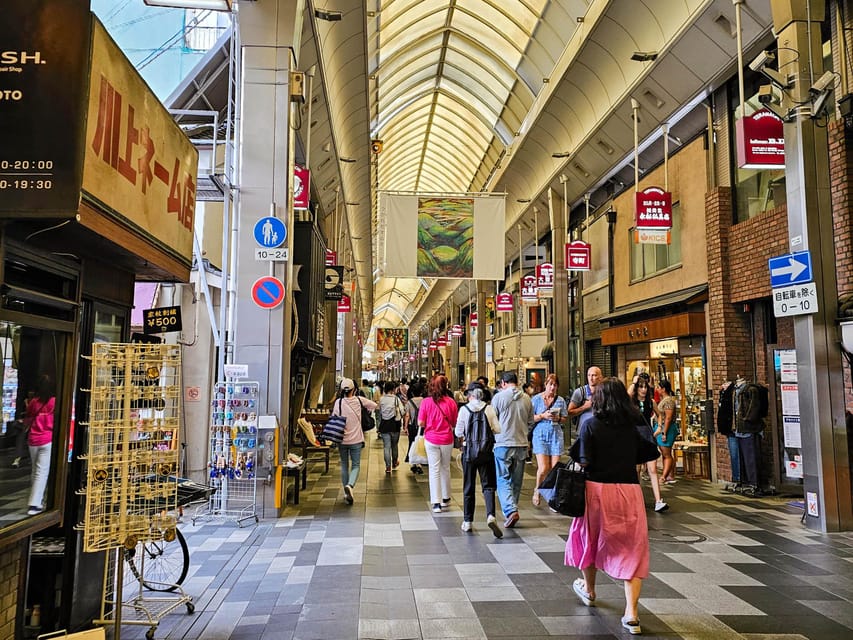
After the depachika stop, you head into Nishiki Market, with about 1 hour allocated for the market portion. This is where the tour earns its keep, because Nishiki isn’t just food—it’s also ingredients, tools, and long-running stall culture.
You can wander Nishiki on your own, sure. But you’ll spend more time guessing. With a guide, you’re pointed toward foods that make sense for first-time visitors and that match what the market is known for.
Here’s what makes the market section valuable:
- You learn how items are categorized and sold, so you can shop with confidence later.
- You get an explanation of what you’re eating and how Kyoto-style flavors differ from what you might expect.
- You get pacing support in tight lanes, so you’re not stuck stopping for every sign and every line.
It’s also a good place to ask questions. Several guides linked to this tour style have handled lots of foodie inquiries comfortably. For example, Mao is mentioned as offering plenty of insight into Japanese cuisine, and Jasmine is praised for explaining the market’s history and giving shopping opportunities while organizing tastings.
One more thing I appreciate: the tour format is described as friendly and not pushy about buying additional items. You’ll still want to budget for extras, but the experience doesn’t rely on pressure.
Nishiki-Tenmangu Shrine: the learning-focused reset
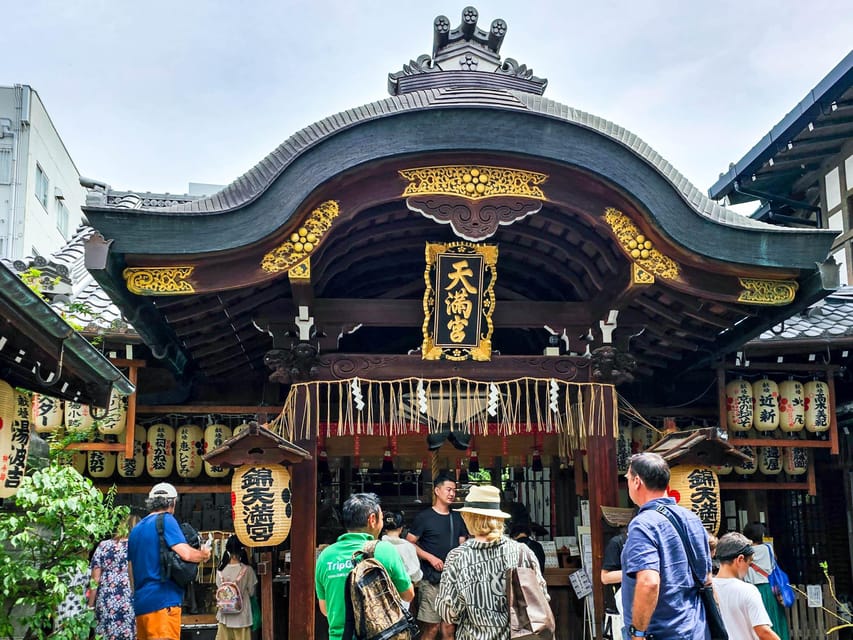
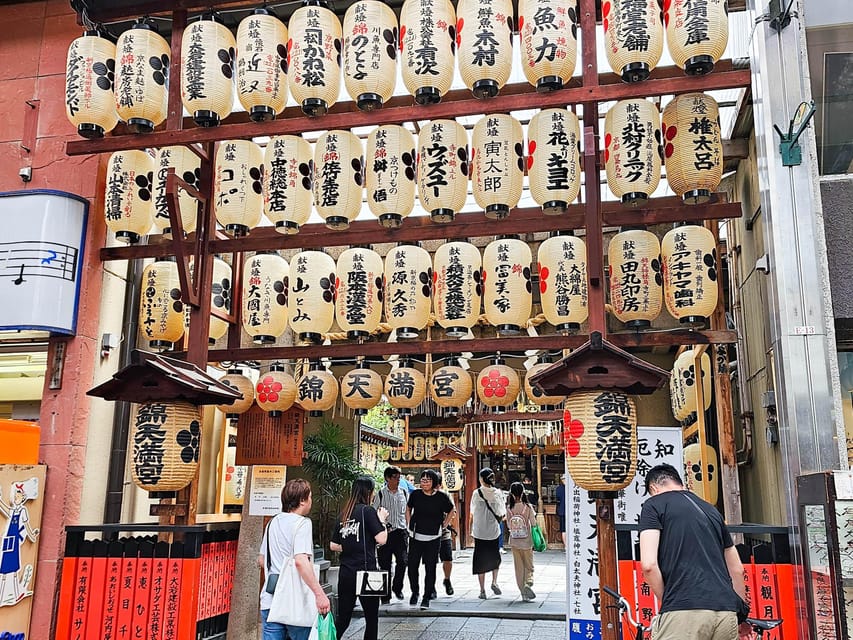
Next comes the Nishiki-Tenmangu Shrine stop, about 30 minutes. This shrine is dedicated to the deity of learning, which gives the visit a different mood than the food stops.
You’ll get a guided look at the architecture and you’ll have time to cleanse your hands at the sacred water fountain—something you can do once without turning it into a time sink. It’s the right kind of pause: you cool down, look up from your phone, and take a breath before you finish.
This matters in a practical way. After market walking, your senses are “full.” The shrine stop helps reset your focus so you can actually remember what you tasted rather than just collecting snacks.
A few more Kyoto tours and experiences worth a look
What’s actually included in the tastings
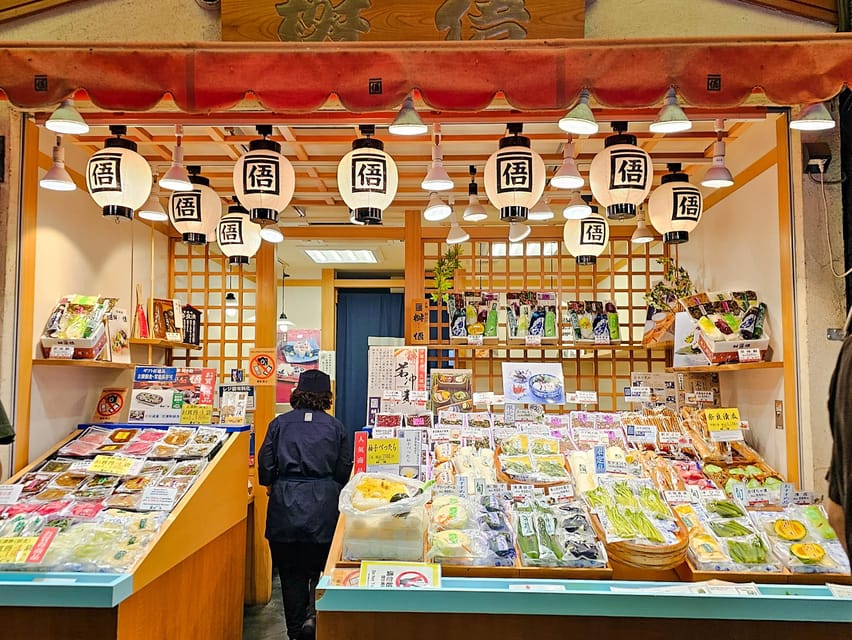
The tour includes food-tasting items, and that’s a big part of the value. You’re not left standing with an empty stomach wondering what counts as enough.
Included items:
- Yuba sashimi (tofu skin) + soy milk donut
- Nishiki Gyoza
- Uoriki tempura hamo fish
If you’re the kind of eater who likes to try a little of everything, this selection covers multiple textures and styles:
- tofu skin as a Kyoto staple,
- a classic dumpling snack,
- and tempura fish, which feels more special than a basic street bite.
If you’re worried about adventurous foods: yuba is the most “specific” ingredient on the list. The good news is that you’re tasting it as part of a guided order, so you’re not stuck choosing blind.
Your guide and the small-group pace
Small groups cap at 9 participants, and that’s noticeable on the ground. You can ask questions without shouting, and the guide can adjust if the group wants to linger in certain spots.
You’ll also see how guide personality changes the feel. Names that come up with this tour style include Vincent, Mao, Jasmine, Boris, Ai, Yoku, Richard, Simon, Brook, and Kats. The common thread: guides are described as engaging, friendly, and willing to answer questions on food and culture.
Katherine’s experience highlights another strength: a guide who adjusts timing when the group wants extra time around certain areas. That flexibility is useful in Nishiki, where a stall can look like it’s just one street corner but actually takes several minutes to fully enjoy.
Price and value: why $42 can work (or not)
At $42 per person for a 2-hour tour, the price is less about “shopping access” and more about buying time and getting a tasting plan in a place that’s hard to navigate.
Here’s how to think about value:
- You’re getting a guided loop across Daimaru depachika + Nishiki Market plus a shrine stop.
- You’re getting multiple specific tastings, not just one bite.
- You’re also paying for explanation, meaning you can buy the right things later on your own.
This can be a great deal if:
- you only have a couple hours in Kyoto,
- you want a guided tasting plan without committing to a long food day,
- you’d rather spend money on learning and sampling than on endless trial-and-error.
It may be less ideal if:
- you already know Nishiki well and plan to order the same items anyway,
- you’re trying to keep costs extremely tight, since extra food and drinks aren’t included.
Where you end up: Kyoto-Kawaramachi Station
The tour finishes at Kyoto-Kawaramachi Station. That’s convenient. It puts you in a location where it’s easier to hop to more shopping, cafes, or onward transit without needing to backtrack to your starting area.
If you’re building a half-day plan, end at a station like this and don’t over-schedule the next activity right away. Your legs and your appetite will likely both be a little ahead of schedule.
Who should book this tour
I’d book this if you’re:
- a first-time Kyoto visitor who wants market structure fast,
- a foodie who likes to compare flavors across a market and a depachika food hall,
- someone who wants a short, guided experience with English support.
This tour is also a good fit for people traveling in small groups who want conversation. The format makes it easy to ask what you should try next and why.
Who should skip it
It’s not suitable for:
- pregnant women,
- people with mobility impairments,
- people with heart problems,
- people with respiratory issues.
Even without those specific concerns, it’s still walking-heavy. If you prefer slow museum-style pacing or have limited stamina, you might find a shorter, more seated-focused option a better match.
Should you book this Nishiki Market and depachika food tour
If you have only two hours, I think this is an easy yes. You get a smart mix: Kyoto tastings you can’t reliably pick on your own, plus market orientation, plus a calm shrine stop. And because the group stays small, you’re not just moving as a crowd—you can actually learn.
I’d hesitate only if you already have a detailed Nishiki game plan and you’re comfortable navigating food stalls without guidance. Otherwise, the structure saves you time, helps you taste key Kyoto items, and keeps your day from turning into aimless wandering.
FAQ
How long is the Kyoto Nishiki Market and depachika food tour?
It lasts about 2 hours.
Where do I meet the guide?
You meet at Apple Kyoto. The guide will be wearing a TripGuru shirt or holding a TripGuru sign.
What food is included in the tastings?
Included tastings are yuba sashimi (tofu skin) + soy milk donut, Nishiki gyoza, and Uoriki tempura hamo fish.
Do I need cash?
Yes, bring cash. The tour includes tastings, but additional food and drinks are not included.
Are there different start times?
Yes. There are multiple start times, so you can choose one that fits your schedule.
Is the tour guide English-speaking and is it a small group?
Yes, it’s an English-speaking live guide, and the group is limited to 9 participants.
What is the cancellation policy and is pay later available?
Free cancellation is available up to 24 hours in advance for a full refund, and you can reserve now and pay later.