REVIEW · BANGKOK
Bangkok Private Walking Food Tour with 10+ Tastings in Chinatown
Book on Viator →Operated by Secret Food Tours · Bookable on Viator
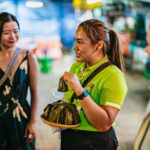
Bangkok hits different when you’re not guessing. This private walking food tour strings together Chinatown and nearby neighborhoods with 10+ tastings that move from street snacks to proper sit-down-style flavors, guided by locals like Jan, who knows what to order and when. My favorite part is the mix of savory bites and sweets, capped off with black sesame dumplings in ginger tea, plus an exclusive secret dish that adds a real surprise factor.
There is one catch to plan for: you walk a fair amount in Bangkok’s heat and humidity. Comfort matters here, and the tour is about 3 hours, so wear the shoes you trust.
In This Review
- Key Highlights You’ll Actually Feel
- Why This Private Food Walk Fits Bangkok So Well
- Starting at Hua Lamphong and Getting Your Bearings
- Chinatown and Talat Noi Flavor Stops: Dumplings, Buns, and Green Heat
- Malls and River-Air Along the Way: When Bangkok Needs a Break
- Bang Rak and Jim Thompson House: City Context Between Bites
- The Menu Breakdown: What You’ll Taste (and Why It’s a Lot)
- Tuesday–Sunday Menu Highlights
- Monday Menu Highlights
- What Stays Consistent Across All Tours
- Your Portion Reality Check
- Walking Comfort in Humid Bangkok: What to Do Before You Go
- Price and Value: Is $250 Worth It?
- Should You Book This Bangkok Chinatown Food Tour?
- FAQ
- Where is the tour meeting point?
- How long does the Bangkok private walking food tour last?
- Is this tour private?
- What kinds of tastings are included?
- What’s different about the menu on Monday?
- Is transportation included in the price?
- What should I wear or bring?
- What if the weather is bad or I need to cancel?
Key Highlights You’ll Actually Feel
- 10+ tastings in Chinatown and nearby areas, not just a few samples
- Secret dish included, so you get at least one moment that feels truly special
- Day-by-day menu swaps (Monday vs Tuesday–Sunday), so it doesn’t feel like a copy-paste route
- Sweet finale: black sesame dumplings served in warm ginger tea
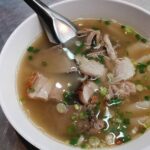
- Duck noodle soup is a crowd favorite on the Tue–Sun menu, and it’s easy to see why
- Private format: only your group goes, which keeps the pace smoother
Why This Private Food Walk Fits Bangkok So Well
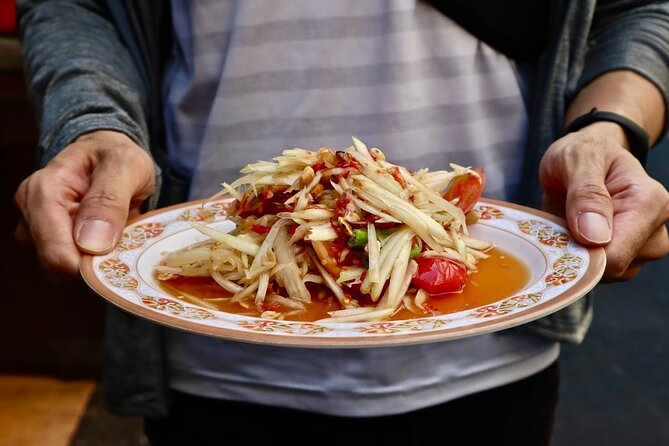
Bangkok food is best when you’re guided to what locals eat on a normal day. This tour is built around that idea: you’re not just collecting snacks, you’re getting a sequence of flavors that make sense together. One stop might push savory heat; the next brings something cooling like papaya salad; then you pivot to dumplings and buns. It’s a lot, but it’s also easier to enjoy because the bites change often.
I like that it’s private, meaning the guide can keep the pace right for your group and adjust on the fly when stalls are busy or a spot runs out of something. You also start and end at the same meeting point, so you avoid the stress of figuring out where everyone reconnects after each meal.
The practical downside is also the point of the experience. This is a walking tour, and Bangkok can be sticky even when the sky looks fine. If you’re sensitive to heat, you’ll need to treat comfortable shoes and a slow pace as part of the plan, not an afterthought.
You can also read our reviews of more walking tours in Bangkok
Starting at Hua Lamphong and Getting Your Bearings
The tour meets at Hua Lamphong Rong Mueang, Pathum Wan and ends back there. That matters more than you’d think, especially if you’re already juggling jet lag or a tight first-day schedule. You’re close to major transit options, so getting to the meeting point is usually straightforward.
One smart feature of the route is that it mixes big public spaces with food-focused neighborhoods. You’ll pass through areas like major malls and a river-facing open-air shopping spot before heading into the Chinatown food zone. Those stops can be helpful for two reasons. First, they give you a quick sense of where things are in the city without burning your energy right away. Second, if weather turns or the heat spikes, you get brief chances to step indoors or under cover.
Then the route naturally shifts toward older streets and markets, where you can taste the kind of food that doesn’t depend on fancy presentation—just good ingredients and repeat customers.
Chinatown and Talat Noi Flavor Stops: Dumplings, Buns, and Green Heat
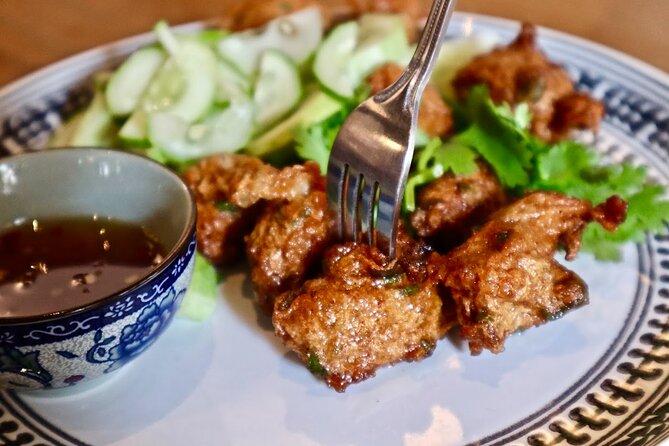
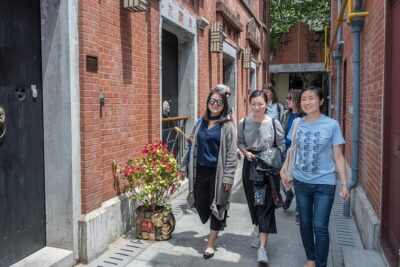
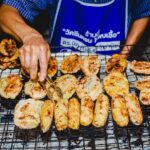
Chinatown is one of the biggest in the world, and the food shows it. Expect it to feel like a working district first, then a visitor destination second. You’ll move through the type of lanes where families keep doing the same recipes because people keep lining up.
This is where several tastings hit their stride:
- Shrimp dumplings (included on all tours) give you a reliable anchor flavor—savory, comforting, and easy to compare across shops.
- Steamed buns with red pork show up on Tuesday–Sunday menus (and a bun-style option appears on Monday too). They’re the kind of bite that makes you understand why dumplings and buns are such a big deal in Chinese-influenced Bangkok cooking.
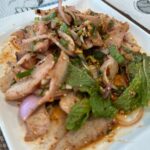
- Papaya salad (Thai style) balances the salty and savory with something bright and tangy. It’s also a relief bite if you start feeling too full from richer items.
You’ll also taste spicy basil chicken served over jasmine rice on Tuesday–Sunday menus. Basil-forward heat is not subtle—it’s aromatic, punchy, and usually the kind of dish that makes you pause mid-bite because it smells so good. The Monday menu rotates that idea into a spicy basil tasting, so you still get that signature Thai basil flavor.
A small but real consideration: Chinatown can be crowded and loud. The tour is private, so your group doesn’t get swallowed by a mass crowd in the same way, but you’ll still want patience around street traffic and stall lines.
Malls and River-Air Along the Way: When Bangkok Needs a Break
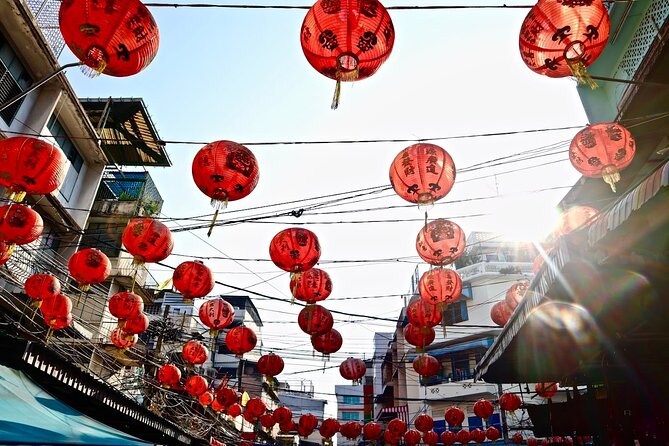
A Bangkok food tour that includes big shopping complexes may sound like a detour. It’s not, though, when you think about how time and weather work in this city. On the route you’ll go past:
- A large eight-storey shopping center with around 2,000 shops, plus a Tokyu department store
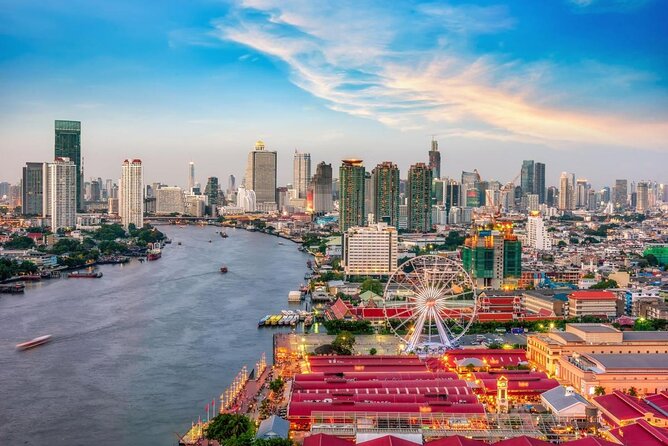
- A big open-air mall built on former docks, facing the Chao Phraya River and Charoen Krung Road
These stops can be useful in real life. They offer shade, bathrooms, and places to cool down for a few minutes. And they also help you understand the modern Bangkok layer sitting right next to older food neighborhoods. You’re seeing how shopping culture and food culture overlap here.
The tradeoff is that malls don’t feel like street food. If you’re chasing only the most old-school atmosphere, you might find yourself wishing you were in Chinatown nonstop. Still, for most people the break is worth it, especially in humid weather.
Also: because the tour is walking-based, you’ll appreciate how these stops help keep the day comfortable instead of exhausting.
Bang Rak and Jim Thompson House: City Context Between Bites
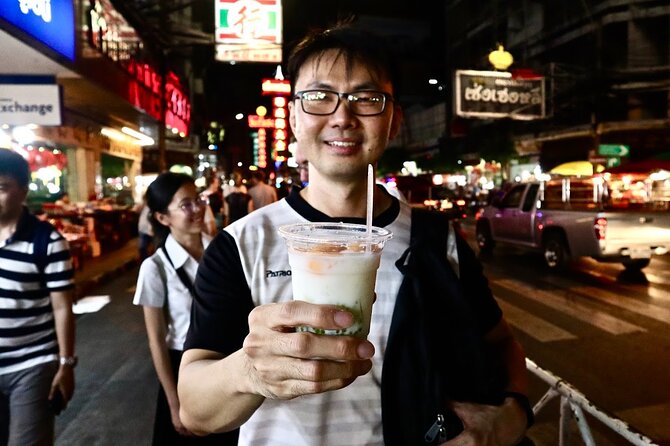
Two of the listed stops add a cultural frame to the food-focused day: Bang Rak and the Jim Thompson House.
Bang Rak is interesting because it’s tied to marriages today—people come to register marriages there, especially around Valentine’s Day. That’s not the kind of detail you learn from a generic guidebook, and it gives you a quick sense that neighborhoods shift meaning over time.
Then comes Jim Thompson House, a museum that houses an art collection from an American businessman and architect, with the museum designed by Thompson. Even if you’re not a museum person, it’s a useful pause in the middle of the eating day. It also breaks up the sensory load of constant street flavors. You’ll come back to food feeling more refreshed, not just full.
Is it essential? Not necessarily. But it keeps the tour from being only a food sprint, and it helps you understand why Bangkok feels layered—modern districts, old culinary traditions, and history all in one walk.
You can also read our reviews of more food & drink experiences in Bangkok
The Menu Breakdown: What You’ll Taste (and Why It’s a Lot)
The big promise is more than 10 tastings, and it’s delivered through a mix of hot, savory, crunchy, and sweet. On a food tour, the order matters. You want a sequence that keeps you interested, not just stuffed. This tour leans into that by rotating textures and temperatures.
Here’s how the menu changes by day, based on what’s listed for Monday versus Tuesday–Sunday.
Tuesday–Sunday Menu Highlights
You get:
- Spicy basil chicken over jasmine rice (a signature Thai flavor, aromatic and spicy)
- Shrimp dumplings (all tours)
- Steamed buns with red pork
- Papaya salad (Thai style)
- Chinese donut with pandan custard
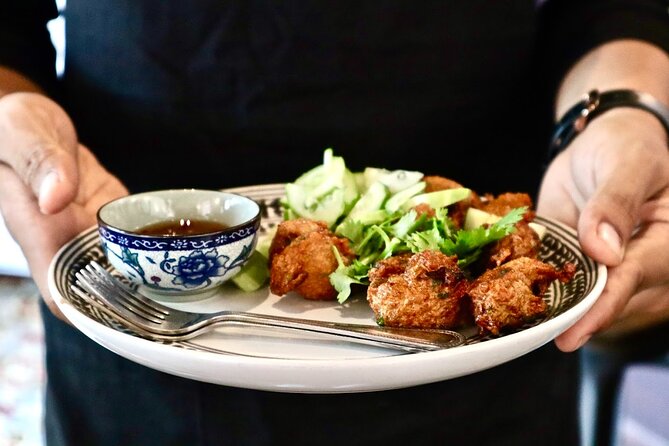
- Pork or chicken satay with peanut sauce
- Duck noodle soup
- Black sesame dumplings in ginger tea (the sweet finish)
And yes, the duck noodle soup tends to be a standout. If you’re unsure what to expect from Thai-Chinese noodle dishes, this is the one that makes your expectations expand fast—comforting broth, satisfying noodles, and duck that adds depth.
Monday Menu Highlights
Monday swaps in a different lineup that still feels complete:
- Spicy basil (instead of the specific basil chicken over rice version listed for Tue–Sun)
- Steam buns
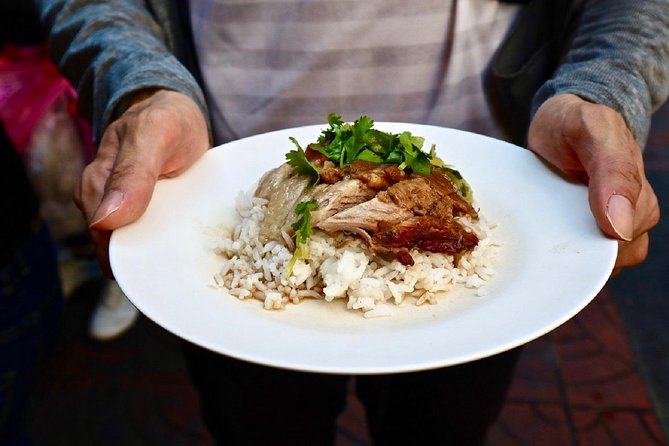
- Stewed pork knuckle with rice
- Banana roti
- Roll noodle soup with pork belly
- Fruit
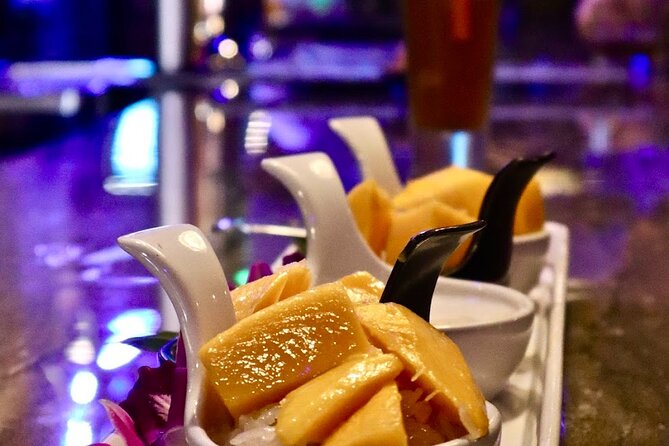
- Cold dessert
The structure is still the same: savory first, then sweet. The variety is the point.
What Stays Consistent Across All Tours
No matter which day you go, you can count on:
- Shrimp dumplings
- Papaya salad
- Black sesame dumplings in ginger tea (listed for Tuesday–Sunday, so double-check if your Monday date swaps the exact sweet)
- Plus our secret dish, which is included on all tours
That secret dish is worth thinking about as a value marker. At $250 per person, you’re not just paying for food. You’re paying for access to a prepared moment that isn’t just another menu item at a random stall.
Your Portion Reality Check
The most honest description I can give is simple: it’s a lot of food. That can be a compliment—if you like variety—or a drawback—if you prefer smaller bites. Plan for a full meal’s worth of tastings spread across 3 hours.
If you’re the type who snacks lightly and hates leftovers, eat normally before the tour only if you’re ready for leftovers after. If you’re hungry in a practical way, you’re in good shape.
Walking Comfort in Humid Bangkok: What to Do Before You Go
This is a 3-hour walking tour with comfort instructions baked in: comfortable shoes are recommended. Bangkok humidity is real, even when it’s not raining, so dress for that reality.
Here’s what matters most:
- Wear shoes that handle uneven pavement and crowds.
- Dress in breathable clothing.
- Expect to pause often for tastings, but still keep a steady walking rhythm.
Also, the itinerary and menu can change due to weather and availability. That’s normal in street-food cities. The useful part is that the tour is flexible enough to keep the tasting sequence going without turning your day into waiting around.
If you have dietary needs, contact the provider in advance so they can cater as best they can. Don’t leave it to the day-of. Street food is not always easy to modify without planning.
Price and Value: Is $250 Worth It?
At $250 per person, this tour costs more than a standard group food crawl. But private food tours often cost more for a reason: you’re paying for a guide who can manage timing, negotiate better routes, and keep the group moving without making you stand in chaos.
The value comes from a few concrete items:
- 10+ tastings, so you’re not paying for just one big meal
- A mix of dishes that cover savory staples and sweets
- A secret dish included on all tours
- Private format, so only your group participates
If you want a “best of Bangkok street food” day without spending hours researching stalls, paying for guidance can be cheaper than it sounds. You’re also paying for time. When you’re on a trip, time is the currency you can’t replace.
If you’re traveling on a tight budget or you don’t eat much, then the price may feel steep. But if you love tasting, comparing, and learning how locals build a meal from many small parts, the cost becomes easier to justify.
Should You Book This Bangkok Chinatown Food Tour?
Book it if you fit these patterns:
- You want Chinatown food plus a few key Bangkok context stops without losing the food focus
- You enjoy lots of small tastings and want both savory and sweet
- You like a private guide and want smoother pacing through crowds
- You’re going on a day where you’ll enjoy the listed specialties, like duck noodle soup on Tuesday–Sunday
Skip it (or choose another style) if you:
- Hate walking in humidity
- Want only light snacking rather than a full tasting run
- Have complicated dietary restrictions and need a highly controlled menu (since the tour says catering depends on advance planning)
If you’re in the middle—curious, hungry, and practical—this tour is one of the more direct ways to eat well in Bangkok without guessing.
FAQ
Where is the tour meeting point?
The tour starts at Hua Lamphong Rong Mueang, Pathum Wan, Bangkok 10330, Thailand and it ends back at the meeting point.
How long does the Bangkok private walking food tour last?
It lasts about 3 hours.
Is this tour private?
Yes. It’s a private tour/activity, and only your group will participate.
What kinds of tastings are included?
You get 10+ tastings, including items such as shrimp dumplings, papaya salad (Thai style), spicy basil chicken over jasmine rice (Tuesday–Sunday), steamed buns with red pork (Tuesday–Sunday), satay with peanut sauce, duck noodle soup (Tuesday–Sunday), and black sesame dumplings in ginger tea (Tuesday–Sunday), plus our delicious secret dish.
What’s different about the menu on Monday?
On Monday, the listed tastings include spicy basil, steam buns, stewed pork knuckle with rice, banana roti, roll noodle soup with pork belly, fruit, and cold dessert.
Is transportation included in the price?
No. Transportation is not included.
What should I wear or bring?
Comfortable shoes are recommended because the tour involves a fair amount of walking, and Bangkok can be humid.
What if the weather is bad or I need to cancel?
The experience requires good weather. If it’s canceled due to poor weather, you’ll be offered a different date or a full refund. You can cancel for a full refund up to 24 hours in advance; within 24 hours, the amount you paid is not refunded.