REVIEW · LYON
Beaujolais Half Day Wine Tasting Tour
Book on Viator →Operated by Tasty Lyon · Bookable on Viator
Beaujolais can be tricky to judge from a bottle; this tour trains your senses fast. You get two very different tasting experiences in about 4 hours—a playful, five-senses session at Château de Pizay, then a more personal stop with a family winemaker—plus scenic wine-route driving north of Lyon. It’s also run in English and capped at max 8, so the day feels friendly instead of factory-tour fast.
I especially like the mix of guided learning plus serious tastings. At Château de Pizay, you walk through an interactive, five-senses format (and you can even earn an amateur oenologist diploma), which makes it easier to taste with purpose instead of just sampling. And second, I like that the second winery visit is designed to connect you with the people behind the wine—meeting the winemaker and tasting the estate range.
One thing to consider: lunch isn’t included, and there’s no bottled water on board. So plan to eat before you go and bring a reusable bottle you can refill when you need it.
In This Review
- Key points to know before you sip
- Leaving Lyon at 9:00 am, headed for Beaujolais country
- The wine route drive: views, names to learn, and time to reset
- Stop 1 at Château de Pizay: the five-senses tasting you’ll remember
- A small caution for the hands-on learners
- Why this first stop is a smart pacing choice
- The charming “Château” setting vs. what you actually learn
- Stop 2: a family winery visit with the winemaker at the center
- What you can expect to taste
- The best part for many people: learning through tasting, not tasting through boredom
- Why that matters for your money
- Comfort, group size, and how to make the day smoother
- What I suggest you bring
- Food and water: the two missing pieces you should plan for
- Alcohol rules you should know before you pour
- Who should book this Beaujolais half-day tour
- Should you book it?
Key points to know before you sip
- Max 8 people means you’re more likely to ask questions and actually talk to your guide.
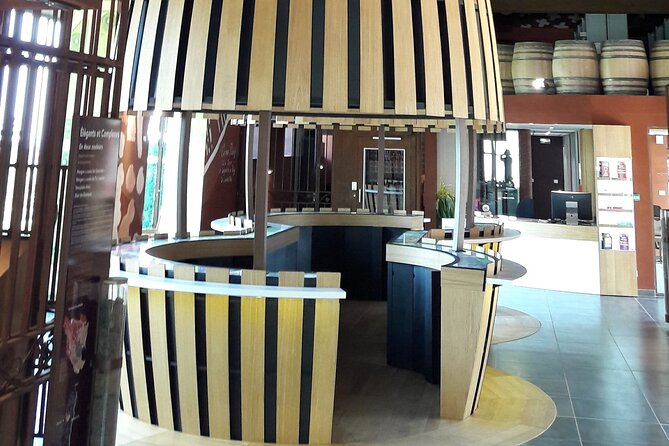
- Château de Pizay’s five-senses format turns wine tasting into a hands-on lesson, not a lecture.
- The tour drives past famous Beaujolais appellations like Morgon, Fleurie, and Juliénas.
- Family winery stop includes meeting the winemaker and tasting the estate wines.
- Air-conditioned minivan helps when the day is warm, since you’ll be riding between stops.
- No lunch + no bottled water: budget time for a meal and bring a refillable bottle.
Leaving Lyon at 9:00 am, headed for Beaujolais country
This is a true half-day trip. You start at 9:00 am from the Office du Tourisme et des Congrès de la Métropole de Lyon at Pl. Bellecour, and you end back at the same meeting point.
The meeting spot is central, so it’s easier to plug into local transit. You’ll ride in an air-conditioned minivan, which is a real quality-of-life upgrade when the countryside is bright and warm.
And because it’s small—up to 8 people—you get the feel of a shared morning plan. I like that dynamic for wine tours: it’s more relaxed, and you can compare notes as you go.
You can also read our reviews of more food & drink experiences in Lyon

The wine route drive: views, names to learn, and time to reset
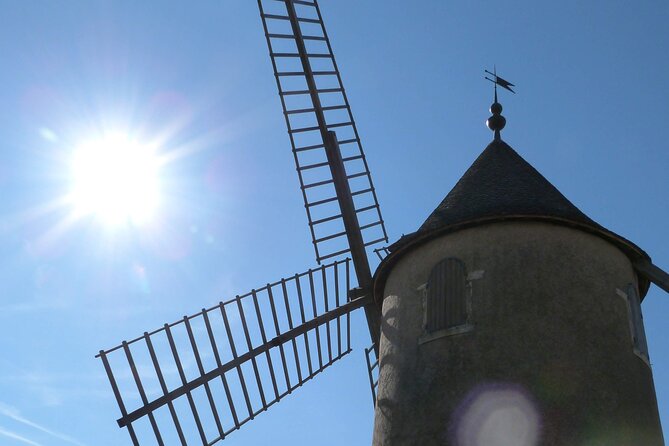
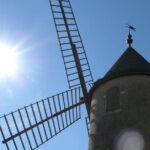
Between stops, you travel up the famous Beaujolais Wine Route. The route includes recognizable appellations such as Morgon, Fleurie, and Juliénas, and you’ll get the context for why those names matter when you taste later.
This driving portion is more than just transit. It’s your on-ramp to the region, so when you hear about different terroirs, styles, or grapes, you’re not starting from zero. Plus, it breaks the day into two tasting moments instead of one long, tiring session.
The practical win: your guide/driver keeps the timing steady, so you don’t feel rushed between learning and tasting. It’s a good structure if you’re staying in Lyon and don’t want to rent a car.
Stop 1 at Château de Pizay: the five-senses tasting you’ll remember
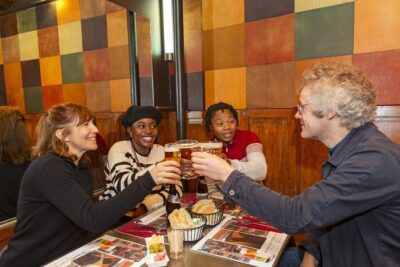
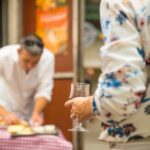
Your first winery stop is LES VINS DU CHATEAU DE PIZAY. This is the tour’s big learning moment: an interactive, five-senses experience built around the idea that wine isn’t just something you taste—it’s something you observe, smell, and interpret.
Plan on about 1 hour here. Admission is included, and the format is designed to help you identify what you’re sensing. You’ll move through stations tied to how wine shows up in your glass—things like aroma and taste components—and you can even earn an amateur oenologist diploma.
Here’s what I think this stop does best: it gives you a tasting framework you can reuse later, even after the tour. Many wineries show you how wine is made; fewer teach you how to taste it with a method.
A small caution for the hands-on learners
If you’re the type who wants someone hovering with the pour and narrating every sip, you should know this first part has an element of self-paced, tutorial-style tasting. That can be fine and even fun—you can go at your own rhythm—but if you want constant guidance, come prepared with questions. Ask about what you’re noticing in your glass. Your guide is there for a reason, and this is the moment to use them.
Why this first stop is a smart pacing choice
Starting with an interactive session sets you up for the rest of the day. By the time you’re at the second winery, you’re not just drinking. You’re making comparisons: sweetness vs. dryness, fruit vs. structure, and how style shifts from place to place.
You can also read our reviews of more wine tours in Lyon

The charming “Château” setting vs. what you actually learn
Pizay is the kind of stop that feels like you’ve stepped into wine-country scenery. It’s a place you can appreciate visually, including time outdoors when the schedule allows.
But what matters more is the payoff: you’re training yourself to notice the building blocks of wine. Several guides in the tour’s history—like Rachel and Clémence—have been praised for mixing regional context with a clear explanation of what you’re tasting. Even when the visit format is partly self-led, a good guide can still steer your attention toward the right details.
If you want a purely traditional cellar-walk-and-lecture style, this first venue might feel more like an “experience center.” That’s not bad; it’s just a different flavor. Think of it as wine education in a game-like format, then follow that with a more personal winery chat.
Stop 2: a family winery visit with the winemaker at the center
The second stop is where the day gets more personal. You visit a family winery, meet the winemaker, and taste the estate’s wines.
This stop runs about 1 hour, and the admission ticket for this part is listed as free. In plain terms, you get time with the people who actually make the wine—so your questions feel grounded in real practices, not just general history.
Why this works so well on a half-day tour: you get a clean contrast. After the structured, sensory training at Château de Pizay, the family winery becomes your “apply it now” moment. You can taste and ask, then connect your senses to what the winemaker says about the wine’s character.
What you can expect to taste
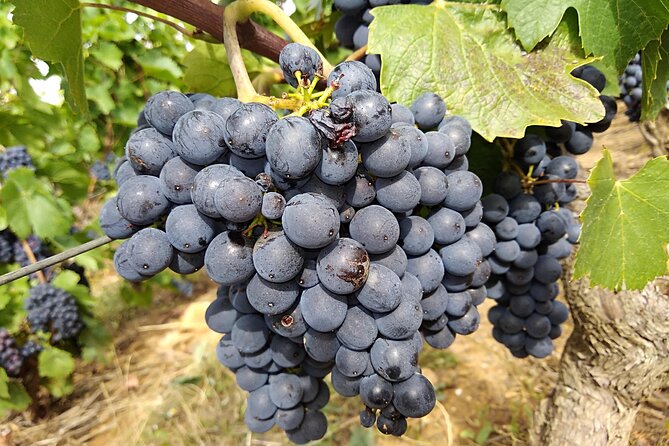
Beaujolais is known for Gamay, and you’ll likely taste mostly Gamay-driven styles—more fruit-forward than the heavy, oak-and-age styles people associate with other regions. On this tour, the tastings can include a range you may not expect at first: reds plus white and rosé, depending on what the winery pours that day.
If you think Beaujolais is one generic wine, this is where the region can surprise you. The goal isn’t to turn you into a sommelier by noon. It’s to help you understand why Beaujolais can show different faces even when the grape family is familiar.
The best part for many people: learning through tasting, not tasting through boredom
The highest praise points across guide style and experience design are consistent. The guides—such as Raphaëlle, Clemence/Clémence, François/Francois, and Yann—tend to get credit for being engaging, for explaining the region well, and for keeping the day moving at a comfortable pace.
Most importantly, the tour uses tasting as the teaching tool. You aren’t just listening; you’re doing. At Pizay, the five-senses structure gives you a way to judge what you like. At the family winery, meeting the winemaker gives your tastings meaning.
Why that matters for your money
At $119.48 per person, you’re paying for a package: driver/guide, transport in an air-conditioned minivan, wine tastings, and included tastings/entry at the first stop. Alcoholic beverages are also listed as included, with the reminder that wine laws apply (no under-18 alcohol, and drink responsibly).
Compared to booking separate experiences, the value comes from the efficiency and the contrast. You’re getting two venues without arranging transport, and you’re getting education that helps you interpret what you taste.
Comfort, group size, and how to make the day smoother
A half-day wine tour is a timing game. The tour is built for about 4 hours, and it starts and finishes at the same place, so you don’t have to think about changing plans.
Small-group travel helps in a very practical way. With up to 8 travelers, the guide can actually manage conversations. You can ask what the difference is between what’s happening in the vineyard and what’s showing up in your glass.
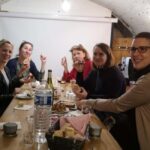
This is also a good tour when you’re traveling alone or as a couple. You’ll have a chance to meet other people without feeling stuck in a big bus with strangers who never talk.
What I suggest you bring
You should bring a reusable water bottle. Bottled water isn’t provided, but you can refill it. And wear comfortable shoes, since wine tasting experiences often involve moving around—sometimes indoors, sometimes in garden or courtyard spaces.
If you’re sensitive to sun, pack sun protection. You’ll spend at least some time outside at the first venue, based on the experience format and the general setting.
Food and water: the two missing pieces you should plan for
Here’s the practical reality: lunch isn’t included. The tour runs from 9:00 am for about 4 hours, so you’ll likely be hungry at the end. Eat before you go—or plan a nearby lunch right after you return to Pl. Bellecour.
Also, no bottled water is included. That’s an eco-friendly choice, and it’s workable if you come prepared. Refill your bottle whenever you can.
If you’re trying to pace your tastings, water planning matters. Wine has a way of sneaking up on you when you’re busy comparing notes and asking questions.
Alcohol rules you should know before you pour
Alcohol is included as part of the wine tasting experience, but the tour provides a clear reminder: alcohol is forbidden for those under 18, and legal guardians must ensure compliance. The best approach is what the tour already encourages—drink responsibly and in moderation.
This is also why the half-day format can be smart. You aren’t trying to keep it going all day. You taste, learn, and then go back to Lyon while you’re still in control.
Who should book this Beaujolais half-day tour
Book it if you want:
- a small-group Beaujolais outing from Lyon without a rental car
- two different tasting styles in one morning
- a real focus on how to taste (five-senses training at Pizay)
- the chance to meet a winemaker at a family winery
You might skip it if:
- you want a single “traditional” cellar tour with constant guided pouring the whole time
- you’re expecting lunch and a full-day wine schedule
Should you book it?
Yes, if you’re staying in Lyon and want a fast, smart introduction to Beaujolais with real tasting time. The price makes sense as a package because you’re getting transport, two venues, and wine included—plus the sensory tasting format gives you something durable: a method you can use after the tour.
If you’re the kind of person who wants every sip narrated, plan to ask questions during the first stop. The best experiences happen when you treat the guide like a resource, not a background character.
If you want a guided morning that feels friendly, educational, and genuinely Beaujolais, this is the kind of half-day tour that does the job.