REVIEW · SINGAPORE
Singapore: Local Street Food Tasting Tour
Book on GetYourGuide →Operated by Signature Day Tours · Bookable on GetYourGuide
Your appetite gets a tour guide. In just 3 hours, you’ll cover Singapore’s three historic neighborhoods with 9 street-food tastings and stories that make the flavors make sense. It’s a practical way to see more than the postcard spots without getting stuck in tourist menus.
I especially like the way the tour is built around real local places to eat—hawker centers and neighborhood eateries where locals actually linger. Food comes with context too: early immigrant communities in Kampong Glam, Little India, and Chinatown become easy to picture as you walk, pause, and taste.
One thing to plan for: this is mostly walking (about 1.8 km) and it runs rain or shine, with non-airconditioned seating at food stops. If you’re sensitive to humidity or heat, or you have limited mobility, it may not feel like the best fit.
In This Review
- Key things that make this tour worth your time
- Why Singapore’s ethnic quarters taste better with a guide
- Price of $150: what you’re really buying in 3 hours
- Getting started outside % Arabica, then switching gears by MRT
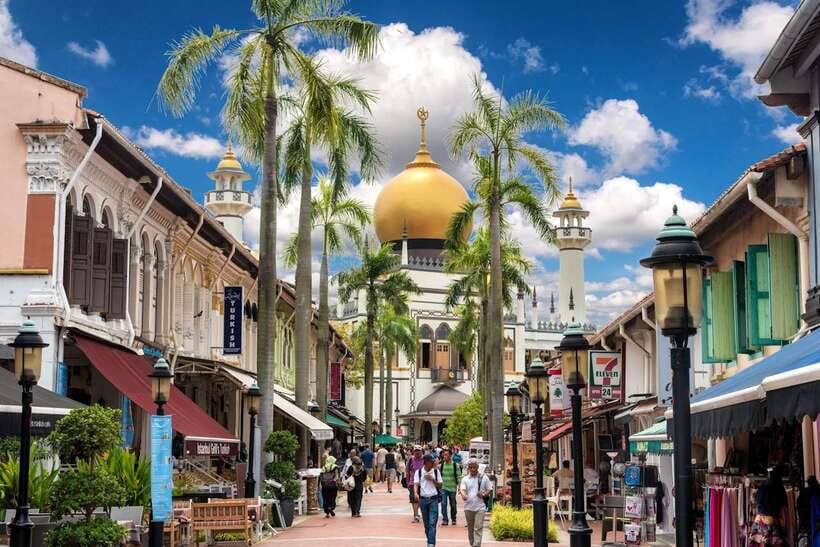
- Kampong Glam: quick orientation, then first tastes
- Little India: longer tasting time for spice fans
- Chinatown: guided pacing that ends at a food center
- The 9 included tastings: snacks plus 1–2 local brewed drinks
- MRT ride as a small victory (and a quick way to travel smart)
- What guides do well here (and why names matter)
- Pacing, walking distance, and the reality of hawker centers
- Who should book this tour, and who should skip it
- Tips to make the tastings work for you
- Should you book this Singapore street-food tour?
- FAQ
- How long is the Singapore Local Street Food Tasting Tour?
- Is this a private tour, and is the guide English-speaking?
- Where do I meet the guide, and where does the tour end?
- What’s included in the 9 tastings?
- Is an MRT ride included?
- Is hotel pickup and drop-off included?
- Is the tour suitable for young children or people with mobility issues?
- What should I bring, and does the tour run in bad weather?
Key things that make this tour worth your time
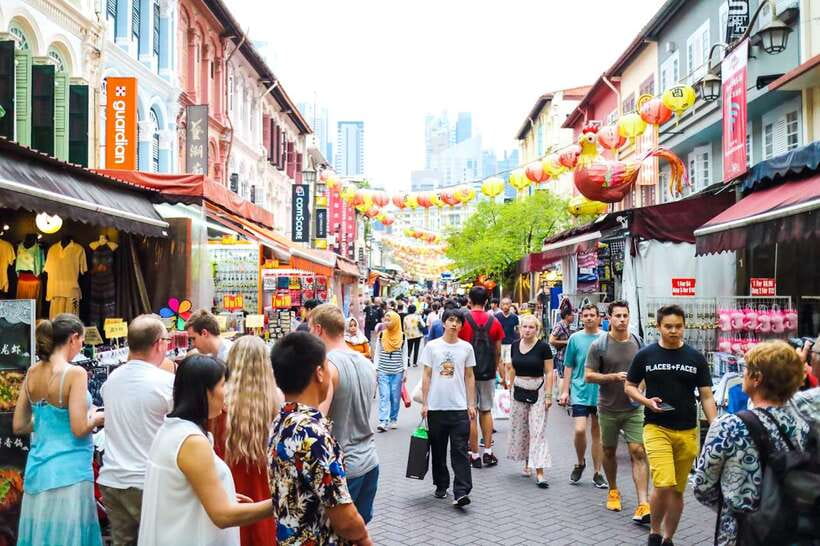
- Three ethnic quarters in one afternoon: Kampong Glam, Little India, and Chinatown
- Nine tastings at local hawker centers and eateries (snacks plus 1–2 local brewed drinks)
- A built-in MRT ride so you move like locals instead of hopping around by taxi
- Private, English-speaking guide who ties each bite to neighborhood stories
- Short walking distances between stops, but you still need comfortable shoes for the full route
Why Singapore’s ethnic quarters taste better with a guide
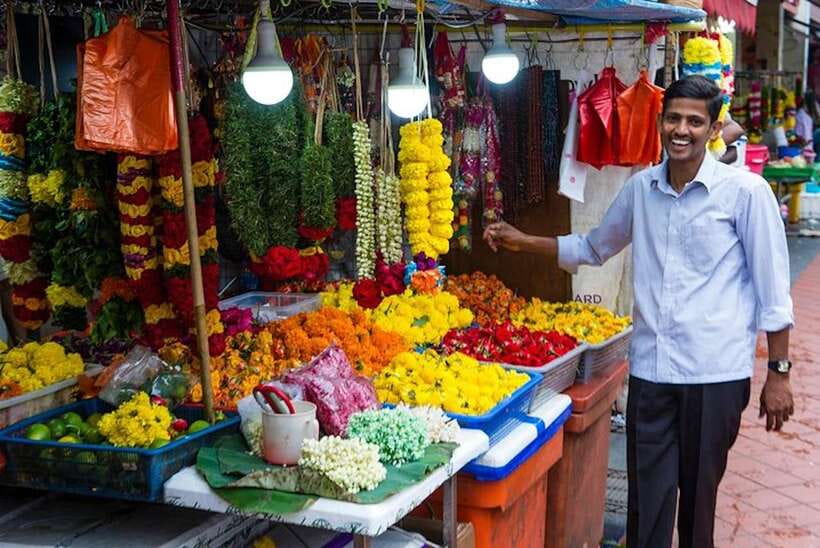
Singapore has a special talent: it can feel ultra-modern while still keeping older community roots alive in the streets. This tour leans into that. You’re not just eating; you’re learning why these neighborhoods formed and how the food traditions stayed strong as the city grew.
Kampong Glam, Little India, and Chinatown each bring their own rhythm. You’ll notice it in the sights, the storefront styles, and the way people order. Then the guide connects that pattern to what you’re about to taste, so the food feels like it belongs—not like a random sampling platter.
Also, the pacing is short enough to keep your energy up. Between tastings, you get quick guided segments that help you orient yourself fast. That matters in Singapore, where neighborhoods can change character block by block.
You can also read our reviews of more food & drink experiences in Singapore

Price of $150: what you’re really buying in 3 hours
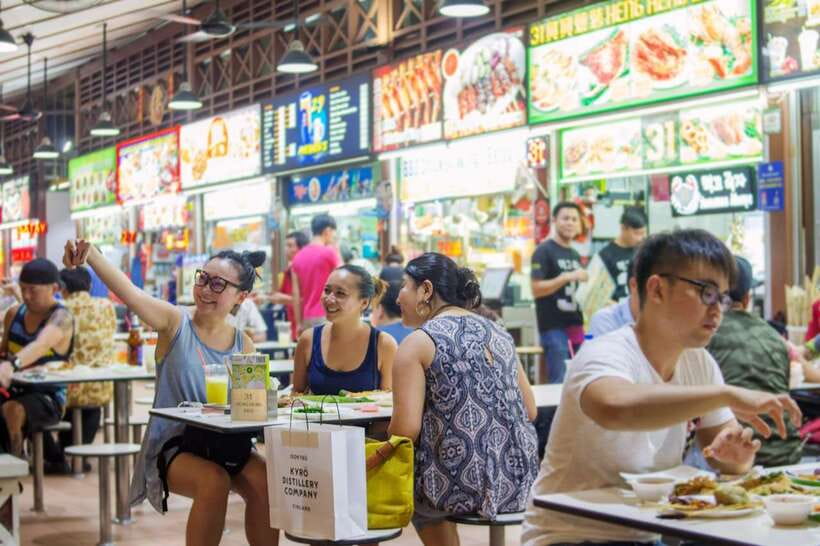
At $150 per person, this isn’t a bargain-basement street-food free-for-all. You’re paying for structure and access: a private guide, a planned route across three neighborhoods, and 9 included tastings (plus an MRT ride).
Here’s how I’d judge value. First, you get guided storytelling for the whole experience, not just a short intro. Second, each tasting stop is at an authentic local eatery or hawker center, where you could wander alone—but you might not know what to order, or which stall fits your tastes and timing.
Finally, the tour includes one ride on the MRT, which can save time and keep you from overthinking transit between areas. If you’re on a tight schedule (two or three days in town), this kind of concentrated plan can be a smart trade: fewer random meals, more intentional ones.
Getting started outside % Arabica, then switching gears by MRT
The meeting point is outside the door of % Arabica Cafe, and the tour ends at Chinatown Complex Market and Food Centre. If you select hotel pickup, your guide meets you in the lobby—otherwise you start at the meeting point.
You’ll be doing a mainly walking route with an approximate total distance of 1.8 km. That’s not brutal, but the big factor is weather: hawker centers are typically non-airconditioned, and you’ll spend time moving between stops even if the walking segments are short.
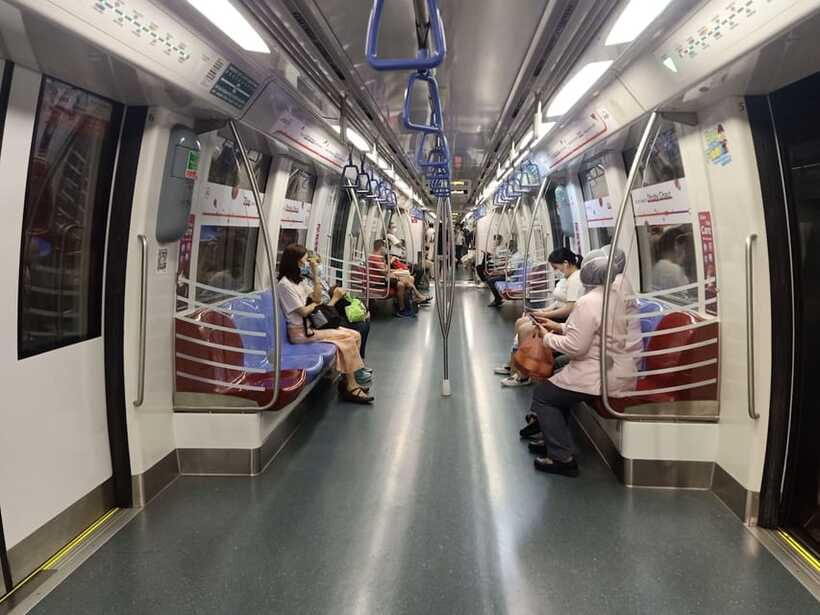
The logistics include one MRT ride (about 15 minutes). It’s a simple, useful addition. Singapore’s train system is one of the easiest ways to travel, and the tour uses it so you’re not charting routes with your phone every few blocks.
Kampong Glam: quick orientation, then first tastes
Kampong Glam is where you start shaping your understanding of Singapore’s immigrant-era communities. The first guided segment gives you a snapshot of what to look for before you buy your first bites. It’s short on purpose, so you don’t spend the entire tour listening and waiting.
Then comes the first food block. You’ll have a focused food tasting period (about 20 minutes) right in the neighborhood, followed by another small guided segment to tie up loose ends before you head onward. That back-and-forth is a good way to keep you thinking about what you’re tasting, not just eating it.
Practical note: Kampong Glam can feel busy on the sidewalks depending on time of day. The private guide helps you move efficiently to the places where locals eat, so you’re not stuck hunting for an open stall while the hungry part of your brain takes over.
Little India: longer tasting time for spice fans
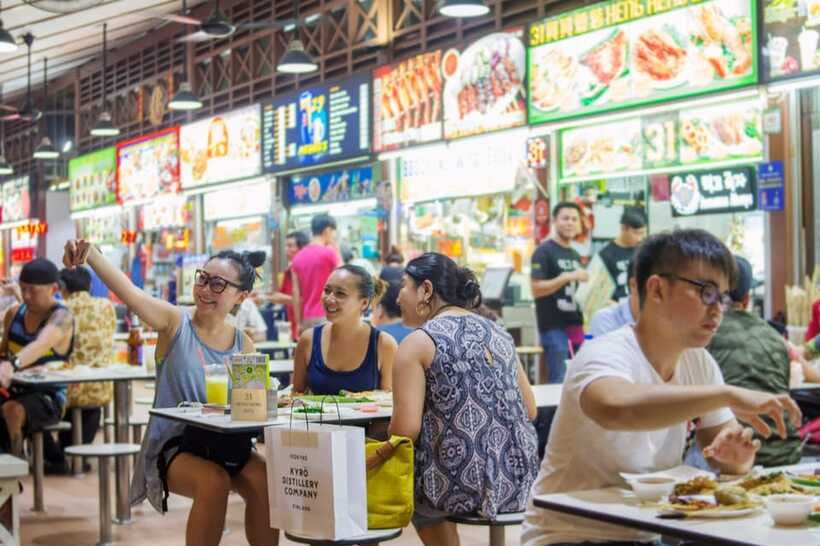
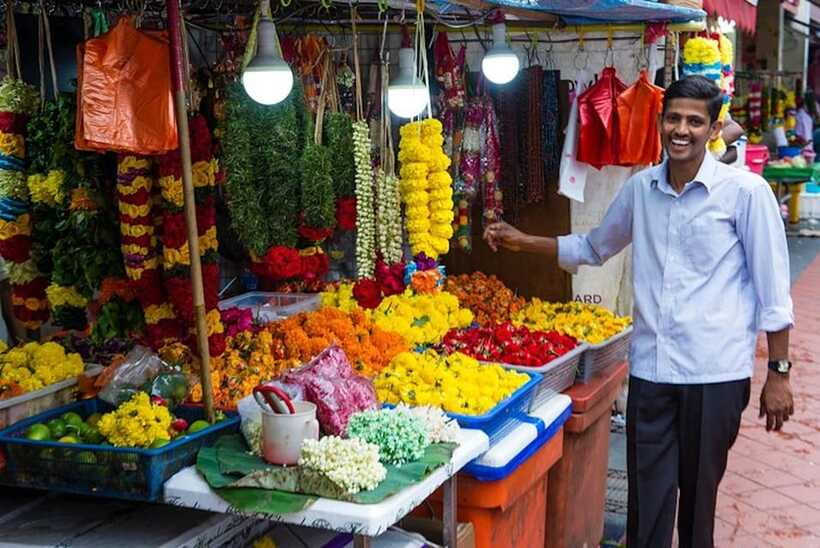
Little India is where the tour slows slightly in a good way. After about 20 minutes of guided walking, you get a longer tasting window (around 30 minutes) focused on sampling the neighborhood’s street-food and drink culture.
This longer block matters because spices and flavors need a bit of time to register. You’re more likely to notice the differences between what you’re trying—sweet, savory, herbal, crunchy—when you aren’t rushing from one place to the next every few minutes.
Also, the tour doesn’t treat food like an afterthought. The guide’s job is to explain what you’re looking at and why it’s part of the community’s day-to-day eating. It helps you taste with intention, even if you’ve never ordered these dishes before.
A few more Singapore tours and experiences worth a look


Chinatown: guided pacing that ends at a food center
Chinatown rounds out the route with another guided walk segment (about 20 minutes), followed by a final tasting period (around 30 minutes). If you’ve been watching your comfort level, this is where you can slow your own pace while the guide keeps things organized.
The tour ends at Chinatown Complex Market and Food Centre, which is a fitting finale. It’s the kind of place where you can keep eating after the tour if you still have room, and where locals often treat lunch like a real event rather than a quick pit stop.
One small downside of finishing at a food center: you’ll probably want to re-order something you liked earlier. Since additional food and drinks aren’t included, you’ll have to decide what’s worth paying for. That’s not a dealbreaker—it just means save your “I need one more bite” moment for what you genuinely crave.
The 9 included tastings: snacks plus 1–2 local brewed drinks
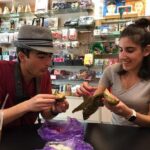
You’ll get 9 different tastings total. Depending on the day and the exact selection, it’s listed as 1 or 2 local brewed drinks and 8 or 7 snacks.
That “1–2” detail is normal for food tours. Hawker menus change and choices can vary by what’s available, what the stalls are preparing, and what your guide thinks you’ll enjoy most in that moment. The upside is flexibility. The downside is you can’t treat it like a fixed checklist of exact dishes every time.
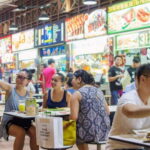
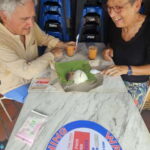
What you can count on: each stop is in a local eatery or hawker center, with free-seating and typically no air-conditioning. That’s part of the authenticity. It also means you’ll likely share space with other diners and eat in the same conditions locals do.
If you’re traveling in hot weather, keep your expectations realistic. You’re eating street food in a tropical climate. Come with breathable clothing, and don’t plan to look photo-ready by the end.
MRT ride as a small victory (and a quick way to travel smart)
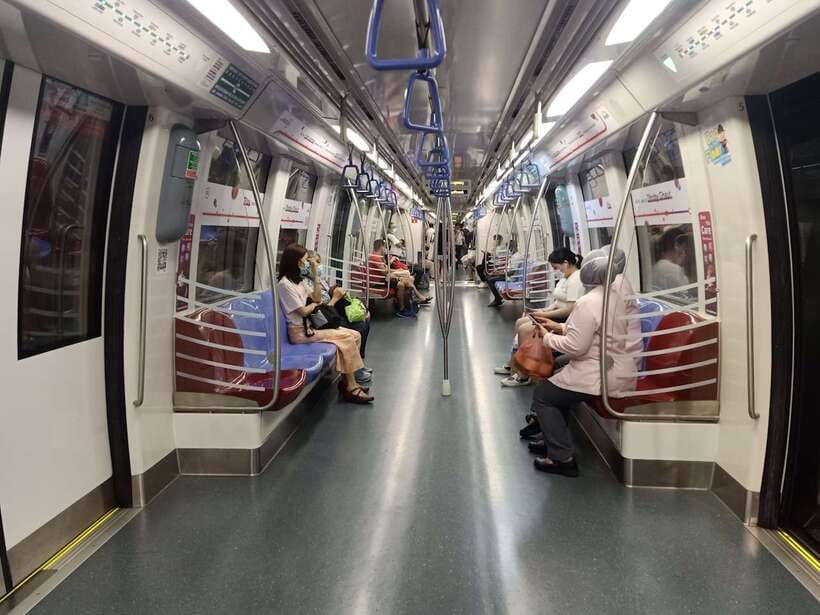
The included MRT ride is short, but it’s one of the smartest parts of the tour. It removes the mental load of figuring out transit between neighborhoods, and it keeps you on schedule.
It also adds to the point of the experience: moving through Singapore the way residents do. When you ride the train as part of a route, the city starts to feel more navigable, not like a set of separated attractions.
If you’re new to Singapore, this can be a confidence boost for the rest of your trip. After the tour, you’ll have a clearer sense of where things are and how to connect neighborhoods on your own.
What guides do well here (and why names matter)
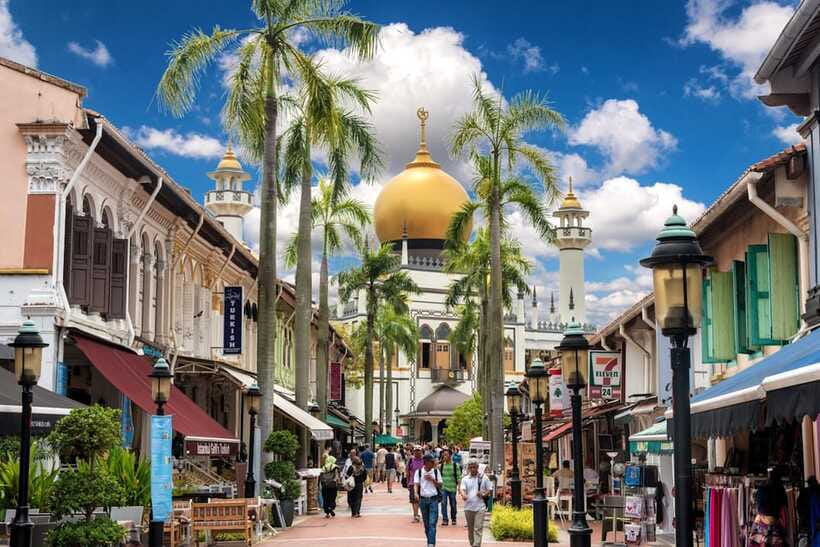
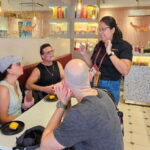
This tour’s quality is heavily tied to the guide. The vibe you want: clear directions, quick but useful context, and smart ordering so you don’t waste your tastings on things you don’t enjoy.
From past experiences with this operator, several guide names show up again and again: Antony, Joseph, Khoo, Suurjiyt, Freeman, Kristopher, Grayson, and Ms Angela. The common thread is that they don’t just point at food; they explain why it fits the neighborhood, and they adjust when someone’s timing or tastes need a tweak.
That adjustability matters on a food tour, because hunger doesn’t always follow the schedule. A private guide can also help you navigate stall lines and seating without you standing around wondering what’s going on.
Pacing, walking distance, and the reality of hawker centers
This is mainly a walking tour with about 1.8 km total walking distance, but “short” doesn’t mean “effortless.” Between stops, you’ll deal with sidewalks, weather, and waiting for food. Build in some patience and you’ll enjoy it more.
All tasting stops are at local hawker centers and eateries, with free seating and typically non-airconditioned rooms. That’s great for authenticity, but it also means you should plan for comfort. Hydration helps. Sun and heat can sneak up on you during gaps between tastings.
The tour runs in rain or shine. Umbrellas or ponchos can be purchased nearby if needed, and you can also bring your own. I’d pack a light layer and expect to get a little damp if you forget rain gear—because street-food tours keep moving.
Who should book this tour, and who should skip it
This tour is a strong match if you want:
- A concentrated way to see Kampong Glam, Little India, and Chinatown
- Street food with context, not just random bites
- A route that includes MRT instead of only walking or taxis
- A private guide in English
It’s not suitable if you have mobility impairments, since it’s primarily walking and involves hawker-center conditions. It’s also not suitable for children under 2 years.
If you’re the kind of traveler who enjoys food but also likes understanding where it comes from, this hits the sweet spot. If you only want one “wow” meal and you hate walking, you might find the structure less fun than a flexible food crawl.
Tips to make the tastings work for you
Here’s how to get the most out of 9 tastings without feeling stuffed or stressed.
Wear comfortable shoes and breathable clothing. You’ll be on your feet, and hawker conditions are not designed for long, polished strolls.
Go in with an open mind. The tour is about authentic local ordering, and the guide chooses what makes sense for the neighborhood and timing. If you’re picky, tell the guide early about any food preferences or things you want to avoid.
Bring a small amount of cash or card for extra drinks or snacks. Since additional food and drinks aren’t included, you’ll likely want something after you’ve tasted what’s being served.
If you tend to get chilly in air-conditioned places and hot outside, this tour might swing back and forth less than you expect, since many stops aren’t air-conditioned. Still, a light layer can help.
Should you book this Singapore street-food tour?
I’d book it if you’re short on time and want an organized way to experience Singapore’s ethnic quarters through food. The private guide, the focus on authentic hawker centers, and the included MRT ride make it feel efficient without becoming robotic.
Skip it if you don’t like walking, need air-conditioned seating, or have mobility limitations. Also skip it if the idea of tasting multiple items over a few hours sounds like stress instead of fun.
FAQ
How long is the Singapore Local Street Food Tasting Tour?
The tour lasts 3 hours.
Is this a private tour, and is the guide English-speaking?
Yes. It’s a private group tour with a live guide in English.
Where do I meet the guide, and where does the tour end?
You meet the guide outside the door of % Arabica Cafe. The tour finishes at Chinatown Complex Market and Food Centre.
What’s included in the 9 tastings?
You’ll get 9 different tastings, made up of 1 or 2 local brewed drinks and 8 or 7 snacks (the exact mix can vary).
Is an MRT ride included?
Yes. The tour includes one ride on the MRT.
Is hotel pickup and drop-off included?
Hotel pickup and drop-off are included if you select the option. If pickup is selected, the guide meets you in the lobby of your hotel at the start of the tour.
Is the tour suitable for young children or people with mobility issues?
It’s not suitable for people with mobility impairments and it’s not suitable for children under 2 years.
What should I bring, and does the tour run in bad weather?
Bring comfortable shoes and breathable clothing. The tour runs in rain or shine; umbrellas or ponchos can be purchased nearby, or you can bring your own.