REVIEW · KOLKATA
Bengali Nights Kolkata Food Tour with 13+ Tastings
Book on GetYourGuide →Operated by A Chef's Tour · Bookable on GetYourGuide
Kolkata’s lanes taste like time travel. This Bengali Nights food tour strings together 13+ tastings with stories from the people and places that still shape old Calcutta. I love how the evening moves fast and practical—street snacks, classic restaurants, and sweets in a logical route—so you keep your appetite and your curiosity alive.
I also like the way Avik (your English-speaking local foodie guide) ties each bite to daily life and local history, not just a food pitch. You’ll ride public transport and local favorites like the metro and a wooden rickshaw, which makes the city feel like a living neighborhood, not a staged loop. One consideration: this tour is not vegetarian-friendly, and lactose intolerance is a deal-breaker because there are no alternatives at several stops.
In This Review
- Key Takeaways Before You Go
- Where the Tour Starts at Esplanade Metro Gate 4 (and Why It Matters)
- Opening Flavors: Street Lassi and a Century-Old Mutton Kosha
- Seafood Stops That Taste Like Kolkata’s Coastal Imagination
- The Wooden Rickshaw Ride and the Prawn Kabiraji Legacy
- Walking in Old Kolkata: Temples, Onion Bhajis, and Gram Salads
- College Street to Coconut Sherbet: Books, Students, and Sweets
- The Colonial Coffee Shop Finale: Ceiling Fans and Traditional Waiters
- Price and Portion Value: What $40 Really Gets You
- Who This Tour Is For (and Who Should Skip)
- Making It Work Smoothly: Shoes, Rain, and Appetite
- Should You Book Bengali Nights in Kolkata?
- FAQ
- What is the duration of the Bengali Nights Kolkata Food Tour?
- Where do I meet the guide?
- How many people are in the small group?
- How many tastings should I expect?
- Is the tour vegetarian-friendly?
- Is it suitable for lactose intolerance?
- Are alcoholic drinks included?
- What transportation do we use during the tour?
- Does the tour run in rain?
- What should I wear or bring?
Key Takeaways Before You Go
- 13+ tastings in 4 hours: enough variety to feel like a full Bengali meal tour, not just a snack crawl
- Avik’s storytelling: you get context on dishes and places as you walk
- Local transport included: metro, local transit, and even an old-style wooden rickshaw ride
- Street food meets classics: you’ll balance quick bites with long-running restaurant favorites
- Plan for meat and seafood: not suitable for people with food allergies, and lactose intolerant guests miss options
Where the Tour Starts at Esplanade Metro Gate 4 (and Why It Matters)
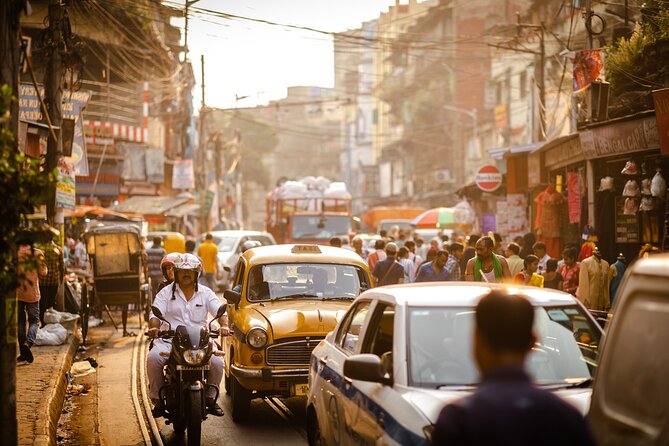
Your night begins at Esplanade Metro Station, Exit Gate 4, on S.N. Banerjee Road. It’s in the New Market Area side of Kolkata, which helps you get there without wrestling traffic. The meeting point is easy to reach from many hotels, but it can be a little tricky to spot the exact street-level entrance—so I’d give yourself extra time rather than rushing.
You’ve got two smart ways to get there. Take the metro if you want speed and less traffic stress. If you’d rather use a taxi, download Uber and put in your location and ride price. Uber can be cash-paid or linked to a card, but you’ll need phone data abroad—either via Wi-Fi, your plan, or a local SIM.
This is a small-group tour capped at 8 people, and that size is part of the value. You can actually hear the guide, ask questions in real time, and keep a steady pace without feeling like you’re being dragged through crowds.
You can also read our reviews of more food & drink experiences in Kolkata


Opening Flavors: Street Lassi and a Century-Old Mutton Kosha
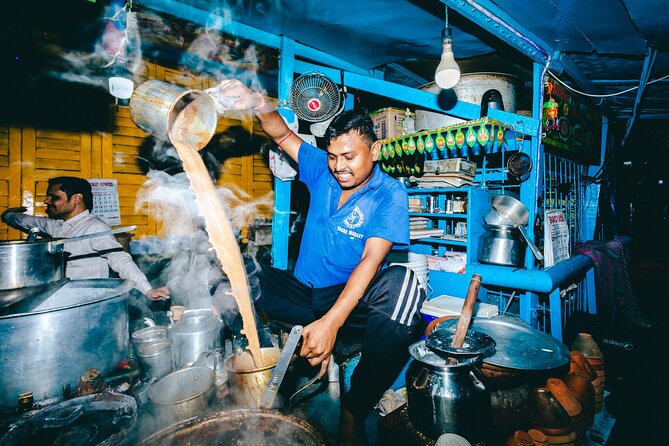
Once you meet Avik, you’ll head by local transport to a district that many foreigners skip. When you get off, the tour starts immediately with a classic Bengali drink: an exotic lassi from a street vendor. It’s a good opener because it cools your palate and sets you up for the heavier comfort food that comes next.
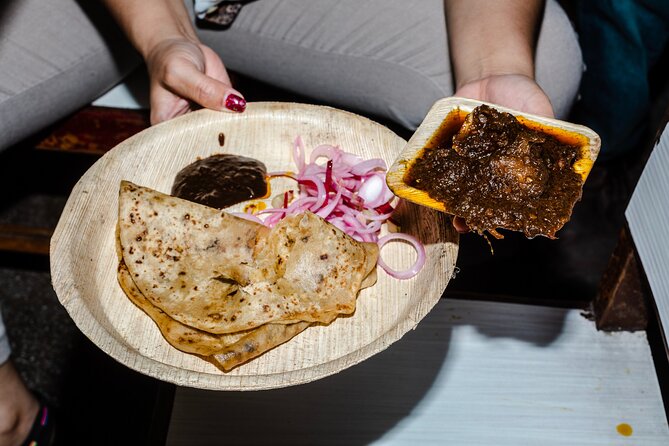
Right after that, you’ll step into a tiny joint known for mutton kosha curry—the kind of Kolkata dish that people talk about like a local landmark. The standout detail here is age: this is described as a spot serving top mutton kosha for more than a century. That matters. Long-running places usually have routines that work—how the meat is handled, how the spice level is balanced, and how the kitchen keeps consistency during peak dinner hours.
As you eat, Avik shares stories of old Calcutta. This is where the tour becomes more than food. You’re not just sampling flavor—you’re learning how food habits and neighborhood life connect. If you like understanding why a dish tastes the way it does, this part is built for you.
Seafood Stops That Taste Like Kolkata’s Coastal Imagination
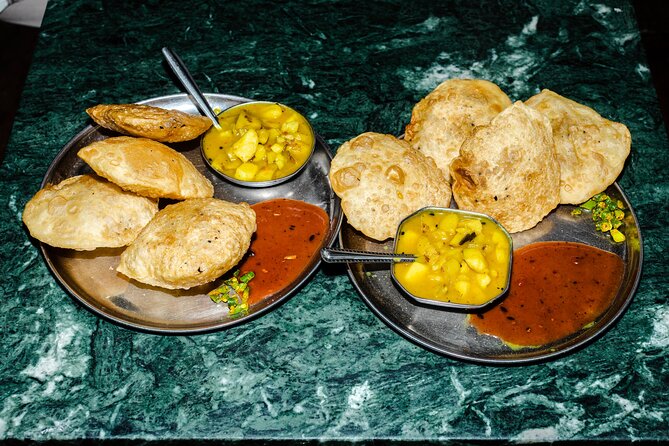
Kolkata food isn’t only about meat curries and fried snacks. This tour also brings you into the city’s seafood culture—at restaurants known locally for signature preparations.
You’ll try prawns covered in chingri coconut cream sauce. That phrase tells you a lot: chingri points straight to prawns, and the coconut cream base gives a different texture than oil-and-spice versions. It’s the kind of dish where you notice how sweetness, fat, and heat all play together.
Then comes a dish that feels almost ceremonial: curried fish mousse steamed in a banana leaf. Banana leaf steaming matters for aroma and moisture. Even if you don’t know the cooking science, you’ll likely recognize the effect—soft texture, gentle fragrance, and a sauce that clings.
Between stops, Avik keeps you moving through neighborhood life, and that helps with something people often forget on food tours: digestion. You’re eating, walking, and riding in short bursts, so you’re not stuck in a single crowded restaurant for hours.
The Wooden Rickshaw Ride and the Prawn Kabiraji Legacy
One of the most charming segments is the ride on a traditional wooden rickshaw. This isn’t just a photo stop. The description is specific: it’s said to be one of the only places in India where these wooden carts still exist. That makes the ride feel like a living detail, not a museum prop.
During the transition to the next food stop, you’ll get a short tour of the area on the way. In practical terms, it breaks the walking pace. In emotional terms, it changes your perspective—you’re traveling through the city in a way most people don’t.
Next up is a Kolkata classic: prawn kabiraji at a legendary kitchen that began with a Scot in the 19th century. That cross-cultural origin is more than trivia. It helps explain why Kolkata food can feel both local and surprisingly connected to wider history—reflected in technique, seasoning habits, and the way certain fried preparations became favorites.
This part of the tour is a strong fit if you like food stories with real names and real time depth, not just menu descriptions.
Walking in Old Kolkata: Temples, Onion Bhajis, and Gram Salads
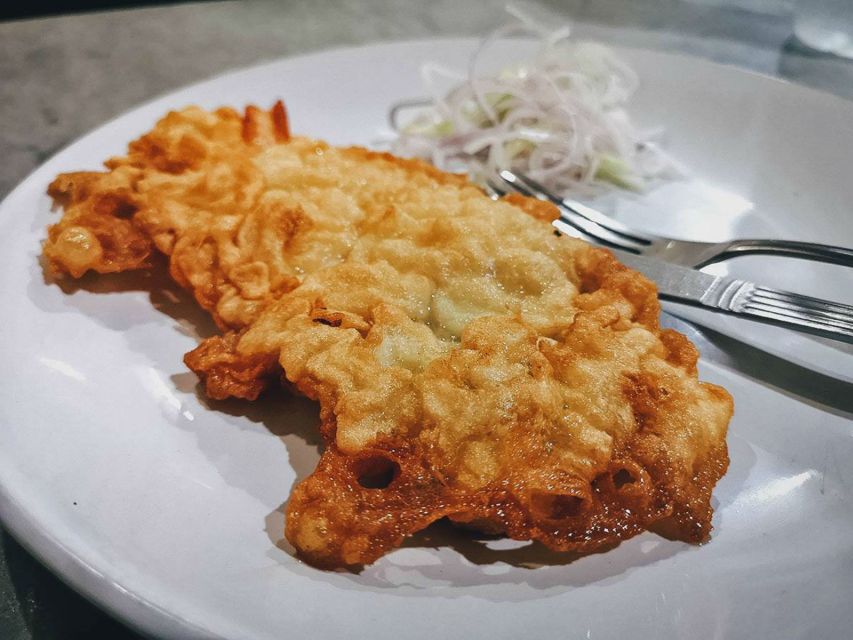
Between the bigger restaurant stops, the tour leans into walking. You’ll move through a peaceful district where you can see temples and everyday local life rather than just pass through a “food street.”
Then the route turns into backstreets, where you’ll pick up more bite-size treats:
- onion bhajis
- gram salads made from herbs and pulses
These are exactly the kind of snacks that help you understand Bengali eating habits as a system. Onion bhajis bring crunch and spice heat. Gram salads bring herbs, legumes, and a brighter flavor profile that cuts through heavier curries.
This is also where you’ll notice how Avik manages taste variety across the evening. The route is planned so you don’t repeat the same flavor style too closely. That makes it easier to enjoy each stop instead of feeling overloaded in one direction.
College Street to Coconut Sherbet: Books, Students, and Sweets
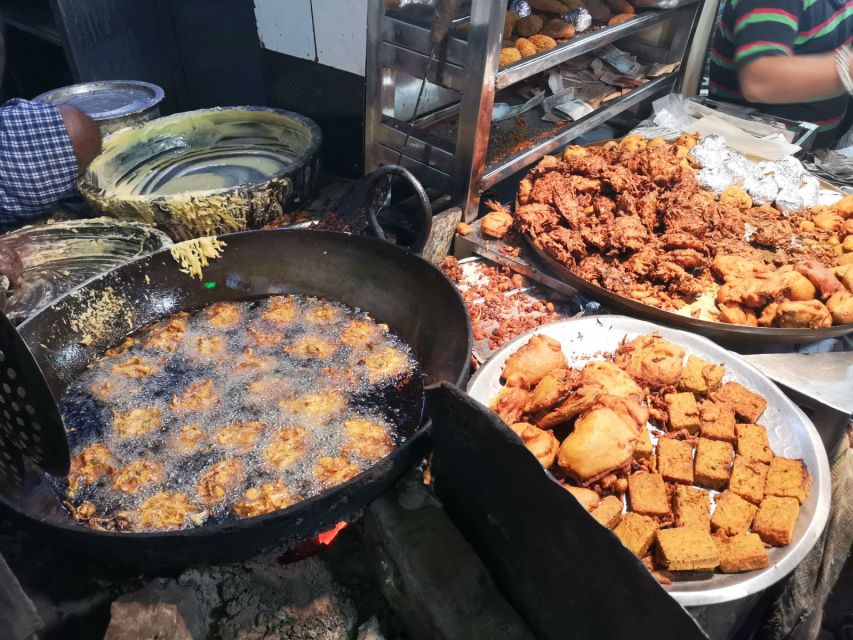
After the neighborhood walk, you’ll reach College Street, a place famous for booksellers. The route here is interesting because you see how the academic world flows right through the city’s commercial rhythm. You’ll pass piles of school books while university students move back from lectures.
Then you’ll stop for a drink: coconut sherbet at a local cafe. Sherbet is a smart mid-tour reset. It cools and refreshes, so the next set of Bengali sweets doesn’t feel like an overload.
From there, you’ll head into a nearby sweet shop for Bengali treats. The exact sweets aren’t listed in the details you provided, but the approach is clear: end the night with the flavors that most define “Bengali evening” for locals—rich, sweet, and often served with a focus on texture and milk-based comfort.
The Colonial Coffee Shop Finale: Ceiling Fans and Traditional Waiters
The last stop is where the tour gets atmospheric. You’ll finish in the faded grandeur of an old colonial coffee shop, the kind of place that makes time slow down even when the city is still moving.
The setting is described as student-heavy, with debates happening and ceiling fans turning overhead. Waiters serve coffees in traditional garb, adding to the sense that this is still a working social space—not just a themed restaurant.
This finale is practical too. After eating and walking, you want a place where you can sit, reflect, and digest without rushing. The colonial coffee shop does that well, and it also gives you a final “Kolkata feeling”—cool air, old interiors, and everyday conversation.
Price and Portion Value: What $40 Really Gets You
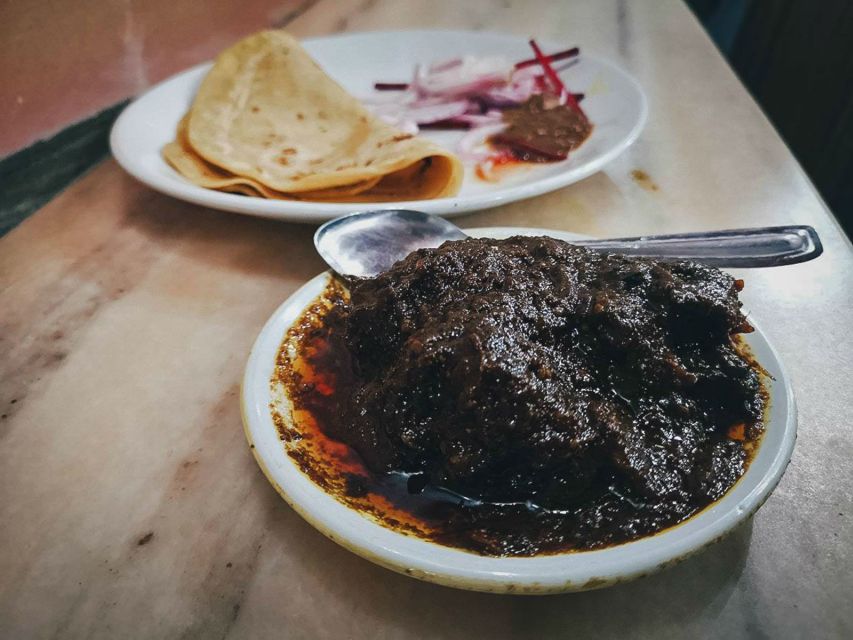
At $40 per person for about 4 hours, the value here comes from two places: access and coordination.
Access means you’re getting food across multiple types of places—street vendors, long-running curries, seafood restaurants, and sweets—without having to plan each stop yourself. Coordination means you’re also getting a local guide, plus bottled water, plus local transport, including the old tram as part of getting around.
Small-group size matters with food tours. With a cap of 8 people, you’re less likely to feel stuck in a slow line or ignored while you’re trying to decide what to ask. You can also keep your pacing under control, and Avik can steer the group through the right streets at the right time.
One more value detail: the tour includes a 15-taster menu at multiple locations, and it’s described as 13+ tastings. Either way, you’re buying variety. If you attempted this solo, you’d spend time figuring out what’s worth it and where to go next—and Kolkata’s traffic can make that planning expensive in both time and energy.
Who This Tour Is For (and Who Should Skip)
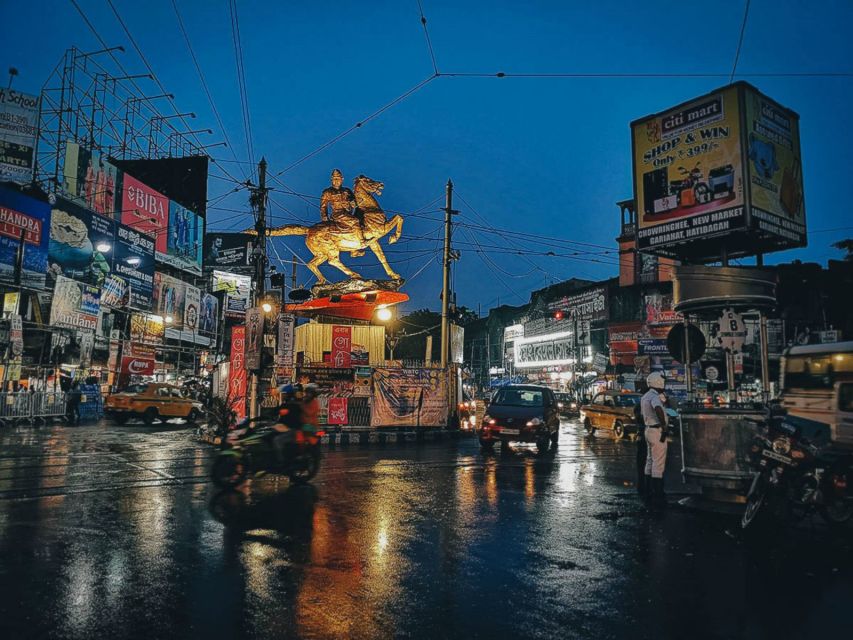
This tour is a great match if you:
- want Bengali cuisine at night with local history woven in
- enjoy meat and seafood dishes like mutton kosha, prawn preparations, and banana-leaf steamed fish
- like moving around the city using local transport, not just taxis
It’s not a good fit if you:
- are vegetarian (you’ll have 2–3 fewer tastings out of 15, and there are no alternatives listed for missed dishes)
- are lactose intolerant (the tour is specifically noted as not suitable)
- have food allergies (not suitable, since the tour involves multiple food stops and there are no allergy accommodations stated)
If you’re in the middle—maybe you eat meat but don’t handle spicy food well—your best move is to tell Avik at the start. The tour is structured, but your comfort matters.
Making It Work Smoothly: Shoes, Rain, and Appetite
Wear comfortable shoes. This tour includes walking through backstreets and moving between areas, and you’ll want traction for uneven sidewalks.
Bring weather-appropriate clothing and keep an umbrella handy because the tour operates rain or shine. Kolkata evenings can shift quickly, and staying dry helps you stay happy and attentive.
The tour pushes you to come hungry. That’s not a sales line—it’s the whole point of the pacing. You’ll drink, eat savory, then swing into seafood, then finish with sweets and coffee. If you start the tour too full, you’ll struggle to enjoy the last half.
Also, if you’re using taxis for any part of the evening, it’s smart to have some cash ready, since Uber payments can be cash or card-linked.
Should You Book Bengali Nights in Kolkata?
If you want one high-value night that teaches you how Kolkata tastes and why it tastes that way, I think this is an excellent choice. The strongest reasons to book are the combination of 13+ tastings, Avik’s storytelling, and the use of local transport that keeps you anchored in real neighborhood life.
I’d only hesitate if you’re lactose intolerant, have food allergies, or you’re strict vegetarian. In those cases, the notes about missed dishes and no alternatives make this a frustrating experience.
If your plan includes Kolkata nightlife and you want the city to make sense through food, this tour gives you a fast path to that understanding.
FAQ
What is the duration of the Bengali Nights Kolkata Food Tour?
It lasts 4 hours.
Where do I meet the guide?
Meet at Exit Gate 4 of Esplanade Metro Station on street level at S.N. Banerjee Road, New Market Area (address listed in the details).
How many people are in the small group?
The tour is limited to a maximum of 8 participants.
How many tastings should I expect?
You’ll have 13+ tastings, with a 15-taster menu across multiple locations.
Is the tour vegetarian-friendly?
Not fully. Vegetarians can miss 2–3 tastings out of about 15, and there are no alternatives listed.
Is it suitable for lactose intolerance?
No. The tour is not suitable for people with lactose intolerance.
Are alcoholic drinks included?
No. Alcoholic drinks are not included.
What transportation do we use during the tour?
You’ll use local transport, including the old tram, plus other local options described for getting around the city.
Does the tour run in rain?
Yes, it operates come rain or shine, so bring an umbrella if rain is likely.
What should I wear or bring?
Bring comfortable shoes and weather-appropriate clothing. An umbrella is recommended if rain looks possible.