REVIEW · MUMBAI
Bombay Express Mumbai Food Tour with 15+ Tastings
Book on Viator →Operated by A Chef's Tour · Bookable on Viator
Mumbai eats move fast, and so does this tour. Bombay Express turns a food mission into a city ride, using Mumbai’s trains to hop between neighborhoods while you sample 15+ local tastings with an on-the-ground guide.
What I like most is the sheer amount of food for the price, and the way the guide ties each bite to where it comes from. One thing to consider: the tour ends near Shree Mumbadevi Temple, so you’ll want a simple plan for getting home after.
In This Review
- Key things that make this tour work
- From Churchgate to street eats: how the Bombay Express route feels
- Price vs what you actually get
- Start at Chaayos Cafe, Churchgate: where the morning of food begins
- Practical tip for the start
- Churchgate Railway Station and the 10-minute train ride
- What to watch for on the train segment
- Marine Lines stop: why the order of tasting matters
- Vegetarian note (and why it helps to know your options)
- Zaveri Bazaar and khau galli: street-food intensity in the right place
- What to expect from this stop
- Mangaldas Market: chaat, curries, breads, and the sweet finish rhythm
- If you’re worried about street food comfort
- The guides: what the best ones actually do for you
- Why small group size helps
- Where you end: Shree Mumbadevi Temple and the “getting home” part
- Quick planning tip
- What to eat during a 4-hour food ride (and what that means for your stomach)
- How to pace yourself
- How this tour compares to “just go eat on your own”
- Who should book Bombay Express, and who might skip it
- FAQ
- FAQ
- How many food tastings are included?
- What’s the tour duration?
- Is the tour suitable for vegetarians and pescatarians?
- Are train tickets included?
- Where do I meet the guide and where does the tour end?
- Is hotel pickup or drop-off included?
- What should I wear?
- Does the tour run in rain?
Key things that make this tour work
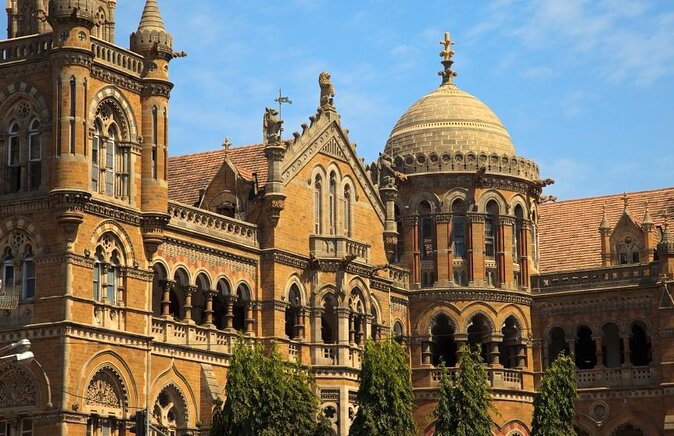
- 15+ tastings across street stalls and local cafes, so you don’t have to guess what to order
- Local commuter train time that shows how everyday Mumbai moves
- A small group capped at 8 keeps the food line fast and the explanations actually useful
- Stops are chosen for different food regions and textures (chaat, dosas, curries, sweets, breads)
- You’ll finish near Shree Mumbadevi Temple, which is convenient for some areas and a bit of a scramble for others
From Churchgate to street eats: how the Bombay Express route feels
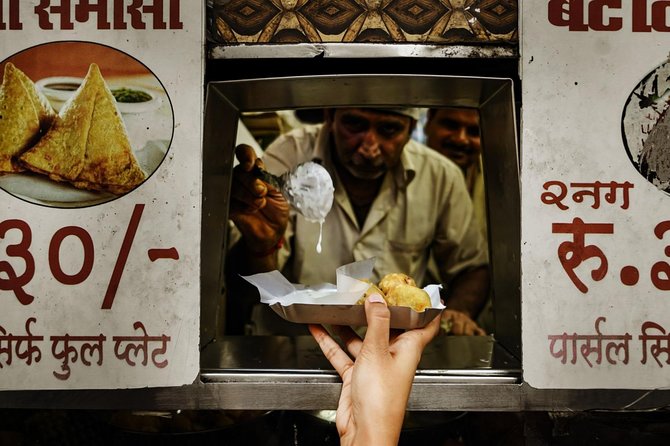
Bombay Express is built for people who want to eat their way through Mumbai without spending the whole trip staring at menus. At this price point, the big promise is not just flavor—it’s variety and logistics handled for you. You’re sampling multiple districts in a few hours, and you’re doing it with an expert guide directing the stops and the timing.
The tour also has a built-in pacing trick: the day is split between short walks and quick transport. That matters in Mumbai. You get the buzz of street life, but you’re not stuck shuffling from one place to another with no plan. The train ride is the loudest example, but you’ll feel the same structure in how each stop sets you up for the next.
You can also read our reviews of more food & drink experiences in Mumbai
Price vs what you actually get
At $45 per person, the value is mostly about what’s included:
- 15+ tastings, not just a couple of bites
- local drinks and bottled water
- train tickets included
- a small-group cap of 8
- an on-the-ground guide who explains what you’re eating
The tour’s cost isn’t only the food. A big chunk supports running the tour and staff time. Still, even if you’d normally spend that kind of money on one meal and a drink, here you’re budgeting for a full food route across multiple neighborhoods.
If you eat lightly on travel days, this is also a bargain because the tour is designed to fill you up. Most importantly: come hungry. The food count gets mentioned again and again in the feedback, with some guides taking guests to closer to the high end of the tasting total.
Start at Chaayos Cafe, Churchgate: where the morning of food begins
Your meeting point is Chaayos Cafe at Churchgate (IMC Marg, opposite Govt. Law College). This is a good kind of start: it’s a public, easy-to-find cafe area near a major rail hub.
From there, the tour focuses on getting you settled into the route before the food hits. You’re in Churchgate first, which matters because it positions you near the commuter rail system and keeps the schedule tight. The whole tour runs about 4 hours, so you don’t have time to wander; you need to flow from one stop to the next.
Practical tip for the start
Wear comfortable shoes and expect moderate walking. You’ll be moving through busy areas and leaning into street stalls. This is not a slow sightseeing stroll. The best way to enjoy it is to treat it like a food sprint with guided context.
Churchgate Railway Station and the 10-minute train ride
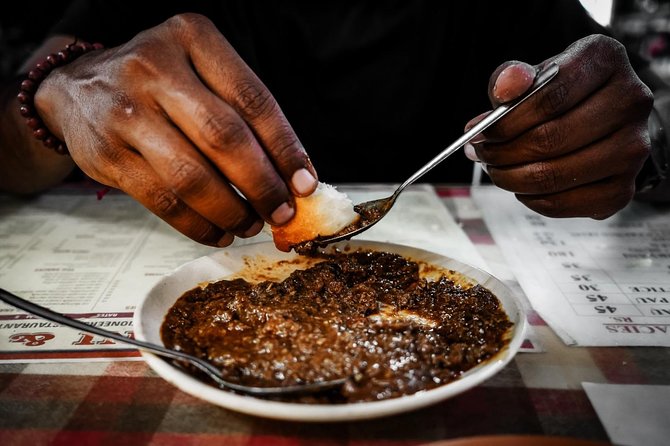
One of the tour’s smartest touches is that it doesn’t only feed you—it transports you through the city like locals. After Churchgate, you hop onto the famous commuter train for a short 10-minute ride. Trains are frequent (every 5 minutes), so the tour doesn’t feel hostage to waiting.
Why this matters: Mumbai can feel confusing if you’re new to the layout. The train ride helps you understand the rhythm. It also breaks up the eating. After a few stops on foot, the brief transport reset makes the next neighborhood feel like a real change of pace, not just another lane of stalls.
A few more Mumbai tours and experiences worth a look


What to watch for on the train segment
You’ll want to keep your belongings secure and be ready for crowding typical of a commuter line. The tour is short, so you’re not trapped in it for long. Still, it’s the kind of moment where your comfort with crowds affects how enjoyable the ride feels.
Marine Lines stop: why the order of tasting matters
Next comes Marine Lines, one of those parts of Mumbai foreign visitors often miss. This stop runs about 1 hour 15 minutes, which signals that it’s more than a quick snack stop. You’re stepping off the platform area and into a different flavor mood.
The description here highlights slow-cooked kheema paired with freshly baked bread. That pairing is a good example of what the tour does well: it mixes street-style foods with more substantial comfort-style dishes, so you get both quick hits and deeper, filling bites.
This stop also seems designed to teach you how Mumbai eating works in real life. You’re not only sampling. You’re learning why that next bite makes sense after the previous one.
Vegetarian note (and why it helps to know your options)
The tour is suitable for vegetarians and pescatarians. Even if some items include meat flavors, the tour is set up to work for those diets. If you’re strictly vegetarian, still double-check any personal needs when you meet the guide at the start.
Zaveri Bazaar and khau galli: street-food intensity in the right place
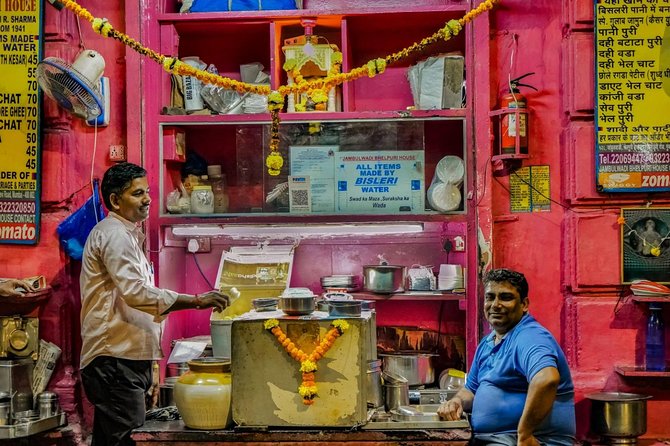
Then you’re in Zaveri Bazaar, famous for snack lanes and street eating energy. This part of the route leans into Mumbai’s street-food culture with a stroll through the area’s khau galli alleyways.
Why this stop feels different: it’s not one restaurant with one menu. It’s a lane with motion—lots of small vendors, constant ordering, quick preparation, and food that’s built to be eaten on the go. That’s exactly where a guide earns their fee: they know what to try and how to order so you don’t waste time.
What to expect from this stop
The description points to crispy street food you won’t want to pass on. In the same tour spirit, you should expect lots of sensory variety—textures, spice levels, and quick sweet or savory counterpoints.
One more reason Zaveri Bazaar works on a food tour: the area naturally funnels you through multiple stalls without needing to hunt for each one. That keeps the group together, and it keeps the route feeling “local,” not like a check-the-box walk.
Mangaldas Market: chaat, curries, breads, and the sweet finish rhythm
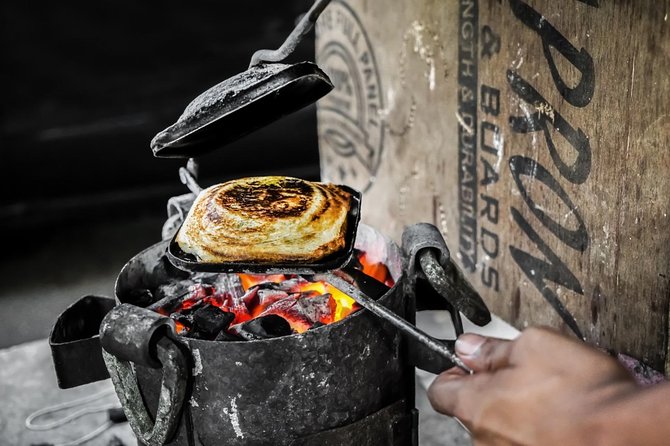
Mangaldas Market is where the tour keeps stacking the food. You’re moving through lively market life with a big focus on tastings like chaat snacks, aubergine curry, and chapati (plus other items). This stop is described as part of a stretch where you’re eating across different food styles, not repeating the same flavors.
This is also where you’ll feel the tour’s main instruction come to life: there’s a lot of food. Multiple guide names show up in feedback, including Sunil, Vrushali, Pooja, Ronnie, and Morgan, and the common theme is that the guides make each stop feel intentional—what you’re eating, why it fits, and how to notice flavor and ingredient details.
If you’re worried about street food comfort
Some visitors are understandably cautious about hygiene when street food is on the menu. The tour is designed to make this easier, since the guide is guiding your choices and pacing. The repeated message is that guides help you feel safe eating the kinds of snacks you might skip alone.
That said, use basic common sense: keep up with water, eat the food you’re given, and don’t treat this like a buffet you can rush. Slow down just enough to enjoy the bite and the context.
The guides: what the best ones actually do for you
Across the guide names in feedback—Sunil, Vrushali, Pooja, and others—the standout pattern is that the best guides do two jobs at once:
- they explain what the dish is and how it’s built
- they connect it to the neighborhood and everyday Mumbai life
You’ll see this in the variety of what gets mentioned as favorites, including things like dahi batata puri, mutton kheema pav, dilkhush dosa, and even sweet curd for people who like that style. When a guide does their job well, those aren’t random names—they become flavor categories you start to recognize while you eat.
Why small group size helps
The tour caps at 8 travelers. That matters because street-food stops can become chaotic fast. A small group means:
- less time waiting for ordering
- less jostling while food is served
- more chance for the guide to check in and keep everyone moving
In other words, the group size supports both comfort and tempo.
Where you end: Shree Mumbadevi Temple and the “getting home” part
The tour ends near Shri Mumbadevi Temple in the Kalbadevi area, and your guide is there to help you find a taxi. Uber is recommended in India.
This is convenient if your next destination is close to that area, but it can be a drawback if you’re staying far away. One common practical comment is that end-point logistics can feel like an afterthought. Your best move is to plan your taxi route before you start eating your way through the last stop.
Quick planning tip
If you’re using a rideshare, have your destination set in advance. And if you’re going to a hotel, know the general area first. You don’t want to start figuring out directions when you’re already full.
What to eat during a 4-hour food ride (and what that means for your stomach)
This tour isn’t one long tasting where you sample tiny tastes. It’s a serious food route built around multiple neighborhoods and enough variety to keep you interested. The tour description promises over a dozen local foods and desserts, and the feedback repeatedly points to totals like 17+ items, which matches the general “come hungry” message.
You’ll likely see a mix of:
- chaat snacks (sweet, tangy, crunchy combinations)
- dosa and South Indian-style items
- curries, including eggplant-based options
- breads like pav or other baked partners to richer dishes
- sweets and dessert-style bites
- local drinks and bottled water included
From a practical viewpoint, that mix is why the tour feels satisfying rather than repetitive. It also explains why the duration matters. With about 4 hours, you’re not forcing your body to handle an all-day food marathon.
How to pace yourself
Eat each item as offered, but don’t feel like you must finish everything in one breath. The goal is to taste and notice. If you push through without pausing, you’ll start treating food like fuel, not like the point of the tour.
How this tour compares to “just go eat on your own”
A DIY street food plan can be fun, but it has a risk: you’ll waste time figuring out what’s worth it and what you should skip. You also have to build your own route across neighborhoods, find places open at the right times, and guess which vendors are safe and fast enough for a group.
Bombay Express solves most of that. You follow a guide-defined path with a local rail segment, and you’re eating a broad sample without needing to be an expert in Mumbai street food etiquette.
That’s the real value. It’s not only taste. It’s time saved and decisions taken off your plate.
Who should book Bombay Express, and who might skip it
Book it if you:
- want a high-output food tour with 15+ tastings
- like learning through food explanations, not museum-style lectures
- want a route that includes Mumbai train life
- travel with a flexible appetite and can handle crowds in small doses
- are vegetarian or pescatarian and want a tour that fits those needs
You might skip it if you:
- hate end-of-tour transport planning and you’re far from Kalbadevi/Shri Mumbadevi Temple
- prefer slow, sightseeing-heavy tours more than eating-heavy ones
- want alcohol included (it’s not included)
FAQ
FAQ
How many food tastings are included?
The tour includes 15+ tastings, with all food tastings included in the price.
What’s the tour duration?
Plan for about 4 hours (approx.).
Is the tour suitable for vegetarians and pescatarians?
Yes. The tour is described as suitable for vegetarians and pescatarians.
Are train tickets included?
Yes. Train tickets are included, and the itinerary includes a short commuter train ride.
Where do I meet the guide and where does the tour end?
Meet at Chaayos Cafe at Churchgate. The tour ends opposite Shri Mumbadevi Temple.
Is hotel pickup or drop-off included?
No. Pickup/drop-off to your hotel is not included, but the guide can help you get a taxi home.
What should I wear?
Wear comfortable shoes. There is a moderate amount of walking during the tour.
Does the tour run in rain?
The tour operates come rain or shine, so bring an umbrella if rain is likely.