REVIEW · MUMBAI
Bombay Express Mumbai Food Tour with 15+ Tastings
Book on GetYourGuide →Operated by A Chef's Tour · Bookable on GetYourGuide
A single afternoon can do serious damage to your appetite. This 4-hour Mumbai tour packs 15+ tastings into a small-group walk, adds a real local train ride, and ends with a proper sweet finish near Shree Mumbadevi Temple. I love the mix of street-side plates and long-running eateries, and I especially like how the guide explains what you’re eating as you go. One thing to consider: you’ll be doing a lot of walking, so plan for comfortable shoes and a steady pace.
I also like that the tour feels built for people who want authentic food routes, not just the same few photos. The English-speaking guide leads you through neighborhoods most visitors don’t wander, including a Parsi community stop and classic lanes around Zaveri bazaar. Just note the tour is listed as suitable for vegetarians and pescatarians, but the broader tasting lineup may include dishes like mutton kheema—so come with your food preferences in mind.
In This Review
- Key things I’d plan around
- Churchgate start: the point where you’ll feel hungry, then instantly rewarded
- The commuter train hop to Marine Lines: short ride, real city rhythm
- Chaat, curries, and the Parsi community stop that changes the flavor map
- Zaveri bazaar khau galli: where snack logic meets dosas and chutney
- Mangaldas district: more than food stops, it’s local daily life
- Dessert finish: paan with betal leaves near the Mumbadevi Temple
- Price and value: why $45 adds up when train tickets and tastings are included
- Guides and what makes their approach matter for your meal
- Who should book (and who should skip this 4-hour food crawl)
- Should you book Bombay Express Mumbai Food Tour?
- FAQ
- Is this Mumbai food tour vegetarian-friendly?
- How many tastings are included?
- Does the tour include a train ride?
- Where does the tour start and where does it end?
- Is pickup from a hotel included?
- Are alcoholic drinks included?
Key things I’d plan around
- 15+ tastings in 4 hours: You’ll eat across street joints and a few proper eateries, not one long stop.
- Local commuter train included: A short ride that helps you see Mumbai like people live in it.
- Parsi community stop: One of the last remaining communities brings a distinct flavor set to the route.
- Charcoal papads moment: You get the why behind the crunch, not just the bite.
- Zaveri bazaar and khau galli lanes: Snack-style food lanes where you’ll find dosas, pudla, and chutney hits.
- Hard-wearing comfort matters: Bring good walking shoes and an umbrella, because you’ll move a lot.
Churchgate start: the point where you’ll feel hungry, then instantly rewarded
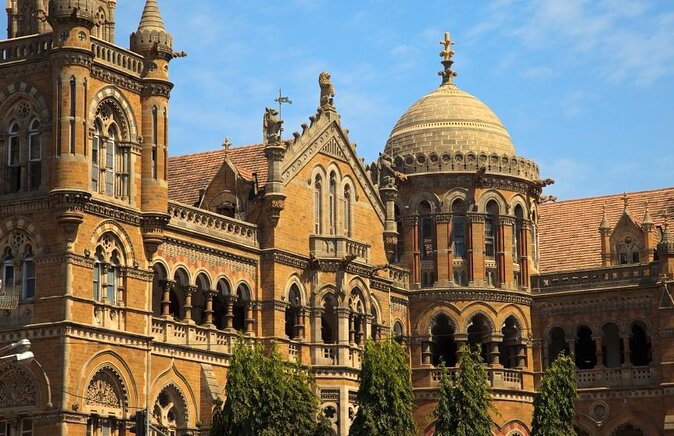
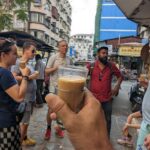
The tour kicks off at Chaayos Cafe at Churchgate, right by Churchgate train station. It’s a handy meeting point because it’s close to the Fort district, and it keeps you from spending the first 30 minutes hunting for the group. You’ll start with a guided walk that turns quickly into food tasting, so you don’t waste time on introductions.
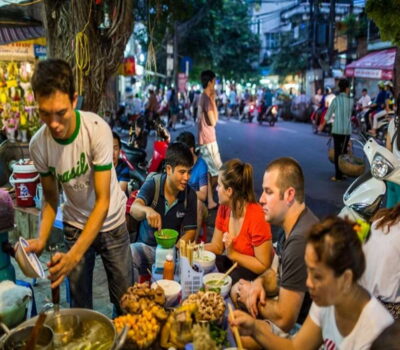
I like that the group is limited to 8 people. That size makes it easier to keep track of the tastings, and you’ll hear the guide’s food explanations without shouting over a crowd. Bring comfortable shoes and plan for rain if the sky looks moody—an umbrella is specifically recommended.
One practical tip: arrive ready to eat. This is not a light “try a snack” outing. Even with a good appetite, you’ll probably feel like you’re stacking courses back-to-back—papads, curries, chaat-style bites, and dosas can turn into a full meal fast.
You can also read our reviews of more food & drink experiences in Mumbai
The commuter train hop to Marine Lines: short ride, real city rhythm
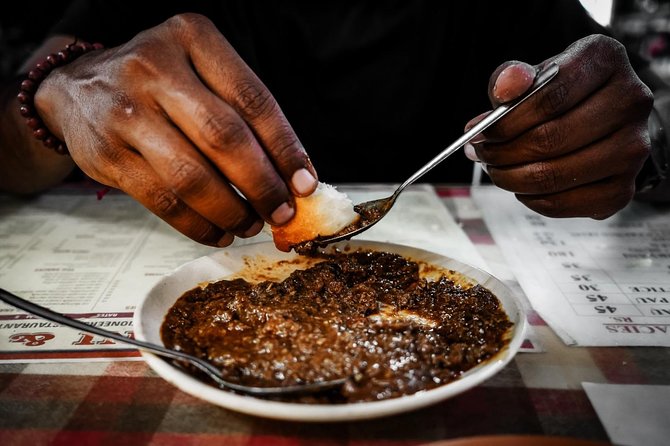
Right after the first stretch of walking, you’ll get onto Mumbai’s local commuter line for a short hop—about 10 minutes. The tour description highlights open-doored trains that depart roughly every 5 minutes, which is perfect for people who get annoyed by long waits.
You’ll hop off at Marine Lines, then head straight for street food chaat vendors. That switch matters. The train segment is quick, but it’s doing a job: it breaks the walking routine, shifts neighborhoods, and gives you an immediate sense of day-to-day Mumbai movement.
Expect it to feel crowded and energetic because that’s how these trains work. Keep your phone accessible but secure, and don’t plan on lingering for photos. This is more about getting the experience of transit than having a quiet carriage moment.
Chaat, curries, and the Parsi community stop that changes the flavor map
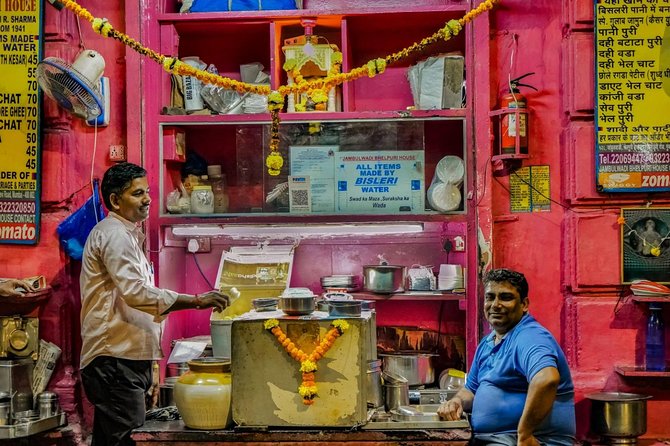
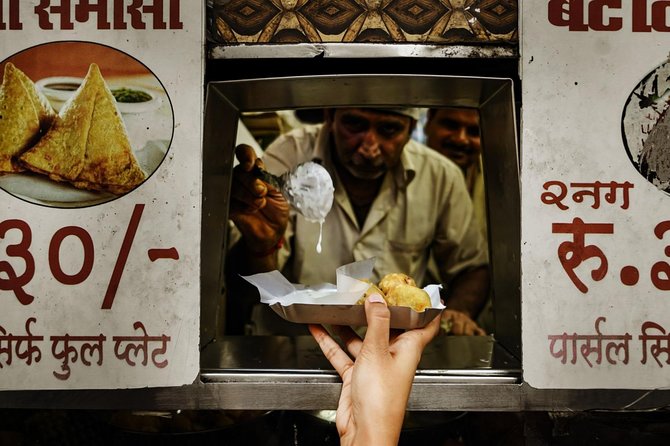
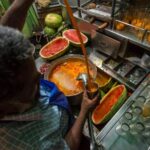
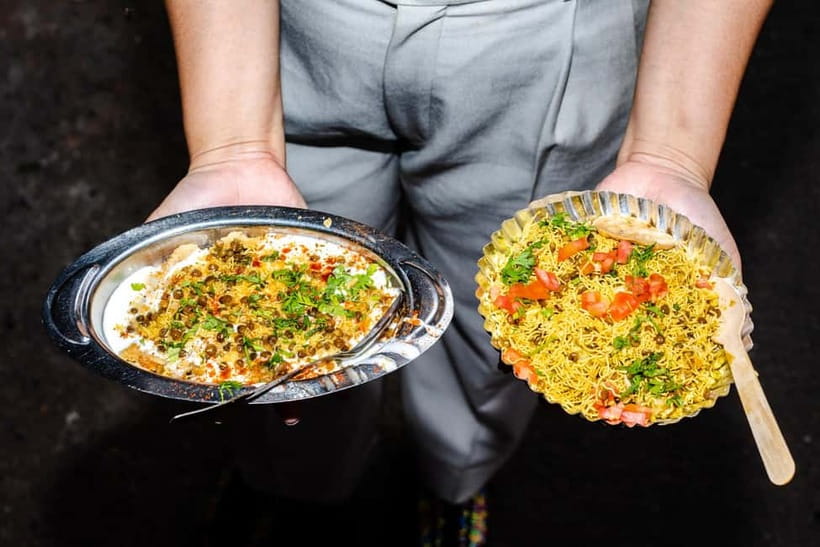
After Marine Lines, the tour focuses on chaat and street snacks, including vendors you likely won’t stumble across on your own. Chaat in Mumbai isn’t just one dish—it’s a method: crunchy + tangy + spicy + cooling yogurt or chutney elements, sometimes all in one bite. The guide helps you understand why things taste the way they do, including what makes certain textures work with the spices.
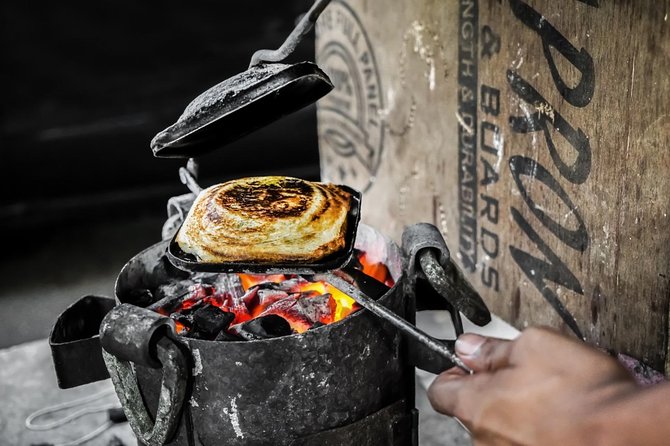
A standout described on this tour is papads—especially how they taste when cooked over charcoal. This isn’t a random gimmick. Charcoal cooking changes the aroma and the crispness, and the guide points out that difference so you don’t treat it like a repeat performance of store-bought papad.
Then comes the Parsi community experience. Even if you’ve heard of Parsi food before, this stop is valuable because it adds a distinct community history to the tasting route. You’re not just eating; you’re mapping food traditions to real neighborhoods and real people. That’s why this tour feels different from many “just eat and walk” food runs.
Zaveri bazaar khau galli: where snack logic meets dosas and chutney
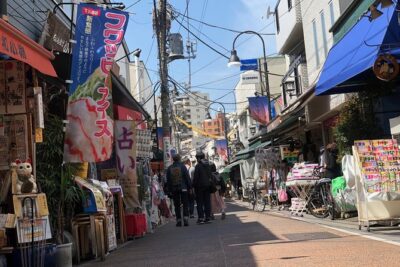
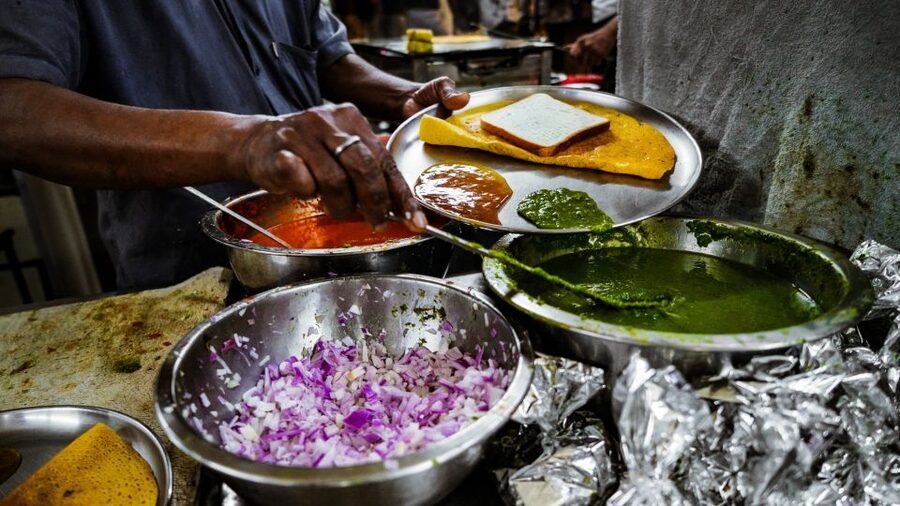
One of the route highlights is the khau galli alleyways in Zaveri bazaar. This is where the tour leans hard into Mumbai’s street-food mindset: small bites, strong flavors, and fast movement. The guide’s job here is huge—without someone pointing you toward the right stalls and explaining how to order, you can easily miss what’s best.
You should expect tastings that fit this lane style:
- pudla with chutney spice (the chutney is part of the core experience, not decoration)
- dosa tastings that can include cheese in the mix
- crispy bites alongside warm, spiced curry-style flavors
I love this segment because it trains your taste. After a few tastings, you start noticing the pattern—what chutney does to cool spice, how crisp papad or fried textures make curries feel richer, and how quick snacks can still be deeply satisfying.
One caution: if you’re hoping for only one theme (like purely vegetarian comfort food, or only classic Mumbai snacks), this tour may not match your exact wish list every time. One past participant noted a big favorite wasn’t included in their set (they specifically mentioned vada pav). That doesn’t mean you’ll miss your favorites entirely, but it does mean you should come open-minded rather than locked into a checklist.
Mangaldas district: more than food stops, it’s local daily life
After the Zaveri bazaar segment, you’ll move into Mangaldas, described as a district that shows local life visitors rarely see. This matters because it changes the pacing and the vibe. You’re not only chasing plates; you’re also seeing how people live around the food.
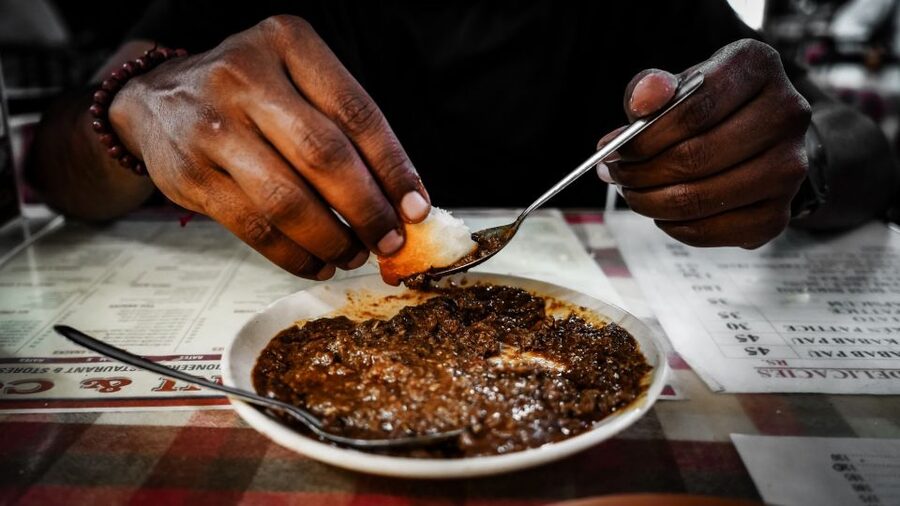
Here’s where some of the comfort-food style tastings show up. The tour mentions things like:
- buttery aubergine curry
- slow-cooked dishes such as mutton kheema (again, this is on the overall tasting description)
- moongdal halwa as a creamy dessert-style finish to a savory stretch
If you’re vegetarian or pescatarian, you’re likely to have plenty to eat, since the tour is listed as suitable for vegetarians and pescatarians. Still, because the general menu description includes meat options, it’s smart to tell your guide up front what you avoid so they can guide you to the right versions.
Also, plan for walking pace. One past participant clocked roughly 15,000 steps in a tour like this. That’s not a reason to skip it—it’s a reason to take shoes seriously and pace yourself when you need a breather.
A few more Mumbai tours and experiences worth a look


Dessert finish: paan with betal leaves near the Mumbadevi Temple
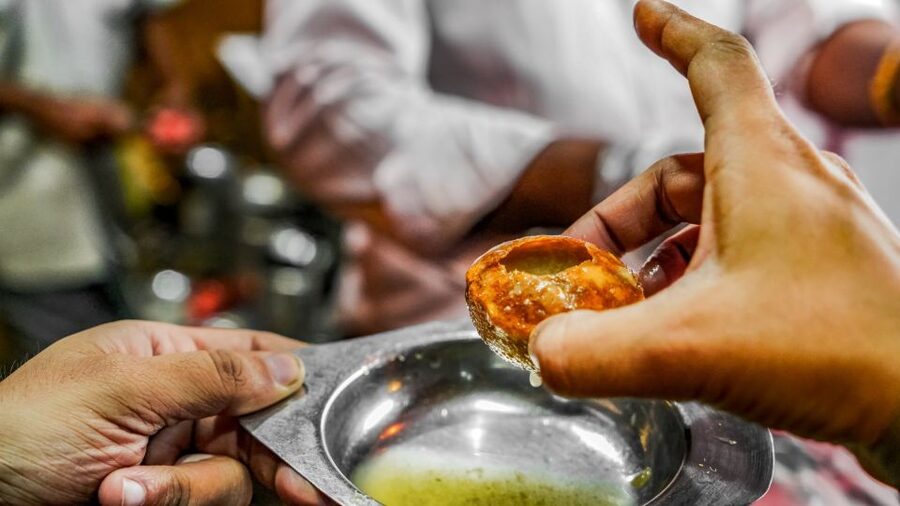
No Mumbai food run feels complete without a proper final flavor hit, and this one ends with paan. The tasting stop includes betal leaves wrapped with dried fruits, nuts, and syrups. It’s a sweet-forward ending, but it’s also aromatic and cooling in a way that resets your palate after spicy and fried snacks.
After the dessert, the tour wraps up opposite Shree Mumbadevi Temple. Your guide stays around long enough to help you figure out how to get home. Uber is recommended in India, which is helpful if you’re not sure how to grab a taxi quickly.
This end point is also practical for one more reason: it’s easier to orient yourself in a central area than it would be if the tour finished far out in the suburbs.
Price and value: why $45 adds up when train tickets and tastings are included

At $45 per person for about 4 hours, the price looks very reasonable—especially because the tour includes a lot of the costs that many food tours quietly leave out. You get:
- an expert foodie guide
- all food and drink tastings
- bottled water
- train tickets and entrance fees
- the short commuter train ride
When you’re eating 15+ items over multiple stops, you’d easily spend more than $45 if you were paying café prices plus street snacks plus transit. The guide also saves you time and guesswork. Mumbai food is not always obvious as a visitor. Knowing where to go (and what to order) is part of what you’re buying here.
The value also improves with the small group size (limited to 8). With fewer people, tastings tend to run smoother and the guide can respond to questions without losing the group.
A small note for budgeting: alcoholic drinks are not covered. If you want beer or spirits, you’ll need to plan for that separately.
Guides and what makes their approach matter for your meal
The guides are a big part of why this tour gets strong marks. You’ll hear names like Ronnie, Pooja (and also Puja), Morgan, Shailesh, Sagar, and Nikesh tied to praise for teaching food history and explaining how dishes are prepared.
What that means for you in practical terms:
- You’ll learn what to notice while you eat, so each bite feels more meaningful.
- You can ask questions as you go, not just after the tour.
- You may leave with a better sense of what to repeat later—one person said they returned to some of the same places the next day.
This is especially useful on a route that mixes chaat, dosas, curries, bazaar snacks, and sweets. Without guidance, you might eat a lot but understand less. With this guide style, you should taste more intentionally.
Who should book (and who should skip this 4-hour food crawl)
This tour is a strong fit if you want:
- a high-food-volume afternoon (15+ tastings)
- street food mixed with some established eateries
- a small-group vibe with an English-speaking guide
- a real local commuter train segment
- a route that includes a Parsi community stop
It’s also a good match for vegetarians and pescatarians since the tour is listed as suitable for them. If you avoid meat, mention it at the start so you’re not relying on luck.
Who should skip or reconsider:
- Pregnant women
- People with mobility impairments
And honestly, even if you’re mobile, plan for the walking. A lot. If you’re managing injuries or fatigue, you might struggle with the pace.
Should you book Bombay Express Mumbai Food Tour?
If you like food tours that feel like a guided eating route through real neighborhoods, I’d book it. The big draw is simple: 15+ tastings in 4 hours, plus a local commuter train ride, plus a Parsi community stop, plus desserts at the end near Shree Mumbadevi Temple. That combination is hard to beat for the price, especially because tastings and transit-related costs are built in.
I’d hold off only if you want a low-walking, slow-paced experience or if you’re uncomfortable with crowded transit. If you’re ready to walk, eat boldly, and treat Mumbai like a city you’re tasting as you travel, this tour makes a lot of sense.
FAQ
Is this Mumbai food tour vegetarian-friendly?
The tour is listed as suitable for vegetarians and pescatarians. The overall food description also includes some dishes that may contain meat, so it’s smart to communicate your preferences to the guide at the start.
How many tastings are included?
You’ll get 15+ different tastings during the 4-hour experience.
Does the tour include a train ride?
Yes. You’ll take a short ride on Mumbai’s local commuter train, including train tickets and entrance fees.
Where does the tour start and where does it end?
You meet at Chaayos Cafe at Churchgate near Churchgate train station. The tour finishes opposite Shree Mumbadevi Temple.
Is pickup from a hotel included?
No hotel pick-up and drop-off are included.
Are alcoholic drinks included?
Alcoholic drinks are not covered as part of the tour.