REVIEW · SEATTLE
Bon Vivant Woodinville Wine Tasting Tour
Book on Viator →Operated by Bon Vivant Wine Tours · Bookable on Viator
One question: can you taste Washington wine without driving? This tour’s answer is guided Woodinville tastings with transportation and a plan that mixes large producers with smaller, family-run rooms.
What I like most is the pairing of expert storytelling and real shopping time at the wineries. The guide can tailor stops to your preferences, and the day is built around tasting experiences rather than racing between random spots.
One thing to consider: tasting fees are not included, and some rooms may have a fee that gets reduced or waived if you buy a bottle. Plan ahead so the day stays fun, not math-heavy.
In This Review
- Key Points You’ll Care About Before You Go
- Why Woodinville Feels Like the Washington Wine Shortcut
- Price and Value: How the $120 Works (and What It Doesn’t Cover)
- Your 7-Hour Rhythm: How the Day Keeps Moving
- Stop 1: The Big Flagship Tasting Room to Set the Baseline
- Stop 2: Smaller Tasting Room + Lunch You Can Actually Enjoy
- Stops 3 and 4: Boutique, Family-Run Rooms for the Real Differences
- Getting Home Comfortably: Private Transport, Big Steps, No Driving
- How the Guide Tailors the Day (and Why That Matters)
- Tasting Fees, Waivers, and the 1oz Reality Check
- Who This Tour Suits Best in Seattle
- Should You Book the Bon Vivant Woodinville Wine Tasting Tour?
- FAQ
- Are wine tasting fees included in the $120 price?
- How many wines will we taste during the tour?
- What about lunch—do we get it included?
- How long is the tour, and how is the time spent?
- Do you offer pickup, and how do you travel between stops?
- Is the tour dependent on weather?
Key Points You’ll Care About Before You Go
- Custom stops based on your tastes, not a one-size route
- A mix of flagship and boutique rooms, so you get both scale and character
- Small group size (max 13) makes it easier to hear the guide and stay on schedule
- Tastings add up fast, so budget for fees at each stop
- Air-conditioned, private transport keeps you comfortable and lets you relax
- Bottled water between tastings helps you keep your taste buds sharp
Why Woodinville Feels Like the Washington Wine Shortcut
Woodinville is what you do when you want Washington wine energy without the long, scenic drive times. Most of the grape growing that powers these wines happens in eastern Washington, so Woodinville’s vibe is all about what happens after the grapes become wine: tasting rooms, winemaker stories, and bottles you can actually buy.
That matters because it changes what the day is. You’re not hunting down scattered vineyards; you’re visiting well-run tasting rooms that know how to host. It’s a smart approach for a one-day plan from Seattle—especially if you want variety: big-name producers plus smaller makers that you might not find on your own.
You can also read our reviews of more food & drink experiences in Seattle
Price and Value: How the $120 Works (and What It Doesn’t Cover)
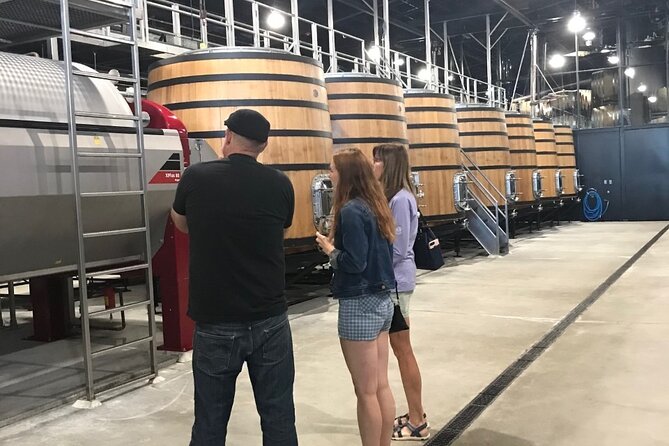
At $120 per person for about 7 hours, the headline cost includes your transportation and guide time. You’re paying for a low-stress day: an air-conditioned vehicle, a wine-educated tour guide, and private transportation with pickup offered.
Here’s the part you should budget for upfront: tasting fees and lunch are extra. The tour data suggests planning around $20–35 per person per winery/tasting stop for tastings, plus $15–30 per person for lunch. Some wineries charge in the lower range (often $10–15 is common), but you should still carry a cushion because tasting fees and reserve options can vary.
A helpful way to think about it: your total cost depends on how much you buy. Many wineries reduce or waive tasting fees when you purchase a bottle, so the day can feel like you’re paying for access. If you’re trying wines for fun and not buying, you’ll want to accept that the fees are part of the culture here.
Your 7-Hour Rhythm: How the Day Keeps Moving
The flow is simple. You get picked up, then you’ll hit four tasting stops in Woodinville. The first stop is longer—about 1 hour 15 minutes—and the second stop runs about 1 hour 30 minutes, with the option to grab lunch during the visit.
After that, you’ll spend time at two smaller/boutique tasting rooms. The schedule then includes the return trip to your lodging, about 3 hours.
The practical win is pacing. You’re not stuck waiting in long lines at each stop, and you’re not rushing so hard you can’t talk to staff. You also get bottled water between tastings, which is a small detail that makes a big difference when you’re tasting multiple wines.
Stop 1: The Big Flagship Tasting Room to Set the Baseline
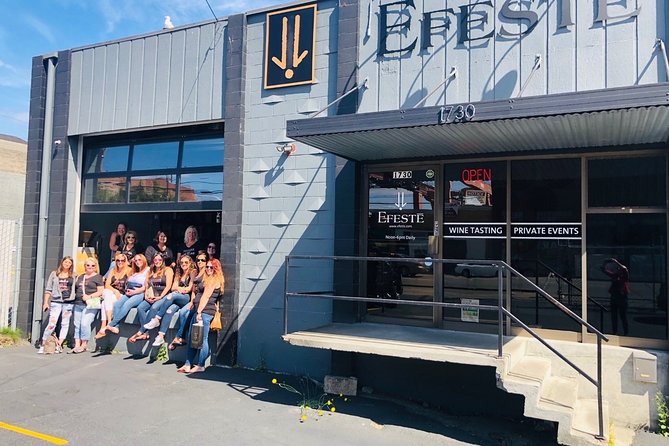
Your first stop is designed to start the day with confidence: a larger, recognizable flagship winery experience. You’ll typically taste around 4–6 wines at this point, and there may be bubbly as well.
This opening stop is useful even if you think you already know your tastes. I like how it gives you a baseline fast. Big producers often show you the range of styles they do well, and your guide can use that to steer you toward what you should prioritize later.
Watch the fee expectation here. Even when a listing screen can look confusing about admission, the tasting itself is not included. Budget around $40 per person for this stop unless you purchase wine, since buying can reduce or waive tasting fees.
What to expect on arrival: a structured tasting, a calm atmosphere, and staff who can explain what you’re drinking without making you feel rushed.
Stop 2: Smaller Tasting Room + Lunch You Can Actually Enjoy
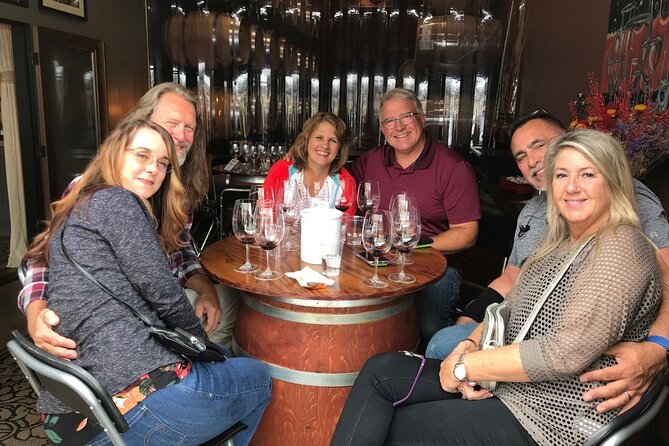
Stop two shifts gears. This is a smaller winery or tasting room, and you can buy lunch so you eat while you’re tasting—one of the best ways to keep your day balanced.
Timing is about 1 hour 30 minutes here, which is enough time to settle in, eat, and then do the tasting without feeling like lunch is a detour. Depending on how you order, you may find the tasting staff will help with pairings, or at least point you toward what works with your meal.
Budgeting matters. The tasting fee and lunch are both extra here, and the data suggests $20–25 for tasting and $20–30 for lunch as a general planning range. If you buy wine, the tasting fee can be waived or reduced.
One practical tip: decide early whether you’ll buy anything at stop two. If you’re on the fence, try a few wines you’d realistically drink at home. The staff at smaller rooms can be more conversational, and that makes it easier to shop with confidence.
Stops 3 and 4: Boutique, Family-Run Rooms for the Real Differences
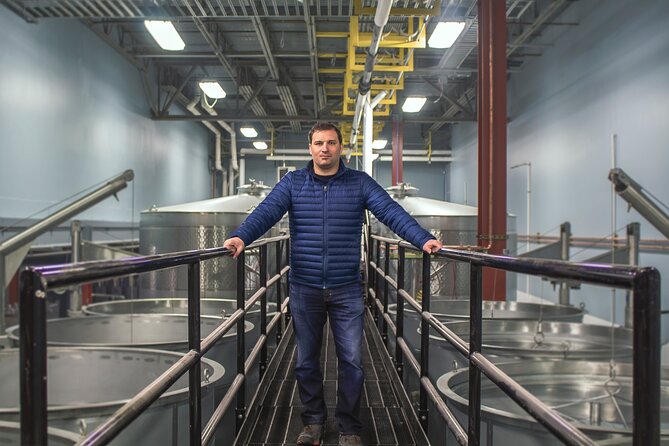
The last two stops are the ones people tend to remember because they’re small and delightful, often family owned. This part of the day is where Washington wine can surprise you, because boutique producers may focus on specific varietals, unusual blends, or a more hands-on winemaking style.
Budget about $20–30 per winery for tasting fees at each boutique stop. And yes—again—if you buy bottles, some or all of the tasting fees can be waived.
What makes these stops worth your time is contrast. A flagship winery can show you polish and breadth. A boutique room often shows personality and risk: tighter ranges, more obsessive details, and sometimes staff who have deep stories because they’re part of the operation.
If you care about shopping: don’t treat these as just tastings. Treat them as mini research sessions. You can compare what you liked at the big stop with what these smaller makers do differently.
Getting Home Comfortably: Private Transport, Big Steps, No Driving
The tour includes private transportation in an air-conditioned vehicle, with pickup offered. It’s designed for a safe day—no driving stress, and you get to relax between stops.
Two practical notes from the tour info:
- There are steep steps into the vehicle and sometimes into the wineries/tasting rooms.
- The ride is near public transportation, but the tour itself is built around your scheduled pickup and drop-off.
Also, the group max is 13 travelers, which helps with timing and makes it easier to herd people gently (in a good way). You’re not sharing a massive coach full of strangers who vanish at each stop.
One more small but important thing: the tour company provides bottled water between each stop. If you’ve ever had a day where tasting turns into fatigue, you’ll appreciate that the plan anticipates it.
How the Guide Tailors the Day (and Why That Matters)
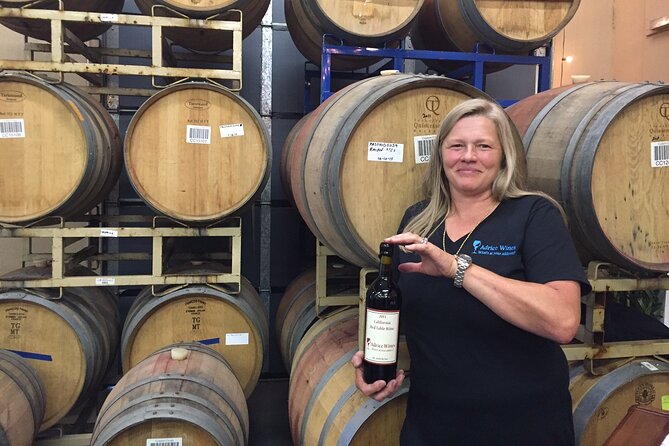
This is not a rigid factory line. The tour is described as custom—the stops can be chosen based on your tasting preferences. That’s a big deal in wine touring, because everyone’s “good” is different.
Some people want white wine first. Some want bold reds. Some want something unique they can’t find back home. The guide’s job is to translate your preferences into a day where the tastings feel connected, not random.
You’ll also hear different voices over time. In the tour data, guides like Michael, Rudy, Peter, and Patrick show up across outings, and the consistent theme is that they’re able to explain the area and the winemaking process in a way that actually helps you taste better.
If you want a practical win: when you meet your guide, name what you like and what you dislike. Be specific. “I like red” is a start. “I like crisp, not jammy” gives your guide something to work with.
Tasting Fees, Waivers, and the 1oz Reality Check
Here’s the honest wine-touring math: tastings typically come as about 1oz pours, and when you stack several stops, it can add up quickly. The tour info also notes bottled water between tasting points, which helps you keep your palate clear.
Most wineries charge a tasting fee, often around $10 to $15, and some reserve tastings may cost more. The tour planning advice pushes you to budget higher per stop (around $20–35) because wineries and experiences vary.
The good news is that many wineries waive or reduce tasting fees if you buy a bottle. So treat the tasting fee as the cover charge for access. If you fall in love with a wine, you’re usually not punished for it—you’re encouraged to bring it home.
If you want to spend wisely: pick one or two wines at each stop that you’d happily drink again. That keeps you from oversampling out of curiosity until you’ve forgotten what you actually liked.
Who This Tour Suits Best in Seattle
This tour fits best if you want:
- A guided overview of Washington wine in a single day
- A mix of styles through flagship plus boutique producers
- Relaxed logistics from Seattle, with pickup and comfortable transport
- A day shaped around your tastes, not someone else’s schedule
It’s also a strong choice for couples and small groups, since the group size caps at 13. Solo travelers can do well too, especially because the guide and schedule keep things moving and you don’t feel stranded between tastings.
If you’re the kind of person who wants scenic vineyard walks, this is less that kind of tour. Woodinville tasting rooms focus on the wine experience. If you want vineyard scenery, you’d need a different kind of day trip plan.
Should You Book the Bon Vivant Woodinville Wine Tasting Tour?
I’d book it if your priority is a smart, low-effort way to taste widely across Woodinville with expert guidance. The combination of transportation, custom stop selection, and a mix of big and boutique wineries is exactly the recipe for a fun first or second Seattle-area wine day.
Skip it (or at least rethink) if tasting fees will annoy you. They’re not included, and you’ll feel it in your budget if you don’t plan to buy anything. Also keep in mind the steep steps at the vehicle and some wineries.
If you’re happy to treat the day like a guided wine tasting and shopping experience—and you go in expecting to pay tasting fees—this tour looks like a strong value at $120 for the ride and guiding, with the rest depending on your choices.
FAQ
Are wine tasting fees included in the $120 price?
No. Tasting fees are not included. Most wineries charge around $10 to $15 for tastings, and some reserve tastings can cost more. Some wineries waive or reduce tasting fees if you buy a bottle.
How many wines will we taste during the tour?
You’ll typically taste about 4 to 7 wines at each tasting stop. Across 4 to 6 wineries, those 1oz pours can add up quickly, so the tour also provides bottled water between tastings.
What about lunch—do we get it included?
Lunch is not included in the price. You’ll have an opportunity to purchase your own meal, and the tour will make reservations at a locally owned winery district restaurant or wine bar.
How long is the tour, and how is the time spent?
The tour runs about 7 hours. You’ll spend time at four Woodinville tasting stops, then return to your lodging. The itinerary includes about 1 hour 15 minutes for the first stop and about 1 hour 30 minutes for the second, with the return trip taking about 3 hours.
Do you offer pickup, and how do you travel between stops?
Pickup is offered. The tour includes a private, air-conditioned vehicle for transportation between tasting rooms, and the tour is conducted in English.
Is the tour dependent on weather?
Yes. The experience requires good weather. If it’s canceled due to poor weather, you’ll be offered a different date or a full refund.