REVIEW · BUDAPEST
Budapest Culinary & Wine Walk—Budapest’s Signature Food Tour
Book on GetYourGuide →Operated by Taste Hungary · Bookable on GetYourGuide
Four hours, one very hungry city. This Budapest Culinary & Wine Walk turns Central Market Hall into your kickoff, then strings together small food stops that explain how Hungarian ingredients actually get used—ending with a 3-wine tasting. I especially like the way you get tastings in several different places, not just one long meal, and I also like the focus on real staples like paprika and goose liver. The only real catch: you cover a lot of ground on foot, so comfortable shoes matter.
Guides make or break food tours, and this one has the goods. I’ve seen Barbara, George, and Anna called out for being fun, well-paced, and quick with answers, and that shows in how the tour flows from market to neighborhoods. You’ll also get an English-speaking guide and a bottle of mineral water per person, which keeps things easy while you’re sampling.
In This Review
- Key takeaways before you go
- Entering Central Market Hall by the escalators
- Learning why paprika, pork fat, and goose liver matter
- Neighborhood tastings: spice shops, coffee, and that day’s sweet stop
- From a butcher’s counter to elegant cake
- The walking rhythm: great for first-timers, tough for sore feet
- How the wine tasting fits the story of Hungarian food
- Price and value: what $120 buys you in real terms
- What you should bring (and what to skip)
- Who this tour suits best
- Should you book the Budapest Culinary & Wine Walk?
- FAQ
- Where does the tour start?
- Where is the closest metro stop?
- How long is the tour?
- What does the tour cost?
- What will I eat and drink during the tour?
- Do I need to buy a ticket to enter the market?
- What language is the guide?
- Does the tour run on all days?
- Is the tour wheelchair accessible?
- How big are the groups?
Key takeaways before you go
- Central Market Hall first: You start inside the main entrance by the escalators and get time for produce shopping and photos.
- Hungarian ingredients explained: You hear how locals use pork fat, paprika, and goose liver in everyday cooking.
- 4 to 5 tastings across nearby neighborhoods: Expect a string of small stops like spice shops, bakeries, coffee, and chocolate.
- Butcher + patisserie flavors: You’ll sample from a butcher’s shop and try elegant cakes at a traditional patisserie.
- Three wines, different regions: The tour ends with a tasting built around Hungary’s key wine styles.
- Small-group feel: Options run from small groups up to private tours, with a maximum of 8 in the standard small-group setup.
Entering Central Market Hall by the escalators
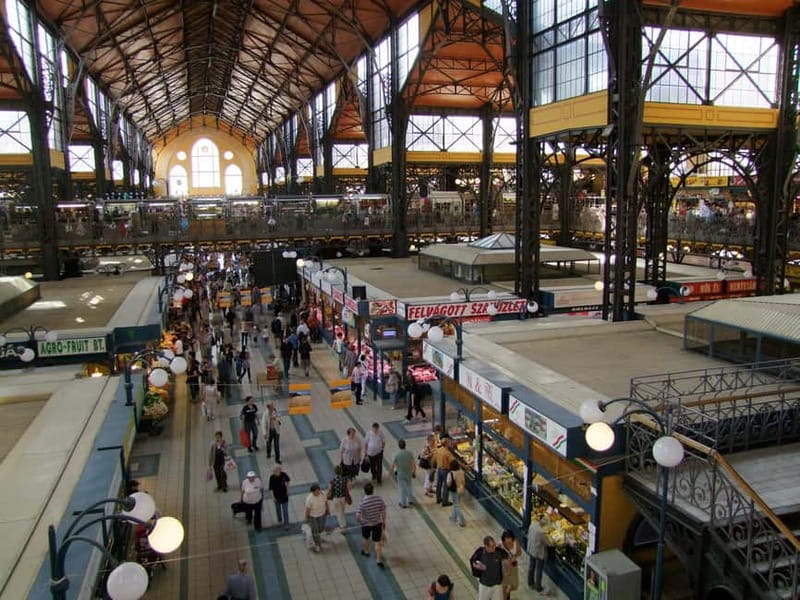
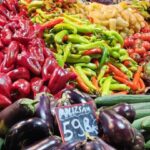
Central Market Hall is the kind of place where your nose leads before your brain does. Inside, you’ll see a serious display of fruits, vegetables, cured meats, and packaged goods—plus all the everyday energy of a market that still functions like a market, not a theme park.
You start inside the Central Market Hall, meeting your guide near the main entrance by the up escalators. If you’re hoping to avoid getting stuck at a ticket line, this tour is set up to help with that. The first part of the walk is also where the guide gives you the right frame: what makes this building important, and why Hungarian food culture revolves around markets, seasons, and ingredient quality.
My favorite moment here is when the guide points out produce and then connects it to what you’ll taste later. You stop looking at food like it’s just pretty pictures and start treating it like a system: ingredients, traditions, and regional flavors all tied together.
You can also read our reviews of more walking tours in Budapest

Learning why paprika, pork fat, and goose liver matter
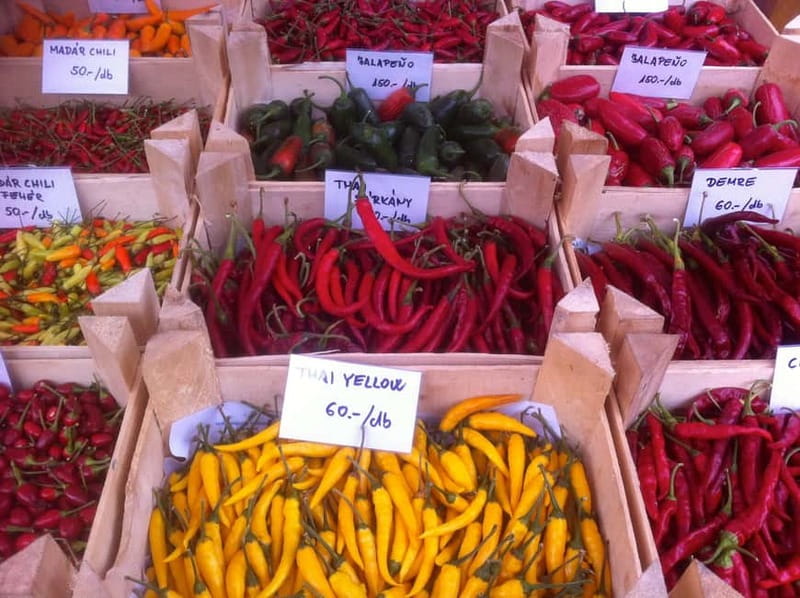
After the market sights, the tour shifts from looking to understanding. You’ll hear how Hungarian cooking uses ingredients that are common in local dishes but might be unfamiliar if you’re used to other European styles.
The big ones you’ll talk through include paprika, pork fat, and goose liver. That matters because it changes how you taste everything that follows. Paprika isn’t just a color or a spice blend for decoration; it shows up in flavor patterns that show up across stews, sauces, and cured foods. Pork fat and goose liver can sound heavy if you read about them, but tastings help you understand how they’re balanced and why locals keep them in rotation.
And yes, you’ll probably ask questions. This tour is built for curiosity. In the market, the guide isn’t just reciting history; they’re explaining food logic in a way that makes you feel like you can spot these ingredients on menus afterward.
Neighborhood tastings: spice shops, coffee, and that day’s sweet stop
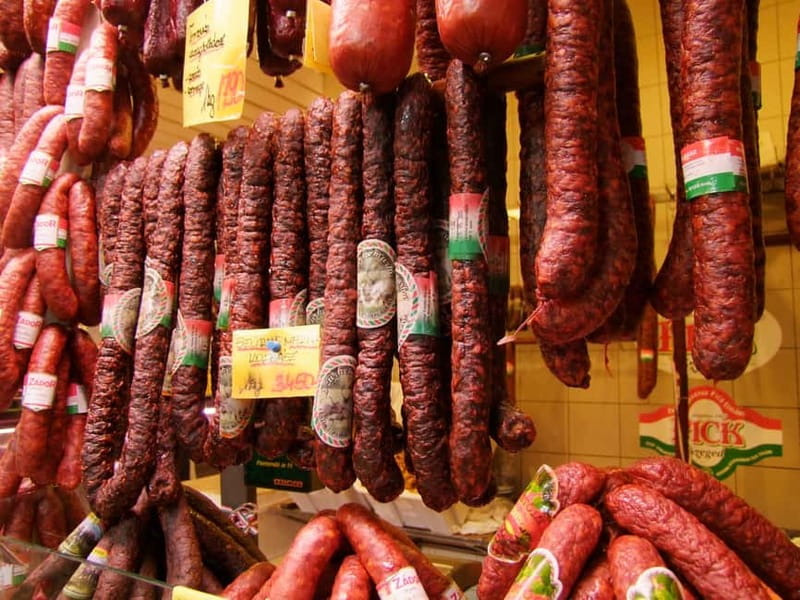
Once you’re done with the main market, you head into the nearby neighborhoods for smaller, specialized food shops. This is where the tour stops being a single big attraction and starts feeling like real local wandering.
Depending on the day, you might visit a spice shop, a kosher bakery, a coffee house, a candy producer, or an artisan chocolate shop. That daily flexibility is actually useful for you. It means you’re more likely to sample what’s fresh and available, and you’re not locked into the exact same lineup every single day you’re in Budapest.
At these stops, the pace stays friendly. You’re not stuck in one place with a lecture. You get short tastings, time to ask how something is made or what locals pair it with, and a chance to compare flavors as you go.
One practical note: these tastings add up, so it’s worth arriving with an appetite, not a plan to eat dinner right after the tour. The tour includes plenty of food, and you’ll feel it by the end.
From a butcher’s counter to elegant cake
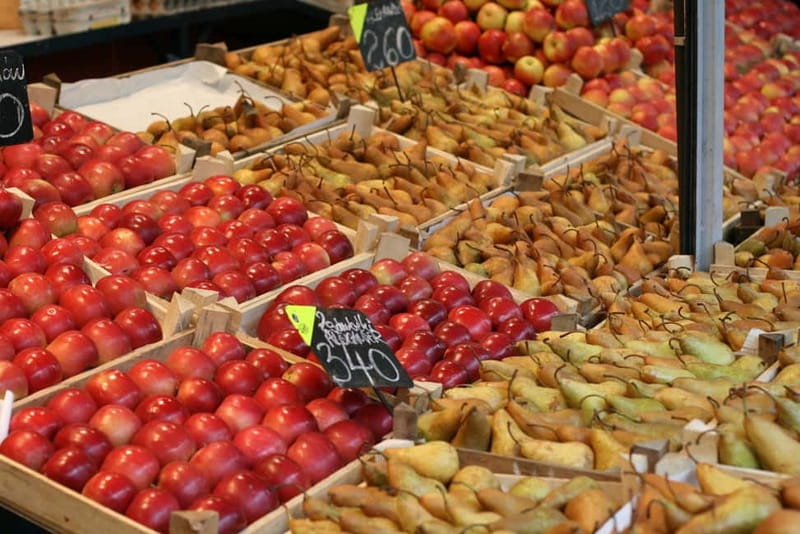
Food tours can sometimes overdo sweets or overdo meat. This one tries to balance both, and it does it in a way that’s fun rather than forced.
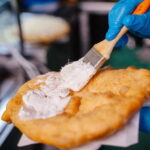
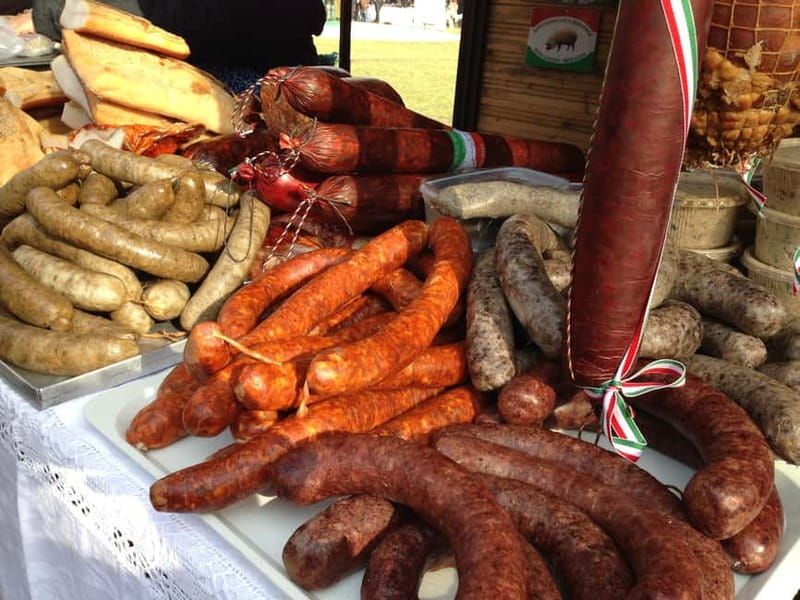
You’ll sample typical dishes at a butcher’s shop, which is a great way to understand Hungarian preferences for cured and prepared meats. It’s not just about trying something new. It’s about seeing how people choose cuts, how they think about flavor, and why certain ingredients show up again and again.
Then you’ll shift to something lighter and more elegant: a traditional patisserie for cakes. The contrast helps. You go from savory, meaty flavors to desserts where texture and sweetness take center stage.
In one common highlight of the experience, the guide brings the group to popular small places and orders multiple dishes to share. That means you get variety without having to translate a menu on the fly. It’s a smart way to eat when you don’t want to gamble with your first day in a new city.
The walking rhythm: great for first-timers, tough for sore feet
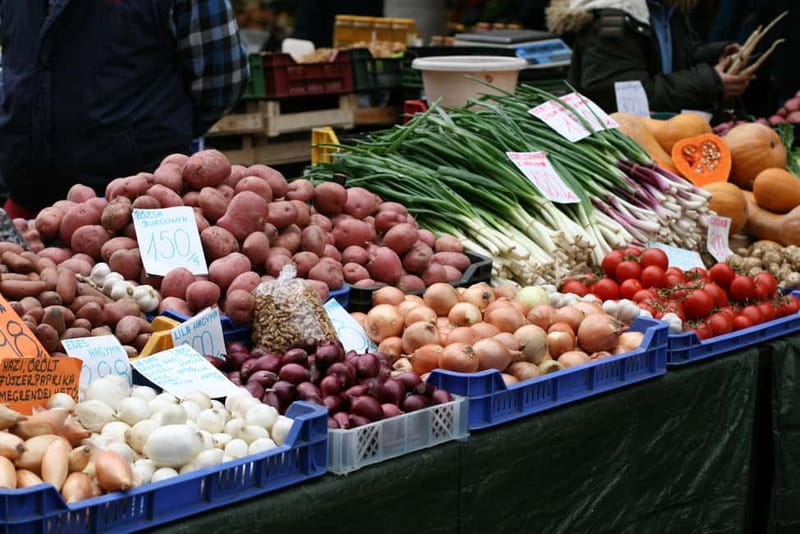
This tour is a walking experience, and that’s the trade. You’ll spend enough time on your feet that you should wear comfortable shoes and keep water in mind.
The good part is that the walking is purposeful. It connects locations—market to neighborhoods—so you’re building a map of Budapest’s food culture, not just ticking off stops. Plus, you’ll have photo stops along the way and time to ask questions, so it doesn’t feel like a sprint.
The tour runs rain or shine, but it does not operate on Sundays or Hungarian national holidays, since some venues close. If you’re traveling during a holiday week, you’ll want to check dates carefully before you commit.
Also, the tour isn’t wheelchair accessible. If mobility is an issue, this one may be harder than it looks from the description.
You can also read our reviews of more food & drink experiences in Budapest




How the wine tasting fits the story of Hungarian food
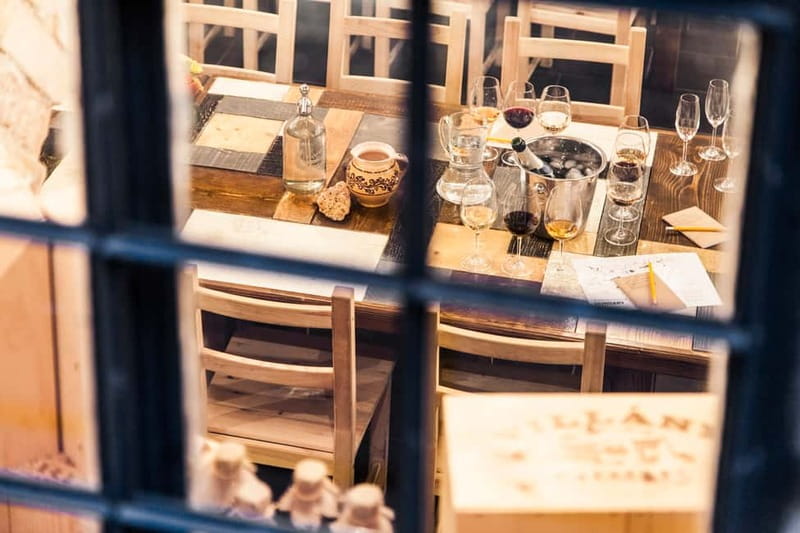
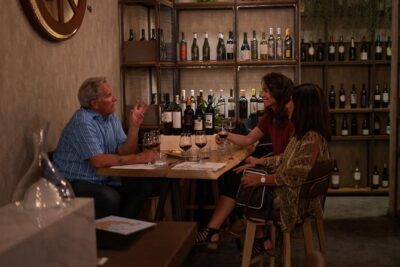
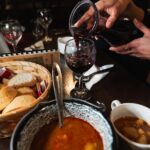
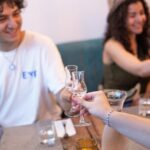
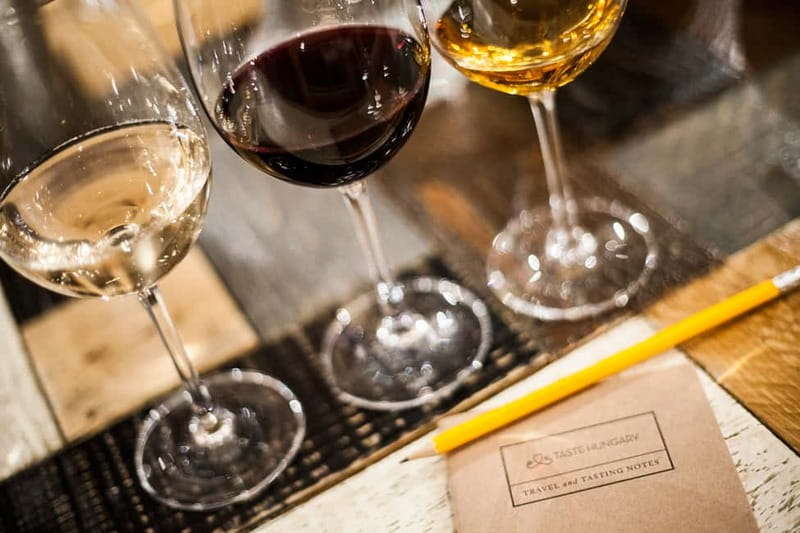
The finale is where the whole tour clicks. After you’ve tasted ingredients used across Hungarian cooking, you end with a wine tasting of 3 essential wines from different Hungarian wine regions.
That structure matters. It’s not just three drinks handed to you at random. It’s a chance to connect what you tasted earlier—paprika-forward flavors, savory meats, rich patisserie elements—with wine styles that can handle those flavors.
If you’re the type who wants a simple takeaway, you’ll likely leave with a clearer sense of what to order at a restaurant later. Ask the guide questions during the tasting. That’s where you’ll get the practical stuff: how different styles feel with different foods, and what each region is known for in plain language.
One wine host named Carlos has been mentioned in past experiences, and that kind of hands-on hosting usually helps the tasting feel relaxed instead of stiff.
Price and value: what $120 buys you in real terms
At $120 per person for about 4 hours, this isn’t a budget snack crawl. But it also isn’t a “just pay for the guide” situation.
Here’s what you’re getting for your money, in practical terms:
- A real food itinerary with 4 to 5 venues in one morning or afternoon window
- Generous tastings (not tiny nibbles) across market and neighborhood shops
- A wine tasting with 3 wines
- Mineral water for each participant
- An English-speaking guide who explains ingredients and food culture, not just where to stand in line
For first-time visitors, value often comes from saving you time and mistakes. Trying to piece together a market visit plus specialty shops plus a wine tasting on your own can turn into a lot of research and a lot of wrong turns. This tour compresses that into a guided loop that’s designed to make you leave hungry in the best way, then smarter.
If you’re already a big-market person and you love planning on your own, you might still enjoy it, but it may feel like you’re paying for structure. If you want the structure, this price can feel fair fast.
What you should bring (and what to skip)
This tour is made for eating, learning, and walking. Plan around the walking and the tastings.
Bring:
- Comfy shoes you can stand in
- A light layer if you’re traveling in cooler months
- Curiosity. The guide answers questions well, and you’ll get more out of the tastings if you ask how things are made or what they’re used for
Skip:
- A plan to do a big sit-down dinner immediately afterward
- Any mindset that you’ll be totally full by stop three. The tastings are frequent, but they’re also spread out so you can keep moving
If you’re interested in souvenirs, the route includes stops where you can do some food shopping. That’s useful if you want to bring paprika, chocolate, spices, or other edible goodies home without guessing what’s worth buying.
Who this tour suits best
This is a strong fit if you’re:
- In Budapest for the first time and want a fast way to learn what Hungarians eat
- A food-focused traveler who likes tastings and short explanations
- Someone who enjoys markets but doesn’t want to figure out the best places solo
- Traveling with a small group or wanting a more personal experience than a huge bus tour
It’s also good for couples and solo travelers. Small-group formats help you stay engaged rather than swallowed by a crowd.
If you have very limited walking tolerance, you’ll want to think twice, since this is not designed to be slow and chair-friendly.
Should you book the Budapest Culinary & Wine Walk?
Book it if you want a guided, ingredient-led introduction to Budapest food culture. The combination of Central Market Hall, multiple neighborhood tastings, and a wine tasting of 3 different wines is a clean, satisfying arc. You’ll likely finish with a better sense of what to order later, not just what to remember.
Skip it if you hate walking, if you can’t handle standing for periods, or if you already know exactly which shops you want to hit and you prefer to go at your own pace. This tour pays off when you like structure and you want someone to steer you toward the right flavors.
If you fit the first group, you’ll probably feel like you got a smart shortcut through Hungarian food.
FAQ
Where does the tour start?
The tour meets inside the main entrance of Central Market Hall near the up escalators, at Vámház körút 1-3.
Where is the closest metro stop?
You can use Kálvin tér on the M3 line or Fővám tér on the M4 line. If you arrive by tram, take 47 or 49 to Fővám tér.
How long is the tour?
The tour lasts about 4 hours. Starting times can vary, so it’s best to check availability for your date.
What does the tour cost?
The price is $120 per person.
What will I eat and drink during the tour?
You’ll have generous food and drink tastings at 4 to 5 venues, including stops such as the Central Market Hall and other nearby artisan food stores. The tour also ends with a wine tasting of 3 essential wines.
Do I need to buy a ticket to enter the market?
The tour includes access and is designed to skip the ticket line for the Central Market Hall.
What language is the guide?
The guide is English-speaking.
Does the tour run on all days?
It runs any day of the week except Sundays and Hungarian national holidays, since some venues may be closed.
Is the tour wheelchair accessible?
No. The tour is not wheelchair accessible.
How big are the groups?
There are private or small-group options. The small group option is a minimum of 2 participants and a maximum of 8. Private tours can be customized and should be requested when booking.