REVIEW · CHARLESTON
Charleston’s Historic Downtown Food Tour
Book on Viator →Operated by Charleston Tours · Bookable on Viator
One sentence, then you’re off: Charleston tastes like a story. This walking food tour pairs landmark strolls with VIP access to sit-down restaurant sampling that adds up to a full lunch, and it also connects what’s on your plate to where the city’s food ideas came from—French dishes, African ingredients, and even pirate-era diet clues. I love the way the guide connects each bite to a real street-corner moment, and I love that the portioning is built for a meal, not a snack. The main thing to consider: the pace can feel quick, and a couple of people felt the food lineup or timing didn’t match what they expected.
I also like that the tour keeps the group small (up to 15), with a mobile ticket and a straightforward route through some of Charleston’s most recognizable spots. Guides such as Paige and Jeff are specifically praised for being personable and tying the history to what you’re eating, and I’d treat that as the tour’s real value. The one possible drawback? If you want time to linger and sip, this can feel more eat and move than slow stroll with long pauses.
In This Review
- Key Points at a Glance
- Why This Tour Works: History You Can Eat
- Your Walk Route: From Rainbow Row to the City Market
- Stop 1: Rainbow Row and the French Connection
- Stop 2: Pineapple Fountain and Southern Hospitality
- Stop 3: Old Exchange & Provost Dungeon and Pirate-Era Diet Impacts
- Stop 4: Charleston City Market and African Influences
- The Real Payoff: Four Restaurant Stops and Lunch-Size Tastings
- VIP Access: What You Gain (and What You Might Still Notice)
- Group Size and the Guide Experience: Small Enough to Matter
- Food Pairing with History: French, African, and Pirate Themes
- Drinks, Allergies, and What’s Included vs Not
- Who This Tour Is Best For
- Price and Value: Is $110 Fair for Two and a Half Hours?
- Quick Tips to Get the Most Out of It
- Should You Book This Charleston Historic Downtown Food Tour?
- FAQ
- Is this tour a walking tour or mostly restaurant time?
- How much does the Charleston Historic Downtown Food Tour cost?
- How many food stops are included?
- Do I need to buy tickets for the landmarks?
- Is alcohol included?
- Are children included, and what about ages 0–6?
- What are the meeting and ending points?
- Do I get a ticket on my phone?
- How many people are in the group?
- What happens if the weather is bad?
Key Points at a Glance
- VIP restaurant access means less waiting and more eating time
- Four sit-down restaurant stops add up to lunch-sized tastings
- French, African, and pirate influences are woven into what you learn
- Small-group format (max 15) keeps it friendly and question-friendly
- Weather-dependent walking means you should plan around rain or heat
Why This Tour Works: History You Can Eat
Charleston’s food identity is hard to explain with just one category like Southern, Low Country, or seafood. This tour does it the practical way: it shows you the influences as you walk, then feeds you the result. The French Quarter-style streets, the market energy, and the Old Exchange and Provost Dungeon setting all help you understand why Charleston cooks the way it does.
You’ll also notice the tour isn’t trying to make you “learn everything.” It uses a few focused themes—French influence, African ingredients, and pirate-era impacts—and ties them directly to ingredients and dishes you taste. That’s what makes it more useful than a simple restaurant hop.
You can also read our reviews of more food & drink experiences in Charleston
Your Walk Route: From Rainbow Row to the City Market
Even though the main payoff is the restaurant tastings, the walking portion does real work. You’re not just passing landmarks—you’re given a reason to look at them.
Stop 1: Rainbow Row and the French Connection
Rainbow Row is the first visual anchor on the route, and it’s used to set up the tour’s French thread. You’ll learn how French culture shaped Charleston’s culinary habits—both in the style of dishes and in what people valued enough to bring into the local kitchen. This is a good warm-up stop because it gets you thinking about food influences before you start sampling.
One practical note: this is mostly a “pass by and learn,” not a long photo break. If you love pictures, plan to snap quickly and keep moving.
Stop 2: Pineapple Fountain and Southern Hospitality
Next comes the Pineapple Fountain, a symbol tied to southern hospitality in South Carolina. The point here isn’t just symbolism—it’s how landmarks like this reflect what people wanted their food culture to feel like: welcoming, generous, and community-minded.
This stop also helps the tour shift from “where the ideas came from” into “how Charleston branded the experience.” That matters, because it frames the restaurant stops as more than just meals—they’re part of the city’s social script.
Stop 3: Old Exchange & Provost Dungeon and Pirate-Era Diet Impacts
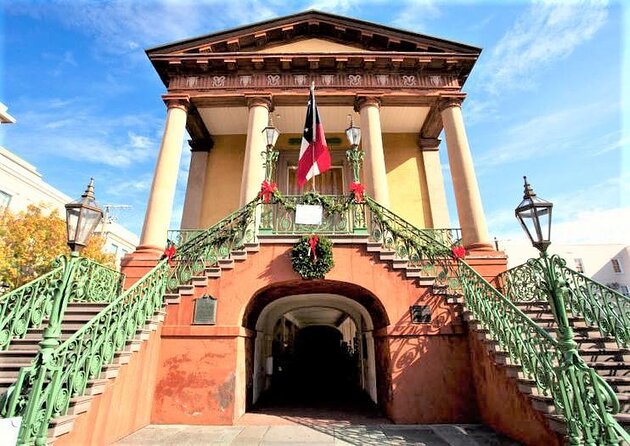
At the Old Exchange & Provost Dungeon, the tour leans into early-1700s pirate history. You’ll hear how piracy and privateering affected Charleston, including what it could mean for diets—through trade patterns, provisioning, and the messy realities of coastal life.
This is one of the stronger history stops because it answers a question food lovers actually have: why would a city’s diet get shaped by ships, raids, and commerce? It ties the maritime world to everyday eating, instead of treating pirates like a separate theme park topic.
A few more Charleston tours and experiences worth a look



Stop 4: Charleston City Market and African Influences
The Charleston City Market is where the tour brings the African influence theme into focus. The guide discusses iconic ingredients introduced to locals and how these ingredients shaped what ends up on Charleston plates over time.
If you like to understand food as ingredients first (not just flavors), this is the stop that gives you a mental checklist. It also pairs well with what you’ll likely taste next, since African-influenced staples often show up in Low Country cooking in recognizable forms.
The Real Payoff: Four Restaurant Stops and Lunch-Size Tastings
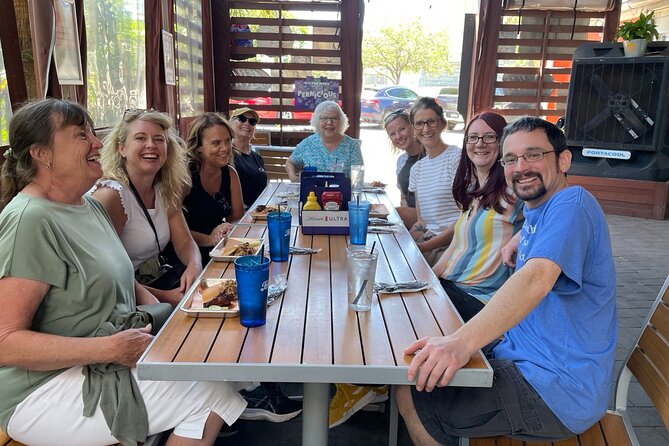
The tour is built around lunch. You get food tastings at four different restaurant stops, and the structure is designed so the quantity adds up to a full lunch, not a handful of bites.
A few commonly mentioned tastings include:
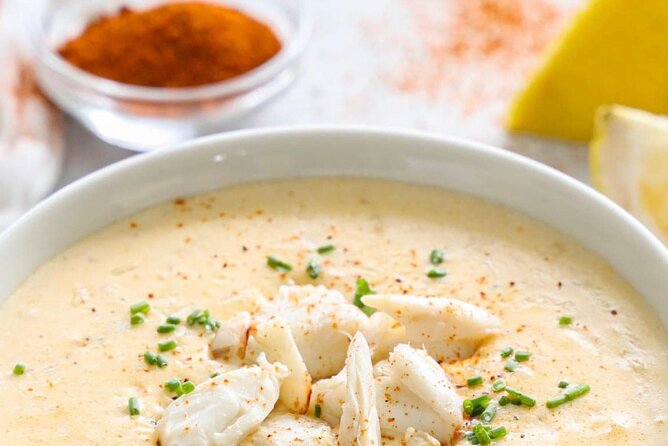
- she-crab soup
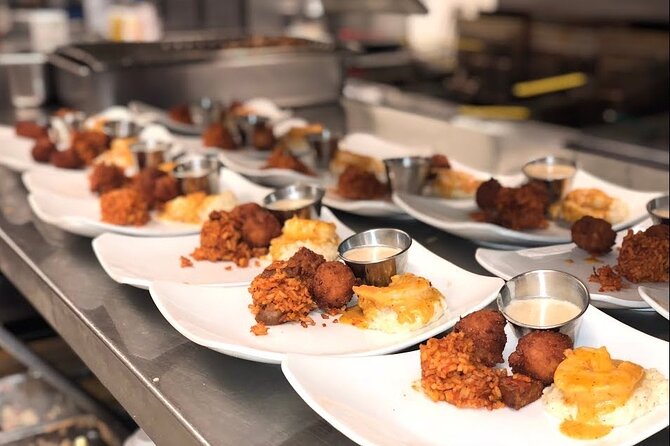
- Carolina gold rice dishes
- rice-based savory offerings like Carolina-style rice preparations and rice jollof
- BBQ-style items such as pulled pork sliders
- dessert (often noted as a highlight)
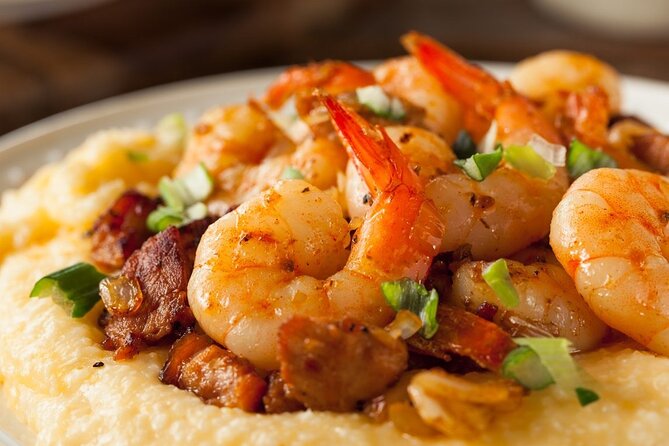
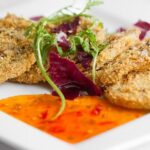
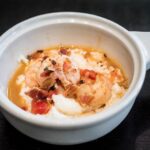
There’s also a mention in the feedback that some people expected shrimp and grits based on tour advertising imagery, but did not receive it. That doesn’t mean the tour is bad—menus can vary—but it’s a useful heads-up if shrimp and grits is your must-have dish.
VIP Access: What You Gain (and What You Might Still Notice)
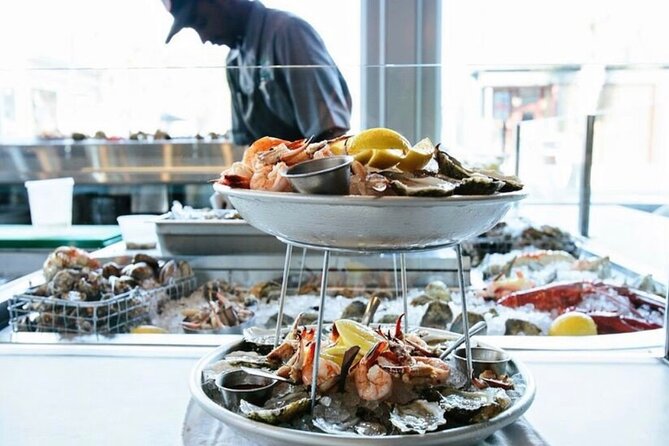
The tour includes VIP access to top restaurants and aims to help you “skip past the lines.” In practice, that’s the difference between losing time to waiting and spending it eating and listening.
Still, expect a trade-off. This is a walking tour with sit-down stops, and the reviews highlight that it can move fast. If you want slow pacing, long conversations at each table, or time to linger with a drink, you may feel a little rushed.
Group Size and the Guide Experience: Small Enough to Matter
With a maximum of 15 people, the tour has a small-group feel. That matters for two reasons.
First, it’s easier to ask questions. If you’re the type who wants to connect a dish to a specific ingredient story, you’ll likely get room to do that.
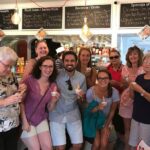
Second, guide energy is part of the product. Names like Paige, Jeff, and Emerson show up in feedback as drivers of the experience—people praised their mix of history and food explanation, plus their personality and ability to answer questions. One strong takeaway from the feedback: the best tours are the ones where the guide makes the stories feel tied to your meal, not dropped in as trivia.
Food Pairing with History: French, African, and Pirate Themes
One of the smartest things about this tour is how it uses three big influence stories, instead of trying to cover everything Charleston ever ate.
Here’s how that plays out for you:
- French influence gives you context for dish styles and culinary preferences that took root locally.
- African influences explain ingredients and cooking approaches that become part of Low Country identity.
- Pirate-era impacts show how Charleston’s food reality could be shaped by maritime activity, trade, and provisioning.
That combo also helps you taste more deliberately. When you’re told why something matters, you’re more likely to notice the flavor patterns and the ingredients you recognize later.
Drinks, Allergies, and What’s Included vs Not
Food tastings are included, and the tour is positioned as lunch. Alcoholic beverages are not included, though you can purchase your own cocktails or drinks at venues if you want.
If you have allergies or dietary needs, the data you provided doesn’t spell out ingredient guidance or accommodation policies. So I’d treat this as a “ask early” situation—email or message before you go and confirm how the tastings will handle your specific concern. With restaurant stops, it’s often possible to flag needs, but you’ll want clarity ahead of time.
Who This Tour Is Best For
This tour is a strong fit if you:
- want a walk + food combo instead of only restaurant hopping
- like your meals with a story tied to place
- enjoy hearing how Charleston’s food identity grew from multiple influences
- want enough food for a real lunch without planning each stop
It’s also a good match for first-time visitors to Charleston’s historic core because the landmarks anchor you quickly.
If you dislike walking, hate group pacing, or need very long sits at restaurants, you might find it less relaxing than you want.
Price and Value: Is $110 Fair for Two and a Half Hours?
At $110 for about 2 hours 30 minutes, you’re paying for a few things at once:
- four sit-down tastings that are meant to add up to lunch
- a guided walk with context you can’t easily piece together on your own
- VIP access to reduce waiting time at higher-demand restaurants
- a small-group format capped at 15 people
If you’ve ever tried to cobble together a lunch across Charleston’s more popular spots, the cost adds up quickly when you order multiple dishes and pay for each meal separately. The value here is less about one single “deal” and more about the bundle: guided context plus a controlled amount of eating that keeps you from over- or under-ordering.
Quick Tips to Get the Most Out of It
Here’s how I’d prepare so the tour feels like a win, not a scramble:
- Eat-ready mindset: this is lunch-sized, so don’t show up starving and then plan to skip items later.
- Comfort first: expect walking between stops and a faster rhythm during tastings.
- Have questions ready: the tour’s history themes (French, African, pirate impacts) are easier to enjoy when you ask what you don’t understand.
- Plan for dessert: it’s repeatedly mentioned as excellent, so save room if you can.
- If shrimp and grits matters to you: ask what dishes are currently on the tasting list before booking.
Should You Book This Charleston Historic Downtown Food Tour?
If you want an efficient way to experience Charleston’s food culture with real context, I’d book it. The biggest wins are the lunch-sized tastings at four restaurant stops, the VIP access to cut waiting time, and the way the guide connects what you’re eating to French, African, and pirate-era influences.
I’d hesitate only if:
- you strongly need a slower pace with lots of savoring and long table time
- your vacation schedule depends on an exact end time
- you have a specific dish you expect to be guaranteed (shrimp and grits is the example that came up)
Bottom line: this tour is best when you treat it as a guided food-and-history sprint with a very satisfying finish.
FAQ
Is this tour a walking tour or mostly restaurant time?
It’s a walking tour through Charleston’s historic district with sit-down food tastings. The total duration is about 2 hours 30 minutes.
How much does the Charleston Historic Downtown Food Tour cost?
The price is $110.
How many food stops are included?
LunchFood tastings are included at 4 different restaurant stops.
Do I need to buy tickets for the landmarks?
The stops listed for Rainbow Row, Pineapple Fountain, Old Exchange & Provost Dungeon, and Charleston City Market have admission tickets marked as free.
Is alcohol included?
No. Alcoholic beverages are not included, but you may purchase drinks at venues if you want.
Are children included, and what about ages 0–6?
Children’s ticket food is not included for ages 0–6.
What are the meeting and ending points?
Start is 195 E Bay St, Charleston, SC 29401, USA, and the tour ends back at the meeting point.
Do I get a ticket on my phone?
Yes, the tour uses a mobile ticket.
How many people are in the group?
The maximum group size is 15 travelers.
What happens if the weather is bad?
This experience requires good weather. If it’s canceled due to poor weather, you’ll be offered a different date or a full refund. Cancellation is free up to 24 hours in advance for a full refund.