REVIEW · CHARLESTON
Tastes Through Time – Charleston’s Best Food & History Tour
Book on Viator →Operated by Best of Charleston Tours · Bookable on Viator
Charleston food with history in every bite. On this Charleston Historic District walking tour with guide Paige, I love the Lowcountry cuisine sampling and the way the stories connect what you eat to the city’s real people and events. You’ll also get a big dose of architecture and place-based history that makes the food feel like a timeline, not just a snack run. The only drawback: it’s built around three restaurant stops, so if you want a long list of places and lots of free-form hanging out, this may feel a bit more history-forward than you expect.
At about 2 hours 10 minutes total with a small group cap (12), it’s a smart way to see more of downtown without turning your day into a maze. Plus, you get a set meal-style sampling plus non-alcoholic drinks, and you can simply order extra alcohol separately if that’s your thing.
One practical note: you’ll be walking a couple blocks at a time, and restaurant timing matters. If you go hungry but impatient, plan to pace yourself and trust the schedule.
In This Review
- Key things that make this tour worth your time
- Charleston’s taste-and-history formula that actually works
- The walk between Church St and East Bay St makes downtown feel smaller
- Stop one: your first restaurant sampling sets the Lowcountry theme
- A heads-up so you don’t feel rushed
- Stop two: the original shopping district story explains how the city ate
- Stop three: the 1680 congregation church and the mysteries in between
- The sweet ending: set dessert that finishes the food arc
- Pricing and value: $94.50 feels fair when you compare the meal plus guidance
- Paige’s storytelling makes the history land, not just sound
- Pacing, portions, and what to do if you’re an extra-hungry eater
- Who should book Tastes Through Time?
- Should you book this tour?
- FAQ
- How long is the Tastes Through Time tour?
- What does the tour cost?
- Where does the tour start and end?
- What food and drinks are included?
- Is alcohol included?
- How many people are in the group?
- Do I need a printed ticket?
- What happens if weather is poor?
Key things that make this tour worth your time
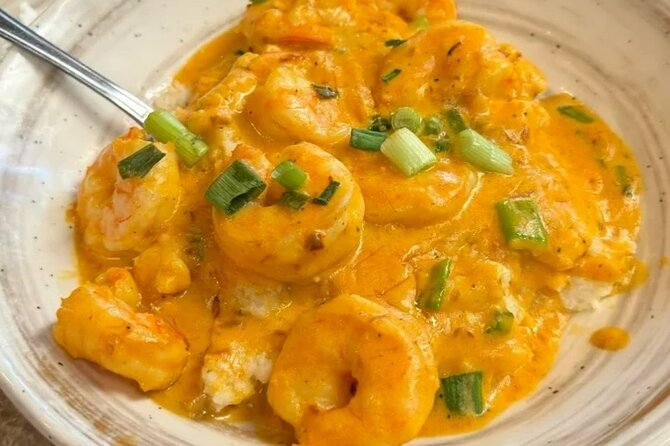
Three tastings designed as a timeline rather than random bites
Paige’s stories link food to Charleston’s culture and origins in a grounded way
Lowcountry non-alcoholic drinks are included so you can focus on savoring
A major church stop (founded by the first congregation in 1680) adds serious context
You end with a set sweet treat that’s meant to finish the arc
Small group size (max 12) makes the walk feel personal, not crowded
Charleston’s taste-and-history formula that actually works
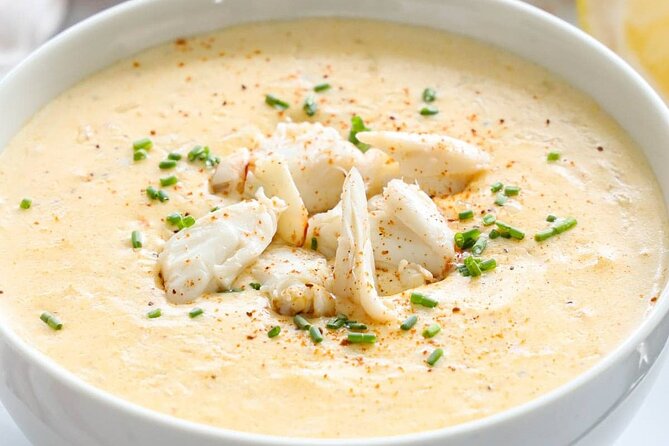
Charleston is the kind of city where you can eat your way through it and still leave feeling like you saw the surface. This tour aims to do something different: connect food to the places that shaped it, with a walking route through downtown that helps you see how the city grew and changed.
The format is straightforward. You stroll between top local restaurants in the Historic District while your guide builds a story around what you’re tasting. Instead of just listing facts, the tour ties details to the origins of Lowcountry cuisine and to the everyday life that food supported—work, trade, religion, and community.
What makes it click is the pairing. You aren’t bouncing between unrelated stops. Each meal sample comes with context, so you understand why a dish exists in Charleston, not just that it’s delicious.
You can also read our reviews of more food & drink experiences in Charleston
The walk between Church St and East Bay St makes downtown feel smaller
Your tour starts at 164 Church St and ends at 184 E Bay St, which is a convenient arc for seeing a lot of downtown in one go. The route keeps you in the Historic District where the streets are compact enough that the whole experience stays easy to follow.
Walking is part of the point here. Charleston’s food story isn’t something you can fully understand sitting still. As you move block to block, you pass the kinds of buildings and church sites that tell you who had power, who served the community, and how the city’s layout supported trade.
If you’ve done a big bus tour before, this feels more human. You get the benefits of a guided overview, but you’re moving at a strolling pace, so it’s easier to notice details and connect them back to the food.
Stop one: your first restaurant sampling sets the Lowcountry theme

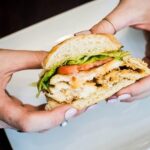
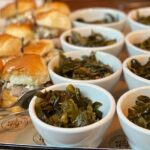
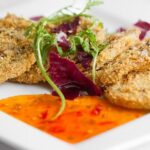
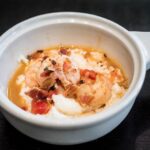
The first portion of the tour is where the tour’s whole idea starts to make sense. You’re taken to one of the restaurants featuring Charleston-style dishes, with enough food that it functions like a real meal rather than a handful of crumbs.
What I like about the way this is structured is that it gives you an anchor. You start with flavors that represent the Lowcountry, and then the guide builds outward—how the city traded, how cultures blended, and why certain cooking styles stuck around.
You’ll also get non-alcoholic drinks included with the dinner-style sampling—water, fountain drinks, and options like tea and lemonade. That matters because it keeps you comfortable while you’re walking and tasting. If you want alcohol, it’s not part of the included package, and you can order it separately at the restaurant.
A heads-up so you don’t feel rushed
Restaurant stops run on clock time. If you show up starving and try to order extra items to stretch the experience, you may find the pace doesn’t allow it. The tour is designed to keep everything flowing smoothly for the whole group.
Stop two: the original shopping district story explains how the city ate
After you’ve tasted, you move into history tied directly to daily life: the story behind Charleston’s original shopping district. This is the kind of information that changes how you look at downtown.
Shopping districts aren’t just for browsing—they’re where supplies moved, where people gathered, and where food arrived. Once you hear the background, it’s easier to understand why certain dishes and ingredients became part of Charleston’s identity.
This stop also works well if you’re a history person who worries food tours can be light on context. Here, you get the sense that the city’s commercial life helped shape what ended up on plates. Food becomes a clue.
And because the tour keeps you moving, you’re not stuck listening while standing still. The history lands better when you’re also visually taking in the buildings around you.
A few more Charleston tours and experiences worth a look



Stop three: the 1680 congregation church and the mysteries in between
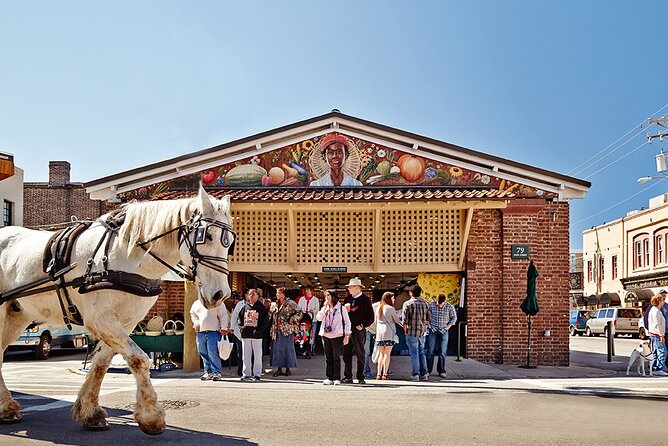
The tour’s final anchor is one of the city’s most majestic churches, tied to the first congregation in the city established in 1680. Even if you’re not a church architecture superfan, this stop is a turning point because it puts Charleston’s early timeline into a human story.
The guide doesn’t just point at what’s impressive. The explanation connects the church to the city’s earliest community life and to the broader flow of history that influenced everything from foodways to social structure.
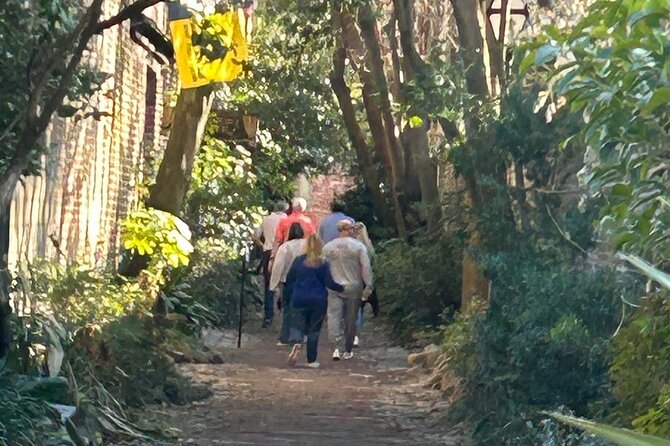
Right around this area, you also hear about an enchanting passageway and the mysteries it holds—stories that help you understand Charleston’s downtown layout as something crafted by generations, not just a backdrop for photos.
The sweet ending: set dessert that finishes the food arc
At the end of the tastings, you get a sweet treat included. It’s not an optional add-on or a random choice; it’s part of the tour’s built-in flow.
This matters because many food tours leave you too full and too late. Here, dessert is positioned as a closing beat. If you’re ready for it, great. If you’re running out of room, you still get a proper finish to the experience.
Some people also mention a cookie as part of the final touch, which tells you the tour is aiming for a comfortable Lowcountry-style sendoff rather than something too delicate to enjoy on a walking schedule.
Pricing and value: $94.50 feels fair when you compare the meal plus guidance
At $94.50 per person for about 2 hours 10 minutes, you’re not paying for unlimited sampling or a long list of stops. You’re paying for three curated restaurant tastings plus an expert, native guide walking you through history and architecture.
Here’s how I think about the value:
- Three restaurants with meaningful portions means you’re not just tasting. You leave full, and for a lot of people that reduces the need to find dinner right after.
- Non-alcoholic drinks are included (water, fountain drinks, tea, lemonade), which is often where food tours quietly add hidden costs.
- A guide who ties food history to the places you’re standing in adds something you can’t easily replicate on your own without doing extra research.
Is it for people who want six stops and maximum variety? Not really. But if you want a focused food-and-history experience that ends with sweet and strong context, the price lands in a reasonable place.
Paige’s storytelling makes the history land, not just sound
One of the most consistent praise points is the way Paige tells the story. You can hear pride in Charleston in how the guide frames the city, and you feel it in the balance between facts and tone.
What stands out is how the food history is explained through cultural blending—especially the role of West African enslaved people’s culture, now commonly referred to as Gullah Geechee. This isn’t treated like a footnote. The guide connects that culture to what people consider Lowcountry and Southern cuisine, including the idea that the region’s food identity has deep roots in creole American history.
The result is that the tour doesn’t just feel like trivia. It feels like understanding. And it helps that Paige brings humor into it, which keeps the walk from turning into a lecture marathon.
If you’re the type who wants to learn a couple of things you can repeat later—without feeling like you sat through a long school lesson—this guide style fits.
Pacing, portions, and what to do if you’re an extra-hungry eater
Food tours can fail in two ways: too little food or too many stops that rush everyone. This one aims to solve both by keeping the plan tight and meal-like.
Many participants mention leaving full rather than snack-sated, and that’s a real win. You can plan your day knowing you’ll likely cover most of your calories for dinner. Just keep in mind that you’re tasting during restaurant hours that won’t match your usual dinner rhythm.
Also, pack the right expectations for ordering. The tour operates on restaurant rules and schedule timing, so it’s not set up for building your own custom tasting by ordering extra items mid-stop. If you want to shop for extra food, you’ll have a better time doing that after the tour finishes.
Who should book Tastes Through Time?
This tour is a great fit if you want:
- a Charleston Historic District walking experience that’s more than looking at buildings
- a food tour where dishes come with actual context about how Charleston developed
- a small-group outing that doesn’t sprawl into a full-day project
- a combination of Lowcountry tastes, architecture, and cultural history
It’s less ideal if you want a maximum number of restaurant stops, or if your top priority is tasting lots of different menu items with no history emphasis. This is built as food with strong history and architecture woven in.
Should you book this tour?
I’d book it if you like the idea of spending your evening learning why Charleston food tastes the way it does, while you’re actively walking through the city that shaped it. The setup is compact and focused, and the included meal-style tastings plus non-alcoholic drinks make it feel practical rather than pricey on paper.
Skip it only if you’re chasing a tour that acts like a restaurant crawl with lots of stops and lots of free choice. Here, the value comes from the story connecting the tastings—especially with Paige’s style and the way the Gullah Geechee connection is explained.
If your goal is to leave Charleston with a real sense of the city’s food origins, not just a list of where you ate, this one is an easy yes.
FAQ
How long is the Tastes Through Time tour?
It lasts about 2 hours 10 minutes.
What does the tour cost?
The price is $94.50 per person.
Where does the tour start and end?
It starts at 164 Church St, Charleston, SC 29401 and ends at 184 E Bay St, Charleston, SC 29401.
What food and drinks are included?
Dinner-style Charleston cuisine samples are included, along with water, fountain drinks, tea, and lemonade.
Is alcohol included?
No. Alcohol or specialty beverages are not included, though you can order alcohol separately for an additional charge.
How many people are in the group?
The tour has a maximum of 12 travelers.
Do I need a printed ticket?
No. You’ll receive a mobile ticket.
What happens if weather is poor?
The tour requires good weather. If it’s canceled due to poor weather, you’ll be offered a different date or a full refund.