REVIEW · CINCINNATI
Cincinnati Brewing & Distilling Tasting Tour
Book on Viator →Operated by Brewing Heritage Trail · Bookable on Viator
Cincinnati’s beer story is hiding underground. This small-group tasting route keeps you learning as you move through two major Cincinnati stops, with mostly indoor visits and plenty of time to ask questions. Expect mobile ticket convenience, plus samples from the city’s modern craft scene and the older pre-Prohibition buildings that still shape the experience.
I like how Northern Row mixes process talk with a real tasting payoff. You get a behind-the-scenes look at their distilling operations, then a spirit tasting in their taproom, so the story ends with something you can actually compare. I also love the stop at Rhinegeist, where you wrap up with a flight of their winter beers after a behind-the-scenes tour of how they produce beer.
One thing to keep in mind: the pacing can be a factor for some people. A past group feedback noted the tour felt more like a lecture and ran longer than expected, and Rhinegeist can also be loud in the tasting area, which may affect how easy it is to hear the guide.
In This Review
- Key things I’d plan around
- A 2.5-Hour Cincinnati Beer and Spirits Route That Mostly Stays Indoors
- Stop 1 at Northern Row: Pre-Prohibition Fermentation House to Spirit Tasting
- Stop 2 at Rhinegeist: Behind-the-Scenes Brewery Tour and a Winter Beer Flight
- Small-Group Dynamics: What It Means for Your Questions and Pace
- What You’re Actually Getting for $59: Value Beyond the Tastings
- Weather, Comfort, and How to Prepare
- Who This Tour Suits Best (And Who Might Want a Different Style)
- Should You Book the Cincinnati Brewing & Distilling Tasting Tour?
- FAQ
- How long is the Cincinnati Brewing & Distilling tasting tour?
- What’s the price per person?
- Where does the tour start and end?
- Is the tour mostly indoors?
- How many people are in the group?
- What tastings are included?
- Do I need to print a ticket?
- Are service animals allowed?
- What’s the cancellation policy?
- How far in advance is it commonly booked?
Key things I’d plan around
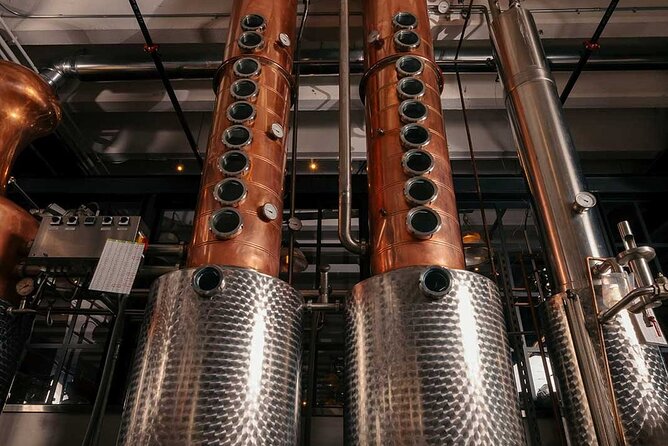
- Northern Row distilling tour plus a spirit tasting right in their taproom
- Rhinegeist behind-the-scenes and a winter beer flight to finish strong
- Max 15 travelers, so you can actually ask follow-up questions
- Mostly indoor stops, but plan for some stairs and uneven terrain
- Pre-Prohibition buildings explain why Cincinnati’s fermentation and brewing rooms mattered
A 2.5-Hour Cincinnati Beer and Spirits Route That Mostly Stays Indoors
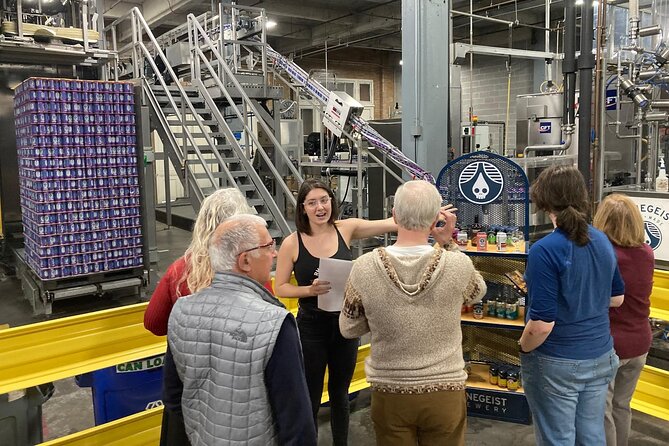
This tour is built for a simple goal: understand Cincinnati brewing and distilling, then taste the results. At 2 hours 30 minutes (approx.), it’s long enough to learn what’s different between breweries and distilleries, but not so long that you’ll feel like you’re trapped in a classroom all day.
The best practical perk is that it’s mostly indoors. Cincinnati weather can swing fast, but your big moments happen inside fermentation and production spaces, plus tasting rooms. That also means the tour is a solid pick even if you’re the type who hates gambling on outdoor time.
Since the group caps at 15 travelers, the guide can keep the energy moving. You’re not just waiting your turn to take a sip while someone else asks the questions. The structure also helps you compare what you’re learning at Stop 1 versus Stop 2, because they’re both tied to pre-Prohibition-era structures—just used for different ends today.
One logistics detail I appreciate: the tour starts at 111 W McMicken Ave and ends at 1910 Elm St, about a block away from where you began. That keeps the walking simple at the end, which matters if you’re doing tastings and want an easy finish.
You can also read our reviews of more food & drink experiences in Cincinnati


Stop 1 at Northern Row: Pre-Prohibition Fermentation House to Spirit Tasting
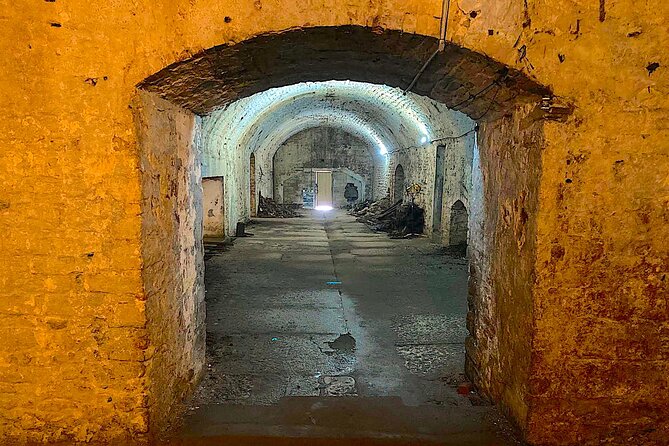
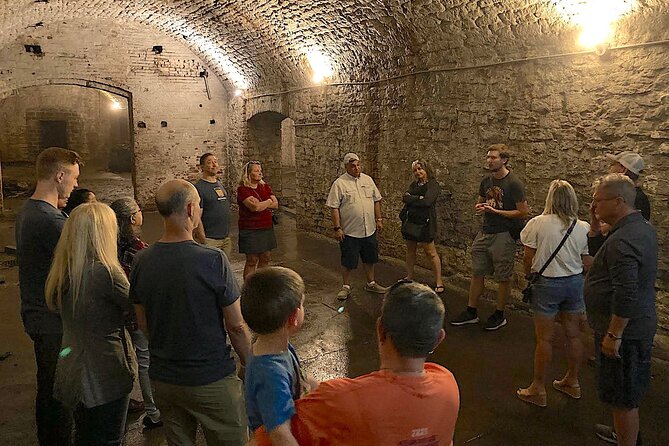
Northern Row is where the tour starts sharpening your sense of place. You begin by learning about the history of the pre-Prohibition fermentation house where the brewery and distillery is located. That framing matters because Cincinnati’s brewing identity didn’t happen in a vacuum—it formed in buildings and systems designed for fermentation and production long before modern craft culture arrived.
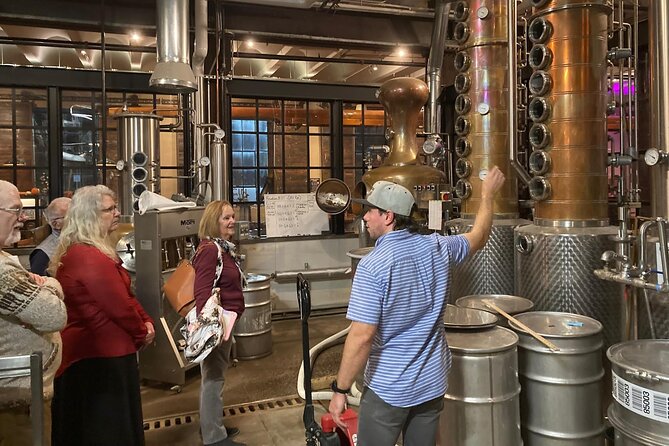
Then you shift from story to process. The stop includes a behind-the-scenes look at their distilling operations. Even if you’re not a total spirits nerd, you’ll likely come away with a clearer picture of how distilling fits into the broader beer-and-spirits culture of the city.
The experience ends with a spirit tasting in their taproom, which is where the learning becomes personal. Instead of just hearing terms, you can compare flavors and textures across spirits you’re tasting. If you care about how production choices affect what ends up in your glass, this is the part that gives you the most direct feedback loop.
Comfort tip before you go: the tour can include stairs and uneven terrain. Plan for that at least once during the Northern Row portion, since production environments often need access where the building allows it. Comfortable shoes beat fashion here.
Stop 2 at Rhinegeist: Behind-the-Scenes Brewery Tour and a Winter Beer Flight
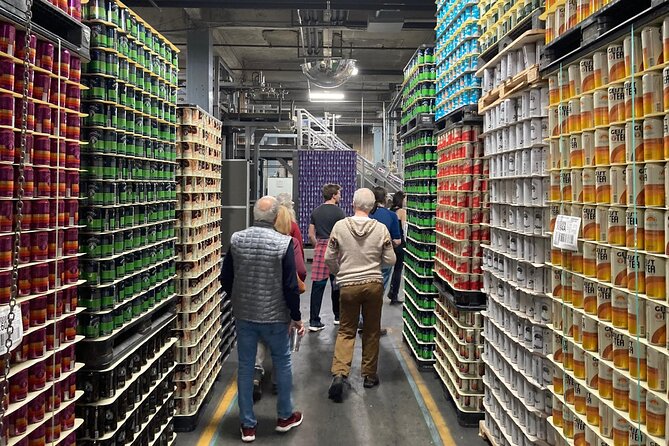
Rhinegeist is your second learning chapter, and it’s designed to connect beer making to the city’s older structures. You’ll take a behind-the-scenes tour to understand how Rhinegeist produces their beer, then hear history about the pre-Prohibition structure that houses their operations and taproom.
This stop is also the finish line for tastings: you end with a flight of their winter beers. A flight is ideal on a tour like this because it lets you sample multiple styles without committing to a full pint of something that isn’t your thing. Winter beers also tend to give a nice range—spice and malt-forward profiles are common—so you’ll likely find at least one pour you want to remember.
Here’s the one caution I’d flag. Some people may find the tasting area loud, which can make it harder to hear the guide while you’re trying to taste. If you’re the type who likes quiet when you sample new flavors, you might want to slow down your tasting and focus on listening only when the guide pauses for questions.
Small-Group Dynamics: What It Means for Your Questions and Pace
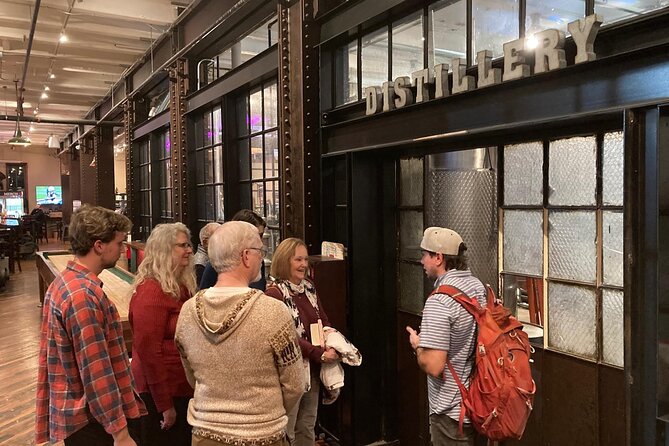
With a maximum of 15 travelers, you’re entering a different kind of beer tour than the big-bus style. You’ll be able to ask more targeted questions because the group isn’t so large that every person becomes a separate event.
In the best versions of this tour, guides bring a mix of history, production basics, and humor without turning it into a rigid script. If your guide is someone like Lisa, Brian, Alex, Laura, or Jim (names tied to past tours), you’ll likely notice they focus on making the story understandable and enjoyable while still packing in details about brewing, distilling, and Cincinnati’s buildings.
That said, pacing is the one wild card. Feedback from a past group suggested the tour ran long and felt more lecture-like, with standing around and extended explanations. If you’re sensitive to that, set your expectations for a learning-first format and come ready with a few questions you want answered fast, like:
- How does distilling differ from brewing in the production flow?
- What features of the pre-Prohibition buildings still matter today?
- What should I pay attention to when comparing the spirits and the beer flight?
You’ll get more from the experience if you treat it like a Q-and-A with sampling, not like a passive show.
What You’re Actually Getting for $59: Value Beyond the Tastings
At $59 per person, this isn’t a $20 casual stop-and-sip. But it also isn’t just paying for alcohol. You’re paying for two guided behind-the-scenes experiences, guided context about why the buildings and methods matter, and structured tastings at both stops.
Here’s why that can be good value:
- Two major Cincinnati stops in one outing means you’re not spending your time coordinating separately.
- Both locations include behind-the-scenes production tours, not just tasting-room chatter.
- You end with tastings at both ends: spirits at Northern Row, then a winter beer flight at Rhinegeist.
- The small-group limit (15) helps the guide spend time with your questions instead of rushing everyone through.
Could you do this on your own for less? Possibly. But the advantage of a guided format is that you’ll get the why behind what you’re seeing. If you want the stories of the pre-Prohibition fermentation and brewery structures tied directly to today’s production, this tour format is the shortcut.
Also, the tour is popular enough that it’s often booked ahead. On average, it’s scheduled about 21 days in advance, so if you’re traveling in peak season, it’s smart to lock it in early.
Weather, Comfort, and How to Prepare
The tour highlight is that it’s mostly indoors, which lowers your odds of getting derailed by rain. Still, the provider notes that the experience requires good weather. That means if weather turns truly ugly, the operator may offer a different date or a refund.
Your best preparation is practical:
- Wear comfortable shoes for stairs and uneven terrain.
- If you’re sensitive to loud rooms, plan to pace your tasting and step back when you need a quieter moment.
- Bring a phone and charging power for maps and reminders since the stops are in specific addresses.
If you’re curious and not in a rush, you’ll enjoy this more. The format is built to help you make sense of what you’re tasting as you go.
Who This Tour Suits Best (And Who Might Want a Different Style)
This tour fits best if you like a mix of history and production—and you want it paired with samples. It’s especially good for:
- Couples who want an easy half-day activity in a walkable area with tastings at two stops
- Friends who like learning something new without turning it into a seminar
- History-minded drinkers who care about why pre-Prohibition-era buildings still matter
- People who enjoy spirits as well as beer (Northern Row is the spirits-forward stop)
It may be less ideal if:
- You hate long explanations and prefer pure tasting with minimal talking
- You get frustrated in loud environments during tasting
- You’re worried about pacing and want everything kept strictly on time
If you fall into the second group, I’d still consider booking if you’re mainly there for the behind-the-scenes and tastings, but go in knowing the tour has a learning component.
Should You Book the Cincinnati Brewing & Distilling Tasting Tour?
I think you should book if you want a structured, guided way to experience Cincinnati’s brewing and distilling side-by-side. For $59, you’re buying two behind-the-scenes tours plus tastings that give you something to compare immediately—spirits at Northern Row and a winter beer flight at Rhinegeist.
I’d book sooner rather than later if you want a specific day, since the tour is commonly reserved around three weeks out. And if you’re planning around comfort, expect mostly indoor time but bring shoes for stairs and uneven surfaces.
If you’re very sensitive to a lecture-style pace, you might want to arrive with a clear set of questions and be ready to ask them early, so you don’t lose the best parts of the tour to waiting.
FAQ
How long is the Cincinnati Brewing & Distilling tasting tour?
It runs about 2 hours 30 minutes (approx.).
What’s the price per person?
The price is $59.00 per person.
Where does the tour start and end?
It starts at 111 W McMicken Ave, Cincinnati, OH 45202 and ends at 1910 Elm St, Cincinnati, OH 45202, about one block from the start.
Is the tour mostly indoors?
Yes. It’s described as mostly indoors, so weather is less likely to disrupt your visit.
How many people are in the group?
The tour has a maximum of 15 travelers.
What tastings are included?
You’ll have a spirit tasting at Northern Row and a winter beer flight at Rhinegeist.
Do I need to print a ticket?
No. The tour uses a mobile ticket.
Are service animals allowed?
Yes, service animals are allowed.
What’s the cancellation policy?
You can cancel for a full refund up to 24 hours in advance of the experience start time.
How far in advance is it commonly booked?
On average, it’s booked about 21 days in advance.