REVIEW · CINCINNATI
Ethnic Food Tour in Over the Rhine with Riverside Food Tours
Book on Viator →Operated by Riverside Food Tours LLC · Bookable on Viator
Food in Over-the-Rhine teaches faster than guidebooks. On Riverside Food Tours’ Ethnic Food Tour, you walk through Cincinnati’s German roots and later waves of immigration, all while sampling foods from different corners of the city. I especially like that the story focus is practical: you learn what you’re looking at, not just what happened long ago.
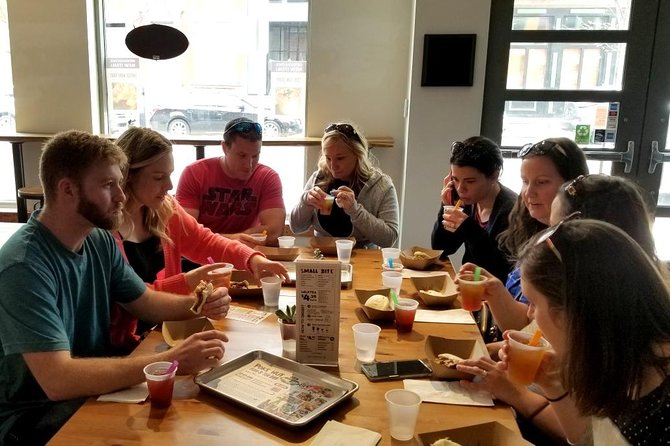
Two things I really love. First, the small-group feel, with a cap listed as 8 and also a maximum of 12 on the activity info, keeps the pace friendly and lets you ask questions without being lost in a crowd. Second, the food is not a token bite parade: you get a meal-sized mix of tastes, including steamed buns with pork BBQ, bubble tea, okonomiyaki, tacos, Lebanese pitas, and French macarons.
One possible drawback to plan around: the tour does not offer gluten-free, vegan, lactose-free, or many other dietary swaps, and it cannot accommodate nut and allergy restrictions. If that affects you, you’ll want to check with the operator before booking, even if you see a vegetarian option listed.
In This Review
- Key takeaways before you go
- What $99 buys on this 3-hour Cincinnati food walk
- How the small-group pace makes the Over-the-Rhine route easier
- Stop 1: Washington Park, a Victorian park with cemetery roots
- Stop 2: Cincinnati Music Hall and why German immigrants left fingerprints
- Stop 3: Over-the-Rhine on foot, from past German stories to today’s eats
- Stop 4: Central Parkway, the 1907 plan that still shapes the streets
- Stop 5: ArtWorks Creative Campus and murals as neighborhood memory
- Finish: streetcar map time, so you can keep exploring
- The food lineup: what you’ll sample and what to expect
- What to listen for from your guide (Jackie and Laura stand out)
- Who should book this Over-the-Rhine ethnic food tour
- Should you book Riverside Food Tours in Over-the-Rhine?
- FAQ
- How long is the Ethnic Food Tour in Over-the-Rhine?
- How much walking is involved?
- What food is included in the tour price?
- Is there a vegetarian option?
- Can you accommodate allergies or gluten-free/vegan diets?
- Where does the tour start and end?
Key takeaways before you go
- A true small-group walk with a cap listed as 8 (and a maximum of 12 on the activity info)
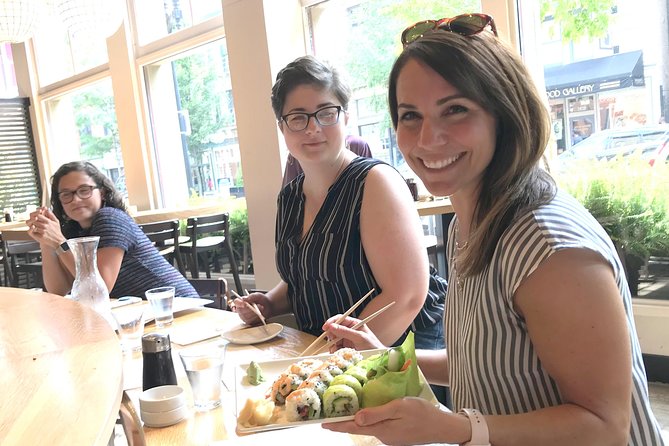
- Food samples that add up to a satisfying lunch feel, not scattered nibbles
- History you can spot in parks, architecture, and murals, with guides like Jackie and Laura praised for bringing it to life
- Over-the-Rhine first-timer friendly: easy way to understand why the neighborhood looks the way it does
- Built-in city-planning help: you get a Cincinnati streetcar map and tips for using the free streetcar
What $99 buys on this 3-hour Cincinnati food walk
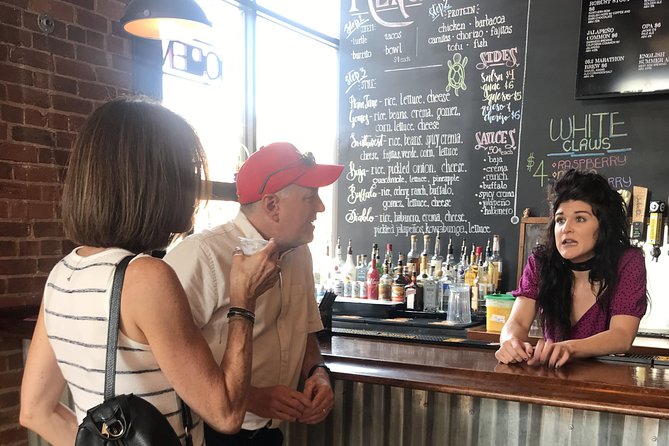
At $99 per person for about 3 hours, this tour prices like a “meals + guide + guided neighborhood context” deal. And that’s exactly what you’re getting: lunch-style samples spread across multiple stops, plus a local professional guide who connects the food to the neighborhood story.
The value gets even better when you realize you’re not only walking to eat. Stops include Washington Park, Cincinnati Music Hall area context, major parkway history, and an outdoor mural campus, so the guide is constantly translating what you see into why it matters. You’re paying for time with a person who can point to details you’d otherwise miss.
The one caution: drinks are extra. If you like to pair a tasting tour with beverages, budget for additional purchases so you’re not surprised later.
You can also read our reviews of more food & drink experiences in Cincinnati
How the small-group pace makes the Over-the-Rhine route easier
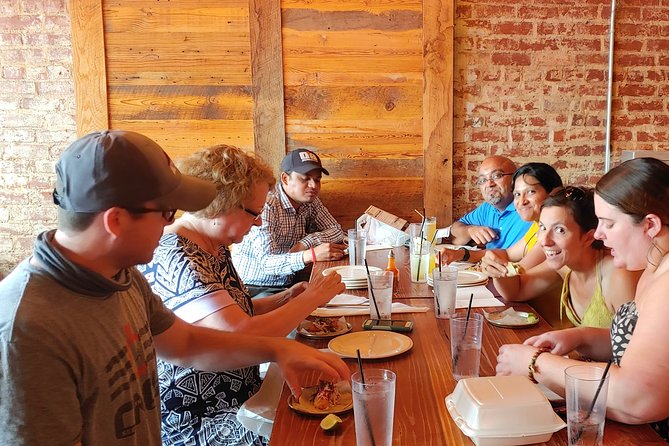
This is a walk-and-talk tour, with about 45–60 minutes of walking spread across the full 3-hour experience. That matters because you’ll actually have time to listen, look at buildings and murals, and move at a human pace.
You’ll also feel less like a spectator because the group size stays small. Several guides are praised for organization and getting everyone settled quickly, including Jackie and Laura, with one review noting the tour had no waiting on anything and another praising Jackie’s early outreach with details.
Practical tip: wear shoes you’d use for a city day. Even with only about an hour of walking, you’ll cover enough ground that comfort matters.
Stop 1: Washington Park, a Victorian park with cemetery roots
You start at Washington Park at 1230 Elm St in Over-the-Rhine. This scenic 8-acre park has a history you can literally feel: it was originally built as cemeteries, then the city acquired it in the mid-1800s and turned it into a Victorian park.
Today, it’s an event magnet, hosting over 300 events each year, including live music, public markets, outdoor fitness classes, and kids’ activities. That’s a big part of why this stop works on a food tour: you get a feel for the neighborhood as a place that keeps getting reinvented, not just a museum set.
What to watch for: the park’s layout and older design elements. The guide will frame them so they make sense later when you see how Over-the-Rhine neighborhoods were built and rebuilt.
Stop 2: Cincinnati Music Hall and why German immigrants left fingerprints
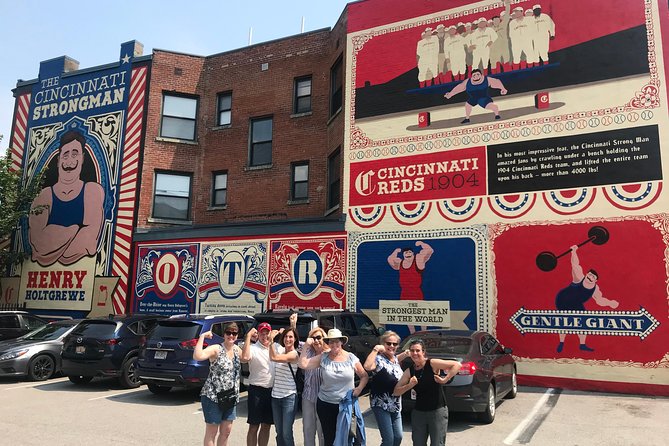
Next up is Cincinnati Music Hall, built in the mid-1800s by German immigrants. The building is known for a haunted past, and it also functions as a major performance home for the Cincinnati Ballet, Cincinnati Symphony Orchestra, Cincinnati Opera, May Festival Chorus, and the Cincinnati Pops Orchestra.
Even if you’re not going to a show, this stop adds a useful layer. It shows how immigrant communities didn’t only bring recipes—they also shaped institutions, art, and public life. And that helps you understand why the neighborhood’s food culture keeps changing while still staying rooted.
Downside to keep in mind: the stop is short, about 10 minutes. You won’t get a deep interior tour here, so expect this to be more of an orientation stop than a full attraction visit.
Stop 3: Over-the-Rhine on foot, from past German stories to today’s eats
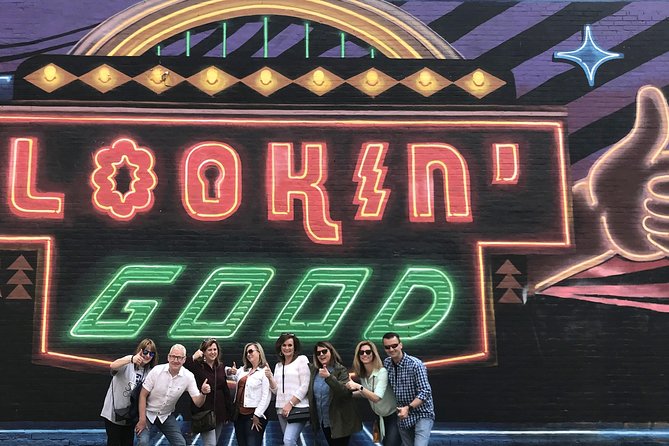
This is the heart of the experience: a stroll through Over-the-Rhine where you pass local shops and restaurants while hearing stories about German immigrants. It’s the part of the tour that turns the neighborhood into a storyline you can follow.
If you’ve ever walked through a district and felt like you needed captions, this is where you’ll get them. The guide’s job is to connect street-level details—what’s around, what’s nearby, how the area developed—to the kinds of food traditions you’ll be tasting.
One thing I like about this setup: it helps you stop seeing the neighborhood as just scenery. You start viewing it as a living mix of cultures, businesses, and changing city planning decisions.
Stop 4: Central Parkway, the 1907 plan that still shapes the streets
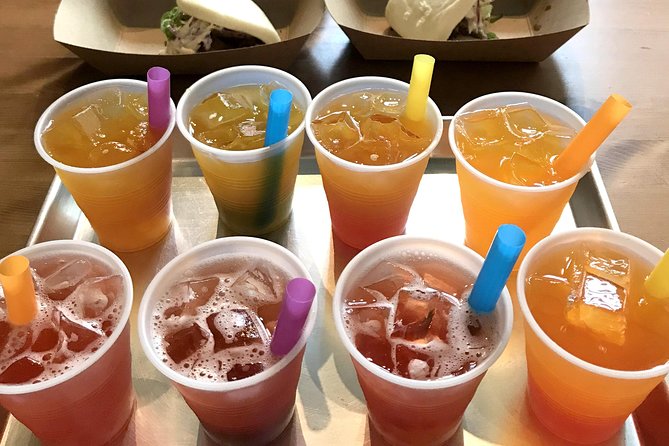
You’ll also pass Central Parkway, one of Cincinnati’s major parkways in the citywide network envisioned in the 1907 park plan by George Kessler. This parkway traces the former route of the old Miami & Erie Canal, which is a neat reminder that cities reuse corridors over and over.
Here’s the part that makes the story stick: the parkway was developed alongside a planned rapid transit railway, with an idea to run it in a tunnel carved from the old canal bed. The subway was abandoned mid-construction, so you get a visible trace of what never fully happened.
Why this matters on a food tour: it explains why neighborhoods like Over-the-Rhine grew in certain ways and why movement through the city shaped where businesses took root.
Stop 5: ArtWorks Creative Campus and murals as neighborhood memory
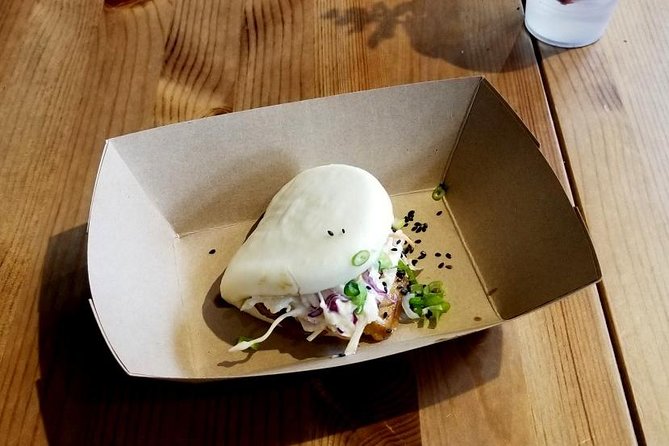
Cincinnati is known for murals, and this stop helps you read them. ArtWorks Creative Campus is where your guide points out colorful outdoor murals with distinct stories, tied to the city’s residents, places, and moments.
I like mural stops on food tours because they don’t require you to be an art expert. The guide provides the context, so you can connect the visuals to the human side of the area.
What you get out of this stop is perspective. Instead of treating murals as decoration, you see them as public storytelling. That makes the neighborhood feel more understandable—and it also gives you ideas for what to look for later on your own.
Finish: streetcar map time, so you can keep exploring
The tour ends back at the meeting point, and before you wrap, you get help for the rest of your day. Even though you’re walking, you’ll receive a streetcar map and tips for using the free Cincinnati Streetcar if you want to go further after the tasting portion.
This is a smart addition for visitors. You’ll learn the immediate area, then leave with a simple way to expand your reach without locking yourself into taxis or expensive rides.
If you’re staying in town for more than a day, this is also how you turn the tour into a jumping-off point instead of a one-and-done activity.
The food lineup: what you’ll sample and what to expect
The included food portion is the reason you book. Lunch-style sampling covers multiple cuisines, and it’s designed so you leave satisfied.
Here’s what’s included:
- Steamed buns with pork BBQ
- Bubble tea
- Okonomiyaki
- Tacos
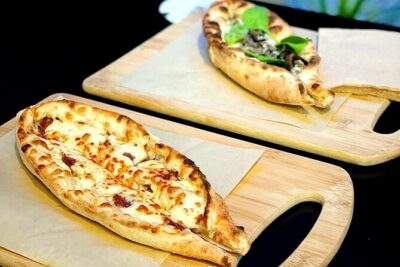
- Lebanese pitas
- French macarons
If you like comparing flavors and textures, you’ll enjoy the range. You’ll move from savory handheld items to something warm and griddled (okonomiyaki), then finish with sweet and crisp French macarons.
Watch-outs that affect your experience:
- Drinks aren’t included, so you may want water on hand and plan for added beverage purchases.
- The tour cannot accommodate nut and food allergies, and it also does not accommodate low carb, diabetes, gluten free, vegan, or lactose free restrictions.
- A vegetarian option is available if you advise at booking, but the details of what changes aren’t listed here, so confirm specifics if you’re vegetarian and also have other dietary needs.
What to listen for from your guide (Jackie and Laura stand out)
Guides make or break a food tour, and this one earns its reputation through storytelling. Reviews consistently highlight Jackie as a standout, with praise for being personable, organized, and energetic, plus sharing history that makes Cincinnati feel real. Laura also appears in reviews as a guide who connects local history and characters to what you see as you walk.
You’ll get more than a generic lecture. The tour is built around overlooked history of the area and how it connects to food culture, architecture, and public spaces.
Practical tip: ask questions when your guide pauses at a stop. This is the easiest time to make the story stick, because you’ll be standing in front of the actual cues.
Who should book this Over-the-Rhine ethnic food tour
This tour is best for people who want:
- A small-group way to understand Over-the-Rhine
- A history-and-food combo that helps you read the neighborhood later
- A lunch that uses tasting variety instead of one single dish
It’s also a great fit for first-time Cincinnati visitors who want a guided route with easy follow-up. Even some people who live in Cincinnati have said it’s a strong way to get reacquainted with the neighborhood and understand newer downtown development.
You should reconsider if:
- You need gluten-free, vegan, lactose-free, or very specific dietary accommodations
- You have nut allergies or other allergies that require strict avoidance
Should you book Riverside Food Tours in Over-the-Rhine?
Yes, if you’re excited by a neighborhood walk where food samples come with clear context—and you want to spend a half-day in Over-the-Rhine without doing heavy planning yourself. The price feels fair because you’re not just paying for tastings; you’re paying for a guide who connects parks, music venues, street corridors, and murals to the story of Cincinnati.
I’d book sooner rather than later if you’re traveling during a busy season, since the tour is often booked about a month in advance. And if you’re vegetarian, flag it at booking early so you can get the option you need.
If your diet is restricted beyond what’s listed here, double-check before you go. This tour is fun, but the lineup is set, and the restrictions it can’t handle are worth taking seriously.
FAQ
How long is the Ethnic Food Tour in Over-the-Rhine?
It runs for about 3 hours.
How much walking is involved?
There’s about 45–60 minutes of walking during the 3-hour experience.
What food is included in the tour price?
Included tastings cover steamed buns with pork BBQ, bubble tea, okonomiyaki, tacos, Lebanese pitas, and French macarons.
Is there a vegetarian option?
Yes. A vegetarian option is available if you advise at the time of booking.
Can you accommodate allergies or gluten-free/vegan diets?
No. The tour cannot accommodate nut, food allergies, low carb, diabetes, gluten free, vegan, or lactose free restrictions.
Where does the tour start and end?
The tour starts at Washington Park, 1230 Elm St, Cincinnati, OH 45202, and it ends back at the meeting point.