REVIEW · BOSTON
Devour Boston: North End Guided Food Tour & Market Visit
Book on Viator →Operated by Devour USA Food Tours · Bookable on Viator
Eight bites can change your whole day. This guided walk threads the Freedom Trail through food stops that actually taste like Boston’s story, not just its menu. I love the combo of at least eight tastings with historic landmarks, and I also like that the group is capped at 12 for real back-and-forth with the guide. The main drawback to plan for is simple: it’s very seafood-forward, and the tour notes limited substitutions if you avoid certain items.
For me, the best part is how quickly you go from shopping for ingredients to sitting down at places that have been serving Boston classics for generations. I especially like that the pacing mixes markets, an old-school institution like Union Oyster House, and the North End’s Italian-food rhythm—so you’re not stuck in one kind of meal all day. Just keep in mind it is not designed for vegan, vegetarian, or gluten-free diets, so you’ll want to check fit before you commit.
In This Review
- What This Tour Costs, and Why It’s Not Just Eating
- Entering Boston Public Market: Apple Cider Donuts and a Strange Little History Snack
- Freedom Trail as the Walking Backbone: History Without a Museum Ticket
- Union Oyster House Since 1826: The Booth, the Clam Chowder, and Oysters
- Crossing Into the North End: Italian Boston, Tight Streets, Real Flavor Logic
- Pauli’s Lobster Rolls: The Boston Classic You’ll Want to Eat Fresh
- Polcari’s Coffee in the 1930s Style: Old-School Italian Past Hits
- Caffè Paradiso Cannoli Finale: A Sweet End That Actually Works
- What the Guide Factor Really Does (Sarah, Debra, Elizabeth, and the Rest)
- Walking Time and Pace: How to Enjoy 3 Hours Without Feeling Frantic
- Food Reality Check: Seafood-Focused, Not for Every Diet
- Where This Route Really Shines in a Boston Trip
- Should You Book Devour Boston: North End Guided Food Tour & Market Visit?
What This Tour Costs, and Why It’s Not Just Eating
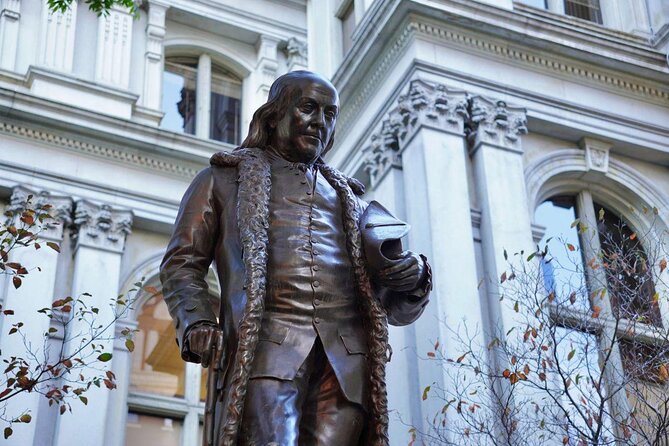
At $109 per person for about 3 hours, this is the kind of tour that pays you back in three ways: portion value, local guidance, and convenience.
First, you’re not doing “snack tourism.” The tour is set up with 5+ tasting stops and 6+ tastings, described as enough food for a full lunch. That matters because Boston can be pricey when you’re eating one item at a time and then hunting for a meal later.
Second, you’re paying for a guide who connects food to place. The route isn’t random: it starts in market land, walks through key history, and lands you in neighborhoods where the food styles make sense. When you hear why clam chowder belongs in Boston or why lobster rolls have become the shorthand for summer, the tasting hits harder.
Third, you get structure. A walking food tour like this removes the guesswork of finding which stalls are worth your time and which “famous” places are tourist traps. Here, you’re moving through well-chosen stops on a planned timeline.
One practical note: it’s a small-group tour (maximum 12 people). That’s a big deal in a city where most food tours run tight quarters. You should expect more questions answered, more attention per person, and fewer moments of feeling lost.
Entering Boston Public Market: Apple Cider Donuts and a Strange Little History Snack
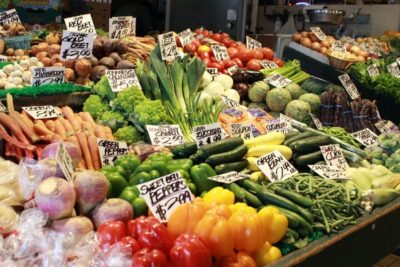
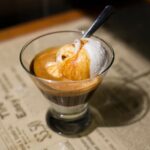
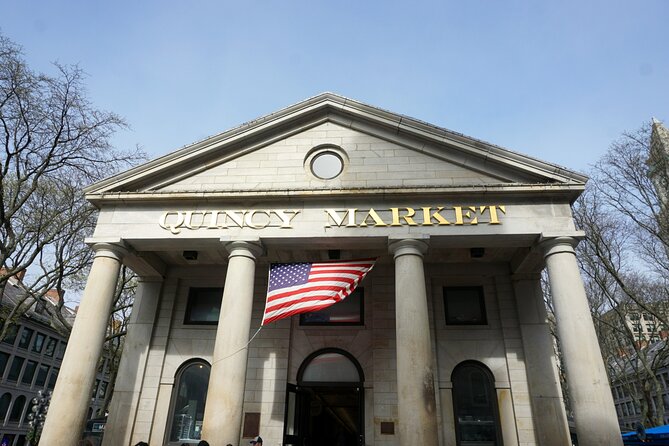
Your morning starts at Boston Public Market (98 Union St area), where the plan is to get you fueled fast. The first tastings include regional apples and apple cider donuts, the kind of sweet bite that makes the rest of the route feel doable.
What I like here is that it’s not just about sugar. Markets are where you see how local food culture is built: seasonal produce, working vendors, and the quiet rhythm of people shopping for breakfast that isn’t trying too hard.
The tour also adds a curiosity factor with a 17th-century snack with English roots offered at a second market stall. That’s the sort of detail that turns a donut stop into a mini history lesson you can actually taste.
Potential drawback: you’ll be standing and eating on the move. If you prefer long sit-down meals from the start, this leg won’t match that vibe.
You can also read our reviews of more food & drink experiences in Boston

Freedom Trail as the Walking Backbone: History Without a Museum Ticket
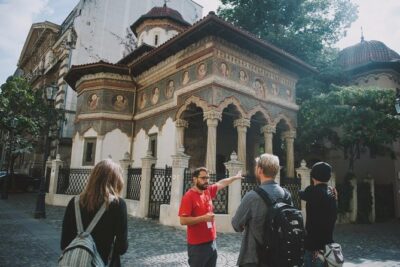
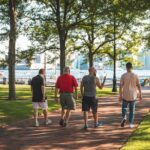
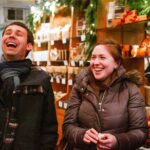
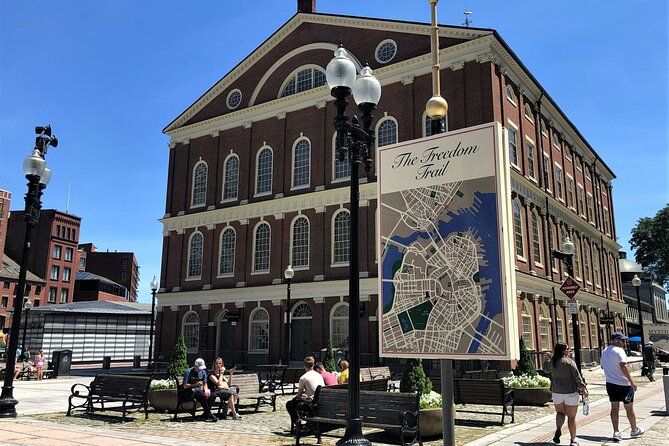
After the market, you’ll step onto parts of the Freedom Trail for about 25 minutes. The point isn’t to do everything. It’s to give context while you’re still hungry in a good way.
I like this approach because it prevents the classic problem: arriving in Boston and getting the history only through photos. On this route, you’re linking the revolution-era streets to later stops that show how Boston fed people—then and now.
You should expect the guide to keep the energy moving between landmarks and food talk. Also, since the tour keeps running, you’ll want comfortable shoes and the ability to walk at a moderate pace.
Union Oyster House Since 1826: The Booth, the Clam Chowder, and Oysters
One of the strongest stops is Union Oyster House, where you’ll taste at a restaurant that has been operating since 1826—and is noted as the oldest U.S. restaurant with continuous service. That kind of continuity changes how you experience a meal. You’re not just eating oysters. You’re eating inside a long-running Boston tradition.
This stop includes sitting in a booth tied to John F. Kennedy, and the food lineup leans coastal and classic: clam chowder plus oysters.
What makes this worth your time is the combination of setting and specificity. A guide can explain how Boston’s seafood identity grew, then you get the creamy, salty payoff right where the story lives.
Possible consideration: oysters aren’t subtle. If you’re not excited about them, you may need to mentally adjust your expectations. Also, you’re likely to be moving again soon afterward, so don’t plan on lingering.
Crossing Into the North End: Italian Boston, Tight Streets, Real Flavor Logic
The tour then heads into the North End, using the walking route to shift your mood. The North End changes the whole flavor profile: olive oil, pastry cases, espresso energy, and restaurants where the neighborhood is the real guest.
This portion is short—about 25 minutes—but it sets up the next two food hits. The guide time here is useful because it helps you understand why the Italian influence feels so central to Boston’s identity instead of like a separate theme park.
Practical note: the North End is made for walking, but it can feel crowded. Keep your group together and move with the flow.
Pauli’s Lobster Rolls: The Boston Classic You’ll Want to Eat Fresh

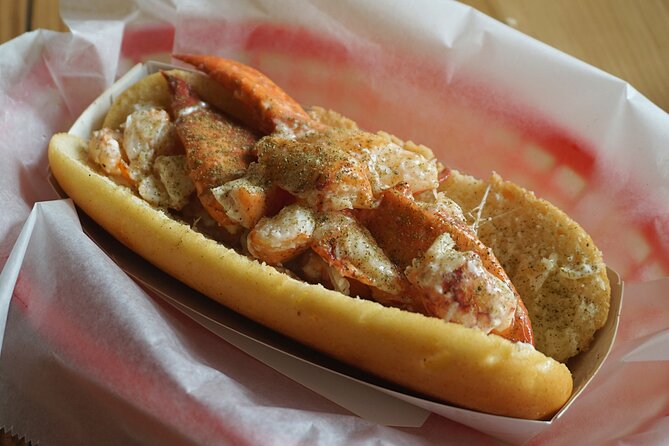
Next is a lobster roll stop at Pauli’s, described as a fourth-generation family-run eatery. This is the place for your New England classic: a hot, buttery lobster roll. The tour timing gives you about 25 minutes at this stop.
Here’s what I’d watch: lobster roll quality often depends on freshness and temp, and you’re eating it during a walking-day schedule. One set of feedback noted that in some situations, the lobster roll ended up coming late, after dessert and coffee, which meant it wasn’t as easy to settle in and enjoy it like a standalone meal.
So my advice is simple: if lobster roll is your main reason for booking, arrive ready to treat it as the centerpiece, not a finish line.
A few more Boston tours and experiences worth a look

Polcari’s Coffee in the 1930s Style: Old-School Italian Past Hits
After lobster, you’ll stop at Polcari’s Coffee for about 10 minutes. The tour frames it as stepping back into a 1930s neighborhood coffee vibe, and the tasting is meant to connect you with Italian Boston history—espresso culture in a simple, local setting.
This is a good palate reset between seafood and pastry. Coffee stops are underrated on food tours, because they keep you from tasting only one flavor all day.
Caffè Paradiso Cannoli Finale: A Sweet End That Actually Works
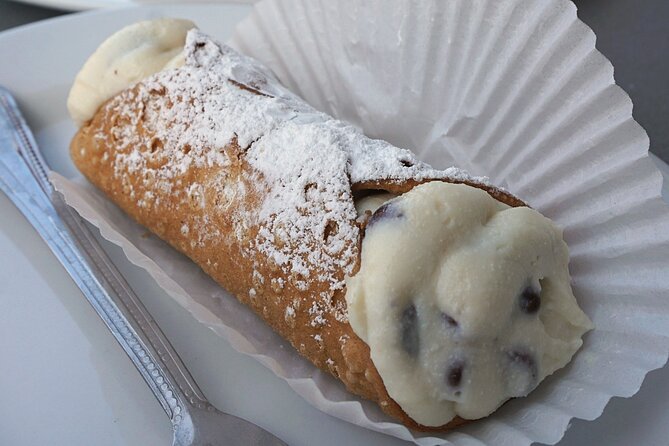
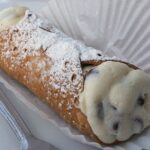
The tour wraps at Caffè Paradiso, a family-run pastry shop where you’ll finish with a cannoli. The stop is about 30 minutes, which gives you a little breathing room at the end of the walk.
If you’re thinking cannoli is just dessert-for-dessert’s-sake, this stop helps you understand it as part of the North End food rhythm. It’s creamy, crisp, and built for a quick celebration bite.
What the Guide Factor Really Does (Sarah, Debra, Elizabeth, and the Rest)
Across the experience, one theme keeps showing up: the guides are a huge part of why the tour feels memorable. You’ll hear the difference when a guide keeps both sides in sync—food details plus what’s happening around you.
Names that come up often include Sarah, Debra, and Elizabeth—praised for mixing history context with lots of energy and making the tastings feel intentional. That matters because Boston history can feel like dates and plaques if you treat it like a class. On this tour, the guide uses the food stops as anchors, so it sticks.
Just be aware: like any live group experience, guide style can vary. On one occasion, feedback described an experience that felt more like a strict lecture than a friendly tour atmosphere. If you know you want a relaxed, chatty vibe, you might want to read the most recent guide notes at booking time or ask about group tone.
Walking Time and Pace: How to Enjoy 3 Hours Without Feeling Frantic
This is a walking tour with about 3 hours total time. That’s short enough to fit into a Boston day, but long enough that your legs will notice if you come in in street sneakers from your flight.
My best tip: plan for frequent small breaks, but don’t expect long sit-down meal time at every stop. Several tastings happen while you’re transitioning between locations. If you need a slower pace, you may want to reconsider or bring a backup plan for breaks.
Also, you’ll be near public transportation, which helps if you want an easy exit if you need it.
Food Reality Check: Seafood-Focused, Not for Every Diet
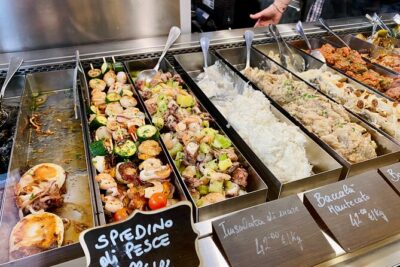
The tour is not recommended for vegans, vegetarians, or gluten-free. The reason is straightforward: the tastings include multiple fish and seafood items such as lobster roll and clam chowder, and the tour also notes crab cakes as part of the seafood lineup.
Here’s the key caution: the tour states that fish-and-seafood tastings do not have replacements in case of an aversion or allergy. They do mention adaptability for pescatarians, dairy free, and pregnant women, but they also warn that you may not have a replacement food option at every stop.
So what should you do?
- If seafood is a hard “no,” treat this tour as a poor fit.
- If you have serious allergies, you’ll need to sign an allergy waiver at the start and you should contact the operator before joining so they can confirm what’s possible.
Where This Route Really Shines in a Boston Trip
I’d book this when:
- You want a full lunch worth of tastings without piecing it together yourself.
- You want Boston history that moves at street level, not classroom speed.
- You’re staying somewhere central and can start near 98 Union St.
It also works well as an anchor activity on day one of a trip. By the time you finish, you’ve built a mental map of how the Freedom Trail and the North End connect—and you’ll know where to wander next for your own repeat bites.
Should You Book Devour Boston: North End Guided Food Tour & Market Visit?
Book it if you’re craving a focused food-and-history walk with a small group (max 12), multiple tasting stops that add up to real lunch portions, and classic Boston hits like clam chowder, lobster roll, oysters, and cannoli.
Skip it (or ask lots of questions before paying) if you’re vegan, vegetarian, or gluten-free, or if seafood is a serious issue for you. Also think twice if long walking time is tough for you. The tour is built around moving, standing, tasting, and heading to the next stop.
If you’re the kind of traveler who likes your sightseeing with a side of eating, this is a strong way to spend a few hours in Boston. The best version of this tour feels like a guided tour of Boston’s identity—one bite at a time.