REVIEW · BUCHAREST
Discover Bucharest: Private Highlights and Traditional Food Tour
Book on Viator →Operated by Intrepid Urban Adventures - Romania · Bookable on Viator
Bucharest tastes like history. This private half-day walk mixes big-name sights with a traditional 3-course meal, so you understand what you’re seeing and you get to relax when your feet start bargaining with your brain.
I love the way the route threads politics, religion, and street life together, from an 18th-century Eastern Orthodox church to the communist-era scale of the Palace of the Parliament. I also like the food payoff: you sit down for classics and a real local rhythm, with wine, beer, or a soft drink included.
One thing to consider: it’s still a walking tour. Plan on a solid stroll (and bring a coat if the weather turns), because the schedule moves through multiple central areas.
In This Review
- Key Highlights You’ll Actually Feel
- Meeting Carol I: Where Your Bucharest Story Starts
- Revolution Square and the Carol I Statue: More Than a Postcard
- Calea Victoriei’s Eastern Orthodox Church: Faith, Architecture, Time
- An Old Avenue With Big-City Landmarks: Calea Victoriei’s Role
- Ottoman Footsteps to French Architecture: Bucharest’s Back Streets
- Old Town and Lipscani: Street Energy With a Context Hook
- Palace of the Parliament: Communist Power, Controversy, and Scale
- The Three-Course Romanian Meal: What You’ll Order and Why It Works
- Guide Tips That Help After the Tour Ends
- Price and Value: What $143.61 Buys You
- Best for First-Timers, Food Lovers, and Question Askers
- A Quick Word on Pace, Weather, and Expectations
- Should You Book This Bucharest Sights and Traditional Food Tour?
- FAQ
- What’s the duration of the tour?
- Where does the tour start and end?
- What time does the tour begin?
- Is this tour private?
- What’s included in the meal?
- What language is the tour offered in?
- Are service animals allowed?
- Is it suitable for children?
- How does cancellation work?
Key Highlights You’ll Actually Feel

- Private guide, private pace: just your group, with room to ask questions and adjust based on your interests
- Carol I statue details that mean something: even small features get explained, not just pointed at
- Old Town streets with stories, not speeches: Ottoman to French influences show up in how the city looks and feels
- Palace of the Parliament context: you’ll hear why historic neighborhoods were erased to build it
- A proper Romanian meal: expect a three-course spread and crowd-pleaser desserts like papanas
- Smart end-of-tour tips: you leave with practical suggestions for bars and eateries in the area
Meeting Carol I: Where Your Bucharest Story Starts
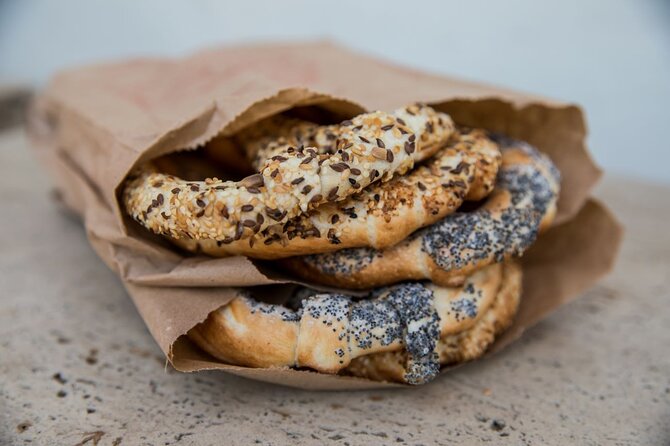
Your tour starts at the Equestrian Statue of Carol I in Sector 1, right by the energy of Revolution Square. This matters more than it sounds. Bucharest doesn’t hit you with one “main” historic storyline—it layers them. Starting here gives you a visual anchor for the rest of the morning.
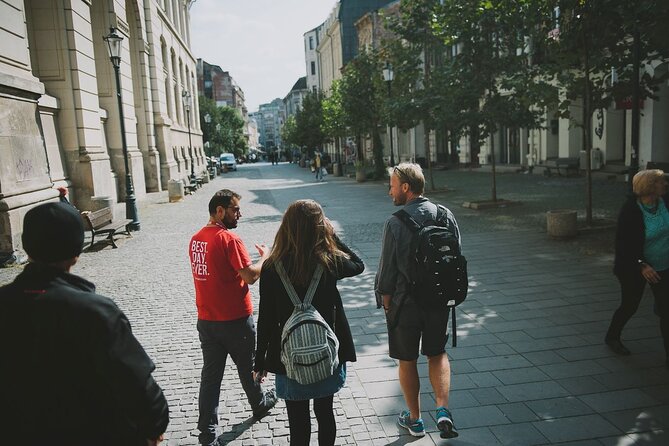
Expect a short orientation from your English-speaking local guide, then a walking rhythm that keeps things moving without feeling like you’re sprinting between photos. Because it’s private, you don’t get stuck behind a crowd or lose the thread when you ask questions. That’s one of the best practical perks: the guide can slow down for the group, not for the average tourist.
Revolution Square and the Carol I Statue: More Than a Postcard
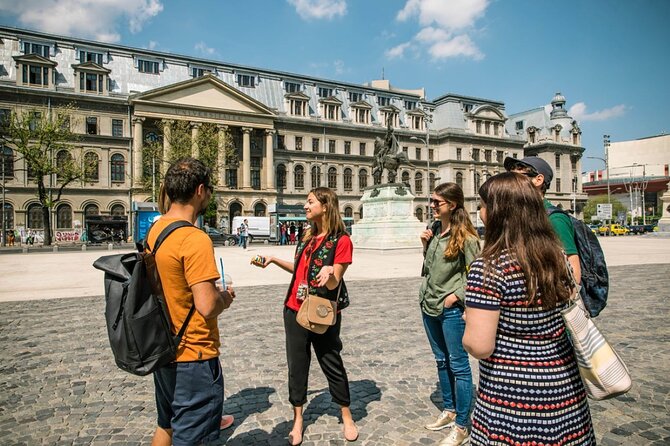
From the first stop area, your guide ties the square’s meaning to what came before and after. You’re not just seeing public space—you’re learning how Bucharest’s power shifts get reflected in monuments and street layout.
A fun detail that often gets mentioned on this tour: the equestrian statue itself can hide a message. One widely shared interpretation involves the horse’s tail position and how it’s read as symbolism. Whether you’re into politics or just enjoy a good “wait, what?” moment, this is the kind of stop that turns background noise into something memorable.
If you like walking tours where you leave with a few facts you can actually use later in the city, this part delivers.
Calea Victoriei’s Eastern Orthodox Church: Faith, Architecture, Time
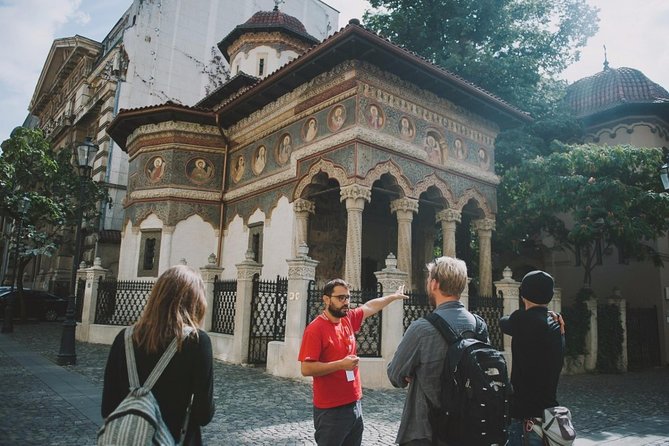
Next up is an 18th-century Eastern Orthodox church on Calea Victoriei. This is an important switch in tone. Bucharest can feel like a collage—French influences, Ottoman-era echoes, communist giants. A church stop reminds you that belief and community shaped everyday life long before the big political eras took over.
What to look for here is not just the building, but the sense of continuity. Orthodox architecture tends to communicate identity through form and decoration, and your guide will help you notice those signals instead of treating the church like a quick checkbox.
Practical tip: if you’re visiting during colder months, you’ll likely want gloves and a scarf. A church stop is often a warm interior break, but you’ll still be outside enough to feel the weather.
An Old Avenue With Big-City Landmarks: Calea Victoriei’s Role
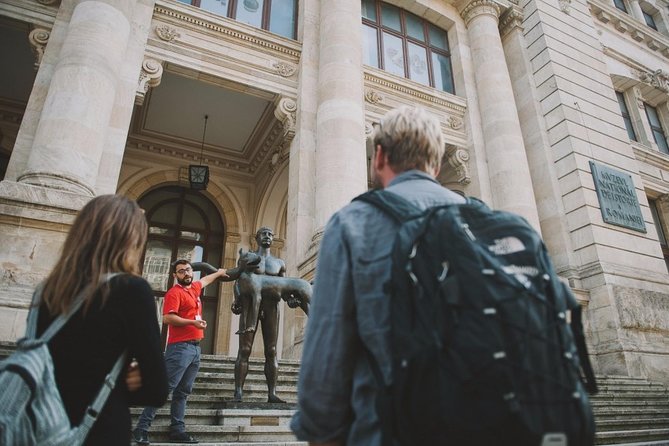
After the church, you move along one of the oldest and most charming avenues in the city, where important landmarks line the route. Calea Victoriei is one of those streets where Bucharest’s “status history” becomes visible fast.
This stretch works well because your guide can point out how the city’s design choices reflect who had money, who had influence, and what styles were in fashion at different times. It’s not just pretty buildings; it’s visual history.
If you’re the kind of traveler who likes to understand why streets matter, you’ll get a lot out of this leg.
Ottoman Footsteps to French Architecture: Bucharest’s Back Streets
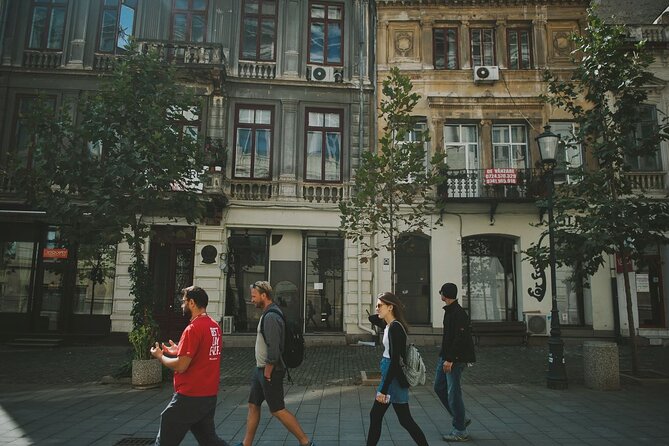
Then you get the part that often feels like the real reason to do this tour: you explore the meandering streets in the city’s heart, including areas tied to Old Town life and the arc from Ottoman rule to later French aristocratic influence.
In practical terms, this is where your guide’s storytelling quality matters. The tour doesn’t treat history like a list of dates. Instead, it explains how different eras left physical marks—and how those marks still affect the way people move through neighborhoods today.
One detail worth noting from what guides tend to cover here: you may encounter passageways and even references to structures like older trade-related spaces (for example, an ancient caravansaray shows up in the broader discussion on these walking routes). Even when you’re not inside a site, you’ll learn how to “read” the street fabric.
And yes, you’ll likely hit streets that feel quieter than the main tourist lanes. That’s part of the charm: you get the sense of being guided through the city’s everyday layers, not just marching past attractions.
Old Town and Lipscani: Street Energy With a Context Hook
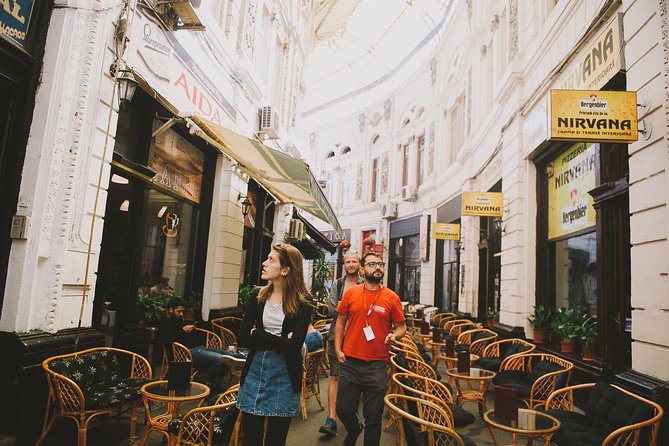
A major selling point of this experience is tying in the classic city highlights—Revolution Square and Lipscani—with narration you can follow.
Lipscani in particular is famous, but what makes this tour useful is the framing. You’re shown not just where the action is, but why this area developed its role—how trade, rule changes, and shifting wealth affected the buildings and street patterns you see now.
If you’ve ever done a tour where you learn the location and miss the meaning, this is designed to avoid that. By the time you reach the next big landmark, you already know what to listen for.
Palace of the Parliament: Communist Power, Controversy, and Scale
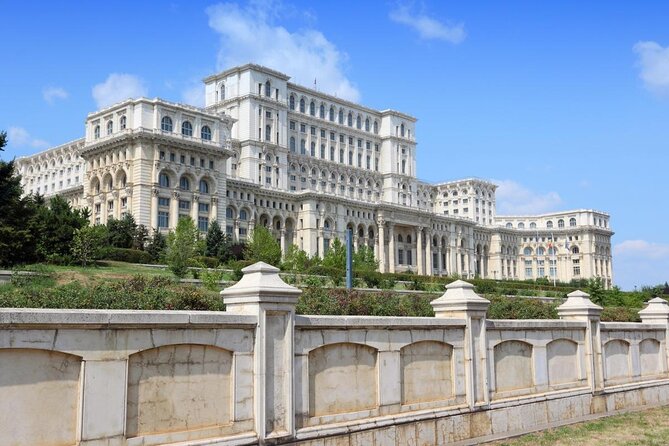
The tour’s biggest visual punch comes with the Palace of the Parliament, described as the world’s second largest administrative building after the Pentagon. Even if you already know it’s huge, standing in the atmosphere around it changes your understanding of what “megalomania” looks like in bricks and budget lines.
Your guide explains what the complex cost—especially the destruction of historic neighborhoods to make space for this controversial project. That context is essential. Without it, you’d just see a dramatic building. With it, you understand the human tradeoffs behind the spectacle.
Another advantage here: you may learn about relics of a bygone era “behind the colossal buildings.” That kind of detail helps you process the contradiction of the site. It’s hard not to have an opinion once you understand both the intent and the aftermath.
Practical note: this is a stop that can feel windy and cold in winter. If you’re going in chilly weather, dress for walking between open spaces, not for a perfect museum climate.
The Three-Course Romanian Meal: What You’ll Order and Why It Works
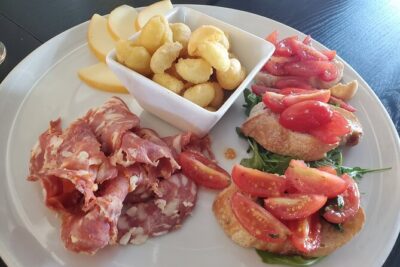
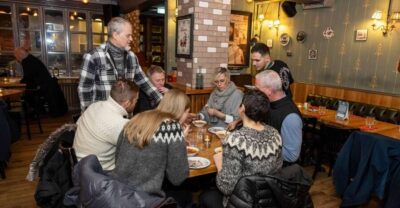
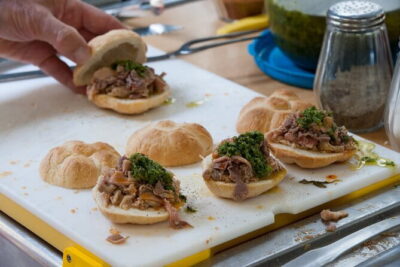
After all that walking, you land at a charming restaurant for a three-course traditional Romanian meal. This is the heart of the tour’s value proposition. You’re not just tasting one dish. You’re experiencing a meal sequence that locals actually recognize as a proper sit-down.
You’ll also get a drink: Romanian wine or a locally brewed beer, or a soft drink if you prefer. That’s a real convenience factor, because food tours sometimes leave you scrambling for beverage and dessert.
When you’re choosing dishes, watch for the classics the tour is built around:
- mici (often described as mixed sausage meat)
- sarmale (meat stuffed cabbage rolls)
- and dessert like papanas (a crowd favorite)
A key practical win: this meal isn’t just a rigid set menu, at least in practice. People mention they were able to switch traditional plates when they’d already tried some options. That flexibility matters. It turns the meal from “tourist forced sampling” into “you get fed like a person.”
Also, plan to be hungry. This meal can be substantial, and you’ll walk more after lunch on some itineraries, so don’t over-schedule dinner later that day.
Guide Tips That Help After the Tour Ends
One of the better “bonus” features of doing this type of private tour is that your guide can give personalized next steps—tips for the best bars and eateries. Not generic advice. Practical guidance that fits your tastes.
You can ask follow-up questions as you go, and you’ll usually get answers that help you move faster later. For instance: where to go for something casual, where to find another Romanian classic, and what to skip if it’s too touristy.
Because the tour ends at Piața Unirii, it’s also easier to connect to other parts of the city. You’re not stuck back at the start or trapped in a dead-end neighborhood.
Price and Value: What $143.61 Buys You
At $143.61 per person for about four hours, you’re paying for three things at once:
1) a private English-speaking local guide
2) a structured route through major Bucharest landmarks (not just a random walk)
3) a three-course traditional meal plus a drink
The meal alone is a meaningful part of the cost. Food-and-sight tours that include lunch typically justify the price when they’re in good restaurants and when the food is more than an assembly line. Here, the restaurant choice is repeatedly described as cozy, comfortable, and not touristy—plus dessert highlights like papanas.
So the value question becomes simple: if you want a first-day orientation that combines history with actual eating, this cost often feels fair. If you’re the type who already plans every restaurant meal and only wants quick sightseeing, you might find the meal aspect less necessary.
Best for First-Timers, Food Lovers, and Question Askers
This tour works especially well if you fit one of these:
- You’re in Bucharest for a short time and want your bearings fast
- You care about the why behind monuments and neighborhood change
- You want real Romanian flavors in one sitting
- You like asking questions and having your guide adjust to you
It’s also child-friendly, and kids under 6 can join free. For families, the private setup is helpful because pace can be managed. If you’re traveling with someone who hates long museum stops, the walk-and-meal format can be a relief.
A Quick Word on Pace, Weather, and Expectations
The tour is about walking. People mention a good pace on this kind of private setup, but it still means you’ll want:
- comfortable shoes
- layers for changing temperatures
- a little patience if it’s windy or cold around big open landmarks
Also, keep in mind: additional food and drink beyond what’s included may be extra. The included meal and one included drink take care of the main part. Just don’t assume snacks are covered.
Should You Book This Bucharest Sights and Traditional Food Tour?
I’d book it if you want an easy, satisfying first taste of Bucharest—history you can follow, plus a proper meal that ends the morning on a good note. The private format is a strong advantage, and the emphasis on Romanian classics like sarmale and mici, plus dessert like papanas, makes it feel like more than sightseeing.
Skip it only if you’re not a fan of walking or you already have a locked-in food plan and don’t want to commit to a sit-down three-course menu.
If you’re deciding for Day 1: this is the kind of tour that helps the rest of your trip make sense.
FAQ
What’s the duration of the tour?
The tour runs for about 4 hours.
Where does the tour start and end?
It starts at the Equestrian Statue of Carol I, Sector 1, Bucharest, and ends at Piața Unirii.
What time does the tour begin?
The start time listed is 11:00 am.
Is this tour private?
Yes. It’s a private tour/activity, and only your group participates.
What’s included in the meal?
You’ll enjoy a three-course traditional Romanian meal, plus a drink (Romanian wine, local beer, or a soft drink).
What language is the tour offered in?
The tour is offered in English.
Are service animals allowed?
Yes, service animals are allowed.
Is it suitable for children?
It’s child-friendly, and children under age 6 can join free of charge.
How does cancellation work?
You can cancel for a full refund up to 24 hours in advance of the experience’s start time.