REVIEW · BERLIN
East Meets West: Berlin Food Culture & Street Art
Book on Viator →Operated by Fork & Walk - Food Tours Berlin · Bookable on Viator
Berlin tastes political and pretty at the same time. This walk-and-taste tour mixes food with street art and the city’s WWII and Communist-era story, from Friedrichshain into Kreuzberg. I like the small-group setup (max 8) and the fact you’re guaranteed 6 tastings plus a Berliner Pilsner.
What really sells it for me is how the guide ties neighborhoods to what you’re eating and seeing. You’ll stop at the East Side Gallery and spend real time with the visual language of the Wall and political street art, then keep following those themes into Berlin’s creative scenes. It’s not just where to eat; it’s why those streets look the way they do.
One consideration: the time at each stop is short (often 15 to 30 minutes). If you’re craving major big-sight landmarks and museum-level detail, this can feel more like an efficient route than a full day of sightseeing.
In This Review
- Key highlights worth your attention
- How this East Meets West food route actually works
- Starting in Friedrichshain at a local-feeling pace
- East Side Gallery: the Wall as art, not just a photo stop
- Crossing into Kreuzberg for food trends and street-level history
- Scheers Schnitzel: the one-stop Berlin comfort classic
- Street art Berlin: murals that explain East and West
- Slava Berlin: Ukrainian soul food and nalivanki flavor notes
- Markthalle Neun: the market hall that survived and adapted
- Leylak and Little Istanbul: Turkish influence you can taste
- Ketels Curry: currywurst has a story beyond the sauce
- Brammibal’s Donuts: vegan sweetness that proves a point
- What you’ll actually eat and drink (and how to plan your day)
- Time, transport, and weather: the practical stuff that matters
- Value check: is $169.38 fair for what you get?
- Who this tour suits best
- Should you book East Meets West: Berlin Food Culture & Street Art?
- FAQ
- How much does the tour cost, and how long is it?
- What’s included in the price?
- Do I need a public transport ticket?
- Where do I meet, and where does the tour end?
- Is the tour good for vegetarians?
- How far do we walk, and what should I wear?
- Can I cancel for a full refund?
Key highlights worth your attention
- 6 tastings plus Berliner Pilsner so you’re not just snacking
- East Side Gallery with time at the longest stretch of still-standing Wall
- Kreuzberg’s Little Istanbul for Turkish-influenced food culture
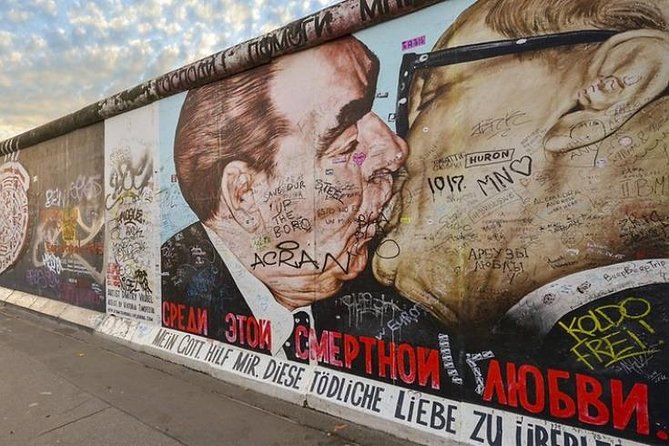
- Street art focus with a stop at one of the world-famous murals
- Small group and a 3.5-hour route that ends near U Kottbusser Tor
How this East Meets West food route actually works
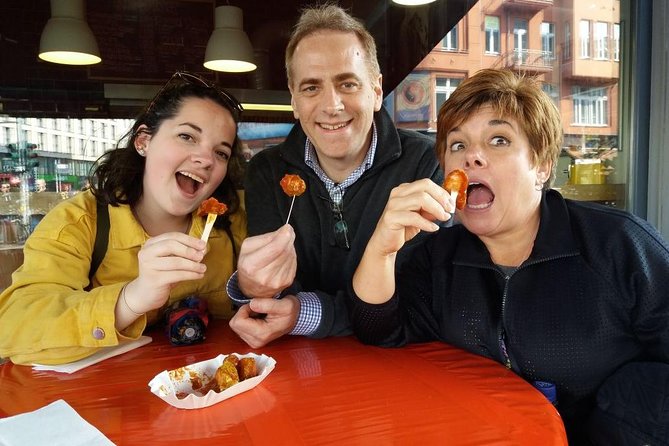
This is the kind of tour that helps you understand Berlin without doing the usual checklist. You start in Friedrichshain and gradually shift westward into Kreuzberg, with each area acting like a chapter. The food is the hook, but the guide’s job is to connect tastings to the streets you’re walking.
You’ll also notice the pacing: it’s designed for constant momentum. You’re moving through neighborhoods, stopping often, and getting a mix of flavors and perspectives along the way. That matters because Berlin’s culture changes block by block. A short, focused route is a smart way to get your bearings fast.
Price-wise, $169.38 can look steep until you count what’s included. You’re not paying for a lecture plus a single “snack.” You get multiple tastings, beverages, and a local Berliner Pilsner, plus a guide who sets context. For a city where food tours can turn into occasional samples, this one is built to add up.
You can also read our reviews of more food & drink experiences in Berlin


Starting in Friedrichshain at a local-feeling pace
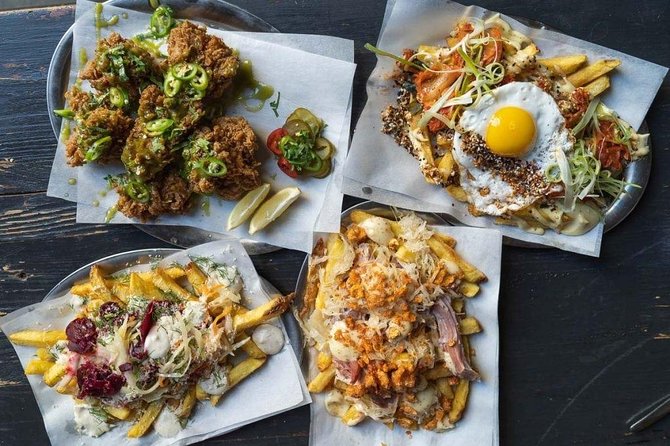
You meet at Industriepalast Hostel near Warschauer Str., and you’re out walking from there around 12:00 pm. Friedrichshain is often described as East Berlin’s younger, more rebellious side, and the first part of the tour sets that tone. The stop time is brief, but it’s enough to get a sense of the neighborhood vibe and what your guide plans to connect later with history.
This start matters because it frames what you’ll see at the Wall section later. Berlin isn’t one story. Friedrichshain and Kreuzberg became shaped by separation, migration, and reinvention. When your guide points out those links, the neighborhood names stop being just geography and start feeling like cause-and-effect.
One practical note: the tour involves a moderate amount of walking. Comfortable shoes are worth it, and if the forecast looks iffy, bring a rain jacket or poncho. The route is outdoors between stops, and you’ll feel it if you’re not prepared.
East Side Gallery: the Wall as art, not just a photo stop
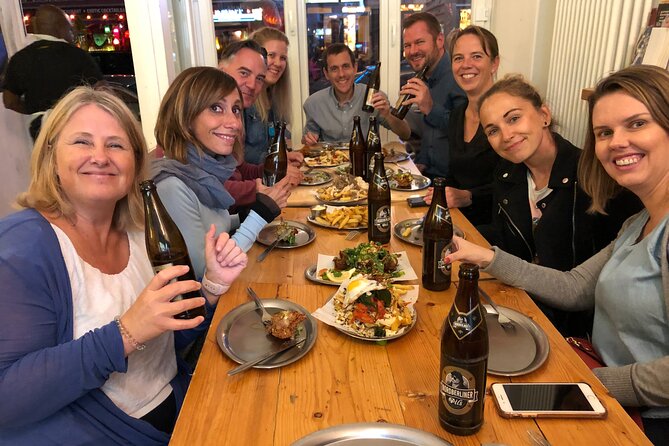
Your next big anchor stop is the East Side Gallery, where you’ll explore the former Berlin Wall and the political street art along the longest stretch of still-standing Wall. This isn’t just a glance at murals. You’re given time to look closely and understand how artists used the Wall as a message board.
You can also literally touch the actual Wall section as you learn what the art was responding to. That tactile part changes the experience. It’s one thing to know the Wall existed; it’s another to stand in front of physical remnants of division and see how that history turned into public expression.
Your guide also connects this area to darker chapters from Germany’s 20th-century past, including Nazi-era references and how soldiers moved through local streets. The point isn’t fear. The point is context: why street art here feels so political and why Berlin’s memory culture shows up in everyday life.
Crossing into Kreuzberg for food trends and street-level history
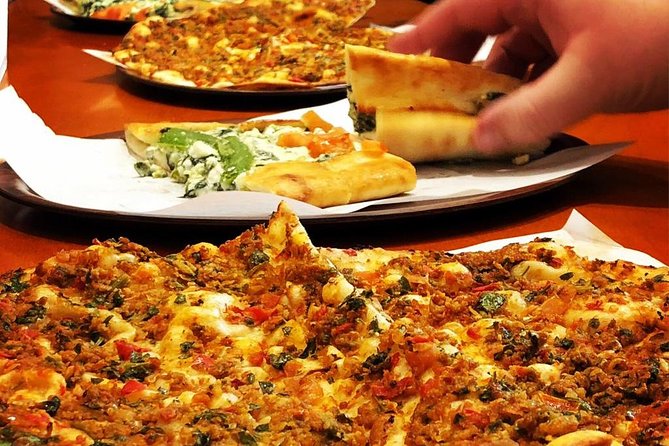
After East Side Gallery, the tour shifts into Kreuzberg. This is where Berlin often feels most “mixed,” in the best way. You’ll hear about the neighborhood’s shift from former West Berlin and the way trends, bars, and immigrant communities helped shape what Kreuzberg became.
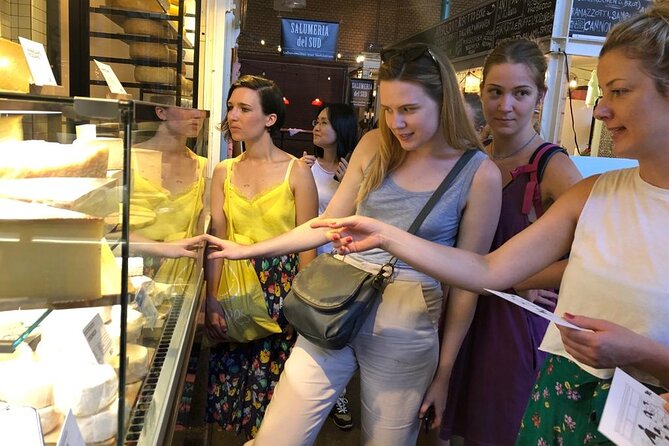
You’ll also get a street-level view of Berlin’s layered identity: East-West history on one side of the route, and global food culture on the other. Kreuzberg is famous for that blend, and the tour uses it to keep your senses busy. You’re not just listening; you’re eating while the stories land.
Scheers Schnitzel: the one-stop Berlin comfort classic
Then comes Scheers Schnitzel, described as a Berlin Schnitzel institution. Expect this to be the comfort-food moment in the middle of a route that’s otherwise heavy on history and urban art.
Even if you think you already know schnitzel, this stop is useful because it grounds the tour in a specific Berlin tradition. In a city where the tastings range from Middle Eastern and Turkish flavors to Eastern European plates and vegan treats, anchoring at a classic German dish helps you see the full spectrum of what Berlin eats.
And yes, you’ll likely feel tempted to make this your default ordering style in Berlin after this day. The tour is good at leaving you with food cravings that point you to where you should eat next.
A few more Berlin tours and experiences worth a look


Street art Berlin: murals that explain East and West
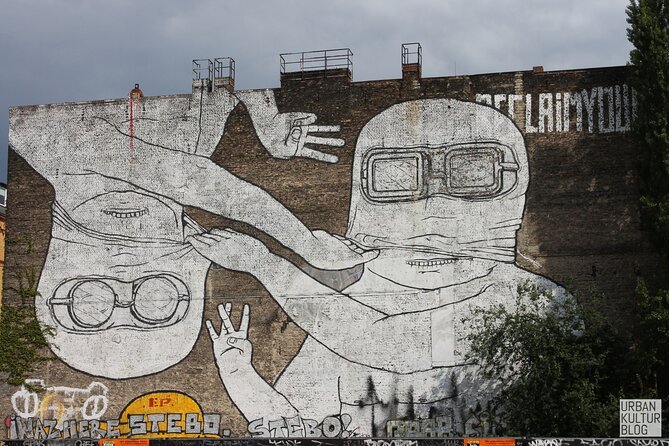
Next, you’ll move into a street art zone often described as a mecca for street art in Europe. This part of the tour is built around seeing one of the world-famous murals up close and using it as a story prompt.
What I like here is the way street art is treated as language, not decoration. Your guide points out how the visuals relate to past and future themes—especially the way East and West history keeps showing up in modern street culture. You don’t need to be an art critic. You just need to look, listen, and taste the food that matches the neighborhood mood.
If you’re the type who stops for photos at murals, you’ll probably slow down here. That’s the goal. Berlin street art rewards attention more than speed.
Slava Berlin: Ukrainian soul food and nalivanki flavor notes
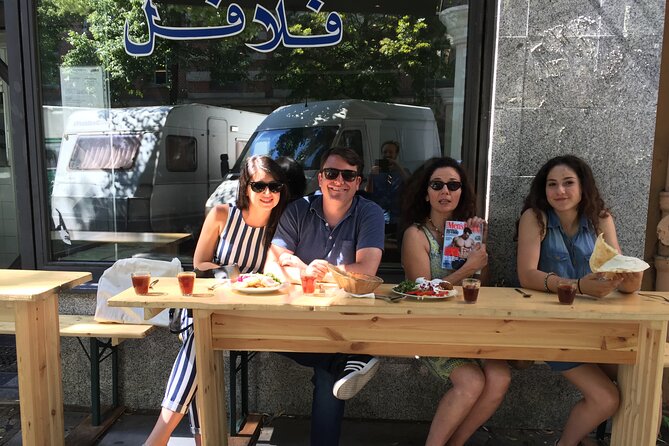
One of the more memorable cultural stops is Slava Berlin! Ukrainian Soulfood & Nalivanki in Berlin. The tour framing here is modern Ukrainian in Berlin, with emphasis on the restaurant being run by immigrant women.
The included tastings at this stop come with story context, too, which helps you appreciate the food as more than a flavor sample. You’re getting a sense of how immigrant communities build food identities in a city where history is never far away.
If you’re trying to eat your way through Berlin’s changing demographics, this is one of the stops that makes the route feel more honest and less generic.
Markthalle Neun: the market hall that survived and adapted
Then you enter Markthalle Neun, a refurbished market hall from the 1900s. The space has survived WWII annihilation and near commercial change, and today it functions like a culinary hub.
This stop is valuable because it shifts the tour into a different kind of Berlin experience. Instead of just walking streets and murals, you get a concentrated environment where food culture feels current and local. The market’s programming regularly connects with producers and visiting food-focused people, so you’re seeing how Berlin markets are trying to stay real while still evolving.
It’s also a good place to reset during the tour. You get a breather, you can look around, and then you’re ready for the next wave of flavors.
Leylak and Little Istanbul: Turkish influence you can taste
Now you’re in the heart of Kreuzberg’s Turkish community, often called Little Istanbul. The tour specifically points out that Berlin has the largest Turkish population outside Turkey, and you’ll taste typical street-food recipes at Leylak.
This is one of the stops that makes the whole East Meets West theme feel concrete. Turkish food isn’t a side character here; it’s part of the neighborhood’s backbone. When you eat, it helps you understand why Kreuzberg feels so different from other areas of Berlin.
If you’re worried the tour might be too German-only, this is where it proves it isn’t. You get flavors that feel street-level and everyday, not just tourist-friendly versions of cuisine.
Ketels Curry: currywurst has a story beyond the sauce
Next is Ketels Curry, where you learn the infamous story of currywurst. The tour treats it like Berlin’s culinary plot twist—how a particular snack became a city identity.
Even if you already ate currywurst in Berlin before, I still think this stop is worth it. The value is the story and the cultural context: why that flavor became so repeatable for locals and why it shows up as a staple across the city.
This is also a practical moment. Currywurst-style food is often filling, and the flavors are bold enough to keep you energized for the final stretch.
Brammibal’s Donuts: vegan sweetness that proves a point
Finally, you’ll stop at Brammibal’s Donuts (Maybachufer) for vegan donuts. The tour frames Berlin as a city where vegan food can be surprisingly normal, not just a trend.
This is a good closing note because it’s fun without being random. After savory tastings and history-heavy street art, a sweet bite works like a palate reset. Plus, you get an example of how Berlin’s food culture includes newer movements alongside classic comfort foods.
If you love trying at least one unexpected thing, this donut stop is where you’ll feel that payoff.
What you’ll actually eat and drink (and how to plan your day)
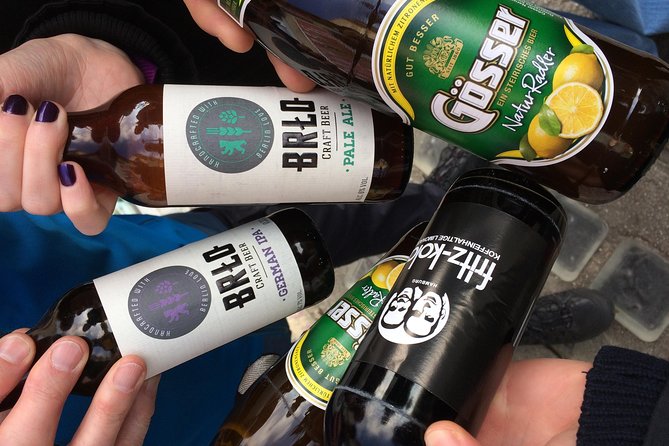
The tour includes 6 local tastings, plus beverages, and a local Berliner Pilsner beer. Even if you’re not a big beer person, it helps to have a guided route that includes more than one kind of drink.
One thing I’d plan around: the tour is designed so you end up full. In at least one case, people were glad they skipped breakfast, and the tastings are presented with enough portion size that you can skip a heavy meal right after.
So my advice is simple:
- Eat lightly before the tour or have something small earlier.
- Bring water for between stops, especially on warm or muggy days.
- If you drink alcohol, pace yourself since you’ll be walking between several venues.
If you have dietary needs, you should tell the operator at booking. A vegetarian option is available if requested ahead of time.
Time, transport, and weather: the practical stuff that matters
You’re out for about 3 hours 30 minutes. The walking is described as moderate, and that’s realistic: you’re moving between neighborhoods and into multiple venues, but it’s not presented as an ultra-long trek.
Transport is easy in the area because the meeting and end points are near public transit. Still, the BVG transport ticket is not included, so you’ll want to sort out your own transit plan.
Bring comfortable walking shoes. And if rain is possible, have a rain jacket or poncho. Berlin weather can swing, and you’ll feel it if you’re caught between stops.
Value check: is $169.38 fair for what you get?
Here’s how I’d judge it. You’re paying for:
- A small group (max 8), which usually means more time with the guide and fewer people to share attention with
- 6 tastings plus beverages
- Berliner Pilsner
- A route that ties street art and Wall history to food culture
If you compare that to doing it on your own, the biggest advantage is not only convenience—it’s the context. You’re not just eating famous foods. You’re learning why the neighborhoods matter, why the street art is political, and how migration and separation shaped what ends up on menus today.
That said, the tour does move fast at times. Some parts are short stops, so you won’t get an all-day museum experience. If you want the “walk around Berlin and see everything” plan, build a separate day for major sights. If you want a focused mix of food, street art, and history without wasting time, this has strong value.
Who this tour suits best
I think this fits best if you:
- Want food that reflects Berlin’s mix of German tradition and immigrant communities
- Like street art and want the history behind it, not just a photo stop
- Prefer a smaller group for questions and better storytelling
- Are comfortable with a moderate walking route
It may not be the best match if your top priority is checklist sightseeing or you hate a schedule that keeps things moving every so often.
Should you book East Meets West: Berlin Food Culture & Street Art?
If you’re hungry for Berlin culture that you can taste and see, I’d book it. The blend of street art (including East Side Gallery), neighborhood history tied to where you walk, and food stops that span multiple cultures makes the day feel like more than a meal plan.
Choose it especially if you want to end the day with two things: a full stomach and a clearer sense of how Berlin’s past still shows up on walls, in markets, and in what people order.
FAQ
How much does the tour cost, and how long is it?
The tour costs $169.38 per person and runs for about 3 hours 30 minutes.
What’s included in the price?
You get 6 local tastings, beverages, a local Berliner Pilsner beer, and a local tour guide. Food tastings are also included.
Do I need a public transport ticket?
Yes. The BVG transport ticket is not included, so you’ll need to arrange your own transit for the start and end points.
Where do I meet, and where does the tour end?
You start at Industriepalast Hostel, Warschauer Str. 43, 10243 Berlin. You end near U Kottbusser Tor (U8 and U1 lines).
Is the tour good for vegetarians?
A vegetarian option is available. You should request it at booking.
How far do we walk, and what should I wear?
There is a moderate amount of walking. Wear comfortable walking shoes and consider bringing a rain jacket or poncho depending on the weather.
Can I cancel for a full refund?
Free cancellation is available up to 24 hours in advance of the experience start time for a full refund.