REVIEW · CHIANG MAI
Chiang Mai: Food Tour by Songtheaw Truck with 15+ Tastings
Book on GetYourGuide →Operated by A Chef's Tour · Bookable on GetYourGuide
Your stomach becomes the guide. On this Chiang Mai Northern Thai food tour, you ride a private songthaew truck and work your way through street joints and markets with a guide like MoUi who explains what you’re eating. I especially love the 15+ tastings served in satisfying portions, and I really like the way the tour links dishes to regional ingredients and stories, not just flavor.
The main thing to plan for is intensity: this is built to make you eat a lot, and it’s not suitable for vegans/vegetarians, pescatarians, people with severe allergies, or those who can’t eat soy sauce.
In This Review
- Quick Takeaways on Chiang Mai’s 15+ Northern Thai Tastings
- Wat Lok Molee to Street Food: Why This Tour Starts Where It Does
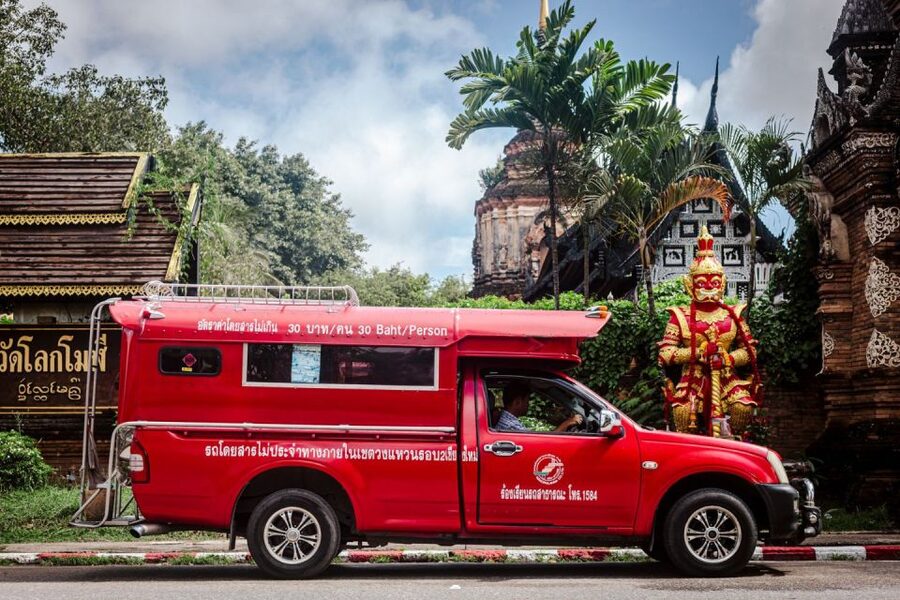
- The Private Red Songthaew Truck Ride: Fast, Local, and Practical
- What 15+ Tastings Feels Like in Northern Thailand
- Stop by Stop: How Each Type of Food Experience Changes Your Understanding
- Claypot Pork Belly and Crispy Meaty Bites
- Khao Soi and the Northern Bowl That Explains Everything
- Lemongrass-Stuffed Sai Oua and Snack-Style Eating
- Shan Specialties and Larb Salad for Bright, Zingy Contrast
- The Market Moment: Where You Learn to Order Like a Local
- Your Guide Makes the Tour: MoUi and the Food-Story Method
- Pacing: How to Come Hungry Without Overdoing It
- What You Get Included (and What You Should Plan on Yourself)
- Cost vs Value: Is $62 Worth It in Chiang Mai?
- Who Should Book This Tour (and Who Should Skip It)
- Should You Book This Chiang Mai Northern Thai Food Tour?
- FAQ
- How long is the Chiang Mai food tour?
- What’s the meeting point for the tour?
- Is the tour vegetarian or vegan friendly?
- What about allergies or special dietary needs?
- How many people are in the group?
- Is alcohol included?
- What should I bring?
Quick Takeaways on Chiang Mai’s 15+ Northern Thai Tastings
- 15+ tastings in about 4 hours, so come ready to sample, not just snack
- Private rod deang/red songthaew truck rides keep you moving without doing constant walking
- Northern Thai focus with dishes like khao soi, sai oua, larb, and Shan specialties
- Market time for lemongrass-stuffed sai oua and other snack-style bites
- Small group (up to 8) makes the food stories and Q&A actually work
- Guides may add deeper ingredient moments, like smelling spice blends and fermented pastes
Wat Lok Molee to Street Food: Why This Tour Starts Where It Does
This tour kicks off at the grounds of Wat Lok Molee Temple, right near the center of Chiang Mai. Once you enter, you turn left and look for your guide under a large decorated tree next to the four headed statue.
That setting matters because it places you in a real Chiang Mai rhythm fast. You’re not waiting to be “warmed up” later—you’re starting with a local landmark, then shifting straight into the food streets and market culture that shaped Northern Thai cooking.
You can also read our reviews of more food & drink experiences in Chiang Mai
The Private Red Songthaew Truck Ride: Fast, Local, and Practical
You won’t spend your whole time on foot. You ride around in a private rod deang/red songthaew truck, moving between spots like restaurants, street stalls, and market areas.
In real life, that’s a big deal. Chiang Mai heat and uneven pavement add up fast, and short rides help you keep your energy for tasting. A review also noted that the truck-style format can be a good fit if you have mobility issues, because you get frequent breaks from walking and you often sit down during meals.
You should still wear comfortable shoes. Even with rides, you’ll likely walk around market areas and move between venues.
What 15+ Tastings Feels Like in Northern Thailand
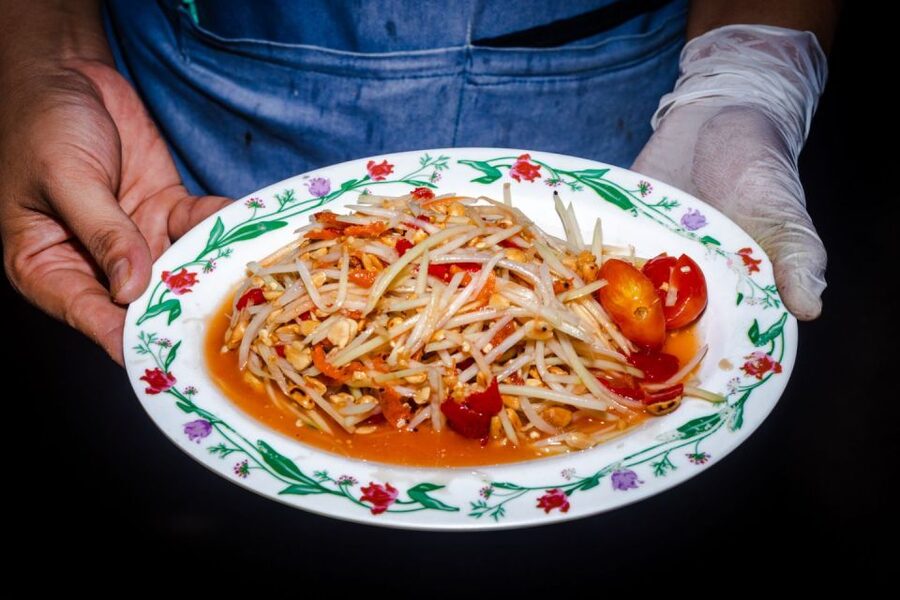
This tour is built around “eat your way through the region.” You’ll work through more than a dozen tastings, and the food offerings are designed to cover Northern Thai flavors and influences.
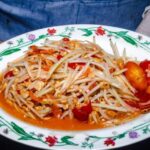
You can expect highlights such as crispy pork belly cooked in claypots and Northern specialties tied to Shan influences. The tour also spotlights popular regional dishes and snack foods you might not know to order on your own.
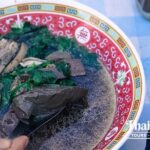
Some of the tastings can run adventurous by Western standards. One guest described items like coagulated chicken blood, fermented pork, and even silkworm larvae and crickets. If you’re the type who wants everything familiar, I’d treat this as a “go with curiosity” tour, not a safety-first menu.
Stop by Stop: How Each Type of Food Experience Changes Your Understanding
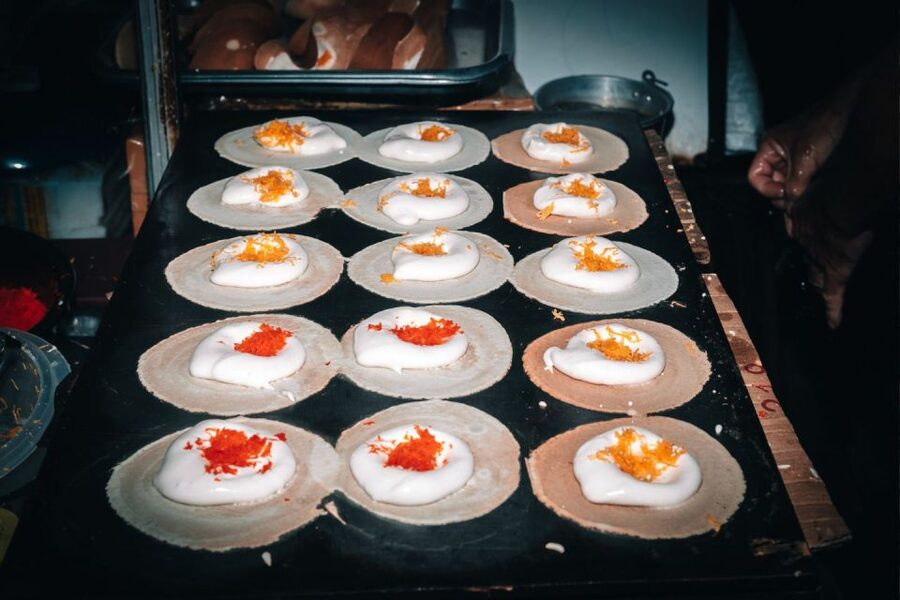
This is not one long meal. It’s multiple stops, each giving you a different lens on how Northern Thai food is built.
Claypot Pork Belly and Crispy Meaty Bites
When pork belly shows up—especially claypot-style—you understand why street and market food in the North often feels richer and more satisfying than what many people associate with Thai cooking. Claypot cooking can mean deeper flavor and a texture that holds up well even as dishes change quickly from stall to stall.
You’ll also get a sense of how Northern Thai cooking leans into savory richness, then balances it with herbs, salads, and spice blends.
A few more Chiang Mai tours and experiences worth a look
Khao Soi and the Northern Bowl That Explains Everything
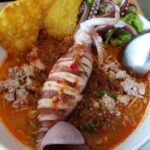
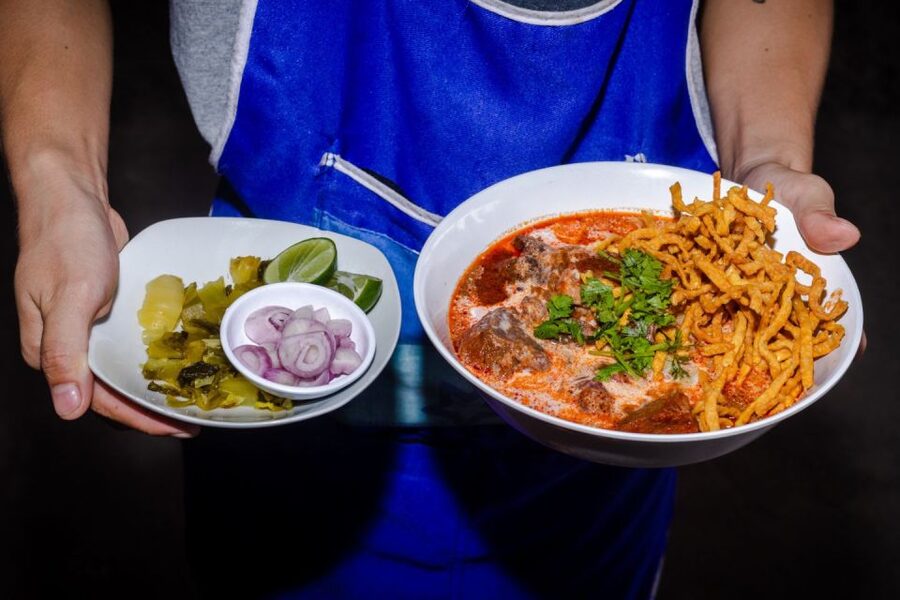
“Khao soi” gets mentioned again and again for a reason: it’s Northern Thai comfort food with a distinct flavor structure. It’s also an easy way to connect the dots between Thai technique and regional influences.
The value here isn’t only taste. It’s how your guide can explain why this dish is what it is—how the creamy, savory style fits the region’s cuisine habits and why it shows up in local dining.
Lemongrass-Stuffed Sai Oua and Snack-Style Eating
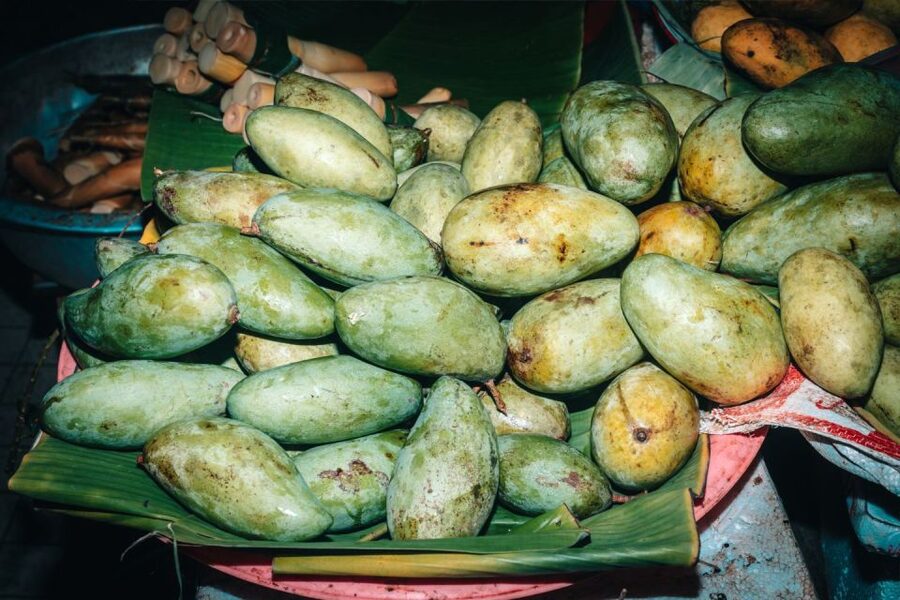
The market component is where lemongrass-stuffed sai oua becomes more than just a dish name. Seeing and tasting it in context helps you understand that Northern cooking isn’t only about big plates. It’s also about grilled or snack-ready items that work for quick meals and social eating.
You’ll also encounter other market foods and small bites that make the tour feel like a best-of tasting route rather than a single “one-size-fits-all” dinner.
Shan Specialties and Larb Salad for Bright, Zingy Contrast
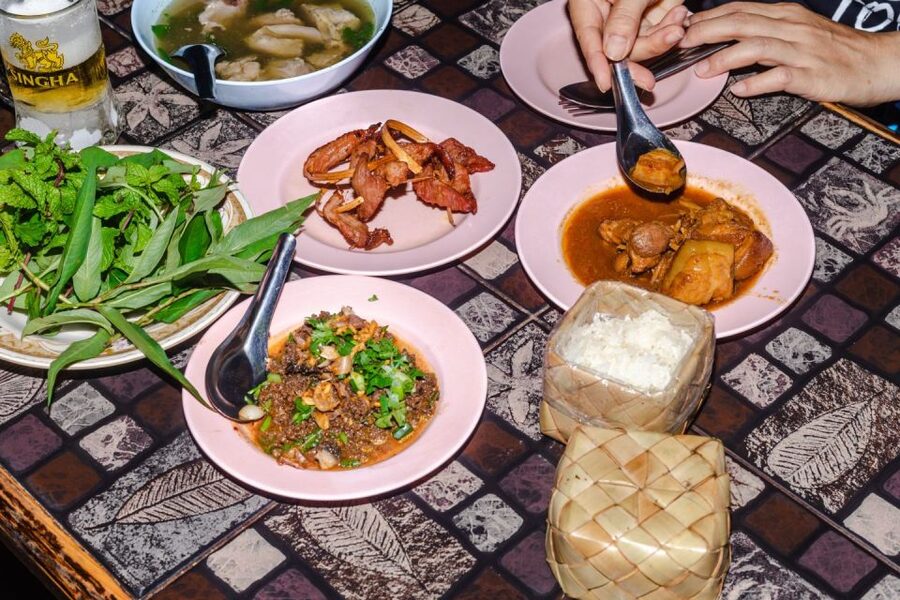
If the heavier dishes make you hungry again, the lighter ones bring balance. The tour includes Shan specialities and also larb salad, which adds herb-driven brightness and a zingy punch that cuts through rich flavors.
That contrast is the real lesson. Northern Thai food isn’t only hearty—there’s a constant push-pull between savory, herbal, and spicy.
The Market Moment: Where You Learn to Order Like a Local
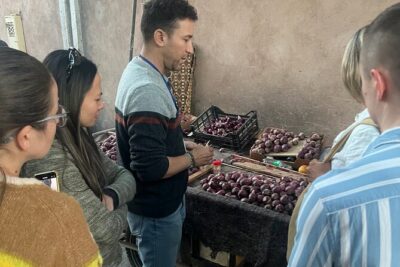
The tour ends with a market visit and tastings tied to that stop. You’ll get a closer look at how local eating habits shape what’s easy to buy, easy to share, and easy to snack on.
A few reviews also mention a “picnic” style moment at the end, where you eat market foods you’ve just been introduced to. Whether it’s fruit, desserts, or snack items, it’s a smart way to finish: you’re not leaving with just knowledge, you’re leaving with practice in how locals graze.
Keep your camera ready, but keep your appetite ready too. This last stretch is part tasting, part education, and it adds to the “stuffed” feeling people talk about.
Your Guide Makes the Tour: MoUi and the Food-Story Method
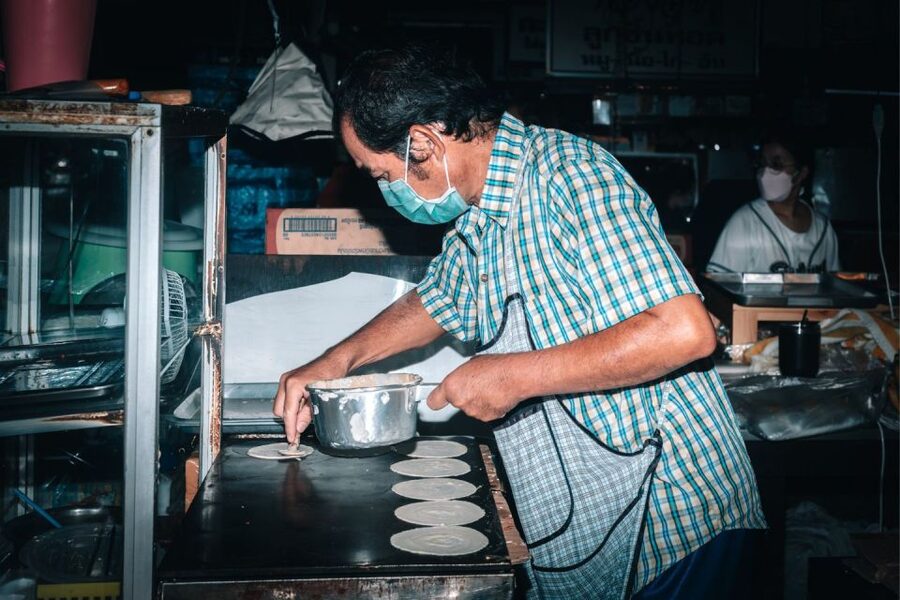
The biggest consistent praise is the guide experience. People cite guides like MoUi (also written as Moui in some descriptions) for friendly teaching and strong dish explanations.
What I like about this style is that you’re not just hearing facts. You’re getting a guided “ingredient to plate” story. Several guests mention moments where the guide carries items to smell—like spice blends—and even things like dried fermented soy bean paste. That hands-on ingredient awareness is the difference between tasting and learning.
Guides also help you connect the dots to Thai culture beyond food. Reviews mention history and regional influences, plus how the food ties to Chiang Mai life and times. The tour still stays practical and food-focused, but it doesn’t feel shallow.
Pacing: How to Come Hungry Without Overdoing It
This tour runs about 4 hours, and it packs a lot into that window. Reviews repeatedly warn people to skip breakfast or eat very lightly beforehand, and I agree with the logic.
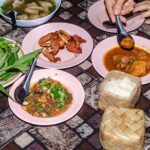
Even if you plan a big meal day, set yourself up for tasting. The pacing is designed so you’re served soon after arriving at each spot, so you may not have the long gaps your body needs. Family-style servings can also mean you keep reaching for “just one more bite,” then you realize you’re full.
Practical trick: bring water awareness. Bottled water and soft drinks are included, so use them, but don’t assume you can wash down heavy dishes forever and still finish the tour comfortably.
What You Get Included (and What You Should Plan on Yourself)
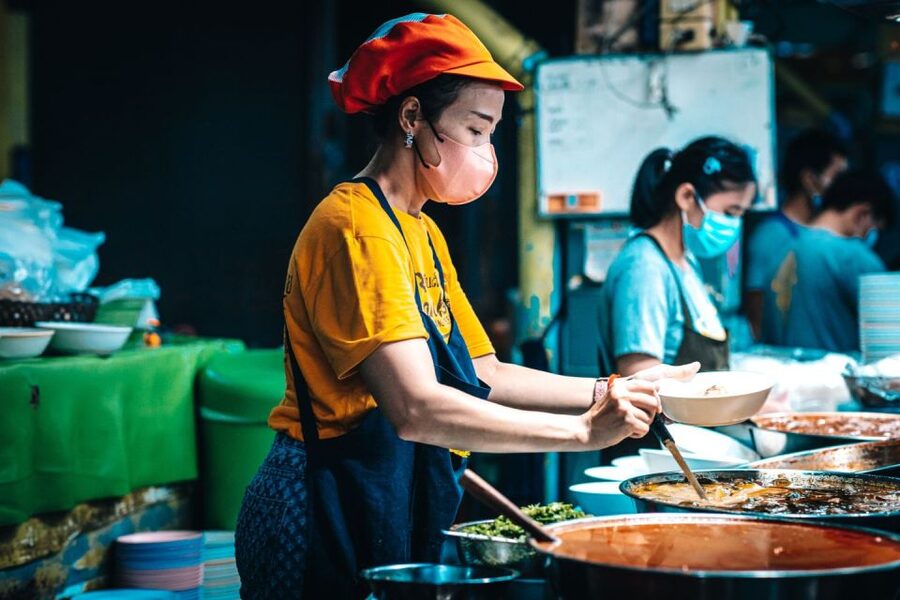
Included in the price:
- 15+ food tastings
- Bottled water and soft drinks
- A guide
- Transportation
Not included:
- Alcohol
- Hotel pickup and drop-off
No hotel pickup changes your plan slightly. You’ll meet at Wat Lok Molee Temple. If you’re taking a taxi, give the driver วัดโลกโมฬี ถนน มณีนพรัตน์.
Also note the tour runs rain or shine. Bring a small umbrella if rain looks likely. The market stops can feel more crowded or slippery in rain, so umbrella + good shoes is the combo.
Cost vs Value: Is $62 Worth It in Chiang Mai?
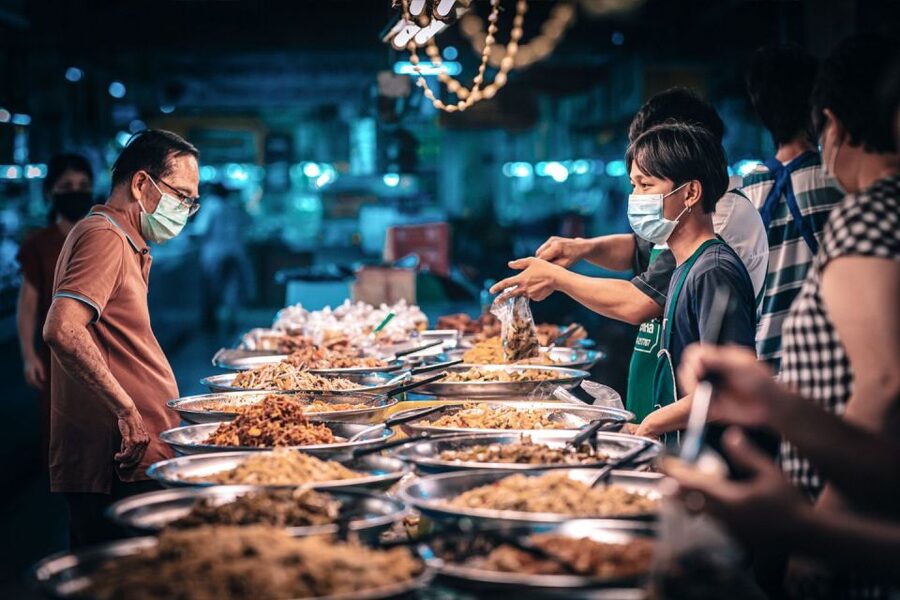
At $62 per person for about 4 hours, the value comes from three things: quantity, variety, and access.
Quantity is clear: 15+ tastings isn’t one sample plate. That’s a real meal’s worth of bites, spread across multiple venues.
Variety is where the money starts paying off. Northern Thai food has its own identity, and the tour doesn’t just repeat the same dish in different forms. You get savory claypot cooking, signature bowls like khao soi, herbal punches like larb, grilled regional sausage like sai oua, and market snacks.
Access is the hidden value. You end up at local spots you might miss on your own, and you get help ordering so you’re not standing in front of a menu translating everything while your food window closes.
If you already love Thai food and want a route that gives you confidence to keep eating after the tour, this kind of guided “taste education” can be a strong deal. If you only want light snacking, it may feel expensive because it’s very food-heavy.
Who Should Book This Tour (and Who Should Skip It)
This tour fits you if:
- You want Northern Thai cuisine, not just generic Thai dishes
- You enjoy eating with a plan, guided by a local
- You like cultural context tied directly to the food
- You’re comfortable with small-group conversation (up to 8 participants)
It’s not suitable if:
- You’re vegetarian, vegan, or pescatarian
- You have food allergies, severe allergies, or can’t consume soy sauce
- You have nut allergies
- You’re over 95 years old
And be honest about your spice comfort. Northern Thai food can be zippy and herb-forward, and some tastings may be more intense than typical restaurant Thai.
One review noted that family-style servings and lots of seating breaks can help if walking in heat is hard for you. If that’s your situation, still wear shoes and ask your operator about what “walking” looks like for your specific departure.
Should You Book This Chiang Mai Northern Thai Food Tour?
I’d book it if you want your Chiang Mai food day to feel like a real Northern Thailand crash course, not just a series of random street snacks. The private songthaew truck, the big 15+ tastings, and the guide-led ingredient stories (including spice sniffing and fermented ingredient moments) are exactly the combo that turns eating into learning.
Skip it if you’re trying to keep meals light, you need vegan/vegetarian options, you have serious allergies, or you can’t handle soy sauce. For everyone else who’s ready to eat, pace yourself, and ask questions, this is one of those tours that leaves you understanding the food more than you expected.
FAQ
How long is the Chiang Mai food tour?
It’s 4 hours long.
What’s the meeting point for the tour?
You meet at the grounds of Wat Lok Molee Temple. Enter the temple grounds, turn left, and look for your guide under the large decorated tree next to the four headed statue.
Is the tour vegetarian or vegan friendly?
No. The tour is not suitable for vegetarians, vegans, or pescatarians.
What about allergies or special dietary needs?
The tour is not suitable for people with food allergies, people with nut allergies, or people who cannot consume soy sauce.
How many people are in the group?
It’s a small group limited to 8 participants.
Is alcohol included?
No. Alcohol is not included.
What should I bring?
Wear comfortable shoes and bring an umbrella if rain looks likely, since the tour operates in rain or shine.